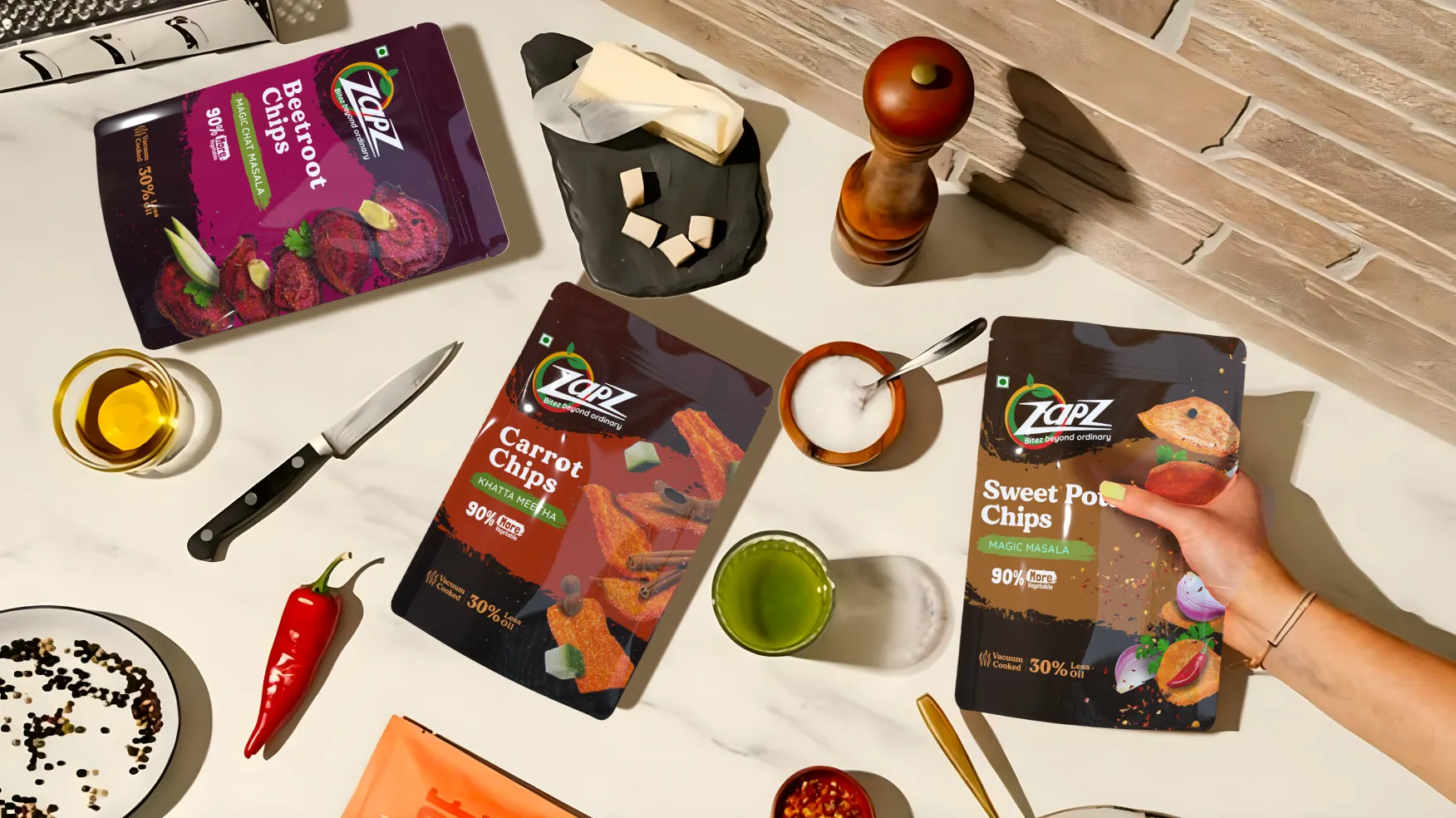
%201.webp)
02
AI Snaps
.svg)
.svg)
01
Our Work

03
About Us
05
Contact Us
06
Client Success

07
Blogs
08
Careers
Book A Call



.svg)
Need Help In Building Your Brand?
Click the button below & book a call with our founder directly.

Rishabh Jain
Managing Director
Branding and packaging design for startups is a sequence of decisions that build on each other, starting with positioning and ending with a printed, compliant, sellable product.
This guide breaks that sequence down step by step, what each piece actually involves, what it costs, and where it can go wrong.
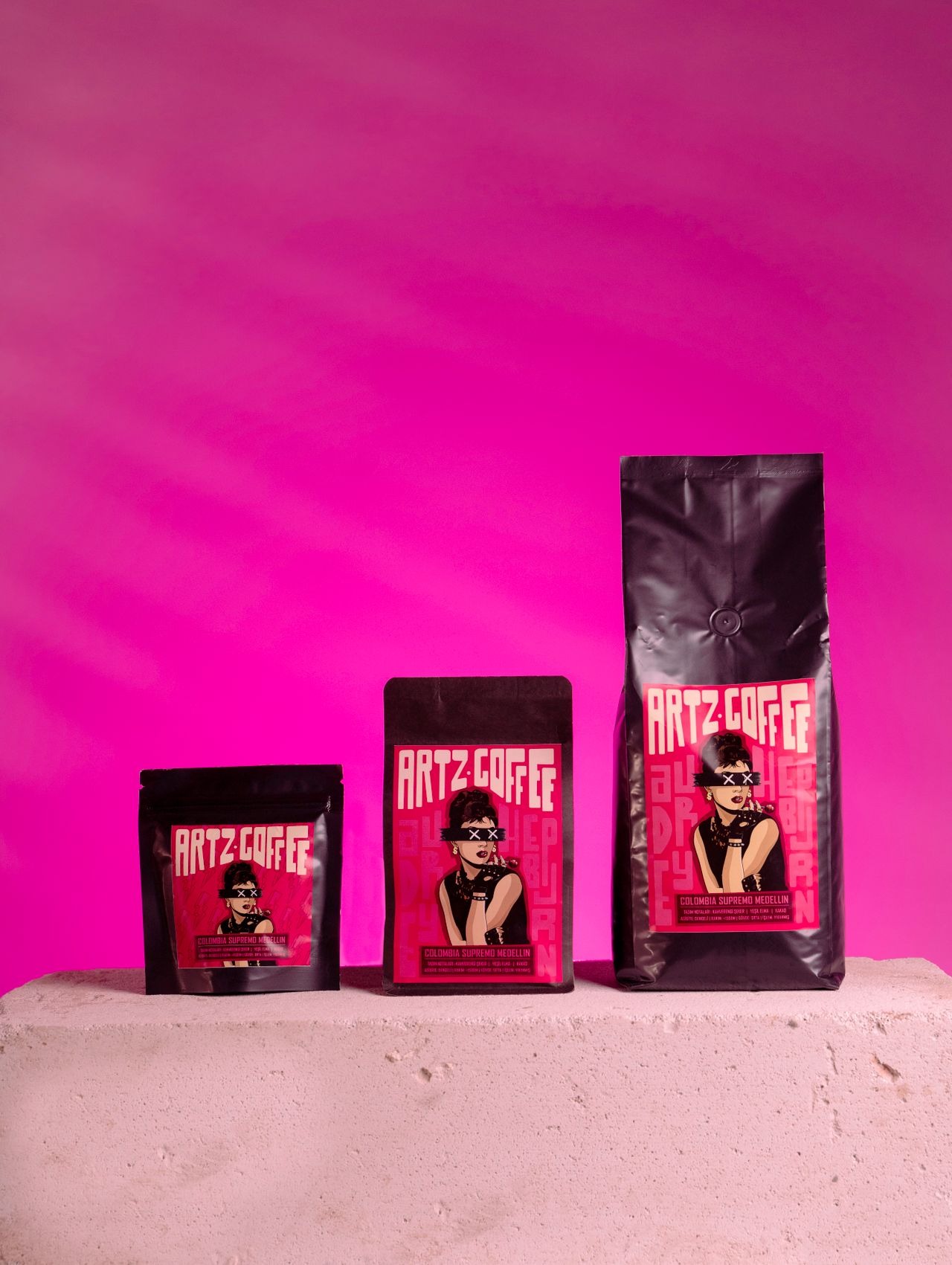
For an established business, branding is maintenance. You hire an agency to refresh, reposition, or expand. The brand strategy, visual identity, and messaging architecture already exist. The agency works with an existing asset base.
In a startup, you are building from zero. You have a product (or an idea for one), a founding team, and maybe some early customer validation.
Everything else, the positioning, the visual language, the narrative, the go-to-market framework, needs to be created. And it needs to be created fast, as your runway is finite and your competitors are growing.
👉Why Branding & Packaging Doesn’t Work as a "We'll Fix It Later" Approach
Many founders postpone branding until after they've validated their product. It seems practical but delaying branding delays clarity. And for startups, clarity shapes product decisions, hiring, fundraising, and go-to-market strategy.
A great product is not enough, if customers can't quickly understand what you do, why it matters, and why you're different. Strong branding provides the positioning and story that help customers remember and choose you.
👉Packaging design is equally important. According to POPAI, 76% of purchase decisions are made at the point of sale, making packaging one of the strongest drivers of conversion.
Effective packaging combines brand identity with commercial realities. It must communicate value in seconds while accounting for print production, materials, structural design, manufacturing constraints, retail compliance, and shelf visibility.
It's not simply graphic design, it's where branding, engineering, and commerce come together.
👉When done right, branding and packaging for a startup deliver three things:
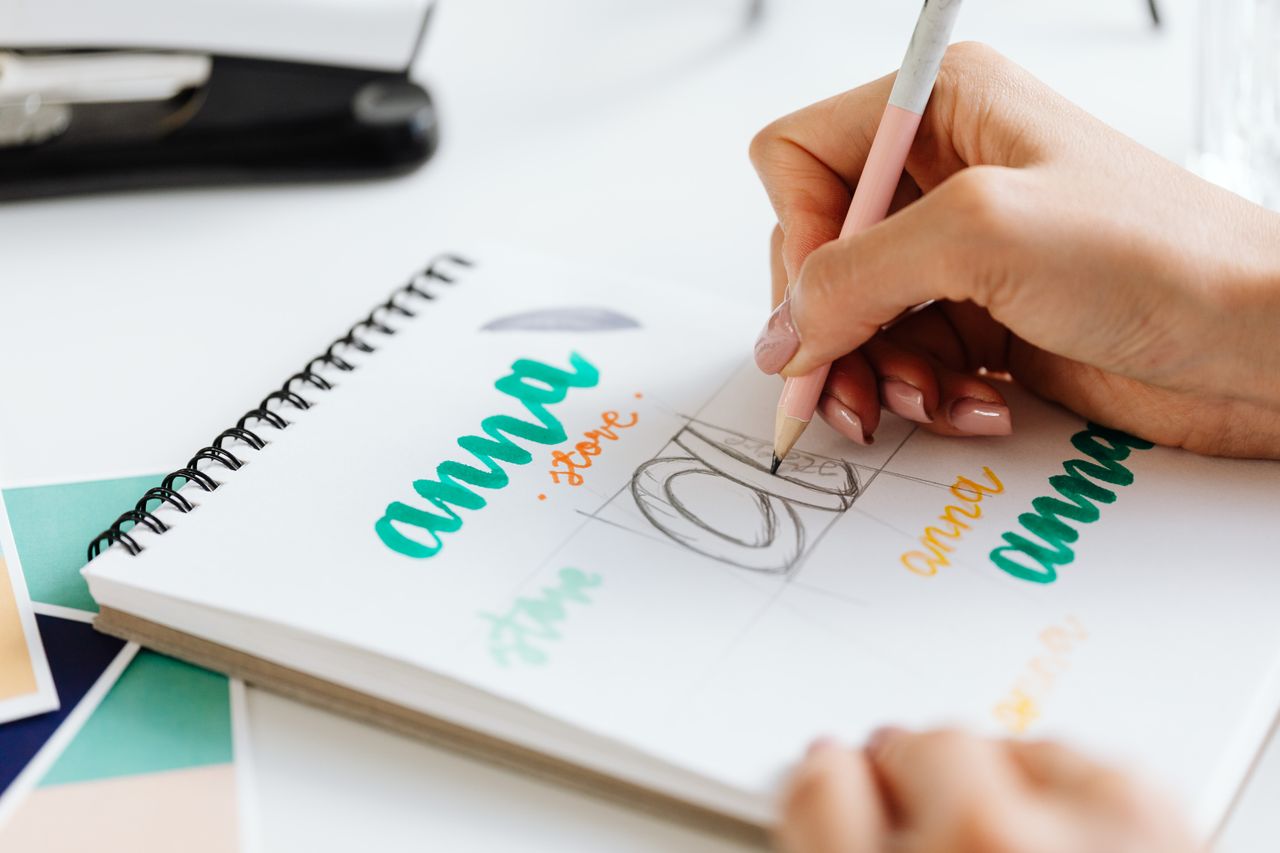
Branding for startups is a system where each element plays a specific role, and the elements work together to create recognition, trust, and preference.
When one piece is weak, the entire system suffers. Here is what each element actually does and why it's important for your startup.
Your brand purpose explains the impact you want to create beyond selling products, while your brand positioning defines where you fit in the market. It should clearly answer:
Positioning influences every branding decision that follows, from your visual identity and packaging design to your pricing, messaging, and marketing strategy.
Example: Paper Boat positioned itself around nostalgia and authentic Indian flavours, which shaped its storytelling, illustrations, and distinctive pouch packaging.
A well-defined positioning also helps startups decide when to follow category conventions and when to challenge them.
A strong visual identity keeps your brand recognisable across packaging, websites, social media, retail shelves, presentations, and advertising.
Your visual identity should include:
Colour plays a particularly important role because it influences first impressions within seconds. Consistent use of colour improves brand recognition, while a disciplined typography system communicates personality before a customer even reads your message.
Brands like B-Natural and Mulberry Oak show what this looks like at scale. A colour and typography system flexible enough to hold multiple products without diluting recognition.
Visual branding attracts attention, but your verbal identity builds relationships.
Your brand voice defines how your business communicates across packaging, websites, advertising, emails, and customer support. Whether your personality is authoritative, playful, friendly, or premium, the tone should remain consistent across every customer interaction.
An effective messaging framework usually includes:
📌For startups, this consistency is truly valuable because customers are still learning who you are. Every interaction should reinforce the same personality and value proposition.
Many startups create brand guidelines only after inconsistencies appear. The opposite approach works better.
Practical brand guidelines ensure that founders, employees, agencies, printers, photographers, packaging manufacturers, and digital partners all represent the brand consistently from day one.
A useful guideline should cover:
Rather than producing a lengthy document that sits unused, build guidelines that are simple, accessible, and updated as the business grows.
This becomes especially important as startups launch new SKUs, expand into marketplaces such as Amazon or Flipkart, or enter organised retail.
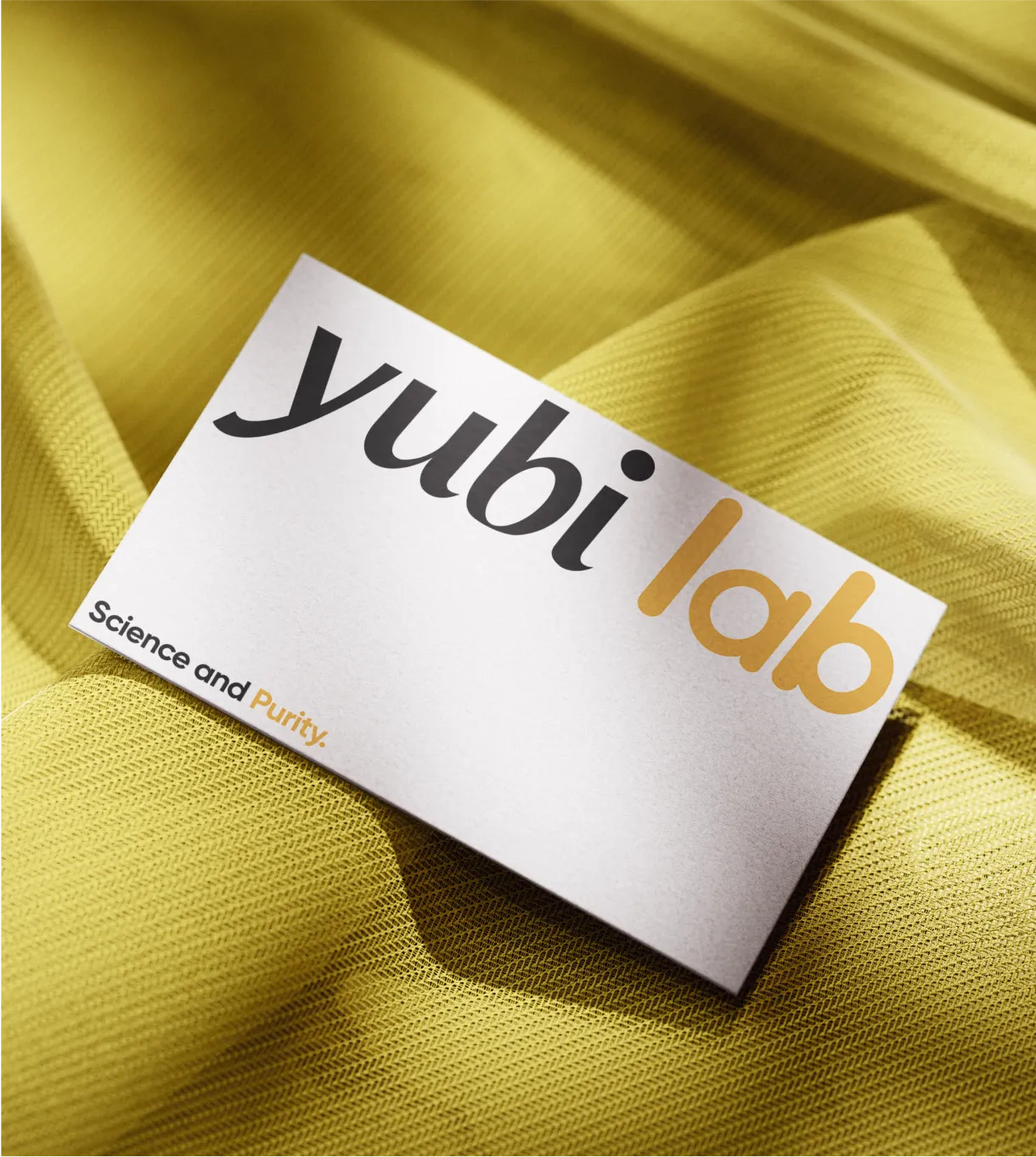
Packaging is the final mile of your brand. It is where all your strategic work meets the physical world.
These fundamentals decide whether packaging performs once it leaves the studio.
One of the biggest mistakes startups make is focusing on visual design before confirming that the packaging can actually be manufactured.
Packaging consists of two distinct but interconnected elements:
The structure should always come first. It determines available print areas, panel sizes, opening mechanisms, and production feasibility.
This becomes even more important when launching an innovative product.
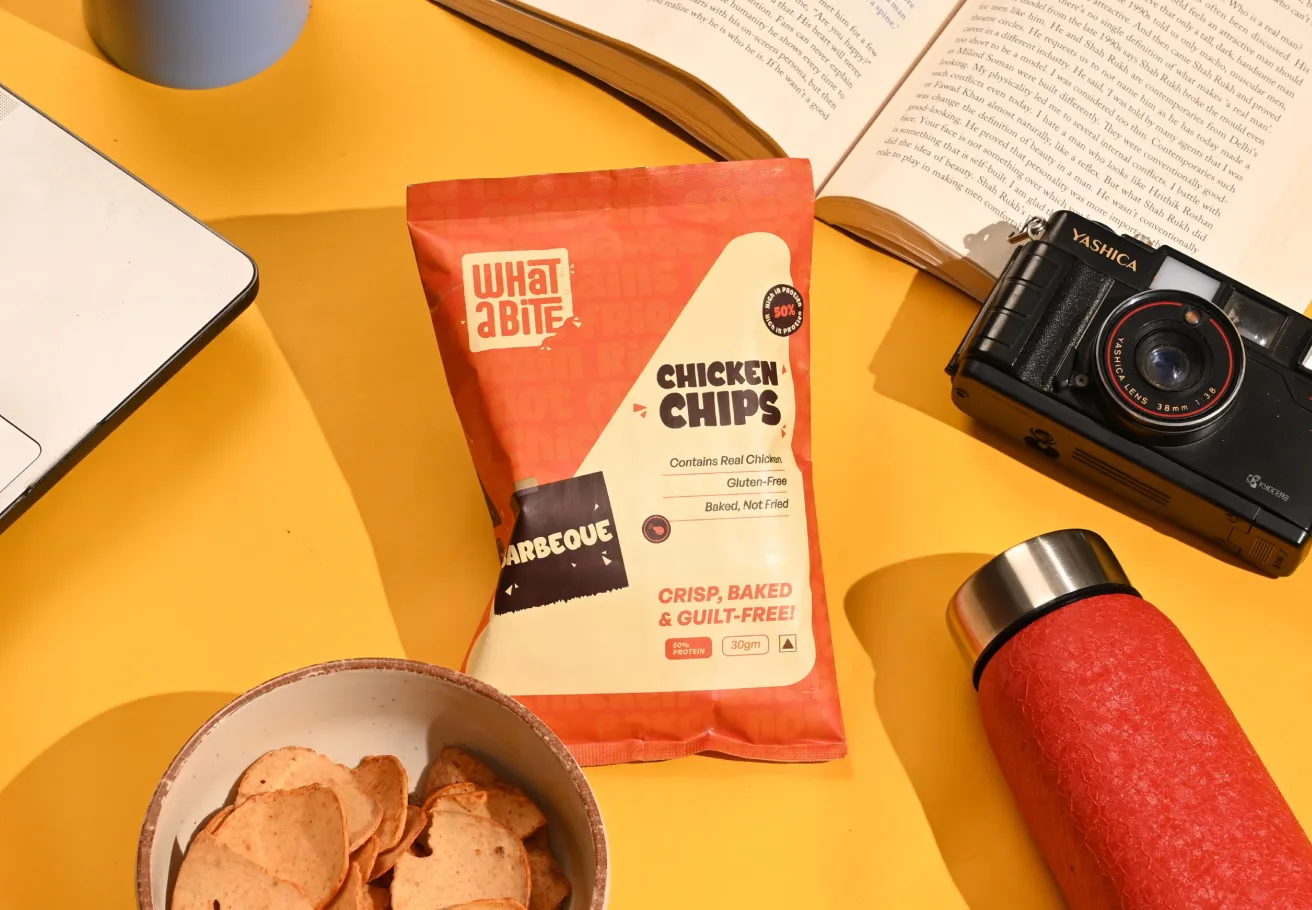
Example: What A Bite, one of the pioneers in meat-based protein chips, required a packaging structure designed specifically for its product format before visual branding could be completed.
The core requirement of packaging is to provide protection from contamination and damage, maintaining quality throughout the supply chain.
If a package leaks, tears, dents, or is difficult to open, even excellent branding cannot recover the customer experience.
Good structural design also improves usability by considering practical questions such as:
The best packaging designs combine functionality with a memorable unboxing experience rather than sacrificing one for the other.
Modern packaging must perform:
On a physical shelf, where customers notice tactile finishes, structural form, premium materials, and overall shelf presence.
Online, where products are viewed as small thumbnails and intricate details disappear.
To perform well in both settings:
This is especially important for startups selling through Amazon, Flipkart, Blinkit, Zepto, Instamart, or their own D2C websites, where customers often make purchase decisions from a mobile screen before ever handling the product.
Material selection affects appearance, manufacturing costs, logistics, durability, sustainability, regulatory compliance, and customer perception.
When selecting packaging materials, startups should evaluate:
Premium finishes such as foil stamping, embossing, textured papers, or soft-touch laminates can increase perceived value, but they also raise production costs.
For most early-stage brands, it is often more practical to invest first in a strong structure, high-quality printing, and consistent branding, then introduce premium finishes once product demand has been validated.
Material choices should also reinforce your positioning. A premium skincare brand, for example, may justify glass bottles or rigid cartons, while an affordable FMCG product may prioritise lightweight, cost-efficient flexible packaging.
Your label is one of the busiest parts of the package. It must communicate your brand while accommodating mandatory regulatory information.
A well-designed label balances four priorities:
For startups in regulated industries such as food, beverages, cosmetics, or healthcare, compliance should be considered early in the design process rather than added after the creative work is complete.
This avoids compromising the visual hierarchy when mandatory information is introduced later.
Sustainable packaging is becoming a business requirement with more and more customers increasingly expecting environmentally responsible packaging.
For startups, sustainability should focus on practical improvements rather than expensive experimentation.
These may include:
Innovative companies such as Notpla and Sway are developing plant and seaweed-based packaging materials that demonstrate how sustainability and innovation can work together.
However, for most startups, the biggest impact comes from choosing efficient materials and designing packaging that can scale responsibly.

Talk to our team to build impactful branding and packaging
Book A Call
The price for startup branding and packaging design varies with what you're building. A startup validating its first product has very different needs from a brand preparing for national retail distribution or international expansion.
In India, a professional branding and packaging project can cost anywhere from ₹50,000 to ₹15 lakh or more, depending on the scope, depth, SKU number, packaging complexity, and the experience of your design partner.
Packaging costs vary based on product format, structural requirements, regulatory complexity, and the number of SKUs.
If your startup requires custom packaging rather than standard stock containers, structural development should be planned early because it can add several months to the product launch timeline.
A startup branding and packaging project might allocate the budget as follows:
This approach ensures that sufficient budget is reserved not only for creative design but also for production-ready execution.
Higher investment usually makes sense when:
If you're still validating product-market fit with a limited launch, a lighter branding package may be appropriate. However, even at this stage, avoid sacrificing strategic thinking simply to reduce costs.
📌Many startups choose the cheapest branding first, only to pay far more later through costly rebranding, packaging updates, and lost brand recognition. Investing in a scalable brand identity from the start saves money, builds trust, and supports long-term growth.
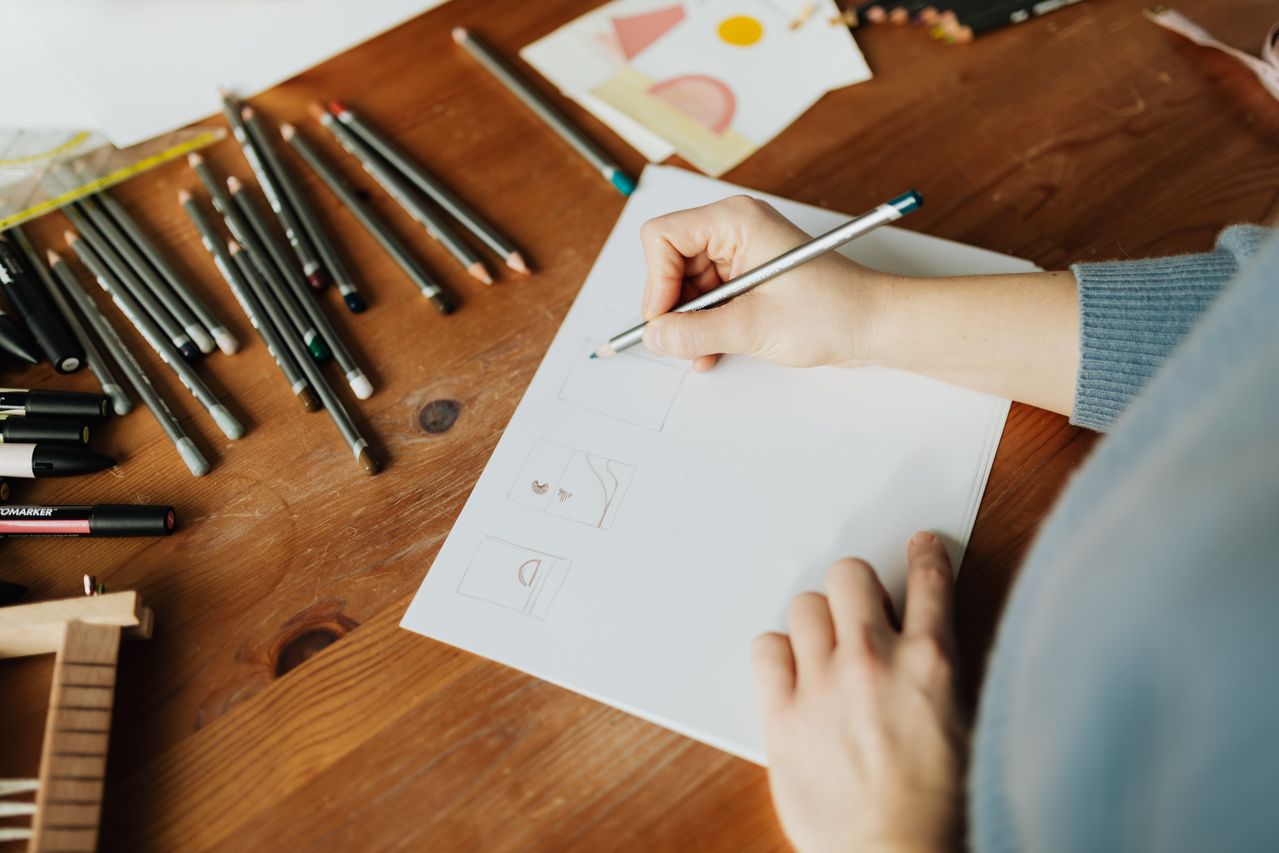
For most startups branding and packaging design gets completed in 8–16 weeks, and investing time upfront helps avoid costly revisions and production delays.
Successful branding starts with understanding the market. This discovery phase uncovers opportunities, defines differentiation, and builds the brand on customer insights.
It involves:
A category shelf audit reveals which visual cues customers already recognise and where the brand can stand out. The goal is to balance familiar category conventions with strategic differentiation.
Example: For Novis Bakery, competitive analysis by Confetti revealed a market of dated packaging with little focus on ingredient quality or storytelling. That insight shaped the entire brand identity and packaging system.
➡️Key output: Brand discovery report, market insights, competitor analysis and strategic recommendations.
Once the research is complete, the strategic foundation of the brand is defined. This stage defines:
The strategy here involves:
Example: For Slosh & Co., the positioning of "desi street vibes meet cocktail culture" influenced everything that followed, from the bold visual identity to the playful Hinglish copywriting and vibrant packaging design.
➡️Key output: Brand strategy document, messaging hierarchy and creative brief.
This stage transforms positioning into a complete visual identity system.
Deliverables include:
Every design element is tested against the brand strategy to ensure consistency and scalability.
➡️Key output: Complete visual identity system and brand guidelines.
Packaging design work combines structural engineering, brand communication, consumer psychology, manufacturing knowledge, and regulatory compliance into a single commercial asset.
The process includes:
➡️Key output: Structural design, packaging artwork, dielines, material specifications and print-ready files.
Before production begins, every packaging design should pass through a structured approval workflow.
This stage verifies four critical areas:
Many production delays occur because businesses combine reviews or postpone compliance until the end of the project. A structured approval process reduces version confusion, prevents unnecessary revisions and significantly lowers the risk of costly reprints.
Common causes of delays include multiple decision-makers, poor version control, late legal reviews and missing printer specifications.
➡️Key output: Approved print-ready production artwork.
Once artwork has been approved, packaging moves into production.
Depending on the packaging format, materials and finishes, manufacturing usually requires 3-6 weeks, while custom structures, imported materials or specialised finishes may extend lead times further.
During production, experienced branding and packaging agencies like Confetti continue to support the process by:
This final quality assurance stage ensures the design translates accurately from screen to physical packaging before products reach retailers or customers.
➡️Key output: Production-approved packaging ready for launch.
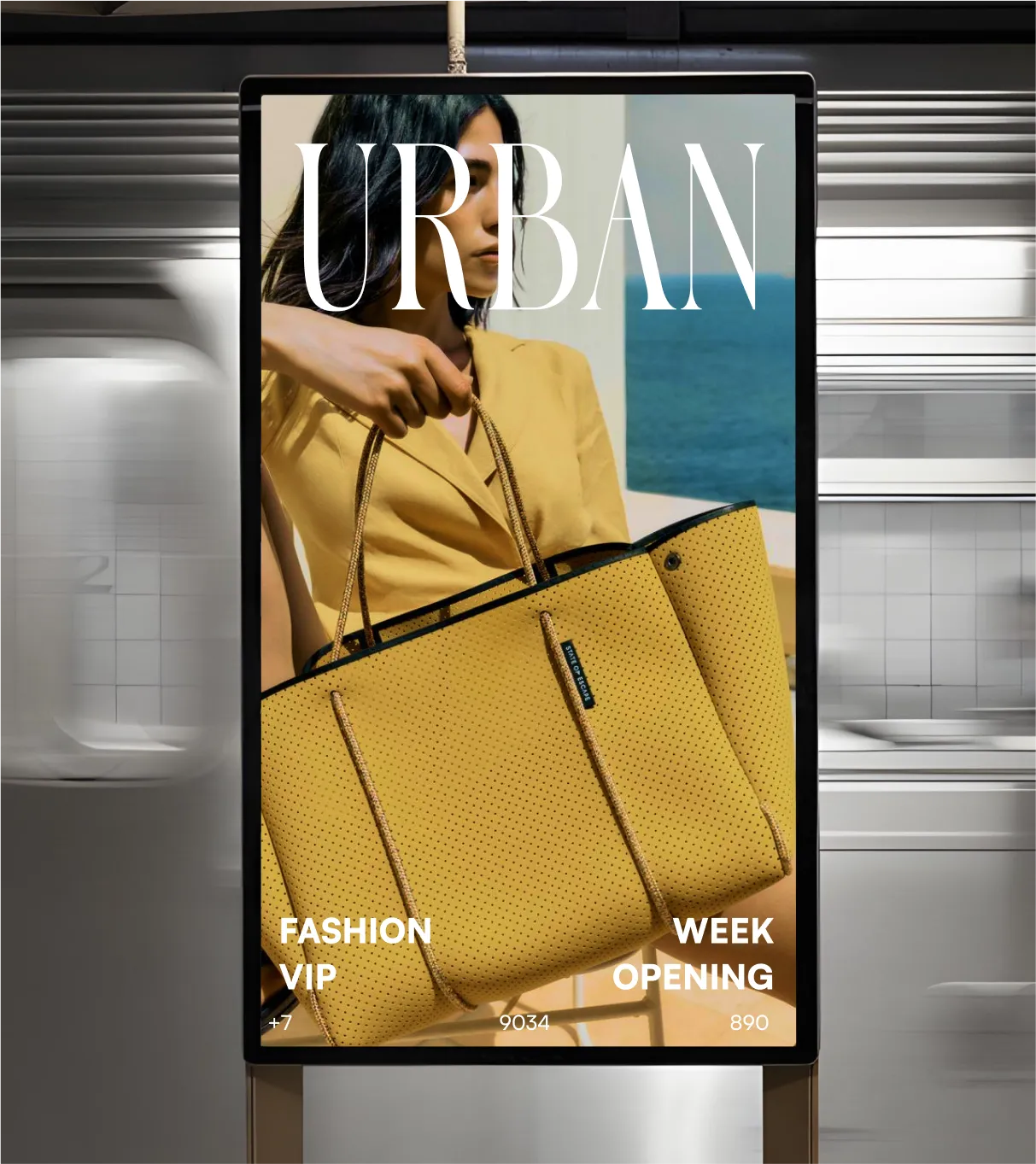
Every branding and packaging project we undertake at Confetti for startups follows the same proven sequence, we call BUILT: Brand Foundation, Unified Identity System, Impact Packaging, Launch Compliance, Track & Scale.
We map the category's visual conventions before we decide whether to follow them or break them, because a deliberate break from convention performs, an accidental one just confuses people.
At this stage we lock typography, colour codes, and usage rules into a guideline document your team, your manufacturer, and any future vendor can actually use.
Structure and graphics get developed together here, not sequentially. That's a deliberate choice, a beautiful artwork file built against a structure that later needs to change means starting the graphic work over from zero.
This is the stage most startups either skip or rush, and it's the single biggest source of reprints. For food brands launching in India, that means checking every layout decision against FSSAI's labeling and display requirements before artwork is locked.
We design the identity and packaging architecture to absorb new SKUs, new markets, and new formats from the start, a flavor-variant colour system that scales instead of one that needs reinventing every time the product line grows.
Startup founders operate under intense pressure. Limited budgets, tight timelines, and the urgency to get to market create conditions where mistakes are almost guaranteed. Here are the most costly ones and how you can avoid them:
⚠️Thinking the Logo Is the Brand
Founders pour significant budget into the "perfect" logo and then stop. Their messaging remains inconsistent, their website feels disconnected, and their social media reflects different values.
✅Start with strategy. Define who you are, what you care about, and who you are helping before you design anything. Once those are clear, the logo becomes meaningful.
⚠️Treating Branding as Visuals Only
Many Indian D2C startups equate branding with logos and packaging alone. This confuses branding with advertising or social media campaigns. The result is a brand that looks good but has no strategic foundation.
✅Branding is storytelling with discipline. If daily actions, product choices, and customer treatment don't align with the brand promise, no logo or campaign can fix that gap. Define your "why," brand promise, and tone before launching any marketing efforts.
⚠️Inconsistent Visual Identity
Fonts switching, colours clashing, graphics looking completely different across channels. This inconsistency confuses your audience and erodes trust.
✅Establish your brand foundations early and document them clearly. A basic brand guide covering logo usage, colour palette, typography, tone of voice, and image style gives everyone working on your business a shared reference point.
⚠️Trying to Be Everything to Everyone
Many startups think they must appeal to everyone: be fun, serious, smart, witty, and cool all at once. This dilutes the brand voice and makes it forgettable.
✅Pick your tone, focus on your real audience, and stick to it. Clarity beats cleverness. You do not need to be everything, you just need to be memorable to the right people.
⚠️Skipping the Packaging Strategy Phase
When you skip the strategy phase and go straight to aesthetics, you end up with packaging that the founder loves and the consumer ignores. Many packaging designs fail because the process is shallow.
✅A packaging design strategy is the decision-making framework that connects every physical and visual element of your package to a specific business outcome. Strategy forces the trade-offs into the open before design begins.
⚠️Designing Only the Front of the Pack
Founders often focus exclusively on the front panel and neglect the sides and back. A pack is not experienced in a single glance, it is touched, turned, opened, and interacted with over time.
✅Design for the entire journey. How does it open? What does the customer see first? How does information reveal itself as they move around the pack? Apply a structured unboxing framework to ensure every interaction feels considered and on-brand.
⚠️Ignoring Manufacturing Feasibility and Unit Economics
Startups approve beautiful concepts without understanding the impact on margins. They overlook logistics constraints. Bold packaging ideas often die on the vendor's quotation sheet.
✅Treat packaging as a production reality. Ensure unboxing experiences are manufacturable, scalable, and commercially sensible. Involve a packaging expert early.
⚠️Overlooking Regulatory and Legal Requirements
One trademark mistake forced a founder to destroy over 14,000 printed product labels and redesign packaging. Another startup faced a ₹20 lakh legal notice.
✅Verify all compliance requirements before printing. Legal text takes space, and space on a small package is precious. One mistake can render an entire batch unusable.
What exactly is branding for a startup, and why can't I just get a logo?
Branding is how your business shows up, sounds, and stays consistent everywhere. It includes strategy, visual identity, messaging, and guidelines. A logo alone is just a shape, without positioning, it has no meaning. Strategic branding drives recognition, trust, and purchase decisions.
When is the right time for a startup to invest in branding and packaging design?
As early as possible. Branding is not a post-product-market-fit luxury, it helps you achieve fit. Delaying branding costs clarity across product, fundraising, and hiring. Early investment prevents expensive rebranding later.
What packaging mistakes do most new startups make?
Skipping prototypes, ignoring durability, designing only the front panel, overlooking manufacturing feasibility, and leaving packaging until the end. All lead to costly reprints or poor shelf performance.
What deliverables should I expect from a startup branding agency?
Brand strategy, visual identity (logo suite, colour, typography), brand guidelines, messaging framework, and core applications (pitch decks, social templates). Packaging studios add dielines, material specs, and print-ready files.
How long does branding and packaging design take for a new product launch?
For a complete branding and packaging project, plan for 8 to 16 weeks from strategy to print-ready files. This covers everything from research and visual identity to packaging design and technical artwork. The timeline can extend to 12–20 weeks for complex projects with multiple SKUs or custom structures. Production can further add 4–6 weeks.
Want strategic branding and packaging like this for your business?





.webp)
.webp)

.webp)
.webp)
.webp)
.webp)
.webp)






.svg)
.webp)
.svg)
.webp)