%201.webp)
02
AI Snaps
.svg)
.svg)
01
Our Work
03
About Us
04
Brand Audit
05
Contact Us
06
Client Success
12
07
Blogs
08
Careers
Book A Call
.svg)



.svg)
Need Help In Building Your Brand?
Click the button below & book a call with our founder directly.

Rishabh Jain
Managing Director
The importance of packaging design in branding lies in its ability to communicate brand value, build trust, and influence buying decisions within seconds.
Learn with us how string packaging can make your brand stand out, strengthen its brand identity, recognition, and long-term loyalty.
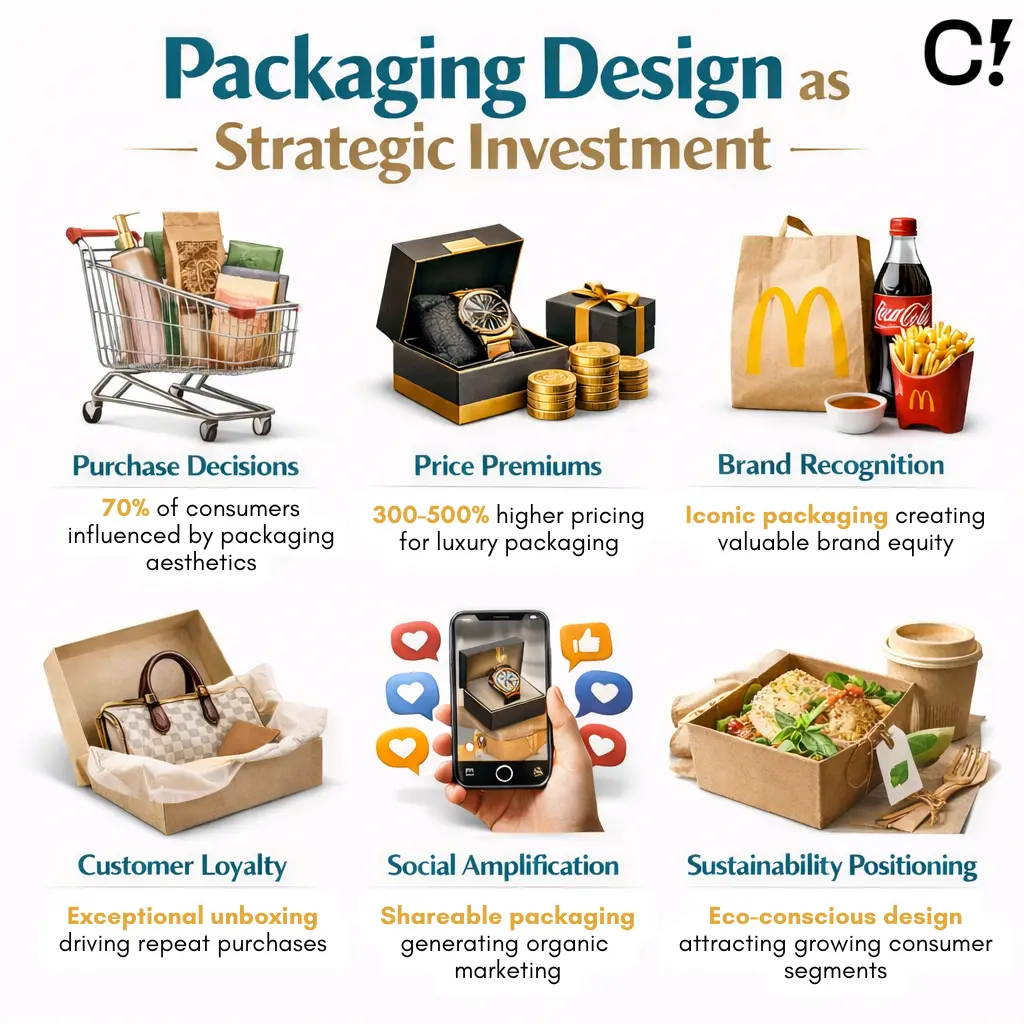
Packaging design serves more than just visual appeal.
In an era of endless choice, packaging is one of the most powerful brand touchpoints across physical, digital, and cultural worlds.
Here are the most critical, and sometimes overlooked ways in which packaging design directly impacts branding:
Great packaging does not disappear after use. Reusable or collectible packaging turns into a long-term brand reminder.
It stays in homes, offices, and daily routines, extending brand visibility far beyond the point of sale.
It extends brand touchpoints, boosts recall and emotional connection, and turns packaging into a long-term brand asset.
Example: Tiffany & Co.’s blue boxes and Nutella’s collectible jars remain in consumers’ homes for years, subtly reinforcing brand presence.
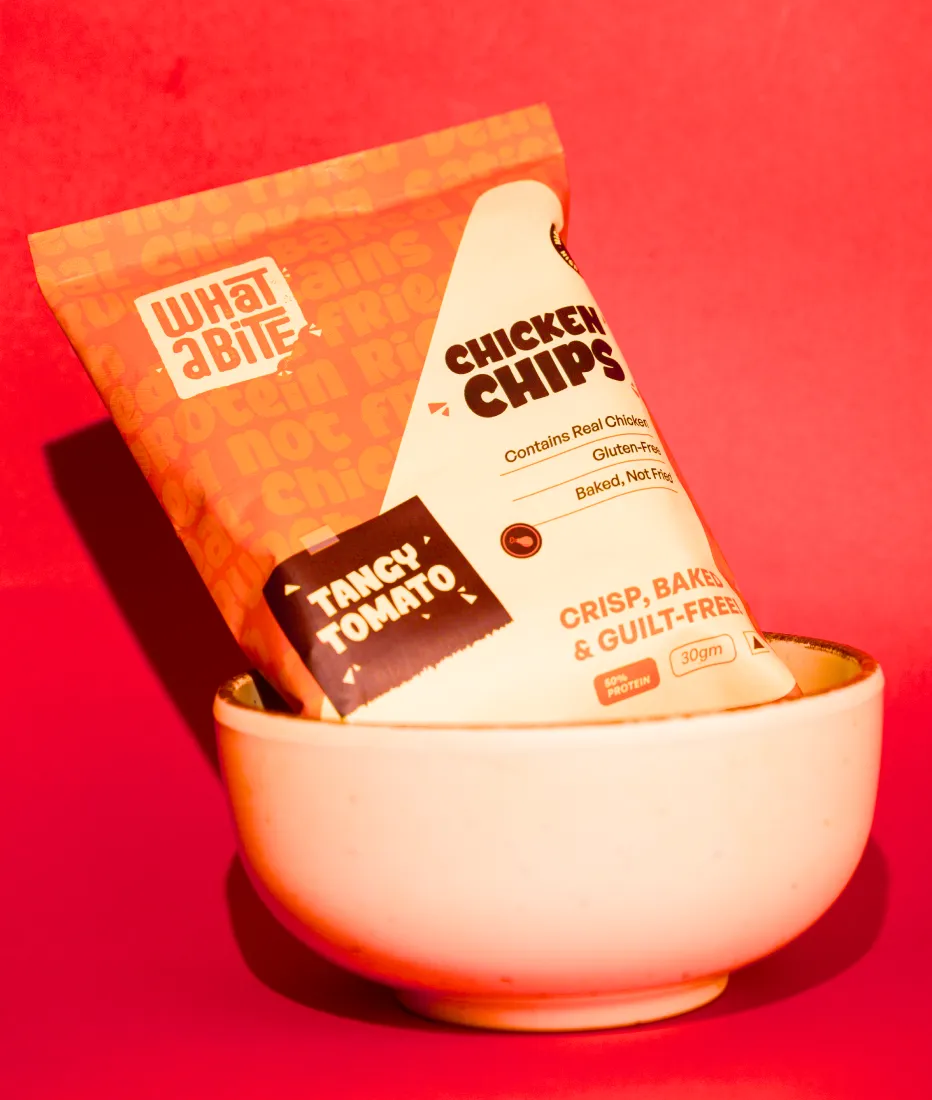
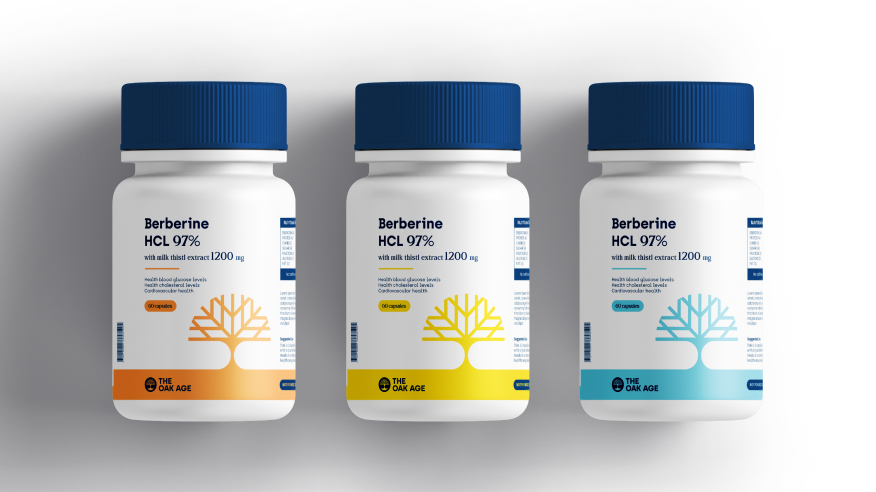
Packaging is one of the most trusted sources of brand information such as ingredients, nutritional information, and usage instructions.
It validates quality, safety, and authenticity at the shelf and at home.
At Confetti, we design packaging with a clear information hierarchy so key trust signals like origin, certifications, benefits, etc. stand out instantly, turning packaging into a silent credibility engine for premium and regulated brands.
Key trust-building elements include:
Example: Pharmaceutical and wellness brands rely on tamper-proof, information-rich packaging to signal safety and reliability.
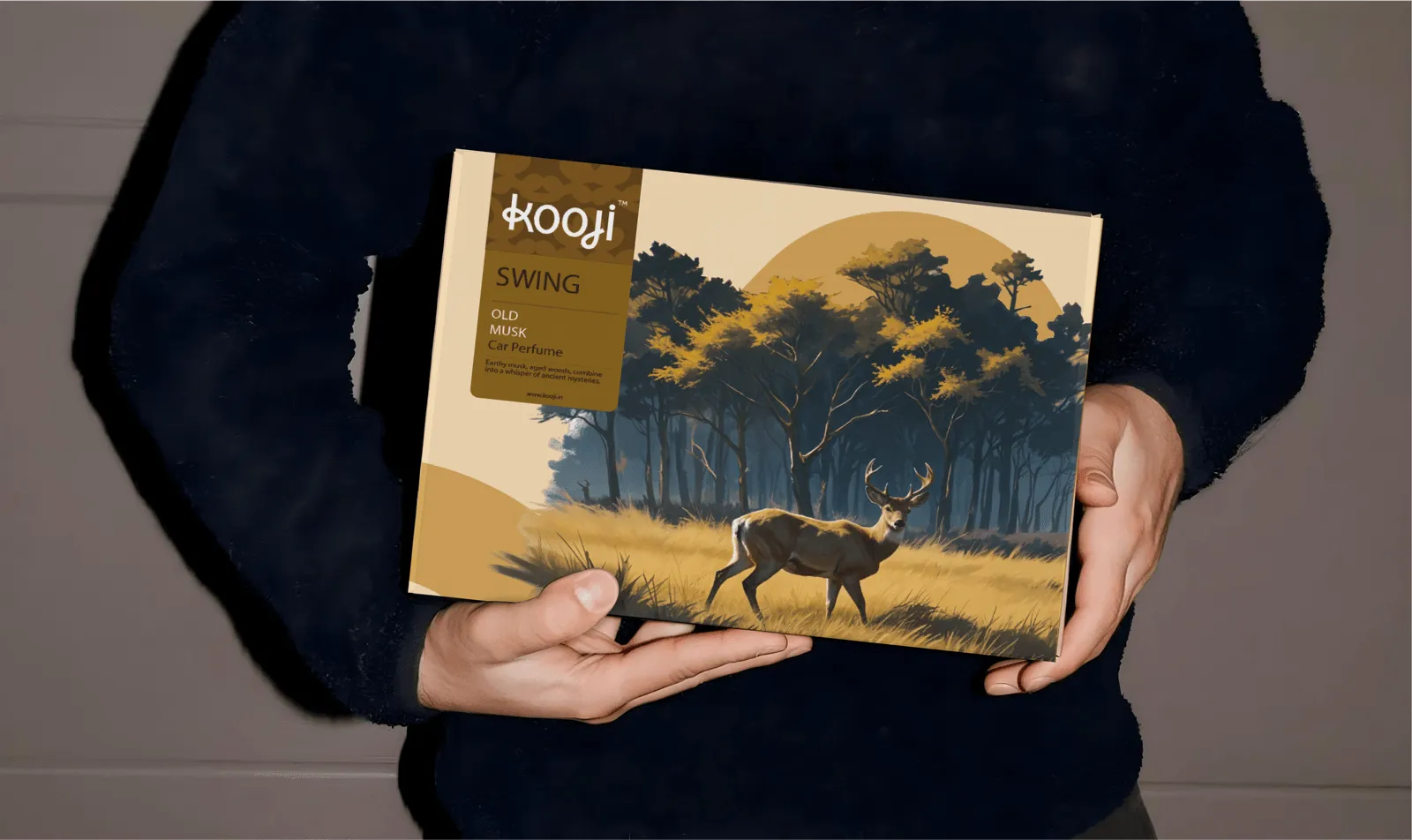
Poor sustainability choices can damage brand reputation instantly. Packaging is one of the most visible expressions of a brand’s environmental and social responsibility.
Sustainable packaging strengthens branding by signaling ethical leadership, supporting ESG and CSR commitments, building trust and influencing purchase decisions globally.
Example: For SPJ Electronics and Kooji , we at Confetti focused on combining durability, eco-friendly materials, and premium aesthetics. This ensured sustainability was not just claimed, but clearly experienced through packaging design.
Packaging design helps consumers navigate complex product portfolios while preserving a consistent brand identity.
It prevents confusion, strengthens brand structure, and enables scalability across categories and markets.
It communicates:
Example: Apple uses consistent minimalist packaging across all products while differentiating Pro models with darker colors and textured finishes.
Limited-edition packaging keeps brands culturally relevant without changing their core identity.
This flexibility makes packaging a strategic innovation tool rather than a static asset.
It allows brands to create urgency and collectability, tap into festivals, seasons, and collaborations, experiment with trends safely, and drive repeat purchases.
Example: Coca-Cola’s “Share a Coke” campaign replaced logos with names, turning everyday bottles into personalized collectibles.
Packaging does not only influence consumers. It also shapes how employees perceive and represent the brand.
This makes packaging a driver of internal culture as much as external perception.
Strong packaging design:
Packaging is the only marketing medium that engages multiple senses at once.
These sensory cues create emotional memory and strengthen brand differentiation in ways digital media cannot.
Sensory branding includes texture and material finishes, weight and structural design, sound cues when opening or sealing, and visual rhythm and color harmony.”
Example: Luxury perfume brands use heavy glass bottles and textured boxes to signal premium value before the product is even used.
In the age of Instagram, TikTok, and YouTube, unboxing has become a powerful branding moment.
Well-designed packaging encourages organic user-generated content, enhances perceived value, and turns customers into brand advocates.
Example: The Bingo Chatpaki Kairi packaging went viral due to its Indian truck-art aesthetic, proving that culturally expressive packaging can drive massive social visibility.
Global brands must adapt packaging to local cultures without losing their core identity.
This adaptability is essential for global relevance and market expansion.
Culturally fluent packaging respects local symbolism, language, and norms, adapts colors, imagery, and layouts, while maintaining consistent brand DNA
Example: Lay’s and McDonald’s localize packaging visuals across regions while preserving brand recognition.
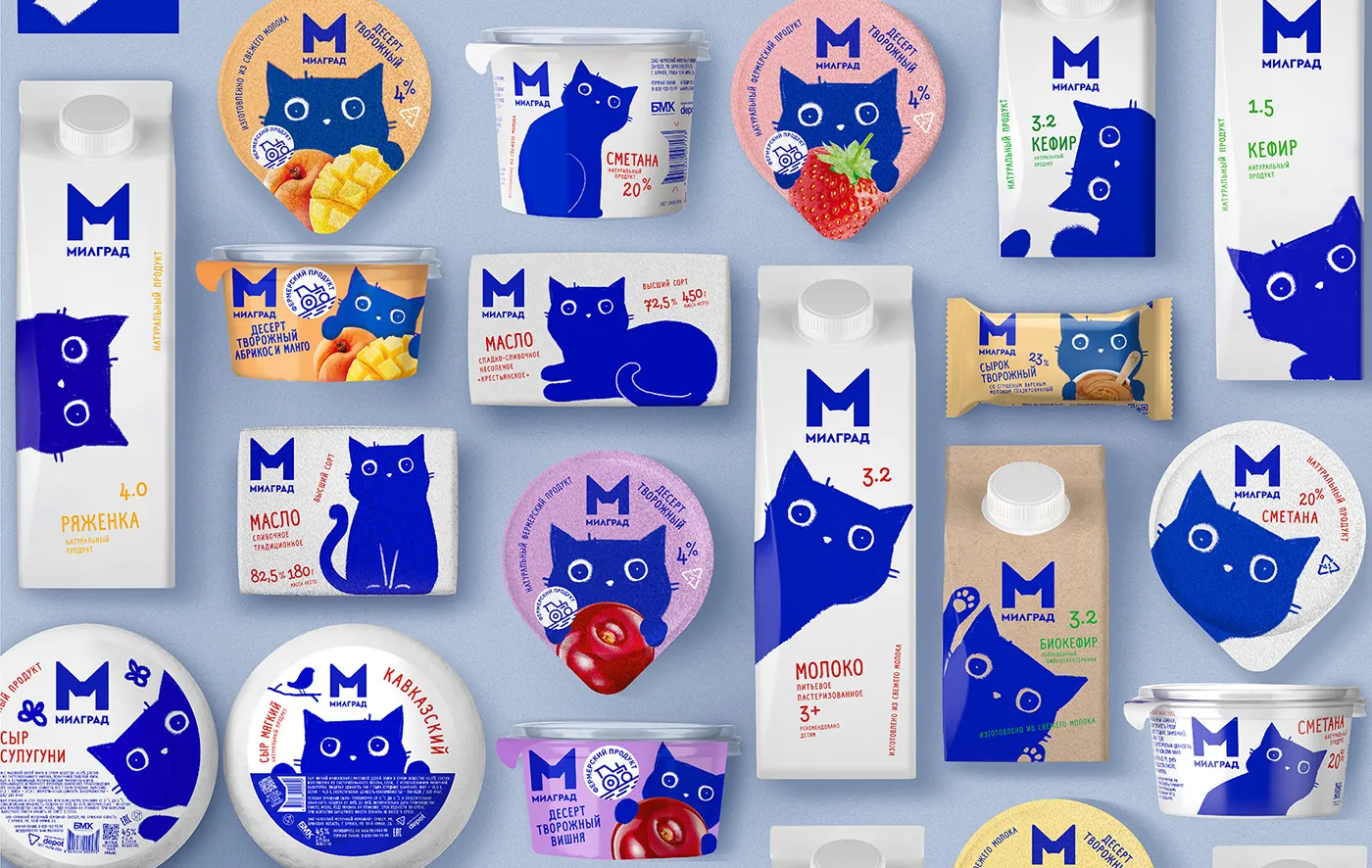
In a phygital retail world, packaging must look just as compelling on a 5-inch mobile screen as it does on a physical shelf.
Packaging is the only physical brand asset that appears across e-commerce, social media, retail, and unboxing videos.
Example: Apple’s packaging looks equally refined on its website, in retail stores, and in unboxing videos, reinforcing familiarity and trust.
Inclusive packaging is not merely about compliance. It demonstrates empathy and real-world understanding of diverse user needs.
Accessible packaging signals that a brand values everyone. It expands market reach, builds loyalty, and positions the brand as socially responsible and human-centered.
Example: Herbal Essences added tactile indentations to bottles so visually impaired users can distinguish shampoo from conditioner by touch..
Packaging can function as a badge of belonging. When design is distinctive, carrying it becomes a signal of membership in a tribe or lifestyle group.
Packaging builds community by reflecting shared values, encouraging display and sharing, reinforcing identity, and enabling collaborations and limited editions.
Example: The Ordinary’s clinical, minimalist packaging signals a community of “skintellectuals” who value science over marketing hype.
Packaging is the final proof point of marketing claims. It must communicate value instantly, often without requiring the consumer to read detailed text.
At Confetti, we specialize in visual shorthand. In our work with diverse clients, we ensure that the hero benefit, whether it is 24-hour hydration or 100 percent recycled material, is reinforced through tactile and visual cues aligned with the brand’s core promise.
Example: A skincare brand promising 24-hour hydration may use droplet icons and dewy imagery. Matte finishes can imply organic or natural positioning.
Packaging is the most powerful tool for premiumization and category repositioning.
Key cues that influence price perception include:
Example: Grey Goose repositioned vodka as a luxury product using tall frosted glass bottles and cork stoppers.
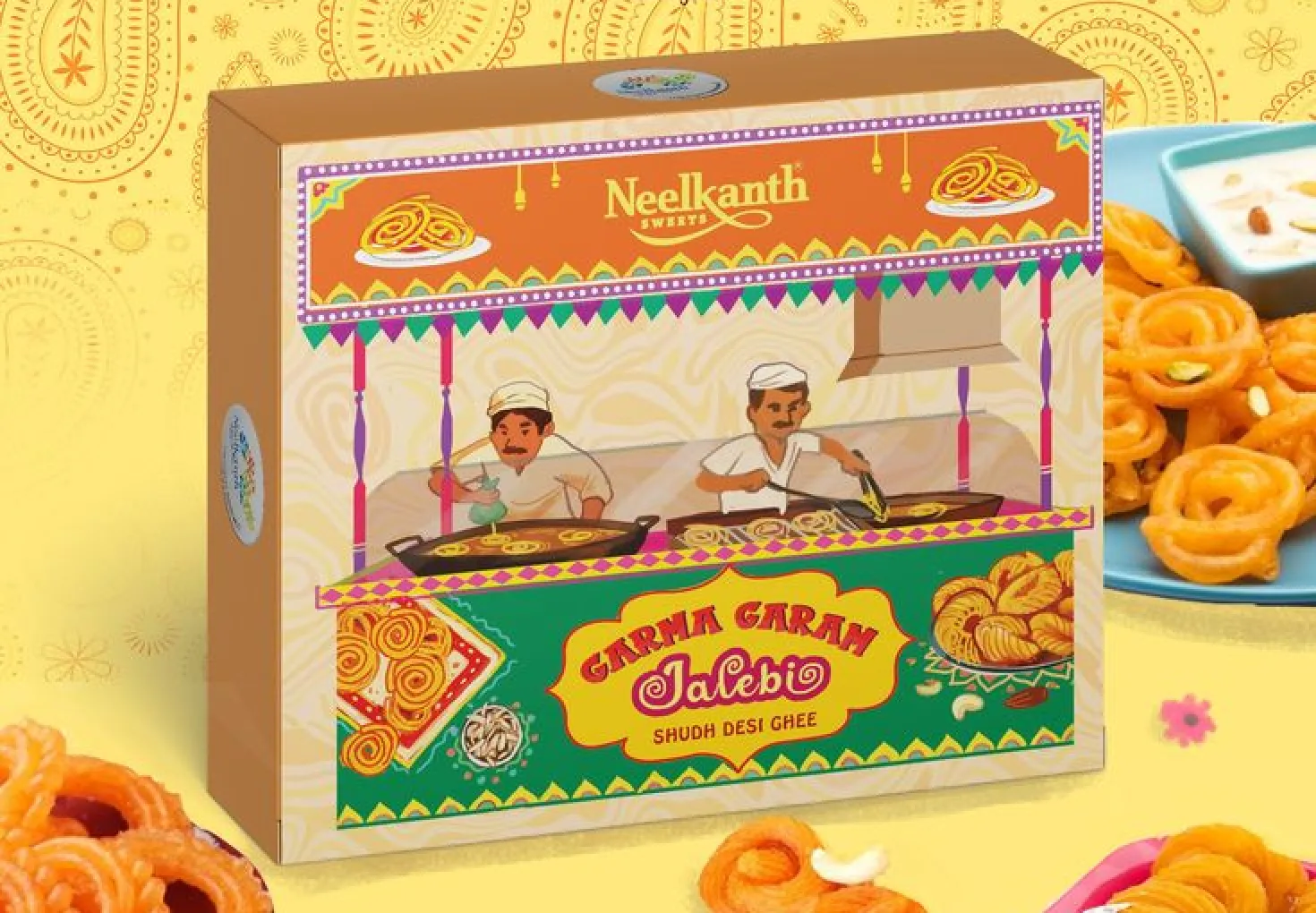
Packaging transforms products into experiences with emotional depth. It can reveal layers of brand meaning as the consumer interacts with it.
It communicates brand origins, craftsmanship, cultural roots, craftsmanship and mission.
Example: Jack Daniel’s square bottle and black-and-white label express rugged Tennessee heritage. Whisky and wine brands often use archival typography and origin stories to deepen emotional connection.
In physical retail, packaging has about three seconds to win attention. It must interrupt visual noise and earn the first moment of truth.
Packaging acts as a silent salesman, attracting attention before any human interaction occurs.
Example: Method cleaning products stood out in a sea of harsh colors through clean, pastel design. FMCG brands rely on strong color blocking and simplified layouts to cut through clutter.
Over time, repeated exposure to consistent packaging elements builds visual brand equity. Certain shapes, colors, or layouts become owned assets in the consumer’s mind.
Strong visual equity:
Example: The Coca-Cola contour bottle is recognizable even without a label. Tiffany’s blue box signals luxury instantly.
"In those critical three seconds on a shelf, your design either whispers forgettable or shouts unforgettable. That moment of connection is why packaging isn't the final step in product development, it's the first step in customer loyalty."
- Rishab Jain, Founder, Confetti Design
Understanding the importance of packaging design in branding also means knowing what can go wrong.
Let’s take a look at some of the most common packaging design mistakes that actively damage branding:
Inconsistency quickly dilutes brand recognition.
This is especially true when packaging varies across product lines, sizes and formats, and online, offline, social, and e-commerce channels.
Confetti Fix: Create a packaging-focused brand style guide covering colors, typography, logo use, and tone of voice across all touchpoints. For brands like Miduty, Confetti strengthened weak identity by aligning packaging with core brand values through deep brand immersion.
Trying to communicate everything at once creates clutter and confusion.
This causes FMCG products to disappear on shelf as key benefits get buried, shelf impact drops, and consumer trust declines.
Confetti Fix: Use a clear information hierarchy. Limit the front panel to the top three most important messages.
When packaging fails to align with brand positioning such as
credibility erodes, value signaling weakens, and customers are pushed toward competitors.
Confetti Fix: Align materials, structure, finishes, and visual language with your intended market position and price point.
If packaging doesn’t stand out, it doesn’t sell.
Low contrast colors, weak logo visibility, lack of a focal point, and designs that blend into category norms cause products to disappear on crowded FMCG shelves.
Confetti Fix: Conduct competitive shelf audits and test designs in real retail simulations to ensure visibility from six feet away.
Even the most beautiful packaging fails when it’s hard to open or use.
Difficult openings, poor grip, weak resealing, and fragile e-commerce formats create frustration and drive customer dissatisfaction.
Confetti Fix: Conduct real user testing across your target demographic and design inclusively for diverse physical abilities.
Packaging that ignores cultural context, through misused colors or symbols, poor translations, or overlooked local habits, risks rejection, backlash, and even PR crises.
Confetti Fix: Invest in local research and cultural consultation. Adapt visuals while preserving core brand DNA.
The most damaging mistake is viewing packaging as an expense rather than a strategic investment.
This can result in generic designs, short-term savings that erode long-term brand value, missed differentiation, and weak loyalty, especially in private-label products.
Recognizing the importance of packaging design in branding means treating packaging as a growth lever, not a procurement line item.
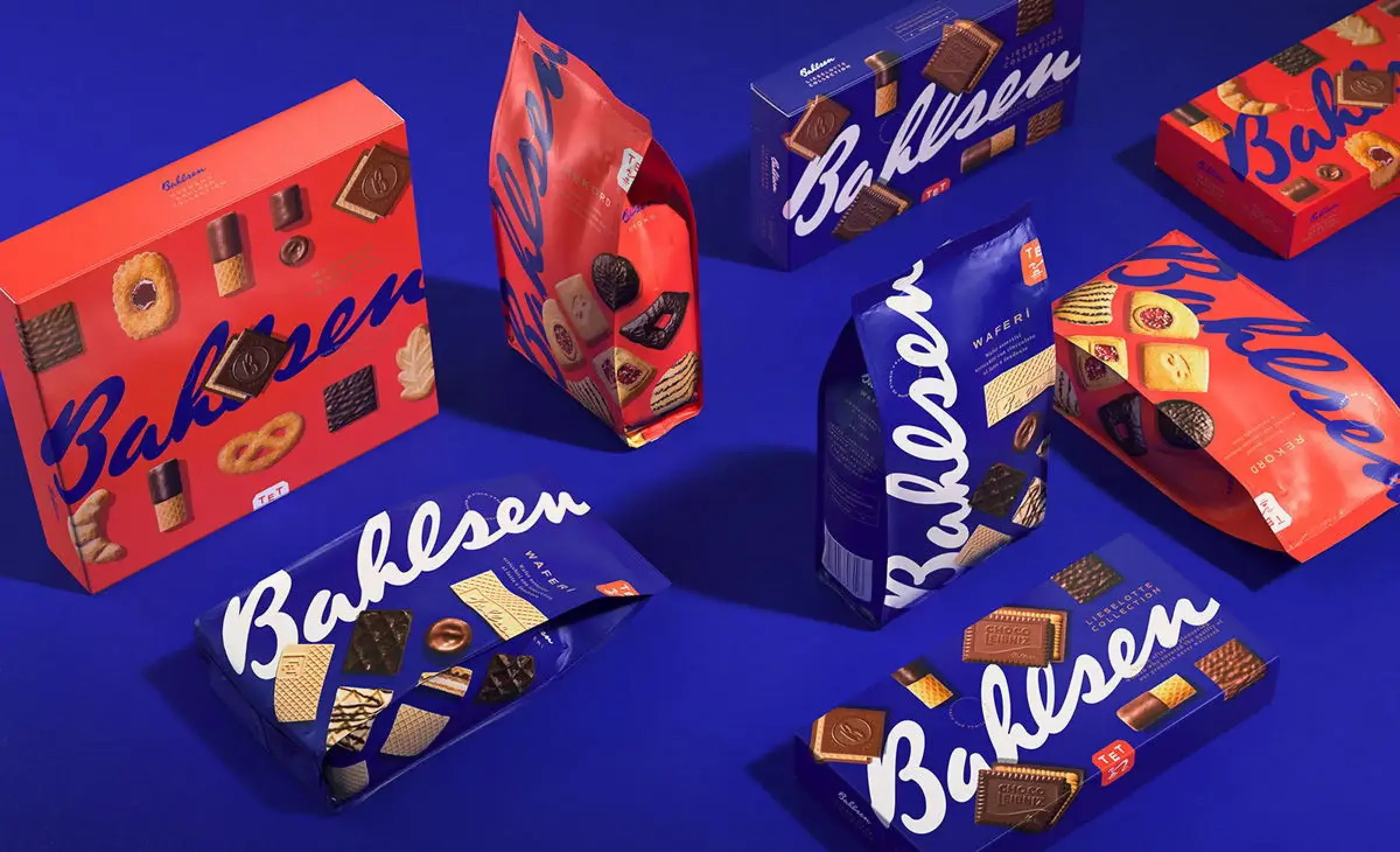
Why is packaging design important for branding?
The importance of packaging design in branding lies in its ability to instantly shape perception, build recognition, and signal what the brand stands for. Consistent packaging design helps consumers identify a brand quickly, trust it faster, and remember it longer.
How does packaging design influence consumer behavior?
Packaging design influences consumer behavior through visual, emotional, and psychological triggers. Colors, typography, materials, and structure all affect how a product is perceived within seconds.
Can packaging design increase brand loyalty?
Yes, packaging design can significantly increase brand loyalty. When packaging consistently delivers a positive experience it builds familiarity and trust. Over time, consumers begin to associate the packaging itself with reliability and value, reinforcing the importance of packaging design in branding as a loyalty-building tool.
What makes packaging design effective for branding?
Effective packaging design for branding is built on simplicity, clarity, and consistency. Strong packaging reduces confusion, strengthens recall, and supports long-term brand equity rather than short-term trends.
Is packaging design more important than product quality?
Packaging design is not more important than product quality, but it works with product quality. Packaging sets expectations, while the product fulfills them. If packaging promises quality that the product cannot deliver, trust is lost.
Want strategic branding and packaging like this for your business?





.webp)
.webp)

.webp)
.webp)
.webp)
.webp)
.webp)






.svg)
.webp)