%201.webp)
02
AI Snaps
.svg)
.svg)
01
Our Work
03
About Us
04
Brand Audit
05
Contact Us
06
Client Success
12
07
Blogs
08
Careers
Book A Call
.svg)



.svg)
Need Help In Building Your Brand?
Click the button below & book a call with our founder directly.

Rishabh Jain
Managing Director
Branding trends no longer revolve around logo tweaks and colours. Now they are driven by technology, trust, values, and how brands show up in people’s lives.
Backed by hands-on experience and a pulse on global branding, we at Confetti break down the key trends shaping modern businesses right now.
Learn what’s working, why it matters, and how to apply these branding trends to your own brand.
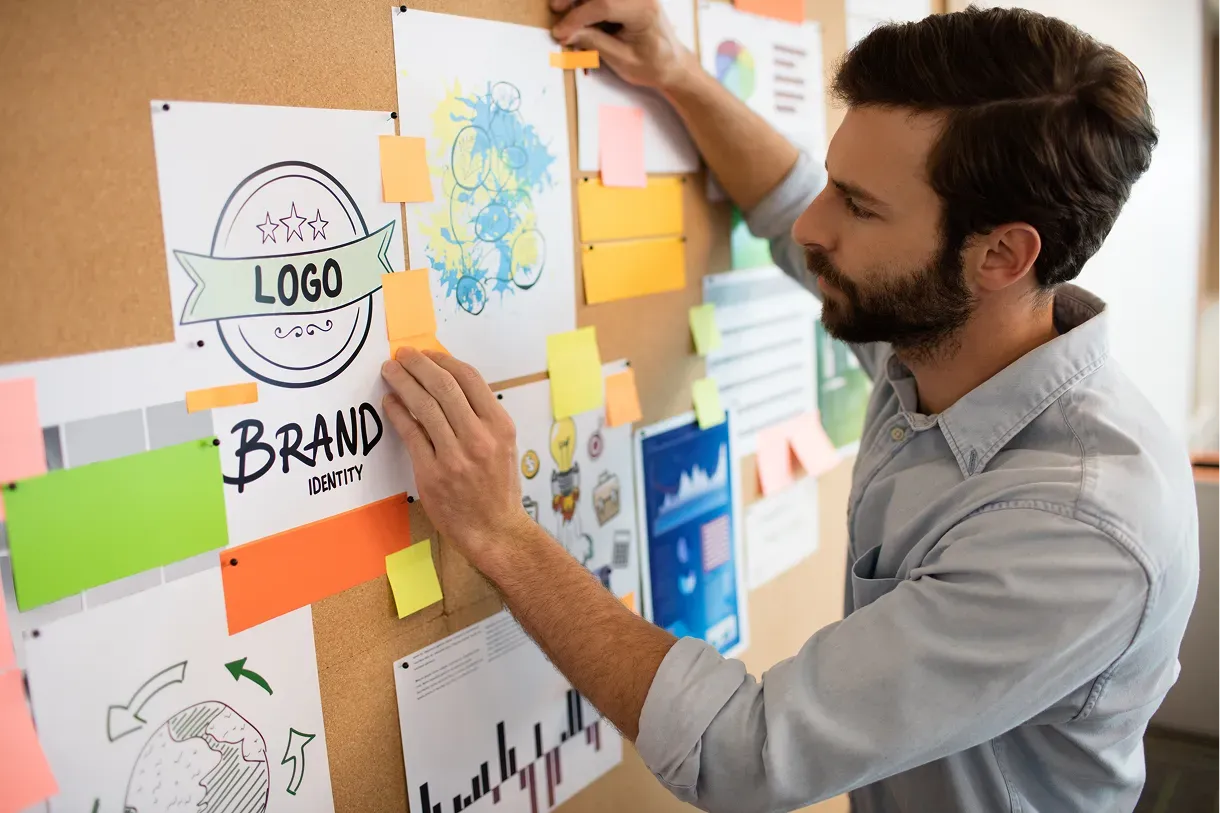
Here’s a clear, simple breakdown of the branding trends taking over the world, with real brand examples.
With 71% of consumers expecting personalization, brands must use data to stand out.
AI enables tailored content, products, and messaging across touchpoints, making users feel understood and valued.
Real-time insights drive relevant experiences at scale, boosting conversion and continuous refinement.
Example:
Spotify: "Discover Weekly" and "Daily Mix" playlists are generated by AI analyzing listening habits, creating a unique, personalized music experience for each user.
Generative AI is reshaping branding by creating logos, visuals, copy, videos, and brand voices at speed.
It enables rapid experimentation, automated design iterations, and data-driven creative decisions.
The result: faster testing, scalable creativity, and lower costs using tools like DALL·E, Midjourney, and GPT.
Example:
At Confetti, we leverage AI to create photorealistic brand imagery and product photography that replaces traditional shoots with faster, cheaper, and highly customizable visuals for marketing, e-commerce, and campaigns
Brands are shifting from static ads to interactive, immersive digital experiences.
Using AR, VR, and metaverse platforms, customers can engage with brands in multi-sensory ways.
Immersion deepens emotional connection and makes brands more memorable to their end customers.
Example:
IKEA Place (AR App): Lets users visualize IKEA furniture in their own homes using augmented reality, reducing purchase uncertainty.
Coca-Cola’s Future Room: An immersive VR experience where it showcases upcoming innovations, trends, and visions for the future.
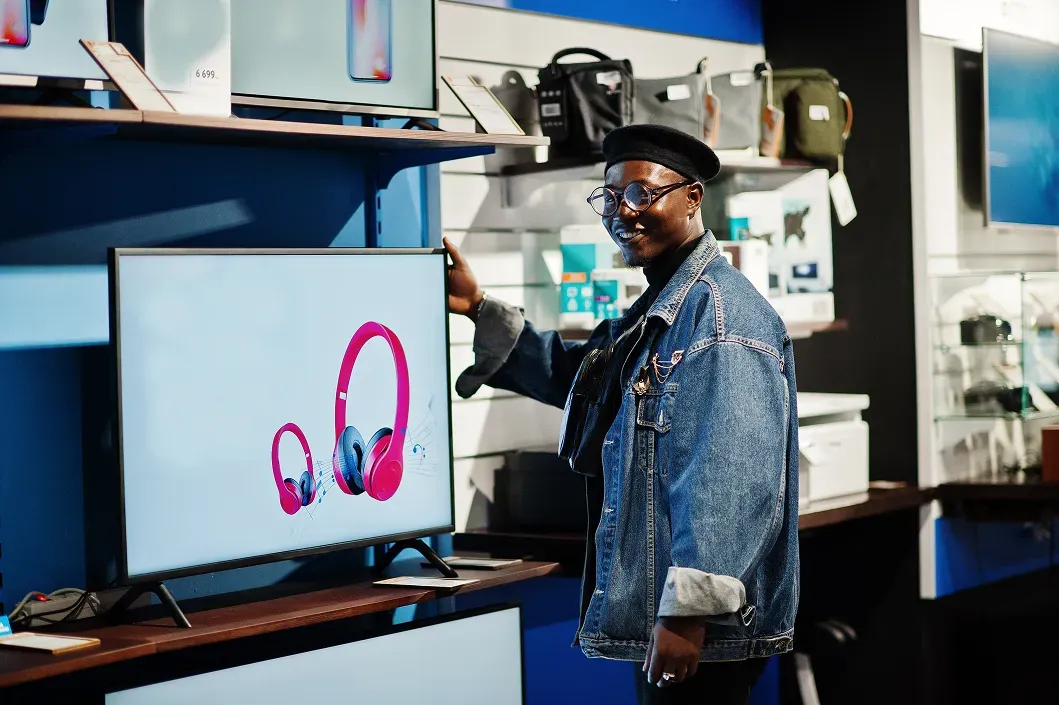
Brands are crafting distinctive audio identities including jingles, sonic logos, and branded voices for assistants.
Audio branding boosts instant recognition even without visuals, especially as voice-first platforms grow.
Music and sound trigger “happy hormones,” making auditory experiences memorable and emotionally powerful.
Examples:
Mastercard: Created a sonic identity, a melody played at payment terminals, in ads, and for partners, to be recognized without visual cues.
Brands are using blockchain to verify authenticity, ownership, and originality, especially in luxury and digital goods.
This technology ensures transparent supply chains and helps combat counterfeiting.
The result: stronger consumer trust and protected brand value.
Examples:
LVMH (AURA Platform): A blockchain used by Louis Vuitton, Dior, and others to trace the origin and authenticity of luxury items from raw materials to sale.
Consumers today are increasingly preferring brands that stand for something meaningful and reflect their beliefs.
Brands are moving beyond profit to clearly communicate their purpose, values, and positive impact on society.
Purpose-driven branding becomes central to brand identity, aligning with social, environmental, and ethical causes.
Example:
In our work with RIVO, we created a brand strategy highlighting innovation, trust, and accessibility, positioning RIVO as a science-backed hydration solution for health-conscious consumers seeking quality at an affordable price.
Consumers are willing to pay up to 9.7% more for sustainably produced goods and increasingly expect brands to prioritize environmental and social responsibility with full transparency.
Sustainability is no longer a marketing add-on, it has become a core brand identity, combining ethical supply chains, eco-friendly materials, carbon neutrality, and social impact initiatives.
Brands that fail to integrate sustainable practices risk losing trust and a significant share of their audience.
Examples:
Allbirds: Uses materials like merino wool, eucalyptus fiber, and sugarcane-based soles, with carbon footprint labels on every product.
Transparency builds credibility, authentic storytelling, and long-term trust between brands and consumers.
Consumers increasingly demand honesty around ingredients, labor practices, production methods, and environmental impact.
As a result, more and more brands are embracing radical transparency by openly sharing how products are made, priced, and sourced, without hiding behind vague claims.
Examples:
The Whole Truth: Chooses radical transparency as one of its main differentiators in the healthy eating and snacking niche
Times are changing and every single consumer is now searching for diversity and inclusivity in their products.
So much so that they are becoming essential elements in visual branding.
The best branding company in India that has ever existed encourages brands to feature diverse models, body types, and cultures across campaigns to resonate with audiences worldwide.
Example:
Fenty Beauty: Revolutionized the cosmetics industry with its inclusive range of foundation shades and diverse models.
"The right trends elevate your brand's flavor; too many drown out its essence. We don't chase trends at Confetti.Design, we curate the ones that align with our clients' DNA and make them genuinely more valuable to their customers."
— Rishab Jain, Founder, Confetti.Design
Another branding trend that’s here to stay is businesses embracing models that eliminate waste through reuse, repair, refurbishment, and recycling, keeping products in use longer.
This is aligned to the consumers want brands that reduce waste and protect resources.
Example:
Apple: Offers trade-in programs, uses recycled materials in products, and has committed to making all products from recycled/renewable materials by 2030.
Brands are moving away from loud logos and flashy messaging in favor of subtle, refined design.
Through minimalism, premium materials, and “anti-logos,” quiet branding signals confidence, trust, and timeless sophistication.
In crowded retail environments, this understated approach cuts through visual noise and communicates quality without overt branding.
Example:
The Row: The luxury fashion brand uses impeccable tailoring, neutral palettes, and no visible logos to define discreet luxury.
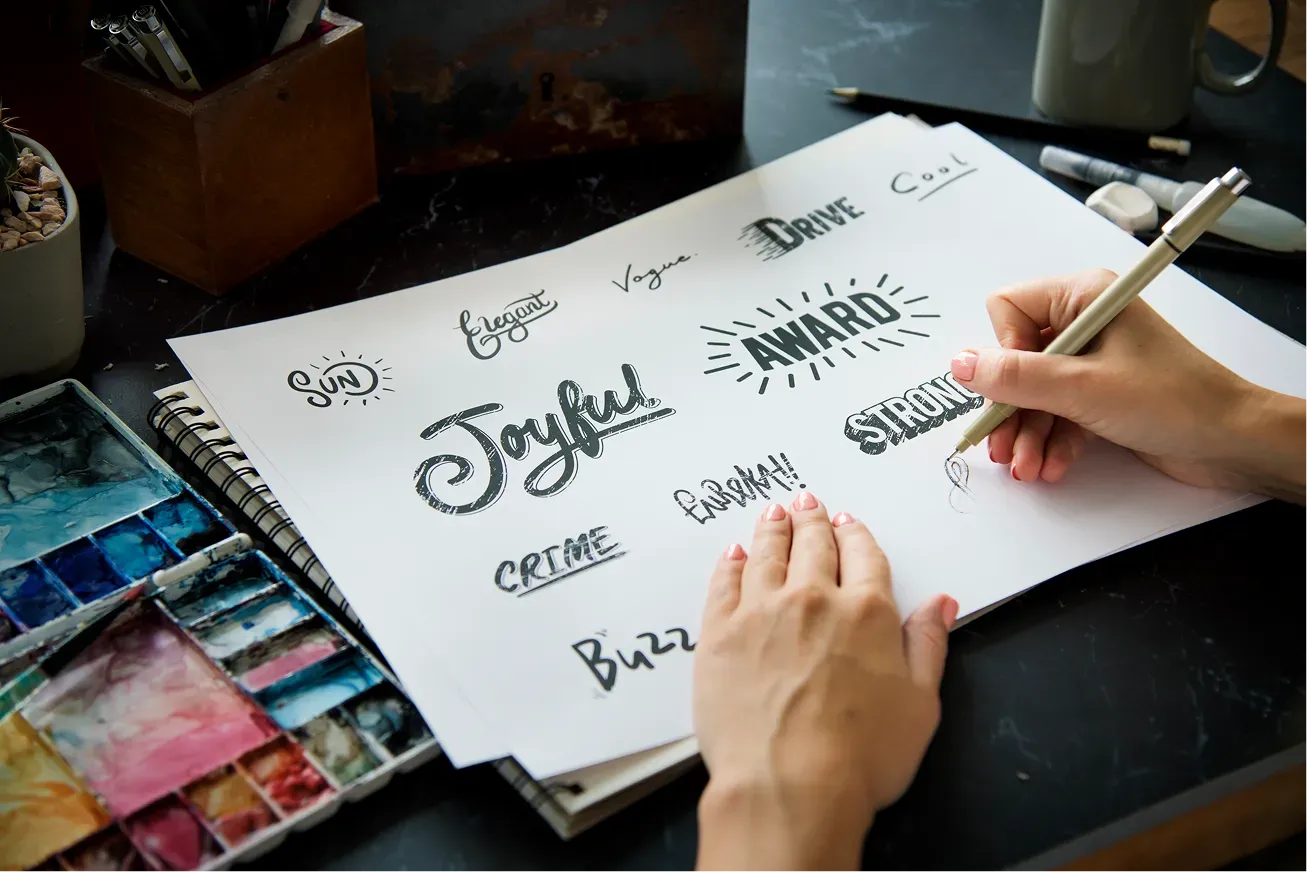
Typography branding is gaining more importance with brands using bold, twisted, or customized fonts, through extended lettering, hand-written strokes, or letter stacking, to create simple yet memorable logos.
Great typography helps brands tell their story, craft a distinctive identity, and leave an enduring visual impact on their audience.
At Confetti, we use typography to give brands a bold, premium voice. For ITC projects like Bingo, and BNatural, we refreshed type and visual hierarchies to boost shelf impact and readability.
Example:
Burberry: Its recent visual identity refresh includes a custom serif typeface that reflects both heritage and modernity.
Brand identities are no longer fixed; logos, colors, and layouts now adapt based on context, platform, or audience.
Dynamic branding systems respond to user interaction or data while maintaining core recognition.
These flexible identities shift visual elements across touchpoints, ensuring consistency while remaining versatile and engaging.
Example:
HBO Max (now Max): Uses a dynamic brand system where the logo’s content shifts and adapts to highlight featured shows or genres, creating a living identity.
Nostalgia builds trust and emotional connection.
Brands are leveraging this to their advantage.
They are using retro aesthetics, vintage typography, and nostalgic cues (from the 70s, 80s, 90s, Y2K) updated with contemporary functionality or messaging.
Example:
Gucci under Alessandro Michele: Revived 70s and 80s maximalist aesthetics with bold patterns and retro logos, blending vintage with modern gender-fluid styling.
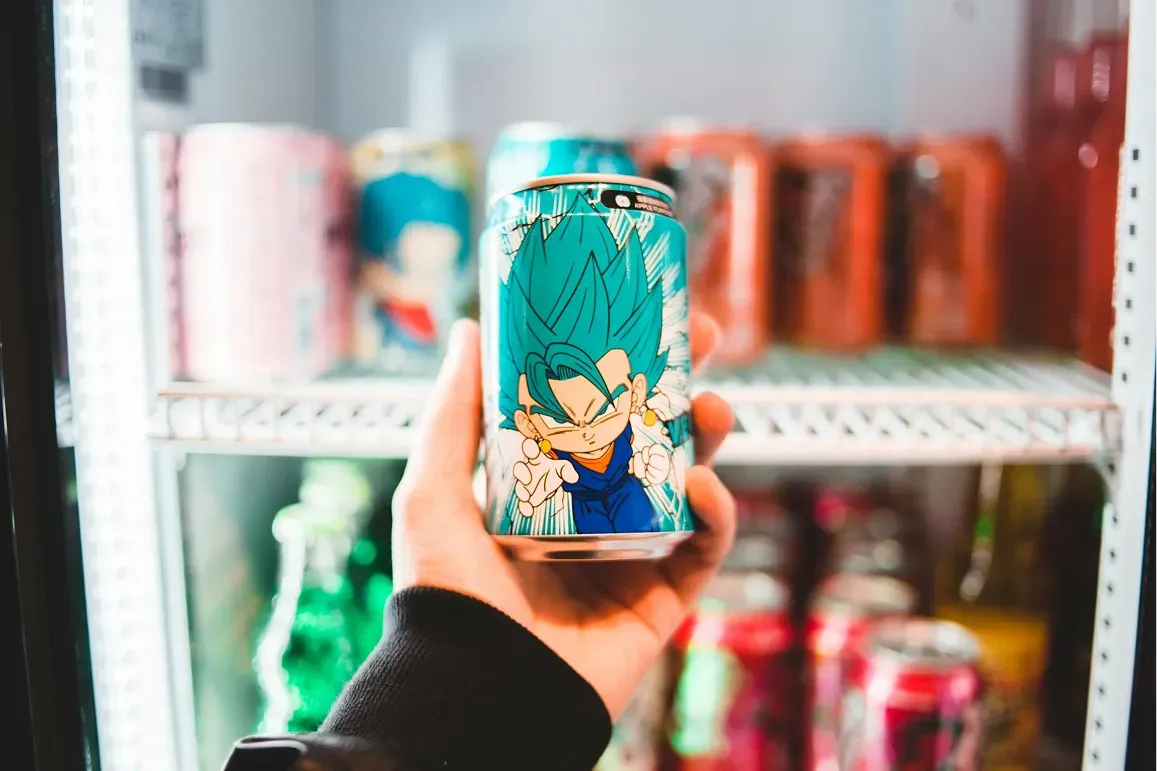
85% of the US internet users who watch would like to watch animated content over traditional content.
So cooking up a Ratatouille can play a key role in modern branding.
Not just in video content, you can use dynamic elements of animation for your logos, texts and lots of others that you want.
Example:
Slack: Its animated loading screen and logo transition create a playful user experience.
Brands are shifting from broadcasting messages to building communities where customers become active participants and co-creators.
User-generated content (UGC) provides authentic social proof, builds trust, and creates deeper engagement than traditional advertising.
At Confetti, we focus on designing packaging with instagrammable and memorable elements, turning products into share-worthy, interactive brand experiences that inspire organic user-generated content.
Example:
Gymshark: Successfully built a loyal fitness community through their fitness challenges and exclusive workout clubs.
Consumers are tired of seeing overly assembled brands. They are now buying into emotions and values that reflect their own.
Therefore, brands today are moving beyond polished ads to share genuine, often behind-the-scenes, founder-led, or customer-centric narratives that build emotional connection.
Keeping things real is the name of the game. Use natural, human language to communicate clearly about what you do and how you do it.
Examples:
Airbnb "Live There" Campaign: Focused on authentic travel stories from real hosts and guests, emphasizing unique, local experiences over tourist trips.

With brands becoming identical clones and AI taking over brand content, the audience craves authenticity.
Incorporating hand-drawn illustrations or handwritten fonts to convey sincerity and warmth. This human touch makes brands feel more personal and thus separate from the AI-generated content that has started to look like junk for consumers.
Example:
Human Made: The Japanese fashion brand is known for its streetwear aesthetic and the slogan "Made By Humans" to emphasize their handmade approach contrasting with mass-produced goods.
Going beyond basic translation or regional adaptation, hyper-localization involves deep understanding of local cultures, dialects, buying behaviors, and preferences.
This helps create brands that feel native to specific communities and markets.
Example:
McDonald’s: Offers region-specific menu items (e.g., the McAloo Tikki in India, Teriyaki Burger in Japan) and local store designs that reflect community culture.
Every platform has its own unique audience expectations, formats, and engagement patterns.
Brands are now optimizing their visual identity and messaging for specific platforms such as Instagram, TikTok, LinkedIn, e-commerce marketplaces.
Along with this, influencer led branding is on a rise.
Influencers and authentic users are shaping consumer behavior, and brands have not just started but even increased their collaboration with niche influencers, which will experience greater success.
Example:
Duolingo on TikTok: Its unhinged, meme-savvy owl persona (managed by a social media team) speaks natively to Gen Z on TikTok, vastly different from its app branding.
Brands are deeply embedding local cultural symbols, traditional motifs, craftsmanship, history, and regional pride into their products, narratives, and operations.
This is helping them create authentic connections with local audiences while celebrating cultural identity and heritage.
Example:
Dior: Regularly collaborates with global artisans (e.g., Indian embroiderers, African weavers) through its Dior Lady Art project, highlighting cultural craftsmanship in high fashion.
Privacy has become part of the brand promise.
Proactively marketing strong data ethics, privacy controls, and security is not just compliance, but as a core brand value and trust signal.
Example:
Apple: Released its “A Day in the Life of Your Data” campaign, which highlights its commitment to privacy.
Branding trends are powerful, but only when they are applied with intention.
The goal is to build a brand that lasts.
Adopt Trends That Align With Your Core Brand Identity
Every trend should reinforce what your brand already stands for. If a trend dilutes your positioning or forces your brand to act out of character, it is the wrong trend.
Example: A sustainability-driven brand adopting recyclable packaging, or radical transparency strengthens credibility. The same brand adopting meme-driven humour may weaken trust.
Use Trends to Solve Real Business Problems
Trends should address a specific challenge, not exist for visual novelty. If a trend does not improve performance, clarity, or trust, it should not be adopted.
Choose Trends Your Audience Actually Values
Audience relevance matters more than industry hype. Customer research, behavioural data, and platform analytics should guide decisions.
Example: Micro-animations and immersive UX may work well for a tech-savvy D2C audience. The same approach may feel unnecessary or distracting for an industrial B2B brand
Prioritise Trends With Long-Term Potential
Some trends represent lasting shifts in behaviour. Others are short-lived aesthetic cycles.
At Confetti, we recommend our client to invest in the former and experiment cautiously with the latter.
High-longevity trends
Short-term trends
Successful trend implementation follows a clear three step process:
1. Audit and Alignment: Map emerging trends against your brand values, business goals, and market positioning.
2. Pilot and Test: Launch trends in limited campaigns, product lines, or platforms. Measure engagement, usability, and commercial impact.
3. Integrate and Scale: Only scale trends that prove effective and brand-aligned. Embed them into brand systems, not one-off executions.
At Confetti, we interpret trends through the lens of your brand. Here’s how we add value:
✅Audience-Centric Decision Making
Through research and market intelligence, we assess whether trends will drive loyalty for your audience.
B2B clients may value clarity and trust signals, while consumer brands may benefit from cultural storytelling and emotional resonance.
✅Systematic Integration Across Touchpoints
Trends should never exist in isolation. Therefore, we ensure consistency across:
✅Future-Proof Brand Foundations
Confetti focuses on building timeless brand foundations, including:
This allows brands to evolve with trends without constant rebrands.
✅High-Calibre Creative Execution
From custom typography systems to purpose-driven micro-animations, execution quality determines whether a trend feels premium or forced.
Strong execution makes trends feel intentional, not borrowed.
❌ Losing Brand Authenticity: Chasing trends that don’t align with your brand voice makes you look forced and inauthentic.
❌ Inconsistent Brand Experiences: Trendy campaigns fall flat when the rest of the customer journey feels outdated or disconnected.
❌ Alienating Core Audiences: Over-focusing on new platforms can sideline loyal customers who built the brand.
❌ Prioritising Aesthetics Over Function: Visually impressive trends fail when they reduce usability, clarity, or accessibility.
❌ Over-Investing in Fleeting Fads: Pouring resources into short-lived trends without strategy wastes budget and focus.
What are the biggest branding trends for 2026?
The biggest 2026 branding trends include AI-driven personalization, purpose-driven positioning, sustainability as standard requirement, minimalist/quiet luxury aesthetics, community-first approaches, radical transparency, immersive AR/VR experiences, authentic founder-led storytelling, hyper-localization, and dynamic fluid brand identities adapting to context.
How is AI changing branding in 2026?
AI is enabling hyper-personalized brand experiences, generative design tools for faster creation, predictive trend analysis, real-time content adaptation, automated customer service with brand personality, data-driven design decisions, and scalable personalization previously impossible with human resources alone.
Why is purpose-driven branding important now?
Purpose-driven branding matters because younger generations (Gen-Z, Millennials) prioritize brand values in purchase decisions, social media amplifies brand actions, consumers demand corporate accountability, purpose differentiation, competitive markets, purpose attracts talent, and authentic purpose builds lasting emotional connections.
Should every brand follow current design trends?
No. Brands should selectively adopt trends that align with their identity, audience, and goals. Timeless brand foundations matter more than trendy aesthetics. Evaluate trends for strategic fit, avoid trend-chasing, maintain brand consistency, and balance contemporary relevance with enduring identity.
How do branding trends differ regionally?
Regional differences include cultural values priorities (individualism vs. collectivism), visual aesthetic preferences, color symbolism variations, sustainability emphasis levels, digital adoption rates, local platform dominance, language considerations, and purchasing behavior patterns requiring localized brand strategies.
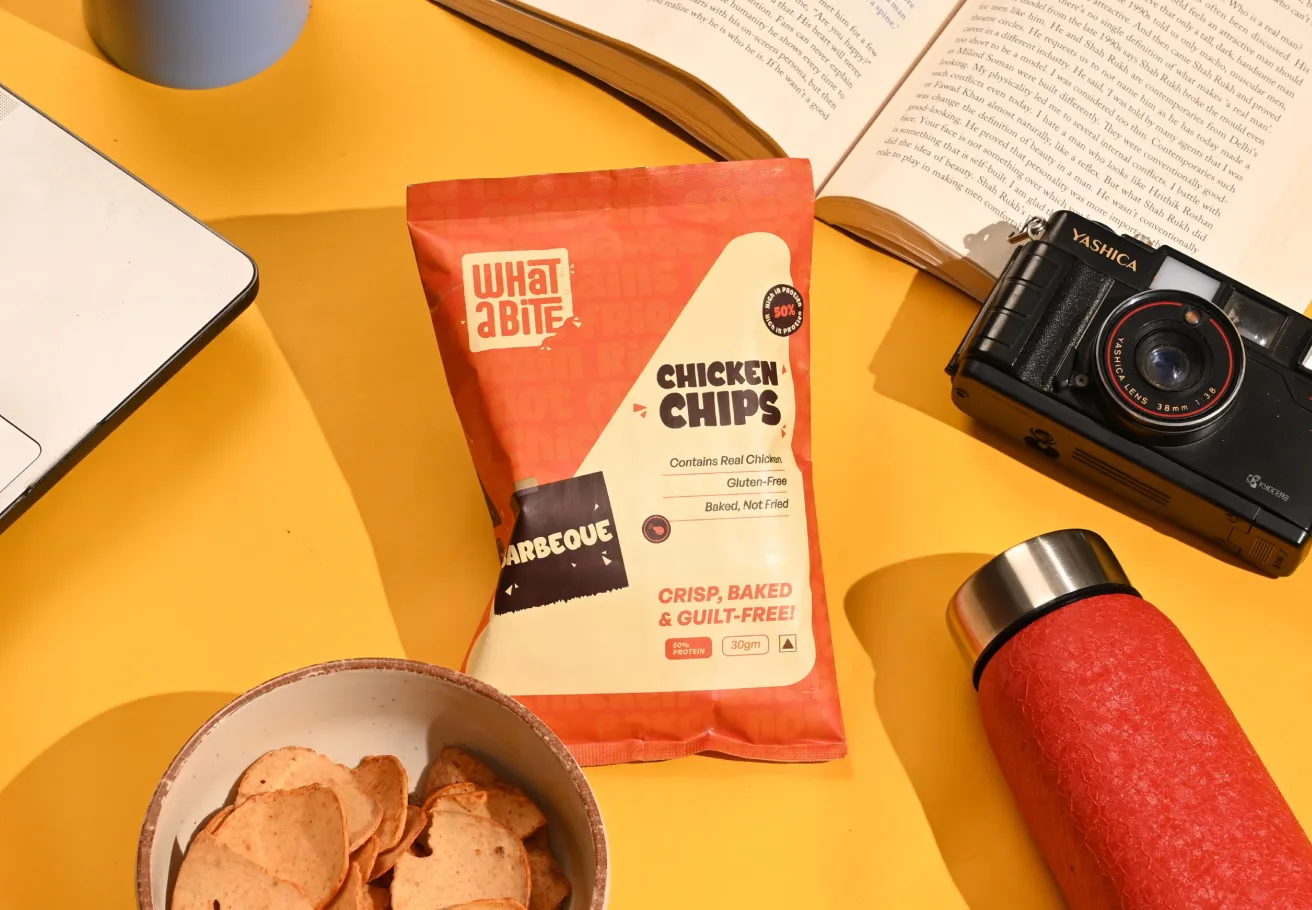
Want strategic branding and packaging like this for your business?





.webp)
.webp)

.webp)
.webp)
.webp)
.webp)
.webp)







.svg)
.webp)