%201.webp)
02
AI Snaps
.svg)
.svg)
01
Our Work
03
About Us
04
Brand Audit
05
Contact Us
06
Client Success
12
07
Blogs
08
Careers
Book A Call
.svg)



.svg)
Need Help In Building Your Brand?
Click the button below & book a call with our founder directly.

Rishabh Jain
Managing Director
Gucci's branding and design are key to its status as one of the world's top luxury brands. Its success stems from a mix of strategies and a strong brand framework.
Explore here Gucci's branding identity, positioning and strategies. Also, as branding and packaging design experts, we at Confetti take you through the lessons your brand can take for luxury branding and positioning.
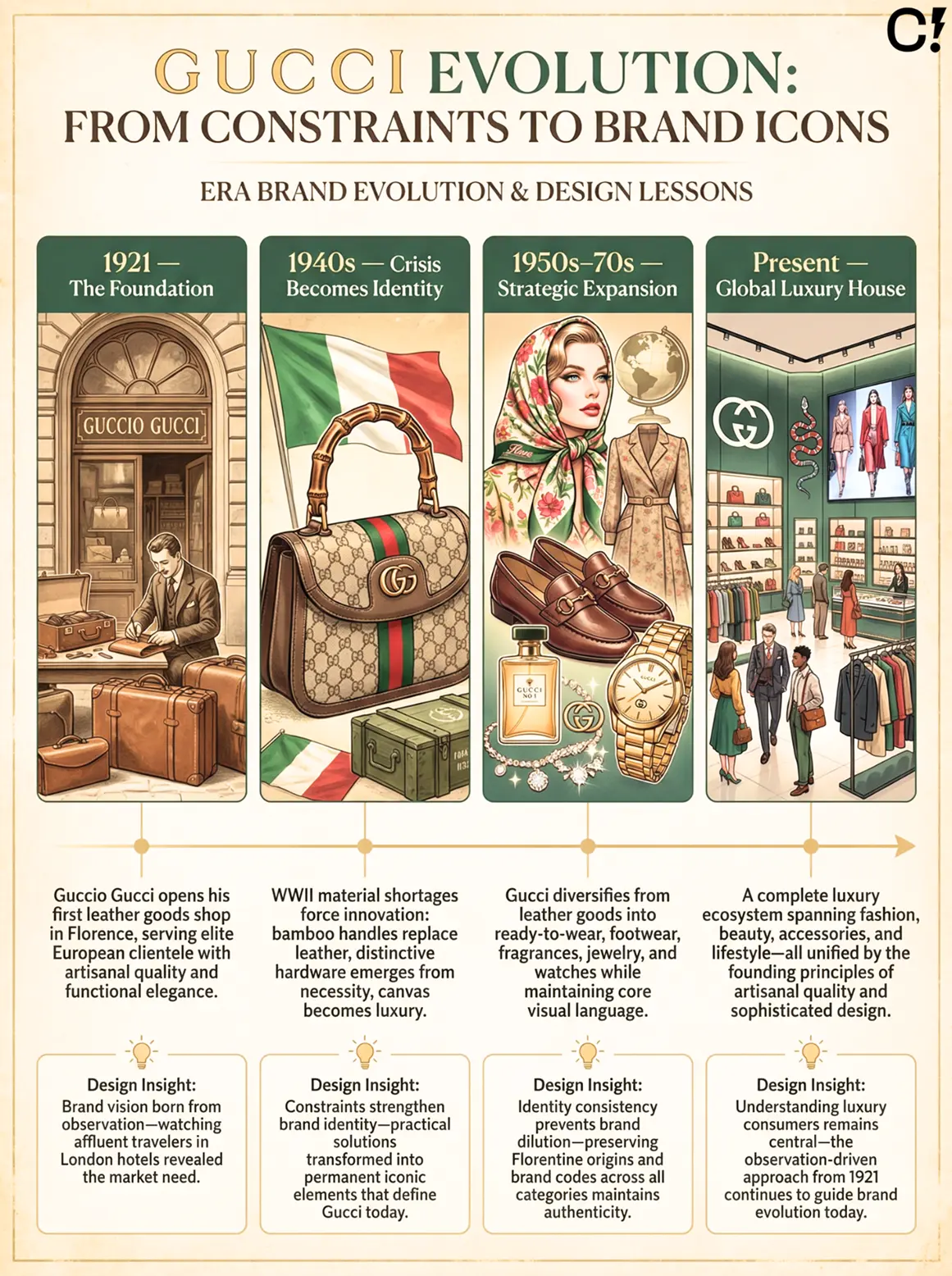
Gucci's brand identity combines Italian heritage, craftsmanship, and consistent visual language, creating one of the world's most recognizable luxury brands.
Gucci’s brand identity uniquely combines Florentine craftsmanship and Italian luxury with confidence and personal expression.
It also balances cultural relevance and continuous innovation by blending rich heritage with contemporary interpretation.
For this they use the following elements:
The interlocking double G logo, derived from Guccio Gucci's initials, is globally recognizable.
This simple yet distinctive design is highly adaptable across all product categories and functions effectively at any scale, from small hardware details to full storefronts
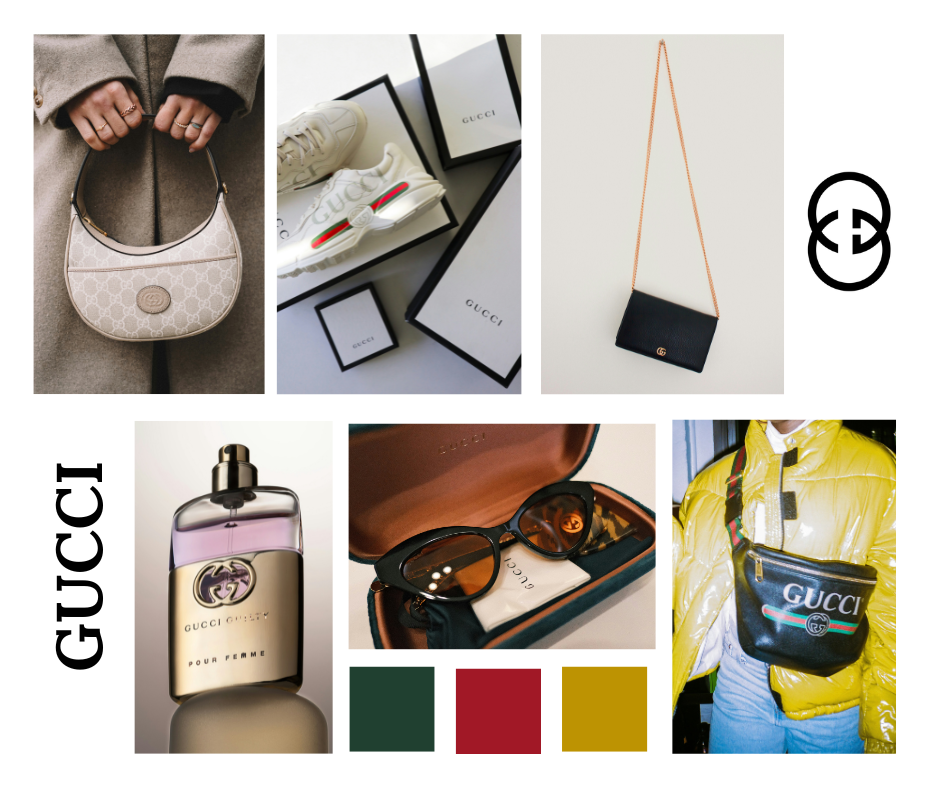
The brand's colour palette is instantly recognizable with each highlighting luxury essence:
In terms of typography, its use of serif typography reinforces a classic, authoritative feel while still appearing modern and readable.
Beyond the logo, Gucci uses recurring visual elements like the green-red-green web stripe, horsebit hardware, Flora print, and the GG monogram as strong brand identifiers.
These symbols create instant recognition and communicate Gucci’s identity even when there’s no overt branding.
In luxury fashion, brand positioning differs fundamentally from other industries.
In luxury markets, product quality and craftsmanship are a baseline requirement for customers. What differentiates luxury brands is meaning, not materials.
Gucci's has been able to make a mark in the luxury segment, owing to these critical principles:
Another important aspect of luxury branding is maintaining a strong and differentiated market position.
Gucci maintains its luxury position through:
Gucci’s global success is the result of the following branding and luxury design strategies:
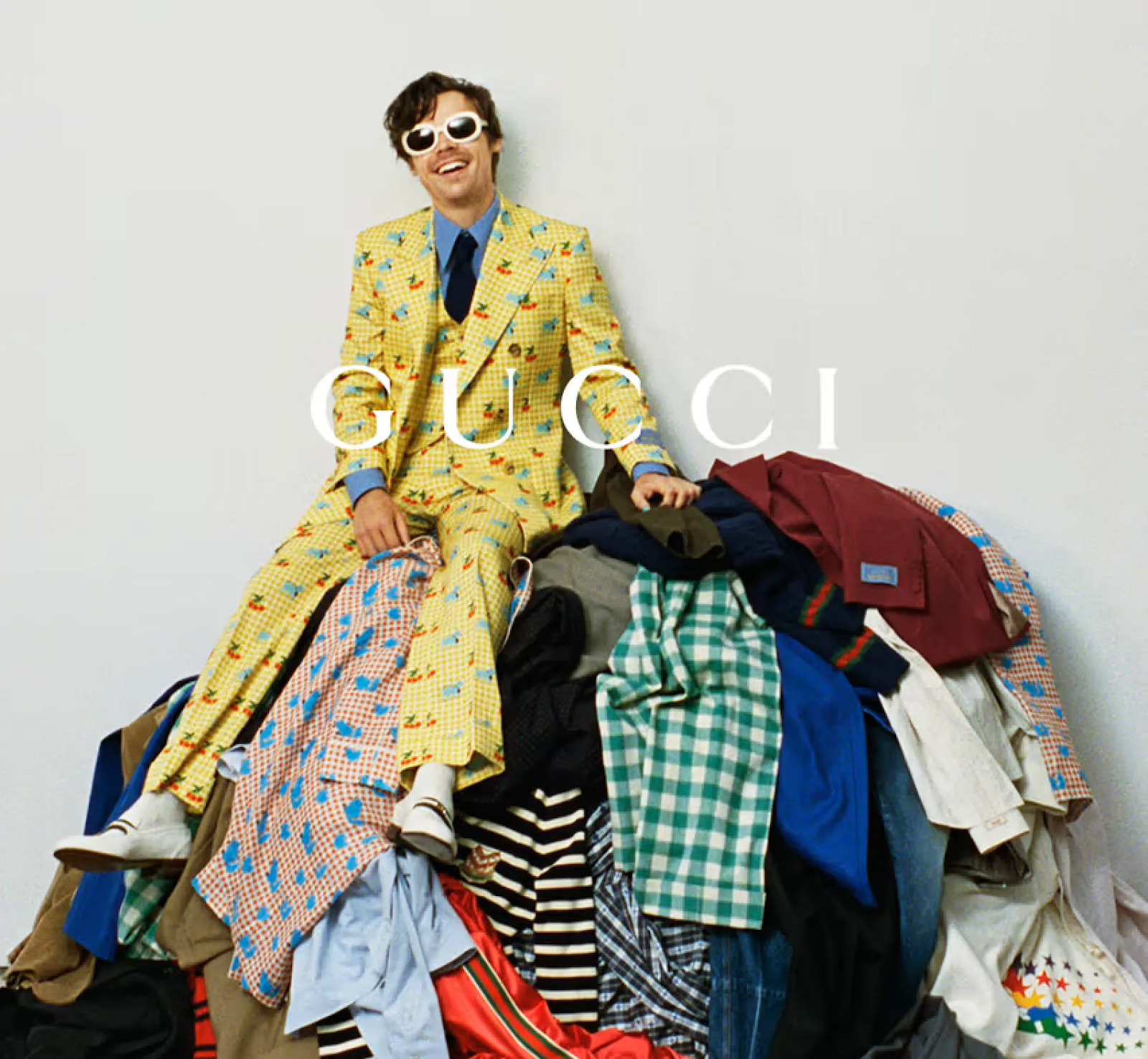
Gucci understands the value of forming strategic alliances with other creative businesses and well-known individuals to further develop its brand.
Examples:
🔅Harry Styles Involvement
He represents gender-fluid fashion and artistic freedom, which reinforces Gucci’s progressive brand identity. His involvement extended into co-creation through the Gucci HA HA HA collection, not just campaign appearances.
🔅EXO’s Collaboration
Kai connects Gucci to K-pop culture and the Asian luxury market, particularly younger consumers with high purchasing power.
🔅Artist Engagement
Ignasi Monreal and Coco Capitán, have created for Gucci unique advertising campaigns and product lines. These not only provide Gucci fresh ideas for its branding, but they also captivate and interest the label’s core consumers.
Why This Works for Luxury Branding
Celebrities serve as brand muses rather than spokespeople. They help boost authenticity, emotional connection, brand recall, and organic visibility across global markets.
Gucci treats digital platforms as primary luxury touchpoints, not mere supporting channels.
This digital-first luxury strategy improves user experience, keeps them hooked, boosts branded searches, and conversions while keeping up with changing customer expectations.
🔅Omnichannel Integration:
Gucci provides a seamless, consistent experience across its website, apps, social media, and physical stores. Its visual language, tone, and storytelling remain consistent at every stage, from Instagram to its stores.
🔅Visual Storytelling:
Instead of product-centric promotion, Gucci uses editorial visuals, cinematic campaigns, and cultural narratives. This positions the brand as a cultural authority rather than an online retailer.
🔅Community-Driven Digital Engagement:
Gucci leverages online communities on Instagram and TikTok through behind-the-scenes content, collaborations, and campaign previews.
🔅In-Store Digital Enhancements:
Physical stores integrate digital screens, personalization tools, and AR-based experiences that uplift retail journey without diluting luxury perception.
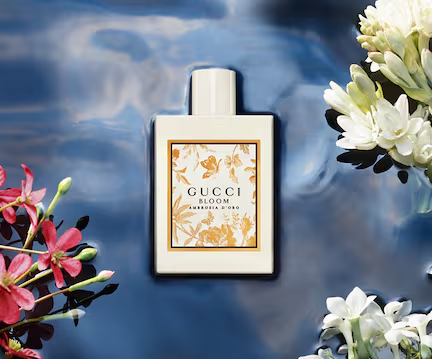
Scarcity is a core Gucci branding strategy that reinforces luxury positioning, exclusivity, and demand through limited-edition releases.
🔅Creating a Scarcity Mindset:
Limited availability increases perceived value and emotional urgency. Consumers feel they are purchasing something rare, collectible, and culturally significant.
🔅Capsule and Collaborative Collections:
Short-run collections like Gucci x The North Face or Adidas x Gucci allow creative experimentation while keeping the core brand protected. These releases also perform well in the secondary resale market, reinforcing long-term brand desirability.
🔅Business Impact:
Limited editions drive repeat engagement, faster sell-through rates, and stronger loyalty among high-value customers.
"Every brand has a heritage, even if it's only three years old. It isn't just about having a story, it's about using it in a way, your customers connect. We've helped startups create powerful brand narratives by connecting their founding vision to contemporary customer needs, much like Gucci bridges its 100-year legacy with today's cultural conversations."
— Rishabh Jain, Founder, Confetti Design
Gucci uses its heritage as a strategic asset, consistently connecting its history to modern design and communication.
🔅Reinterpreting Iconic Elements:
Historic symbols such as the Horsebit, Bamboo handle, and GG monogram are continuously adapted and reimagined for contemporary audiences. This maintains familiarity while enabling innovation.
🔅Founder Narrative in a Modern Context:
Guccio Gucci’s legacy of craftsmanship, travel culture, and Italian elegance is subtly woven into modern collections without feeling dated or overly traditional.
🔅Brand Consistency Over Time:
Gucci maintains a recognizable identity across decades. This brand consistency builds trust, emotional connection, and long-term brand equity.
How Storytelling is Key to Luxury Branding
Heritage-driven branding strengthens authenticity, differentiation, and trust, which are critical factors in luxury purchase decisions.

Gucci’s visual identity is one of its strongest competitive advantages. The brand aesthetic is instantly recognizable across markets, channels, and formats.
🔅Consistent Color and Design Language:
Gucci uses a tightly controlled color palette - signature greens, deep reds, and metallic golds. These colors signal heritage, opulence, and authority.
🔅Typography and Layout Standards:
The brand balances classic serif typography with modern compositions. This combination allows Gucci to communicate tradition and innovation at the same time.
🔅Distinctive Photography Style:
Gucci campaigns often feature bold compositions, cinematic lighting, and unconventional poses inspired by art and Italian cinema. This creates a strong visual impact.
Branding Takeaway from Gucci’s Visual Identity
A disciplined visual identity system allows creative freedom without diluting brand equity. Consistency across all touchpoints builds recall, trust, and premium perception.
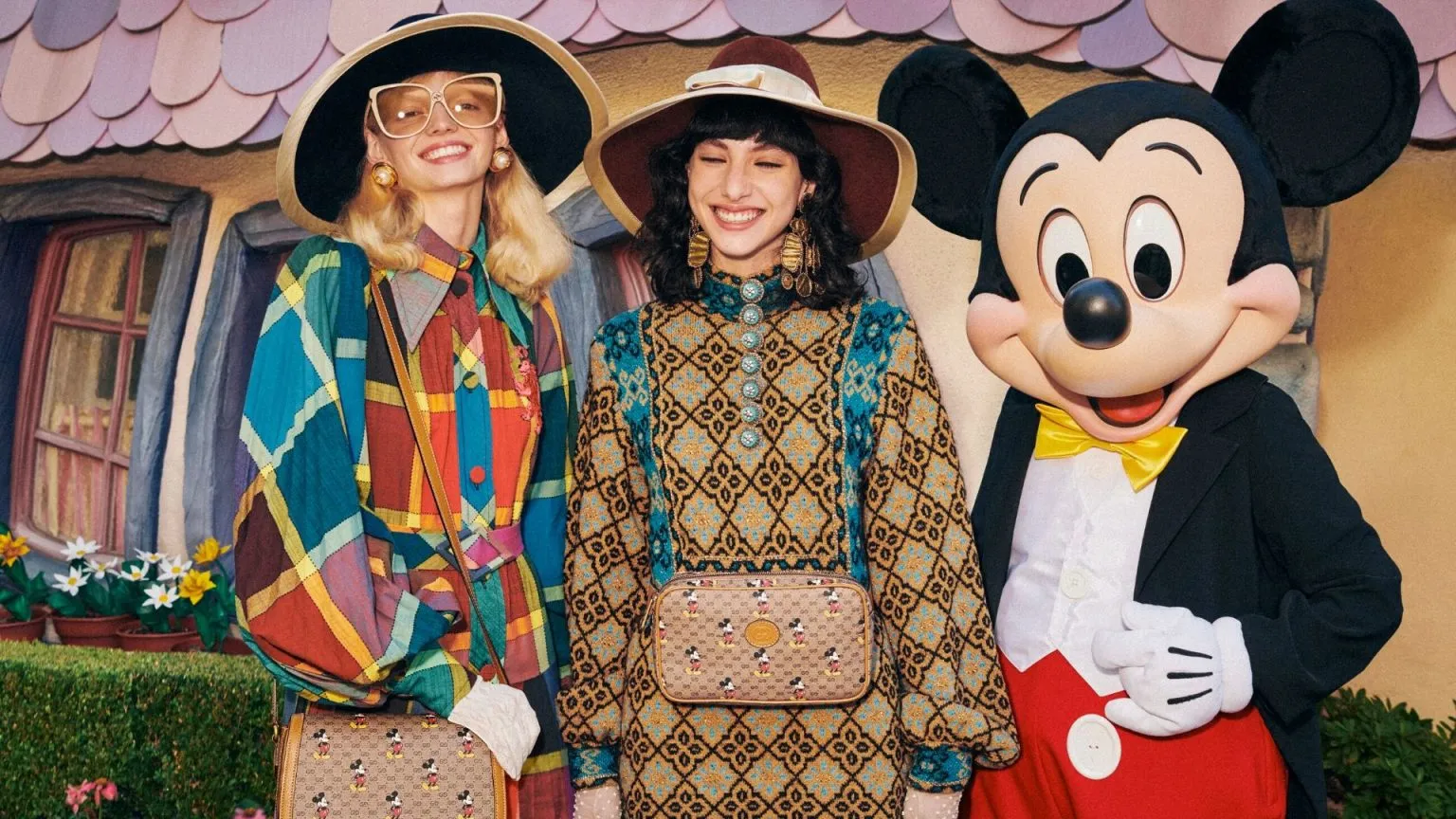
At Confetti, we've seen firsthand how a disciplined visual identity system transforms brand perception.
Our branding services help businesses develop this same level of visual consistency that builds recognition and trust across every customer touchpoint.
Gucci focuses on creating memorable experiences rather than transactional interactions. This approach strengthens emotional connection and brand loyalty.
🔅Immersive Pop-Up Installations:
Spaces such as Gucci Garden and Gucci Pin pop-ups allow the brand to test creative concepts, generate buzz, and offer immersive environments offering more value beyond traditional retail.
🔅Fashion Shows as Cultural Events:
Gucci runway shows are theatrical productions that combine fashion, music, art, and performance. These events set the tone for upcoming collections and influence global brand perception.
🔅Interactive Customer Engagement:
Experiential initiatives encourage social sharing, organic word-of-mouth, and user-generated content. These experiences turn customers into brand advocates.
Purpose-driven branding increases relevance, trust, and long-term brand value, especially among younger luxury buyers
Gucci has positioned sustainability as a core brand value with:
🔅Integrated Sustainability Strategy:
Through its Gucci Equilibrium platform, Gucci communicates its commitment to environmental impact, social responsibility, and ethical sourcing. Sustainability is integrated into the brand’s overall story rather than presented as a separate initiative.
🔅Ethical Materials and Innovation:
Gucci has phased out the use of fur and invested in alternative materials such as Demetra, a bio-based, vegan leather alternative. These innovations respond to growing consumer awareness while preserving the brand’s luxury standards.
🔅Gen-Z and Millennial Alignment:
Younger consumers expect transparency, values, and accountability from premium brands. Gucci strengthens trust and loyalty among younger consumers, supporting long-term brand growth.
Gucci's branding success is linked to strategic clarity, emotional storytelling, and disciplined creativity. Here's how any business can apply these branding principles.
Gucci’s success comes from balancing innovation to stay relevant with consistency in branding and identity to remain recognisable.
Gucci evolved from minimalism to maximalism under Alessandro Michele while preserving core elements like the GG logo and Italian craftsmanship.
For your brand:
Gucci does not sell products. It sells a story of confidence, identity, and self-expression. Even small businesses can craft a compelling origin story and consistent visual language.
Your packaging design doesn't need to be gold-foiled to feel special. A thoughtful design, quality materials, and attention to detail create perceived value.
Gucci has its stripes; you can have a signature color, pattern, or typographic treatment.
Work with a branding agency like Confetti to develop one or two memorable brand assets you use consistently everywhere, from business cards to digital ads.
Rule-breaking works only with a strong foundation.
Challenge conventions when competitors look identical or audiences evolve, but never compromise ethics or core values. Make intentional moves, not reactive ones.

✅Strategic brand positioning uncovers core values and crafts clear roadmaps for consistency
✅Data-driven consumer insights develop targeted personas that deeply connect with your audience
✅End-to-end integration streamlines strategy, packaging design, and execution under one expert team
✅Unlimited revisions guarantee refines endlessly until your vision feels exactly right
✅Proven ROI impact delivers 10-20% revenue growth through consistent brand identities
✅Battle-tested portfolio trusted by ITC, Dabur, and 200+ successful projects
✅Shelf-to-screen consistency ensures design systems perform across retail stores and digital platforms
Gucci demonstrates that modern luxury branding is a holistic ecosystem where every detail intentionally builds a cohesive, emotionally resonant brand world.
The key lesson is that a strong brand identity balances consistency with creative freedom, allowing storytelling to evolve while remaining instantly recognizable.
What is Gucci's branding strategy?
Gucci's branding strategy centers on luxury positioning, heritage storytelling, and exclusivity. The brand combines Italian craftsmanship tradition with modern digital innovation, strategic celebrity partnerships, and limited-edition collections to maintain desirability and premium positioning in the luxury fashion market.
What makes Gucci's brand identity unique?
Gucci's brand identity stands out through its iconic double-G logo, signature red-green-gold colour palette, equestrian-inspired design elements, and consistent emphasis on its craftsmanship.
How does Gucci use social media for branding?
Gucci leverages social media through influencer collaborations, behind-the-scenes storytelling, and user-generated content campaigns. The brand maintains an aspirational yet accessible presence across Instagram, TikTok, and YouTube to engage younger luxury consumers.
What are some iconic Gucci branding examples?
Iconic Gucci branding examples include the Horsebit loafer (1950s), the Jackie bag, double-G logo monogram products, bold floral prints, signature web stripe (red-green), celebrity-designed collections, and recent digital-first campaign launches featuring global ambassadors.
What can startups learn from Gucci branding?
Startups can learn that strong branding is about consistency, emotional connection, and clear positioning, not big budgets. By defining a focused visual identity and brand story early, startups can build trust, differentiation, and long-term value as they grow.
Want strategic branding and packaging like this for your business?





.webp)
.webp)


.webp)
.webp)
.webp)
.webp)
.webp)







.svg)
.webp)