%201.webp)
02
AI Snaps
.svg)
.svg)
01
Our Work
03
About Us
04
Brand Audit
05
Contact Us
06
Client Success
12
07
Blogs
08
Careers
Book A Call
.svg)



.svg)
Need Help In Building Your Brand?
Click the button below & book a call with our founder directly.

Rishabh Jain
Managing Director
Fashion jewelry brand identity is quite different from fine jewelry, and so are the branding principles.
Explore with us what goes into creating a strong brand identity for your brand with real examples of brands doing it right and what you can learn.
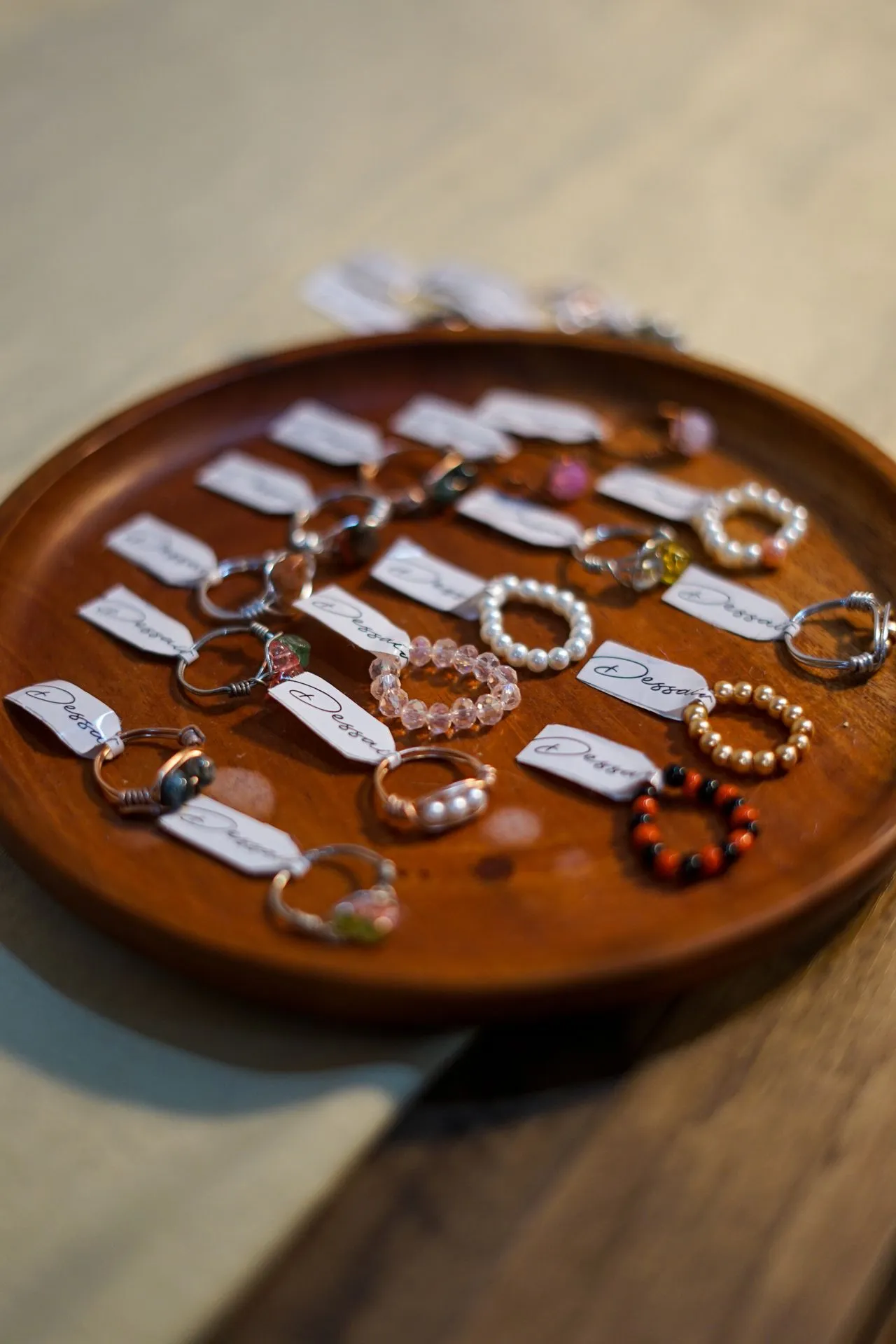
Fashion jewelry and fine jewelry may belong to the same category, but are completely different businesses.
The jewelry branding rules for one are not applicable on the other.
👉Different purchase behaviour
Fine jewelry is a considered purchase. Customers research for weeks, weigh purity, craftsmanship, certification, warranty, resale value, and brand reputation.
Fashion jewelry is lower-friction in comparison. A customer might discover earrings on Instagram, see them styled, and buy them because they fit an outfit or trend.
This directly shapes brand identity: fine jewelry should build confidence and permanence; fashion jewelry should build desire, relevance and repeat engagement.
👉Product cycles
Fine jewelry is built around longevity. The designs remain relevant through craftsmanship, quality and emotional value.
Fashion jewelry has a faster product cycle. It uses new collections, seasonal edits, drops and trends to drive repeat purchases. Its branding therefore needs to evolve without losing recognition.
Flexible campaigns, photography, colours and social templates allow the brand to stay fresh while maintaining a consistent core identity.
Palmonas’ Friday Drop shows how recurring product drops can make newness part of the shopping experience.
👉Meaning of trust
Trust matters in both categories, but how customers need reassurance, differs.
Fine jewelry focuses on purity, authenticity, craftsmanship and provenance.
For fashion jewelry, the questions are: What is the material? Is it nickel-free? How should it be cared for? Is the plating durable? Can I wear it regularly?
So fashion jewelry brands shouldn’t copy fine jewelry’s trust language. Instead, they should make materials, care, product expectations and policies clear and accessible.
For founders, this is an important branding opportunity. Clear product information can become part of the brand experience.
👉Visual identity role
Most fine jewelry benefits from restraint, focussing on communicating craftsmanship, exclusivity and permanence. Here, the product must take the centre stage.
Fashion jewelry can be more expressive. It can draw from fashion, beauty and culture through art direction, typography, photography and storytelling.
Your brand identity must reflect the buying occasion.
A fashion jewelry brand selling everyday stacking rings will need a different visual language from one selling wedding pieces. The important question is: What role does the jewelry play in the customer’s wardrobe and lifestyle?
👉 Brand voice needs
Fine jewelry communicates through heritage, craftsmanship, rarity, legacy and timelessness.
Fashion jewelry can focus more on style, discovery, personality, experimentation and immediacy, with a more conversational, culturally relevant voice.
So premium in fashion jewelry has to come from distinctive design, quality, packaging, photography, customer experience and cultural relevance.
👉Demi-fine jewelry position
The growth of demi-fine jewelry brings another branding challenge. It lies between traditional fashion jewelry and fine jewelry, commonly using materials such as sterling silver, gold vermeil or gold plating with semi-precious stones.
Its branding must explain why it costs more while retaining the accessibility and fashion appeal of younger consumers.
The category is best seen as a spectrum:
Fashion jewelry → Demi-fine jewelry → Fine jewelry
As material value, craftsmanship and longevity increase, branding should shift from trend and frequency toward quality, permanence and emotional value.
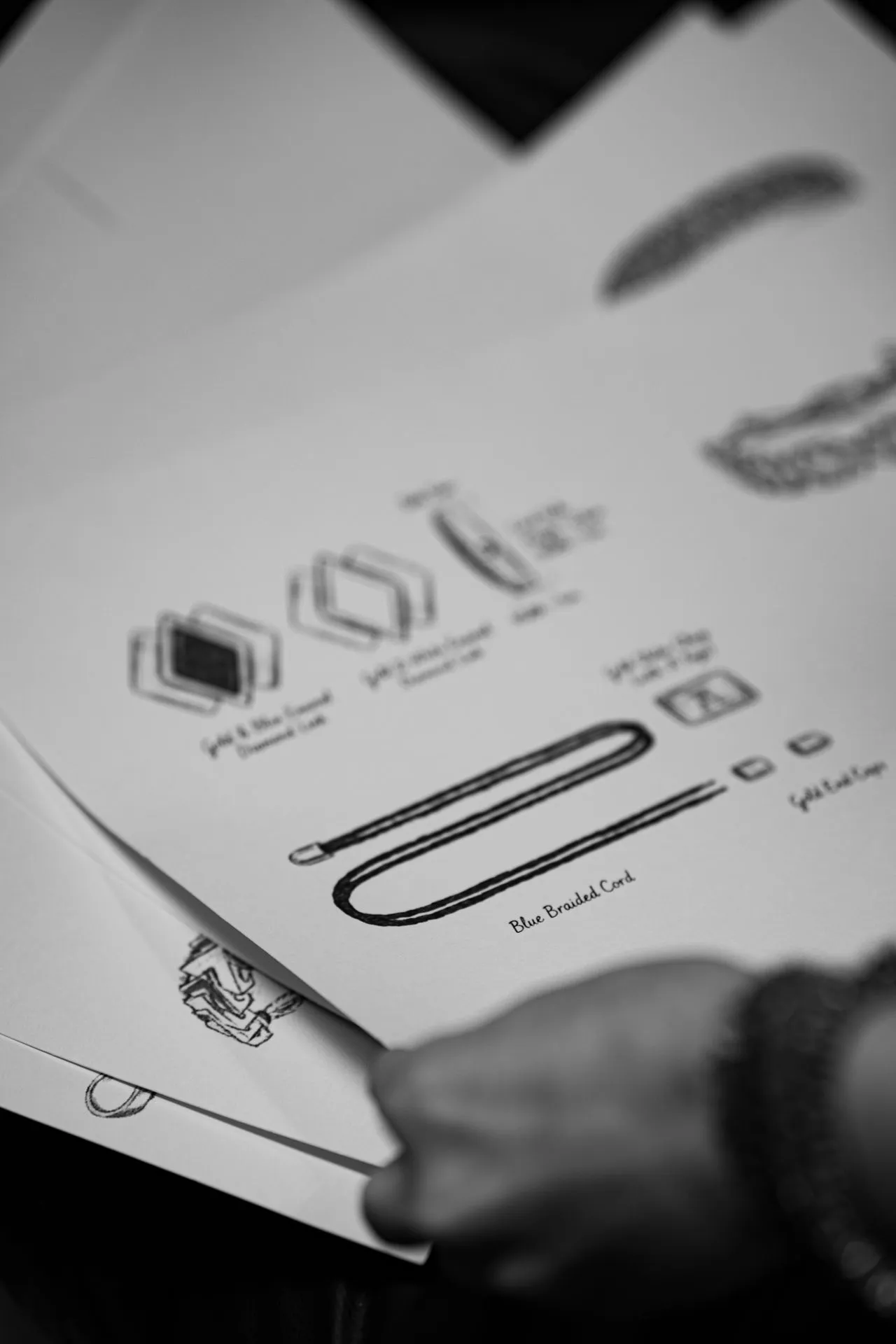
Here’s a quick look at the most important elements of fashion jewelry branding:
The jewelry market is increasing fast and in order to avoid how to look and sound the same, you need clear brand positioning.
▶️Positioning in fashion jewelry should answer: Why should someone choose you over the dozens of other brands in their feed?
Every fashion jewellery brand must answer these three questions:
1. Who are you for?
The answer cannot be "women aged 18–35." That is a demographic, not a positioning.
Are you for the college student building her first jewellery collection? The working professional who wants office-appropriate pieces? The trend-obsessed shopper who buys new styles every month? The answer determines price point, design language, and channel strategy.
GIVA targets "a new generation of consumers who view jewellery as an extension of personal style". Palmonas targets the demi-fine consumer who wants quality without heirloom pricing.
2. What do you offer that others don't?
This is the emotional or functional differentiation.
Is it design innovation? Sustainability? Celebrity association? Price accessibility? Daily wearability?
Melorra launches 75+ new designs every Friday which is 300+ new designs every month, positioning itself on speed and trend relevance. Voylla positions on catalogue width, under-₹2,000 pieces across ethnic, contemporary, and statement styles.
3. Why should anyone care?
This is the brand's reason for being. The "so what" that makes the brand matter to the customer's life.
For GIVA, it is making silver jewellery an everyday fashion category rather than an occasion-led purchase. For Palmonas, it is jewellery that gets used everyday.
Most fashion jewellery brands target the same consumer with the same aesthetic. Look for whitespace where others are not looking.
Your positioning statement must be specific, defensible, and difficult for competitors to copy. Write yours using this structure:
"For [target customer] who [need or desire], our [brand] provides [key benefit] unlike [competitors] because [differentiator]."
If you cannot complete this sentence, you are not ready to design anything. If the sentence could apply to three other brands in your category, go back and get more specific.
The target customer has changed. Jewellery buying is becoming more closely connected to everyday styling and personal expression.
That means jewellery buying is competing with other fashion purchases for attention and discretionary spending. Customers discover pieces through social media, save styling references, compare brands online and buy for themselves rather than waiting for a traditional gifting occasion.
So you must find out "What does our customer want jewellery to say about them?"
Do they want it to look polished without looking conventional? Experimental without looking costume-like. Fashion-forward without spending heavily on every new trend.
Your brand identity should be built around that underlying motivation.
“Modern women who love expressing themselves” is too broad a target to guide decisions. If you are targeting women customers, useful persona should be specific enough to answer:
The persona is a decision-making filter.
For example, if she mixes Indian and Western clothing, product names, styling, photography and Instagram content should feel native to that world. If she is minimalist and design-conscious, excessive graphics and trend-heavy language may feel wrong.
Jewellery categories have recognisable codes that tell customers what kind of brand they are seeing.
These codes are signals, not rules.
The opportunity is to keep the codes needed for category recognition while deliberately breaking one or two for differentiation.
Study 15–20 relevant competitors, not just traditional jewellery brands, but brands competing for the same customer, budget, occasion and discovery channel.
Compare them across five dimensions:
Buy or closely examine products where possible. Screenshot websites and social feeds. Save packaging, product descriptions, ads and campaign imagery. Then view everything side by side.
Look for three things:
Once the competitive map is clear, look for where you can differentiate. The gap might be:
For example, instead of organising collections only as “Earrings,” “Rings” and “Necklaces,” a brand could organise them around styling needs such as “The Everyday Stack,” “Desk to Dinner” or “One Piece, Full Look.”
Once the persona and competitive gap are clear, they should influence:
Consistency matters. If the strategy describes a fashion-forward woman but the website sounds corporate, Instagram is playful, product names are generic and photography looks like a catalogue, the persona has not been translated into the brand.
A simple test: Can you replace your brand name with a competitor's and still believe the positioning statement? If yes, it is not distinctive enough.
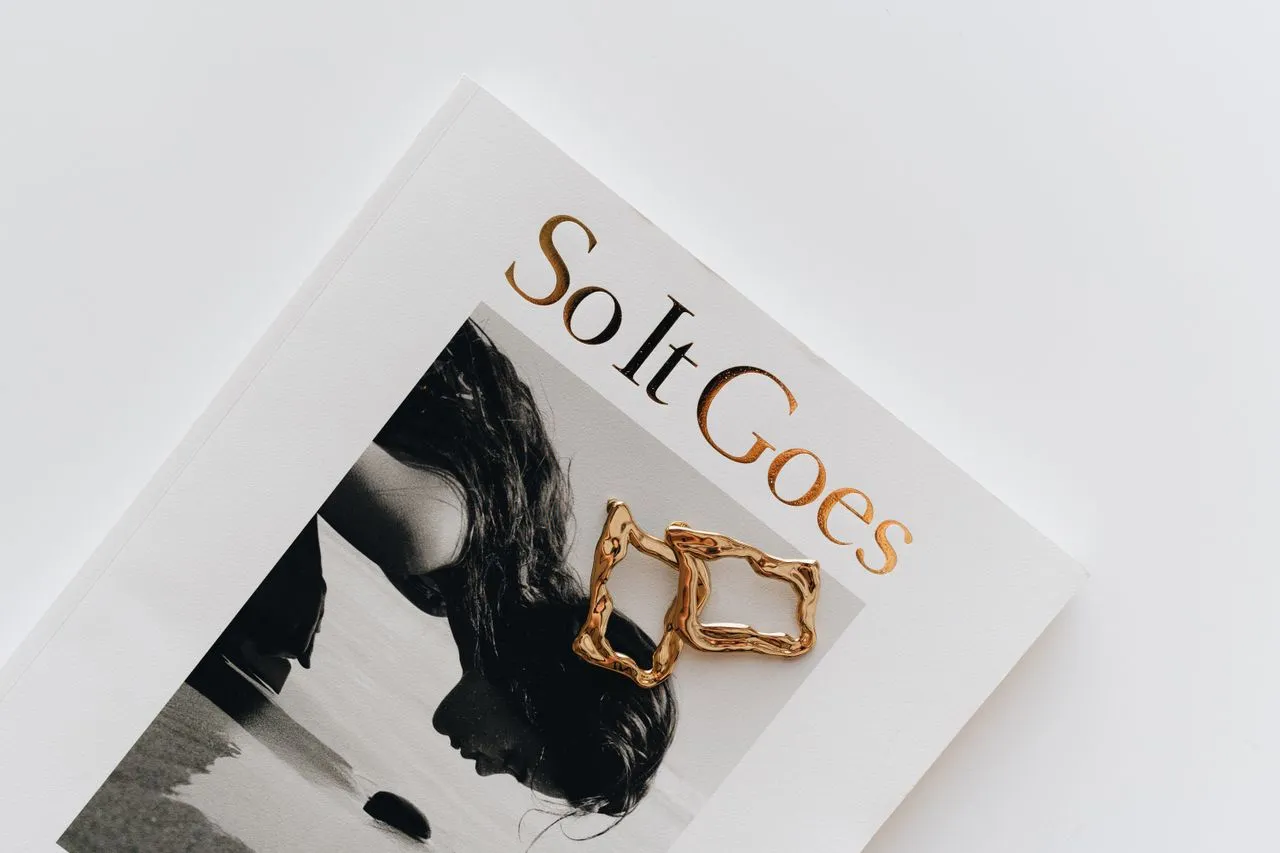
Fashion jewellery needs a visual identity that feels native to fashion, not like a cheaper version of fine jewellery.
A customer should be able to sense the brand’s style, quality and price positioning within seconds wherever they discover your product/
Fashion jewellery has more freedom with colour than traditional fine jewellery because its proposition is built around change, styling and self-expression. This allows campaigns to be more experimental while keeping the core brand recognisable.
Separate brand colours from your campaign colours.
Your core palette might use two or three colours consistently across the website, packaging, social profiles and retail spaces. Collection or seasonal colours can then introduce freshness without requiring the entire identity to change.
Strong fashion brands build a stable visual memory while allowing trends to enter around it.
Colour should also reinforce positioning. Bright, saturated colours can signal energy and accessibility, while muted tones can feel more elevated and editorial.
Typography is often chosen by looking at a beautifully typeset brand board. Fashion jewellery brands should choose it by looking at an Instagram profile, mobile product page and 50-pixel social avatar.
The best systems usually have a clear hierarchy rather than relying on one typeface everywhere:
▶️Display type creates personality.
▶️Primary type carries brand communication.
▶️Functional type handles product information, prices and navigation.
Ask yourself: does the identity still feel recognisable when the product photograph, logo and copy are reduced to a small mobile screen?
A heritage fine jewellery logo often prioritises restraint and permanence. Fashion jewellery needs memorability, flexibility and trend-awareness.
Build a system: use the full wordmark on websites and packaging, and a compact mark or monogram for social avatars, pouches, tags and small digital applications.
That secondary mark can also become a repeatable pattern across packaging, bags and digital assets, building recognition without feeling overly promotional.
Brands such as Monica Rich Kosann and GIVA use their monograms or marquees as broader visual assets.
The goal is to create a visual signature, not just a logo. Design an identity that can repeat, crop, animate, scale and adapt without losing recognition.
Being fashion-forward does not mean constantly changing the visual identity. The more frequently products evolve, the more important a stable visual foundation becomes.
Your fashion jewelry visual identity must have a fixed core and flexible edge.
This creates consistency without making the brand feel static.
Fashion jewellery is bought to experiment, style, layer, gift and refresh a wardrobe. Its identity should therefore balance personality and fashion relevance with quality and trust.
Your visual id systems are distinctive enough to be remembered, refined enough to feel credible, and flexible enough to evolve.
Before approving any visual decision, ask:
Does this help customers understand what kind of jewellery brand we are, who it is for, and why it belongs in her world?
If the answer is consistently yes, you are building an identity, not just designing brand assets.
Brand voice is the verbal expression of your brand's personality. It determines how you speak across every touchpoint.
A consistent voice builds recognition and trust. An inconsistent voice confuses the customer and dilutes the brand.
Fashion jewellery speaks in the language of now. Trend. Style. Experimentation. Excitement. Self-expression.
Your voice should feel like it belongs in the customer's feed. It should be accessible without being cheap. Trend-aware without being try-hard. Confident without being arrogant.
The jewellery category, once built on glossy aspiration, is now shifting toward authenticity. Glossy campaigns and idealised imagery are giving way to founder-led voices and stylist demonstrations in vertical video. The tone is human, not manufactured.
Choose 3-5 adjectives that describe the brand's personality, of how it should sound.
Examples of defined brand voices:
A tone matrix defines how your brand voice shifts across different contexts. The personality stays the same, but the tone adjusts for channel and purpose.
The voice should feel like the same personality across every channel, adjusting tone for context without losing character.
Adjectives are not enough. Test the voice by writing actual copy in context. Write a homepage headline. Does it capture the brand's personality in six words?
Write a product description. Does it sound like the same personality?
Write an Instagram caption. Does it feel native to the platform?
Read everything aloud. Does it sound like one consistent personality? If not, refine.
A one-page voice guide should answer:
What to avoid:
Unlike fine jewellery, where the product's material value and heritage often carry much of the brand story, fashion jewellery relies more heavily on design, presentation and customer experience to communicate quality and positioning.
Your packaging is an opportunity to make the brand recognisable, reinforce its personality and shape perceived value.
Packaging should be the physical expression of your brand identity. Carry the same logo, colours, typography and graphic language from your website and social media into the unboxing experience.
This creates continuity across the customer journey, from Instagram discovery to product delivery.
Packaging should also answer: “What kind of brand is this?”
Packaging should also reflect the category rather than imitate fine jewellery packaging.
Fine jewellery packaging is often designed around ceremonial purchases and gifting. Fashion jewellery is handled more frequently. Customers move pieces between wardrobes, handbags, dressing tables and travel cases.
That means the packaging system should prioritise:
This distinction matters because packaging that looks luxurious but is inconvenient to use does not support the fashion jewellery proposition.
Fashion jewellery brands frequently launch new products. Packaging should therefore be flexible enough to accommodate multiple collections without losing recognition or increasing production costs.
Keep the foundational elements consistent:
This approach allows the packaging to evolve with seasonal collections while keeping the brand visually consistent.
Distinctive colour, pattern, shape, typography or material treatment can build recognition across physical and digital touchpoints.
For fashion jewellery, packaging also needs to work within tighter unit economics. The goal is not maximum luxury, but maximum brand expression per rupee spent.
A well-designed paperboard box, signature colour system and strong insert can often create more impact than expensive materials that do little for the brand.
Before finalising packaging, ask:
When designed as part of the wider identity, packaging becomes a powerful tool for recognition, recall and brand experience.
Fashion jewellery is often discovered on a screen before customers experience the product physically. Instagram, TikTok, search, marketplaces, creators and paid social may all be first touchpoints.
That makes digital performance part of brand identity. The logo, colours, typography, photography and content system must remain recognisable on a mobile screen.
The first test of the identity may be an Instagram profile, product thumbnail or social ad.
Test the identity at the sizes customers actually see: Instagram avatars, Reel thumbnails, ads, marketplace tiles and mobile headers.
If the brand becomes generic or unreadable when reduced, the system needs to be simplified.
Design for the screen first, without designing only for the screen.
For a digital-first fashion jewellery brand, content is part of the brand. How you photograph, style, caption and demonstrate products becomes part of what customers recognise.
Example: Heaven Mayhem brought an existing fashion and lifestyle audience to the brand, while social media, creators and viral products helped drive its growth.
Instead of using Instagram as a product catalogue, build around five content pillars:
These should feel like different expressions of one brand, not separate content strategies.
Digital-first does not mean social-first at the expense of everything else. The website, email, marketplace listings, paid ads and social profiles should all feel like the same brand.
GIVA provides a useful example. Its rebrand translated the identity across website, social media, packaging and other customer-facing touchpoints, while its photography guidelines helped maintain a consistent visual style across product shoots.
For a fashion jewellery brand, define the rules before scaling content:
The objective is not to make every post identical. It is to make different content recognisably belong to the same brand.
Before launching the identity, test it across the actual customer journey:
Instagram profile → Reel → paid ad → product page → checkout → order confirmation → packaging.
Ask whether the same brand personality is visible throughout.
A digital-first fashion jewellery identity should therefore be designed as a connected system, not a set of isolated assets.
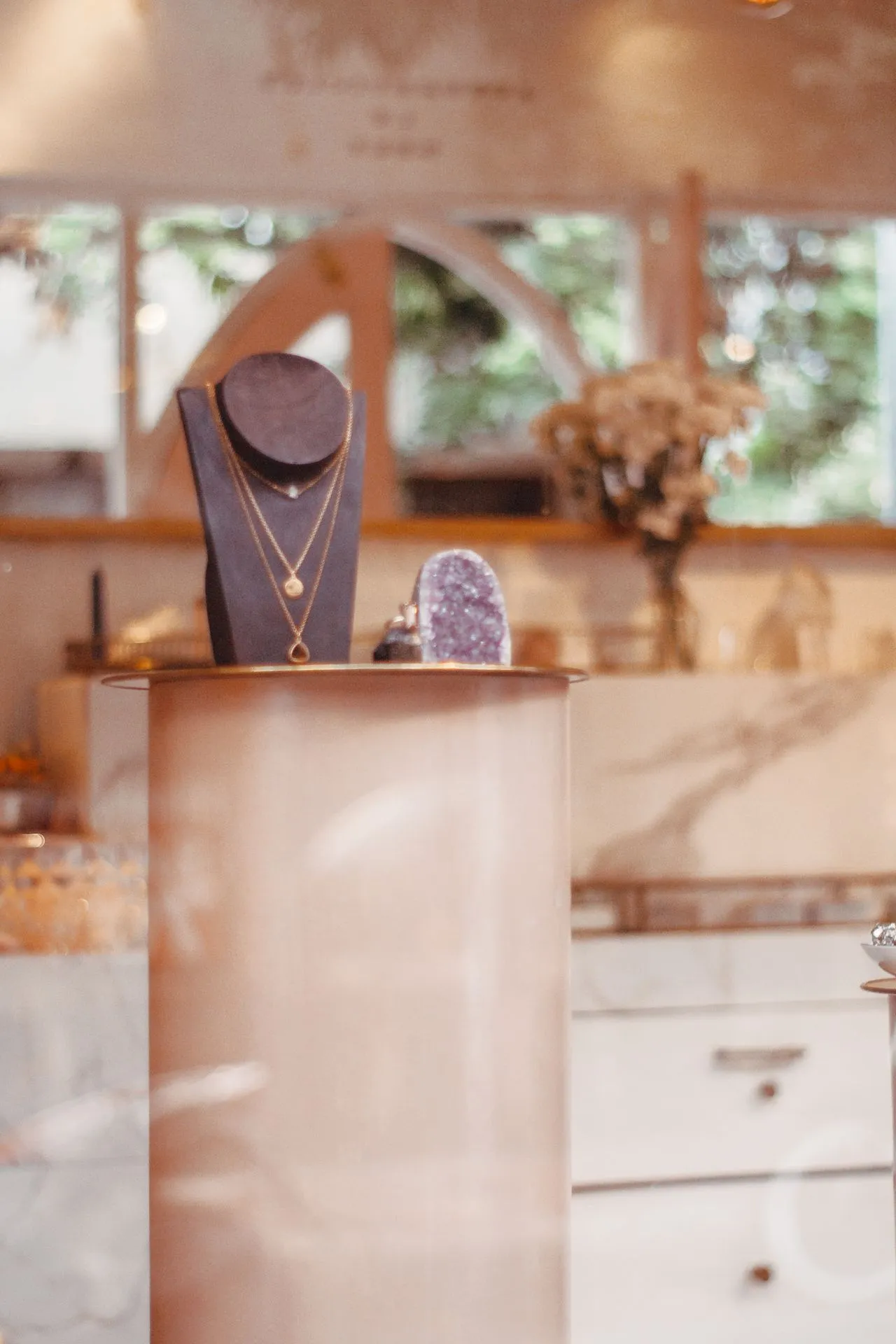
Ana Luisa built its proposition around making jewellery more sustainable without compromising on style or accessibility. It uses recycled metals and responsible sourcing, making sustainability part of the product rather than simply a marketing message.
Its visual identity combines editorial aspiration with approachability, helping it scale to 2.5M+ customers across 150 countries. The brand has also expanded into physical retail, adapting its digital-first identity into distinct store experiences.
💡Lesson: Sustainability becomes a true differentiator when it is embedded across the product, supply chain, brand and customer experience.
London-based Astrid & Miyu was founded keeping in focus: creating sentimental, innovative products with an inclusive, empowering brand experience.
Its community drives innovation, while a warm customer experience remains central to its USP.
Experiential retail is key, with the HOAM flagship designed for connection through kinetic installations, storytelling, a café, and private piercing and tattoo studios.
💡Lesson: Fashion jewellery is a community business, not a product business. Build a brand people want to belong to. The experience is the product.
Melorra challenged the industry by asking: why can’t fine jewellery be everyday fashion? It built a digital-first brand for millennials and Gen Z, offering affordable, lightweight, trend-led jewellery designed for daily wear.
Speed is its key differentiator, with 75+ new designs launched every Friday, drawing inspiration from Paris and Milan fashion weeks. Operationally, Melorra cut custom jewellery turnaround from around a month to just five days using CAD and 3D printing.
💡Lesson: In fashion jewellery, speed is a brand asset. If you can deliver new designs faster than anyone else, that is your identity.
Misho Designs is a global jewellery brand known for sculptural, minimalist pieces and bold geometric forms.
Misho champions fiercely independent women through designs that are strong, distinctive and expressive.
Now a multidisciplinary design house spanning jewellery, ready-to-wear and couture, with teams in Mumbai and London, Misho has been worn by Beyoncé, Dua Lipa, Zendaya and Lady Gaga.
💡Lesson: A distinctive design philosophy, becomes the brand's most defensible asset. When the product is the identity, you don't need to shout.
Mejuri challenged the idea that fine jewellery should be reserved for special occasions or gifted by men. Its core philosophy,“buying jewellery for your damn self”positioned jewellery as an everyday expression of self-worth.
The brand focuses on “everyday luxury,” with minimalist pieces designed to be stacked, mixed and worn daily. Its Puzzle collection pushed this further with modular rings that let customers create their own combinations, turning personalisation into a product experience.
💡Lesson: A strong brand philosophy can become a competitive advantage when it consistently shapes product, communication and customer behaviour.
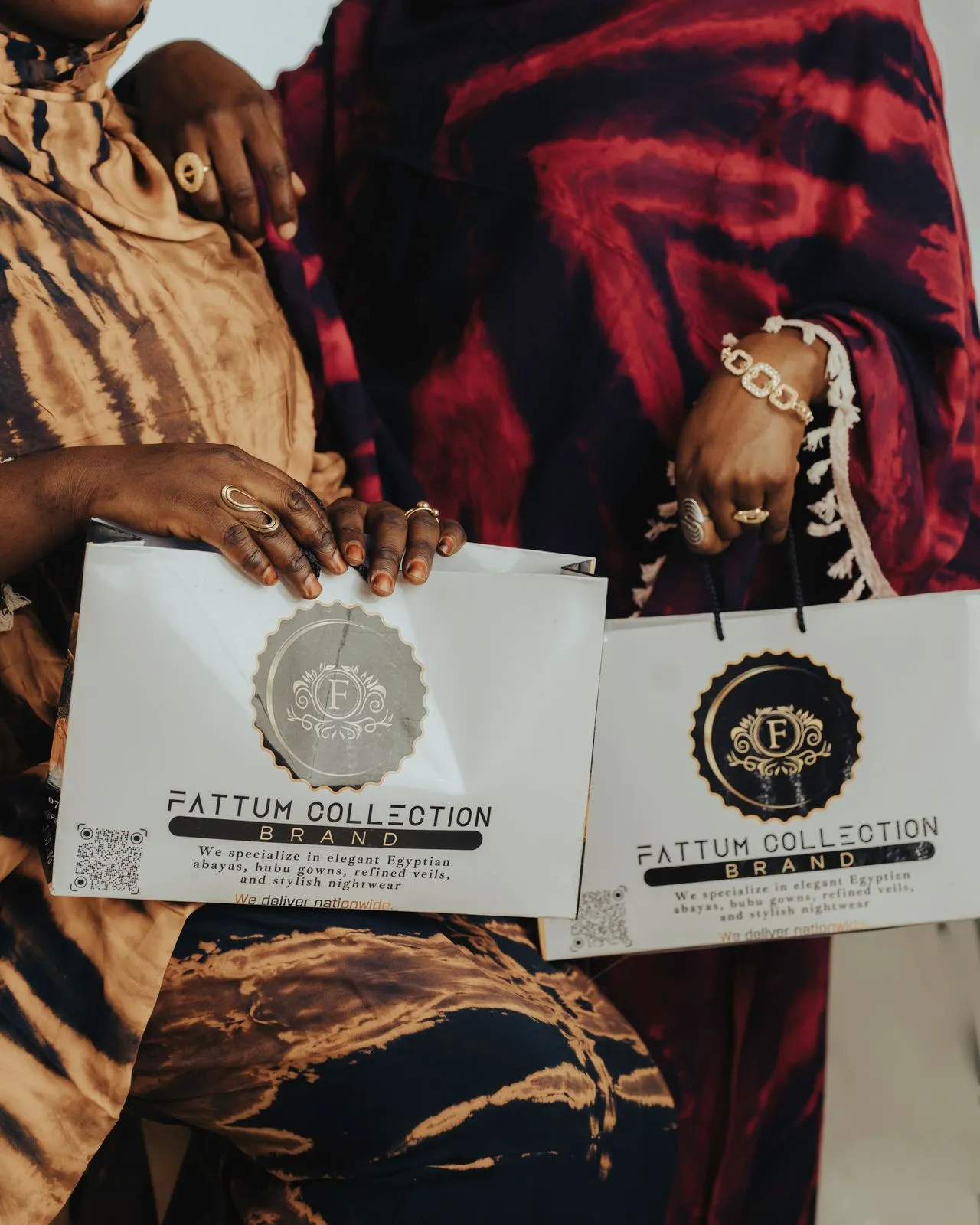
Most fashion jewellery brands fail because their brand identity is invisible.
The product is there. The quality is there. The price is right. But the brand looks like every other brand in the feed, and the customer scrolls past.
Confetti solves that problem. We build brand systems that make fashion jewellery brands recognisable, remembered, and bought.
Here’s how we do it:
✅We build systems, not just assets
Our process begins with strategy — positioning, audience, category codes. Only then do we move to visual identity. Every decision is rooted in strategic intent, not aesthetic preference.
✅We design for the digital-first reality
82% of jewellery buyers research brands on Instagram before purchasing. The brand must work at thumbnail size, stop the scroll, and communicate instantly. We design for the 60px quick commerce thumbnail, the social media profile picture, and the retail shelf.
✅We treat packaging as a complete experience
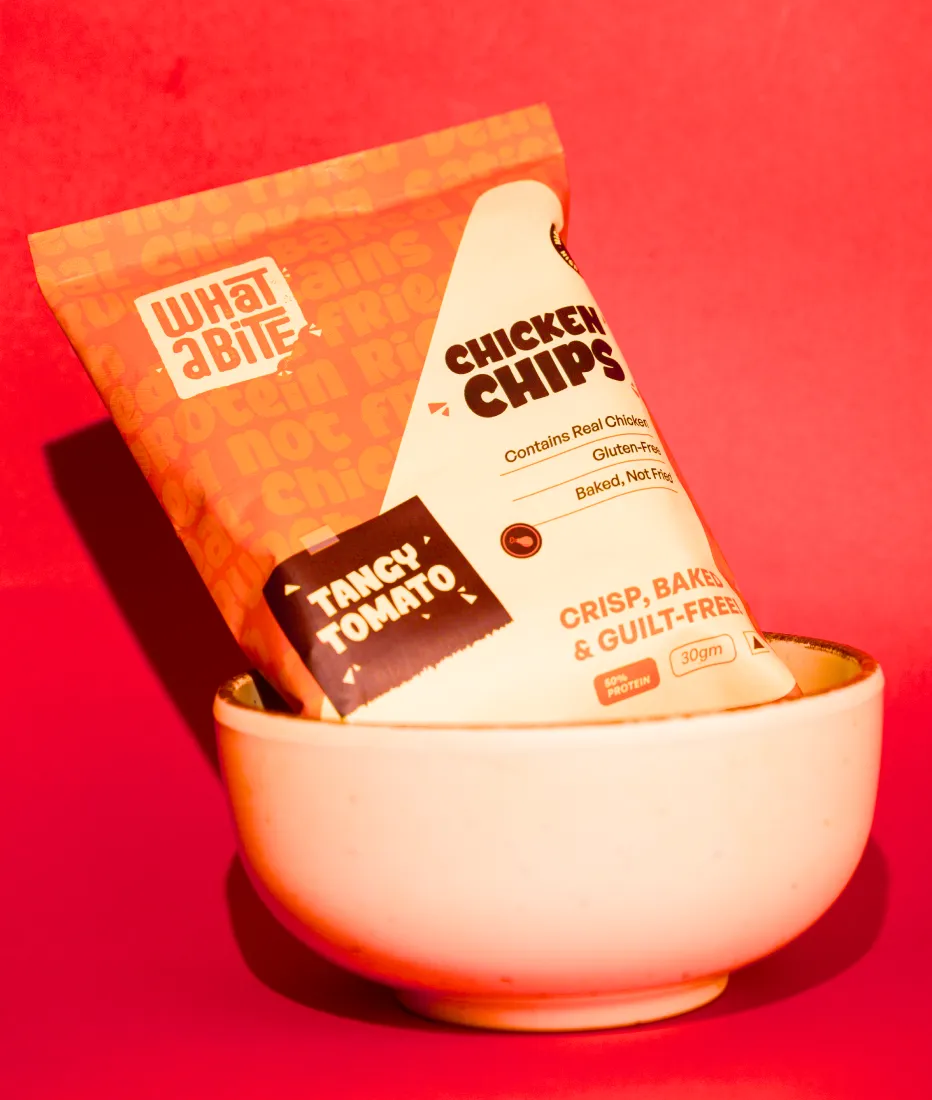
For Kooji, we designed a 24-SKU packaging system across three product lines. For ITC Bingo, we blended modern energy with nostalgic Indian truck art.
✅We bring it all under one roof
Branding, packaging, digital, content, all at one place, so founders are not running in circles between five different agencies. Confetti is built for your business, not just our portfolio.
RESULT: A fashion jewellery brand that looks like it belongs in the category but stands out from the competition. A brand that works everywhere, on every screen, in every channel. A brand that looks good and sells.
What is fashion jewelry brand identity?
Fashion jewelry brand identity is the visual system, positioning, and brand character built for jewelry made from non-precious materials — designed around trend velocity, wearer persona, and material safety rather than heritage and purity certification.
How is fashion jewelry branding different from fine jewelry branding?
Fine jewelry branding centers on permanence, craft story, and purity certification for infrequent, high-consideration purchases. Fashion jewelry branding centers on trend velocity, persona, and material safety for frequent, trend-driven purchases at a lower price point.
What makes a fashion jewelry brand identity feel consistent across fast-changing collections?
A fixed core — logo, primary color system, typography, and packaging structure — that stays constant while color accents, motifs, and finishes flex seasonally. Without this split, each new collection risks looking like an unrelated brand.
How do I choose a branding partner for a fashion jewelry business?
Look for a partner who understands trend-driven positioning specifically, has designed material safety disclosure into packaging before, treats persona as a strategic driver rather than a checkbox, and can build a visual system flexible enough to support an ongoing collection calendar without repeated full redesigns.
Want strategic branding and packaging like this for your business?





.webp)
.webp)

.webp)
.webp)
.webp)
.webp)
.webp)







.svg)
.webp)