02
AI Snaps


01
Our Work
03
About Us
04
Brand Audit
05
Contact Us
06
Client Success
07
07
Blogs
08
Careers
Book A Call




Need Help In Building Your Brand?
Click the button below & book a call with our founder directly.

Rishabh Jain
Managing Director
The brand guide vs style guide debate mostly begins when a growing D2C brand discovers that its agencies, marketplace teams and copywriters are interpreting the same guidelines differently.
Logos stay consistent, but packaging colours drift, product descriptions lose their voice, and brand messaging becomes fragmented. The problem isn't the partners; it's incomplete documentation.
Let’s break down what each document should cover, where packaging rules fit, and which guidelines FMCG and D2C brands need to scale consistently.

A brand guide and a style guide serve different purposes, even though many agencies often use the terms interchangeably.
A brand guide defines what the brand stands for and establishes its identity. A style guide explains how to apply that identity consistently across specific outputs and channels.
The brand guide sets the direction. Style guides turn that direction into practical rules for designers, writers, developers, photographers and other teams.
Here's a quick look at the differences:
A third term adds to the confusion: brand book. Some agencies use it as another name for a brand guide.
Others use it for a document focused on the brand story, purpose, values and strategic thinking, while keeping practical usage rules in a separate guidelines document.
The terminology is not consistent across the industry but for FMCG and D2C brands, this difference is important.
A brand guide that shows packaging only through mockups, without production rules, can leave teams unsure how to apply the identity across actual products. A style guide that covers digital and social media but ignores packaging leaves one of the brand's most important customer touchpoints without clear rules.

A brand guide turns the brand's strategy and identity into a reference that people can use to make consistent decisions.
It should help a new employee, agency or market partner understand the brand and apply it without relying on the founder for every decision.
A useful brand guide has four layers:
A clear brand strategy also helps new partners make decisions when the guide does not cover a specific situation.
Document the logo versions, clear space, minimum sizes, colour values for print and digital, typography, imagery, graphic elements and patterns.
Explain why key choices were made, not just how to use them.
For Miduty, the identity used black, blue, aqua and white, alongside Poppins typography, to communicate trust, calmness and clarity. Recording the reasoning helps future teams apply the identity with the same intent.
Identify the elements customers use to recognise the brand, such as its colours, logo, characters, shapes or patterns.
Define which elements must remain consistent and which can adapt. These distinctive brand assets should be protected from unnecessary changes.
Show how the identity works across actual touchpoints, including packaging, websites, marketplace listings, social media and retail materials. Include practical usage examples rather than relying only on mockups.
Also document who owns the brand, who approves adaptations, where master files are stored and when the guide should be reviewed.
A brand guide does not need to be lengthy. 30 useful pages that teams refer to are more valuable than a 120-page document nobody uses.
A style guide is an execution document. It assumes the strategy exists and focuses on making the output consistent.
There is no single format; the right contents depend on what the brand produces most.
This sets the rules for applying the visual identity consistently across print and digital materials.
This defines how the brand writes.
It covers tone of voice, grammar, spelling, punctuation, product naming, preferred terminology, words to use or avoid and channel-specific messaging.
For consumer brands, it should also include approved claims language to prevent unverified claims from appearing on packaging or marketing materials.
For Desi Minimals, the positioning line "Less noise. More you." helped establish a consistent voice across product copy and packaging.
For House of Anasha, we defined a conversational yet expert-driven tone. An editorial guide turns these brand qualities into rules writers can follow.
This covers lighting, backgrounds, styling, props, product angles, cropping, model selection and retouching. It helps different photographers produce consistent images across packaging, e-commerce and social media.
For Kooji, a consistent cinematic art direction helped create a recognisable look across product photography.
For websites and apps, this defines buttons, forms, spacing, components, interaction states and accessibility rules.
Larger teams may develop these into a coded design system, while smaller brands often need a lighter set of website and landing-page standards.
This covers social templates, layout rules, caption length, hashtags, user-generated content and channel-specific publishing standards.
It needs regular updates as platforms and content formats change.
A style guide should give each team enough detail to produce consistent work without repeatedly asking the founder or brand manager for direction.
It should work alongside the brand guide, not replace it. The brand guide explains the thinking; the style guide turns that thinking into repeatable execution rules.
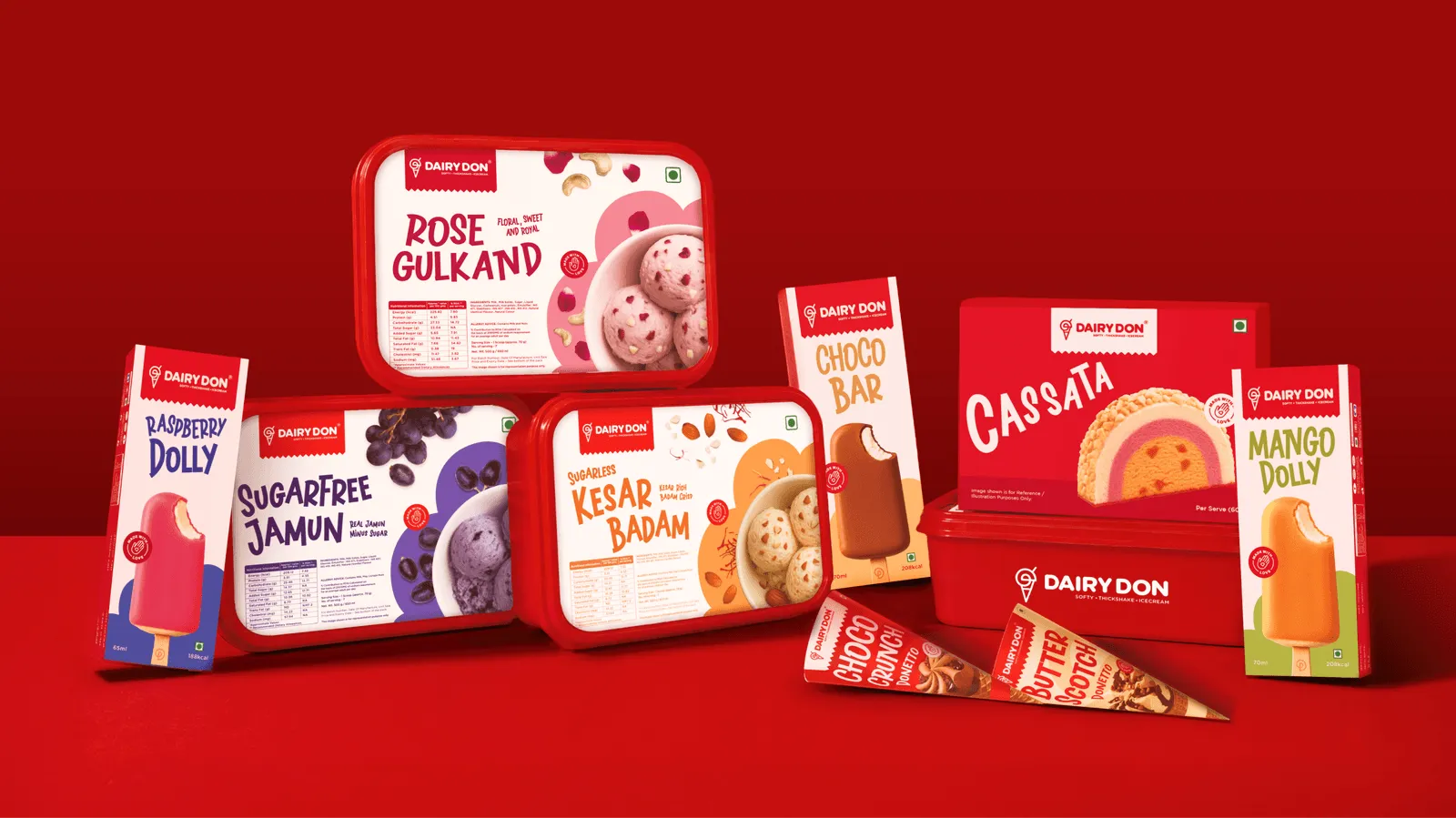
For FMCG and consumer brands, packaging needs its own set of rules. A brand guide defines the identity, and a style guide explains how to apply it across different channels.
Packaging guidelines translate both into production-ready rules that designers, printers and packaging suppliers can follow across every SKU and format.
Without detailed packaging rules, every new product, printer, pack format or market creates an opportunity for inconsistency.
Packaging design guidelines should include:
The guidelines should also account for market-specific requirements.
In India, this includes the placement and sizing of applicable FSSAI and Legal Metrology declarations. For GCC markets, bilingual Arabic and English layouts need clear rules for content hierarchy and space allocation.
For Kooji, one packaging structure covers three product lines and 24 SKUs, with a distinct illustrated world for each scent. For The Indus Valley, a product-first hierarchy and consistent visual rules help the range extend into new SKUs and markets.
In our Ben & Jerry's brand audit, we recommended documenting distinctive elements such as the cows, clouds, hand-drawn lettering and flavour names so that no packaging format breaks the identity.
These examples show why packaging guidelines should be a separate deliverable, not just a page in a general style guide. They help protect consistency, reduce artwork rework and make future product launches easier to manage.

A brand guide, style guide and packaging guidelines form a documentation system, with each document serving a different purpose.
The brand guide sets the direction, style guides define how teams apply it, and packaging guidelines translate the identity into production-ready rules.
Here’s how the layers work:
The layers depend on one another. Packaging guidelines should follow the brand identity. Style guides should reflect the brand's positioning and personality.
The brand guide remains the source of truth. The other documents translate it into rules that teams can use in their daily work.
Combining strategy, visual rules, social templates and production specifications into one large PDF can make updates difficult.
A change to an Instagram template should not require revising the brand strategy document. Likewise, adding a new packaging format should not require rewriting the entire brand book.
Keeping the layers separate allows each team to update the sections it owns without changing the brand's underlying direction.
It also prevents three common problems:
Confetti's process moves from brand strategy and positioning to identity design and packaging design. The guidelines are developed around that sequence, so they reflect decisions tested during the actual design process rather than assumptions made in advance.
Every document should have a named owner, a clear approval process and a review schedule. Without ownership, even accurate guidelines become outdated as teams, products and channels change.

You do not need every brand document from day one.
Start with the layer that solves the current problem, then add documentation as the business grows.
1. New Brand or First Product Launch
Start with a short brand guide covering positioning, audience, personality, voice and visual identity. Add basic packaging rules for the first SKUs so the printer and design team can apply the identity correctly.
A separate, detailed style guide or packaging manual can wait until the range and channels expand.
2. Established Brand with Inconsistent Execution
Prioritise style guides and packaging guidelines. The positioning may already be clear, but different designers, suppliers and internal teams may be applying the identity inconsistently.
Document visual rules, tone of voice, packaging hierarchy, variant logic and approved applications. A brand guide can follow if leadership also needs a clearer strategic reference.
3. Growing Product Range or Expanding Channels
Prioritise packaging guidelines, followed by discipline-specific style guides and a shared asset library.
Once multiple SKUs, formats, marketplaces and external partners are involved, informal rules are no longer enough.
Teams need approved artwork, templates and clear instructions for adapting the brand.
4. Entering New Markets
Add market-specific adaptation rules for language, regulatory panels, layouts and imagery. Bilingual packaging needs planned rules rather than translations added to existing artwork.
For ITC Bingo Chatpat Kairi, Confetti developed a Devanagari and English truck-art lockup with a defined relationship between the two scripts.
5. Preparing for a Fundraise or Acquisition
Prioritise the brand guide and asset documentation. Investors and buyers need to understand the brand's positioning, distinctive assets and how the system operates without depending entirely on the founder.
Style guides and packaging guidelines provide evidence that the identity can be applied consistently across teams, products and markets.
6. Planning a Refresh or Rebrand
Review the entire documentation system. Start with strategy and positioning, then update the identity guide, style guides, packaging guidelines and templates.
Changing only the logo while leaving the rest of the system untouched creates gaps between the new identity and existing materials.
If you are unsure which layer needs attention, audit the brand before commissioning new guidelines. Review the strategy, identity, packaging and digital presence together to identify where consistency or clarity breaks down.
Confetti's brand audit follows this diagnostic approach: identify the problem first, then define the work required to fix it.
The aim is not to produce the most documentation. It is to give each team the rules it needs, at the stage when those rules become commercially useful.
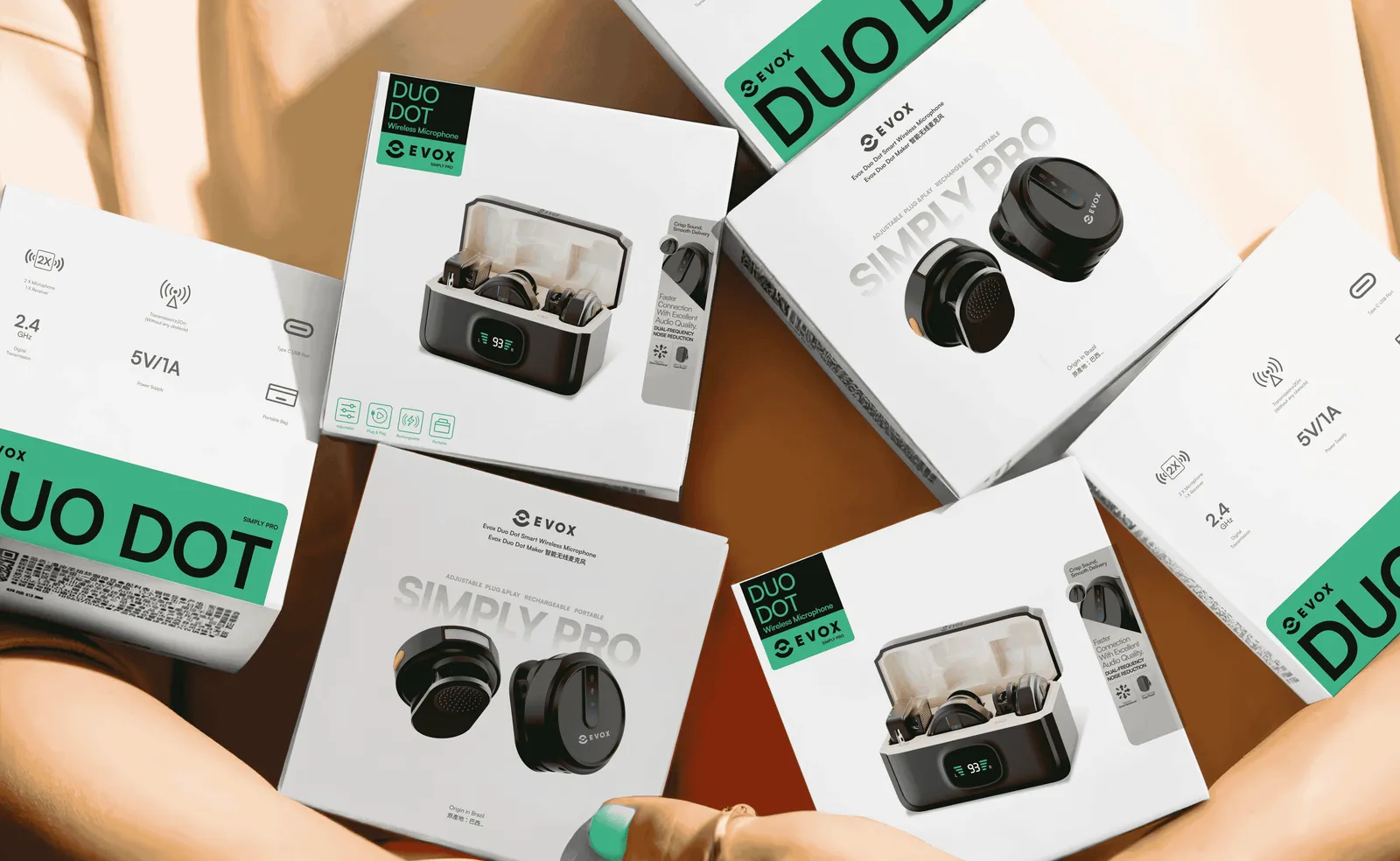
A strong brand is more than a great identity. It’s how consistently that identity comes to life across every product, package, platform and customer touchpoint.
At Confetti, we build brand guidelines that go beyond aesthetics to create systems brands can actually grow with.
Our process connects strategy, positioning, visual and verbal identity, and packaging into one cohesive framework.
From defining typography, colour palettes and tone of voice to establishing packaging hierarchies, variant logic, formats and flexible design zones, we create clear rules without limiting creative possibilities.
Our work with Desi Minimals, House of Anasha and Miduty showcases our approach to brand identity and verbal systems, while Kooji and The Indus Valley demonstrate how thoughtful packaging guidelines create consistency across multiple SKUs and evolving product portfolios.
We also bring product photography direction into the mix, while our sister studio, Suplex, extends the brand experience into digital through website design and development.
If your brand looks a little different with every new SKU, partner or platform, let's fix that.
What is the difference between a brand guide and a style guide?
A brand guide defines the brand itself: strategy, positioning, personality and the core identity system of logo, colour and type. A style guide sets detailed rules for applying that identity in one discipline, such as writing, photography, social or digital. The brand guide answers who we are. Style guides answer how we execute it.
Is a brand book the same as brand guidelines?
Often the terms are used interchangeably. When agencies separate them, the brand book tells the brand story and strategy (purpose, values, personality) to inspire teams, while brand guidelines hold the practical identity rules: logo use, colour values, typography and applications. Check the contents rather than the title.
Is a brand style guide the same as brand guidelines?
Usually, yes. "Brand style guide" is a common name for brand identity guidelines covering logo, colours, typography and imagery. The confusion comes from discipline-specific style guides, such as editorial, photography or UI, which sit underneath the brand guidelines and go into much more detail for a single team.
What should a brand style guide include?
At minimum: positioning summary, logo versions and misuse, colour values for print and screen, typography, imagery direction, voice and tone, and real application examples. FMCG brands should add packaging rules: fixed and flexible zones, variant colour logic, mandatory panel layout and print specs per substrate.
Do small brands need both a brand guide and a style guide?
Not at the start. One lean document combining identity and basic application rules is enough at launch. Separate style guides become worth it when multiple agencies, freelancers, marketplaces or markets are producing brand content, because that's when inconsistency starts to cost money.
Want strategic branding and packaging like this for your business?