%201.webp)
02
AI Snaps
.svg)
.svg)
01
Our Work
03
About Us
04
Brand Audit
05
Contact Us
06
Client Success
12
07
Blogs
08
Careers
Book A Call
.svg)



Need Help In Building Your Brand?
Click the button below & book a call with our founder directly.

Rishabh Jain
Managing Director

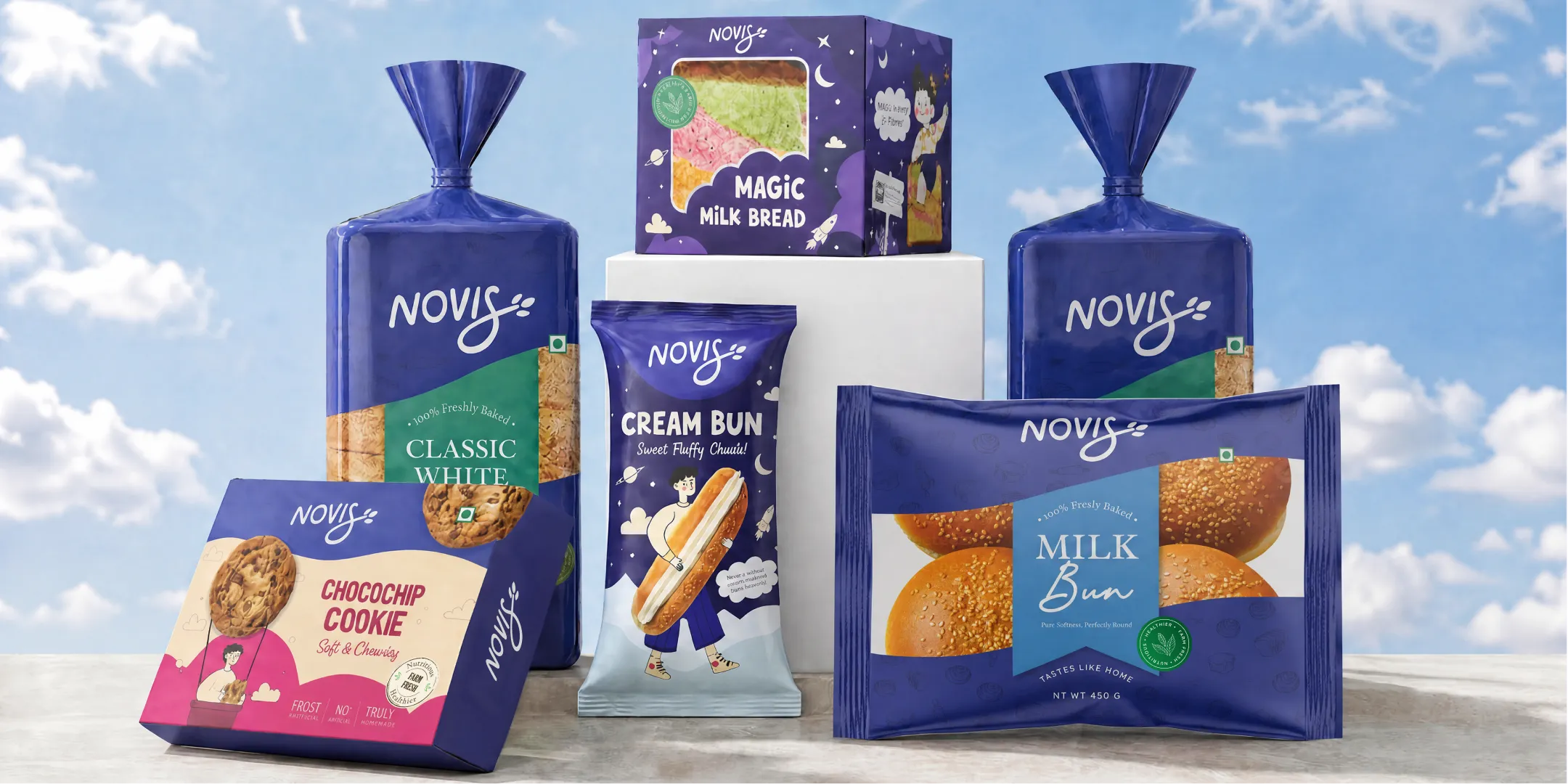
Your product sits on a crowded shelf, but customers walk past it without a second glance. You invested in a great product, but it’s the packaging that makes the first impression. If that initial handshake is weak, you lose the sale. This is a common frustration for many brands. The solution isn't just a prettier box; it's about learning how to tell a brand story through packaging design that connects with your ideal customer on an emotional level.
Effective packaging does more than just hold a product. It communicates your brand's purpose, values, and personality in an instant. It turns a simple transaction into the beginning of a relationship. This guide breaks down the essential packaging design brand storytelling techniques that help you capture attention and build a loyal following.
Before a customer ever touches your product, they see its package. You have about three seconds to make an impression. We call this the "3-Second Story Rule." In this tiny window, your packaging must answer three questions in the shopper's mind: What is this product? Who is it for? And why should I care?
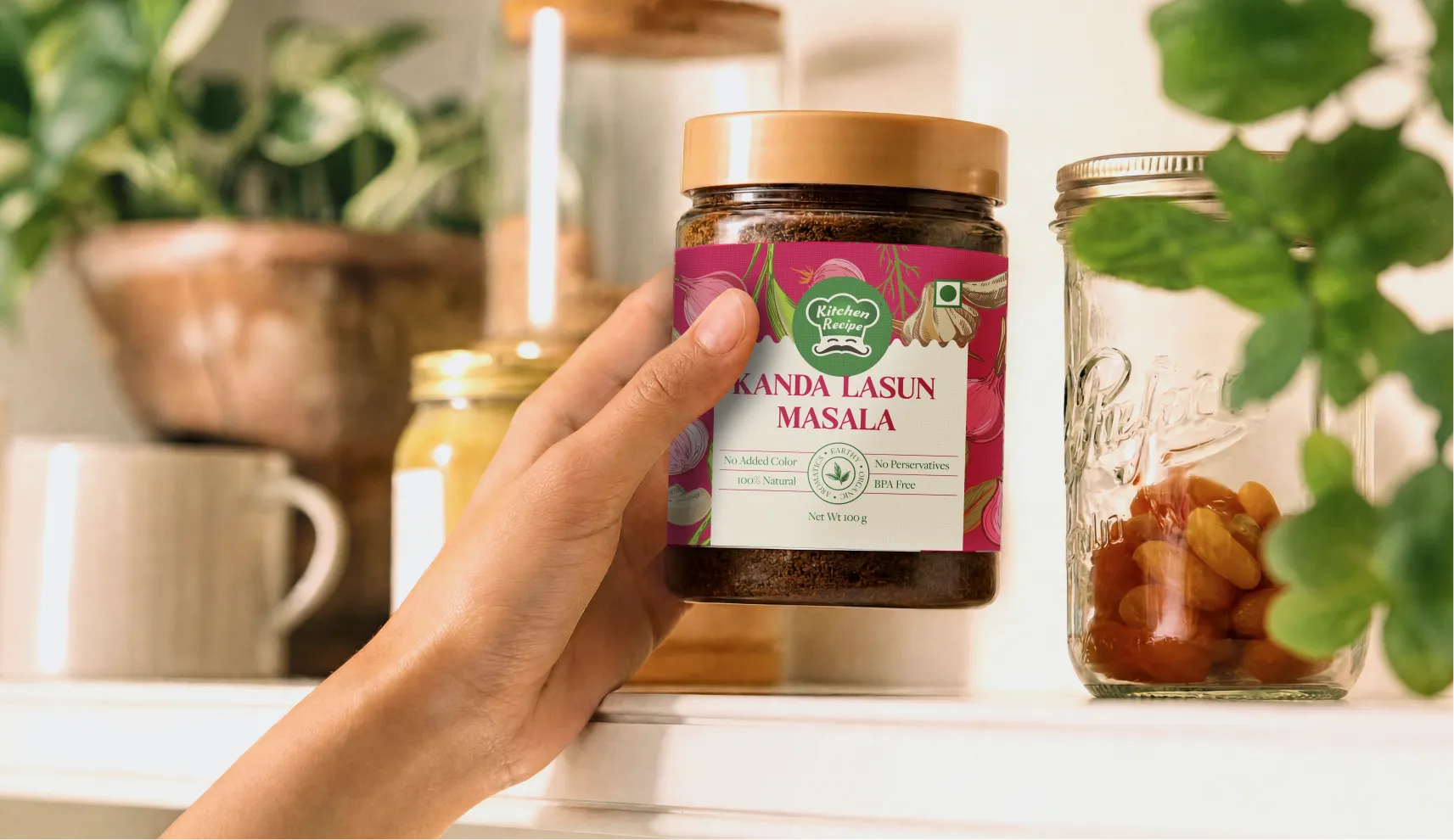
Successful brand storytelling through packaging isn't about cramming every detail onto the box. It’s about clarity and instant recognition. The design should immediately convey your most important message. Is your brand fun and playful? Luxurious and exclusive? Natural and organic? Your packaging is the visual summary of your entire brand identity. It acts as a silent salesperson, working for you on the shelf. The goal is to create a design that speaks directly to your target audience, making them feel like the product was made just for them.
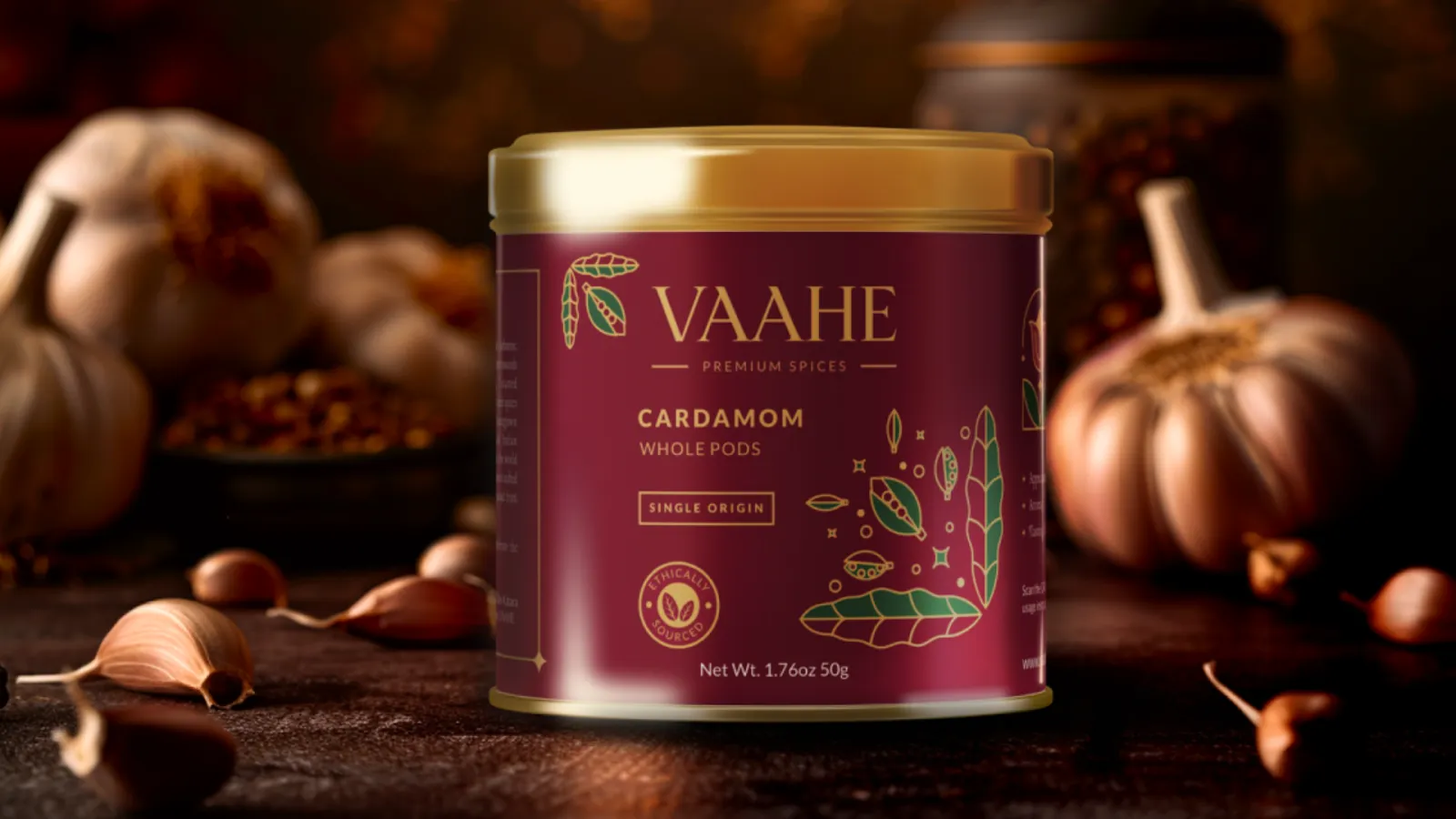
The images and graphics on your packaging are the primary storytellers. They set the mood and create an immediate emotional response. The choice between a photograph, an illustration, or an abstract pattern can completely change how your brand is perceived.
Color is one of the most powerful tools in packaging design brand storytelling. It triggers emotions and associations faster than words or images. Choosing the right color palette is critical for communicating your brand’s personality and attracting the right consumer.
A brand that wants to be seen as natural and eco-friendly might use a palette of greens, browns, and muted earth tones. A supplement company aiming to project energy and vitality might opt for bright oranges and yellows. Luxury brands often use black, gold, or silver to communicate elegance and exclusivity.
Understanding the psychology of color helps ensure your message is received as intended. For instance, blue often builds feelings of trust and reliability, making it a popular choice for tech and wellness products. Red can create a sense of urgency and excitement, but it must be used carefully to avoid seeming aggressive. Your color choices are a core part of building a visual language that customers can instantly recognize.
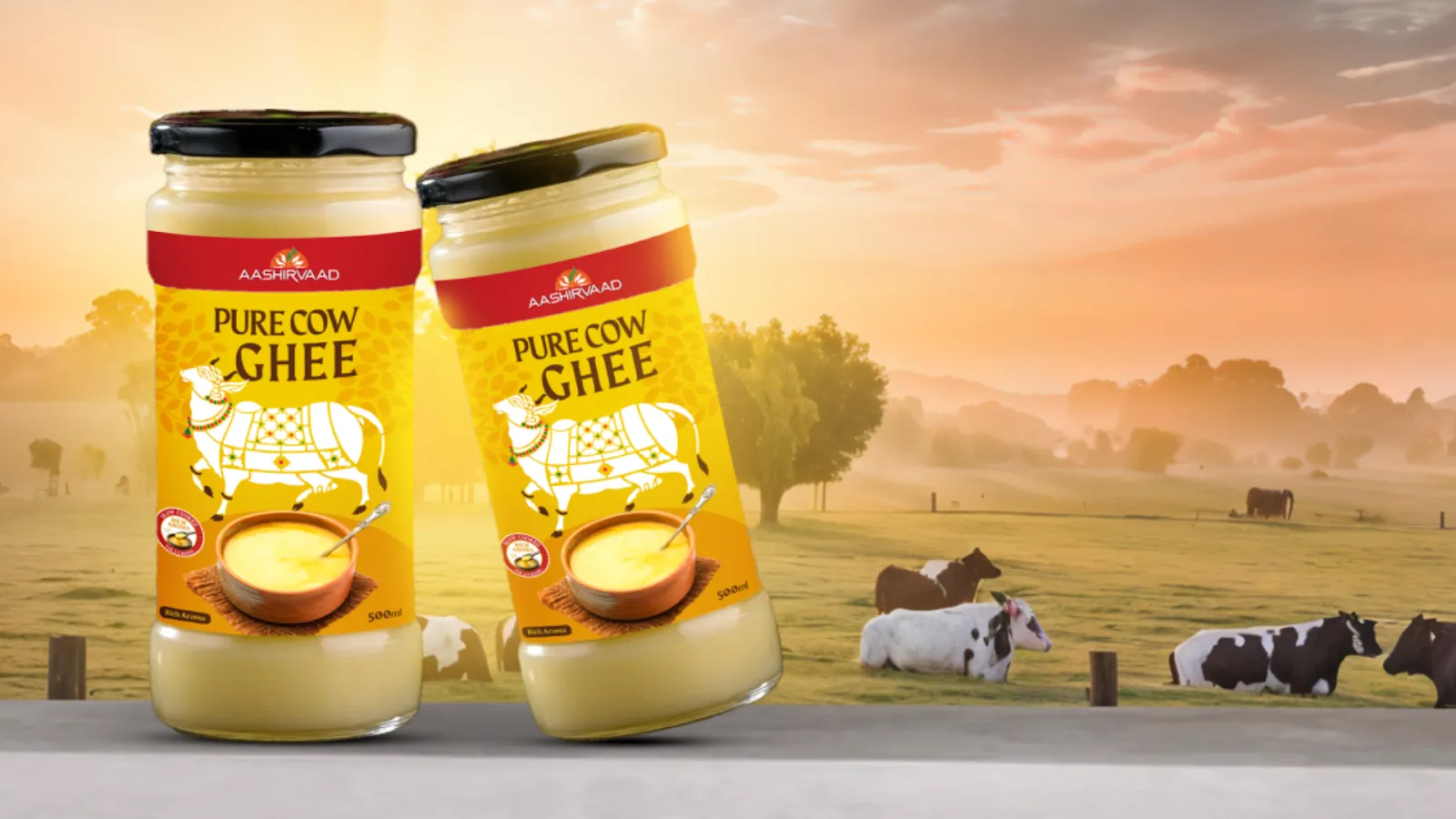
The fonts you choose for your packaging are just as important as your colors and imagery. Typography is the voice of your brand. Does it speak in a soft, elegant whisper or a bold, confident shout?
Serif fonts, with small lines attached to the letters, often feel traditional, reliable, and respectable. Think of high-end fashion brands or established financial institutions. Sans-serif fonts, which lack these small lines, tend to look modern, clean, and straightforward. They are a popular choice for tech startups and minimalist brands.
Script fonts that mimic handwriting can add a personal, human touch, suggesting a product that is crafted with care. Bold, blocky fonts can project strength, stability, and impact. The way you arrange this text—its size, spacing, and hierarchy—guides the customer's eye and tells them what information is most important. A successful design uses typography to reinforce the brand's core identity.
If making these design elements work together feels like a puzzle, you're not alone. Creating a cohesive story requires expertise. Our team specializes in translating a brand's essence into a visual identity that works. See all the services we offer or book a call with us to see how we can help.
Packaging is a multisensory experience. What a package feels like can be as telling as what it looks like. The texture and material of your packaging communicate subconscious cues about your brand's quality and values. A heavy, textured paper stock can suggest luxury and craftsmanship. A smooth, matte finish feels modern and sophisticated.
Using recycled or unbleached paper immediately tells a story of sustainability and environmental responsibility. A glossy, slick surface might be perfect for a brand that wants to appear polished and high-tech. The choice between a glass jar, a plastic tube, or an aluminum can also speaks volumes. Glass often feels more premium and is infinitely recyclable, reinforcing a story of quality and eco-consciousness. The materials you select are a tangible expression of your brand's promise.
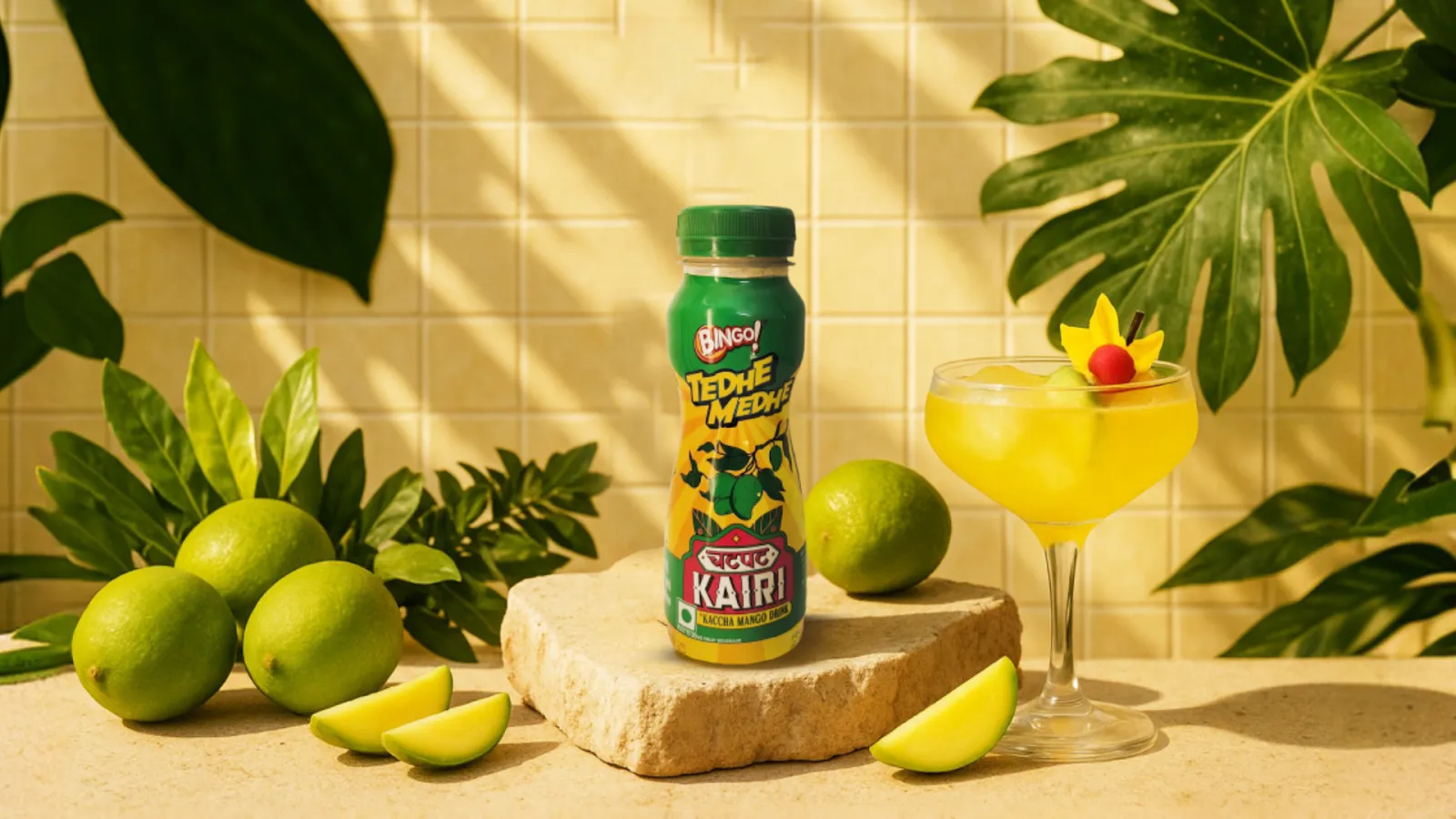
Your brand story doesn't end once the customer picks the product off the shelf. The unboxing experience is an opportunity to continue the narrative and create a memorable moment. For e-commerce brands, this is the first physical interaction a customer has with your product, so it needs to be special.
Think about what the customer sees when they open the shipping box. Is the product simply thrown in with some packing peanuts, or is it carefully wrapped in custom-branded tissue paper? A small, printed thank you card can make the customer feel appreciated and build a personal connection. Die-cut inserts that hold the product securely not only protect it but also present it like a treasured gift. A well-designed unboxing experience turns a simple delivery into a delightful event, encouraging customers to share their experience on social media and driving them to your website, strengthening their loyalty to your brand.
For brands operating in different countries, like the USA, India, and the UAE, cultural awareness in packaging is not just a nice-to-have; it's essential. Colors, symbols, and even layouts can have vastly different meanings across the globe. A design that is successful in one market could be ineffective or even offensive in another.
For example, the color white is associated with purity and weddings in many Western cultures, but it is linked to mourning in some Eastern cultures. Certain animal symbols may be beloved in one region and considered bad luck in another. Effective global packaging design requires research and sensitivity. It often involves creating design systems that are flexible enough to be adapted for local preferences while maintaining a consistent core brand identity. Understanding these nuances shows respect for your customers and is key to building a strong international brand.
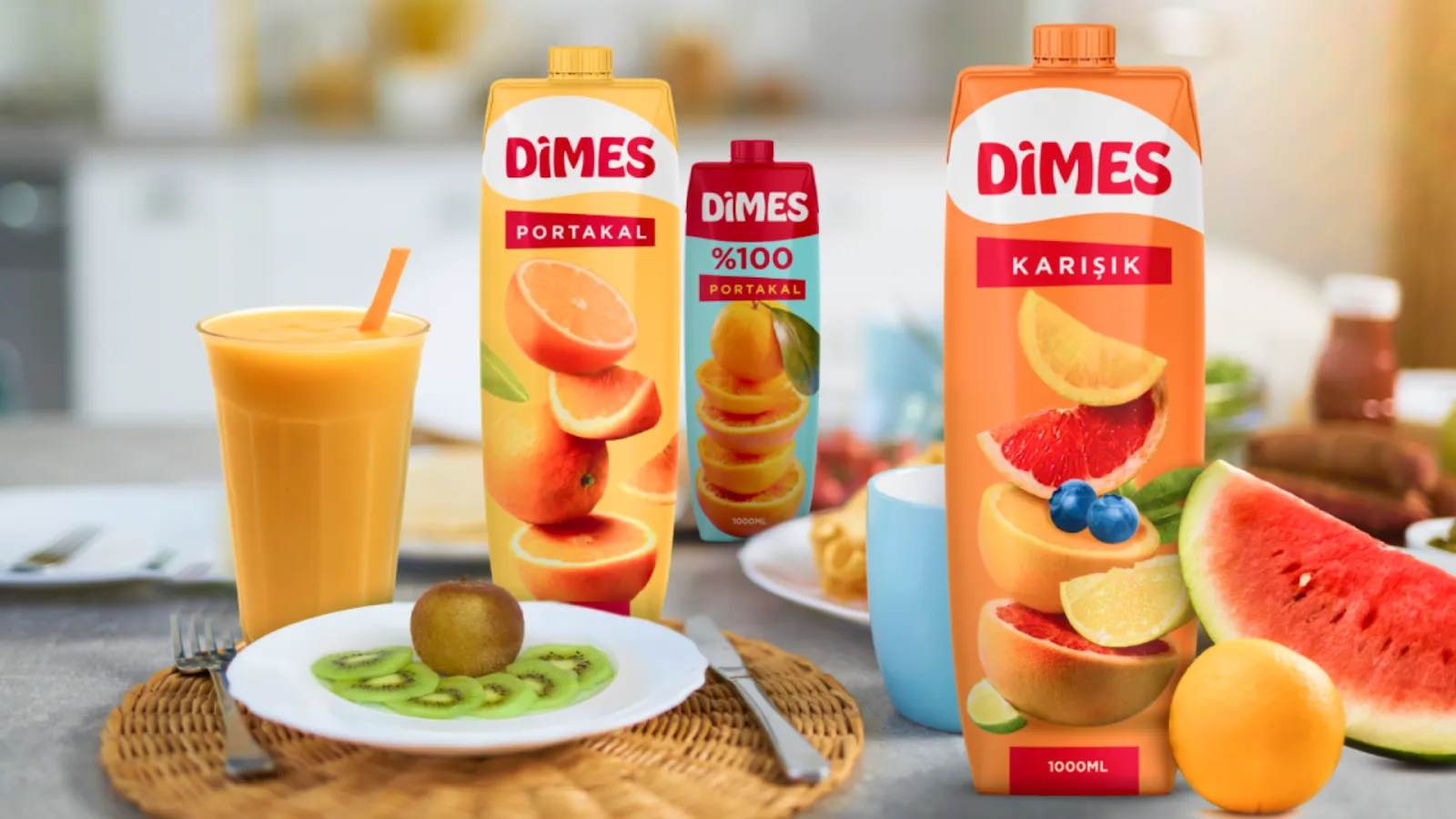
How do you know if your packaging's story is working? Measuring the impact of your design is crucial for optimizing your strategy and proving its return on investment. A professional packaging audit can identify key areas for improvement from the start.
You can also gather qualitative feedback through consumer surveys and focus groups. Ask customers what words and feelings come to mind when they see your packaging. Shelf testing, where you place your new design next to competitors in a simulated retail environment, can provide direct insight into how well it captures attention.
Ultimately, the most important metric is sales. A/B testing different packaging designs in limited markets can show you which version performs better. Tracking online conversations and user-generated content, like unboxing videos, can also provide valuable feedback on how your brand's story is being received in the real world.
At Confetti, we are a specialized agency focused exclusively on the retail sector. We partner with founders and marketing leaders in food & beverages, beauty, wellness, and fashion to build powerful brands that stand out on the shelf. As a one-stop shop for branding, packaging, and AI photography, we eliminate the complexity of juggling multiple agencies. Our integrated approach ensures your brand's story is cohesive and impactful across every touchpoint. We are trusted by established brands and experienced marketers in India, the USA, and the UAE to deliver professional, reliable services that reduce risk and drive real results.
In the end, your packaging is your most valuable marketing tool. It’s your chance to make a great first impression and start a meaningful conversation with your customer. By thoughtfully combining visuals, colors, materials, and messaging, you can create a package that does more than just contain a product, it tells a story that sells. If you’re ready to tell your brand’s story effectively, book a call and let's create packaging that truly connects.
How long does it take to see results from packaging storytelling changes?
You can typically see a consumer response within 3-6 months after a new packaging launch. Initial feedback, however, can be measured much earlier through methods like focus groups and A/B testing before a full rollout.
What packaging storytelling mistakes do new brands make most often?
How much should packaging design storytelling cost for a startup?
The investment can range from $5,000 to $50,000. This depends on the project's complexity, the extent of market research required, and the number of product variations (SKUs) you have.
Can packaging storytelling work for B2B products?
How do you test if your packaging story resonates with customers?
You can use a mix of consumer surveys, focus groups, and shelf testing to gather direct feedback. Analyzing sales data and social media engagement after launch also provides clear metrics on its effectiveness.
Lorem ipsum dolor sit amet, consectetur adipiscing elit, sed do eiusmod tempor incididunt ut labore et dolore magna aliqua. Ut enim ad minim veniam, quis nostrud exercitation ullamco laboris nisi ut aliquip ex ea commodo consequat. Duis aute irure dolor in reprehenderit in voluptate velit esse cillum dolore eu fugiat nulla pariatur.
Block quote
Ordered list
Unordered list
Bold text
Emphasis
Superscript
Subscript
Want strategic branding and packaging like this for your business?





.webp)
.webp)

.webp)
.webp)
.webp)
.webp)
.webp)






.svg)
.webp)
.svg)