%201.webp)
02
AI Snaps
.svg)
.svg)
01
Our Work
03
About Us
04
Brand Audit
05
Contact Us
06
Client Success
12
07
Blogs
08
Careers
Book A Call
.svg)



.svg)
Need Help In Building Your Brand?
Click the button below & book a call with our founder directly.

Rishabh Jain
Managing Director
When done well, seasonal packaging design drives repeat purchase and shelf standout during a defined window.
As a trusted branding and packaging studio, we at Confeti, break down what seasonal packaging involves, the core principles, timeline and proddtion, and more.
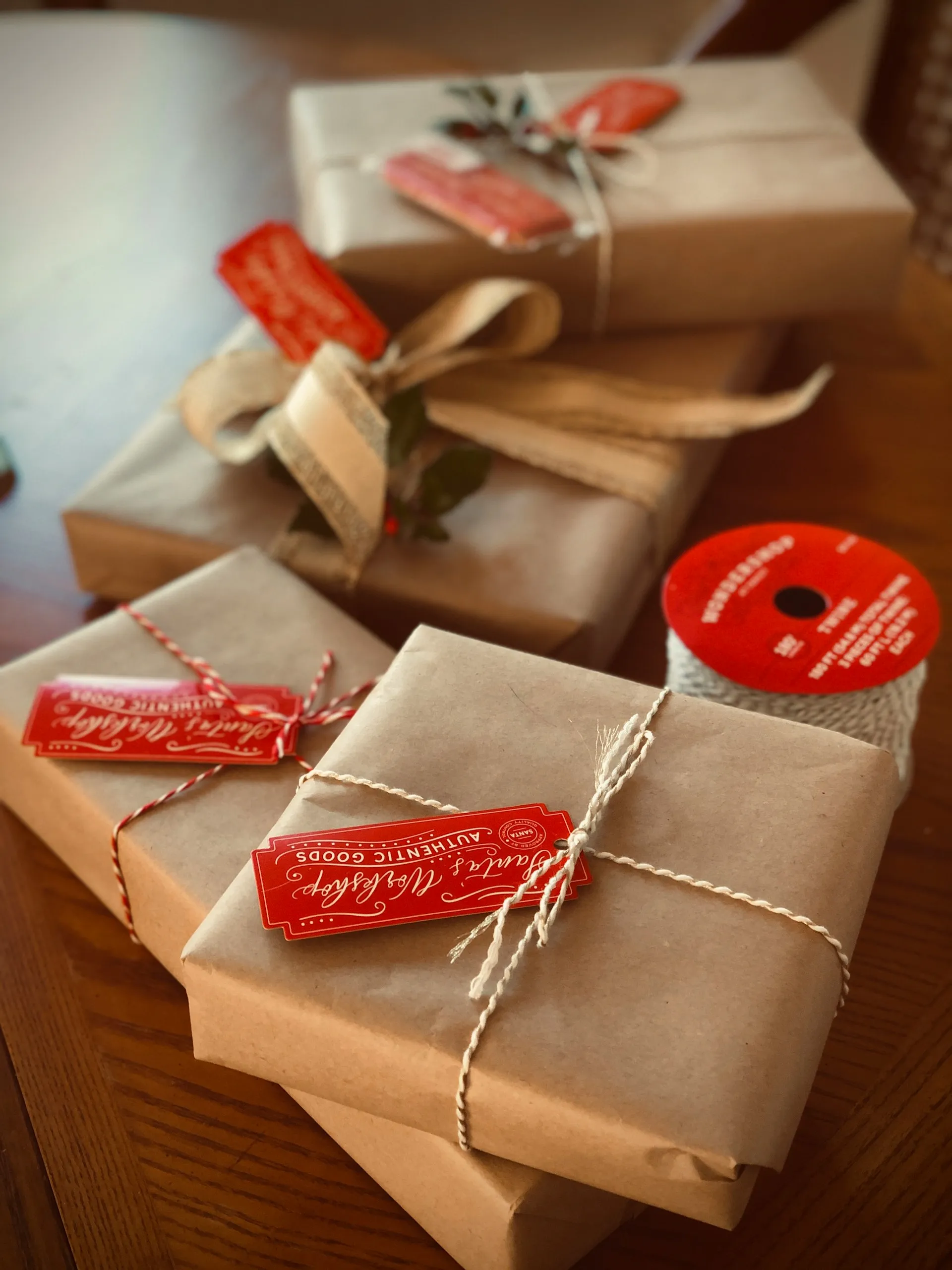
Seasonal packaging design is a short-term visual and structural update to a product's packaging that’s built around a specific holiday, festival, or season. It reverts to the standard pack once that period ends.
The fundamental role of seasonal packaging is differentiation. It exists to give an existing product a reason for renewed attention, without changing the product itself.
👉Seasonal packaging operates on a simple equation: cultural relevance + visual distinction = commercial opportunity.
Seasonal packaging design operates on multiple strategic layers:
☑️Cultural alignment: The design must reflect the values, symbols, and emotional tone of the occasion. Diwali packaging often uses symbols of prosperity, light, and togetherness, while Christmas packaging emphasizes warmth, nostalgia, and generosity.
☑️Temporal urgency: Seasonal packaging is inherently time-bound. That scarcity creates urgency. Consumers know the packaging won’t be available indefinitely, which accelerates decision-making and often increases basket size.
☑️Experience design: Festive packaging enhances gifting and celebrations. A thoughtful unboxing experience can become part of the occasion and improve long-term brand recall.The unboxing moment matters more during festive periods.
Also, you must understand how seasonal packaging differs from related aspects:
Limited edition packaging is similar but not tied to a calendar event. It might mark a collaboration, an anniversary, or a flavor launch. It can run indefinitely or until stock runs out.
A packaging refresh or redesign is permanent. It replaces the standard pack going forward and is not expected to revert.
Getting this distinction right is important before you brief a designer. A seasonal project treated like a permanent redesign burns budget on tooling changes that get scrapped in a few weeks. A seasonal project treated too casually ends up looking like clip art bolted onto a box.
Seasonal packaging earns its budget by doing something a full rebrand can't: it creates a legitimate, low-risk reason for a customer to notice a product again, without touching the formulation, the price, or the permanent brand system.
📈It Increases Sales and Perceived Value
Consumers naturally associate limited-edition packaging with exclusivity and gifting. Research shows that consumers are willing to pay 15–20% more for seasonal or limited-edition packaging. This increases perceived value and supports premium pricing.
During India's October to December festive quarter, the FMCG sector withnesses a sales growth, with many regional and challenger brands outperforming larger players through culturally relevant products and packaging.
📈It Helps Brands Stand Out
Consumers see thousands of marketing messages every day, and most are quickly forgotten. Seasonal packaging breaks routine with festive colours, limited-edition designs, and gifting cues that attract attention.
For D2C brands, seasonal packaging also creates shareable unboxing experiences that drive user-generated content and social media engagement.
📈It Creates Urgency Without Changing Your Brand
Seasonal packaging creates scarcity without requiring permanent brand changes. Because limited-edition packs are only available for a short time, they encourage faster purchase decisions and can increase average order values, especially in gifting categories.
They also give brands a low-risk way to test new colours, designs, and messaging before rolling them out permanently.
📈It Delivers Better Returns When Planned Early
Seasonal packaging requires investment in design, production, inventory planning, and logistics. Brands that plan 4-6 months ahead usually reduce costs and avoid supply chain issues.
The most successful campaigns define business goals before the design process and measure results through sales uplift, sell-through rate, average order value, new customer acquisition, retail visibility, and social media engagement.
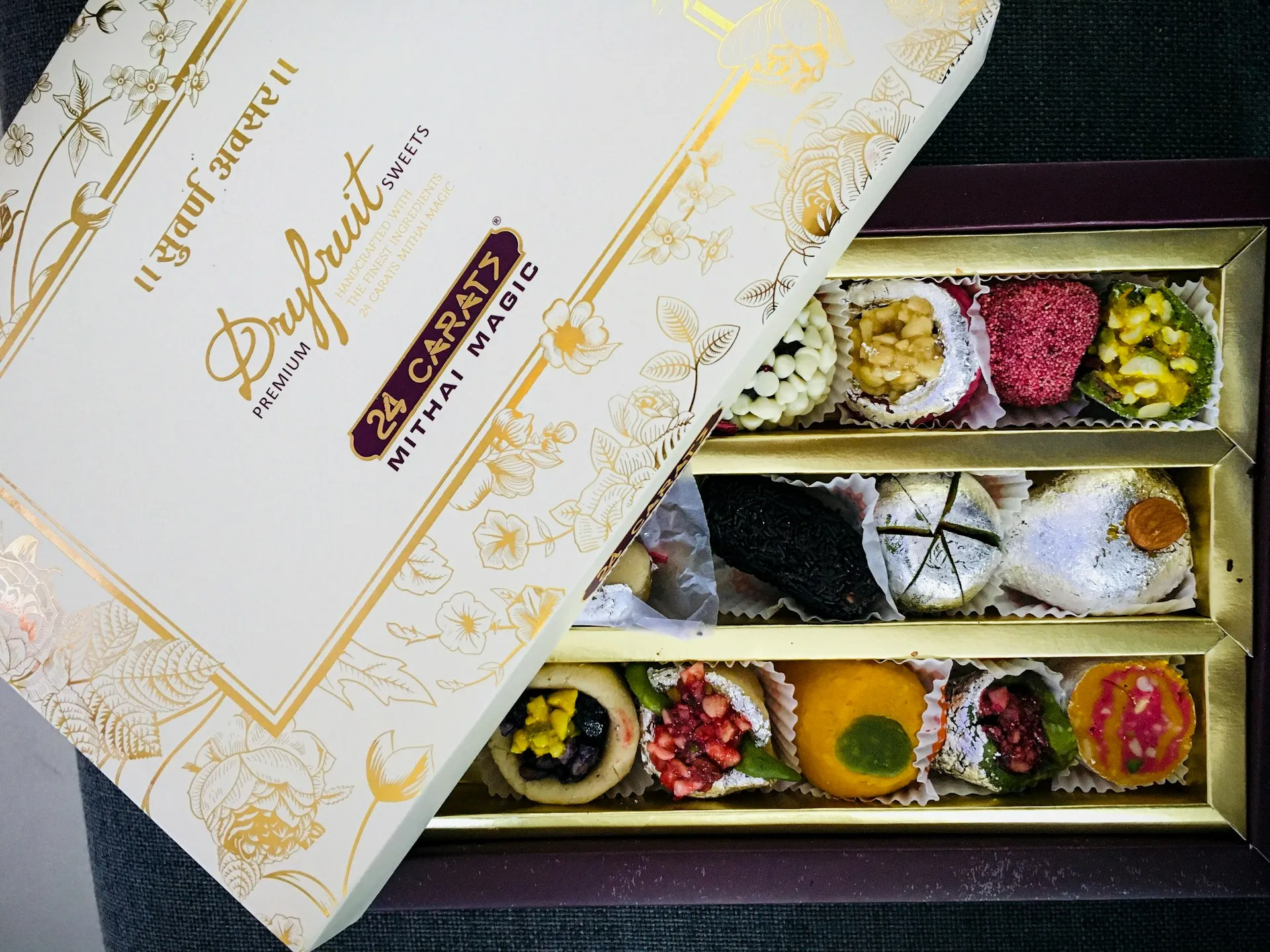
Effective seasonal packaging balances festivity with function, creativity with consistency, and novelty with brand recognition.
The best designs make products feel timely and exciting while preserving the visual identity customers already know, strengthening long-term brand equity instead of overshadowing it.
A customer should still recognize the parent brand at a glance, even under festive color and imagery. If your logo, color system, or core typography disappears entirely, you've built a costume, not a seasonal pack.
Treat seasonal elements as an additional design layer rather than a complete redesign.
Preserve your core brand assets while introducing festive colours, illustrations, patterns, or finishes that complement the existing identity.
Overloading packaging with seasonal graphics can weaken those assets instead of strengthening them.
Example: ESPA's Christmas collections evolve visually each year while retaining the premium aesthetic and design cues customers instantly recognise.
The strongest seasonal packaging extends an existing packaging system through carefully chosen festive elements that can be applied consistently across the product range.
Using a modular design approach:
For FMCG brands with large product portfolios, consistency is essential. Whether shoppers pick up a chocolate bar, gift box, or family pack, they should instantly recognise every product as part of the same seasonal campaign.
Seasonal packaging must perform in both physical stores and digital marketplaces. A design that looks great in hand may lose impact as a small thumbnail on Amazon, Blinkit, Zepto, Instamart, or supermarket websites.
Before finalising artwork, test it at multiple viewing sizes to ensure it remains clear and recognisable.
Ask yourself:
Many seasonal purchases are intended as gifts rather than everyday purchases. That changes the role of packaging from simple protection to presentation.
Gift-ready packaging should feel premium, open neatly, and require little or no additional wrapping. Structural details such as reusable tins, rigid boxes, sleeves, inserts, or premium finishes can significantly enhance the perceived value of the product.
The unboxing experience also matters. Well-designed interiors, thoughtful messaging, and reusable packaging create memorable moments that encourage repeat purchases and social sharing.
Consumers increasingly expect seasonal packaging to be sustainable. Excessive decorative elements that create unnecessary waste can damage brand perception.
Instead, focus on recyclable materials, reducing plastic, designing packs for reuse, and choosing finishes that don't limit recyclability.
Many premium brands now use engineered paperboard structures instead of plastic inserts to deliver a premium experience with less environmental impact.
Effective seasonal packaging reflects the meaning behind a celebration, not simply its most recognisable icons.
Example, successful Diwali packaging often expresses themes of light, prosperity, gratitude, and togetherness rather than relying only on red, gold, or diyas. Similarly, thoughtful Ramadan packaging focuses on generosity, reflection, and community instead of using crescents and lanterns as decorative shortcuts.
Brands entering international markets should also adapt seasonal packaging to local cultural expectations instead of applying a one-size-fits-all global design.
Working with local designers, researching cultural traditions, and testing concepts with target audiences helps create authentic packaging that builds stronger emotional connections and avoids unintended cultural missteps.
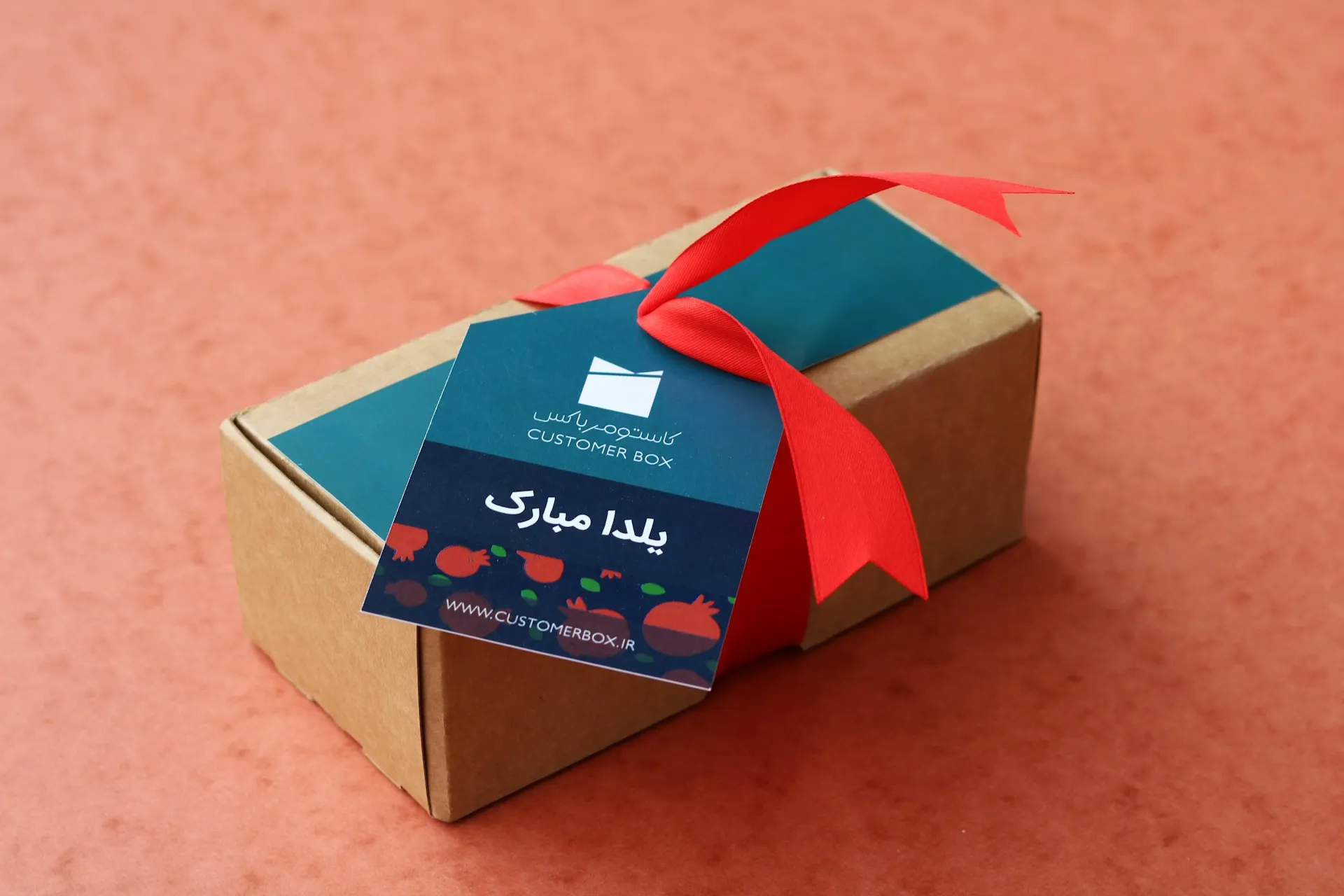
Brands selling across multiple markets need to plan for different festive cycles, consumer behaviours, and regulatory requirements, often simultaneously.
In Western markets, seasonal packaging is driven by large retail events such as Christmas, New Year, Valentine's Day, Easter, Halloween, Black Friday, and, in many regions, Lunar New Year.
Christmas remains the biggest commercial opportunity, with brands in categories like food, beverages, beauty, and gifting usually beginning packaging development 4-6 months before launch. The objective is to capture increased gifting demand while standing out during the busiest retail period of the year.
✅Planning principle for the global calendar: work backward from the shelf date. For Christmas, the ideal start is June (6 months out). By August, dielines should be finalised and orders placed. By late September, if you haven’t ordered, you risk missing the window entirely.
India’s festive calendar is not a single season. It's a six-month marathon running from August to January.
Depending on the category and target audience, brands can plan packaging for Holi, Eid, Raksha Bandhan, Onam, Pongal, Christmas, and other regional celebrations.
Rather than one annual campaign, many FMCG brands require multiple seasonal packaging variants throughout the year.
Execution is equally important. The same festive product often appears simultaneously on quick commerce platforms, e-commerce marketplaces, supermarket shelves, and neighbourhood kirana stores.
Seasonal packaging therefore needs to remain recognisable both as a smartphone thumbnail and as a physical product on the shelf.
Beyond the dates, the India market requires regional tailoring. Successful brands incorporate local motifs and scripts: Kolam-inspired borders for Tamil Nadu, Phulkari accents for Punjab, marigold patterns for Maharashtra.
Colour also varies by festival: red and gold for Diwali, green for Eid, splashes of rainbow for Holi.
✅Planning principle for India: start 4–6 months before each major festival, but treat the entire August–January window as a continuous campaign rhythm. Diwali alone requires June planning for an early November shelf date. Holi requires October planning for a March launch.
The GCC calendar operates on the Islamic lunar calendar, which shifts approximately 10–11 days earlier each Gregorian year. This makes planning uniquely challenging since dates aren’t fixed, and brands must monitor moon sightings for precise timing.
For brands operating across the UAE and wider GCC, Ramadan and Eid al-Fitr represent the largest seasonal packaging opportunities, followed by Eid al-Adha and UAE National Day.
Beyond the two Eids, the GCC market also accommodates expat communities. Christmas-themed products and culturally tailored countdown calendars for Ramadan or Eid are both viable opportunities
Remember, successful GCC packaging treats bilingual communication as part of the brand identity rather than a last-minute compliance requirement.
✅Planning principle for the GCC: build flexibility into your production timeline. Because lunar dates shift, brands cannot lock in exact launch dates years in advance. Work with packaging suppliers who can accommodate variable timing, and design with modularity so that date-specific elements (like “Ramadan 2026”) can be updated without reprinting entire runs
We plan across all three calendars simultaneously for our multi-market clients.
These calendars don’t operate in isolation. A brand selling in India, the UAE, and Western markets may need to produce Diwali packaging, Ramadan packaging, and Christmas packaging within a 6–8 week window.
That requires parallel workflows, modular design systems, and suppliers who can handle multiple peaks.
Seasonal packaging is not your one-off project, but as a continuous, calendar-driven programme, with clear ownership, fixed review cycles, and production capacity reserved months in advance.
.webp)
The most successful seasonal launches work backwards from the retail launch date, giving every stage of the process enough time for design, approvals, production, logistics, and retailer onboarding.
For most seasonal packaging projects involving custom structures, premium finishes, or multiple SKUs, a lead time of 5 to 6 months is a practical benchmark.
A good timeline looks like:
Build additional buffer time for internal approvals, supplier capacity, freight delays, and peak seasonal manufacturing demand.
Once the launch date is set, plan every milestone backwards. Reverse planning helps identify bottlenecks early, reducing last-minute delays, higher costs, and quality compromises.
A backward schedule looks like:
Every festive season has a limited planning window. Missing the briefing stage can mean missing the selling season.
Starting early also gives brands better access to materials, finishes, and production capacity before suppliers become fully booked.
Depending on your market, you may need time for regulatory reviews, barcode verification, multilingual labels, nutrition panels, legal declarations, retailer packaging standards, or export documentation.
For example, products entering GCC markets often require Arabic labelling, while packaged foods sold in India must comply with applicable FSSAI and Legal Metrology requirements.
Leaving compliance until the final production stage can delay shipments and increase costs.
Also, seasonal launches span both physical and digital retail. Update product images, marketplace assets, and listings on ecommerce and quick commerce platforms before the new packaging reaches customers to ensure a consistent launch experience.
Seasonal packaging projects involve multiple stakeholders, including marketing, product teams, procurement, packaging suppliers, printers, logistics partners, distributors, and retail teams.
Without a shared project calendar, small delays quickly become expensive problems.
A central timeline should track:
Key product information such as dimensions, GTINs, case pack quantities, and retailer specifications should also be finalised as early as possible to avoid last-minute revisions.
Seasonal packaging works best when every design choice has a purpose. The goal is to create a memorable product experience that reflects the occasion while strengthening the brand.
Colour is often the first thing shoppers notice, signalling seasonality before they read the pack.
Instead of replacing your brand colours, build a seasonal palette around them to maintain recognition while creating a timely look.
Consumers quickly spot the difference between authentic cultural storytelling and generic festive decoration.
Go beyond familiar symbols by drawing inspiration from local art, craftsmanship, and cultural traditions.
Examples:
These elements should feel integrated into the design. When used well, they strengthen emotional appeal and help brands stand out during seasonal campaigns.
Finishing techniques can significantly elevate perceived value, particularly for gift-oriented products.
Popular seasonal enhancements include:
These techniques attract attention and enhance the tactile experience, but they also increase production costs.
Use one or two premium finishes that support your brand positioning. A restrained approach often feels more premium than combining multiple embellishments.
Seasonal packaging offers an opportunity to go beyond the standard carton.
Thoughtful structural design can make products feel more gift-worthy while improving functionality and perceived quality.
Popular approaches include:
An excellent Indian example is Longitude 77's Diwali gift box, which transformed into a decorative lamp using intricate cut-out patterns inspired by traditional jali architecture. Rather than being discarded after purchase, the packaging became part of the festive celebration itself.
Consumers are becoming more conscious of packaging waste, particularly during festive seasons when gift packaging is often discarded immediately after opening.
Reusable formats create additional value while supporting sustainability goals.
Examples include:
Digital elements can extend engagement beyond the physical package without overwhelming the design.
QR codes can link customers to:
For example, Cadbury Arabia incorporated augmented reality into its Diwali packaging, allowing customers to interact with festive storytelling through their smartphones. Digital experiences work best when they add genuine value rather than acting as novelty features.
The strongest seasonal packaging is rarely the most elaborate. It is the most intentional.
Before adding any festive element, ask whether it serves a commercial purpose:
If the answer is no, it is likely decoration rather than strategic design.
By using colour, cultural storytelling, premium finishes, structural innovation, digital experiences, and reusable formats thoughtfully, seasonal packaging becomes more than a limited-edition design. It becomes a powerful brand asset that drives attention, enhances customer experience, and builds lasting brand equity.
Your beautiful new packaging won't sell itself. You need to create a sense of urgency to motivate customers to act fast.
To understand if your investment paid off, you need to track the right metrics. Measuring success is key to justifying your budget and refining your strategy for future campaigns.
The best seasonal packaging campaigns combine strategy, creativity, and execution. Here are some standout examples.
1. Sri Krishna Sweets – Pandigai Petti (Diwali, India)
Instead of typical festive graphics, Sri Krishna Sweets created a reusable tin featuring a panoramic illustration of a Tamil Deepavali celebration, inspired by Chettinad architecture and tradition.
Designed as a keepsake, the packaging celebrated culture while extending the product’s life beyond the festival.
🎯The collectible design sold 22 times more than projected, showing how culturally meaningful packaging can drive demand.
2. Suchard by Mondelēz – Personalized Christmas Turrón (Spain)
For Christmas 2025, Suchard produced 6.8 million uniquely numbered chocolate bars using digital printing, making every package one of a kind.
Personalization transformed the packaging into the campaign’s main attraction.
🎯 Individual numbering created collectibility and encouraged purchases beyond the product itself.
3. ESPA – 2025 Christmas Collection (UK)
ESPA replaced traditional festive colors with a refined deep blue palette, unified by embossed textures, foil detailing, and consistent branding. Sustainability remained central, with plastic-free inserts, no magnets or ribbons, and minimal laminations.
🎯 Premium design, technical precision, and sustainable materials created a luxurious yet responsible collection.
4. Sunkist – Lunar New Year Packaging (Global)
Sunkist’s annual Lunar New Year cartons celebrate the zodiac while highlighting citrus as a traditional symbol of prosperity.
The 2025 Year of the Horse packaging included custom fruit cartons and themed retail displays.
🎯 It connects cultural traditions with everyday products while giving retailers flexible merchandising opportunities.
5. Manam Chocolate – Diwali Edition 2025 (India)
Manam paired impressionist illustrations of West Godavari cacao farms with premium finishes like embossing and foil stamping.
Its theme, *There’s always room for more*, reflected the warmth of Indian celebrations while balancing global aesthetics with local identity.
🎯Rich storytelling and premium craftsmanship make the packaging an integral part of the product experience.
6. Masafi - UAE (2025)
A strong UAE example is Masafi’s limited-edition Ramadan packaging for its water and tissue products. In collaboration with Emirati artist Mariam Abbas, the design moves beyond generic motifs to feature culturally specific landmarks like the Sheikh Zayed Mosque and the Together sculpture in Downtown Dubai.
By weaving in symbols of resilience like the Sidr plant and an Iftar cannon, the packaging tells a story of national heritage and unity, creating a deep emotional connection with local consumers during the holy month.
.webp)
✅ We design packaging that captures a season’s mood and makes your brand feel timely and relevant.
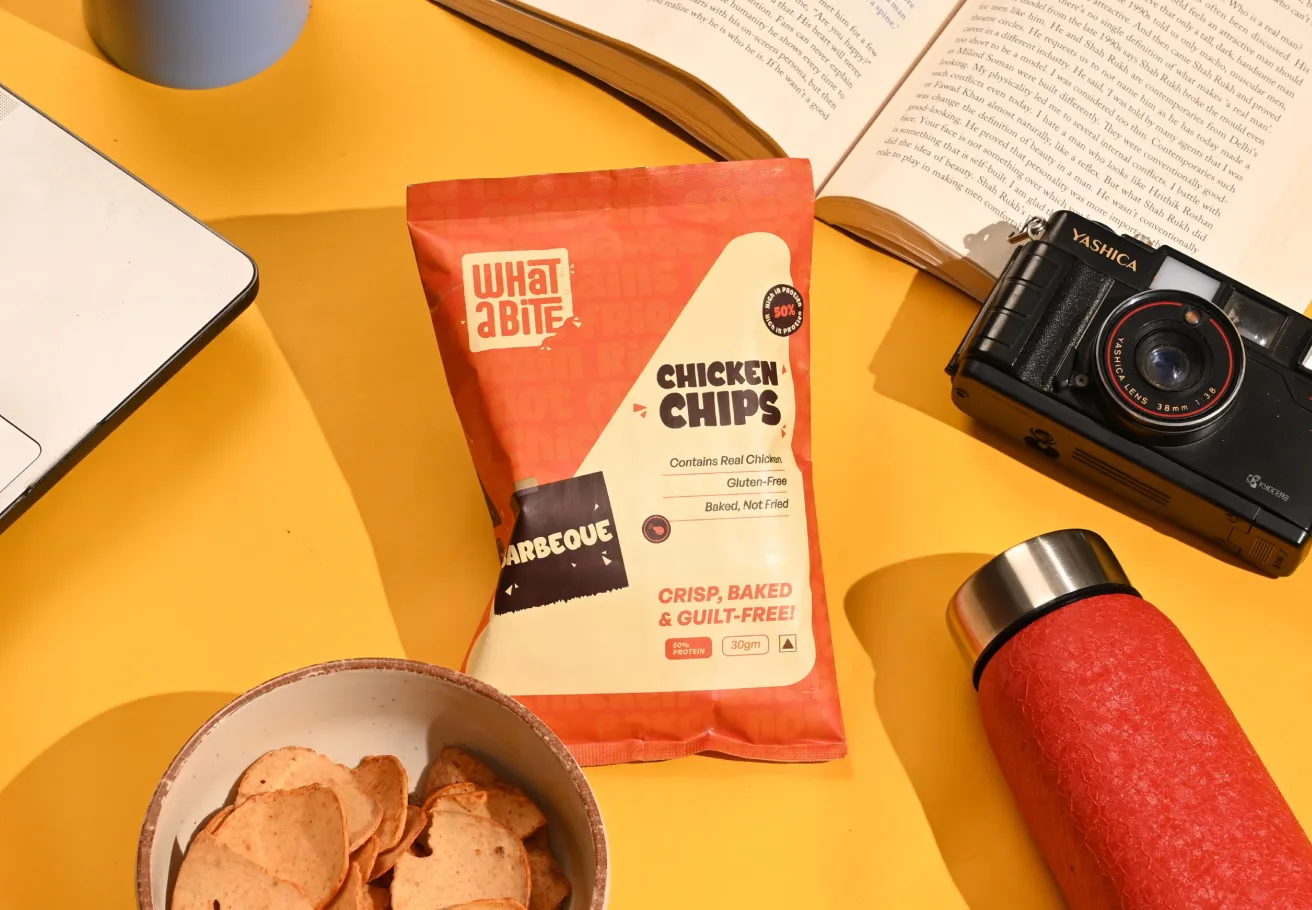
✅ We create bold, summery designs that capture the essence of the season, like our work for ITC Bingo Chatpat Kairi.
✅ We craft packaging that drives urgency and impulse buying, essential for time-bound seasonal campaigns.
✅ We build visual systems that maintain brand recognition while delivering fresh seasonal expressions.
✅ We help you own the shelf during crowded festive periods with packaging that stands out instantly.
✅ We design across calendars:Diwali, Christmas, Ramadan, and summer, with cultural precision for each market.
✅ We structure your seasonal campaign as a coordinated system, not isolated one-off projects.
✅ We create packaging that feels gift-ready and memorable, turning products into festive keepsakes.
✅ We balance festive expression with brand identity, so your brand stays recognisable in every season.
✅ We deliver seasonal packaging on tight deadlines without compromising on quality or impact.
What is seasonal packaging design?
It's a temporary update to a product's packaging tied to a holiday, festival, or season, meant to revert to the standard pack once that period ends. It differs from a limited edition, which isn't calendar-bound, and from a full redesign, which is permanent.
How far in advance should seasonal packaging be planned?
For a mid-complexity project, plan 12 to 16 weeks ahead of the retail window. This covers concept approval, structural and regulatory review, production, and rollout, without forcing a rushed print run close to the deadline.
Is seasonal packaging sustainable?
It can be, but it requires deliberate choices. Reusable formats like keepsake tins, mono-material structures, and verified rather than vague environmental claims are increasingly what separates credible seasonal packaging from greenwashing.
Can smaller D2C brands do seasonal packaging on a limited budget?
Yes. A modular approach, layering seasonal color and a sleeve or wrap onto an existing structural pack, delivers most of the shelf impact without the cost of new tooling or dies, which is usually the biggest line item in a seasonal packaging budget.
How is seasonal packaging different from a full packaging redesign?
Seasonal packaging is temporary and reverts to the standard pack. A redesign is a permanent change to the brand's ongoing packaging system. Confusing the two at the briefing stage is one of the most common sources of budget overruns on seasonal projects.
Want strategic branding and packaging like this for your business?





.webp)
.webp)

.webp)
.webp)
.webp)
.webp)
.webp)







.svg)
.webp)