%201.webp)
02
AI Snaps
.svg)
.svg)
01
Our Work
03
About Us
04
Brand Audit
05
Contact Us
06
Client Success
12
07
Blogs
08
Careers
Book A Call
.svg)



.svg)
Need Help In Building Your Brand?
Click the button below & book a call with our founder directly.

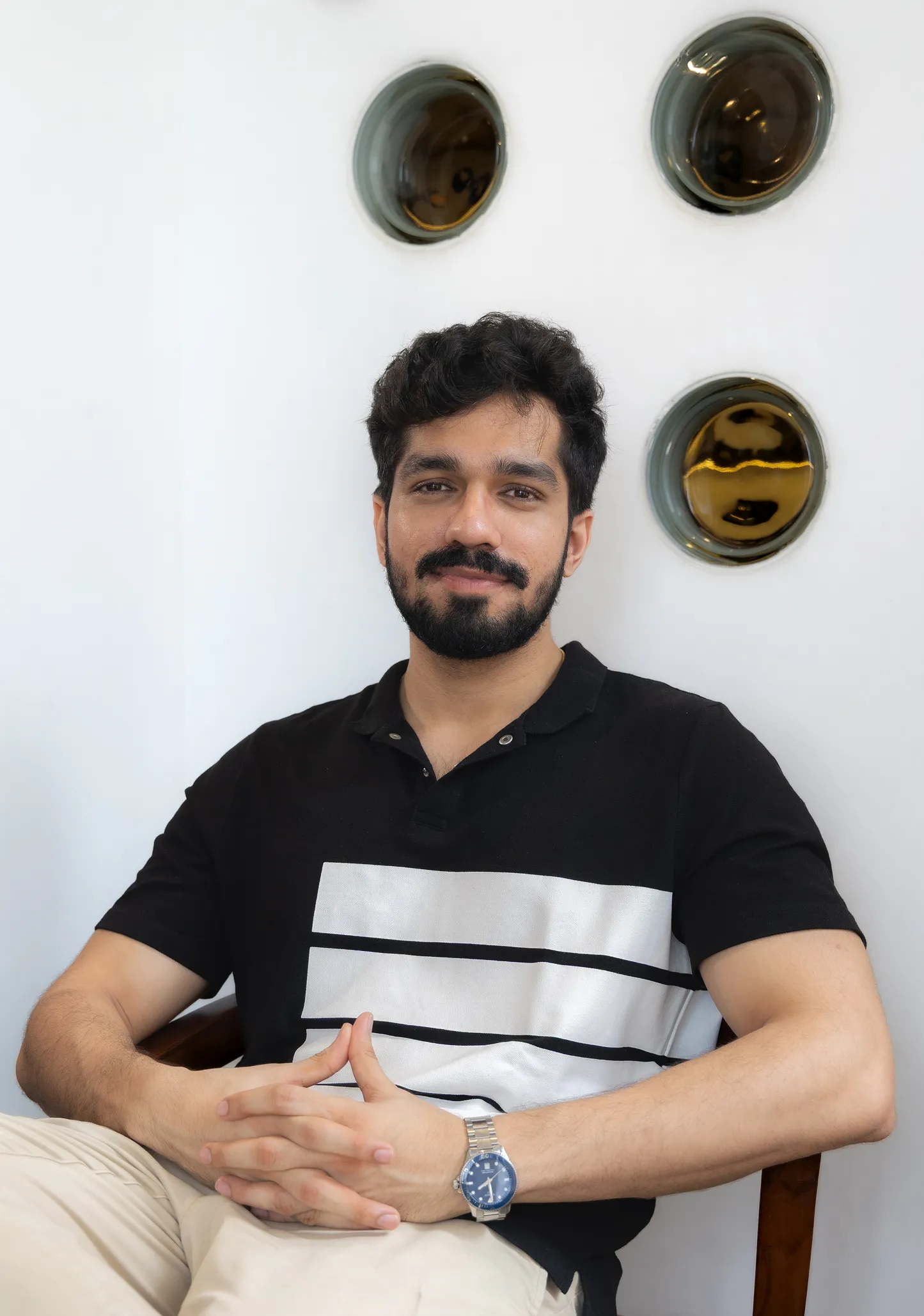
Rishabh Jain
Managing Director
Most brand identity work built for Dubai follows a familiar formula: adapt a global identity, translate the tagline, add Arabic to the logo, feature the Burj Khalifa, and call it “localized.” That’s now what will work.
This Confetti guide takes you through what exactly will work in the UAE and Dubai market and how to get it right for your own brand.
Brand identity means the same everywhere: the coherent system of name, logo, color, typography, imagery, voice, and applications that makes a business recognizable and differentiated.
What changes in Dubai are the number of constraints the system has to satisfy simultaneously..
In a single-language, culturally consistent market, an identity system is largely judged by one question: does it differentiate the brand within its category?
In Dubai, that question is more complex.
The identity must differentiate while working seamlessly across English and Arabic, resonating with multiple cultural audiences simultaneously, satisfying regulatory expectations around language and imagery, and competing against the visual standards of the luxury retail environment.
It also needs to remain recognisable as the business expands into new products, locations, or GCC markets.
This is why designing a logo first and figuring out the rest later can create problems.
The logo may look strong on its own, but the broader system may lack a clear hierarchy, appropriate typography, adaptable layouts, or a consistent voice.
A strong identity gives those decisions a structure rather than treating every application as a separate design exercise
☑️Stand Out in a Competitive Market: New businesses compete for attention alongside established names. A distinctive identity helps a new business become recognisable before customers have experienced the product or service.
☑️Build Customer Trust: For businesses such as property, healthcare, education, financial, and professional services, customers may make significant decisions before ever speaking to the company. A coherent identity can help establish credibility at that first interaction.
☑️Attract Premium Customers: Premium customers are exposed to sophisticated international brands. Simply adding luxury cues does not create a premium identity. The overall system needs to communicate quality and value consistently.
☑️Create Brand Recognition: Dubai's mix of residents, expatriates, and visitors means brands constantly encounter new audiences. Consistent visual and verbal cues help people recognise and remember the business faster.
☑️Communicate Professionalism: For newer businesses, a considered identity can provide an important signal of seriousness when dealing with customers, partners, landlords, investors, and other stakeholders.
☑️Build Long-Term Brand Equity: A properly structured identity should accommodate new products, locations, campaigns, and potentially expansion across the GCC. A logo designed as a one-off asset usually cannot provide that flexibility.
Identity carries different responsibilities depending on where the brand operates:
So, what you need for your brand is not a “ better logo” but a “brand identity system that can carry the business you are building?”
The basic building blocks of brand identity do not change in Dubai. You still need a name, logo, colour palette, typography, imagery, messaging, and brand guidelines.
What changes is how these elements need to work together. A Dubai identity may have to operate bilingually, across different cultural audiences, physical and digital environments, and a highly competitive retail landscape. That makes the system behind the elements more important than any individual asset.
A name needs to work beyond its visual appearance. Before committing to it, consider how it is pronounced, understood, written, and interpreted across relevant languages and audiences.
At minimum, assess its pronunciation, spelling, associations, and meaning across the market’s dominant languages: Arabic, Hindi, Urdu, Tagalog, and English.
Check trademark availability and UAE naming and licensing requirements before the identity is built around the name.
A Dubai brand identity may need to function in both English and Arabic. That does not mean simply placing an Arabic translation underneath an English logo.
The identity should establish clear rules for:
Arabic should be considered during the identity design process rather than added after the English system is finished. This gives the two scripts a more balanced relationship and avoids forcing Arabic into spaces designed only for English.
Color carries cultural weight in the UAE that it doesn't necessarily carry elsewhere. Certain colours read as culturally or religiously significant, others are strongly associated with the national flag or with specific sectors (green in healthcare, gold in luxury and government-adjacent contexts).
The palette should communicate the intended positioning and avoid unintended associations in the market.
A strong identity system should also define how colours behave across packaging, digital interfaces, signage, photography, and production materials.
Typography becomes more complex when English and Arabic need to work together.
The Arabic and Latin typefaces should be selected as a pair, with attention to weight, proportion, tone, legibility, and visual rhythm. Both should feel like parts of the same brand.
This becomes especially important on packaging, signage, websites, and other applications where customers see both languages together.
Imagery should reflect the actual audience and positioning of the brand rather than relying on generic representations of Dubai or the Gulf. Clichés like falcons, camels, gold skylines are not the substitute for real cultural fluency.
Casting, styling, settings, modesty, and cultural context all need consideration. Use cultural understanding to inform creative direction.
Brand identity needs a clear verbal personality that can work across English and Arabic communications.
Formality expectations run higher in Dubai than in many Western markets, particularly in real estate, hospitality, and professional services, and tone often needs to flex between English and Arabic communications rather than using a direct translation of the same copy.
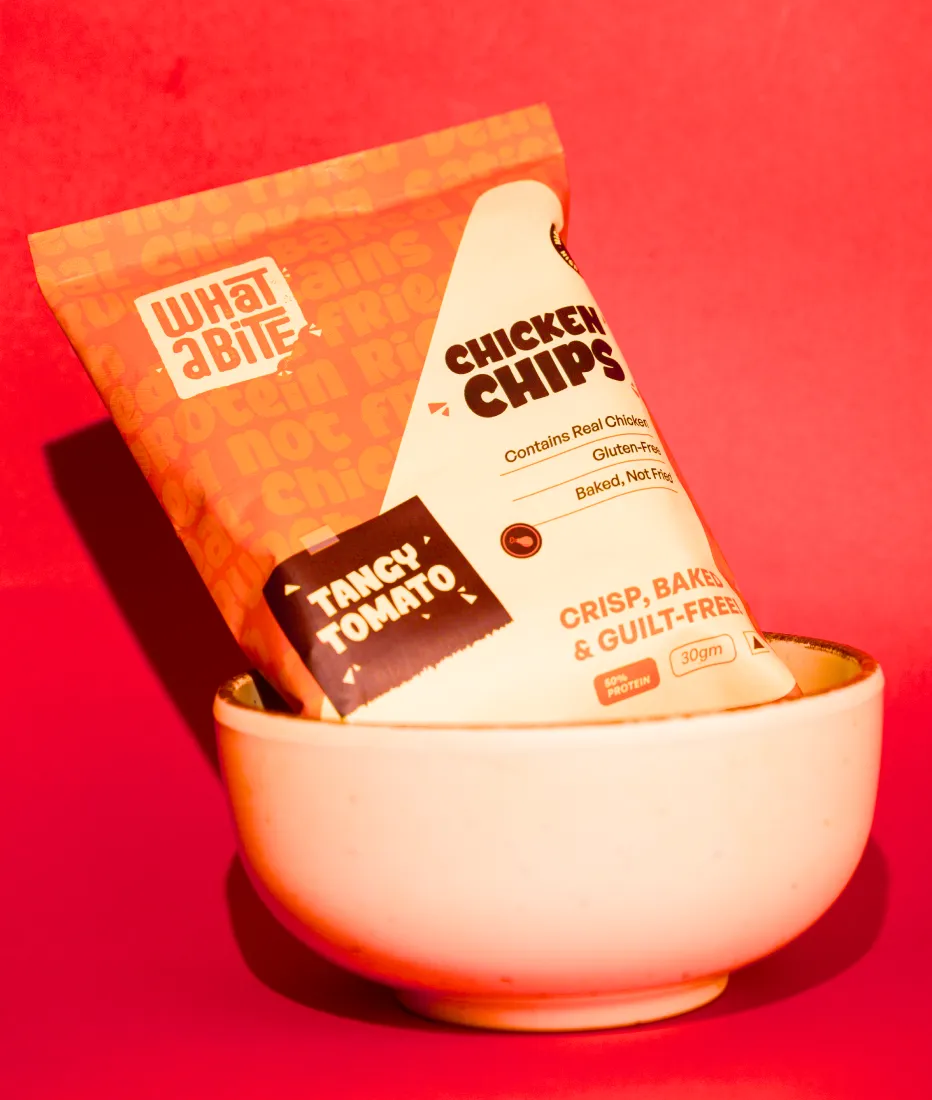
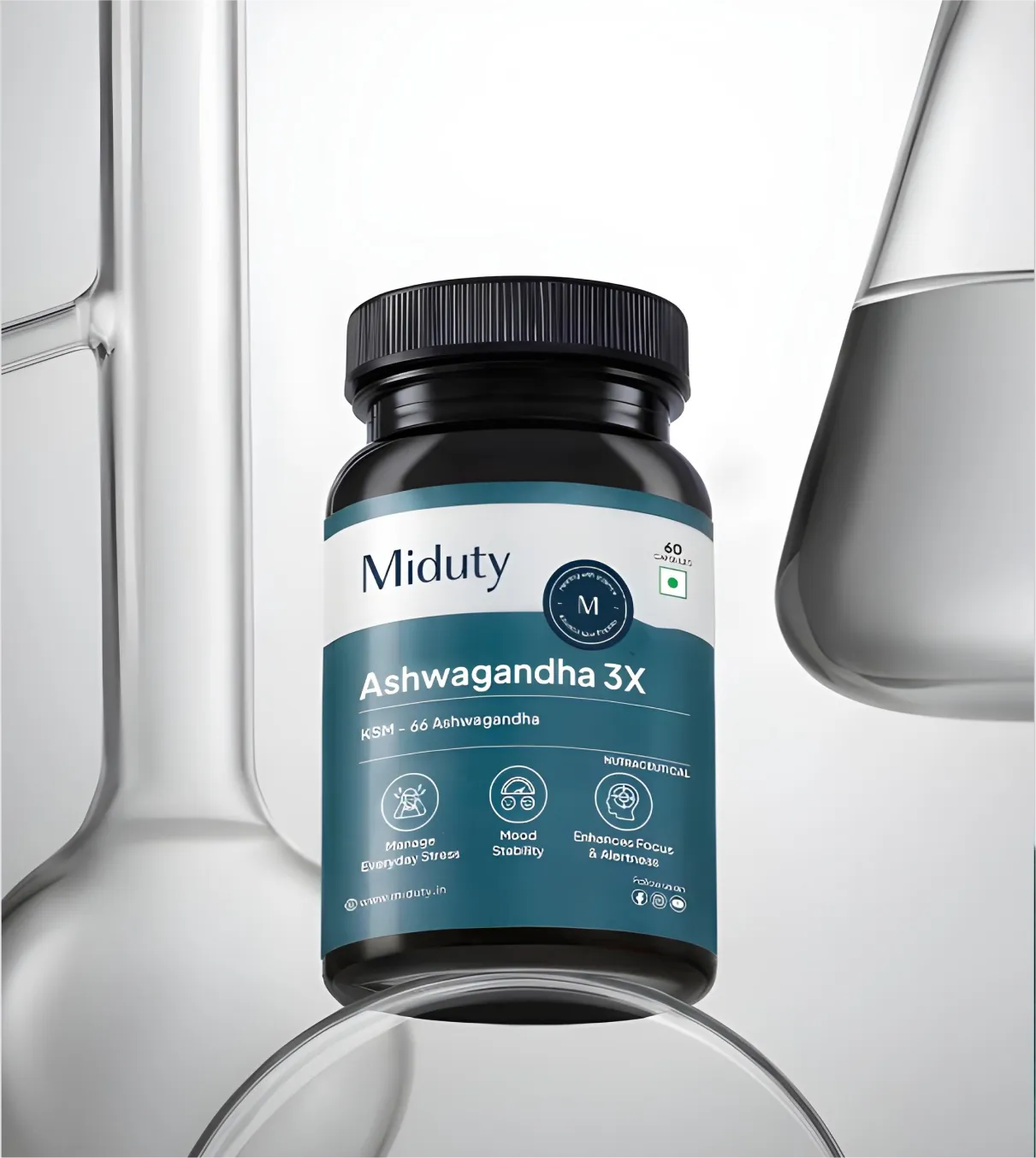
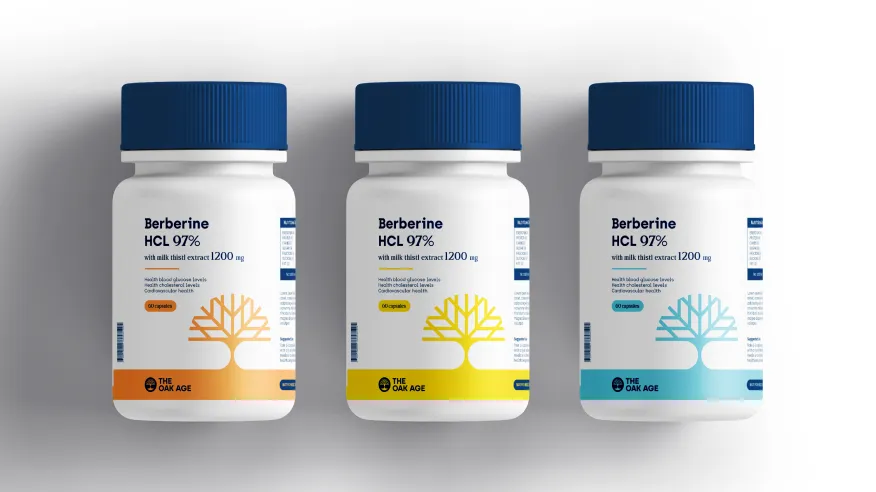
Physical packaging and retail presentation get benchmarked against the luxury standard set by DIFC and Sheikh Zayed Road retail, regardless of category or price point which affects material choice, finishing, and shelf presence far more than in most markets.
The identity should therefore extend beyond the primary pack to elements such as:
Give every touchpoint the same recognisable visual language.
Dubai's mall-centric retail model means signage often has to work at a distance, putting more pressure on contrast, scale, and simplicity than a standalone street-level storefront would.
Signage therefore needs clear rules for scale, contrast, spacing, illumination, and bilingual hierarchy. The system should be tested in the environments where it will actually appear rather than approved only as a flat logo presentation.
The same identity needs to survive on a phone screen as well as on a storefront.
Logo variations, typography, colour, imagery, and graphic elements should remain recognisable at small sizes and across websites, social platforms, e-commerce listings, and delivery apps.
When working with a branding partner in Dubai, ask:
Can this identity work in Arabic and English? Can it scale across packaging, retail, signage, and digital? Can it speak to different audiences without losing its character? And can the system support the business as it expands?
Building a strong brand identity in Dubai requires sequencing the work correctly from the beginning.
Many identity problems that appear after launch, such as an awkward bilingual lockup, a generic looking positioning, or poor retail packaging usually happen because of decisions that were skipped or rushed earlier.
1. Start with real audience segmentation, not "local vs. expat"
Given the diverse population in the UAE, a useful segmentation goes deeper than local versus foreign.
It distinguishes Emirati nationals, long-term Western and Arab expat residents, the South Asian expat majority, and short-term GCC and international tourists, since each group responds to different cultural and visual cues.
Before designing a logo, define the fundamentals:
The strategy should identify which audiences matter most and determine how the brand needs to communicate with them.
2. Benchmark the right environment
Do not benchmark the identity only against competitors in the same category.
Look at the brands customers will actually encounter alongside yours, whether that is on a retail shelf, in a mall, on an e-commerce platform, or on social media.
For premium brands especially, the visual benchmark may be set by established international brands rather than smaller category competitors.
This helps establish a realistic standard for positioning, presentation, and differentiation.
3. Design bilingually from day one
If Arabic is required for the brand, it should enter the design process from the beginning.
English and Arabic typography, hierarchy, spacing, and logo applications should be developed as part of one system. Designing the English identity first and trying to fit Arabic into it later creates unnecessary compromises.
4. Calibrate luxury cues to the actual price point
It's easy to default to gold, marble, and Arabic calligraphy as shorthand for "premium" in the UAE. The stronger identities calibrate those cues honestly to what the business actually offers, rather than borrowing signifiers the product or price point can't back up.
5. Build a system, not just assets
Given Dubai's pace of growth and the likelihood of GCC-wide expansion, the identity needs documented flexibility with clear rules for new applications, sub-brands, and markets.
This can include the logo and wordmark, colour, typography, imagery, brand voice, packaging, website, social templates, signage, stationery, and other relevant touchpoints.
The important question is whether these applications feel like one brand, rather than a collection of individually designed pieces.
6. Test across every real-world touchpoint
Before finalising the identity, test it in the situations where customers will actually encounter it. Review:
This is also the stage to conduct relevant cultural, naming, trademark, and regulatory reviews. Finding a problem before packaging is printed or signage is fabricated is considerably easier than fixing it after production.
7. Document the System
A strong identity needs clear guidelines covering how the system should be used and adapted.
This becomes especially important as the business adds products, locations, campaigns, teams, agencies, or new markets. Without clear rules, even a well-designed identity can gradually lose consistency.
As a strategy-led branding and packaging studio operating across Dubai and the wider UAE, we build brand identity systems for businesses competing in one of the world’s most brand-literate markets.
Here’s our process:
We Start With Strategy
We don’t design logos first. We define positioning, audience, and competitive territory before creating any visual element. Strategy shapes identity, ensuring your brand is not just visually coherent, but commercially clear.
We Design for Dubai’s Reality
Dubai consumers have global reference points, from Chanel and Apple to Zara and Noon. We design to that standard, not simply against local benchmarks. Our bilingual systems integrate Arabic from the first sketch and work across premium retail, Lulu, Carrefour, Noon, Amazon.ae, D2C websites, and quick-commerce platforms.
We Build Systems, Not Assets
A brand identity must work across every touchpoint. We create cohesive systems spanning logos, colour, typography, imagery, brand voice, packaging, and guidelines—built to scale as you launch products or enter new markets.
We Understand the Gifting Economy
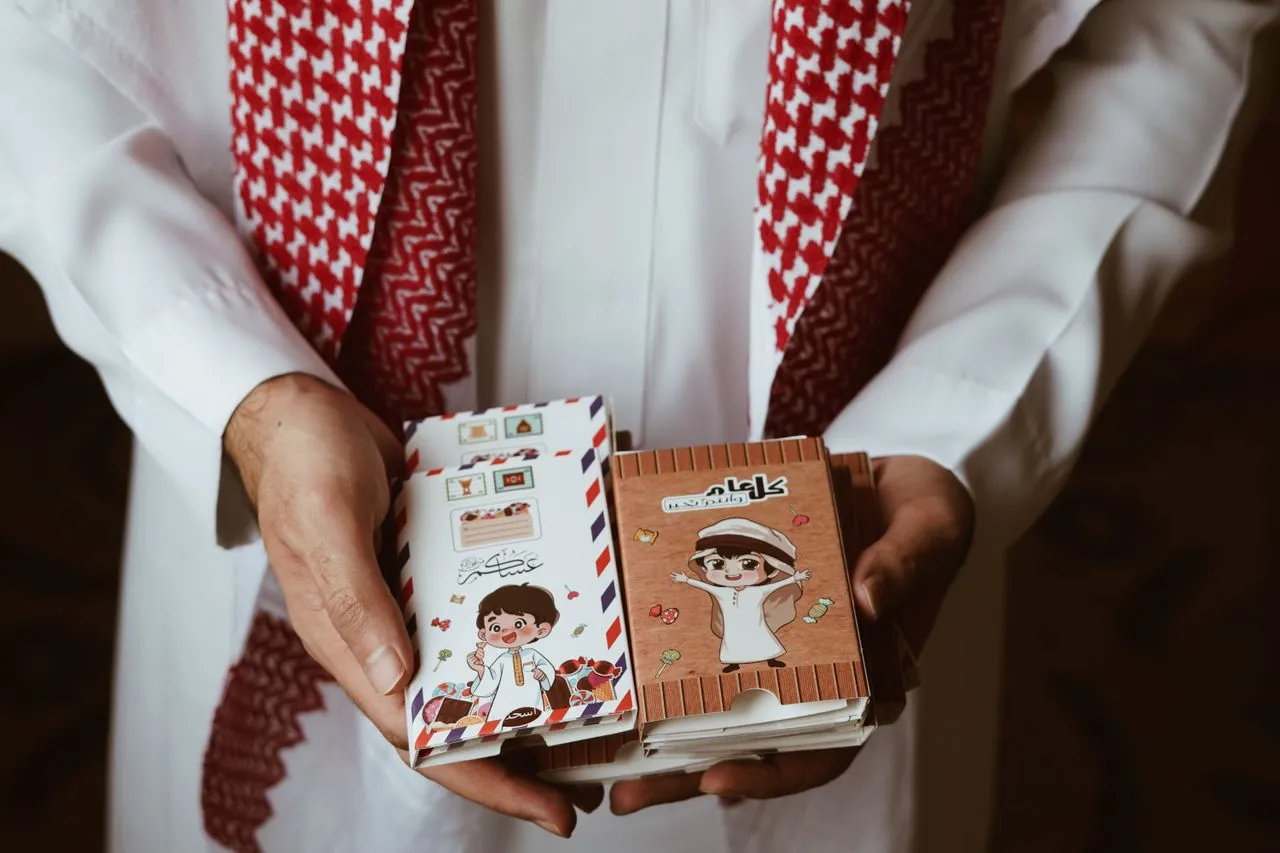
In premium categories, gifting is a major driver of demand, particularly around Ramadan and Eid. We design brands that perform as gifts, with premium materials, cultural fluency, and packaging that feels substantial in hand.
We Have the Experience
With 200+ brand projects across FMCG, F&B, beauty, fashion, and lifestyle, we understand what it takes to compete in Dubai’s retail environment and have the process to get you there.
The brands that succeed in Dubai are the ones that understand the market's unique demands. Here are examples of brand identity done right.
% Arabica
% Arabica has become one of the fastest-growing speciality coffee brands across Dubai, Abu Dhabi, and the wider UAE. The brand's identity is built on clarity.
The percentage mark in the logo has become instantly recognisable, read as coffee cherries, a symbol of purity, or a nod to precision. The tagline, "See the World Through Coffee," turns the beverage into perspective. Every element is educational, not promotional.
The brand's restraint is strategic. There are no frappes, no syrup-first playbooks. The white, minimalist store interiors read like an Apple showroom for coffee, the product is centre stage.
What to learn: Clarity of intent is the brand's first victory. In Dubai's design-literate market, restraint and precision signal credibility.
Hala
Hala, UAE's homegrown on-demand e-hailing taxi brand, has implemented a comprehensive brand refresh. The brand is positioned as affordable and available. In six years, it has grown from a joint venture between RTA and Careem into Dubai's leading e-hailing service.
The refreshed identity is visible wherever customers engage: across its fleet, the Careem app, website, digital channels, outdoor signage, and in-car experiences. The consistency across touchpoints reinforces that this is more than a visual refresh, it is a cultural shift.
The refresh signals confidence and maturity while reinforcing what made the brand successful: reliability, convenience, and customer experience.
What to learn: A brand refresh must reflect the reality of what the brand represents. Consistency across all touchpoints signals that the brand is serious.
SQUATWOLF
SQUATWOLF, a UAE-born fitness brand, now feels global in every sense.
The brand built resonance not through media blitzes or celebrity endorsement, but through a story so intuitive it spread on its own.
What to learn: A brand identity that feels authentic and rooted in a clear philosophy can scale globally without relying on traditional marketing spend.
Fix Dessert Chocolatier
Fix Dessert Chocolatier achieved the same resonance as SQUATWOLF.
The brand built a moment through a story so intuitive it spread on its own. Their pistachio-kunafa chocolate bar earned over 13.8 billion TikTok views.
What to learn: In Dubai's social-first market, a brand identity that is shareable and visually distinctive can generate organic reach that paid media cannot match.
What makes brand identity different in Dubai compared to other markets?
Dubai's identity work has to succeed across a genuinely bilingual, multicultural audience, meet a retail environment where premium quality is the baseline expectation, and perform equally well in physical luxury retail and digital-first social discovery. Generic global identity systems often fail one or more of these requirements.
How much does brand identity design cost in Dubai?
Cost depends on scope. A core visual identity system sits at one tier, a full bilingual identity with brand guidelines sits higher, and adding packaging design increases the range further. Bilingual asset development is a specific Dubai-market cost driver most global pricing guides don't account for.
Does a brand identity in Dubai need a separate Arabic version?
Yes, and it should be designed in parallel with the English identity, not translated afterward. Arabic script has different proportions and reads right-to-left, so logo lockups, typography, and layout hierarchy need dedicated Arabic-primary versions tested alongside the English ones.
How long does a brand identity project take in Dubai?
A full strategy-to-identity engagement usually takes around six weeks for a focused scope, extending with bilingual asset development, packaging design, or multi-emirate brand guideline requirements. Rushed timelines are the most common reason bilingual and cultural calibration work gets skipped.
Do all brands in Dubai need a luxury-style identity?
No. Dubai's retail environment sets a high quality bar, but luxury visual cues applied to a mass-market or value-priced product can undercut trust rather than build it. The right calibration matches materiality and finish to the actual price point and category.
Should a Dubai brand identity work for physical retail or digital-first channels?
Both, tested together. Dubai's retail culture is unusually digital-first. Brands are discovered on Instagram and TikTok as often as in physical retail. An identity should be tested at social-thumbnail scale and storefront scale before it's finalized, not redesigned for one after launching in the other.
Want strategic branding and packaging like this for your business?




.webp)
.webp)

.webp)
.webp)
.webp)
.webp)
.webp)






.svg)
.webp)