%201.webp)
02
AI Snaps
.svg)
.svg)
01
Our Work
03
About Us
04
Brand Audit
05
Contact Us
06
Client Success
12
07
Blogs
08
Careers
Book A Call
.svg)



.svg)
Need Help In Building Your Brand?
Click the button below & book a call with our founder directly.

Rishabh Jain
Managing Director
A fashion brand style guide must perform across more surfaces than almost any other category: logo tags, woven labels, care instructions, size charts, packaging and lookbooks.
Learn what a real fashion brand style guide includes, when you actually need an agency to build one, what it costs, and how to tell a strong system from a weak one.

A fashion brand style guide is an operational document that defines how a brand looks, speaks, and photographs itself across every customer touchpoint.
A useful fashion style guide explains how your brand assets including logo, colour codes, and fonts, etc. should be used, how they adapt to different formats, and where they should not be used.
Why a Generic Brand Guide Doesn’t Work for Fashion Brands
Most generic templates cover logo usage, colour, typography, and a handful of digital examples. These are important but not complete.
A fashion-specific style guide needs to answer questions such as:
👉How does the identity flex between collections? Seasonal colours and campaign concepts can change without losing core brand recognition. A drop-based brand that changes its accent colour every quarter still needs one fixed anchor that says "this is still us.
👉What should product photography look like? Model direction, lighting, cropping, styling, flat lays, backgrounds, and colour treatment all affect how a collection is perceived.
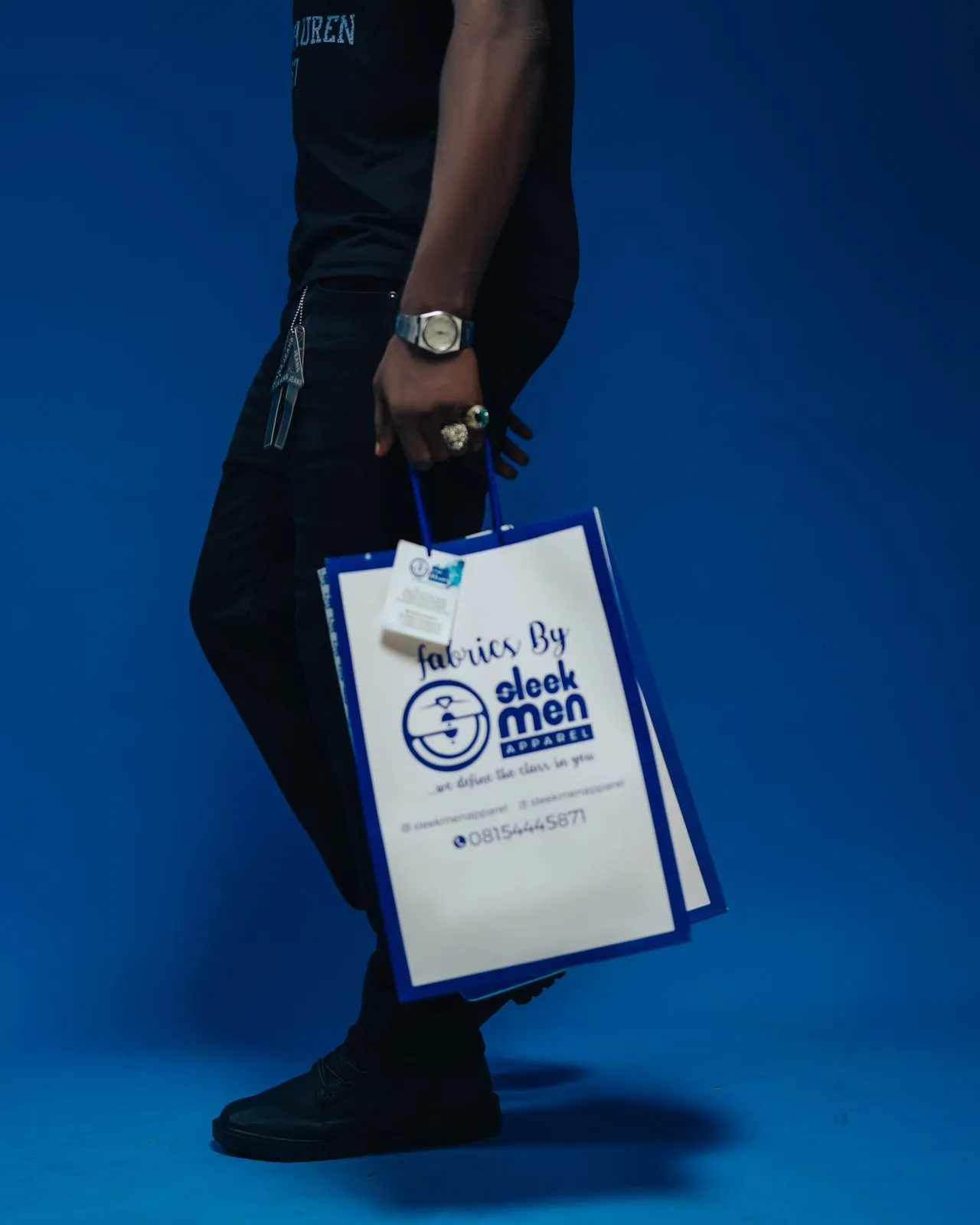
👉How does the identity work on garments? Woven labels, care labels, size tabs, hang tags, packaging insert specs, and garment bags need their own application rules. Exact placement, size tolerances, and material notes a printer can follow without back-and-forth
👉How should product information be presented? Size charts, product descriptions, care information, and other supporting content need a consistent visual structure. Consistent structure across markets, especially for brands selling in the US, UK, and EU with different sizing conventions.
👉How does the system work across channels? A brand may need to move from a product thumbnail to a campaign image, physical store, marketplace listing, and packaging without looking like different businesses.
These details become more important as the brand adds collections, suppliers, markets, and external partners.
A manufacturer should not have to guess which logo version belongs on a woven label. A photographer should not have to break down the visual language from previous campaigns. A new designer should not have to rebuild the system from scratch.
Here's an example:
Two D2C apparel brands launch the same season. Both have a logo, a colour palette, and a font.
Brand A also has photography direction, a hangtag spec sheet, and care-label rules. When they onboard a new factory partner after three months, the factory follows the spec sheet and the product ships looking exactly like the brand's existing line.
Brand B does not have any of that. Their new factory partner guesses at hangtag placement, uses a slightly different care-icon set, and the photography for the new drop comes from a freelancer who was never briefed on angles or lighting.
The difference between the two approaches is what a fashion-specific guide resolves.
Before deciding whether you’d like to build this in-house or bring in an agency, here’s a checklist you can use to compare with whatever guide you have today (if you have one).
A fashion brand’s visual system needs a solid foundation. This section must define the decisions that remain consistent even when campaigns and collections change.
For fashion, minimum-size testing is important. A logo should work in spore and also when reproduced on a small woven label, embroidery, zipper pull, or hang tag.
Document every approved logo configuration and how each one is to be used.
The guide should make clear which colours are permanent brand assets and which can change from one collection or campaign to another.
Colour specifications need to work across both digital and physical production.
The system should work across a lookbook, e-commerce page, campaign, line sheet, packaging, and small-format applications such as labels.
Typography must specify:
For a fashion brand, photography is part of the identity system.
Instead of generic instructions such as “use premium photography,” the guide should give enough visual direction for a new photographer to produce work that belongs to the same brand.
A product description, Instagram caption, packaging insert, and customer-service response may use different levels of formality while still sounding like the same brand.
The guide should explain how the brand sounds as clearly as it explains how it looks.
The fashion brand identity needs to be shown in the places where it actually use it.
Each application should provide practical rules or specifications rather than relying on a single visual mock-up.
Garment applications: neck labels, woven labels, size tabs, care labels, embroidery, prints, and trims.
Packaging: hang tags, garment bags, dust bags, shipping boxes, mailers, tissue, stickers, and inserts.
Retail and physical: storefronts, pop-ups, point-of-sale materials, line sheets, lookbooks, showroom materials, invitations, and gifting.
Digital: website, product detail pages, social media, email, digital advertising, and marketplace assets.
For brands operating across multiple markets, information systems need their own standards. Define:
The final system should be usable without forcing the team to search through scattered folders. A complete handover may include:
The guide must show exactly how the identity translates to every touchpoint.
Garment and packaging applications:
Digital applications:
Physical applications:
A strong guide should survive real-world use.
Can a new designer create a campaign without inventing their own visual rules?
Can a packaging supplier produce a hang tag without repeated clarification?
Can a photographer understand how the next collection should look?
Can the identity adapt to a new market without losing recognition?
That is the real measure of a comprehensive fashion brand style guide: it turns brand strategy into repeatable decisions across every place the customer encounters the brand.
For an early-stage business with a small product range, one sales channel, and one person making most brand decisions, a well-built template can provide enough structure to get started.
The decision changes as the brand becomes more complex.
A solid Canva or Notion template will hold up if:
For example, a new D2C label with 3-4 products, one website, and an in-house founder-designer may not need a comprehensive agency engagement immediately. A simple guide covering logo usage, colour, typography, photography references, and basic social templates may be perfectly adequate.
The moment you add a second sales channel, a second product category, or a second person touching brand assets, informal or template style guides begin to break.
For fashion brands, this point comes faster than most categories, because production forces fragmentation. A hangtag printer, a garment factory, a freelance photographer, and an in-house e-commerce team all need to interpret the same guide identically, without a meeting.
Here’s how to take the right call:
If two or more rows on the right side describe your brand, a template is not the right choice anymore. .
An agency is valuable when the business needs more than documentation.
Strategic thinking
An agency can define the positioning, personality, visual direction, and messaging principles that the guide needs to preserve.
Fashion-specific applications
The system can account for woven labels, hang tags, care labels, photography, lookbooks, packaging, retail, e-commerce, and seasonal campaigns.
Rules for flexibility
Fashion brands need consistency without making every collection look identical. A strong system defines what stays fixed and where designers have room to experiment.
Scalability
Instead of documenting only today's applications, the guide can be structured around how the brand is likely to grow across products, suppliers, markets, and channels.
Usability
The final deliverable should give teams working rules, templates, production specifications, and organised assets they can actually use.
There is also a practical middle ground. An agency can establish the strategic foundation, visual system, key applications, templates, and governance rules, while the internal team handles everyday implementation.
This works well when a brand has outgrown a DIY template but does not need ongoing agency involvement for every asset.
What you need to be careful about here is the handover. An agency-built system should be understandable enough for internal designers and external partners to extend without constantly asking the agency to interpret its own rules.

Whichever agency you pick for building your brand style guide, make sure they provide a working brand system that helps your team, suppliers, photographers, manufacturers, and marketing partners make consistent decisions.
A properly built fashion style guide built by an experienced branding agency like Confetti ideally covers:
✅Brand Strategy & Positioning
Before design begins, the agency defines the brand’s position, audience, and point of view. For AOBA, Confetti immersed itself in the brand and founders’ vision to uncover opportunities to redefine its narrative for India. The result was a strategic case for the premium that guides all design decisions.
✅Logo & Wordmark System
The system covers variations like primary wordmark, monogram, lockups, and usage rules. The agency delivers files that work across every application including storefront signage, woven garment labels, embossed packaging, and the smallest engraved clasp.
✅Visual Identity System
This is the comprehensive design system covering typography, colour palette, iconography, grid systems, and visual treatments. It includes exact colour values (PMS, CMYK, HEX, RGB), typography hierarchy with font files, and graphic styles that define the brand's visual language.
✅Photography & Art Direction Guidelines
The agency defines how the brand should be photographed in lighting, mood, composition, colour grading, model casting, and styling guidelines. The agency delivers art direction rules so your team and external photographers can execute without guessing.
✅Packaging & Unboxing System
The agency designs boxes, pouches, hangtags, garment bags, tissue, and stickers as part of the identity system. For Desi Minimals, we extended the brand's quiet confidence across every touchpoint reinforcing the same message. The packaging deliverables include structural specifications, material recommendations, and print-ready artwork.
✅Verbal Identity & Tone of Voice
The agency defines tone descriptors, messaging hierarchy, and a copy library. The verbal identity section includes sample copy for product pages, drop announcements, email, and social captions.
✅Brand Guidelines Document
This is the operational rulebook that ensures consistency. It covers logo usage, colour palette, typography, imagery guidelines, tone of voice, and application examples. The agency delivers it in a format your team and external partners can actually use.
✅Launch Kit & Templates
A good agency will deliver ready-to-use templates including social media templates, email signatures, presentation decks, and the first campaign assets.
There's no single flat price for a fashion brand style guide because the cost depends l on how much of the brand the system needs to govern.
A digital-only guide covering a logo, colours, typography, and basic templates is fundamentally different from a system that also controls photography, garment labels, packaging, retail applications, multiple product categories, and international markets.
Major Cost Drivers:
Scope of applications, digital vs physical vs both. A guide covering only digital channels costs less than one that includes hang tags, woven labels, packaging, retail, and production specifications.
Number of product categories. A single-category apparel brand is simpler to systematise than one spanning clothing, footwear, accessories, and multiple collections.
Research and depth. If the agency is defining positioning, audience, differentiation, messaging, and visual direction rather than documenting an existing identity, the engagement requires more work.
New assets. Photography direction is different from commissioning a full campaign shoot. Similarly, packaging specifications are different from developing new packaging structures and artwork.
Stakeholders and revisions. Multiple founders, teams, markets, and approval layers increase project management and revision requirements.
Directional Investment by Brand Stage
Here are some directional ranges, not market-standard rates or quotes
Agency pricing also varies by geography, team size, reputation, strategic depth, and deliverables.
For a brand operating from India, agency pricing can be lower than these international ranges, but comparing prices without comparing scope can be misleading.
Choose the agency that demonstrates category understanding, systems thinking, strategic reasoning, and practical implementation, not simply the strongest presentation aesthetic.
Here’s what you can look for when evaluating an agency:
1. Category fit
Has this agency built for apparel or fashion specifically, where physical production and material specs matter? Or is their portfolio entirely digital-first brands where a hangtag has never been part of the conversation?
2. Systems thinking
Do they hand over an editable system like a Figma library, structured components or a static, locked PDF that needs a new design request every time something changes?
3. They ask the right questions
DId the agency listen more than they pitched? Did they ask about business objectives before showcasing awards? DId they offer honest assessments of scope?
4. Portfolio depth
Does the portfolio or work mirror your sector, your audience size, and your growth stage? Can they explain the strategic rationale behind 2-3 pieces in their portfolio?
5. Post-launch ownership
Do they disappear after delivery, or do they stay involved as the guide gets applied across packaging, retail, and new collections?
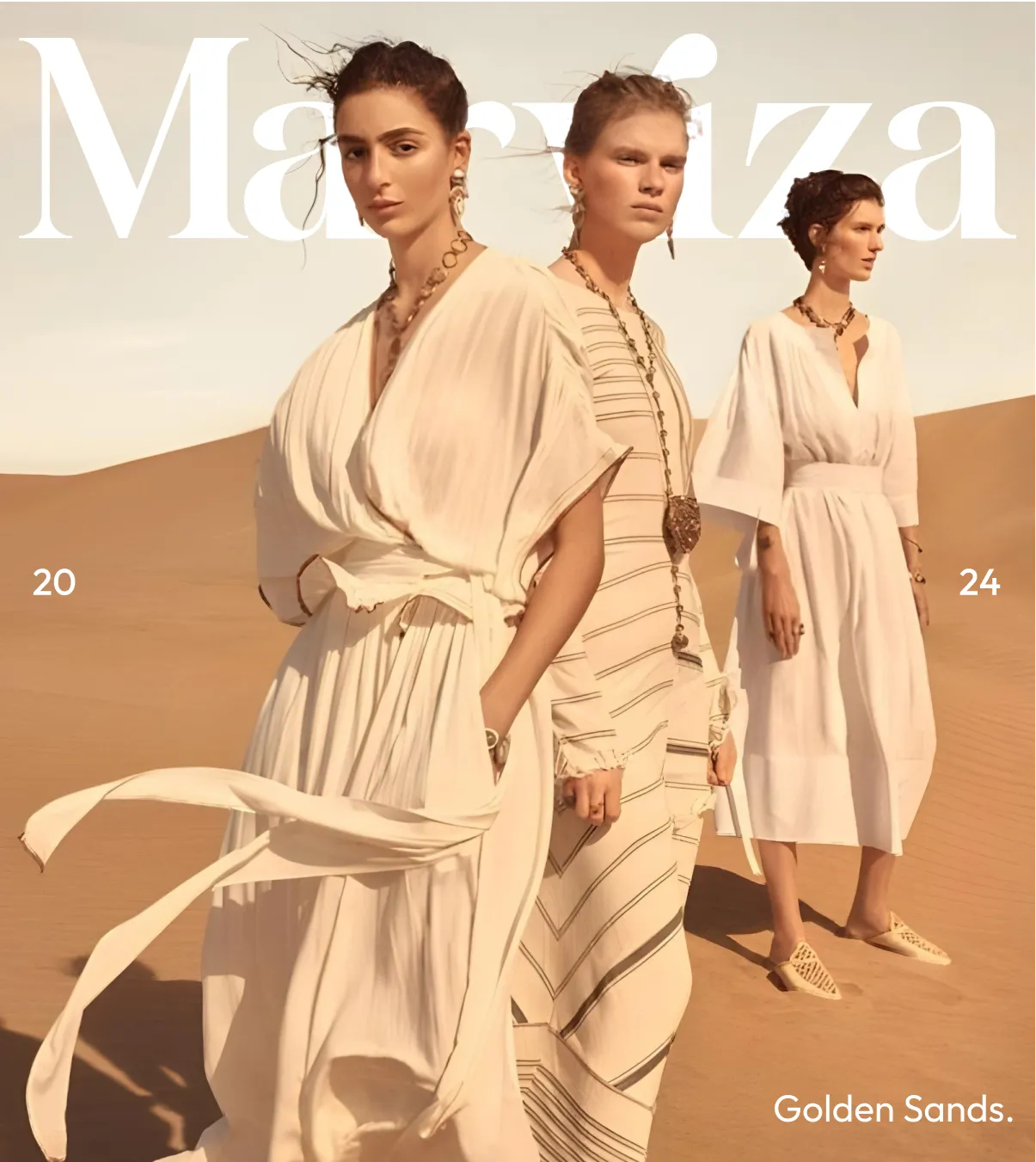
A fashion brand style guide works only if it can be applied consistently across collections, suppliers, campaigns, packaging design, and retail.
That is how we approach the work at Confetti Design Studio.
Here’s how we do it
1. Brand Blueprint Before Design
We break down the brand's positioning, audience, category, competitors, and commercial goals before defining visual rules.
For example, for AOBA, the strategy addressed how resort wear could feel more relevant and aspirational to its target audience. For Desi Minimals, the identity was shaped around a quieter, more grounded point of view.
In both cases, the style system followed the brand strategy rather than a predetermined visual trend.
2. Fashion Meets Production Reality
Fashion identities appear on garment labels, hang tags, packaging, lookbooks, e-commerce pages, social content, retail materials, and campaign photography.
Our experience across fashion, lifestyle, and packaging gives us a practical understanding of both sides.
Our work spans brands such as AOBA, Desi Minimals, Marviza, Miho, and Rizir, alongside FMCG projects including ITC Bingo and B Natural.
That combination helps us consider brand expression alongside production and implementation requirements.
3. We Build Systems, Not Just PDFs
Depending on the project, we develop editable components, templates, production specifications, application rules, and organised source assets alongside the guidelines.
The system defines what stays consistent and where the brand can flex for new collections, campaigns, or channels.
4. Designed for Real Applications
We test the identity where it will actually be used. A logo must work at a woven-label size. A colour has to perform well both on print and on packaging design.
5. We Stay Connected to Implementation
A style guide becomes useful after delivery, when the team starts applying it to real campaigns, supplier orders, packaging, and new collections.
Our approach keeps the brand system connected to those applications.
The outcome is a fashion brand style guide built as an operating system for the brand, connecting strategy, identity, applications, and production so the brand can grow without losing its character.
How much does a fashion brand style guide cost from an agency?
Costs typically range from a few thousand dollars for an early-stage, single-category brand to well beyond that for multi-category or multi-market brands needing packaging, photography, and factory-ready specs. The real driver isn't the document — it's how many production touchpoints it needs to govern.
What's the difference between a style guide and a brand guide?
In practice, the terms overlap. A "style guide" often leans toward visual application rules — color, type, imagery. A "brand guide" or "brand book" tends to include strategy: positioning, voice, and audience. Most agencies, including ours, build them as one integrated system rather than two separate documents.
How do you develop a fashion brand style guide?
Start with brand strategy — positioning, audience, tone. Then build the visual system: logo, color, type. Then extend it to fashion-specific layers: photography direction, packaging and hangtag specs, size-chart standards, and care-label iconography. Skipping the physical-production layer is the most common reason fashion guides fail in practice.
What should be included in a fashion brand style guide?
Beyond logo, color, and typography, a fashion-specific guide needs photography and art direction rules, packaging and hangtag specifications, seasonal colorway governance, size-chart formatting, and voice and tone calibrated to the brand's actual customer, not generic adjectives.
Can I use Canva or a free template instead of hiring an agency?
For a very early-stage brand with one product line and one sales channel, yes. Once a brand adds a second channel, a second product category, or outside vendors like factories or photographers, template-based guides tend to break down. They were never built to govern production complexity.
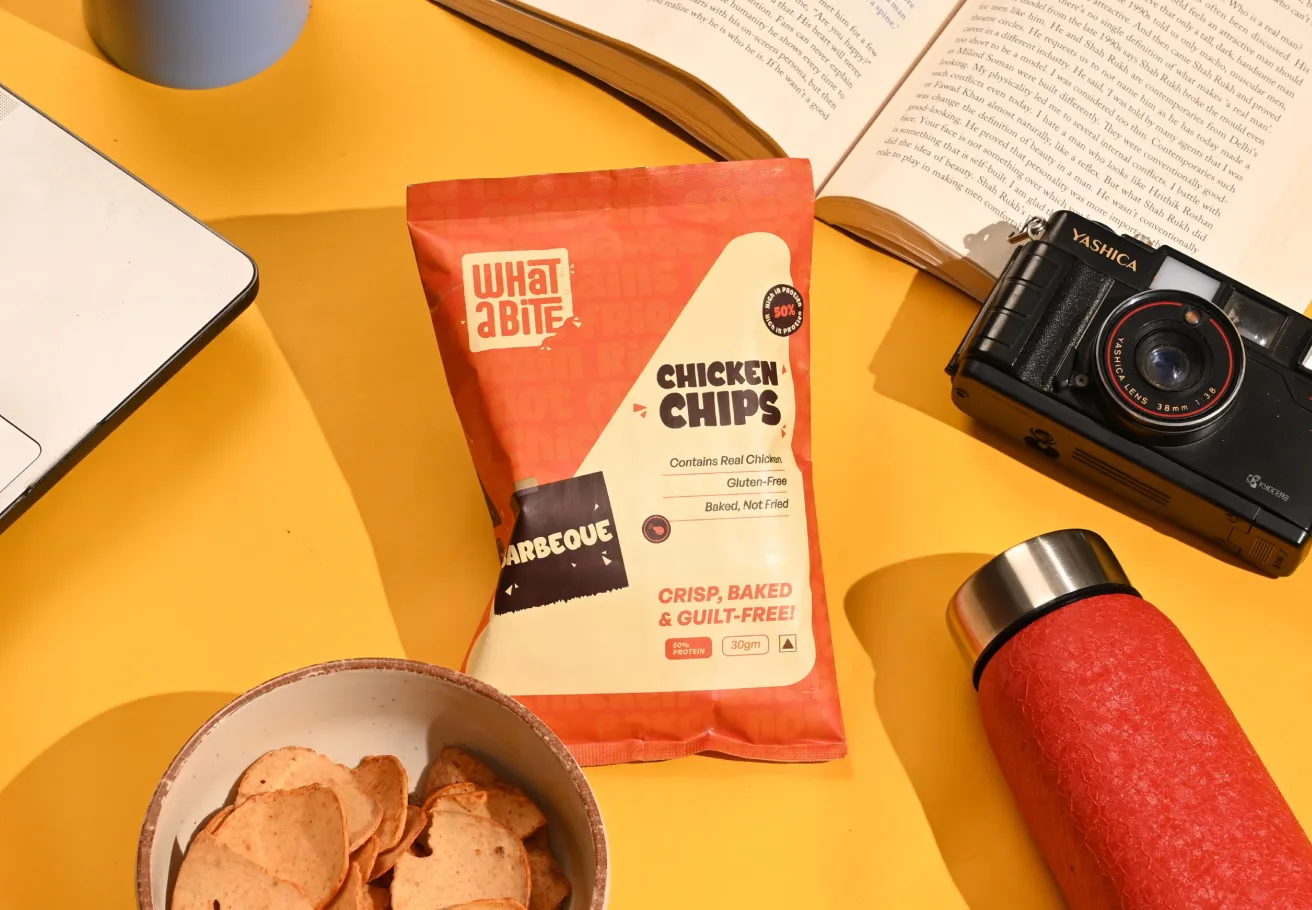
Want strategic branding and packaging like this for your business?





.webp)
.webp)

.webp)
.webp)
.webp)
.webp)
.webp)







.svg)
.webp)