%201.webp)
02
AI Snaps
.svg)
.svg)
01
Our Work
03
About Us
04
Brand Audit
05
Contact Us
06
Client Success
12
07
Blogs
08
Careers
Book A Call
.svg)



.svg)
Need Help In Building Your Brand?
Click the button below & book a call with our founder directly.

Rishabh Jain
Managing Director
The fashion unboxing experience is now a marketing channel, a retention mechanism, and a customer acquisition tool operating simultaneously.
This guide covers what the unboxing experience actually does for a fashion brand, how expectations shift by price tier, what to include and what to skip, and how to design for the full customer lifecycle including the return.
For D2C fashion brands, the packaging is often the first physical interaction a customer has with the brand. There is no store, no sales associate, no fitting room. There is a box, a garment, and a moment.
What happens in that moment determines whether the customer becomes a repeat buyer or a return statistic.
This is what unboxing experience helps with:
1. Confirm the purchase decision
Online fashion already carries an expectation gap. The customer has not touched the fabric, checked the garment in a mirror or tried it on before paying. Packaging cannot fix a poor product or inaccurate sizing, but it can reinforce confidence in the purchase.
A garment that arrives neatly folded, protected and presented as carefully as it appeared online creates continuity between the digital promise and the physical product. A crushed carton, damaged packaging or poorly packed garment does the opposite.
2. Replace some of the in-store guidance
A physical store gives customers access to staff, styling advice and product information. D2C packaging cannot reproduce that entire experience, but it can provide useful support after purchase.
A well-designed insert might explain garment care, fabric characteristics, styling suggestions or return instructions. The key is to provide information the customer is likely to need rather than filling the box with promotional material.
3. Create a shareable moment
Unboxing can also extend the brand experience into social content. Ryder's 2024 ecommerce study found that 16% of consumers said a premium unboxing experience made them more likely to share photos, video or details about the brand on social media.
The package does not need to be elaborate. A distinctive tissue reveal, branded inner lid, presentation card or neatly structured garment reveal can give customers something worth capturing.
4. Support repeat purchase
The strongest unboxing systems connect presentation with the next purchase. Care guidance can extend garment life. A QR code can lead to a new collection or styling content.
A personalised message can acknowledge a first order or returning customer.
👉These four jobs determine whether the unboxing experience is an investment or an expense. A brand that designs for all four is turning packaging into a growth channel.
A $12 T-shirt and a $260 dress do not create the same packaging expectation, so the packaging should not be designed to the same cost or complexity level.
At this level, customers are usually prioritising product value, delivery and convenience. The packaging should protect the garment and make the order feel organised without adding unnecessary cost.
A practical setup could be a quality poly mailer or simple recyclable mailer, a branded seal, neatly folded clothing and a concise care or returns card.
The priority should be:
Protection → clear presentation → efficient packing
Spending heavily on rigid boxes or elaborate inserts can consume margin without creating a proportionate improvement in the customer experience.
This is where packaging can become a stronger brand differentiator. Customers are paying for the product and the brand experience, so the package should feel more considered than value-fashion packaging.
A custom mailer, lightweight corrugated box, tissue wrap, branded sticker and useful insert can create that difference without approaching luxury packaging costs.
This is also a good tier for designing one clear reveal moment that photographs well and reinforces the brand's visual identity.
At this level, packaging becomes part of the perceived product experience. A plain poly mailer can create a mismatch between the price and the presentation, particularly when the customer has paid for premium materials, design or craftsmanship.
Depending on the product, the luxury unboxing experience might include a rigid presentation box, tissue, a seal or ribbon, a dust bag and a considered product reveal. The exact format should follow the product and brand rather than copying luxury packaging conventions.
The most common mistake is creating a gap between what the product costs and what the packaging signals.
👉Low-priced fashion does not need to imitate luxury. Premium fashion does not need to cut corners on the customer-facing presentation.
Match packaging investment to price point, margin, purchase context and repeat-purchase potential. Then put the budget into the elements customers actually notice, rather than adding packaging simply to make the parcel feel more substantial.
The unboxing experience can be broken down into four layers. Not every brand needs every layer, but understanding what each layer does helps determine what to include.
This is the essential layer. The garment needs to arrive clean, intact and appropriately presented.
For apparel, that can mean a right-sized mailer or box, protection against moisture, and folding or packing suited to the fabric. A delicate garment may need more protection than a basic T-shirt, while structured pieces may need packaging that reduces creasing.
The product should arrive looking as close as possible to how the customer expected it to look online.
This is where the packaging starts to feel like your brand rather than a generic delivery.
You can use a printed mailer, branded tissue, a sticker or seal, a custom carton, or a simple mark on the inner packaging. You do not need all of them.
A single consistent signal is often stronger than several unrelated decorative elements. The choice should follow the identity system and price position established for the brand.
This is often the most useful layer because it can improve the experience while reducing avoidable customer questions.
Depending on the brand, include:
The information should be easy to find. A beautifully designed insert is still a poor packaging decision if the customer has to search for the return process or care instructions.
This is the optional layer that creates a more memorable opening and, where appropriate, something customers may want to photograph or share.
It could be a hidden message, a distinctive tissue reveal, a personalised note, a seasonal detail or another small brand-specific interaction.
The experience does not need to become elaborate to be effective. The goal is one deliberate moment that feels natural for the brand.
The four layers should not receive equal budget.
For a value-focused fashion brand, the protective and functional layers may be enough. A contemporary brand might add stronger branded presentation. A premium or gifting-led brand can justify more investment in the experiential layer.
Confetti approaches unboxing in the same way: the packaging is developed as a brand experience system, with the physical structure, brand identity and customer journey considered together rather than adding decorative elements at the end.
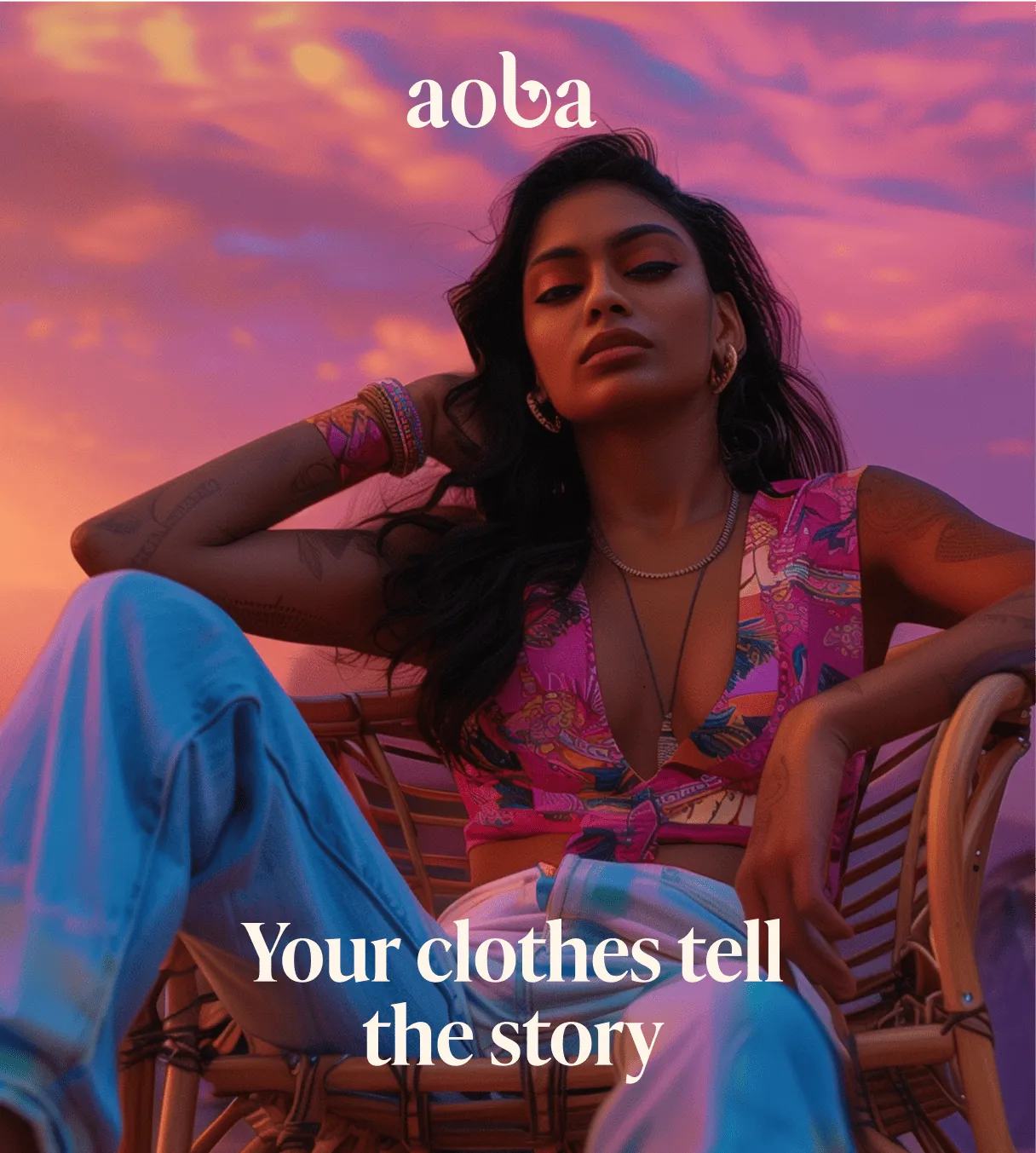
Fashion is not one category. A jewellery brand, a footwear brand, and a knitwear brand have different unboxing requirements.
The brand experience should remain consistent, but the physical packaging should adapt to the product.
Jewellery, belts, wallets and other small accessories can easily feel lost inside oversized garment packaging. Their packaging should be proportionate to the item and give the product a clear reveal.
A small rigid box, pouch or structured tray can create that presentation without using unnecessary material. Add a care card where the product needs specific storage or maintenance instructions.
Best suited to: Small rigid boxes, pouches, trays, compact inserts and care cards.
Shoes already have a natural presentation format in the form of the shoe box. Treat that box as part of the brand system rather than simply a container.
For D2C delivery, an outer mailer can protect the shoe box from shipping damage while keeping the retail presentation intact. Tissue, fit information or shoe-care guidance can add useful brand and product support without overloading the package.
Best suited to: Branded shoe boxes, protective outer mailers, tissue and care or fit inserts.
Folded apparel needs packaging that protects the fabric while maintaining a clean presentation. Tissue, a branded seal and a simple care card can create a considered opening without adding excessive cost.
For delicate fabrics, add internal protection where necessary to prevent snagging or surface damage. Premium knitwear may justify a reusable dust bag or fabric pouch when it supports the positioning.
Best suited to: Mailer or box, tissue, branded seal, care information and optional reusable packaging.
Heavy denim, jackets and structured pieces need packaging that accommodates their bulk without excessive compression or movement.
The packaging should make folding or presentation part of the reveal while protecting the garment through transit. Care information is particularly useful for denim and other products with specific washing requirements.
Best suited to: Stronger mailers or cartons, protective inserts where needed, defined folding methods and care guidance.
These categories can support a lighter, more informal packaging system. A branded mailer, seal and care card may be sufficient. For activewear, a QR code linking to styling, product-care or usage content can add a useful digital layer.
The key is not to force every product into one packaging format. Keep the brand signals consistent while adapting the structure, protection and presentation to the product being shipped.
For fashion ecommerce, packaging has to work for two journeys: the delivery to the customer and, when necessary, the trip back to the warehouse.
A customer should be able to open the parcel without destroying the packaging.
A resealable mailer or box gives them a practical way to send the garment back. This matters particularly for fashion because customers may need to try the product before deciding whether to keep it.
Design the package so it can be reopened and closed without damaging the structure.
Do not bury return instructions underneath layers of packaging.
A printed instruction card or QR code can take the customer directly to the return or exchange process. For fashion brands, an exchange option is particularly useful when fit is the issue.
Keep the process clear: Open → try → decide → reseal → return or exchange.
The packaging that protects the garment on the first journey should remain usable on the second. A mailer that tears during opening or a box that cannot be closed again creates unnecessary handling and repacking work.
Where possible, build resealing into the original packaging rather than relying on additional materials.
Track return reasons by SKU and connect them to the packaging and product experience.
If customers repeatedly report fit issues, review sizing information and product-page guidance. If garments arrive damaged or creased, review the packing method and outer protection. If customers struggle to understand the return process, redesign the instructions.
The unboxing should not be optimised only for the customer who keeps the product. For fashion brands, the return journey is part of the packaging experience too, and a package designed for both directions can reduce operational friction without sacrificing the first-open moment.

Talk to our team about unboxing that protects margins
Book A Call
Unboxing content is the most valuable earned media a fashion brand can generate. But it only happens when the packaging is designed for the camera.
Most customers will film with their phone, often indoors, under mixed or low lighting. Fine details that look sophisticated in a studio photograph may disappear in a quick video.
Prioritise:
Test the actual packaging with a standard phone camera rather than relying only on professional product photography.
The unboxing should have a clear focal point. It could be a tissue reveal, a distinctive interior colour, a branded seal, a carefully presented garment or a short message beneath the first layer.
Do not make every part of the package compete for attention. One deliberate reveal is easier to notice and easier to capture than a box filled with unrelated details.
The unopened package is often the first frame of an unboxing video. A clear brand mark on the mailer, carton or seal allows viewers to identify the brand before the product is revealed.
For brands using plain shipping packaging, a branded inner layer can still provide that recognition without making the outer parcel highly visible.
A QR code can extend the unboxing into a useful digital interaction. For fashion, relevant destinations include styling guides, care instructions, collection pages, personalised recommendations or a “shop the look” experience.
The code should lead to something genuinely useful. Adding technology simply because it is available creates another element to design and maintain without necessarily improving the experience.
A small prompt such as a social handle or branded hashtag can make sharing easier, but the packaging should not depend on customers posting about their purchase.
The stronger approach is to make the experience naturally capture-worthy.
Photogenic packaging should never come at the expense of product condition. Tissue, inserts and presentation elements need to coexist with the protection required for the garment during delivery.
A beautiful reveal followed by a heavily creased or damaged product creates the wrong impression. The best fashion unboxing design solves presentation and protection in the same package, rather than choosing one over the other.
When a fashion brand expands from one category into apparel, footwear and accessories, the physical packaging may need to change. The brand experience should not.
A shoe box cannot be replaced with a garment mailer, and a jewellery pouch should not be forced into the same format as a jacket shipment. The goal is not identical packaging. It is a shared unboxing system that makes different formats feel like they came from the same brand.
Decide which elements remain consistent across every package. These might include the outer brand mark, tissue treatment, seal, insert format, typography, colour usage and tone of voice.
Then define what can change by category.
For example, a jacket may need a larger box and different folding instructions, while jewellery needs a compact box and product-care information. The brand signals can remain consistent even though the structures differ.
Document the rules before the collection becomes difficult to manage:
This gives internal teams and suppliers a clear reference when new products are added.
Place the current packaging formats together. Then ask how the next planned category would fit within the system.
If a new footwear box requires an entirely new visual language, or an accessories package needs a completely different insert structure, identify which elements actually need to change and which are drifting unnecessarily.
The aim is for the customer to recognise the brand whether they receive a T-shirt, a pair of shoes or a small accessory.
A single-category brand does not need a complex multi-category packaging system simply because it might expand someday. Build the system when expansion is reasonably planned.
For a growing fashion brand, however, the earlier the shared rules are established, the easier it becomes to add categories without creating a collection of disconnected packaging experiences.
Check: can different packaging formats look different for functional reasons while still feeling unmistakably like the same brand? If yes, the unboxing system is doing its job.
How much should a fashion brand spend on unboxing? The answer depends on the price tier, the margin structure, and the role the unboxing is expected to play.
Start with the product price
Factor in the return reduction
If the unboxing system includes a size-guide insert that reduces returns by even a few percentage points, the savings from reduced reverse logistics can offset a significant portion of the packaging cost.
A mid-size apparel brand cut returns by 18% with a box resize and a size-guide insert. The packaging investment paid for itself in return reduction alone.
Factor in the earned media value
If 4% of customers post an unboxing, and the brand has 10,000 orders per month, that's 400 organic posts. The equivalent paid media cost to reach the same audience is substantial. The packaging investment should be evaluated against the media value it generates, not just the material cost.
The high-ROI elements
Branded tape or a sticker on the exterior. A functional insert card. A QR code that drives a specific action. These elements are low-cost and high-impact.
The lower-ROI elements are bespoke structural formats, excessive inserts, and decorative elements that don't serve a function.
The budget decision
The unboxing budget should be set by the price tier and the strategic role of the unboxing. A brand that expects the unboxing to drive retention and sharing should budget accordingly.
A brand that treats the unboxing as a protective necessity should budget for protection and nothing more.

Unboxing at Confetti starts with the brand, not the box. The packaging is a carrier for the brand system, and the unboxing experience is a designed moment within that system.
We treat the unboxing as connected to the broader brand decisions: positioning, identity, packaging, and digital experience, rather than as a standalone deliverable.
Every unboxing experience we design is built around the specific brand, audience, and moment we are designing for. There is no standard insert, no default postcard, no recycled formula.
Our work spans categories including fashion, FMCG, beauty, and wellness. For Bingo (by ITC), we helped launch a viral beverage with packaging designed for shelf presence and social sharing.
For AIM Nutrition, a US health and lifestyle startup, we built an identity and packaging system that carried across formats. For Miduty, a D2C supplements brand, we redesigned the branding, packaging, and e-commerce experience as one connected system.
We evaluate unboxing experiences across visual appeal, brand alignment, emotional impact, functionality, and shelf presence through our Packaging Resonance Score. It is a commercial assessment of whether the unboxing will perform in the environments where it will actually be experienced, on a phone screen, in a customer's hands, and in the feed where they share it.
If you’re a fashion founder evaluating your unboxing experience, a short conversation about your product, channels, and returns can quickly clarify where a system-level approach could help, without the pitch.
Is unboxing experience worth the investment for a fashion brand?
It depends heavily on price tier and return rate. Mid-market and premium brands tend to see the clearest return on unboxing investment; value-tier brands are usually better served putting that budget toward sizing accuracy and return-rate reduction instead.
What should fashion brand packaging include at minimum?
Correct garment presentation that avoids creasing in transit, easy-to-find sizing and care information, and a return process that doesn't require the customer to search for instructions. These matter more than decorative elements regardless of budget.
How does unboxing differ for luxury vs. mid-market fashion brands?
At luxury price points, elevated unboxing is close to a baseline customer expectation rather than a differentiator, underinvesting actively undercuts the price being charged. At mid-market, unboxing is more of a genuine opportunity to stand out against both cheaper and pricier competitors.
Does unboxing packaging affect return rates?
Not the decision to return, but the ease of the return itself. Apparel already sees high return rates industry-wide, and packaging that supports resealing and includes clear return instructions reduces friction and protects the customer relationship even when a return happens.
Should unboxing be different for different product categories in the same brand?
The physical packaging often needs to differ, footwear, delicate fabrics, and outerwear have different protection requirements, but the brand identity applied across those different physical formats should stay consistent so the brand reads as one system.
What packaging mistakes hurt a fashion brand's unboxing experience?
The most common ones are prioritizing a photogenic first-open moment over practical garment protection, applying one packaging solution uniformly across categories with different physical needs, and designing only for the "customer keeps it" outcome in a category where returns are common.
Want strategic branding and packaging like this for your business?





.webp)
.webp)

.webp)
.webp)
.webp)
.webp)
.webp)







.svg)
.webp)