%201.webp)
02
AI Snaps
.svg)
.svg)
01
Our Work
03
About Us
04
Brand Audit
05
Contact Us
06
Client Success
12
07
Blogs
08
Careers
Book A Call
.svg)



.svg)
Need Help In Building Your Brand?
Click the button below & book a call with our founder directly.

Rishabh Jain
Managing Director
Packaging design for Lulu Hypermarket UAE needs three things: regulatory compliance, logistics and shelf differentiation. Miss any one, and the packaging fails.
This guide is built for brands trying to get a product's packaging ready for Lulu specifically, using what Lulu does with its own packaging as a useful benchmark along the way.
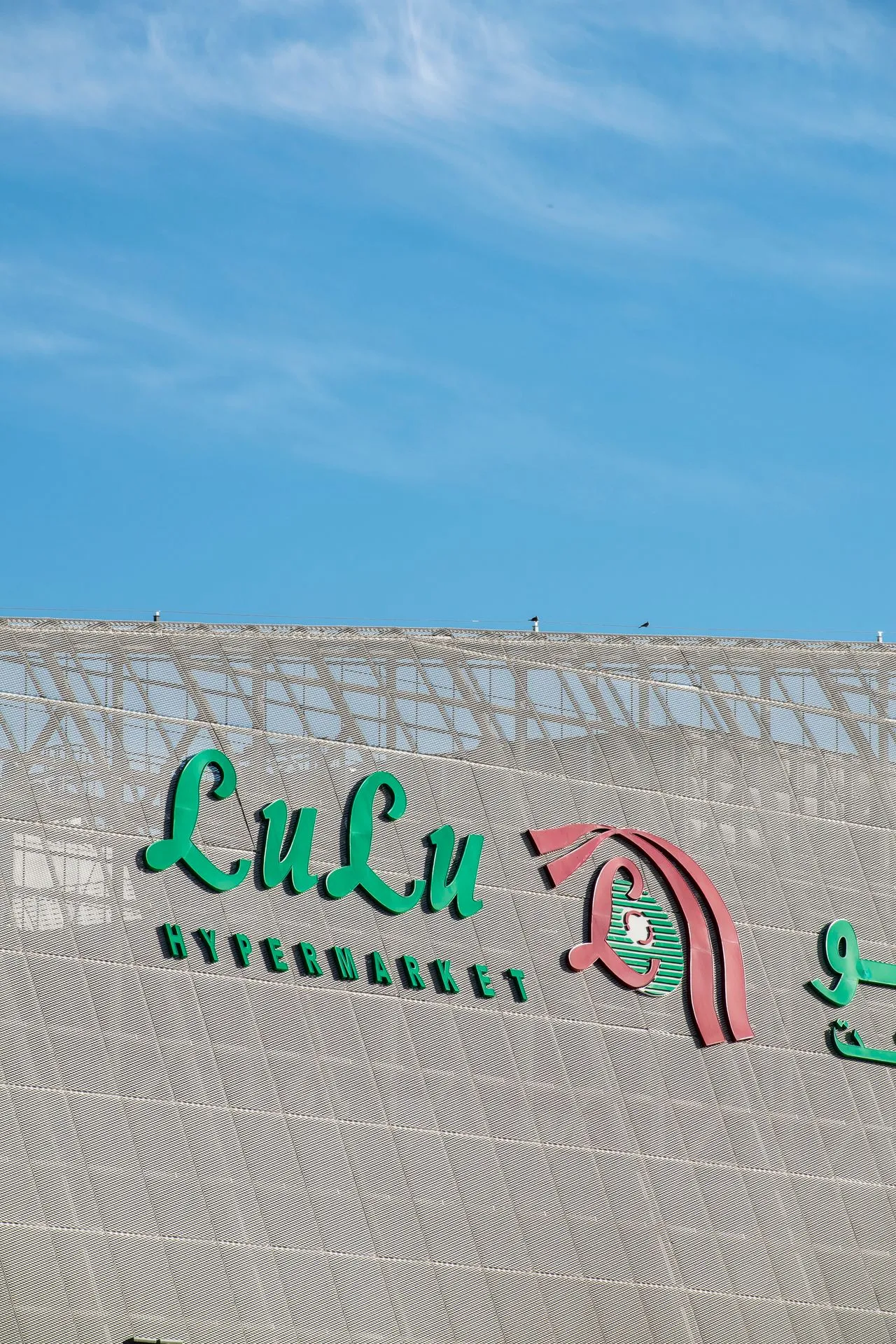
With 116 stores across the UAE and over 260+ stores across the GCC, Lulu is the region's largest retailer.
It sources products from 85 countries, with 19 sourcing offices and 21 distribution centres across the GCC. Around 83% of its purchases were sourced domestically within the GCC in FY2025, with the balance coming from international suppliers.
The review process is unforgiving
Lulu category managers evaluate more than the product itself. In one meeting, buyers taste the product, assess the packaging, review the price, and judge its fit within the category. Packaging faces the same scrutiny as the product and if it fails, the product won’t be listed, no matter how good the coffee, snack, or beauty product is.
Retail is organised and concentrated
Lulu, Carrefour, and Spinneys dominate the UAE's retail landscape. That concentration means Lulu's category managers have the leverage to be selective. They do not need your product. You need their shelf space and they know it.
Shelf space is measured in revenue per facing
Retailers like Lulu track how much revenue each single facing generates per week. If your packaging does not earn its keep, if it does not stop shoppers, communicate value, and drive purchase, it will be replaced by a faster-moving or higher-margin item. Your packaging is not just a container. It is a revenue-generating asset. If it does not perform, it gets delisted.
The shopper behaviour reality is brutal
In a busy Lulu snacks aisle, a shopper may spend less than three seconds looking at any one pack. In that brief window, your packaging must communicate who you are, what you offer, and why you’re worth choosing over a dozen nearby alternatives. Miss it, and the shopper moves on.
Lulu is the UAE’s largest modern trade account by footprint and FMCG volume. Its category managers review hundreds of product submissions, and the ones that make the cut meet Lulu’s commercial, operational, and regulatory requirements.
Compliance is the price of entry
Arabic language on packaging is non-negotiable. All key information including product name, ingredient list, nutritional information, usage instructions, must be in Arabic, designed as part of the label. Halal certification must be visible and valid. Packaging that is not compliant does not get reviewed.
Shelf impact determines whether you get picked up
Shoppers at Lulu are surrounded by hundreds of competing products, and your packaging must earn attention. This means clear visual hierarchy, block colour that reads from a distance, and bilingual hierarchy that works at arm's length. If your packaging blends into the shelf, it is invisible, does not sell and gets delisted.
Structural integrity signals quality
Lulu's supply chain spans the UAE's extreme climate. Packaging must survive high temperatures and humidity without warping, peeling, or failing. Category managers evaluate packaging quality physically. They handle it, turn it over, and assess whether it will hold up on shelf and in transit. A bag that tears, a label that peels, or a box that collapses signals poor quality.
Category fit determines whether you get shelf space
The category manager reviews whether the product fits their category needs. This is not just about product type it is about whether your packaging aligns with how the category is merchandised. A snack brand that does not fit the snacks aisle planogram will not get listed, regardless of how good the packaging looks.
Retail Ready Packaging (RRP) is increasingly required
Major chains like Lulu emphasize efficient stocking and restocking processes. Packaging that is designed for easy shelf placement without unpacking, RRP, is becoming a requirement. If your packaging requires additional labour to display, it is less likely to be approved.
👉Lulu’s category managers look for reasons to reject a product and packaging is one of the easiest reasons to find. Missing Arabic, a faulty barcode, poor shelf fit, or weak visual appeal can be enough to lose the listing.
UAE packaging is governed primarily by GSO 9:2022 and GSO 2233, adopted nationally as UAE.S standards. A few baseline requirements include:
Core mandatory elements
Food packaging in the UAE is governed by UAE.S GSO 9:2022 (Labelling of Prepackaged Foodstuffs), enforced by Dubai Municipality and ESMA. Every product must include:
Nutritional information is mandatory for most pre-packaged food products and must follow UAE.S GSO 2233.
From 1 June 2025, selected food and beverage products must display the Nutri-Mark front-of-pack nutrition label, a colour-coded rating from A to E. Non-compliant products face immediate shelf removal and fines.
Arabic labeling, all information has to appear in Arabic on the primary packaging, with Arabic text no smaller than the English equivalent. If there's ever a discrepancy between the two languages, Arabic takes precedence. That affects layout hierarchy.
Halal certification is required for applicable food and consumable categories, and it has to come from a certification body recognized by UAE authorities specifically. A halal certificate from another GCC country doesn't automatically transfer here.
Importer and barcode requirements, products sold in the UAE must carry the details of a UAE-registered importer or distributor. The product must also carry a GS1 barcode registered with GS1 UAE.
RRP means your product arrives at the store in a case that is the display. Staff open the top, slide it onto the shelf, and your product is immediately shoppable. No unpacking, no sorting, no wasted time.
Major chains like Lulu, Carrefour, and Spinneys increasingly require RRP because it streamlines stocking, enhances product visibility, and reduces labour costs. The UAE's retail-ready packaging market is growing steadily as retailers compete on efficiency and shelf presentation.
What RRP actually means for your packaging:
The principle is captured in "The Five Easies": Easy to Identify, Easy to Open, Easy to Replenish, Easy to Shop, Easy to Dispose. For a brand targeting Lulu, this translates to specific requirements:
If your product requires extra labour to display, it is less likely to be approved. Category managers evaluate packaging efficiency alongside product quality.
A brand that makes shelf replenishment easier is a brand that gets favoured. RRP is becoming a requirement for brands serious about hypermarket retail in the UAE.
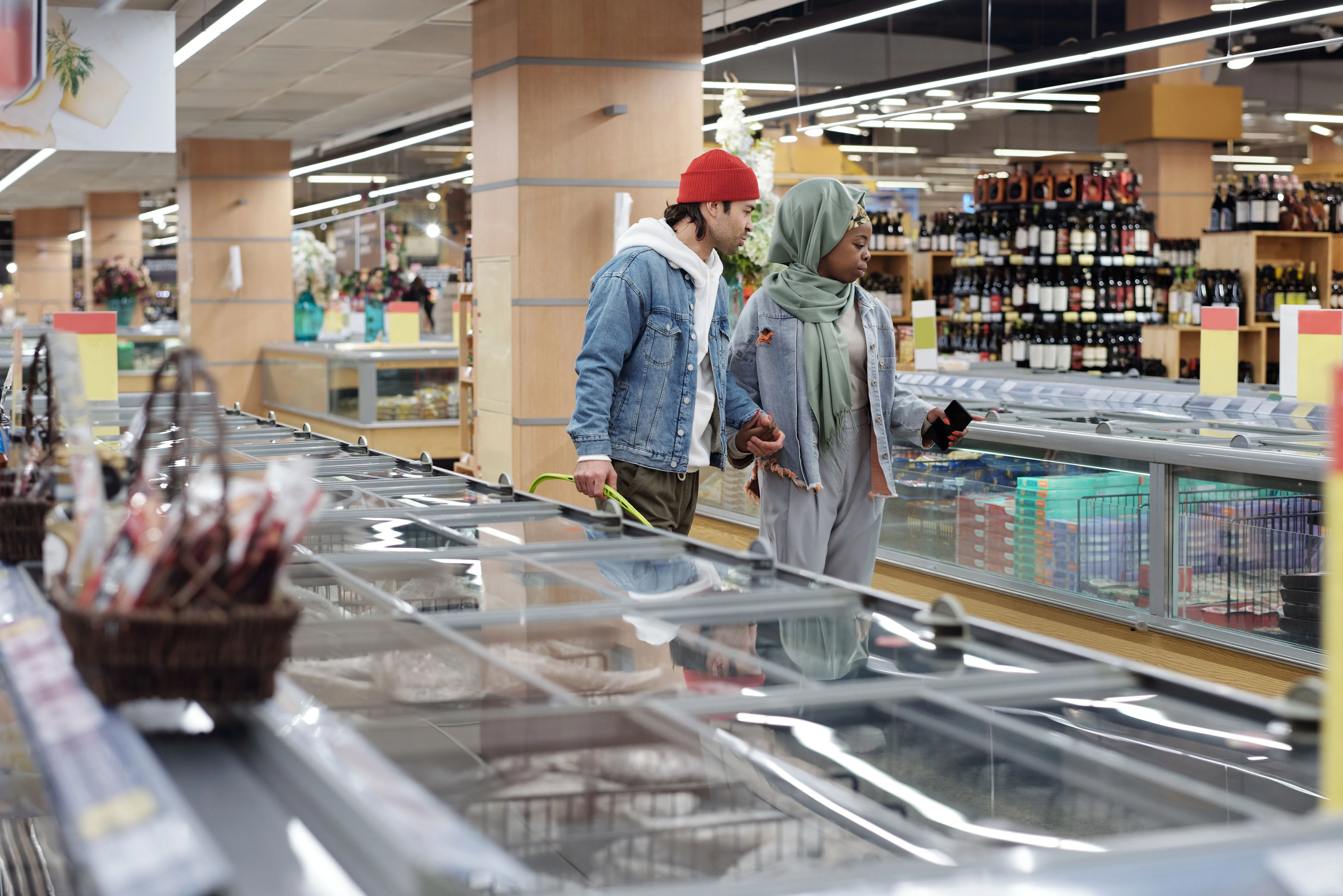
Consumers at Lulu physically compare packaging, ingredients, claims, price, and overall presentation across multiple brands in a single store visit.
To stand out you need to consider the following:
Bilingual hierarchy is the foundation
In the UAE, packaging must work for Arabic and English readers simultaneously. Winning food packaging design in the GCC takes bilingual hierarchy, block colour, and arm's-length legibility.
The Arabic text must be readable from a distance, and the visual hierarchy must guide the shopper's eye from the brand name to the product category to the key differentiator in seconds. Small font sizes in bilingual text boxes with cluttered layouts kill shelf impact. If shoppers cannot read your packaging at arm's length, they will not buy your product.
Visual hierarchy in hypermarket aisles
It should follow a specific pattern:
Block colour signals category
Colour blocking is the most efficient way to communicate category at a glance. A bright yellow pack signals snacks. A deep green pack signals health or organic. A bold red pack signals energy or indulgence.
The most successful packs at Lulu use block colour that reads from a distance, with the brand name and product category as the next visual elements. KitKat's use of dominating red with matte coating and a three-dimensional shape grabs attention across the aisle.
Category-specific angle
Hypermarket shoppers move through Lulu differently depending on what aisle they're in. Grocery staples get scanned quickly on autopilot, while categories like beauty, specialty food, or imported goods get more deliberate browsing time.
Packaging that's competing in a fast-scan category needs to win on color blocking and instant shape recognition. Packaging in a browse-heavy category has more room to reward a closer look, with finer print detail, texture, or storytelling on pack. Designing every category the same way, regardless of how shoppers actually move through that aisle, will not work.
A planogram is a diagram that specifies exactly how products should be arranged on a retail shelf: which SKUs, in which positions, how many facings, at what heights, and in what sequence. Lulu's category managers use planograms to ensure consistent presentation across all 116 UAE stores and 260+ GCC locations.
The most critical element you owe the buyer is accurate dimensions: the height, width, and depth of the product in its final packaging.
These measurements must match the actual production sample, not an estimate. If your product does not fit the shelf, it does not get placed. If it does not get placed, it does not get sold.
Planogram compliance requires:
If your packaging does not fit the planogram, your product will be removed from the shelf. Retailers track planogram compliance through shelf audits that check whether products are positioned correctly and consistently across stores.
👉Before you finalise your packaging dimensions, confirm Lulu's shelf specifications for your category. Design your packaging to fit those dimensions. A beautiful pack that does not fit the shelf will never reach the customer.
LuLu’s private-label business offers a useful signal for any brand competing for shelf space. Private-label products accounted for 29.8% of retail sales, making them a major competitor in the same shelf environment.
LuLu Is Treating Packaging as Brand Building
LuLu’s private-label strategy goes beyond creating cheaper alternatives.
According to Shamim Sainulabdeen, its packaging focuses on distinct brand identities, smart features like QR codes, NFC exploration, sustainable materials, and regional customisation. It also prioritises clear country-of-origin, halal, and regulatory labelling.
👉For a supplier, the lesson is to recognise the standard of packaging sophistication already being established on its shelves.
Your Packaging Is Competing With Retailer-Owned Brands
LuLu’s annual report lists shelf-space expansion as a key private-label growth priority, alongside product development and marketing. For national and international brands, that means competing for space against a retailer actively expanding its own brands.
Your packaging needs to earn attention in the same environment as products for which the retailer controls the assortment, pricing, placement, and promotional strategy.
A weak pack can therefore lose on several levels:
What This Means for Your Packaging Brief
Before developing packaging for LuLu, benchmark your product against the best-packaged brands and relevant LuLu private-label products in the same category.
Then test the design for:
The objective of the exercise is to make sure the pack can hold its position when placed beside LuLu’s own brands.
👉Take regional customization and shelf appeal as seriously as Lulu clearly does, rather than treating the label as a compliance checklist with a logo pasted on top.
Combining the regulatory and shelf considerations, here's roughly the sequence you need to follow to get a product and its packaging genuinely ready for LuLu:
1. Start with regulatory registration status
Confirm what's required through MoIAT and the relevant local authority, Dubai Municipality or ADPHC, depending on the emirate, before design work locks in, since requirements can impact structural decisions.
Product registration with Dubai Municipality involves submitting trade licenses, laboratory test reports, and product samples for approval. The process can take 4–8 weeks depending on the product category.
Secure halal certification early if your category needs it
This has its own lead time, separate from the design process, and starting it late is one of the most common reasons listing timelines slip.
Halal certification requires independent auditing of your production facility, ingredient sourcing, and handling processes. This can take 4–12 weeks depending on the certifying body. Products already halal-certified in their home country must be recertified for the UAE, ESMA does not accept foreign certification as a substitute.
Build Arabic-first bilingual layout into the design system from the first sketch
Retrofitting bilingual hierarchy onto a design built for English-only looks and reads worse than designing both languages together from the start.
Arabic script requires a different visual rhythm. It reads right-to-left, the calligraphic form carries cultural weight, and the font sizes often need to be larger to maintain legibility.
Design for Lulu's category placement before you finalise dimensions
Visit a Lulu store, find your category, measure the shelf depth and height and note how competing products are displayed. Then design your packaging to fit that exact space.
A pack that is 5mm taller than the shelf slot will be rejected because it breaks the planogram. If your product does not fit, it does not get placed.
Design case and carton marking to match hypermarket distribution center handling
A distribution center built for under-24-hour turnaround has real, specific expectations for how outer cases are marked and scanned. Outer case markings determine whether your product moves through the distribution center efficiently.
Lulu's warehouses rely on barcode scanning, and cases without clear, scannable markings cause delays. Cases that cannot be stacked safely or that collapse under stacking weight trigger rejections. The outer case is part of the packaging system, design it with the same attention as the retail unit.
Secure your barcode registration early
Lulu requires GS1 UAE barcodes with the 629 prefix. Barcodes registered outside the UAE may still scan but can cause issues with retailer systems and customs clearance. The registration process takes 2–4 weeks.
Starting this alongside the design process ensures you are not waiting on a barcode number when your packaging is ready to print.
Bring a design partner in before production tooling is finalized
Structural or compliance issues caught after tooling is locked in are expensive to fix, sometimes expensive enough to delay a listing by months.
A design change after tooling means paying for tooling twice. Catching issues early means fixing them in the design file.
Submit complete packaging samples
Lulu's category managers review physical samples for quality and packaging performance before listing.
Supply final samples that match what you will actually ship. Include all outer case markings, barcode placement, and distribution centre packaging alongside the retail unit.
Packaging that gets listed on LuLu is not the same as packaging that sells. At Confetti, we build the second kind.
✅We understand the retail environment you are targeting
Confetti is a strategy-led branding and packaging design studio operating in Dubai and the wider UAE market. We work with Dubai-based businesses and global brands entering the UAE market to develop packaging that is refined, modern, and built for an audience that values detail and exclusivity. We understand what it takes to get listed and stay on shelf at retailers like Carrefour and Lulu Hypermarket.
✅We have built packaging for brands that sit alongside yours
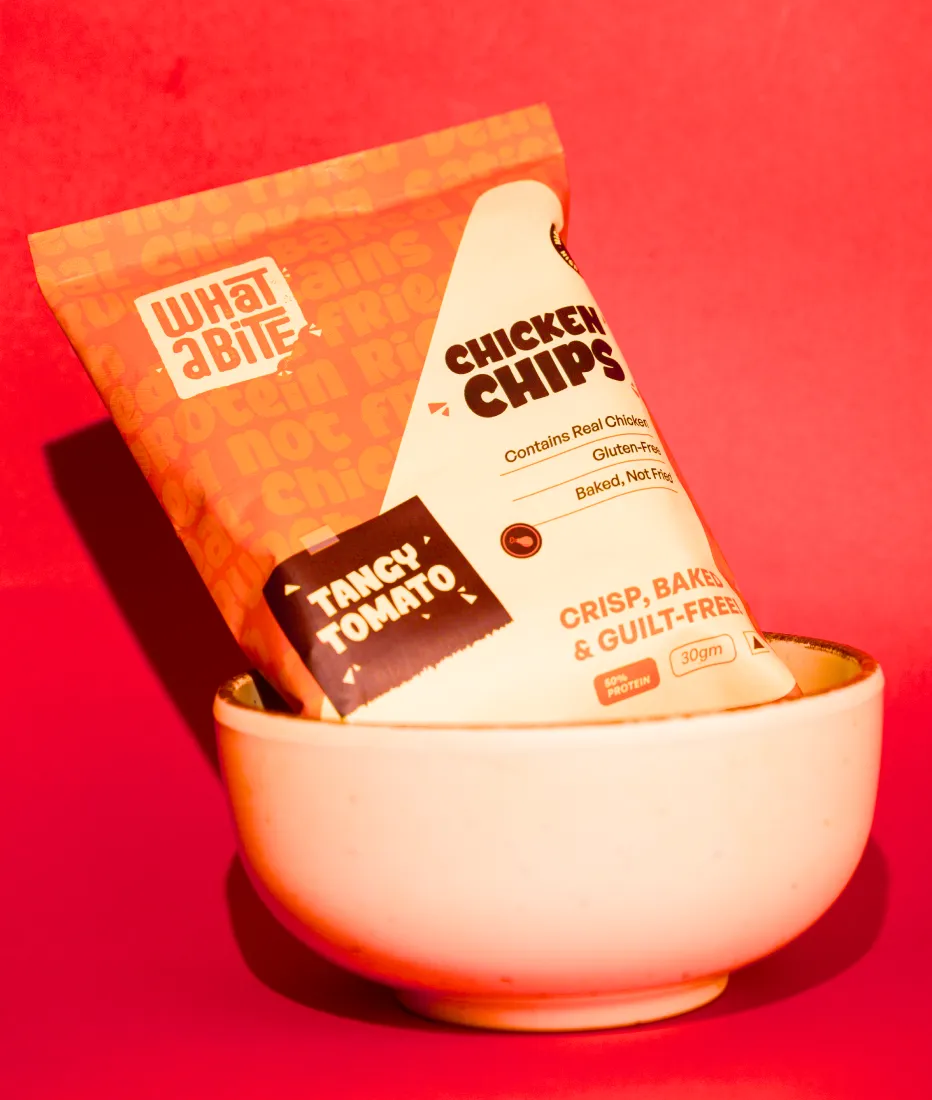
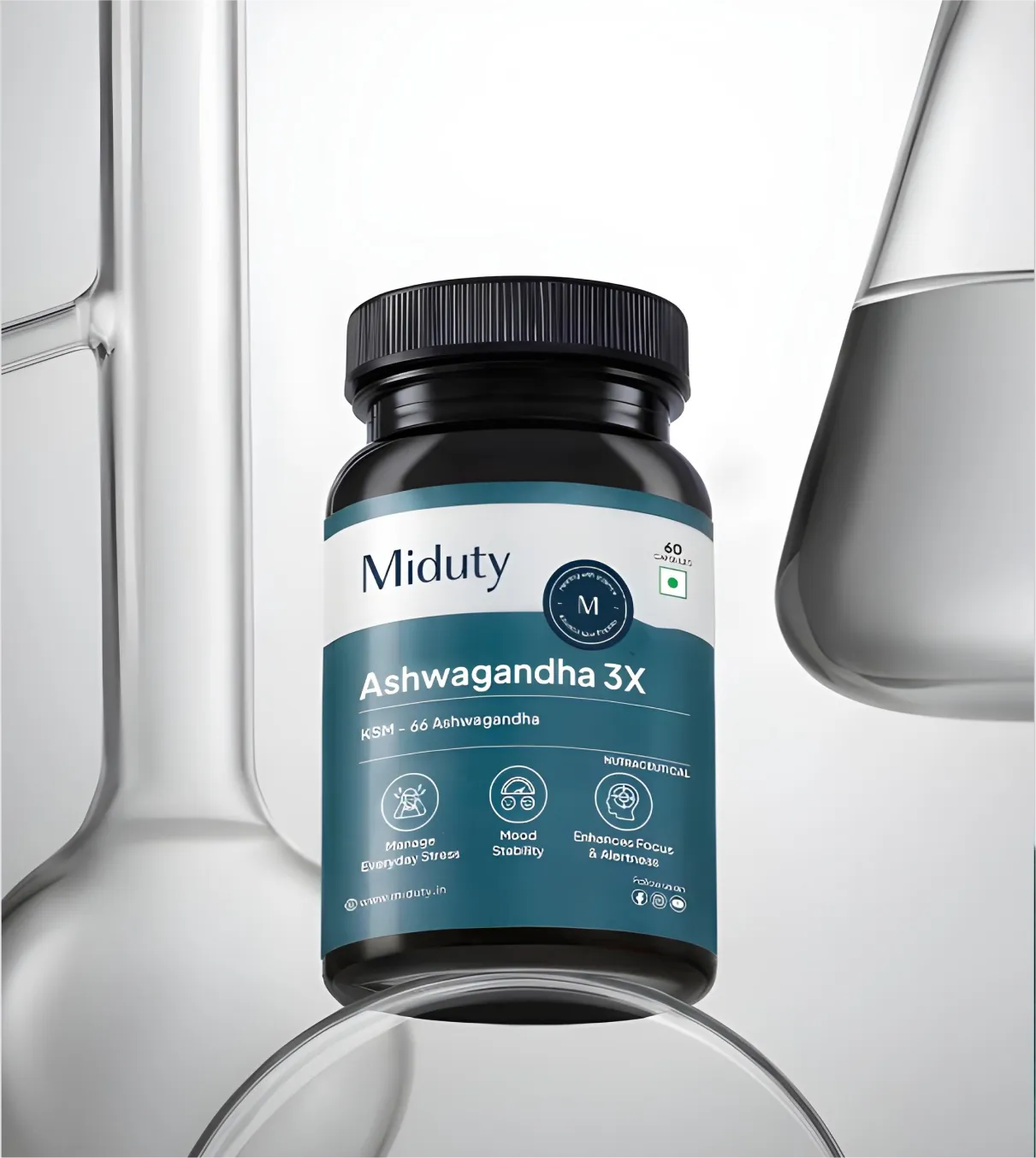
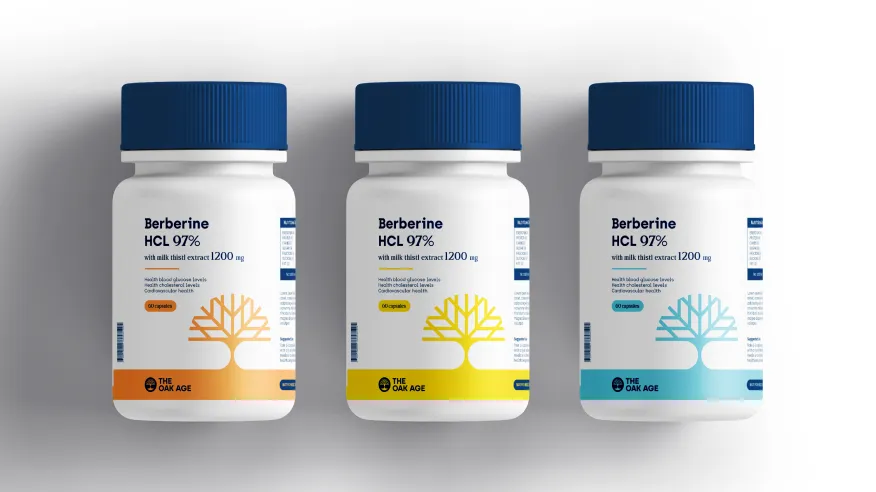
Our work includes updated packaging designs for ITC Bingo, ITC BNatural, ITC Aashirvaad, and Dabur, FMCG brands that compete daily in hypermarket aisles.
We have delivered 200+ brand projects across food and beverage, beauty and skincare, fashion, and lifestyle categories. We know how packaging performs when it is placed next to competing products on a real shelf.
✅We design for Lulu's specific requirements
We build bilingual packaging with Arabic as the primary language, designed into the system from the first sketch — not retrofitted after the English version is finished. We specify materials that survive the UAE's climate. We design Retail Ready Packaging formats that reduce labour costs and improve shelf visibility. And we build compliance into the design process, not as an afterthought.
✅We design systems, not one time assets
A product that works on shelf but fails in e-commerce, or looks premium in a boutique but disappears in a hypermarket aisle, is a liability. We create design systems that perform across luxury boutiques, hypermarkets, gifting environments, and online channels.
We structure layouts so logos, product names, barcodes, and legal info form a clear, functional design that suits Dubai's retail ethos of being modern, minimal, and sophisticated.
Confetti builds packaging that earns shelf space, survives the supply chain, and sells.
Ready to get your product Lulu-ready? Get in touch today !
What packaging requirements does Lulu Hypermarket expect from suppliers?
Lulu expects packaging that meets UAE regulatory standards before listing: GSO-compliant labeling, Arabic-first bilingual content, permanently printed expiry dates, and halal certification where applicable. These aren't Lulu-specific rules, but the retailer treats them as a prerequisite for shelf placement.
Is there a difference between designing for Lulu's private label and designing packaging to be sold in Lulu?
Yes. Lulu's private label is its own in-house brand strategy, led internally with a focus on innovation and regional customization. Designing packaging to be listed in Lulu as a supplier is a separate process, centered on regulatory compliance and shelf competitiveness rather than Lulu's internal branding.
How much does retail-ready packaging design cost for a listing like Lulu Hypermarket?
Costs scale with scope. A single-SKU compliance redesign on an existing structure sits at the entry level, while a full multi-category rollout with new structural design and case-pack development costs significantly more. Delayed listings from non-compliant packaging usually cost more than getting it right upfront.
Does my product need halal certification to be listed in Lulu Hypermarket?
For applicable food and consumable categories, yes. Certification must come from a UAE-recognized certification body, certificates from other GCC countries don't automatically transfer. This has its own lead time, so it should be initiated early in the packaging design process.
Can I use English-only packaging to sell in Lulu Hypermarket?
No. UAE regulations require Arabic on primary packaging for mandatory information, with Arabic text sized no smaller than English and taking precedence in any discrepancy. Bilingual layouts need to be part of the design system from the start, not added afterward.
How long does it take to get packaging ready for a Lulu Hypermarket listing?
Timelines vary by category and whether halal certification or new structural design is required, but regulatory registration, certification, and design work should start well before a target listing date, halal certification and compliance registration alone can take several weeks.
Does packaging design differ across categories for a Lulu Hypermarket listing?
Yes. Fast-turnover categories like grocery staples rely on quick shape and color recognition since shoppers scan them on autopilot, while browse-heavy categories like beauty or specialty imports can support more detail and storytelling on pack, since customers spend more time looking before deciding.
Want strategic branding and packaging like this for your business?





.webp)
.webp)

.webp)
.webp)
.webp)
.webp)
.webp)






.svg)
.webp)