%201.webp)
02
AI Snaps
.svg)
.svg)
01
Our Work
03
About Us
04
Brand Audit
05
Contact Us
06
Client Success
12
07
Blogs
08
Careers
Book A Call
.svg)



.svg)
Need Help In Building Your Brand?
Click the button below & book a call with our founder directly.

Rishabh Jain
Managing Director
Packaging design for Ramadan gifting in the UAE decides more of the sale than brands usually assume which is why getting it right is critical.
This Confetti guide covers the commercial stakes, production timeline, and packaging strategies that win the gifting moment. You’ll get a production countdown, examples and cultural design guidance beyond clichés like crescents and lanterns.
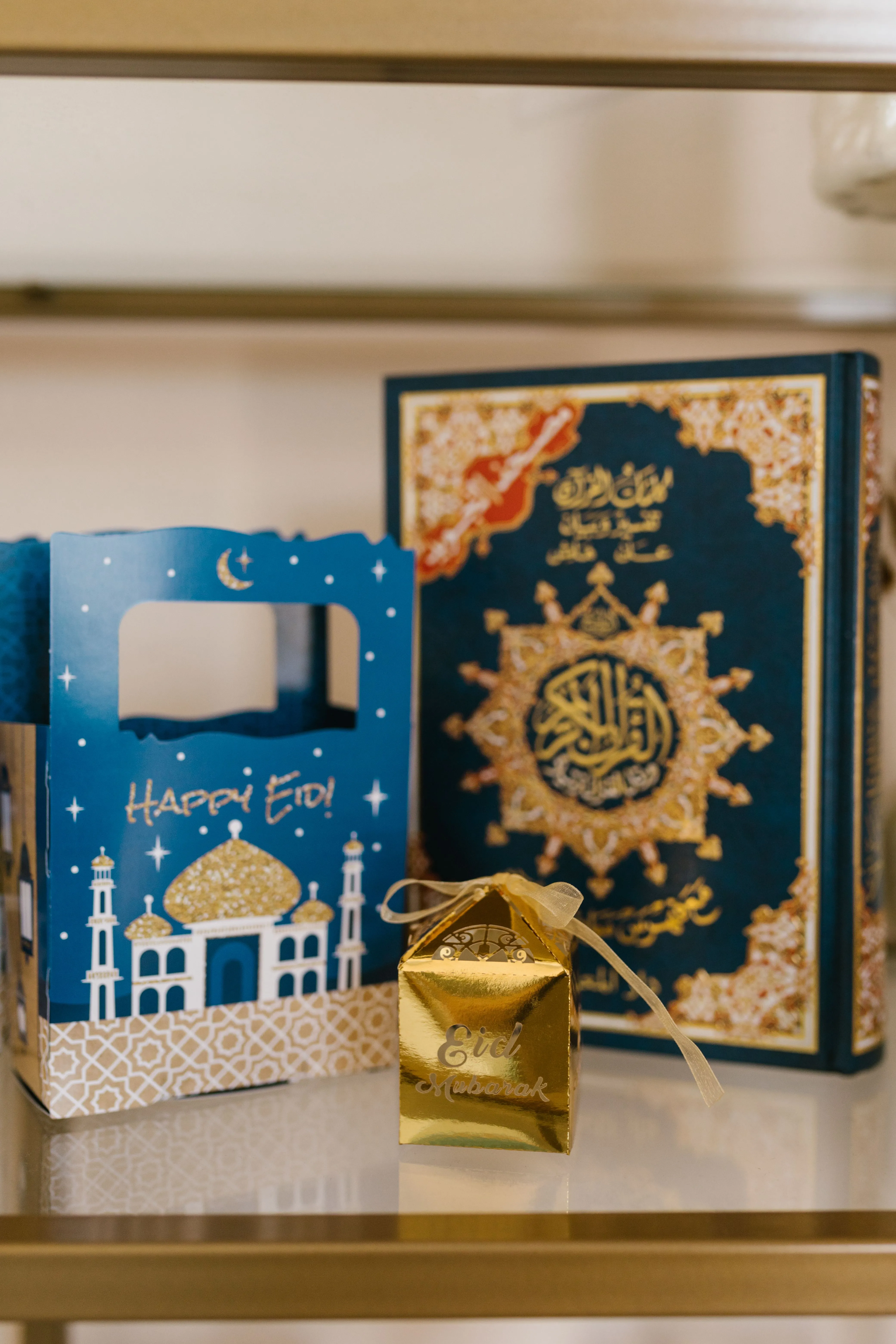
For many brands, Ramadan packaging still means adding a crescent motif, changing the colour palette, and releasing a limited-edition label.
In the UAE, that approach overlooks one of the biggest commercial opportunities of the year. Ramadan and Eid represent the most important retail period for categories including:
NielsenIQ reports that almost one-fifth of annual FMCG sales in UAE are generated during the Ramadan period. For many retailers, performance during these few weeks has a significant impact on annual results.
👉Consumer Behaviour Changes During Ramadan
Ramadan shopping is different from everyday retail. Many purchases are made with gifting in mind, meaning consumers evaluate not only the product itself but also:
👉The Commercial Opportunity Is Growing
Industry trends continue to reinforce the importance of seasonal packaging:
Product thumbnails are often the first interaction consumers have with a brand, making visual presentation critical across digital channels.
👉Packaging Must Perform Everywhere
Successful Ramadan packaging needs to work across multiple touchpoints. It should:
Every design decision contributes to that experience, including structural packaging, premium finishes, typography, colour palette and materials
👉Planning Starts Months Before Ramadan
For brands entering or expanding within the UAE market, Ramadan packaging should be viewed as a strategic investment rather than an annual design exercise.
Successful projects typically begin several months in advance to allow time for:
👉What Leading Brands Do Differently
Many global and regional brands invest heavily in Ramadan-exclusive packaging. The common theme is consistent: the packaging is designed to elevate the gifting experience, not simply identify the product.
Examples include:
Ramadan and Eid are more than periods of increased consumer spending.
They are moments when packaging carries greater emotional, cultural, and commercial value than at any other time of the year. Brands that invest in culturally relevant, premium packaging are better positioned to increase visibility, strengthen brand perception and capture a larger share of one of the UAE's most important retail seasons
The most successful Ramadan packaging campaigns are already visible to consumers 4-6 before Ramadan begins. This gives retailers enough time to stock shelves, e-commerce platforms time to optimise listings, and shoppers the opportunity to purchase gifts well before demand peaks in the final weeks leading up to Eid.
Rather than planning around production deadlines, plan around when customers should first see your product.
A practical production timeline:
For Ramadan 2027, this means many brands should begin planning during August or September 2026, particularly if custom structural packaging, speciality print finishes, imported materials, or multiple retail channels are involved.
Because Ramadan dates are confirmed by moon sighting, businesses should avoid creating rigid production schedules. Instead, build flexibility into the process.
Example:
This approach reduces the risk of rushed approvals, expensive reprints, and delayed retail launches.
📌Remember: Shopping starts weeks before Ramadan, so brands should plan 4–6 months ahead to develop packaging, secure production, and launch before peak buying begins
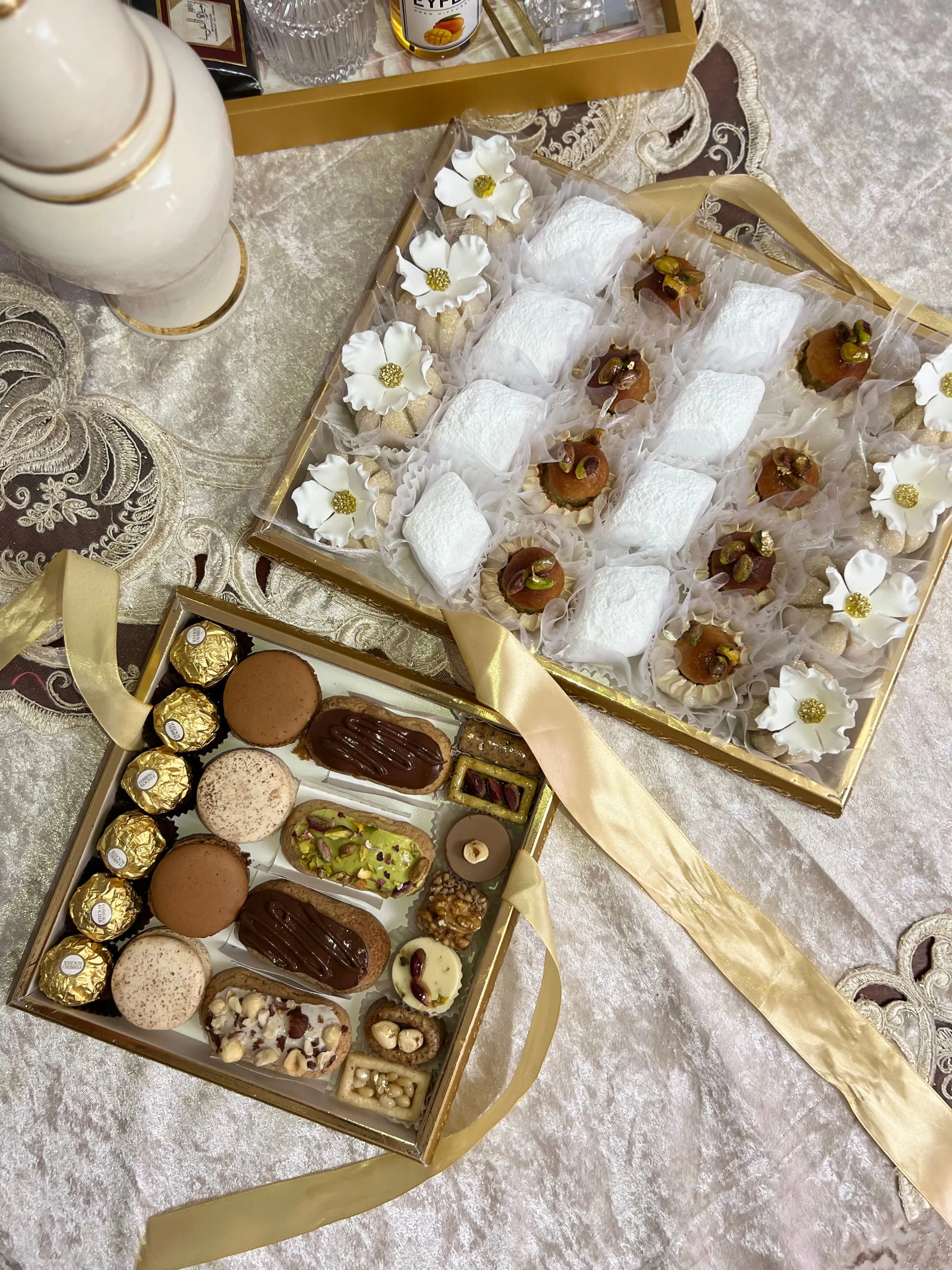
Once timing is addressed, the bigger question is how packaging should change when the main purchase motivation is gifting rather than personal use.
👉Ramadan and Eid gifts carry emotional and social value, so packaging is judged as much as the product itself.
Thoughtful, premium packaging enhances the gift’s perceived value, while ordinary packaging can make even a high-quality product feel less special.
For this reason, gifting should be the starting point of the design brief:
Gift-ready packaging should do far more than protect the product. It should create a memorable experience from the moment it is presented until it is opened. Ask:
Small structural improvements often create a much bigger impact than simply changing seasonal graphics.
One of the biggest commercial advantages of Ramadan gifting is that it introduces your brand to new consumers through personal recommendation.
When someone receives a beautifully packaged box of chocolates, premium dates, speciality coffee, or luxury fragrance from a trusted friend or colleague, the brand enters the relationship with credibility already established. The packaging shapes that first impression long before the product itself is experienced.
This is one reason premium brands such as Patchi, Bateel, Godiva, Lindt, and Jo Malone London invest heavily in seasonal gift packaging.
Ramadan packaging must transform an ordinary purchase into a thoughtful gesture and strengthen the emotional connection between the giver, the recipient, and the brand.
Gift-ready packaging can justify premium pricing, improve shelf visibility, increase social sharing, encourage repeat gifting, and build stronger brand recall after the Ramadan season has ended.
During Ramadan, UAE shelves are filled with crescents, lanterns, stars, and gold accents. While these symbols reflect the season, their overuse makes it harder for brands to stand out.
Here’s what you must focus on:
Consumers increasingly recognise the difference between packaging designed with cultural understanding and packaging created by applying seasonal graphics to an existing design.
Ask:
This shift often results in packaging that feels more sophisticated and has a longer visual lifespan.
Consumers in the UAE increasingly appreciate packaging that reflects regional identity, craftsmanship, and contemporary Arabic design rather than relying on generic seasonal motifs.
The UAE offers a rich design language that extends far beyond lanterns and crescents. Brands can incorporate inspiration from:
Example: Masafi collaborated with Emirati artists to create Ramadan packaging inspired by local heritage and architecture. Instead of using decorative elements purely for seasonal appeal, the packaging celebrates Emirati culture and creates a more meaningful connection with consumers.
Many brands refresh the artwork for Ramadan but keep the same box structure. Yet how a package opens can create a stronger emotional impact than another decorative pattern.
Consider incorporating features such as:
These structural details create anticipation and make the unboxing feel intentional, reinforcing the premium nature of the gift.
Luxury packaging rarely succeeds by adding more visual elements. Instead, it succeeds through thoughtful restraint.
Rather than combining crescents, lanterns, stars, intricate borders, and heavy gold embellishments on a single pack, consider selecting one or two cultural references and executing them exceptionally well.
A refined geometric pattern, subtle embossing, premium foil detailing, or beautifully crafted Arabic typography often communicates quality more effectively than an overcrowded design.
✅A useful differentiation exercise:
Ramadan may be the biggest gifting season in the UAE, but it is not the only one.
Designing a completely new packaging system for every occasion is expensive, time-consuming, and often unnecessary.
Here’s what you need to do:
A modular packaging system separates what should remain constant from what can change.
The core brand elements stay the same across every occasion, while selected design features are updated to reflect the season.
This approach ensures customers immediately recognise the brand while still feeling that the packaging has been created specifically for Ramadan, Eid, or another occasion.
The best modular systems are intentionally designed to accommodate future campaigns.
For example, rather than printing seasonal artwork directly onto a rigid gift box, brands can introduce flexibility through:
These adaptable elements allow brands to refresh their packaging without redesigning the entire system.
👉Luxury gifting brands often use modular strategies to maintain a premium, recognisable identity while creating unique seasonal collections.
Most importantly, modular packaging builds long-term brand equity. When customers see the same distinctive packaging style across Ramadan, Eid, and other occasions, they begin to associate that visual language with the brand itself, not just a single campaign.
In a competitive UAE retail landscape, consistent yet adaptable packaging helps brands stay recognisable, relevant, and memorable all year round.
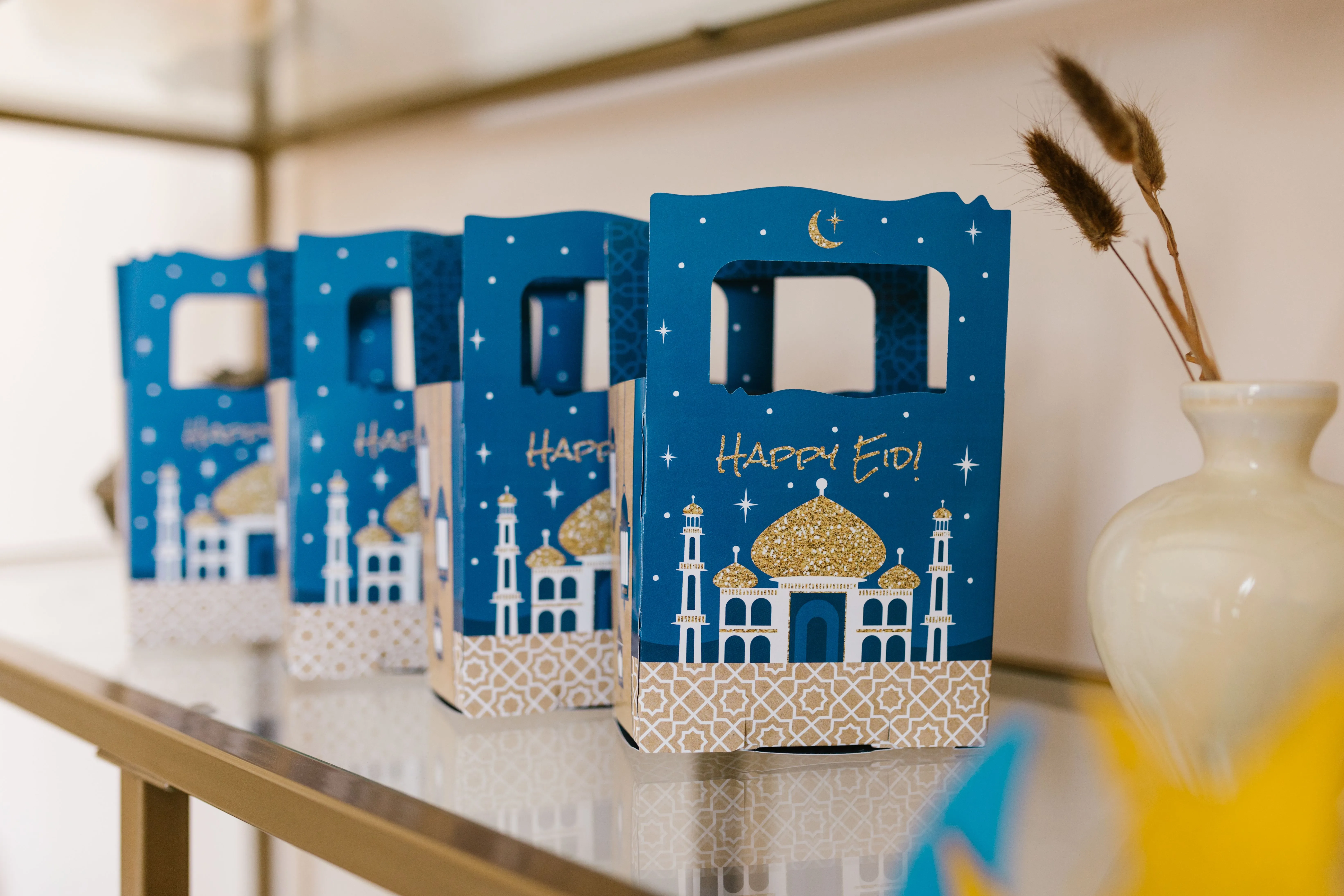
While consumer packaging focuses on attracting individual buyers, corporate gifting introduces additional commercial and operational requirements.
The packaging should be designed to:
These requirements often influence both the structural design and production strategy from the outset.
One of the most common challenges in corporate gifting is adding a client's branding without compromising the integrity of the original packaging.
Rather than trying to retrofit logos onto an existing design, build flexibility into the packaging system through features such as:
This allows brands to customise each order while preserving a consistent premium appearance.
👉Luxury gifting companies such as Forrey & Galland successfully use this approach by offering corporate clients multiple personalisation options without redesigning the entire packaging system for every project.
Corporate gifting usually involves significantly larger production runs than retail packaging.
Consistency becomes just as important as creativity. Every gift box should deliver the same premium experience, whether the client orders 100 units or 10,000.
This means considering:
Planning these requirements early reduces production delays and helps brands respond quickly when large corporate orders arrive.
Corporate Ramadan gifts should feel refined without becoming overly formal.
While consumer gift packaging can embrace bold seasonal graphics and vibrant colour palettes, corporate gifting often benefits from a more understated approach that works across different industries and recipient groups.
Premium materials, clean typography, restrained metallic finishes, subtle geometric patterns, and sophisticated bilingual messaging typically create a stronger impression than heavily decorated designs.
The objective is to make the gift feel exclusive and professional while still reflecting the warmth and generosity associated with Ramadan.
Brands expecting regular B2B orders should avoid adapting retail packaging at the last minute. Instead, develop a dedicated corporate version within the broader packaging system. This might include:
This approach allows brands to serve both retail and corporate customers without creating entirely separate packaging systems.
86% of UAE residents prioritise sustainability in packaging choices, with 68% emphasising plastic reduction and 57% urging brands to enhance transparency in product packaging.
This makes sustainability essential.
The UAE’s sustainability regulations are making change unavoidable.
From January 1, 2026, the second phase of the nationwide single-use plastic ban came into effect, restricting the import, manufacture, and trade of additional single-use plastic products.
Newly prohibited items include:
For Ramadan packaging, this means brands must move away from:
This regulatory shift aligns with Islamic principles of stewardship, environmental responsibility is not just a commercial consideration but a values-based one. Brands that ignore this do so at their own risk, both legally and reputationally.
The most effective sustainable materials for Ramadan gift boxes include:
Each offers different trade-offs in durability, appearance, cost, and environmental impact.
👉Kraft paper remains the most popular eco-friendly choice for Ramadan gift boxes. It is 100% recyclable, biodegradable, and compostable in home settings, decomposing naturally within 2-6 months under proper conditions.
Premium finishes like foil stamping, embossing, and single-colour printing, work effectively on kraft substrates, proving that sustainability need not compromise visual quality.
For higher-end Ramadan gifting, FSC-certified board combined with soft-touch matte lamination and hot foil stamping, as seen in Shabouk's Ramadan Mandala Chocolate Gift Box, demonstrates that luxury and sustainability can coexist. The key is ensuring that decorative finishes do not compromise recyclability.
Ramadan packaging must now perform on two fundamentally different stages: the physical retail shelf and the digital screen. The design requirements for each are distinct:
Physical retail during Ramadan is highly competitive. Packaging must capture attention from a distance, communicate seasonal relevance quickly, and signal gift value at a glance.
Successful shelf packaging relies on strong colour contrast, clear hierarchy, and instant readability.
Shabouk’s Ramadan Mandala Chocolate Gift Box uses soft-touch matte lamination and gold hot foil stamping to create a premium feel while reducing glare under retail lighting. Its rigid set-up structure provides stability, stackability, and a clean finish, essential during high-volume seasonal demand.
Colour variation also helps create clear product tiers. Shabouk developed three colour directions (deep black, warm copper, and light silver) allowing retailers to present premium and standard gifting options while keeping a consistent brand identity.
In the UAE, e-commerce Gross Merchandise Value increased by 24% during the first half of Ramadan 2026, while online-only shopping preference rose from 13% to 23% year-over-year. Packaging that is not optimised for digital visibility risks losing customers before they click.
E-commerce changes how packaging is viewed. On a mobile screen, products often appear as thumbnails only a few inches wide, and purchase decisions happen within seconds. Designs that depend on subtle textures or fine details may lose impact.
Digital-first packaging needs bold typography, strong contrast, and instant brand recognition. The logo, occasion, and product value must remain clear at a small scale, with colour and shape doing much of the communication.
Also, unlike retail packaging, e-commerce packaging must survive the journey from warehouse to doorstep. Ramadan deliveries face challenges including pallet storage, courier handling, heat, and humidity.
Structural durability is essential.
Ramadan packaging must meet the same legal requirements as standard packaging, with additional care needed when seasonal designs introduce new artwork, finishes, or structural changes.
All packaged products in the UAE must include Arabic labelling, either alongside English or as part of bilingual packaging. Accurate translation is essential, as incorrect or unclear information can lead to compliance issues.
During Ramadan, decorative elements such as calligraphy, patterns, and festive illustrations must not interfere with mandatory information. Labels must remain clear, readable, and correctly positioned, even on customised packaging structures.
Food products must comply with requirements set by the Emirates Authority for Standardization and Metrology, including:
Packaging materials must be food-safe, durable, and suitable for the product’s shelf life. Decorative finishes such as foils, coatings, and laminations must not reduce label legibility or compromise packaging performance.
The UAE’s expanded restrictions on single-use plastics have changed packaging choices. Ramadan gift packaging should avoid unnecessary plastic components and consider sustainable alternatives such as food-grade paperboard inserts, recyclable materials, and responsibly sourced protective solutions.
Seasonal packaging should be designed with recyclability and future regulations in mind, rather than relying on short-term decorative solutions.
Festive packaging must also meet operational requirements for retail and logistics. Products require properly registered, scannable barcodes, while shipping cartons must follow size, weight, and handling guidelines.
For Ramadan campaigns, creative design should never compromise functionality. Packaging must work across the full journey, from shelf presentation and gifting experience to warehousing, customs clearance, and delivery.
A successful Ramadan packaging system balances cultural relevance, premium presentation, sustainability, and regulatory compliance to create a solution that performs both commercially and operationally.
At Confetti Design Studio, we recognise that Ramadan and Eid aren't a minor seasonal decoration opportunity, they're among the highest-stakes commercial windows many UAE brands face all year.
Here’s what makes us a good fit for your packaging design needs:
✅ We design for the full gifting journey, from shelf impact to ceremonial unboxing.
✅ We bring cultural precision to every Ramadan project, moving beyond generic motifs.
✅ We build modular systems that serve multiple seasons, not one-off designs.
✅ We ensure regulatory compliance across bilingual labelling, ESMA standards, and the plastic ban.
✅ We design for both retail shelf and e-commerce thumbnail with equal rigour.
✅ We integrate sustainability as a design constraint, not an afterthought.
✅ We are trusted by leading FMCG brands including ITC, Dabur, and Sunfeast.
✅ We combine branding, structural design, and production guidance under one roof.
✅ We deliver packaging that drives commercial outcomes during the peak Ramadan window.
✅ We plan 4-6 months ahead so your packaging is ready when the season hits.
If you're planning your next Ramadan or Eid packaging cycle, reach out to our experts today!
1. Masafi: Limited-Edition Ramadan Packaging
Masafi’s collaboration with Emirati artist Mariam Abbas set a strong example of cultural storytelling in Ramadan packaging.
Featured across water and tissue products, the design highlights UAE heritage through symbols like Sheikh Zayed Mosque, Dubai’s Together sculpture, traditional water pitchers, the Sidr plant, and an Iftar cannon. Rather than relying on generic Ramadan visuals, the packaging uses authentic cultural references to communicate resilience, unity, and tradition.
👉It blends heritage with Masafi’s refreshed brand identity, showing how seasonal packaging can strengthen brand connection while preserving authenticity.
2. Shabouk: Ramadan Mandala Chocolate Gift Box
Shabouk’s Ramadan chocolate gift box combines cultural storytelling with premium packaging craftsmanship. The design uses a radial geometric mandala pattern enhanced with gold foil, precise line work, and clean panel alignment.
Available in black, copper, and silver colourways, the modular system supports different gifting tiers while maintaining consistency. A rigid structure, secure chocolate compartments, soft-touch lamination, and foil detailing create a refined unboxing experience.
👉Produced in the UAE, the project reflects how packaging design, finishing quality, and presentation can elevate gifting value during Ramadan.
3. Zara: NUAIMI X ZARA Ramadan Packaging
Zara’s collaboration with Huda Nuaimi introduced Ramadan packaging inspired by celestial themes. Featuring gold detailing and starburst patterns, the packaging transformed fashion purchases into seasonal keepsakes.
Available across UAE, Kuwait, Qatar, and Bahrain, the design balanced Ramadan symbolism with Zara’s minimalist aesthetic.
👉Its strength lies in adapting seasonal storytelling to fashion packaging, proving that packaging can become part of the overall product experience rather than simply serving as a protective layer.
4. Nestlé: KitKat ICON & Iftar Bar
Nestlé approached Ramadan packaging through two strategic directions. The KitKat ICON collection introduced new character-based shapes designed for festive gifting, creating a premium and playful experience.
The KitKat Iftar Bar used structural innovation, dividing the chocolate into three sections representing Ramadan’s three Ashras and incorporating lunar calendar symbolism.
👉Together, these launches show two ways packaging can connect with the season: through visual gifting appeal and through meaningful participation in Ramadan rituals while staying true to KitKat’s “break” concept.
5. Patchi: Geometric Arabesque & Lantern Collection
Patchi’s Ramadan packaging builds on its reputation for luxury gifting.
Its collection includes lantern-shaped boxes, geometric arabesque patterns, transparent gift boxes, and architectural-inspired designs. The range covers different formats, sizes, and occasions, from personal gifts to corporate hampers.
👉Rather than creating a single seasonal package, Patchi developed a complete gifting system that allows customers to select different expressions while maintaining a consistent brand identity rooted in elegance and cultural relevance.
6. Godiva: Royal Islamic Geometry & Crescent Design
Godiva’s Ramadan packaging combines luxury with cultural symbolism through royal colours, Islamic geometry, and crescent-inspired structures.
Collections such as the Finesse Belle Box, Ramadan Advent Calendar, Hilal Chocolate Box, and Moon Box adapt traditional Ramadan themes into premium gifting formats.
The brand maintains consistency across different structures while preserving both Godiva’s identity and Ramadan’s visual language.
👉Its approach shows us how luxury brands can create packaging that feels contemporary, meaningful, and suitable for both personal and corporate gifting.
⚠️Recalculating launch timing off last year's Gregorian dates instead of the actual shifted calendar
Since Ramadan moves roughly 10-11 days earlier every year, a brand that simply repeats last year's production schedule will launch progressively later relative to the actual occasion each year, quietly losing more of the early gifting-shopper window with every cycle.
⚠️Defaulting entirely to crescent-and-lantern visual cliché without brand-specific differentiation
When every competitor uses the same decorative shorthand, that shorthand stops functioning as differentiation and starts reading as generic seasonal noise a shopper scans past without registering.
⚠️Designing a one-time seasonal package with no reusable structure
Building an entirely new design from scratch every year, rather than a modular system with a locked core, costs more, takes longer, and forfeits the cumulative brand recognition a consistent core identity builds across occasions.
⚠️Treating corporate gifting design identically to consumer retail design
Corporate buyers have different priorities, bulk logistics, co-branding flexibility, a more restrained register, and packaging that ignores this typically underperforms with corporate clients even when the underlying product is strong.
⚠️Underestimating production and distribution lead time
Missing the 4-6 week window means either scrambling to finish packaging after the season has already started generating demand, or defaulting to standard packaging during the single highest-stakes gifting window of the UAE retail calendar.
⚠️Prioritising aesthetics over structural durability for e‑commerce and bulk shipping
A beautifully designed box that collapses in transit or arrives damaged communicates carelessness, not premium quality and in the UAE's harsh climate, structural integrity is non-negotiable.
⚠️Ignoring the unboxing ritual as part of the gift experience
In the Gulf, a gift is not only what sits inside the box, but the moment of presenting it and the ritual of opening it—packaging that opens poorly or feels flimsy undermines the perceived value of the gift itself.
When should Ramadan packaging design and production start?
The most effective launch window is 4-6 weeks before Ramadan begins. Since Ramadan shifts roughly 10-11 days earlier on the Gregorian calendar each year, brands need to recalculate this timeline annually rather than reusing the previous year's production schedule.
How is corporate Ramadan gifting packaging different from consumer packaging?
Corporate gifting typically involves bulk orders, co-branding with the client's company alongside the product brand, and a more restrained, formal design register than consumer-facing retail packaging, since it represents a business relationship rather than a personal, celebratory gesture.
Should Ramadan packaging be a completely new design each year?
Not ideally. A modular system with a locked core identity and swappable seasonal elements, colour accents, patterns, inserts, is more efficient than a full redesign each year and allows the same infrastructure to extend across other occasions like Eid, National Day, or Valentine's Day.
Why does gifting packaging matter more than standard product packaging?
A gifted product functions as a free trial with social endorsement attached, since the recipient encounters the brand through someone they trust rather than through paid acquisition. Packaging designed specifically for that moment, not just festive colours on standard packaging, earns and extends that advantage.
What's the biggest mistake brands make with Ramadan and Eid packaging?
Underestimating production and distribution lead time, or recalculating timing off the wrong calendar dates. Missing the 4-6 week launch window means either scrambling to finish packaging late or selling festive-season products in standard packaging during the year's most important gifting period.
Want strategic branding and packaging like this for your business?





.webp)
.webp)

.webp)
.webp)
.webp)
.webp)
.webp)







.svg)
.webp)