%201.webp)
02
AI Snaps
.svg)
.svg)
01
Our Work
03
About Us
04
Brand Audit
05
Contact Us
06
Client Success
12
07
Blogs
08
Careers
Book A Call
.svg)



.svg)
Need Help In Building Your Brand?
Click the button below & book a call with our founder directly.

Rishabh Jain
Managing Director
Most quote two to three revision rounds in branding projects, but that number doesn’t really tell you whether your project stays on schedule or how it impacts the packaging design that needs to go for production.
Here we break down the three variables that actually determine a revision policy's value, how revision needs to shift across project phases, what happens when you run out, and where "unlimited revisions" genuinely helps vs stalls a project.
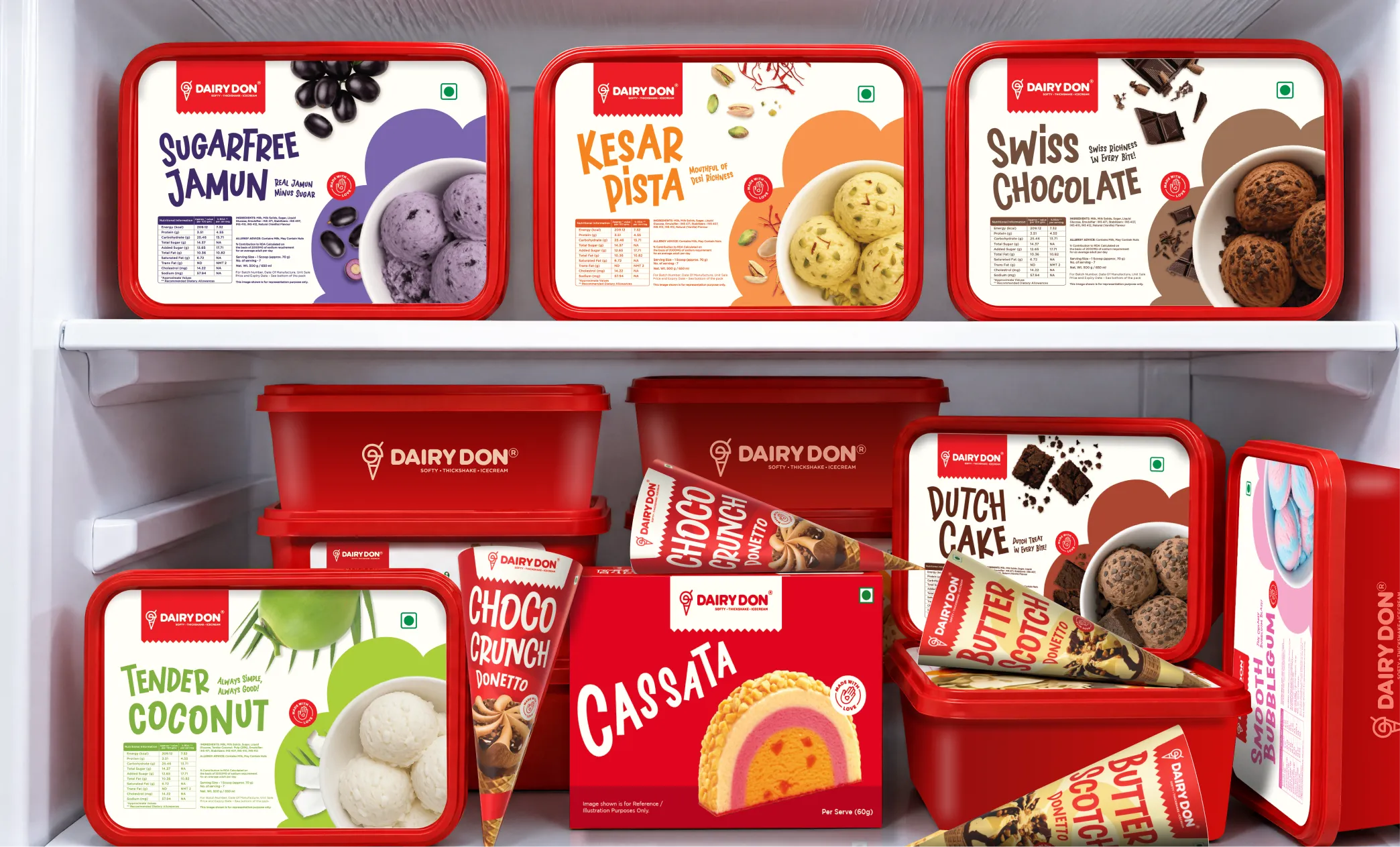
Most branding agencies include two to three rounds of revisions in a standard project scope. Here’s what the industry standards look like:
But that number alone tells you almost nothing about whether a revision policy actually protects your timeline and budget.
Two agencies can both promise "three rounds" and deliver completely different experiences.
One where each round is substantial and clearly scoped, another where the count vanishes before the project even reaches production.
The gap between those two outcomes comes down to three variables that almost never get discussed at the proposal stage:
📌 A revision policy is only as good as its definitions. Before you sign a scope of work, ask what counts as a round and when it starts.
The right framework has three parts: Rounds, Scope, and Trigger.
ROUNDS
This is the number on the proposal, two, three, sometimes five. It sets the outer boundary of how many structured feedback cycles are built into the fee for your branding project.
It is useful to know, but only as a starting point. On its own, it tells you nothing about how much creative flexibility that number actually buys you.
SCOPE
Scope defines what happens inside a single round. This is where the real variation lies.
Some agencies treat a round as elastic, covering color adjustments, spacing tweaks, copy changes, and minor layout shifts, all clubbed into one cycle with no separate cap on each.
Others treat a round as a single pass, meaning if you ask for a color change and then a week later want the tagline repositioned, that's technically two separate asks, eating into the same limited count.
There's a second, sharper difference inside scope: refinement versus reset.
Agencies that don't separate these two in their scope of work often end up in disputes.
The client thinks they're asking for a refinement, the agency logs it as a full round because it functionally required new concept work.
Two agencies quoting "three rounds" can therefore offer wildly different amounts of real iteration.
TRIGGER
Trigger determines when a round is officially consumed. There are two common models:
When you are working with agencies that use the "any feedback" model, your three rounds of revision can be exhausted within the first week of a project.
Agencies working on structured checkpoints work better. They batch feedback into one consolidated review, so you get more actual iteration out of an identical round count.
Every stage of a branding project needs a different kind of revision.
Strategy work, identity design, and packaging production each carry a different revision logic, and when you treat them identically, you end up with revision-count disputes.
Strategy and Positioning Phase
Revisions here are infrequent but sizable. You're deciding whether the brand should position on health, convenience, indulgence, or price.
A single round of feedback at this stage can mean rethinking the entire strategic direction. Because the stakes are structural, agencies usually build in fewer, larger review checkpoints rather than several quick rounds.
Logo and Core Identity Phase
This is where revision volume is the maximum. Two to three structured rounds is standard, with most branding agencies and for good reason. This is the stage where taste, brand fit, and category appropriateness actually get resolved.
You may have a strong point of view here regarding the direction your brand needs to go, and that's expected. In this stage, the concepts are still digital, so iteration is fast and cheap. This is why agencies can afford to be more flexible at this stage than any other.
Full Identity System (Guidelines, Secondary assets)
Once the core identity is approved, revision needs drop sharply for your branding project. Typography, secondary colors, icons, and patterns are mostly shaped by decisions made during the logo phase.
A revision round here usually means checking consistency and application.
Packaging and Production Files
This is the phase where the nature of a "round" changes completely. Packaging revisions are production accuracy checks.
Does the color reproduce correctly on the substrate? Does the dieline fold without cracking the print? Is the barcode scannable at the printed size?
A revision here is closer to a proofing pass than a design iteration. And it often involves physical proofs. This makes each revision round slower and costlier to run than a round in the logo phase.
❓Why this is More Important than the Total Count
Consider a founder who used all 3 revision rounds refining the logo chasing a color, then a symbol variation, then a typeface pairing.
By the time packaging moves into production, the brand’s signature color doesn’t reproduce accurately on the chosen substrate. With no revision rounds left, the founder must either pay for an out-of-scope change or proceed with packaging that doesn’t match the approved brand identity.
This is a planning failure and is but it's also entirely avoidable. When working with your branding agency make sure the revision rounds are allocated with the project phase in mind.
If packaging is where mistakes and last-minute changes are most costly to fix, plan your revision usage accordingly. Make key decisions early, when changes are easier and less expensive, and preserve enough revision flexibility for the later stages, when running out of revisions can be most costly.
This is also one of the direct drivers behind why branding and packaging timelines vary as much as they do.
Most branding agencies handle overage in one of three ways, and each has different cost implications for your project:
Hourly Billing
The agency bills aAdditional revision work gets billed at its the agency's standard hourly rate. This is common for smaller, contained changes, a color swap, a copy edit, a minor layout fix.
The upside is you only pay for what you use, t. The downside is unpredictability. If the change spirals into something more involved than expected, so does your invoice.
Flat Per-Round Fee
The agency quotes a fixed price for an additional round, agreed before the work starts.
This is more predictable than hourly billing and easier to plan around, especially if you're managing a fixed marketing budget.
The trade-off is less flexibility, a flat fee assumes a certain scope of work, and if your ask exceeds that scope, you're back to a renegotiation.
Scope-Change Order
Larger asks like, reopening a locked creative direction, adding a deliverable that wasn't in the original brief, extending into a new asset category, usually require a formal change order.
This resets the whole conversation around both timeline and cost, and it's the slowest of the three options. This is because it usually needs sign-off from both sides before work can resume again.
📌If your A contract that says "additional rounds billed as needed," with no rate, no process, and no distinction between a minor tweak and a full change order, that’s isa red flag. It leaves cost control entirely in the agency's hands.
Ask directly during agency evaluation, before any work begins: “What's the rate or fee structure for rounds beyond what's included, and is there a defined process for requesting one or does every overage require renegotiating the entire contract?”
"Unlimited revisions" sounds like the safest possible promise a branding agency can make. But it's one of the most misunderstood offers in the industry.
Without structure behind it, it can produce a worse outcome than a capped, well-defined three rounds.
Here's the problem with unlimited, unstructured revisions:
⛔They remove the forcing function that gets a project to a decision.
⛔When there's no ceiling on feedback, there's no natural pressure to consolidate opinions, resolve disagreements internally, or commit to a direction.
⛔Every day becomes an open window to request one more small change.
⛔Founders keep tweaking a shade of green, a kerning adjustment, a millimeter of padding because nothing is stopping them from continuing to look at it.
Unlimited only answers the Rounds variable. It says nothing about Scope. An agency that offers unlimited rounds with no defined checkpoints is really offering an open-ended timeline.
Consider two engagements, both offered "unlimited revisions" as a selling point:
Agency A pairs unlimited revisions with a structured checkpoint model: feedback is collected over the week, consolidated, and reviewed in a single call every Friday.
The client knows exactly when their input will be addressed, and the agency knows exactly when to expect direction.
The project moves through concept, refinement, and finalization on schedule, and "unlimited" simply means the client never felt boxed in by an artificial cap.
Agency B has no defined checkpoint. Feedback arrives whenever it arrives, sometimes daily, sometimes in scattered emails from different stakeholders on the client side.
There's no consolidated review, no clear point at which a direction is considered final.
The project should have taken ten weeks, i. It stretched to five months because no one ever decided the design was done.
The difference between these two isn't the word "unlimited." It's whether Scope and Trigger were defined alongside it.
If you're evaluating an agency that advertises unlimited revisions, don't stop at the word. Ask:
A capped, well-scoped three rounds with clear triggers will serve you better than an unstructured "unlimited" every time. An unlimited policy with real structure behind it beats both.
1. "How many rounds are included, and does that apply to the entire project or per deliverable?"
This is the single most important question. If an agency says "three rounds," ask: Three rounds total for everything, or three rounds for the logo, three for the website, and three for the packaging?
A per-deliverable policy gives you significantly more breathing room than a project-wide cap. Get the math in writing.
2. "What exactly counts as a 'round'and what doesn't?"
Some agencies count every single email exchange as a round. Others allow you to batch all feedback across all deliverables into one consolidated document, submit it once, and receive a unified update. Ask for their feedback submission process.
The best agencies encourage batched feedback, one round = one formal feedback document, not a series of back-and-forth messages.
3. "When does a round officially start and end?"
Does the clock start ticking when you receive the files, or when you actually submit your feedback? If you take two weeks to gather internal stakeholder input, does that burn one of your precious rounds?
Clarify whether the round is counted on delivery or on client response. You need time to think, ensure that time doesn't cost you.
4. "How do you distinguish between a 'revision' and a 'new concept'?"
Tweaking font sizes, colors, or spacing is a revision. Asking to scrap an entire direction and start over with a completely different visual language is a scope change.
Agencies often hide scope-change fees in their fine print. Ask for examples of what constitutes each, so you know exactly where the line is drawn.
5. "What happens if I need one more round than included?"
Ask for the overage pricing upfront. Is it a flat fee per round, or an hourly rate? More importantly, ask how many clients actually go over.
A transparent agency will tell you honestly and if they're confident in their strategy phase, they'll tell you it rarely happens.
👉If an agency hesitates or gives vague answers to any of these, consider that a red flag. The right partner will welcome these questions because they prove you're a serious, detail-oriented founder who values clarity as much as creativity.
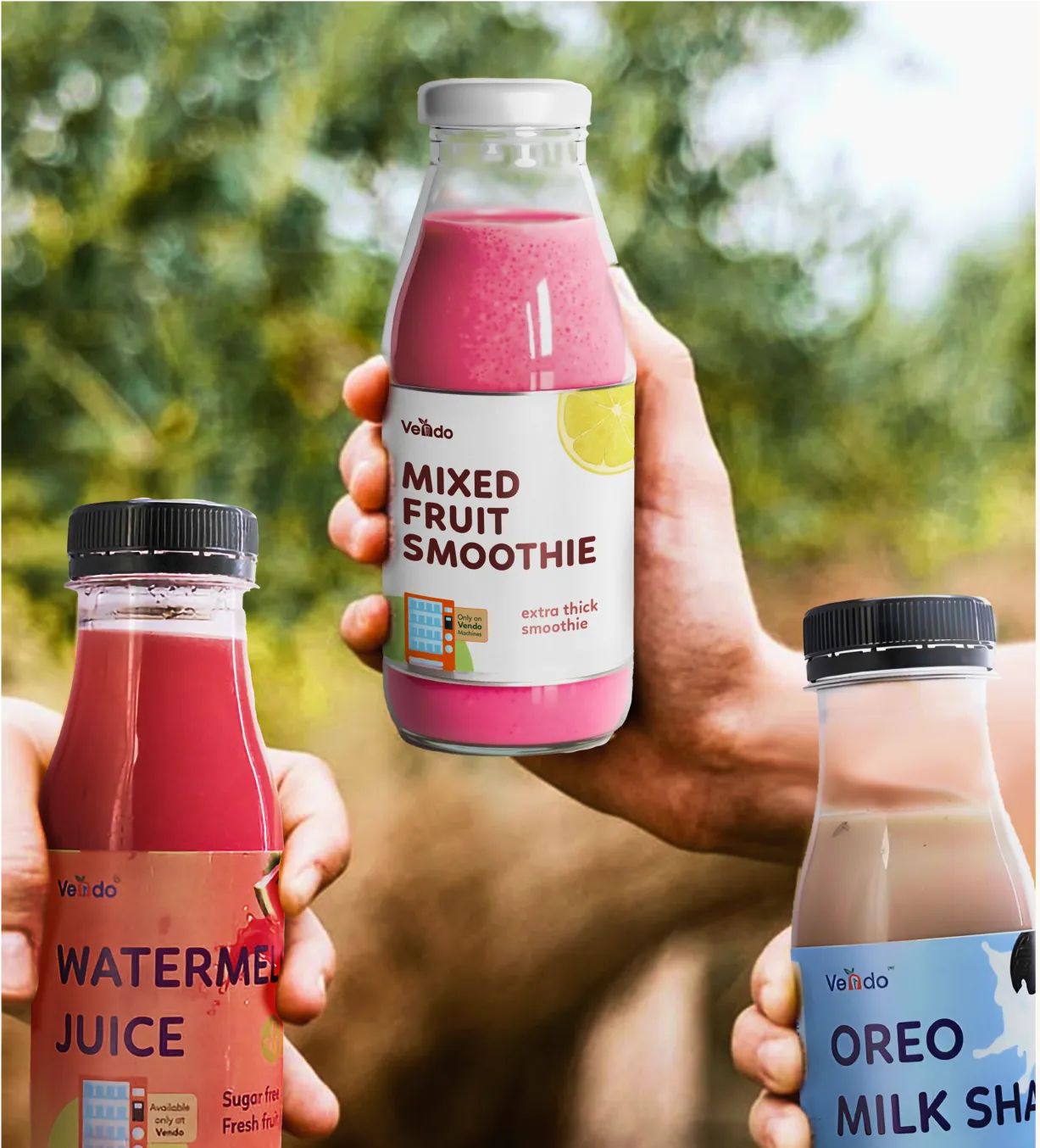
At Confetti Design Studio, weWe offer unlimited revisions by applying the framework:. Unlimited applies to the Rounds variable.
We don't cap the number of structured review cycles a project gets, and we won't ask you to renegotiate scope the fifth time you want to adjust a color or refine a tagline.
That's a deliberate choice, based on a simple observation.
We understand that the brand and packaging work rarely lands in exactly three tries, and a client shouldn't be penalized financially for needing a fourth or fifth pass to get a shelf-ready design right.
What actually makes unlimited revisions workable is how we handle Scope and Trigger:.
🔷Scope: We draw a clear line between refining an approved direction and reopening a decision that's already been made. Adjusting color, spacing, copy, or layout details within an agreed concept is a standard part of an unlimited revision cycle.
Reversing a strategic decision, swapping the entire brand direction after sign-off, or restarting concept exploration once the identity phase has closed, is treated as a new phase of work. This distinction is set at the start of the engagement.
🔷Trigger: Feedback doesn't reset the clock the moment it lands in an inbox. It gets consolidated into scheduled checkpoints built around our six-week strategy-to-packaging process.
Structured review points tied to each phase, where feedback is reviewed as a batch and addressed together.
This is what keeps unlimited revisions from becoming an unlimited timeline.
You don't have to wait for a reply after every comment. Feedback gets reviewed together at set points, so the project keeps moving instead of pausing each time.
This structure is what makes the difference between unlimited revisions that work and unlimited revisions that don't.
How many rounds of revisions should a branding agency include?
Two to three structured rounds is the industry standard for a branding project fee. What is more important than the number is what counts as a round, whether it covers unlimited minor tweaks or resets to a new direction and when a round gets triggered.
How many logo revisions is normal?
Two to three rounds is for a logo specifically, since this phase carries the highest revision volume in a branding project. Fewer are usually needed once a direction is approved and the project moves into a full identity system or packaging.
What happens if I run out of included revisions?
Most agencies bill additional rounds hourly, at a flat per-round fee, or through a formal scope-change order. Ask which model applies before signing, a vague or undefined answer here is a common sign that project costs could expand unpredictably later.
Is unlimited revisions actually a good thing?
Only when it's paired with structured checkpoints. Unlimited revisions without a defined review trigger can remove the forcing function that gets a project to a finished state, leading to open-ended tweaking that delays launch without improving the result.
Do revision rounds cover major changes or just small tweaks?
It depends entirely on how the agency defines a round, this is the single most important detail to clarify before signing, since two agencies offering the same round count can mean very different amounts of actual creative flexibility.
Should revision policy affect which branding agency I choose?
Yes, though not on round count alone. Ask how a round is defined and what triggers one being used. Those two details predict project friction and unexpected costs far better than the number advertised in a proposal.
Want strategic branding and packaging like this for your business?





.webp)
.webp)


.webp)
.webp)
.webp)
.webp)
.webp)







.svg)
.webp)