02
AI Snaps


01
Our Work
03
About Us
04
Brand Audit
05
Contact Us
06
Client Success
12
07
Blogs
08
Careers
Book A Call




Need Help In Building Your Brand?
Click the button below & book a call with our founder directly.

Rishabh Jain
Managing Director
Smart packaging is a design decision, not just a technology add-on.
QR codes, NFC tags and other connected elements need to serve a clear purpose while fitting seamlessly into the pack’s visual and functional hierarchy.
This Confetti post takes you through what smart packaging asks of the design, how to decide whether a smart element is worth adding, how to execute it properly, and what the rules allow.
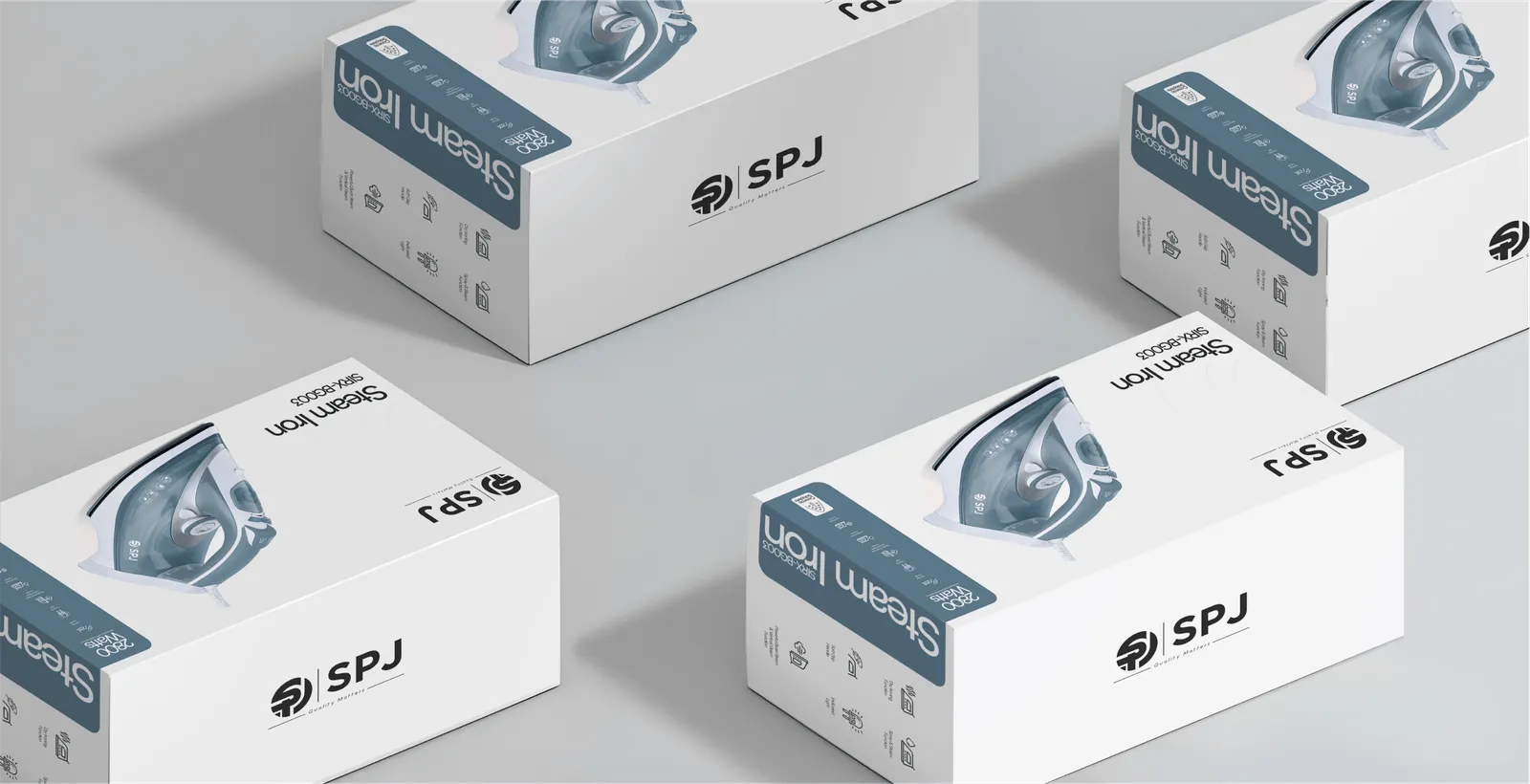
Smart packaging covers three distinct approaches: active, intelligent and connected packaging.
They are often used in place of each other, but each serves a different purpose and involves different design, technical and operational choices.
Active packaging helps control conditions inside a pack to slow spoilage or maintain product quality.
These solutions are usually selected by product development teams, food scientists and packaging suppliers based on the product’s preservation needs.
The design role is to accommodate the component and communicate any necessary precautions. For example, an oxygen absorber sachet may need a clear warning not to consume it.
Intelligent packaging monitors conditions such as temperature, humidity, freshness or exposure during transit. It communicates information through indicators, such as a colour change or a visible tamper-evident feature.
Design is crucial because customers and retailers must be able to see and understand the signal. A temperature indicator that is hard to read, or a freshness label without clear instructions, may cause confusion.
Indicators must also remain legible in the conditions they are designed to monitor, including chilled environments where condensation can be a problem.
Connected packaging uses technologies such as QR codes, NFC tags and RFID identifiers to link a physical product with digital information or systems. It does not necessarily sense or monitor the product’s condition.
For most brands exploring smart packaging, this is often the most accessible starting point especially if you want to share product information, verify authenticity, support traceability or connect shoppers to digital content.
It also requires close design involvement. Codes and tags need to work reliably on the chosen material and surface, remain accessible to users and fit within the pack’s visual hierarchy. Shoppers also need a clear reason to interact with them.
Many products sold as "smart labels" are label-format NFC or RFID tags. The design decisions are the same as for any connected element. The main difference is the supplier and how the tag is applied.
When brands get in touch with us asking for "smart packaging", they mostly need a connected element.
Active and intelligent packaging are usually driven by the category and the supply chain, such as an oxygen-sensitive product or a cold-chain dairy line, rather than by a marketing brief. If nobody in operations or quality has asked for them, they are probably not the starting point.
Poorly executed smart packaging is usually a result of adding the element before deciding what it is for.
Here is a framework for deciding whether a smart element belongs on your packaging.
1. What Job Will It Do?
The smart element should offer something the physical pack cannot easily provide on its own.
That can be batch-specific lab reports for supplements, tutorials for skincare devices, recipes for cooking ingredients, authenticity checks for premium products, one-tap reordering and warranty registration.
“Visit our website” or “Follow us on Instagram” is not a strong enough reason. If the destination offers nothing useful beyond what customers can find by searching for the brand, the code is unnecessary.
2. Is the Interaction Worth the Effort?
Every connected feature asks customers to take action, so the value must justify the effort. Product-specific instructions or troubleshooting offer more value than generic brand videos.
Category and price point matter, too. NFC may suit premium products where authentication or enhanced experiences justify the cost, while QR codes are often more practical for mass-market products.
High-frequency consumables can also use connected features to encourage repeat purchases.
3. What Will It Replace on the Pack?
A smart element should not crowd out the product name, key benefits, required information or other purchase-driving details.
A QR code can create room by moving extended instructions, recipes or supplementary product information to a digital destination. Adding it without revisiting the existing layout creates more clutter.
Test the pack at its actual shelf or screen size. Check that the code is easy to locate and scan, while the brand and product remain the main focus.
4. Can Your Team Maintain It?
Operational demands can exceed the design work. Dynamic QR codes need maintained destinations, NFC tags require encoding and testing, and intelligent indicators must be validated under intended conditions.
Assign an owner before production. Use stable URLs or redirects for QR codes, and plan for localisation, product variants and website changes.
Provide a fallback wherever practical, such as a short web address or clear on-pack instructions. Broken links, unresponsive tags and misleading indicators can erode brand trust.
5. How Will You Measure Success?
Define the outcome before committing to the design such as:
Set up analytics by SKU where possible, and by batch when traceability requires it. Review the results after launch and remove or improve features that do not deliver meaningful value.
The decision matrix:
The right choice depends on the use case, required security, production costs and ability to maintain the experience. No single technology is best for every product.
👉If the benefit is unclear, leave the smart element off.
A well-designed pack communicates the product clearly first. Any connected feature should add useful value without competing with the brand, compromising legibility or making the packaging harder to use.
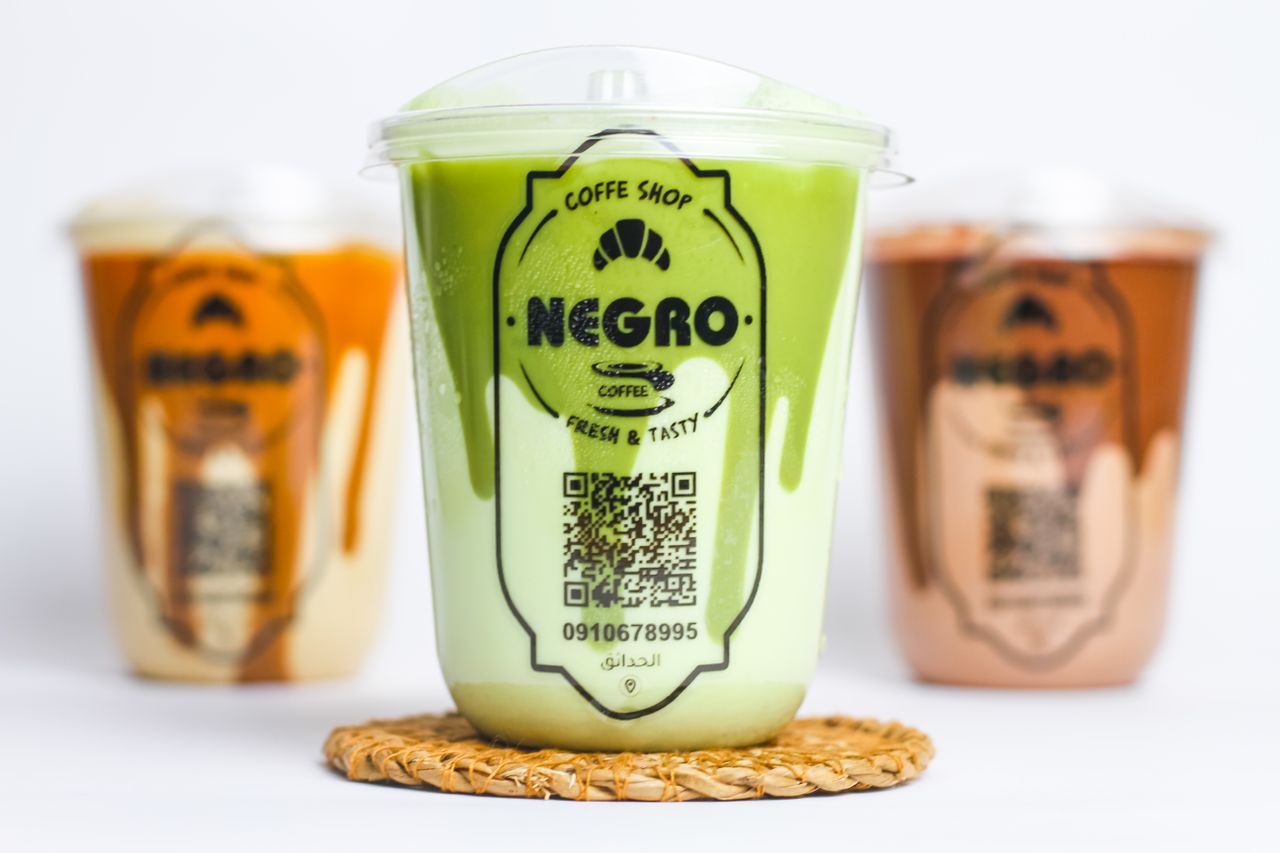
QR codes can link products to useful digital information, but poor placement, low contrast or clutter can hinder scanning and compromise packaging design.
Make the code easy to find and scan without competing with the brand or product.
Code Placement
Placement should reflect when and why someone will scan the code.
The code should be on a flat, accessible surface, away from folds, seams, gussets, tight curves and die-cut edges that could distort it or interfere with scanning.
Protect Contrast and Scannability
Build the following checks into artwork development:
Make the Code Part of the Visual Hierarchy
The QR code should support the packaging. Establish the hierarchy first, ensuring the brand, product name and key purchase information remain prominent.
For Kitchen Recipe, a spice brand, we added the QR code on the back of its packs while keeping the front clear for shelf recognition.
Add a short, specific prompt beside the code, such as “Scan for this batch’s lab report” or “Scan for three recipes.” Tell customers what they will receive rather than simply asking them to scan.
Choose the Right QR Code and Destination
Whichever approach you choose, assign someone to maintain the destination and test the full customer journey before production. A broken link can undermine trust.
At Confetti, we integrate connected elements into the packaging system. Placement, contrast, quiet zones, information hierarchy and print testing are considered alongside the rest of the artwork, so the technology works without weakening the pack.
Adding a QR code to a pack that's already full? Talk to our team about what it should replace. Book a call
Intelligent indicators such as time-temperature, freshness, shock, humidity, convert invisible product conditions into visible signals.
The design challenge is making them readable in the real environment where the consumer or retailer encounters them.
Make the Indicator Easy to Find and Read
Give the indicator a consistent, unobstructed position across the product range. It should remain visible in the retail environment and accessible to the person making the decision, whether that is a store employee checking a delivery or a customer deciding whether to use a product.
Consider the conditions in which it will be read. Condensation, low light, glare, heat and physical handling can affect visibility. Avoid placing indicators beneath price stickers, along folds or on surfaces hidden during normal use. Test printed and applied samples under realistic storage, transport and retail conditions.
Explain What the Signal Means
A colour change is only useful when people understand what action to take. Pair the indicator with short, plain-language instructions and, where helpful, a simple visual guide.
For example, explain what a particular colour or threshold means and whether the customer should use the product, check further information or avoid using it. Provide instructions in the languages required for the intended market, with enough size and contrast to remain legible.
The explanation must also match the indicator's validated function. Do not imply that a freshness indicator guarantees safety or that a temperature indicator confirms product quality unless the technology and evidence support that claim.
Make the Signal Stand Out From the Brand Palette
An indicator must be distinguishable from the surrounding packaging. If a warning relies on red, for instance, a red-dominant background may make the signal harder to notice.
Use a neutral area, sufficient contrast or a clear border to separate the indicator from decorative elements. Keep the surrounding design consistent with the brand, but give the functional signal priority when visibility matters.
This is similar to integrating other functional information into a visual identity.
Validate the Technology and Its Placement
An indicator that gives a misleading signal can lead to unnecessary waste or, in safety-sensitive categories, serious risks. False readings and unclear instructions must be considered alongside visual appearance.
Involve the indicator supplier, packaging converter and relevant quality or technical teams early. Check the indicator's specifications, application method, lead times, operating conditions and validation requirements before artwork is finalised. Test the complete pack
The technology may be sophisticated, but the message should be clear. Customers should be able to find the indicator, understand what it communicates and know what to do next without struggling to interpret the packaging.
Smart packaging is NOT a lighter, simpler alternative to physical labelling. A QR code can carry extensive product information, multilingual content, and dynamic updates.
But it cannot replace the mandatory on-pack information that regulators require to be physically visible.
The rules differ by market, and the differences matter for design.
UAE and GCC
Products sold in the UAE require Arabic labelling on the pack, GS1 barcodes registered with GS1 UAE, and compliance with ESMA and GSO standards.
The UAE’s Nutri-Mark system now allows consumers to scan a QR code to access nutritional information via the TAMM app, but the on-pack mark itself is still part of the physical label. For pharmaceuticals, the Tatmeen programme requires serialised GS1 2D DataMatrix labelling on every saleable unit, a physical requirement that a consumer-facing QR code cannot replace.
European Union
The EU Digital Product Passport, phased in from 2028 onwards, requires a data carrier usually a QR code, linking to a digital record of the product’s material and environmental data.
But the DPP does not replace existing label requirements for allergens, ingredients, net weight, or origin. It adds a layer. The physical label remains.
India
The Legal Metrology (Packaged Commodity) Rules, 2011 require more than ten mandatory declarations on the product’s principal display panel.
Since 2022, some declarations like manufacturer address, generic name of the commodity, size and dimensions, customer care details except telephone and email,, can be provided via QR code as an alternative to physical labelling. But many declarations are still required to be displayed physically.
United States
The FTC’s states: “a QR code expands your label, it does not replace it. Anything legally required to appear on the package must stay on the package”.
Supplement and Nutrition Facts panels, full ingredient lists, net contents, allergen declarations, business name and place of business, and mandatory warnings must remain physically visible. Moving a claim behind a QR code does not exempt it from FTC or FDA regulation.
👉A code can carry more information than a label. It cannot carry the legal weight of a label. The design must accommodate both, the physical mandatory information and the digital layer, without allowing either to crowd out the other.
Your smart packaging projects must begin with a compliance audit. What must be physically printed? What can move to a digital layer? What must remain visible in both? The answers determine the available space on the pack, and therefore the design brief.
The price of a QR code, NFC tag or indicator is only one part of the investment. Design changes, production testing, digital infrastructure and ongoing maintenance can add significantly to the total cost.
Budget for the complete system:
1. Direct Costs: The Technology and Materials
Request quotes for your actual production volumes and pack formats. Avoid comparing components solely by their unit price, since the surrounding production requirements may differ.
2. Design and Production Costs
A smart element requires space planning, artwork development and testing. The code or indicator must work on the finished packaging without compromising the brand, product information or required labelling. T
Production may also require additional checks. QR codes need to scan reliably after printing and finishing. NFC tags must be encoded and tested. Indicators must be validated for their intended use and distribution conditions.
If every unit or batch needs a unique identifier for authentication or traceability, variable-data printing and additional quality checks may be necessary.
3. Digital Infrastructure and Maintenance
Connected packaging creates ongoing responsibilities.
A dynamic QR code may need a landing page, hosting, analytics and regular content updates. NFC-based experiences may require web or app functionality, authentication systems and data management. Someone must own these systems and ensure they continue working throughout the product's time on the market.
Plan for what happens when a campaign ends, a website changes or a product is discontinued.
4. The Hidden Cost of Pack Space and Failure
A code also occupies valuable packaging space. If it pushes the product name, key benefit or purchase-driving information into a less prominent position, the design may become less effective.
Failure carries a cost, too. A code that will not scan, a tag that does not respond or an indicator that communicates the wrong signal can frustrate customers. Build in proofing, testing and quality checks rather than treating them as optional extras.
The strongest business cases solve a real customer or operational problem.
Before approving a budget, define the outcome you expect and how you will measure it. Depending on the application, this could include scan rates, repeat orders, fewer customer-service enquiries or successful authentication checks.
Budget the smart element as a system, not a component. The tag is 10–20% of the cost. The design, production validation, platform, and ongoing management are the other 80–90%.
A smart packaging brief must specify the interaction, the operational model, and the failure protocols before the design begins.
What to specify:
The interaction job
What should the consumer or retailer do, and what value do they receive? "Scan to register warranty" is a job. "Scan to see a brand video" is not a job unless the video delivers measurable value.
The technology choice and why
QR, NFC, indicator, or a combination? The choice should follow from the interaction job, the price point, and the operational capability, not from what a supplier is promoting.
Placement constraints
Where on the pack can the element go without disrupting the design hierarchy or failing to scan? What surfaces are flat, non-reflective, and clear of folds? What is the minimum size at the target distance?
Compliance requirements
What must remain physically printed? What can move to a digital layer? What are the Arabic-language, ESMA, GSO, or EU DPP requirements that the design must satisfy?
Production validation
How will scan reliability be tested at production scale? Who is responsible for inline verification? What is the reject criterion?
Platform ownership
Who owns the landing page, the data, and the analytics? What happens when the campaign ends? Is the code designed to remain live for the product's lifetime?
Failure protocol
What happens if a code does not scan, an NFC tag does not read, or an indicator gives a false reading? Who is accountable, and what is the remedy?

At Confetti, we scope smart packaging projects with the questions above built into the brief, because the technology decision is the easy part.
The design and operational integration is where projects succeed or fail.
Here is how we approach it:
Writing
The result is packaging that connects physical products to useful digital experiences while remaining compliant, practical to produce, and consistent with the brand.
Nestlé and Diageo
Both companies have implemented Accessible QR codes using Zappar technology to improve accessibility for visually impaired customers, relaying allergen and usage information via screen-reader-compatible apps.
The learning: a smart element can deliver value to a specific underserved audience without changing the pack for everyone else. The design challenge is making the code findable for the people who need it.
Suntop x ONE PIECE
Gamified QR in Saudi Arabia. Coro's fruit juice brand Suntop ran a One Piece collaboration across Saudi Arabia for a back-to-school campaign. Consumers scanned QR codes on limited-edition packs to enter an instant-win experience.
The learning: the GCC market responds to gamified, culturally relevant interactions. The code is the mechanic; the licence and the prize are the reason to scan.
Wuliangye "Qu Ying Wu Liang"
The premium Chinese baijiu brand places a QR code on the bottle cap that opens a mini-program with brand history, production quality, and traceability data.
The learning: in premium categories, the code can carry provenance and craft, not just promotion. The placement, on the cap, not the front label, keeps the primary pack uncluttered.
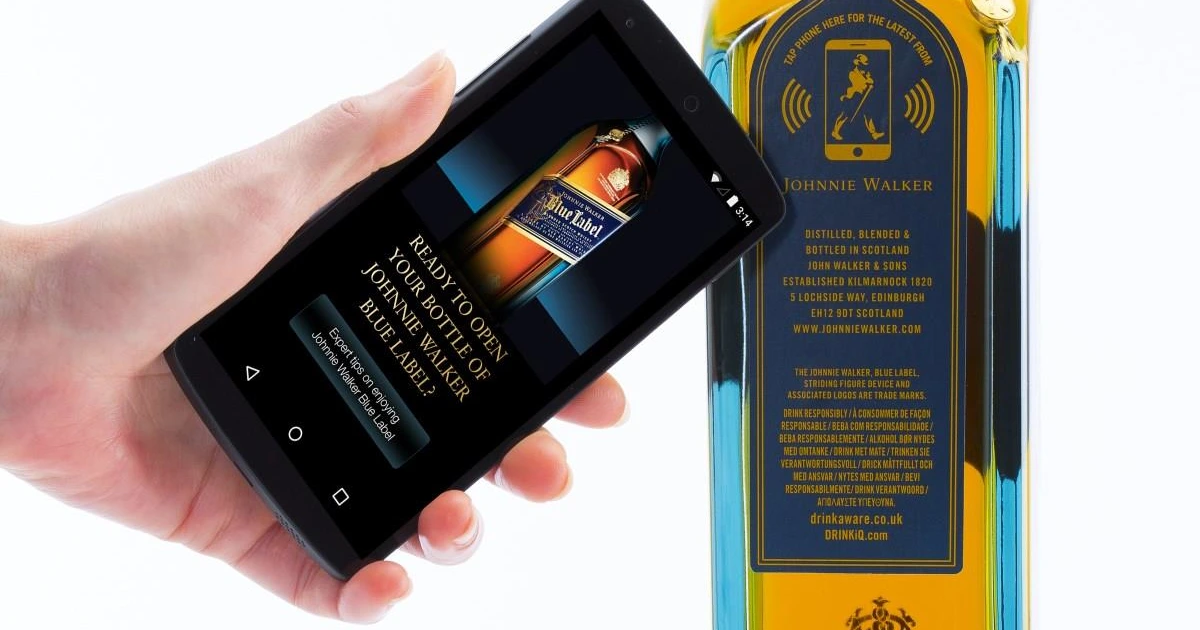
Johnnie Walker
Diageo's Johnnie Walker uses NFC tags for premium bottle authentication and consumer engagement.
The learning: NFC is justified when the price point supports the cost and the authentication use case is real. The tap is not a gimmick; it is a trust mechanism.
Emirates Macaroni
The UAE pasta manufacturer's recent packaging transformation was not a smart packaging project in the connected sense, but it illustrates the same principle: heritage cues were retained while the pack was modernised for contemporary shelf presence.
The learning for smart packaging is that the physical pack must still carry the brand before the digital layer is added. A QR code on a pack nobody picks up is a QR code nobody scans.
Planning a smart packaging project? Schedule a consultation, we will help you scope the interaction before you commit to the technology.
What is smart packaging?
Smart packaging is packaging that does more than contain and label a product. It either interacts with the product to extend shelf life, monitors and shows the product's condition, or connects the shopper to digital information through a QR code, NFC tag or similar. For most FMCG brands, the practical starting point is connected packaging, usually a well-planned QR code.
What is the difference between active and intelligent packaging?
Active packaging changes the conditions inside the pack, for example by absorbing oxygen or moisture to slow spoilage. Intelligent packaging does not change anything; it monitors and communicates, for example with an indicator that changes colour if a product has been exposed to high temperatures. Active packaging is mainly a materials decision. Intelligent packaging also needs careful graphic design.
Where should a QR code go on packaging?
Put it where it supports the moment you want: the back panel or near nutrition information for detail-seekers, inside the box for post-purchase engagement. Keep a clear quiet zone around it, print it in high contrast on a flat area, avoid tight curves and seams, and test-scan printed proofs on several phones before approving.
Is smart packaging worth it for small brands?
It can be, if the code has a clear job. A small brand gains little from a QR code that links to its homepage. It can gain from one that shows batch test reports, recipes, refill ordering or a warranty registration. The cost is low; the real cost is front-panel space and the effort of keeping the destination useful.
Want strategic branding and packaging like this for your business?