02
AI Snaps


01
Our Work
03
About Us
04
Brand Audit
05
Contact Us
06
Client Success
12
07
Blogs
08
Careers
Book A Call




Need Help In Building Your Brand?
Click the button below & book a call with our founder directly.

Rishabh Jain
Managing Director
A founder launches one product, then adds variants, categories and acquisitions. Three years later, the portfolio has grown, but the logic connecting its brands is unclear. This is a clear brand architecture gap.
This Confetti breakdown explores four brand architecture models, how Nestlé, LVMH, Tata apply them, and what growing brands should do before expansion turns confusion into complexity.
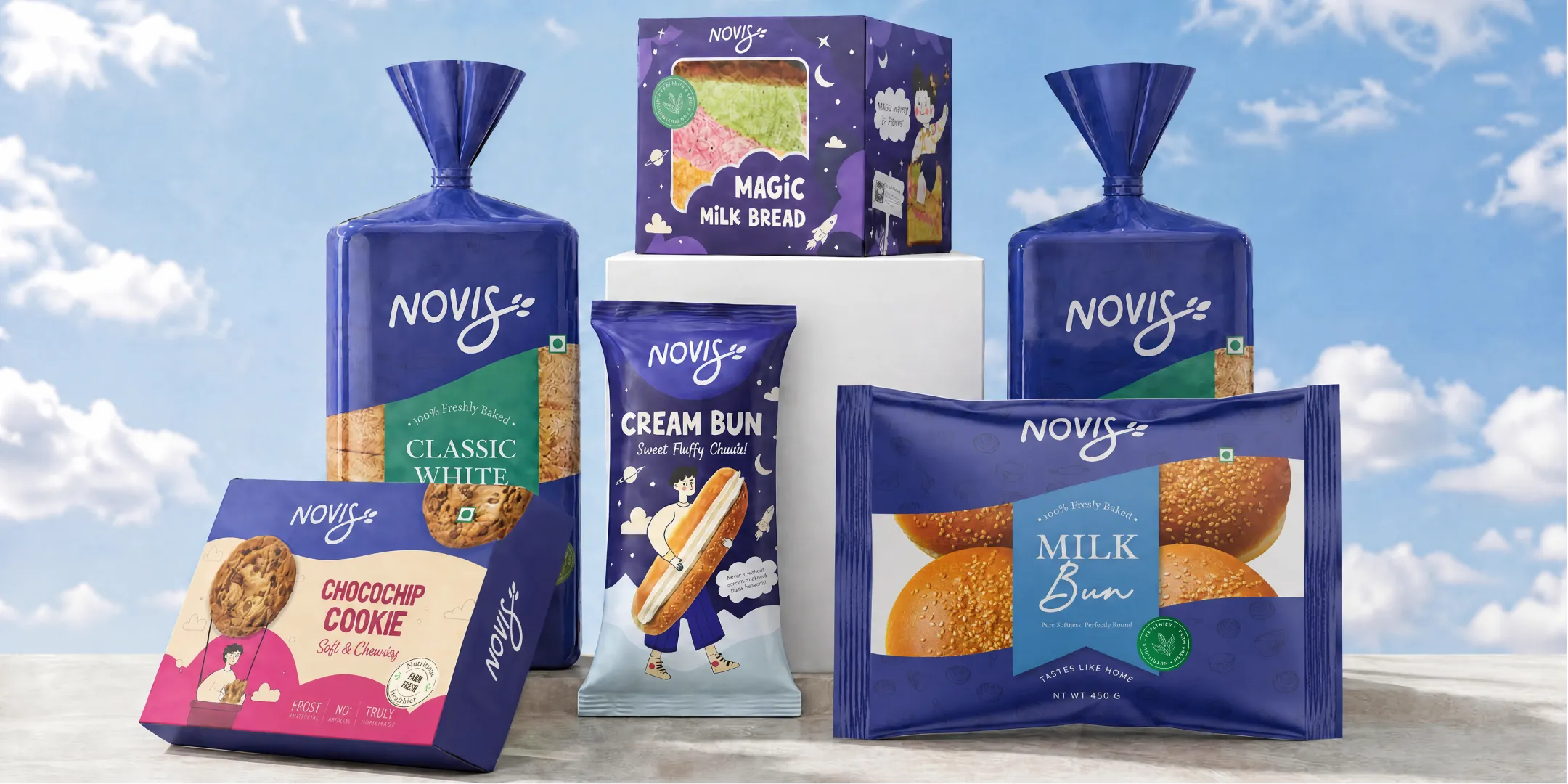
Brand architecture affects marketing investment, customer perception and how easily a company can expand. There are four commonly used structures
1. Branded House: One Name Across the Business
A branded house uses one master brand across products, services and divisions. For example, FedEx Express, FedEx Ground and FedEx Freight leverage the FedEx name for shared recognition and credibility.
This model concentrates marketing investment and works when offerings share compatible customer expectations.
However, reputational damage can spread across the business, and offerings with distinct positioning needs may struggle under one identity.
2. Sub-Brands: The Parent Leads, With Room for Differentiation
A sub-brand combines the master brand with a distinct product or service name. For example, Coca-Cola Zero Sugar leverages Coca-Cola’s recognition while communicating a clear product distinction.
Sub-brands extend existing brand equity while differentiating product variants, tiers or customer needs without requiring independent identities.
The risk, too many sub-brands can complicate the portfolio and dilute clarity.
3. Endorsed Brands: Independent Identity With Parent Reassurance
An endorsed brand leads with its own identity while the parent brand provides visible reassurance. For example, Courtyard by Marriott maintains a distinct hotel identity while benefiting from Marriott’s recognition.
This model works well for acquired businesses or offerings that need a distinct personality backed by the parent’s reputation.
The challenge here is maintaining consistent endorsement so customers understand the relationship and its value.
4. House of Brands: Independent Brands for Different Markets
A house of brands comprises largely independent brands, each with its own positioning, identity and target audience, while the parent company remains in the background.
Example: Unilever. Its portfolio includes brands such as Dove, Lux and Knorr, each targeting distinct customer needs and market segments.
This model allows brands to develop distinct personalities and serve diverse audiences without relying on a shared corporate identity. However, managing separate brand strategies, marketing budgets and identities increases complexity and cost.
Hybrid Architecture: Combining Models With a Clear Rule
A hybrid brand architecture combines multiple models within one company to serve different markets, audiences or business needs.
Example: Marriott International. It uses a portfolio of hotel brands, including Marriott Hotels, Courtyard by Marriott and The Ritz-Carlton, with varying degrees of shared identity and endorsement.
This approach offers flexibility across markets and acquisitions but requires clear governance to ensure consistent brand relationships and avoid portfolio confusion.
The Inherited Architecture: When No One Chose a Model
Many growing groups develop brand architecture organically through acquisitions and individual decisions rather than a shared strategy. Over time, inconsistent naming and parent-brand visibility can confuse customers, fragment marketing investment and create internal misalignment.
The solution is to map the existing portfolio, define each brand’s role and establish a clear structure for how the brands relate going forward.
The right brand architecture depends on where the business needs shared trust and where it needs independence. Choose a structure deliberately, explain why each brand occupies its position and establish rules that keep the portfolio coherent as the company grows.
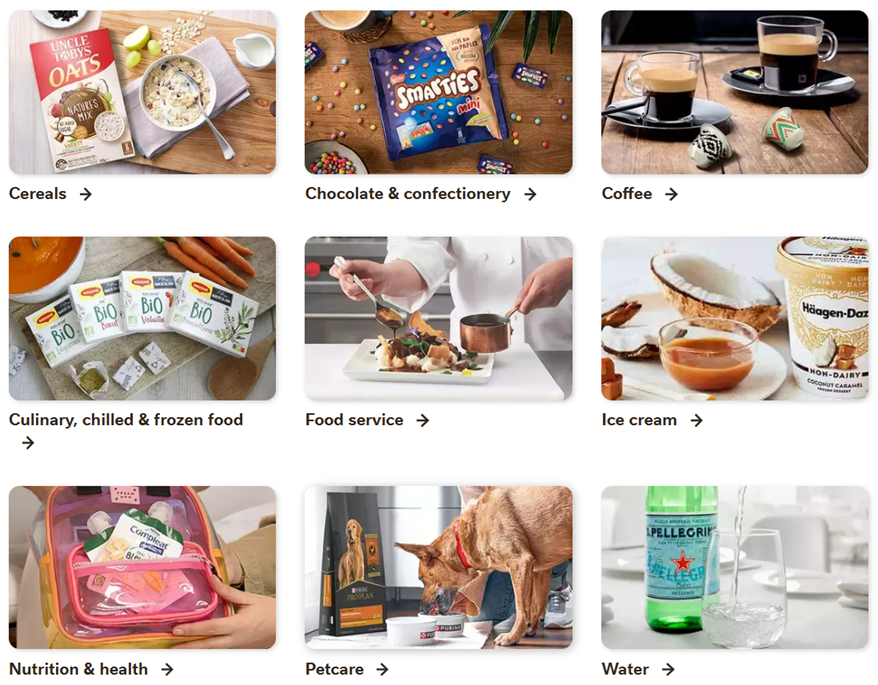
Nestlé does not follow one architecture like P&G or Unilever. It applies different systems for Nestle’s different brands and operates as both a corporate and a consumer brand.
The architecture changes by brand, by category, and by market.
1. Water: The Parent Name on Some Brands, Independent Identities on Others
Nestlé Pure Life uses the Nestlé name, while Perrier, S.Pellegrino and Acqua Panna lead with distinct brand identities.
Each brand has its own positioning: Pure Life emphasises trusted hydration, Perrier its French origins, and S.Pellegrino and Acqua Panna their Italian heritage and dining associations.
This shows how a portfolio can balance corporate endorsement with independent brand identities to serve different customer expectations and market positions.
2. Coffee: Shared Naming and Distinct Brand Identities
Nestlé’s coffee portfolio includes Nescafé, Nescafé Dolce Gusto, Nespresso and Starbucks Coffee At Home, serving different needs from everyday coffee to premium home-brewing experiences.
Nescafé Dolce Gusto extends the Nescafé name into a distinct coffee-machine system, while Nespresso maintains its own identity and premium positioning.
Starbucks Coffee At Home adds a partnership dimension, with Nestlé marketing Starbucks packaged coffee under a global licensing agreement.
The portfolio balances shared naming, distinct brand identities and licensing arrangements without forcing every offering into the same structure.
3. Pet Care: A Master Brand With Endorsed Range Brands
Nestlé’s pet-care portfolio uses Purina as a master brand to endorse ranges such as PURINA ONE and PURINA Pro Plan, which retain distinct identities while benefiting from Purina’s recognition.
This structure helps customers distinguish product ranges by their positioning and benefits while maintaining a clear connection to the parent brand.
Endorsement works since the parent provides meaningful reassurance and each range has a distinct, clearly defined role.
4. Confectionery and Food: Strong Individual Brands
KitKat and Maggi have established distinctive names, visual identities and customer associations within Nestlé’s wider portfolio. Customers often identify with these individual brands rather than the corporate name alone.
However, corporate ownership does not determine how prominently the parent brand appears on packaging. Its visibility can vary by product, market and format, so actual packaging should be examined alongside corporate websites.
💡What Growing Brands Can Learn from Nestlé
Nestlé’s portfolio combines distinct consumer brands, shared naming, master-brand endorsement and licensed partnerships to meet different market needs.
The lesson for growing businesses is to define deliberately how visible the parent brand should be, where individual brands need independence and how partnerships should be represented.
As the portfolio grows, document clear rules for parent-brand visibility, endorsement, acquired brands and naming conventions. Good brand architecture gives every brand a clear role and makes the relationships between brands intentional rather than accidental.

Tata Consumer Products shows how a company can use different brand architecture models across its portfolio and markets. Some products lead with the Tata name, some combine it with a distinct product identity, and others operate under established names without making the parent brand central to consumer communication.
Parent-Led Brands for Everyday Categories
In India, Tata Salt, Tata Sampann and Tata Tea use the parent name as a prominent part of their identity. The Tata name provides recognition, while the product name tells customers what they are buying.
The parent name supports products in familiar, frequently purchased categories. Customers benefit from existing recognition, while the company can extend the brand into related products.
Premium Lines With Distinct Identities
Some products need to communicate a more specialised proposition without losing their connection to the parent business.
1868 by Tata Tea uses a distinct name and premium positioning for its curated tea collection. Similarly, Sonnets by Tata Coffee presents premium coffee sourced from Tata Coffee's estates. The parent connection provides context, while the individual name helps distinguish the product and its experience.
This structure is useful when a company wants to move into a higher-value segment without making the new offering indistinguishable from its everyday range.
Independent Brands With Their Own Equity
Tetley, Eight O’Clock Coffee, Teapigs and Good Earth Tea have distinct brand positioning in their respective markets. Ching’s Secret and Smith & Jones, part of the Capital Foods portfolio, bring established identities to sauces, seasonings and ready-to-cook products.
These brands need not follow the same approach as Tata Salt or Tata Tea. Their established recognition, category associations and customer relationships have value of their own.
For acquired brands, retaining the established name preserves existing brand equity. The parent name should be added or emphasised only when it strengthens the customer proposition.
Why Geography Changes the Decision
The Tata name carries substantial recognition in India, but an established brand such as Tetley may already have strong customer awareness in the UK or Canada.
For a company expanding across borders, the choice is whether to retain the existing name, introduce the parent as an endorsement or create a new market-specific identity. Each option affects packaging, naming, visual hierarchy and marketing investment.
The same question applies to smaller businesses entering new markets. A brand that works well at home may need a clearer explanation of its origin, a local descriptor or a more flexible identity system abroad.
💡What Growing Brands Can Learn From Tata
The lesson for growing brands is that a hybrid is not a failure of discipline. It is a discipline, provided the rule is explicit. A founder who launches a new brand under the parent for one category and a new name for another is not being inconsistent.
They are making a category-specific decision.
The problem is when the decision is never written down in the form of brand guidelands and the next launch has to reinvent the logic from scratch.
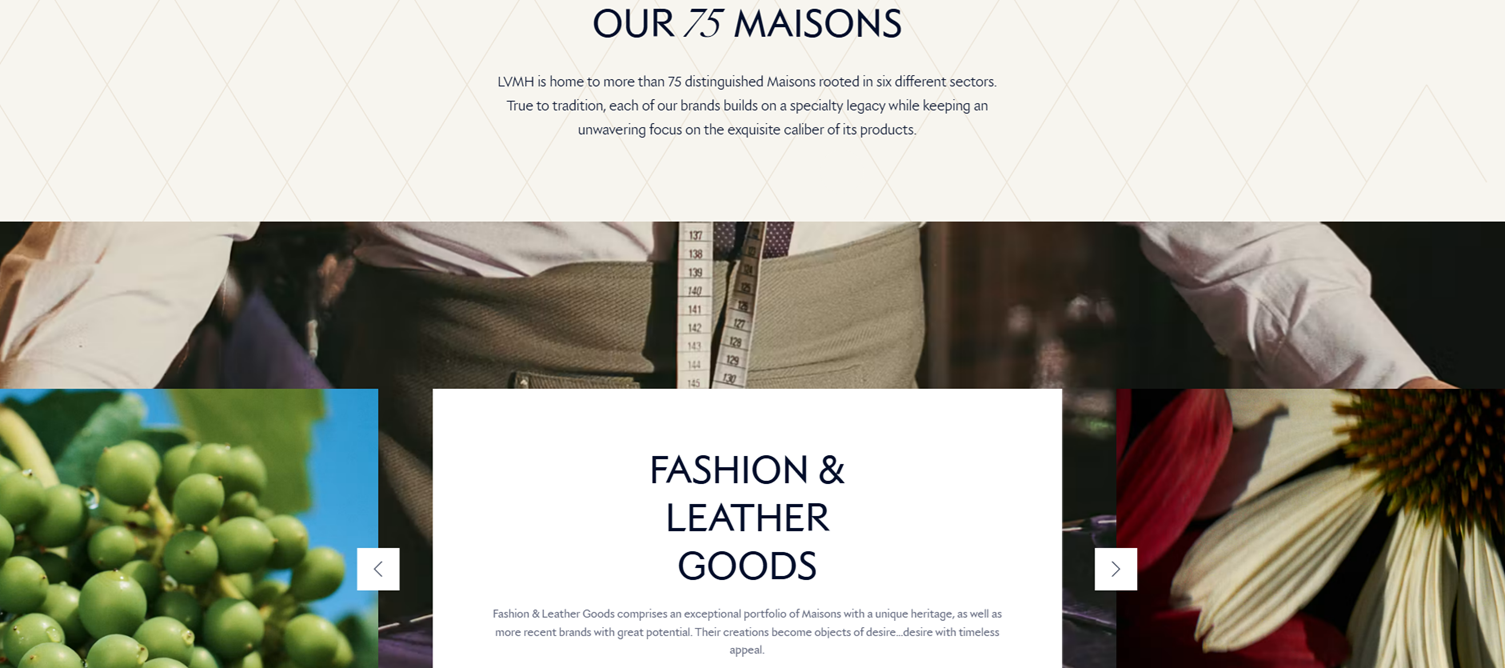
LVMH and Kering both operate as houses of brands, giving individual luxury houses their own names, identities and customer relationships.
The difference lies in the breadth of their portfolios and how the groups organise their businesses behind those brands.
LVMH: A Broad Portfolio of Independent Luxury Houses
They operate 75 maisons across fashion, leather goods, watches and jewellery, wines and spirits, and selective retail, with a retail footprint exceeding 6,300 stores.
The architecture is a house of brands in the consumer-facing sense: Louis Vuitton, Dior, Tiffany, Bulgari, Moët, and Hennessy each carry their own name and equity.
The parent provides capital discipline, shared infrastructure, and portfolio management, but it does not endorse on the product.
The advantage is diversification. The group can develop brands with different customer bases and business models without forcing them into one shared identity. The challenge is managing a large portfolio of distinct businesses while preserving what makes each one valuable.
Kering: A More Concentrated Portfolio With Shared Group Capabilities
Kering also allows its luxury houses to maintain independent consumer identities, including Gucci, Saint Laurent, Bottega Veneta, Balenciaga, McQueen and Brioni. Its jewellery portfolio includes Boucheron, Pomellato, DoDo and Qeelin. Kering's official portfolio outlines these distinct houses.
Like LVMH, Kering does not rely on a single consumer-facing master brand across its luxury products. Each house maintains its own positioning and identity, while the parent group manages the wider business.
Both companies use a house-of-brands approach, but their portfolio strategies differ. LVMH's wider range provides exposure across more categories, while Kering's portfolio places greater weight on a smaller group of major fashion houses.
💡Lesson for Growing Brands from Luxury Conglomerates
A house of brands requires more than separate logos. Each brand needs a distinct market position, a defined portfolio role and sufficient investment to operate independently.
Without shared infrastructure, clear governance or distinct strategies, managing multiple brands may simply mean running separate businesses.
Before adopting this model, define the parent company’s contribution, how each brand will be funded and managed, and whether separate identities create enough strategic value to justify their cost.
Give brands independence where the market demands it and build shared capabilities where the business benefits.

Works best when the offerings serve related needs, share a consistent promise and benefit from the same reputation. It concentrates marketing investment, but it also means that a problem with one offering can affect the wider brand
Careem: The Dubai-founded technology platform has used the Careem name across services such as rides and other everyday needs. This tells us how a growing regional business can extend one consumer-facing identity across related services rather than building awareness for each from scratch.
Apple: iPhone, iPad, Mac, Apple Watch and Apple Music all benefit from the Apple name. Customers can move between categories without having to learn an entirely new brand.
FedEx: FedEx Express, FedEx Ground and FedEx Freight use a shared identity with service descriptors. The parent brand communicates the overall promise of delivery, while the descriptors explain the differences between services.
Google: Search, Maps, Gmail and Drive operate under the Google name. The shared identity makes the products feel connected and helps users move between them.

This is better when customers need to distinguish between offerings but the parent brand still adds meaningful recognition. Avoid creating a new sub-brand for every minor feature or variant; each should have a clear purpose.
Coca-Cola Zero Sugar: The Coca-Cola name carries recognition, while Zero Sugar clearly distinguishes the product proposition from the original.
Nescafé Dolce Gusto: The shared Nescafé name connects the coffee-machine and capsule range to an established coffee brand, while Dolce Gusto gives it a distinct identity and experience.
Apple Music: The Apple name connects the service to the wider ecosystem, while Music identifies its specific function. This is a simple example of a master brand supporting a clearly defined offering.
Emirates Skywards: The loyalty programme uses the Emirates name to connect rewards and frequent-flyer benefits to the airline. The additional name identifies a distinct service within the broader brand experience.
Tabby: The regional buy-now-pay-later business has extended its name into related offerings, including Tabby Card. The shared name helps connect the product to the existing service, while the additional descriptor explains what the customer is getting.
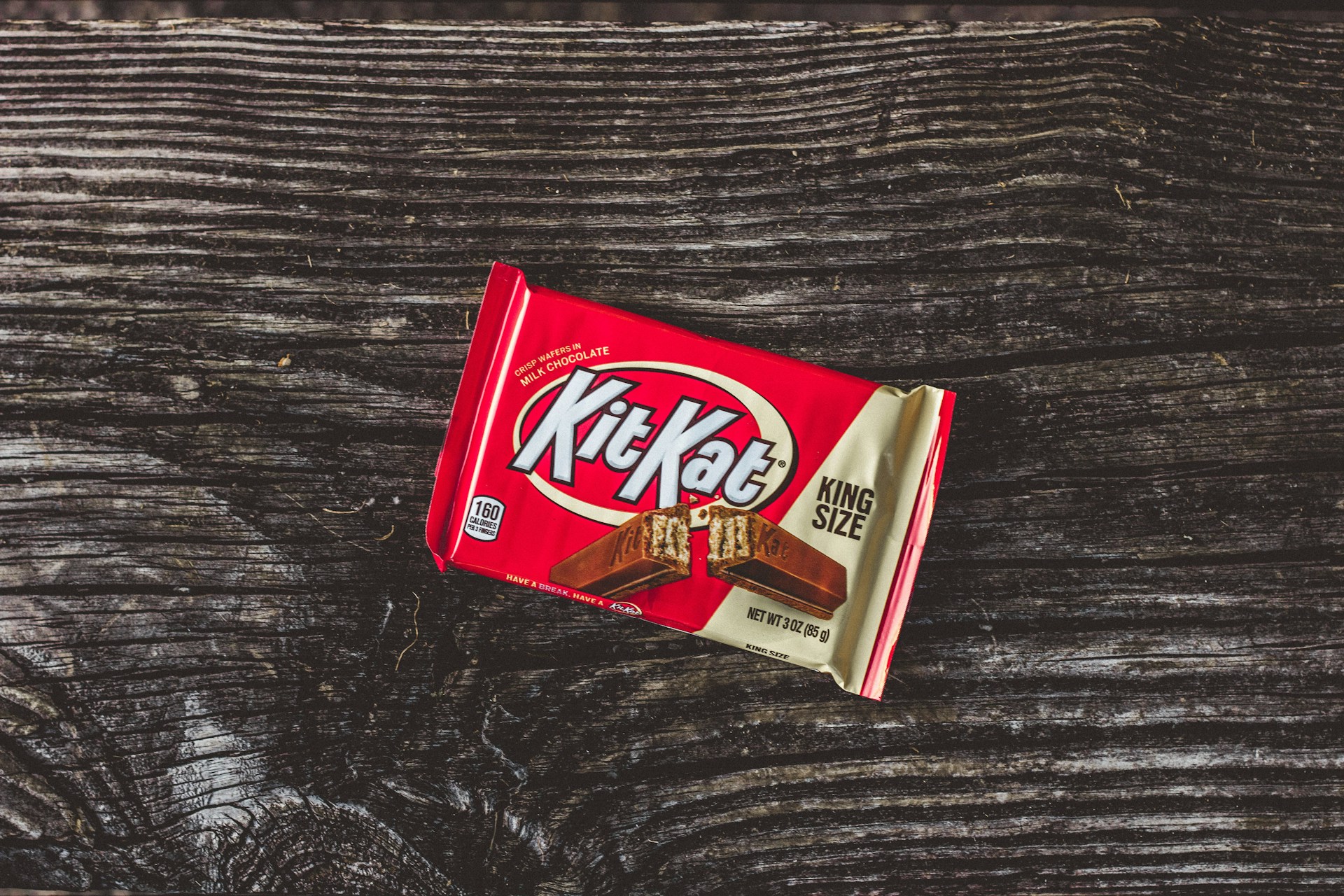
Choose endorsement when an individual brand already has value or needs a distinct personality, but the parent can add trust, distribution strength or credibility. Define how prominently the endorsement appears and apply that rule consistently.
Courtyard by Marriott: Courtyard has its own hotel positioning, while Marriott provides group recognition. This lets Courtyard serve its intended market without having to look or feel like every other Marriott hotel brand.
Post-it by 3M: Post-it is the name customers recognise for notes and related products, while 3M provides corporate backing. The endorsement supports credibility without replacing the product brand.
KitKat and Nestlé: KitKat leads with its own recognisable identity, while Nestlé can provide a secondary corporate endorsement on packaging. The exact prominence of that endorsement varies by product and market.
Address Hotels + Resorts: The UAE-originated hospitality brand operates within Emaar Hospitality's portfolio. Address maintains its own premium identity while its relationship with Emaar provides corporate context and backing. Emaar Hospitality's hotel brands.

Use a house of brands when different customer groups need distinct propositions or when acquired brands have valuable identities worth preserving. The trade-off is cost: each brand needs investment, management and a clear role in the portfolio.
Procter & Gamble: Tide, Ariel, Pampers, Gillette and Oral-B each have their own positioning and marketing. The corporate name does not need to lead every product's communication.
Unilever: Dove, Hellmann's, Ben & Jerry's and Surf Excel speak to different product categories and customer needs. Each can build its own identity rather than sharing one consumer-facing brand.
Diageo: Johnnie Walker, Guinness, Smirnoff, Tanqueray and Baileys have distinct brand stories, heritage and price positioning. Consumers typically choose the individual spirits brand rather than looking for Diageo on the front of the pack.
Agthia Group: The Abu Dhabi-based food and beverage group owns a portfolio that includes Al Ain Water, Grand Mills, Al Foah and other brands across water, food, snacking and agriculture. These brands address different categories and markets under a wider corporate owner. Agthia's brand portfolio.
A hybrid is useful when different parts of the business have different needs. But it requires clear rules: decide which offerings use the master brand, which receive an endorsement and which retain independent identities. Without those rules, the portfolio can become inconsistent and expensive to manage
Alphabet: Google uses a shared master brand across many consumer products, while businesses such as Waymo have their own identities under the Alphabet corporate structure. Different businesses can therefore maintain different levels of connection to the parent.
Amazon: Amazon leads across its retail ecosystem and services such as Prime, while businesses such as Whole Foods Market and Zappos retain distinct identities. Its architecture reflects both shared-brand extensions and businesses with their own customer recognition.
Disney: Disney operates Disney-branded entertainment and experiences alongside distinct brands such as Pixar, Marvel and Lucasfilm. The portfolio benefits from shared ownership without forcing every property to adopt the Disney identity in the same way.
Majid Al Futtaim: The UAE-based group operates across retail, shopping malls, entertainment and leisure. Its portfolio includes VOX Cinemas, Magic Planet and City Centre malls, alongside its operation of Carrefour in its markets. These offerings do not all use the same consumer-facing identity, making the group a useful regional example of a diversified portfolio. Majid Al Futtaim's business history.
Honasa Consumer: The growing Indian consumer business has built a portfolio that includes Mamaearth, The Derma Co., Aqualogica and Dr. Sheth's. These brands address different skincare and personal-care propositions rather than relying entirely on one consumer-facing name. It illustrates how a relatively young company can build a multi-brand portfolio as it expands across segments.
Brand strategy decks you get show architecture as a tree diagram.
Your shoppers see a front panel, a shelf or a product tile on a phone, and the architecture is whatever those show them.
1. Logo Hierarchy on the Front Panel
The size and placement of brand names signal which identity leads.
There is no universal logo-size ratio. The right balance depends on the model, product category and pack format. A hierarchy that works on a 500 g pouch may not work on a 30 ml bottle. Set clear rules for different pack sizes so the relationship remains consistent.
2. Visual Cues That Connect or Separate Brands
Brands can look related without sharing the same name. Colour logic, typography, layout grids and recurring graphic elements can signal that products belong to the same portfolio.
The level of visual connection should reflect the architecture. Too little resemblance can make an endorsement feel meaningless. Too much can blur the distinction between brands targeting different buyers or price segments.
For a house of brands, each identity may need its own visual system. In a branded house or sub-brand system, shared elements can make the portfolio easier to recognise.
3. Legal Disclosures Are Not Brand Endorsements
A parent company appearing in the manufacturer details does not automatically mean the product is an endorsed brand.
For example, EU food information rules require the name and address of the responsible food business operator. Indian packaged goods must also carry applicable manufacturer, packer or other responsible-party declarations under relevant labelling rules.
These disclosures serve a legal purpose. Making the parent company more prominent on the front panel changes how consumers perceive the relationship. Keep regulatory information clear, but treat brand endorsement as a separate strategic decision.
4. Two Brands From One Company, Designed Differently
Confetti’s work for Cookwell and NutriPro illustrates how one company can support distinct brand identities.
Cookwell, a kitchen appliance brand in Indian homes since 1995, received a warm, familiar visual identity. The work evolved its existing logo rather than replacing it, preserving recognition while refreshing the brand.
NutriPro, developed from Cookwell Domestic Appliances, received a separate, technology-led identity using crimson, charcoal and electric accents, with Whyte InkTrap and IBM Plex Mono typography.
The distinction reflects different audiences and brand positioning. The parent company does not need to impose one visual language across every product it owns.
5. The Three-Second Packaging Test
A pack should make three things clear without explanation:
Test the pack at actual shelf size and as a small online product image. If customers cannot identify the product or understand the brand relationship, revisit the hierarchy before rolling the design out across SKUs.
Growing businesses don't really need the complexity of Nestlé or P&G. What they need is a clear rule for deciding whether the next product should extend an existing brand, become a sub-brand or launch under a separate identity.
▶️Start With a Branded House
For many growing businesses, a single master brand with product descriptors or simple sub-brands is a sensible starting point. It concentrates marketing spend, customer reviews, recognition and repeat purchases under one name.
Add a separate brand only when there is a clear business reason. Every new identity requires investment in awareness, marketing and distribution before it can build recognition of its own.
▶️When Should You Use a Different Model?
Scenario 1: A new category, same audience
A snack brand launching a drink for the same customers may be able to extend its master brand into the new category. A sub-brand can help if the product needs a distinct identity.
A good branding agency will help you figure out whether the existing brand gives the new product an advantage with its target audience. If the connection feels natural to customers, a separate identity may add unnecessary cost.
Scenario 2: A premium or value tier
A premium range may need a more refined identity, while a value range may need to communicate affordability. If both sit directly under the master brand, the positioning of one can affect how customers perceive the other.
A distinct sub-brand or endorsed brand can create separation while retaining some connection to the parent. Nestlé's varied approach to its water brands illustrates how different positioning can call for different levels of parent-brand visibility, even within a much larger portfolio.
Retailers launching their own product ranges face a related decision. Our guide to private label branding explores how these brands establish their own positioning.
Scenario 3: Different audiences, conflicting expectations
Imagine a skincare brand known for gentle, natural ingredients launching a clinical range built around high-strength actives. The existing brand promise may not fit the new product's positioning.
A separate identity may help each range communicate clearly. Honasa Consumer's Mamaearth and The Derma Co. illustrate how a company can build distinct brands for different skincare propositions.
However, a separate brand only makes sense if the business can fund its marketing, distribution and ongoing development. A different visual style within the existing brand may be enough.
Scenario 4: Entering a new country
Before expanding internationally, assess whether the existing name and identity will help or hinder the launch. Consider local brand recognition, pronunciation, meaning, cultural associations and how the identity works across languages and scripts.
In markets such as the UAE, also plan for Arabic and English packaging, local labelling requirements and retail expectations. A new identity is not automatically necessary: if the parent brand has transferable value, adapting the existing system may be more effective than starting from scratch.
▶️Build Rules That Survive the Next Five Launches
Before approving a new product or brand, answer four questions:
Document these rules before the next launch. Otherwise, each addition becomes a one-off decision, and the portfolio gradually loses coherence.
Finally, audit the packaging as well as the organisation chart. The architecture must work on a shelf, in an online product listing and across different pack sizes. Customers experience the brand system through these touchpoints, not through the strategy deck.
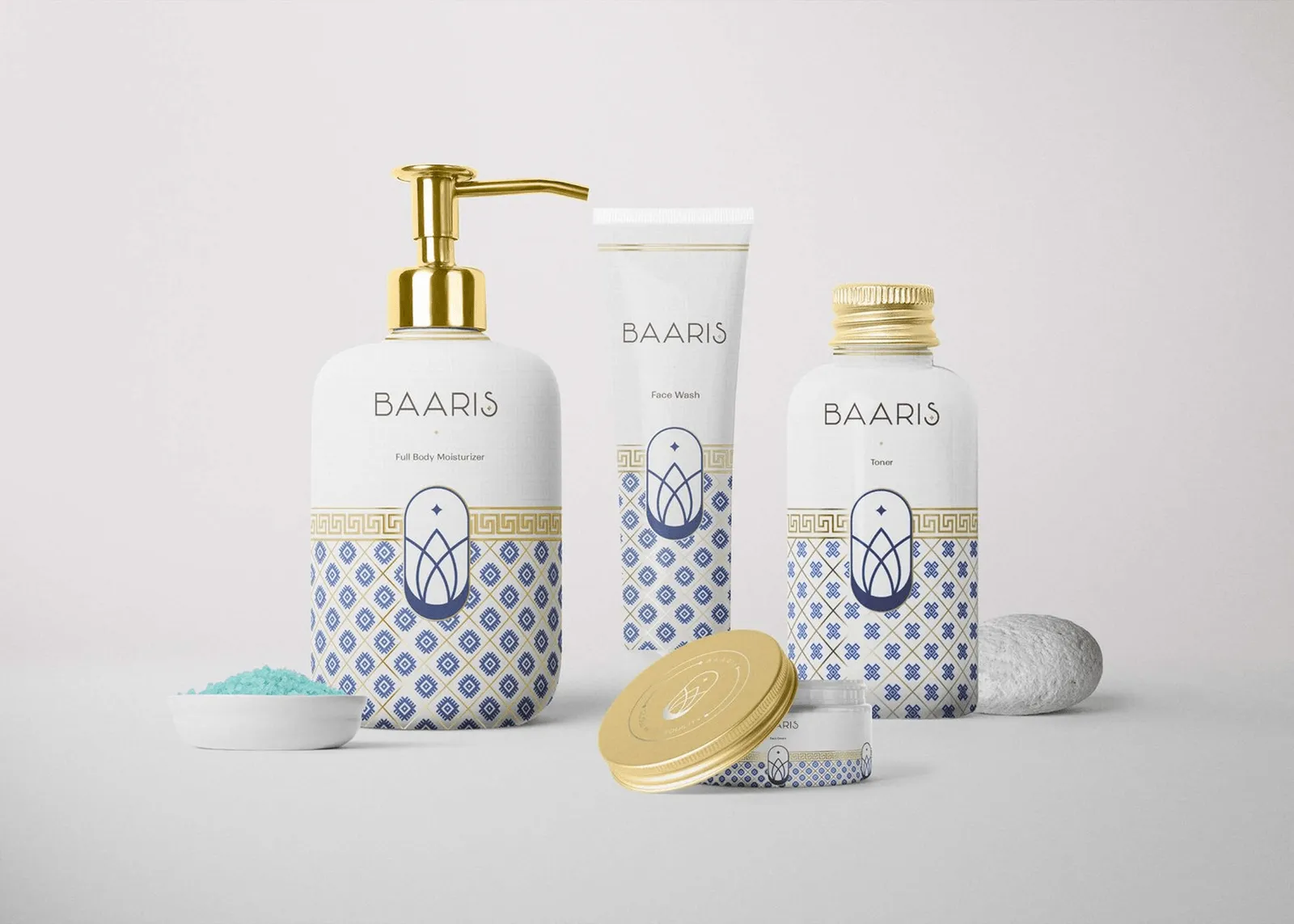
At Confetti, brand architecture connects business strategy to what customers see on the pack. Our process focuses on making brand relationships clear today and easier to manage as the portfolio grows.
Our work spans different portfolio challenges. For Cookwell and NutriPro, we developed distinct identities for different audiences within one company. For ITC's Bingo Chatpat Kairi, we extended a snack brand into beverages. For The Indus Valley, we developed a product-first packaging hierarchy designed to accommodate future SKUs and market expansion.
Not every portfolio needs a complete restructure. Sometimes, clearer naming rules, consistent logo relationships and updated packaging guidelines are enough. We scope the work to address the actual problem.
What is brand architecture?
Brand architecture is how a company organises the relationship between its parent brand, sub-brands and products: which names appear, how prominently, and how they relate on pack, online and in retail. The four standard models are branded house, sub-brands, endorsed brands and house of brands. Most real portfolios mix them, which is called a hybrid.
Which companies use more than one brand architecture model?
Nestlé uses several models in one portfolio. Nestlé Pure Life and Nescafé carry the parent name, while Perrier, S.Pellegrino and Acqua Panna stand alone in the same water category. Purina runs its own family of Purina-named products. Tata Consumer Products mixes Tata-named brands, endorsed lines such as 1868 by Tata Tea, and independent brands such as Tetley.
Which brand architecture is best for a small or growing brand?
Usually a branded house or simple sub-brands. One name concentrates all marketing, reviews and retail listings into a single brand. A separate brand makes sense only when a new product's audience, price point or category would clash with the existing name, and when the business can fund building a second brand properly rather than splitting a small budget.
How does brand architecture show on packaging?
It shows up in how prominent each name is on the front panel, where the parent logo sits, whether products share a colour and layout system, and how the range reads on a shelf or an online grid. Architecture decided on paper but not written into packaging guidelines tends to drift with every new SKU and designer.
When should a company change its brand architecture?
Review it when you launch into a new category, price tier or audience, acquire or merge with another brand, enter a new country, or notice that customers confuse your products. A hybrid that grew by accident, with naming and logo rules that differ from one product to the next, is usually the clearest sign that a review is overdue.
Want strategic branding and packaging like this for your business?