%201.webp)
02
AI Snaps
.svg)
.svg)
01
Our Work
03
About Us
04
Brand Audit
05
Contact Us
06
Client Success
12
07
Blogs
08
Careers
Book A Call
.svg)



.svg)
Need Help In Building Your Brand?
Click the button below & book a call with our founder directly.

Rishabh Jain
Managing Director
You received three brand identity package proposals ranging from $5,000 to $45,000. They look comparable because they use the same words like logo, guidelines, brand identity but the scope beneath varies enormously.
This is your guide to brand identity package deliverables you must look for. Learn what a complete brand identity package should include, what is often excluded, and how to evaluate two proposals against each other so you can make the right decision.
A brand identity package is not just a collection of logo files, colours and fonts. It must connect strategic decisions to visual design and practical use.
Here are the three layers that help you compare agency proposals and identify missing deliverables.
Layer 1: Strategy
This is the foundation and defines who the brand is, who it serves, what it stands for, and how it differs from competitors. Strategy answers the questions that design cannot answer on its own: Who are we? Who are we for? Why should anyone care? What is our competitive position?
Layer 2: Visual and verbal identity
This is the layer most people associate with brand identity. It includes the logo, colour palette, typography, imagery style, and brand voice. These are the tangible expressions of the strategy, the elements that make the brand recognisable and consistent across every touchpoint.
Layer 3: Applications and guidelines
Guidelines explain how to use the identity correctly. Applications show how it works in practice, from websites and social media to packaging, stationery and marketing materials. The required applications depend on your business.
How does a brand package differ from a brand kit?
A brand kit usually provides quick-reference assets such as logo files, colours and fonts. A corporate identity package traditionally focuses more on business stationery and organisational applications.
A brand identity package can cover a broader system, depending on the agreed scope.
When you receive a proposal, identify which layers are included. If a proposal skips straight to logo concepts without any strategic groundwork, that is a red flag. If it delivers a beautiful identity but no guidelines or applications, you are paying for assets you cannot maintain.
The strategy layer is where the brand's foundation is built. It is the decision making framework that shapes every design choice that follows.
The purpose of this stage is to establish what the brand needs to communicate, to whom, and why its identity should look and sound the way it does.
Not every brand needs an extensive strategy engagement. However, every identity project needs clear, agreed answers to a few essential questions before design begins.
☐ Target audience definition: Who the brand serves, what those buyers need, what influences their decisions and what builds their trust. Demographics alone are not enough.
☐ Competitive review: An assessment of relevant competitors, their positioning, messaging and visual language, with opportunities for differentiation identified.
☐ Brand positioning statement: A written explanation of the target audience, category, value proposition and meaningful difference from alternatives.
☐ Core brand promise and proof points: What the brand commits to delivering and what supports that promise. This gives the identity a credible foundation.
☐ Brand personality: A small, defined set of traits that can guide visual and verbal decisions, rather than a generic list of adjectives.
☐ Messaging direction: The main message the brand needs to communicate and the principles governing its tone of voice. A complete messaging framework can be scoped separately, but the identity team needs clear communication direction.
☐ Documented strategic direction: An approved reference document recording the decisions above, their rationale and how they should guide the design.
☐ Mission, vision and values: Useful for a new business, repositioning or a brand with unresolved fundamentals. Existing, meaningful statements may simply need review.
☐ Customer research and detailed personas: Appropriate when audience understanding is limited or the project involves a major market change. Research depth should match the business question and budget.
☐ Naming and tagline development: Include these when the name or tagline is still being developed. They are not automatically part of a visual identity package.
☐ Brand architecture: Essential when a business has multiple brands, sub-brands or product lines that need a clear relationship. Less relevant to a simple, single-offer business.
☐ Detailed messaging framework: Useful when multiple teams, channels or product ranges need consistent communication.
👉Ask the agency which essential decisions it will develop, which existing materials it will use, and which optional services are excluded. A short alignment workshop may be enough when the strategy is already clear.
The visual identity system translates your brand strategy into recognisable visual elements. A complete package should provide the core assets and usage rules needed to apply the identity consistently.
Additional elements depend on your business, channels and production requirements.
☐ Logo system: Primary logo, necessary secondary variations, and a simplified brand mark or icon where appropriate.
☐ Logo usage rules: Clear space requirements, minimum sizes and guidance for use on light, dark and coloured backgrounds.
☐ Colour palette: Defined primary, secondary and supporting colours, with HEX and RGB values for digital use and CMYK values for print.
☐ Typography system: Primary and supporting typefaces, with a hierarchy for headlines, body text and other key information.
☐ Imagery direction: Documented guidance for photography, illustration and image selection that supports the brand's positioning.
☐ Supporting graphic elements: Any distinctive patterns, shapes, illustrations or other devices needed to make the identity work as a coherent system.
☐ Brand guidelines: A written document explaining how to use the logo, colours, typography and supporting elements, including examples of correct and incorrect usage.
☐ Asset handover: Delivered in the source file formats your team will actually use, vector files (AI, EPS, SVG) for scalability, print-ready PDFs for production, and PNGs for digital. Font files should be included where licensing permits.
☐ Extended logo variations: Additional lockups, sub-brand marks, animated logos or specialist production versions.
☐ Pantone and substrate-specific colour specifications: Useful when colour consistency matters across packaging materials, finishes or different print suppliers.
☐ Extended typography guidelines: Detailed digital specifications, multilingual typography rules or additional typefaces for editorial and campaign use.
☐ Custom iconography and illustration: Bespoke icons, patterns, illustrations or graphic assets beyond the core identity system.
☐ Photography and art direction: Detailed shoot briefs, commissioned photography, image sourcing or art direction for campaigns.
☐ Application designs: Packaging, stationery, social media templates, presentations, advertising assets or website design.
☐ Advanced brand guidelines: Detailed rules for multiple product lines, markets, teams and external production partners.
☐ Brand portal or asset library: A central resource for managing files, guidelines and approved templates across a larger organisation.
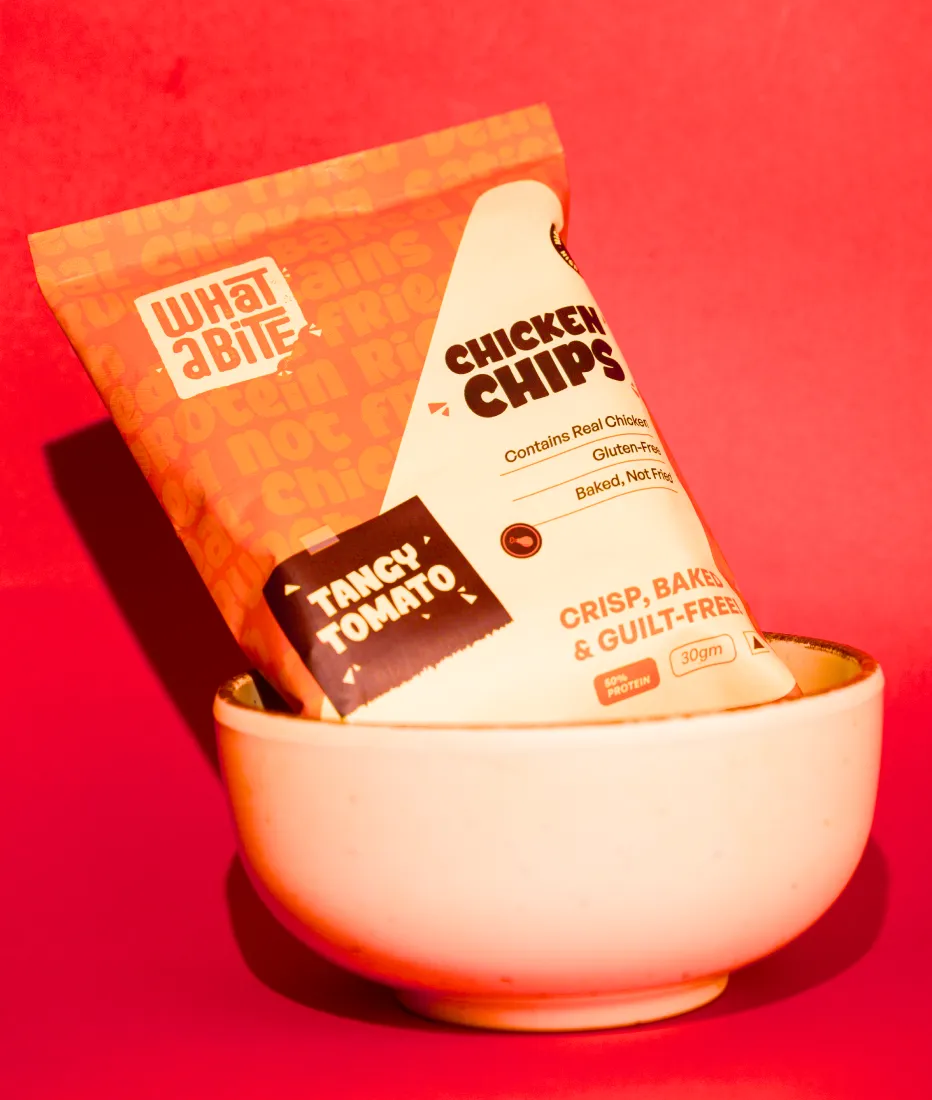
For House of Anasha, a natural skincare brand, blue was chosen for the logo to communicate calm and luxury, while the Cormorant typeface supported a premium feel. This illustrates the link between positioning and visual execution: design choices should have a clear rationale, not simply reflect personal preference.
The visual identity system typically represents around 40–55% of a total project fee. The complexity and number of deliverables determine the cost.

Talk to our team about what your range actually needs.
Book A Call
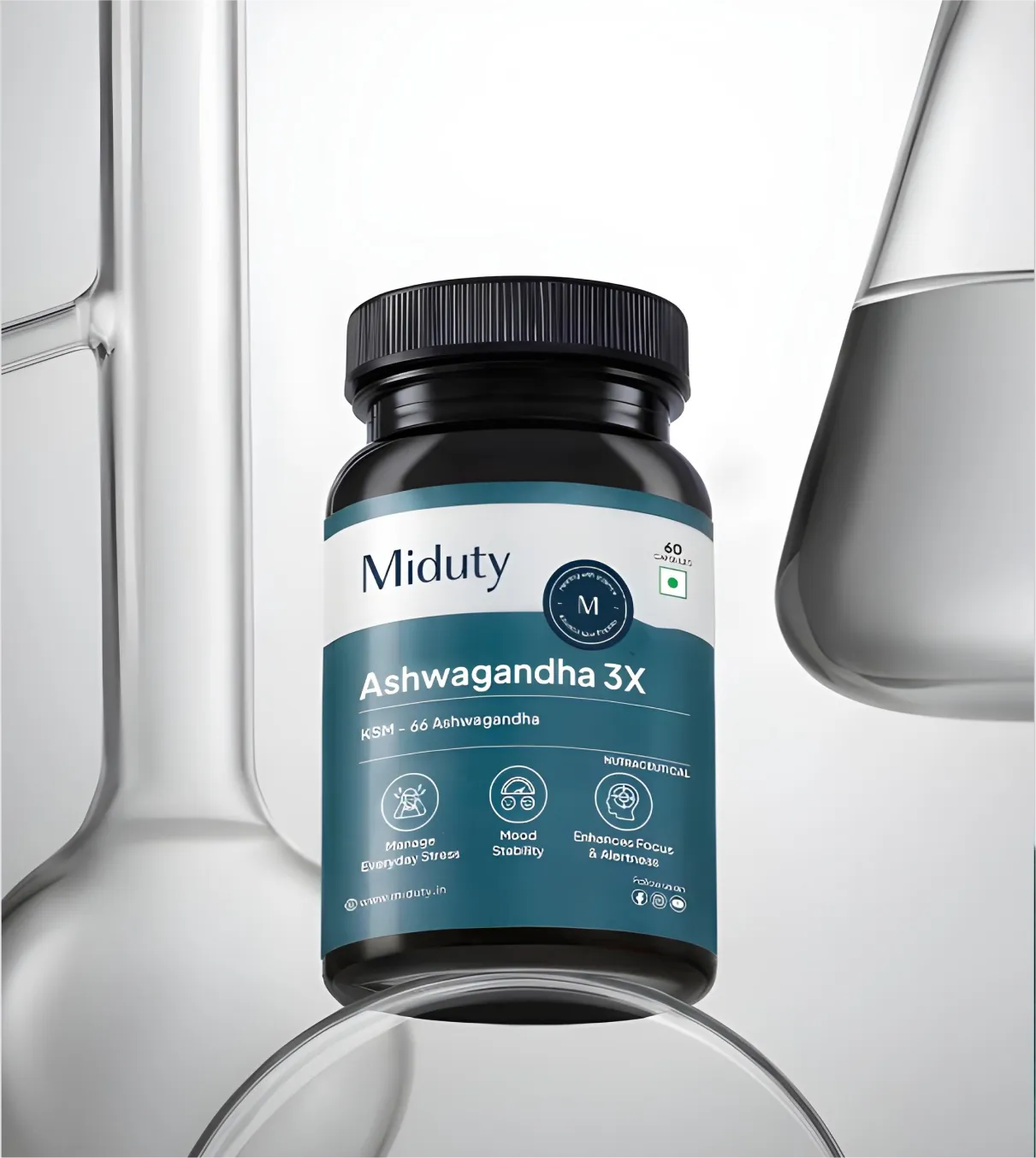
If you sell physical products, your brand identity package must include packaging deliverables or you will be paying for them later.
☐ Packaging design for agreed formats: Artwork for the required bottle, jar, box, pouch, tube or other packaging format.
☐ Front-of-pack hierarchy: Clear placement rules for the brand name, product name, variant, key information and supporting visuals.
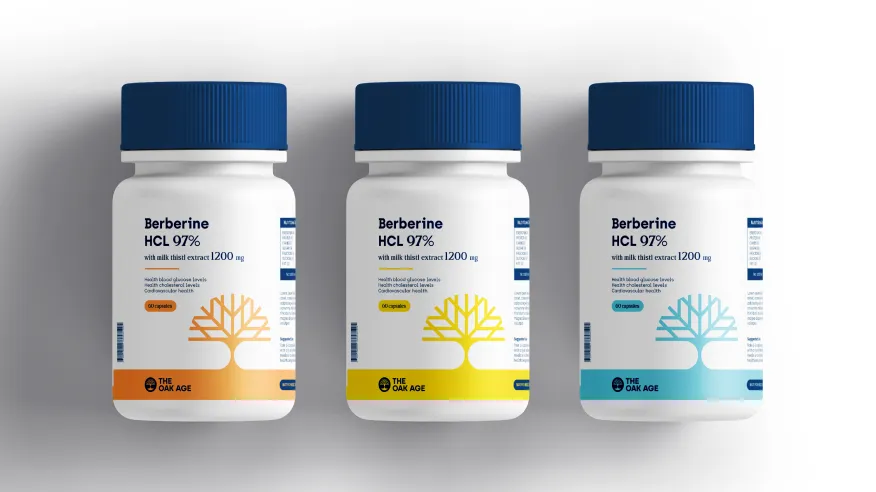
☐ Variant and SKU system: Documented rules for differentiating products by flavour, size, benefit, colour or other relevant attributes.
☐ Packaging information layout: Planned areas for product descriptions, ingredients, instructions, barcodes and other required information, as applicable to the product and market.
☐ Regulatory panel layout: Space and hierarchy for mandatory declarations, warnings, certifications and other applicable information. Confirm who supplies and approves the regulatory copy.
☐ Verified dielines: Artwork built on the manufacturer's or printer's approved dieline for each agreed format.
☐ Print-ready artwork: Production files prepared to the printer's specifications, including the required bleed, colour settings and other prepress details.
☐ Packaging handover files: Final artwork, agreed editable source files and documented specifications needed for future production or adaptation.
☐ Structural packaging design: Box construction, opening mechanisms, protective inserts, material selection and prototypes.
☐ Material and finish specifications: Paper or board grades, laminations, foil, embossing and other finishes, including production specifications where required.
☐ Extended SKU architecture: Templates and adaptation rules for future variants, multipacks, gift sets or new product categories.
☐ Physical proofing and production support: Pre-production sample review, printer coordination, artwork corrections and press checks, where agreed.
☐ E-commerce and marketplace assets: Product hero images, secondary listing images and templates designed for small-screen visibility.
☐ Retail and channel adaptations: Packaging variations for different retailers, distribution channels or market requirements.
☐ Market-specific compliance adaptation: Additional label layouts and artwork changes for export markets, based on the applicable local requirements and approved regulatory copy.
👉Ask whether the agency is designing one pack or building a system that can accommodate future products.
Packaging design, structural engineering, regulatory approval and production management are separate responsibilities. Confirm which are included, which require specialist partners and which will be billed
Every brand identity proposal has a scope boundary. Here are some deliverables not included:
Website design and marketing collateral
A brand identity package may define how your brand looks online without including website design, development or CMS integration. Similarly, brochures, pitch decks, trade show materials, advertising campaigns and social media templates may be priced separately.
Ask what “digital assets” actually covers.
Photography, copywriting and content production
Brand guidelines can establish an image style and tone of voice without including the actual photography or copy. Product shoots, video production, full website copy, product descriptions and campaign content are often separate scopes.
Confirm whether the agency provides only direction or also produces the assets.
Packaging production and technical work
For product brands, packaging design does not automatically include printing, structural engineering, custom container development or production management. A mock-up is not a manufactured pack, and approved artwork does not mean printing costs are covered.
Clarify who coordinates with printers and suppliers, and whether physical proofing is included.
Licensing, legal work and revisions
Font licences may cost extra, depending on the typeface and intended use. Trademark searches and registration are separate legal services, not standard design deliverables. Additional revision rounds may also incur fees.
Check what counts as a revision and what constitutes a change in scope.
Rollout and ongoing support
A package may end with the identity guidelines, leaving future SKU adaptations, campaign artwork and brand management to your internal team or a separate engagement. For a large product range, these costs can add up.
Ask whether rollout support is available and whether adaptations can be priced per SKU or as a defined block of work.
The important comparison is the total cost of getting the brand ready to use, not just the initial identity fee. Two proposals with different exclusions cannot be compared fairly on price alone.
Not every business needs the same scope. A pre-seed startup and a Series B company have different requirements. A single-product brand and a multi-SKU portfolio have different complexity.
Here is a framework for choosing the right scope based on your business situation.
What determines where you sit:
👉Choose the scope that matches your next 12–24 months, not your current state. A brand identity system designed for today will be outgrown tomorrow. A brand identity system designed for where you are going will scale with you.
Comparing proposals means checking what each agency will deliver, not simply choosing the lower price. Use the same criteria to evaluate both.
Compare scope, not just cost
Map each proposal against four layers: strategy, visual identity, guidelines and applications such as packaging or stationery. Mark every deliverable as included, excluded or unclear. A lower quote may cover only visual identity, while a higher one includes strategy, packaging templates and implementation support. These are different scopes, not necessarily different prices for the same work.
Questions to ask both agencies
Clarify these points before signing:
Check the handover and exclusions
Confirm that the final handover includes the agreed logo files, colour specifications, guidelines, editable source files and, where applicable, packaging artwork and dielines. Clarify whether unused concepts remain with the agency and whether future SKU adaptations are billed separately.
A mock-up is not production-ready artwork, and editable files do not automatically include third-party licences.
Freelancer or studio?
A freelancer may be sufficient when your positioning is settled, the product range is small and your team can manage production. A studio may offer better coordination for multiple SKUs, packaging formats, markets or decision-makers. Choose based on the complexity of the work and the support you need.
Compare the total cost
Ask each agency to price any missing deliverables you will need after launch. Compare the cost of making the brand ready to use, not just the initial fee. For context, US branding packages can range from a few thousand dollars to over $100,000, depending on scope and agency. Rates vary by market, so use local quotes to plan your budget.
At Confetti, we build brand identity packages around your business needs, product range and growth plans.
The scope depends on what is already in place and what your brand needs to work consistently across products and channels.
For product brands, we start with discovery and an SKU and content inventory where needed. Strategy and positioning guide the verbal and visual identity. Packaging and digital applications follow, with guidelines developed around how the identity works across real formats. The process works best when you appoint one final decision-maker and provide current packaging, product range details and relevant sales information.
We include what others exclude. Packaging, applications, source files, guidelines that people actually use. We scope projects so that you leave with everything you need to maintain the brand.
We build for the next stage, not just the current one. A brand identity designed for a single product will break when you launch a second. A brand identity designed for one channel will break when you enter another. We design for where you are going, so the system holds up as you grow.
We have delivered over 200 brand projects across FMCG, food and beverage, beauty, fashion, and lifestyle categories. We understand what brands need at every stage, from pre-seed startups to established companies entering new markets.
If you'd like a second opinion on a proposal you have in hand, or help scoping one, book a call with our team. We'll look at your range, formats and plans and tell you what we think the project needs, including when that is less than a full package.
What is included in a brand identity package?
A complete brand identity package has three layers: strategy (positioning, audience, personality, verbal identity), the visual identity system (logo suite, colour, typography, imagery, graphic elements) and the guidelines that govern them. For product brands it should also include packaging templates and rules for future SKUs. Many low-cost packages cover only the visual layer, so check the scope line by line.
What is the difference between a brand identity package and a brand kit?
A brand kit is usually a short reference file: logo files, colour codes and fonts, often stored in a tool like Canva. A brand identity package is the full project that produces those assets, plus the strategy behind them and the guidelines for applying them. The kit is one output of the package, and it can't replace the package.
How much does a brand identity package cost?
Prices vary widely by scope and partner. It can range from $1,000 to more than $100,000, with freelance packages usually at $1,000 to $5,000 and high-end agency work at $50,000 or more. The bigger cost drivers are strategy, the number of SKUs and pack formats, and how many markets the identity must serve.
Does a brand identity package include packaging design?
Not by default. Many packages include the logo, colours and guidelines, and quote packaging separately. For FMCG and D2C brands, that split often causes problems, because the identity is never tested on a real pack. Ask whether the proposal includes packaging templates, a variant system and print-ready artwork, or only mock-ups of how packs might look.
How long does a brand identity project take?
Timelines depend on scope. A visual identity with settled positioning moves faster than a project that starts with research and strategy. Packaging adds time for dieline work, print proofs and printer coordination. The biggest variable is usually internal: how quickly decision-makers give consolidated feedback. Ask any partner for a stage-by-stage timeline with review points before you sign.
Want strategic branding and packaging like this for your business?





.webp)
.webp)

.webp)
.webp)
.webp)
.webp)
.webp)







.svg)
.webp)