02
AI Snaps


01
Our Work
03
About Us
04
Brand Audit
05
Contact Us
06
Client Success
12
07
Blogs
08
Careers
Book A Call




Need Help In Building Your Brand?
Click the button below & book a call with our founder directly.

Rishabh Jain
Managing Director
Luxury branding in the GCC keeps the global codes of luxury, such as craft, scarcity, consistency and service, and adds four regional adjustments.
This Confetti guide serves luxury brands entering the Gulf, homegrown founders, and family groups across fashion, fragrance, beauty, jewellery, gourmet food and hospitality. We cover branding essentials, four-dial calibration, our approach, and planning.
The GCC is an important growth market for luxury brands, but it is not one uniform audience.
Each country has its own market dynamics, retail environment and cultural context.
Strong luxury branding starts with understanding these differences rather than applying the same global identity everywhere.
Mordor intelligence suggests that the GCC luxury goods market which was USD 15.02 billion in 2025, is expected to grow to about 26.66 billion in 2031.
Clothing and apparel dominated the segment, while by country, the United Arab Emirates accounted for 48.15% of revenue in 2025, and Saudi Arabia is projected to grow at a CAGR of 10.05% through 2031.
These figures point to opportunities but growth also means more competition for consumer attention.
UAE is the globalised luxury hub. Dubai’s international reach, dense flagship retail and globally exposed consumers make it a highly competitive market. Success depends on standing out in a crowded, design-literate landscape.
Saudi Arabia allows for heritage-driven growth. A young, expanding market shaped by Vision 2030 rewards brands that reflect Saudi pride and cultural identity. Trust matters, and imported playbooks rarely work.
Kuwait and Qatar require equally deliberate market planning. Their smaller market shares do not make them interchangeable; pricing, retail partnerships, customer relationships and positioning need to reflect local conditions.
Also, the high-net-worth buyer is not the loudest buyer.
Much of the luxury conversation focuses on Gen Z and creators, but the consumers driving the greatest spend and deepest loyalty in the Gulf are the established ultra-high-net-worth individuals, multigenerational family decision-makers, and the quietly affluent 35–50 demographic whose relationship with luxury is rooted in meaning.
The smartest brands build a dual architecture: maintaining cultural conversation with younger audiences while deepening the relationship with those already spending at the highest levels.
Luxury branding extends beyond visual identity. In the GCC, boutiques, personalised service, packaging, gifting and digital touchpoints all contribute to the customer experience.
Brands need a consistent identity across both channels, with local adaptations that preserve their core positioning.
📌A luxury brand entering the GCC must decide which buyer it is for in each market, not which buyer it wishes it were for. The UAE rewards global fluency and speed.
Saudi rewards heritage and patience. Kuwait and Qatar reward relationship depth. A single positioning can hold across all three, but the expression must be calibrated market by market.
Luxury packaging design principles such as craftsmanship, heritage, exclusivity and consistent quality matter in the GCC, just as they do in other markets.
But a global luxury identity must show an understanding of the customers and culture it enters.
Craft, provenance, scarcity, and restraint are legible to a Gulf buyer who has been exposed to the world’s best brands.
The codes are not the problem, the problem is the assumption that the codes are sufficient.
A brand that arrives with a European heritage story and no local relevance is relying on borrowed belonging, the sense that the brand is desirable because it belongs to a world the customer aspires to, rather than because it belongs to the customer’s world.
The Gulf buyer expects the brand to understand the region.
Cultural fluency: Arabic should be treated as part of the design system, not added as an afterthought. Typography, layout, imagery and language need to work naturally across Arabic and English.
Hospitality and discretion: For many luxury customers, the experience extends beyond the product to personalised service, private appointments and thoughtful attention. Brands should consider how their retail and customer service experiences reflect these expectations.
Gifting and occasions: Ramadan, Eid, weddings and family celebrations create important opportunities for luxury purchases. Packaging, limited editions, gifting collections and campaign calendars should reflect these occasions without reducing the culture to decorative motifs.
Local identity: Some customers want brands that recognise regional heritage and contemporary Gulf culture. Understanding those expectations helps international brands connect without relying on generic symbols such as crescents, dunes or excessive gold detailing.
Common mistakes include English-only communication, poorly adapted Arabic wordmarks, generic regional imagery and launch calendars that overlook important local occasions.
These choices can make a brand feel unfamiliar or insufficiently considered.
At Confetti, the starting point for luxury branding in Dubai and the wider GCC is understanding how the brand will be perceived locally.
That means assessing its existing identity, identifying cultural and commercial gaps, and building a market-specific expression around a consistent global core.
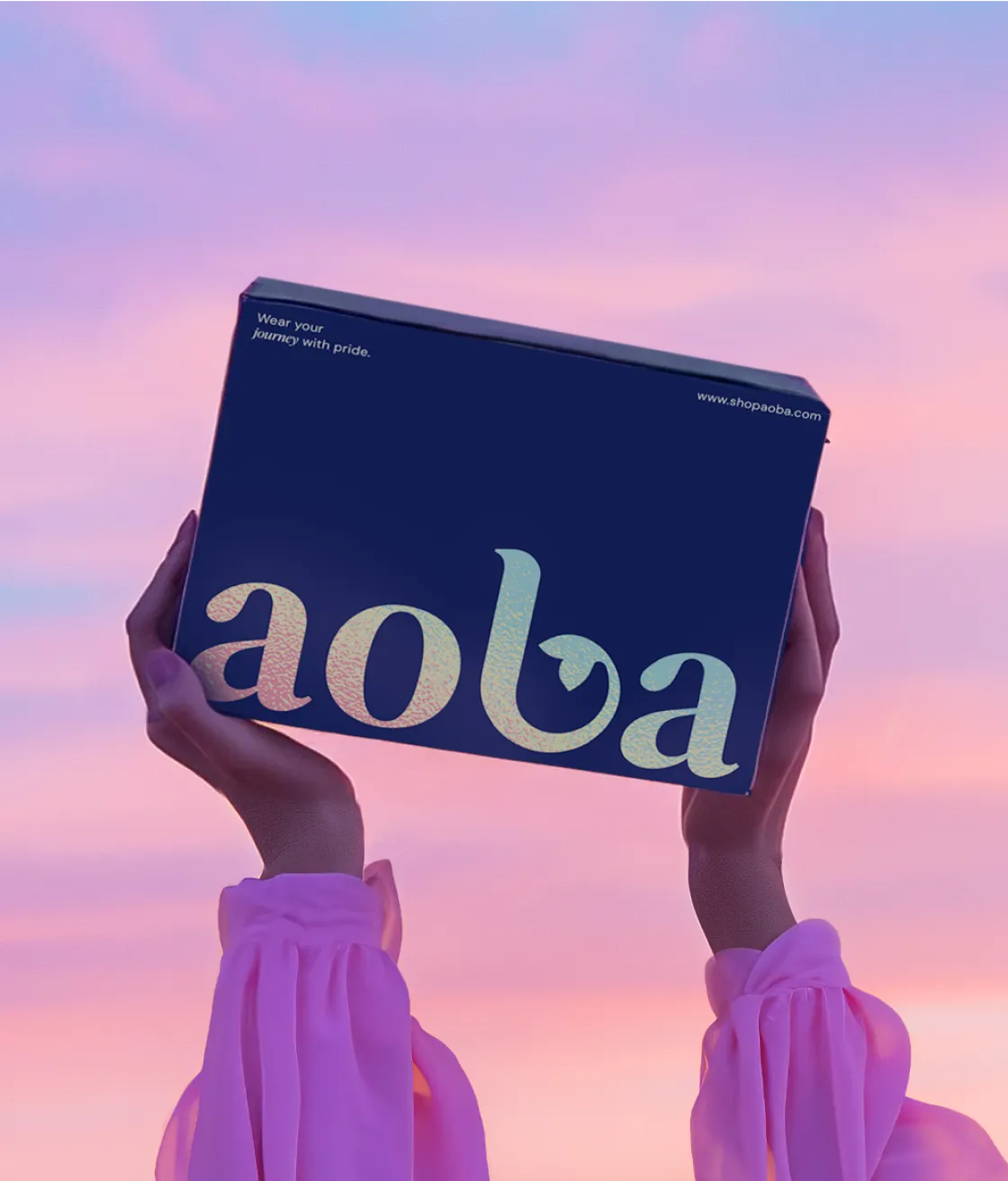
A luxury brand does not need a different identity for every Gulf market. It needs a consistent core and a clear way to adapt its expression.
Four dials help:
Decide how the brand identity should balance global luxury codes with regional relevance.
Arabic typography, local materials, heritage references and campaign imagery should have a clear purpose rather than being added decoratively.
The core identity stays recognisable, while language and visual expression respond to the market.
Build Ramadan and Eid into the annual brand plan, alongside weddings, corporate gifting and relevant national occasions.
Saudi Founding Day on 22 February and National Day on 23 September may also provide opportunities for appropriate local campaigns.
Seasonal packaging should feel consistent with the brand rather than like a separate identity.
Calibration extends beyond store design. Consider private appointments, personalised recommendations, gift wrapping, delivery presentation and after-sales service.
Physical experience remains an important part of the luxury proposition.
Local partnerships, knowledgeable teams, high-quality Arabic communication and market-specific service help demonstrate that a brand intends to build lasting relationships, not just make sales.
Imagine a niche fragrance house with a contemporary identity and a range that includes oud-based fragrances.
The logo, core colours, typography and brand promise would remain consistent. Language, campaign emphasis, gifting formats and service would change.
📌Set these four dials for each target market before developing campaigns, packaging or retail assets.
This gives local teams room to adapt while protecting the recognition, quality and positioning that make the brand distinctive.


Some of the most useful lessons in GCC luxury branding come from regional brands that have built premium value around local ingredients, craftsmanship, cultural identity and customer experience.
Saudi fashion brand Abadia combines contemporary design with traditional crafts such as Sadu weaving and Naqda embroidery.
It supports artisan communities and became the first Saudi label on Net-a-Porter in 2023.
Lesson: heritage creates value when it is built into the product and supply chain, not added as a marketing theme.
UAE-born beauty brand AÏZA brings Arab ingredients and beauty rituals together with modern skincare and haircare formulations.
Its positioning shows how regional heritage can differentiate a brand without replacing product performance.
Customers get both a recognisable cultural story and a reason to believe in the products.
Bateel turned dates, a familiar regional food, into a gourmet gifting and retail experience.
Its boutiques, presentation and product development demonstrate how quality, packaging and controlled retail experiences can reposition an everyday product at a premium price.
Shiffa, a Dubai-based luxury beauty brand, was founded by physician Dr Lamees Hamdan, who has said she combined her know-how as a doctor with natural remedies.
The lesson from the brand is founder expertise, stated precisely, can carry a luxury price.
📌These businesses do not share one visual style. They share a principle: make the cultural story credible through the product, experience and execution.
For brands entering the GCC, that means understanding local context first, then translating it into distinctive design, considered gifting and consistent customer experiences.
Regional relevance should strengthen the luxury proposition, not sit on top of it as decoration.
Positioning a luxury brand in the GCC must focus on claiming a territory that the market recognises as legitimately premium and that the brand can defend operationally.
A positioning built on local heritage alone can be authentic but limited in its global reach. The strongest GCC luxury positionings sit at the intersection: a specific cultural truth expressed in a globally legible way.
Abadia’s craft storytelling is legible in Riyadh and in Selfridges because the craft is specific and the design is modern.
AÏZA’s A-beauty positioning is legible in the Gulf and in Ulta because the heritage is named and the efficacy is proven.
A premium positioning that is not backed by the supply chain, the service model, and the packaging quality is a claim that will be tested and found wanting.
The Gulf buyer is not a passive recipient of a positioning. They compare, they handle, and they ask. The brand that cannot answer with evidence will not hold the price.
Luxury positioning is eroded by distribution leakage and discounting, not just by competition.
A brand that appears in the wrong channel or at the wrong price has told the customer that the premium was negotiable.
In the GCC, where gifting and tourism create multiple price contexts, the discipline of selective distribution is part of the positioning, not a separate commercial decision.
At Confetti, we see luxury positioning in the GCC as a strategic challenge. It starts with defining what makes a brand distinct and what justifies its price.
This shapes the identity, packaging, channels, and gifting experience, with design bringing the strategy to life.
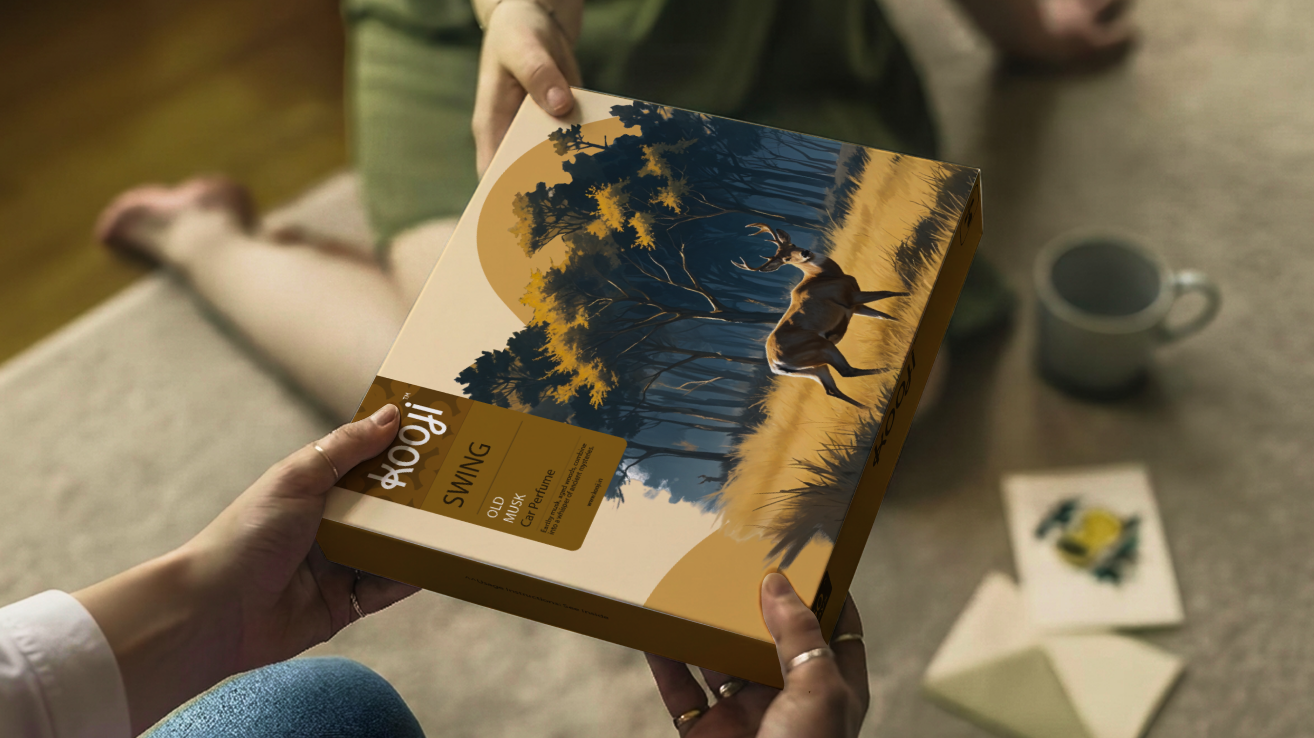
In the GCC, luxury packaging is part of the product experience. For gifting occasions, the box, materials, personalisation and presentation can matter as much as the item inside.
Brands need a system that works for everyday sales and seasonal demand without losing recognition.
Keep the core identity consistent: logo, typography, primary colours and defining brand elements.
Create a flexible seasonal layer for Ramadan, Eid, national days and weddings, allowing approved changes to patterns, colours, messages and limited-edition details.
Set rules for these changes in advance. This helps teams create fresh seasonal designs without rebuilding the identity every year.
Luxury packaging should feel considered from the first touch to the final reveal.
Rigid boxes, magnetic closures, ribbon pulls, premium finishes, reusable structures and personalised messages can make a product more giftable.
Cultural references need the same care. Arabic calligraphy, Islamic geometry and regional materials should have a meaningful role in the design rather than being added as decoration.
UAE packaging manufacturer Shabouk, for example, draws on Emirati heritage in its rigid-box designs. The broader lesson is to make cultural references relevant to the brand and product.
Heat, humidity, transport and storage conditions can affect adhesives, coatings and structural integrity. Test materials and finishes in realistic conditions so packaging arrives in the same condition in which it left the boutique.
Luxury does not remove labelling obligations. Cosmetics, food and confectionery must meet the requirements of each market, including applicable language, ingredient, warning and certification rules. Plan the required information into the artwork rather than squeezing it in after design approval.
For bilingual brands, both scripts need deliberate design treatment. The Arabic wordmark should match the craft and visual weight of the English version, while layouts must accommodate both writing directions and preserve legibility.
The goal is packaging that remains recognisable year-round, feels appropriate for important occasions and delivers the same quality from the shelf to the recipient's hands.
Cultural intelligence is the ability to read what a market considers premium, why, and how that changes by city and by generation.
Arabic calligraphy is a design material: The script has its own proportions, joins, and rhythms. The brands that get this right design the Arabic and Latin marks in parallel, so neither is subordinate.
Islamic geometry is a system: Geometric motifs can be applied as decoration or used as a structural logic that governs layout, packaging, and spatial design. The difference is whether the geometry is doing work or filling space.
Hospitality is a brand behaviour: The Gulf luxury experience is shaped by service that anticipates rather than reacts, and by privacy as a form of respect. The brand must treat service as a cultural expectation.
National pride is a positioning asset: Saudi consumers respond to heritage-driven storytelling aligned with national transformation. Emirati consumers respond to brands that signal commitment to the local market, not just presence in it.
Luxury customers in the GCC move between social media, e-commerce, boutiques and personal service.
Each touchpoint should feel like part of the same brand, with local adaptations that make the experience relevant.
Arabic should be built into the digital experience, not added as a translation option.
Websites, product pages, social templates and customer support need to account for Arabic typography, right-to-left layouts and natural language.
Materials, lighting, scent, seating, product presentation and private consultation areas all communicate the brand's positioning.
A global identity can remain consistent while the retail experience reflects the market through locally relevant art, hospitality and gifting.
The aim is to make the brand feel established in the region rather than simply transplanted into it.
Personal service is particularly important for brands building long-term customer relationships.
Define how teams greet customers, offer recommendations, arrange private appointments, present gifts and handle after-sales requests.
Include Arabic and English service guidance, examples of appropriate language and clear standards for discretion and personalisation.
% Arabica audit highlights how minimalist store design, a focused menu and consistent presentation can reinforce a premium position without relying on seasonal gimmicks.
The lesson is not to copy its minimalism, but to make every touchpoint express the same brand principles.
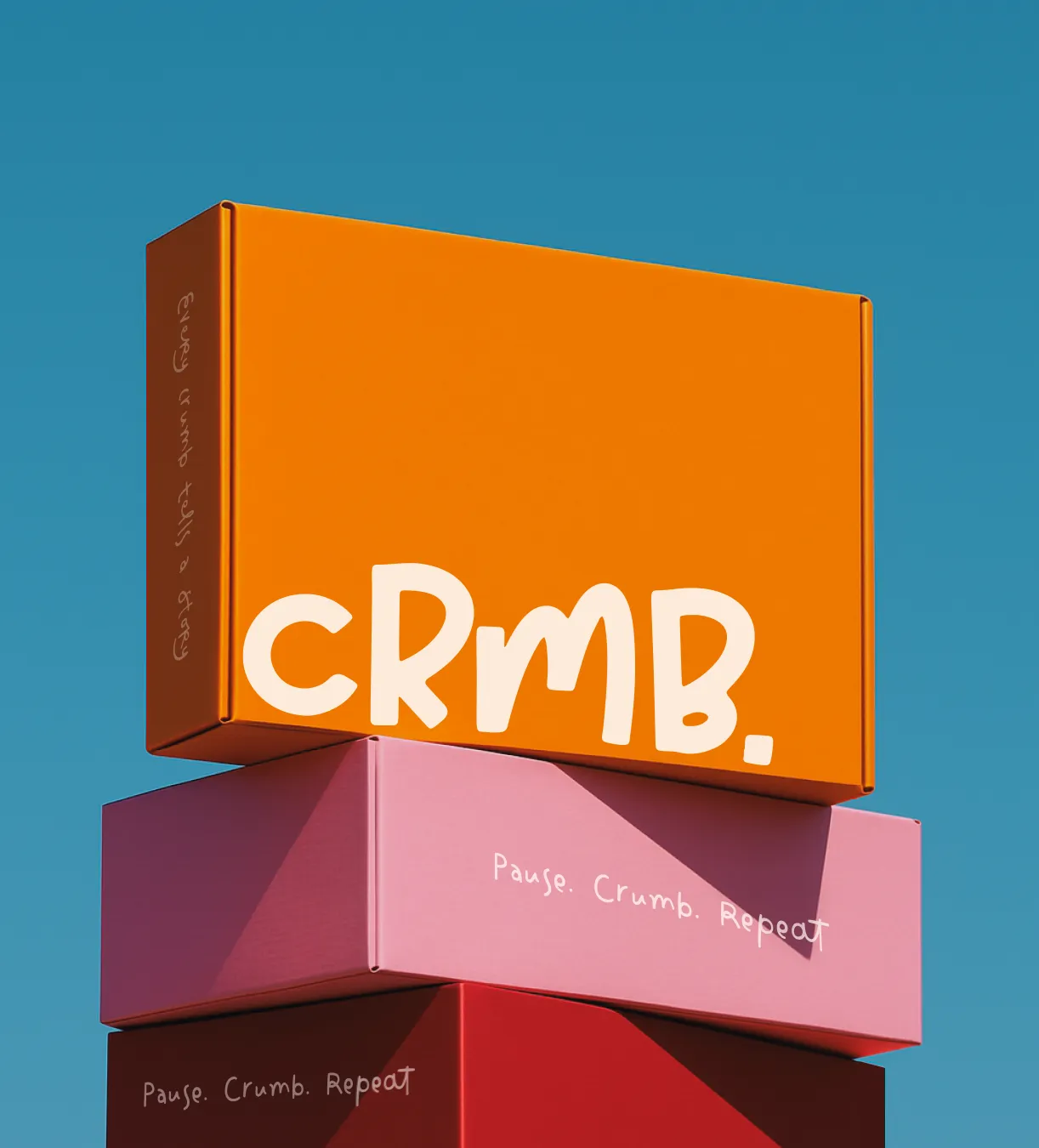
A luxury brand entering the GCC needs more than premium-looking design. It needs a clear reason to command its price, an identity that resonates locally and a customer experience that lives up to the promise.
At Confetti, we build these elements as one system.
With a local presence in Dubai and a team working across three time zones, we understand the challenge of creating brands that feel globally competitive without losing local relevance.
We begin by defining what makes the brand worth choosing at its price point. What can it own that competitors cannot? Which aspects of its heritage, craftsmanship, product or experience can support that promise?
Arabic needs the same design attention as the English identity, from wordmark proportions to typography and layout. Cultural references also need research before they become visual elements.
The unboxing experience is part of the scope alongside brand strategy, identity and packaging.
We build the core identity alongside a flexible layer for Ramadan, Eid and other important occasions. That lets seasonal packaging feel distinctive without turning the brand into something different every year.
From bilingual identities and gift packaging to guidelines and reusable templates, we create systems that local teams can apply consistently across markets and channels.
Building or repositioning a luxury brand for the GCC? Start with the positioning, the customer and the premium you need to defend.
Get in touch with Confett’s team.
What is luxury branding in the GCC?
Luxury branding in the GCC is building a high-end brand that fits how consumers in the UAE, Saudi Arabia, Qatar, Kuwait, Bahrain and Oman buy, gift and judge quality. It combines the codes of global luxury, such as craft, scarcity and service, with Arabic language, local heritage, the regional calendar and expectations of privacy and personal attention.
Does a luxury brand need an Arabic logo in the GCC?
Not always, but an Arabic version is usually expected for signage, packaging and local communication, and Dubai's shop-sign guidance places Arabic above English. For a luxury brand, the Arabic should be custom drawn and balanced with the Latin logo, not typed in a default font, because poor Arabic lettering undermines the craft the brand is selling.
How is luxury branding different in Saudi Arabia and the UAE?
They share high spending power and a strong gifting culture, but differ in audience and tone. The UAE, especially Dubai, serves a large expatriate and tourist base, and Chalhoub Group reports it leads every high-end fashion segment. Saudi Arabia has a larger national population and government support for homegrown fashion, so local heritage often carries more weight.
What should I look for in a luxury branding agency for the GCC?
Look for experience with luxury or premium categories, bilingual Arabic-English identity work, packaging and unboxing design, and an understanding of the regional calendar and regulations. Ask to see how past projects balanced global luxury codes with local relevance, who on the team reads Arabic, and how the brand will be applied across boutiques, packaging and digital.
Want strategic branding and packaging like this for your business?