%201.webp)
02
AI Snaps
.svg)
.svg)
01
Our Work
03
About Us
04
Brand Audit
05
Contact Us
06
Client Success
12
07
Blogs
08
Careers
Book A Call
.svg)



.svg)
Need Help In Building Your Brand?
Click the button below & book a call with our founder directly.

Rishabh Jain
Managing Director
Packaging design for Carrefour UAE is part of the product review, not just a visual element. Category managers at Majid Al Futtaim, Carrefour’s UAE operator, review physical samples for quality and packaging performance before listing.
This guide explains what the review covers, the compliance requirements before design begins, and how packaging must perform physically and culturally in UAE hypermarkets. Along with a checklist.
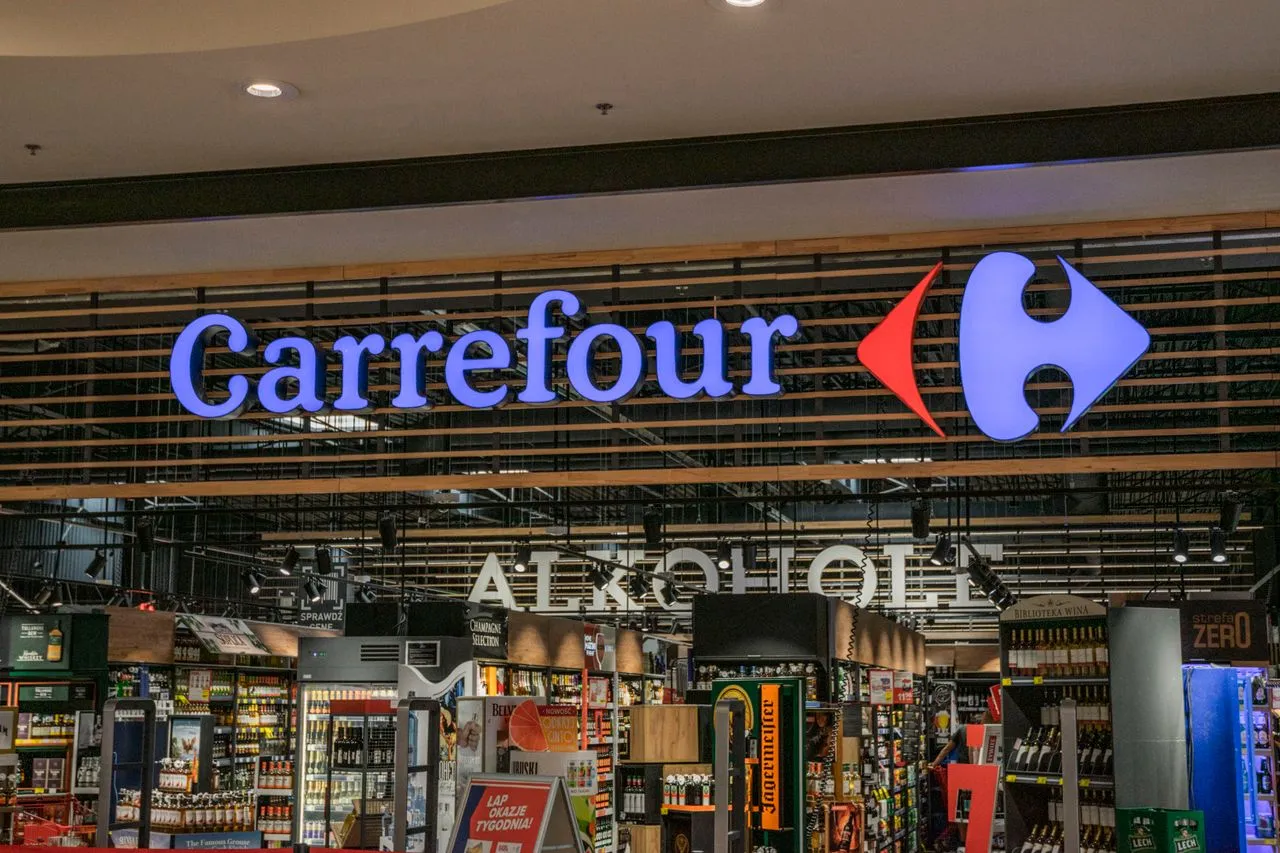
For brands selling through Carrefour UAE, packaging design is one of the strongest commercial tools driving sales, building trust, and strengthening competitiveness.
Across its 175+ stores, effective packaging transforms private-label products from budget alternatives into preferred choices.
✔️The Shelf Decides
Unlike D2C websites or quick commerce platforms, hypermarkets like Carrefour in UAE present shoppers with dozens of competing products side by side.
Consumers can physically compare packaging, ingredients, claims, price, and overall presentation before making a decision.
This makes shelf impact a commercial advantage.
✔️Trust Through Packaging
UAE shoppers have access to local, regional, and international brands across almost every category. With so many similar products available, packaging often becomes the first signal of credibility.
Well designed packaging helps communicate:
Global retailers have invested in packaging that simplifies information. Carrefour's private label redesigns use cleaner visual hierarchies and consistent category architecture to make products easier to recognise and trust.
✔️Increases Perceived Value
Consumers rarely judge value based only on price. They also assess quality through colour, typography, materials, finishes, structure, and overall design consistency.
Carrefour Home shows this well. A consistent packaging system, warm colours, and clear category organisation create a more premium, curated shopping experience without significantly increasing manufacturing costs.
✔️Sustainability Signals Value
UAE consumers increasingly prefer eco-friendly packaging. Carrefour has responded by eliminating plastic over-packaging on promotional multipacks, reducing plastic packaging for hygiene and household cleaning products, and developing recycled plastic refill formats.
Carrefour BIO uses recyclable paper bags and biodegradable packaging for fresh products. These choices signal to consumers that the brand shares their values and justifies its place in their baskets.
✔️Consistency at Scale
Carrefour operates at scale, with volume, reach, and pressure attached.
Consistency across countries, store formats, and channels keeps identity, packaging, signage, and navigation working in the same direction.
Packaging is a key driver of commercial success. It influences shopper behaviour, retailer acceptance, operational efficiency, and long-term brand value.
✔️Impacts Commercial Success
Packaging decisions influence far more than aesthetics. They affect shopper behaviour, retailer acceptance, operational efficiency, and long term brand equity.
For brands targeting Carrefour UAE, packaging should:
Many international brands misunderstand who they're actually pitching before they even think about packaging and that can influence critical decisions.
Carrefour UAE is operated by Majid Al Futtaim (MAF) Retail under an exclusive franchise agreement, not directly by Carrefour Group.
👉This means suppliers work with regional buying teams that make decisions based on local market priorities.
MAF also places strong emphasis on local and regional sourcing, with initiatives supporting SMEs and regional producers.
Brands that clearly communicate authentic regional sourcing, manufacturing, or production on their packaging often have a stronger story than products positioned as generic imports.
This has direct packaging implications. Provenance, ingredient origin, and production location aren't just marketing claims, they help build trust with both shoppers and category managers.
Incorporating these elements into packaging from the outset can strengthen a brand's appeal during the listing process.
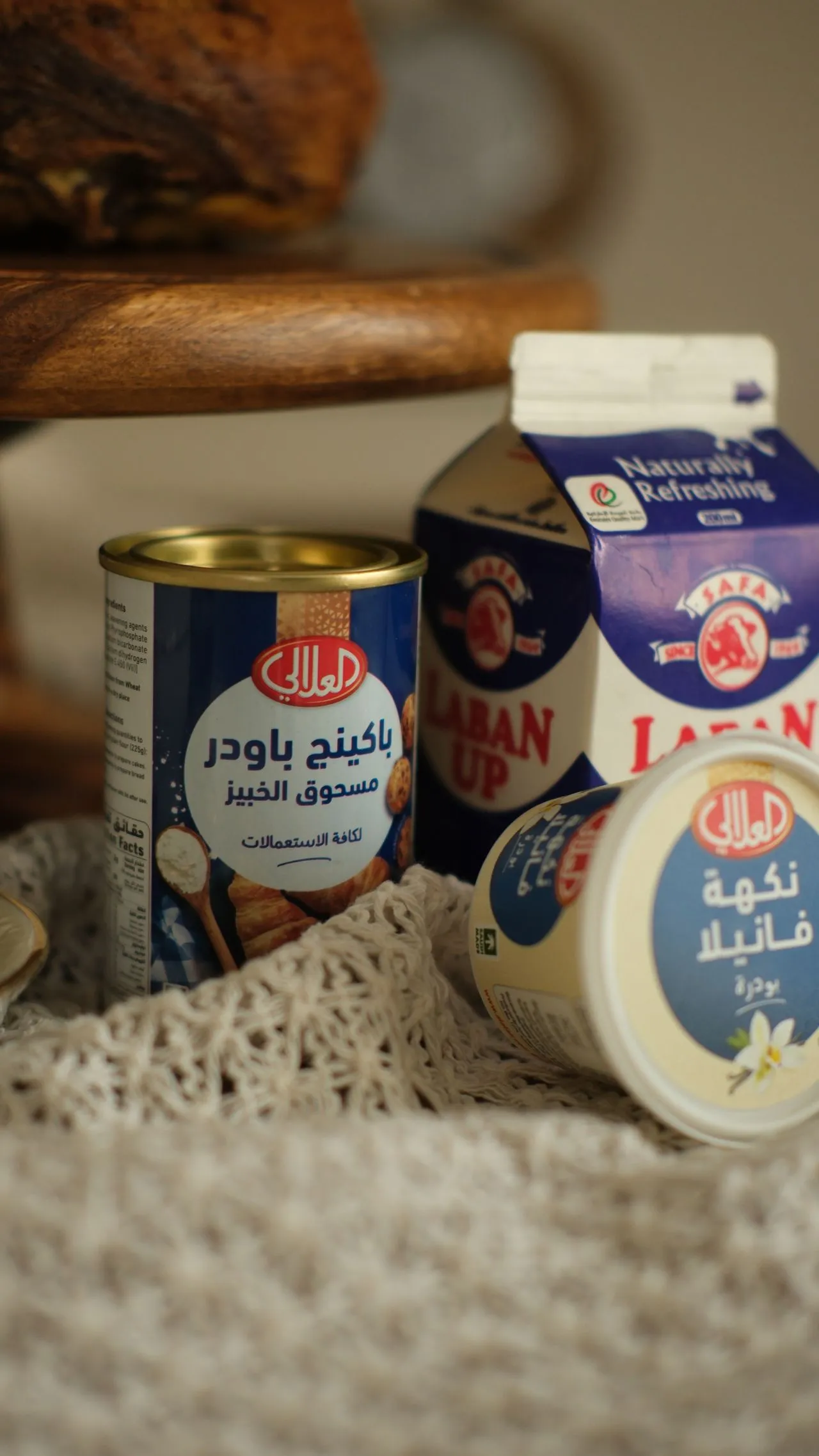
Designing packaging for Carrefour UAE means navigating a layered compliance environment:
Here is what you need to know:
Food packaging and labelling in the UAE are governed by the Ministry of Industry and Advanced Technology (MoIAT), which now oversees the responsibilities previously handled by ESMA (Emirates Authority for Standardization and Metrology).
The primary food labelling standard is UAE.S GSO 9:2022 (Labelling of Pre-Packaged Food), aligned with GCC regulations.
In addition, food products must comply with relevant regulations issued by local authorities such as Dubai Municipality and the Abu Dhabi Agriculture and Food Safety Authority (ADAFSA), depending on where products are imported and distributed.
Beyond regulatory approval, Carrefour UAE, operated by Majid Al Futtaim, applies its own supplier quality checks covering packaging accuracy, food safety, logistics, and sustainability before approving products for sale.
Every pre-packaged food product sold through Carrefour UAE must clearly display the required product information in a durable and easily readable format.
Mandatory declarations include:
Packaging materials must also be food-safe and capable of maintaining label legibility throughout the product's shelf life.
One of the most important requirements for Carrefour UAE packaging is bilingual labelling.
Arabic is the legally recognised language for mandatory product information. English can appear alongside it, but it cannot replace Arabic or receive greater prominence.
Good arabic packaging design ensures:
While approved Arabic stickers may be permitted in some cases, integrating bilingual content directly into the packaging artwork generally creates a more professional appearance and reduces operational complexity.
Nutritional declarations are mandatory for most packaged food categories. Labels must display:
The Nutri-Mark Front-of-Pack Label
From June 2025, the UAE introduced the Nutri-Mark, a mandatory front-of-pack nutritional grading system for certain food and beverage categories.
Products are graded A to E (A being healthiest), with colour coding from dark green to red. Affected categories include dairy, bakery, snacks, beverages, fats and oils, and foods targeting children.
Non-compliant products face immediate shelf removal.
Exemptions apply to products such as fresh produce, unseasoned raw meat and fish, single-ingredient foods (rice, tea, coffee), products with packaging area under 25cm², and infant formula.
As a brand, you must verify whether your products require Nutri-Mark before finalising artwork.
Every product unit must display a scannable barcode. Key requirements:
Both unit-level and case-level barcodes should be planned into the packaging design rather than added during production.
Most food products intended for Muslim consumers require recognised Halal certification that complies with applicable GCC standards.
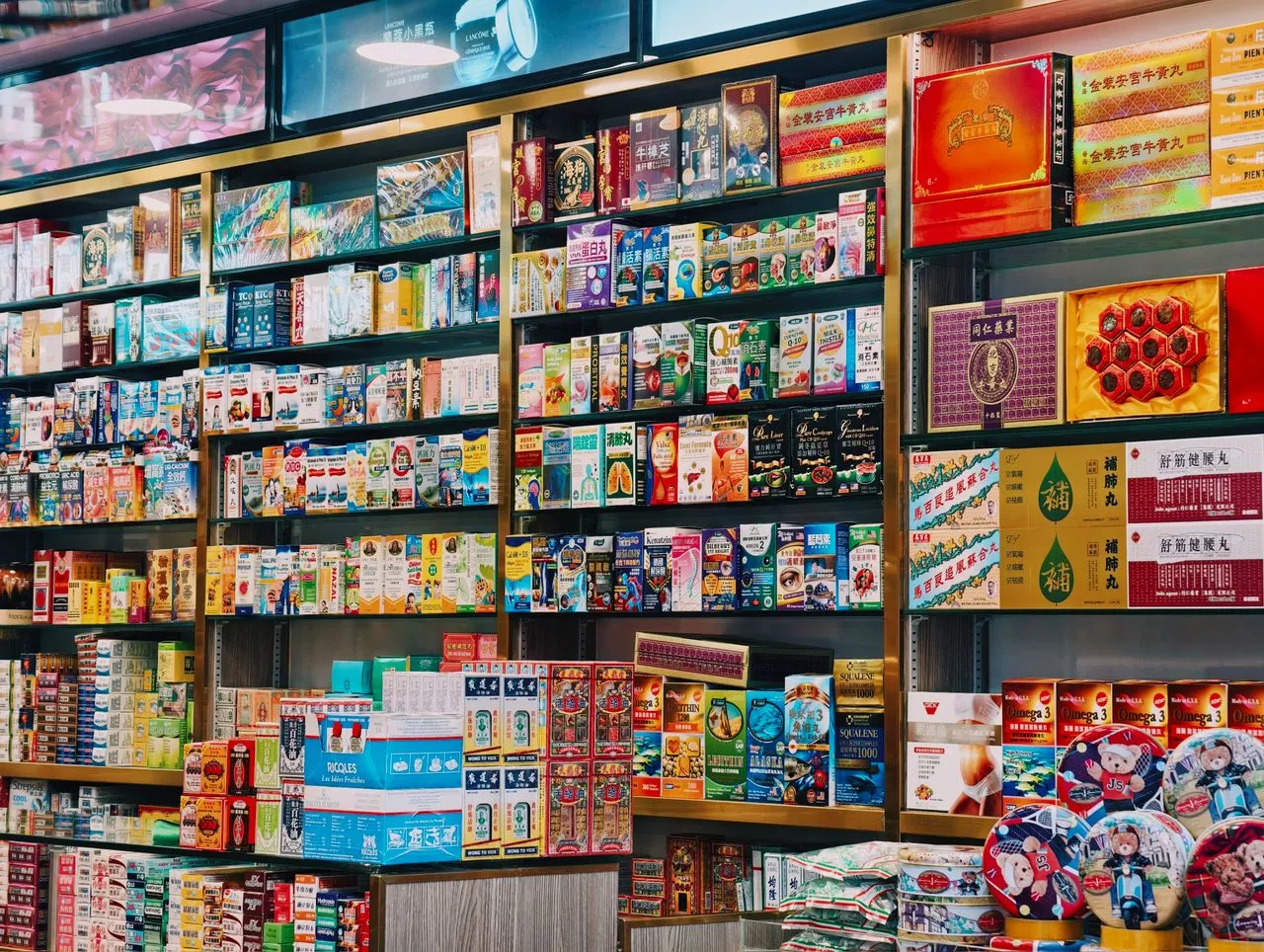
Meeting regulatory requirements is only the starting point.
Carrefour's specific packaging design requirements span visual identity, structural integrity, material specifications, compliance documentation, and sustainability commitments.
Here is what suppliers must deliver:
Carrefour places significant emphasis on consistency across its shelves, particularly for private label products. Packaging should contribute to a cohesive category experience rather than compete aggressively with neighbouring products.
A strong packaging system should include:
Carrefour's own private label collections, including Carrefour Home and Carrefour BIO, demonstrate how disciplined packaging systems create stronger shelf presence and improve customer confidence across hundreds of SKUs.
Carrefour Home, for example, uses texture, warmth, and segmentation to organise the range so products come across as selected rather than pushed
For brands launching multiple products, designing a scalable packaging system instead of treating each SKU as a standalone project makes future range extensions significantly easier.
Packaging in a hypermarket must perform well long after it leaves the production line. Carrefour evaluates how products move through warehouses, distribution centres, retail shelves, and checkout systems.
Key structural considerations include:
Well-designed shelf-ready packaging reduces replenishment time, improves merchandising consistency, and minimises in-store waste, creating measurable operational benefits for both retailers and suppliers.
Shoppers across UAE expect packaging that is functional as well as attractive.Depending on the product category, Carrefour increasingly favours packaging with features such as:
These seemingly small improvements contribute to a better customer experience and encourage repeat purchases.
Packaging materials must comply with applicable UAE and GCC food-contact regulations while supporting Carrefour's sustainability objectives.
Food packaging should be manufactured using approved food-safe materials and be suitable for the intended product category. Wherever practical, Carrefour encourages suppliers to reduce unnecessary material usage and adopt packaging that is easier to recycle.
Current industry trends increasingly favour:
Material selection should balance sustainability, durability, cost efficiency, and product protection throughout the supply chain.
Packaging artwork undergoes detailed review before production. Suppliers are expected to submit print-ready artwork that complies with both regulatory and retailer requirements.
Technical Artwork Specifications.
Quality managers review packaging copy, mandatory declarations, print proofs, and overall compliance before approving products for production.
Mandatory Label Elements:
Packaging submitted to Carrefour should include all required regulatory information without compromising readability or design quality.
Integrating these elements into the packaging design from the outset avoids expensive artwork revisions before launch.
Sustainability has become a strategic procurement priority rather than simply a marketing message.
Carrefour's packaging strategy follows four guiding principles:
The retailer also encourages suppliers to participate in its Collaborative Impact Goals (CIG) programme, which focuses on reducing greenhouse gas emissions and improving sustainable packaging practices across the supply chain.
As UAE regulations continue to phase out certain single-use plastics, suppliers should proactively evaluate alternative materials that comply with both legislation and retailer expectations.
Certain product categories undergo more extensive review before approval. These typically include:
Products in these categories often require additional documentation, stronger substantiation for packaging claims, and more rigorous quality assessments before listing approval.
Where applicable, internationally recognised certifications such as BRCGS or IFS can strengthen supplier credibility alongside mandatory UAE regulatory compliance and HACCP-based food safety systems.
Carrefour evaluates suppliers as long-term business partners rather than one-time vendors. Packaging therefore forms part of a broader assessment of operational capability.
Suppliers are expected to demonstrate:
Increasingly, product specifications, packaging dimensions, materials, and digital assets are managed through structured product information systems rather than simple artwork approvals, making accurate packaging data as important as the physical design itself.
Before submitting packaging artwork for approval, verify that it includes:
1. Regulatory Labeling Compliance (UAE.S GSO 9:2022)
☐ Product name displayed in Arabic and English
☐ Brand name displayed
☐ Ingredients list in descending order by weight
☐ Allergen declaration highlighted
☐ Net weight or volume in metric units
☐ Manufacturer and distributor name and address
☐ Country of origin (specific country, no abbreviations)
☐ Production date in DD/MM/YYYY format
☐ Expiry date in DD/MM/YYYY format
☐ Lot number for traceability
☐ Storage conditions (if applicable)
☐ Usage instructions (if applicable)
☐ Halal certification mark (for food products)
☐ Barcode (EAN-13 standard)
☐ GMO declaration (if applicable)
2. Arabic Language Requirements
☐ All mandatory information displayed in Arabic
☐ Arabic font size not smaller than English
☐ Arabic integrated into label design (not added as a sticker)
☐ Right-to-left layout correctly formatted
☐ No grammatical or typographical errors in Arabic
☐ Arabic text takes precedence in case of discrepancies
3. Nutri-Mark Front-of-Pack Labeling (Effective June 2025)
☐ Nutri-Mark displayed on front of pack
☐ Grade A-E clearly visible
☐ Colour coding matches grade
☐ Nutri-Mark on primary display panel
☐ Exemption confirmed (if applicable)
4. Nutritional Information Panel
☐ Energy value (kJ and kcal)
☐ Total fat (saturates and trans fats)
☐ Carbohydrates (sugars added vs. natural)
☐ Protein
☐ Salt and sodium
☐ Dietary fiber
☐ Vitamins and minerals (if claimed)
☐ Serving size
☐ Servings per pack
☐ % Daily Reference Intake for all listed nutrients
☐ Claim restrictions observed
5. Carrefour-Specific Packaging Requirements
☐ HACCP implementation
☐ Dubai Municipality or ADFCA compliance
☐ Artwork validated by MAF Quality Manager
☐ First batch production validated by MAF
☐ Technical specifications and documents validated
☐ On-time, in-full delivery capability demonstrated
☐ Sufficient buffer stock maintained
6. Technical Artwork Specifications
☐ File format: Adobe Illustrator (not flattened)
☐ Fonts supplied or converted to outlines
☐ Colour space: CMYK
☐ Image resolution: minimum 300 dpi
☐ PMS colours clearly indicated
☐ Artwork scaled 1:1 as per keyline
7. Structural and Functional Design
☐ Shelf-ready packaging design
☐ Stackable for pallets and shelf trays
☐ Survives UAE climate conditions
☐ Easy-open tabs or resealability
☐ Product visibility (windows where appropriate)
8. Food Contact Material Compliance
☐ Compliant with UAE.S GSO 2231:2012
☐ Metal packaging compliant with UAE.S GSO 839
☐ Plastic packaging compliant with UAE.S GSO 1863
☐ Physically segregated from non-Halal materials
☐ No harmful materials
☐ No illegal solvent residues
☐ Free from undesirable odours
9. Sustainability and Single-Use Plastic Compliance
☐ No single-use plastic cups or lids
☐ No single-use plastic cutlery
☐ No single-use plastic plates
☐ No plastic straws or stirrers
☐ No Styrofoam food containers
☐ No single-use bags under 50 microns
☐ Exemption confirmed (if applicable)
☐ Virgin plastic reduction plan documented
☐ Mono-materials used where possible
☐ Collaborative Impact Goal 1 (Greenhouse Gas Emissions) compliance
☐ Collaborative Impact Goal 2 (Sustainable Packaging) documented
10. Final Pre-Submission Audit
☐ All mandatory elements present and legible
☐ Bilingual Arabic-English layout complete
☐ Nutri-Mark prominently displayed (if applicable)
☐ Halal certification mark visible
☐ Country of origin clearly stated
☐ Dates clear and non-erasable
☐ Barcode scannable and correctly formatted
☐ Artwork submitted for MAF validation
☐ Supply chain reliability documented
☐ Sustainability commitments documented
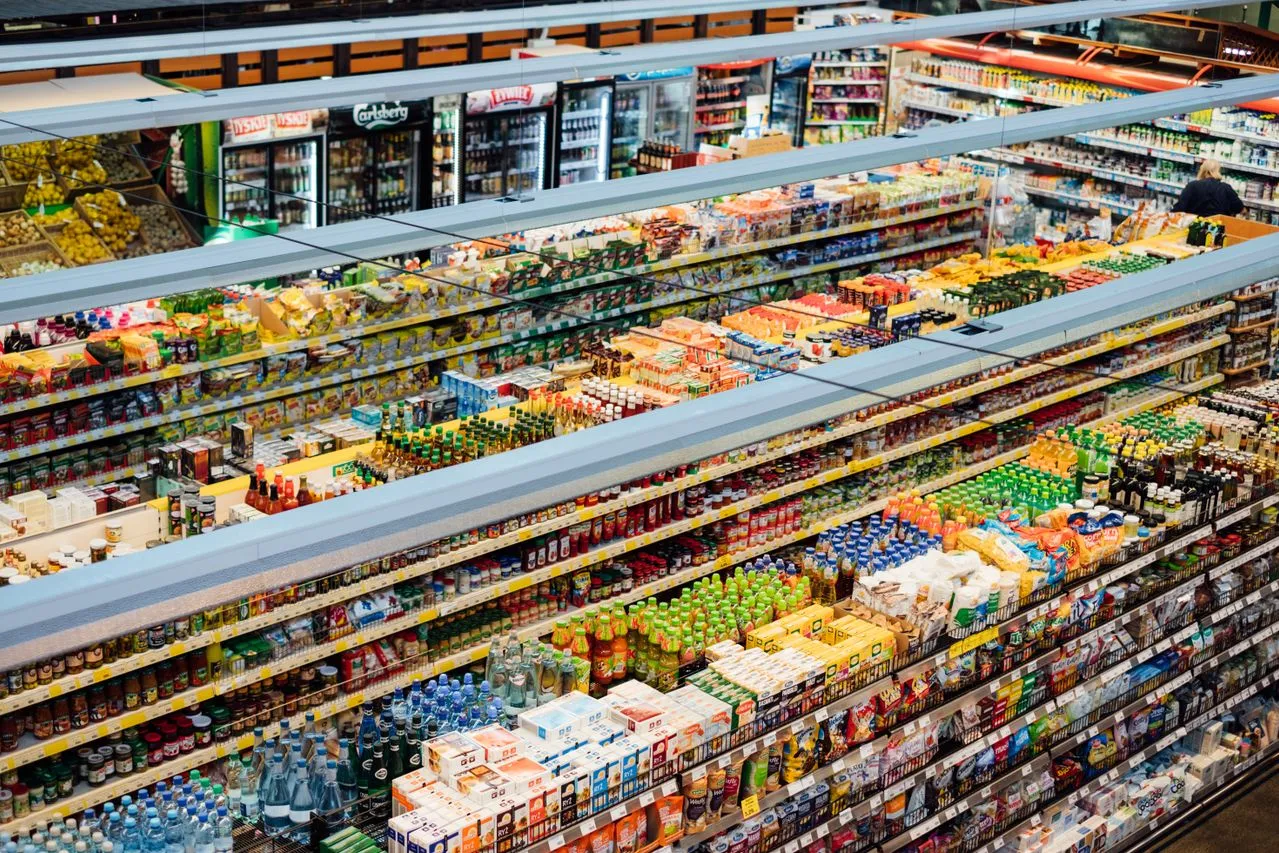
You’ll need more than regulatory compliance to be able to earn shelf space at Carrefour UAE. Here are the best practices we adopt at Confetti Design Studio:
A Carrefour shelf puts your product inches from a dozen direct competitors, design contrast (color block, silhouette, negative space) that a shopper registers from an angle and a distance.
Your packaging must earn attention in high-traffic zones where shoppers move quickly.
Carrefour serves one of the world's most diverse customer bases. Emirati consumers, expatriates, and international tourists often shop the same aisle, making culturally inclusive design essential.
Packaging should communicate quality and trust without relying on cultural assumptions that only resonate with one audience.
The objective is to create packaging that feels purpose-built for the UAE market rather than adapted from another region.
Test: Before finalizing UAE-bound packaging check: would an expatriate, local Emirati, and tourist all read the same core trust and quality signals from the pack, or does it mainly resonate with the audience it was originally designed for?
If it only works for one of those groups, it likely needs another design pass before it's ready for a Carrefour UAE submission, regardless of its success in its home market.
Modern shoppers expect packaging that works for them, not against them. Packaging performance is now part of product performance.
While Carrefour emphasises creativity over costly materials, strategic use of premium finishes can signal quality at the right price point.
Consistency strengthens recognition and builds long-term trust.
Rather than designing every SKU independently, create a packaging system that shares common visual elements across the product range, including typography, colours, layouts, iconography, and finishes.
This approach helps consumers recognise products more quickly while making future product extensions easier to develop.
Packaging must perform in the supply chain, not just on the shelf. Carrefour evaluates how packaging travels, stores, and impacts shelf labour
The UAE's climate should also influence structural decisions. Materials, adhesives, coatings, and closures must withstand prolonged exposure to heat and humidity without compromising product quality or appearance.
Packaging must communicate trust instantly through clear labelling, certification visibility, and transparency.
Non-compliance is not an option. It triggers shipment rejection, fines, or immediate shelf removal.
Discipline in the design and production process prevents costly errors and delays.
Avoid overcrowding the front panel with multiple competing claims. Well-organised packaging communicates faster and improves both shelf performance and compliance.
Whether using photography or illustration, visuals should accurately represent the product.
Different products need different formats. Each format brings trade-offs in cost, protection, and recyclability.
Choose the format that best suits the product category
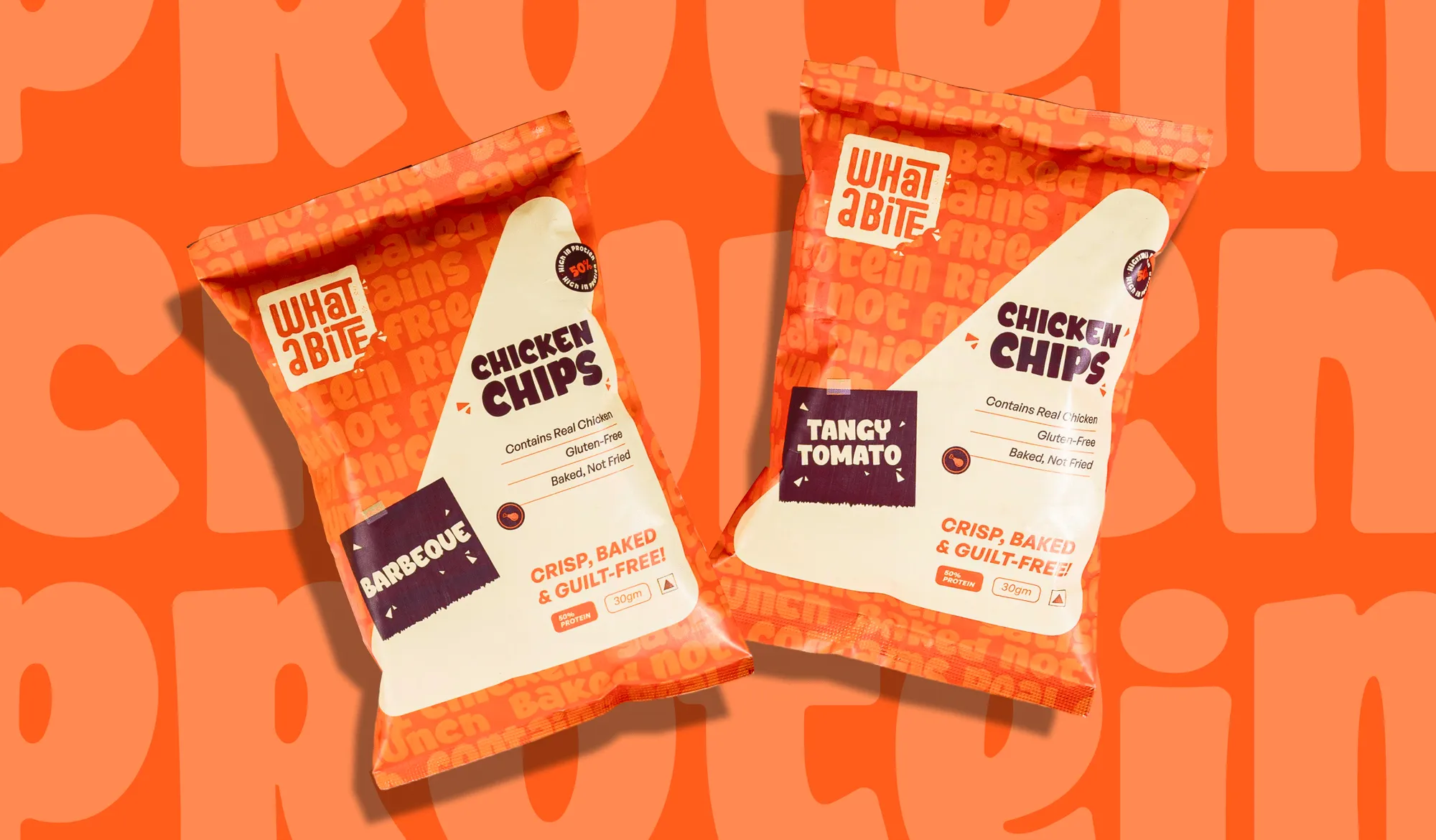
We build compliance into the packaging system from the earliest design stage, not as a late adjustment made right before a retailer submission.
Bilingual layout, halal certification placement, and regulatory information hierarchy get mapped alongside brand and visual direction, not bolted on afterward once the "creative" work is considered finished.
This approach comes from working across multiple regulatory environments simultaneously.
Confetti's experience spans UAE, India, Australia, and the USA, working with retail-scale clients including ITC, Dabur, and Sunfeast alongside emerging D2C brands entering new markets for the first time.
That range is important specifically for GCC market entry, because a brand's existing packaging, built and refined for one regulatory and cultural environment, rarely survives unchanged contact with a genuinely different one.
Here’s why you can trust us:
✅ We have a UAE presence. Confetti operates locally in the UAE, providing onsite support and local understanding for packaging projects.
✅We begin with UAE-specific compliance: GSO 9:2022 bilingual labeling, Nutri-Mark requirements, Halal certification, and plastic regulations, while considering local shopping habits and trust-driven purchase behaviour.
✅ We create premium, culturally aware packaging with Arabic-first bilingual integration, ensuring accuracy, balance, and alignment with Dubai’s global design standards.
✅Packaging is designed to perform across hypermarkets, quick commerce, and e-commerce, with testing across shelf, thumbnail, and close-up views.
✅We create flexible packaging systems suited for retailers like Carrefour, ensuring consistency across SKUs, approvals, and shelf presentation.
✅We select durable materials that withstand heat and humidity while supporting sustainability goals through mono-materials, FSC boards, and plastic-free alternatives.
Most of the challenges first-time suppliers encounter stem from a small number of recurring issues, nearly all of which can be prevented through better upfront planning.
⚠️ Bilingual labeling lacks intentional integration
Arabic text sized smaller than English, or positioned as a secondary translation rather than an equal-prominence element, is both a compliance failure and a cultural misstep that undermines trust with a significant share of the actual shopper base.
⚠️ Missing or improperly formatted halal certification
For categories where certification is required, an absent mark, an incorrectly sized mark, or a certification that doesn't meet the GSO 2055-1 standard specifically can stop a listing conversation regardless of how strong the product itself is.
⚠️ Packaging designed only for D2C unboxing appeal
A product with genuine unit-level charm but no case-pack engineering, shelf-ready structure, or logistics consideration creates operational friction that makes a retailer hesitant to commit shelf space, even when customer-facing appeal is strong.
⚠️ Generic, unlocalized visual identity
Packaging that reads as clearly built for a different market, with cultural cues, colour choices, or imagery that don't connect with UAE's specific multicultural shopper base, underperforms in a design-literate retail environment that has plenty of well-localized competitors to choose instead
⚠️ Incomplete compliance documentation submitted alongside physical samples
Since packaging review happens alongside broader supplier documentation review (trade licenses, VAT registration, product samples), gaps in one area can slow or derail the entire submission before packaging quality itself is properly assessed on its own merits.
⚠️ Structural failure under UAE climate conditions
Packaging that performs well in temperate climates but fails in Dubai's heat and humidity: adhesives that melt, cardboard that softens, or labels that peel, results in damaged products on shelf and immediate delisting.
⚠️ Overly complex shelf-ready packaging
Retailers are no longer tolerating fiddly trays, awkward cut-outs, or cardboard that collapses halfway through a promo. Packaging that slows restocking rather than speeding it up is rejected regardless of visual appeal.
⚠️ Ignoring the Nutri-Mark requirement
From June 2025, affected categories failing to display the mandatory front-of-pack nutritional grading system face immediate shelf removal. Suppliers who have not adapted their packaging by the deadline lose their listing.
⚠️ Confusing or cluttered information hierarchy
Packaging that tries to say everything says nothing. Buyers and shoppers alike reject packs where the product name, brand, and key benefit are not immediately legible.
⚠️ Sustainability claims without proof
Consumers in the UAE market respond strongly to packaging that signals sustainability, but vague claims without certification or verifiable proof erode trust. Retail buyers notice the gap between claim and evidence.
⚠️ Poor-quality product imagery
In the UAE market, where shoppers are design-literate, the styling has to win on the shelf and on the listing thumbnail. Low-resolution images, poor lighting, or outdated photography signal a brand that does not invest in quality.
⚠️ Inconsistent packaging across SKUs
Carrefour's approach is built on "range thinking" — a system where every SKU contributes to a unified visual environment. Packaging that disrupts shelf harmony or looks like it belongs to a different brand risks delisting.
⚠️ Missing clear country of origin labeling
Consumers in Gulf markets actively check country of origin. "Made in UAE" is a positive differentiator. Missing, unclear, or misleading origin labeling undermines trust and invites regulatory scrutiny.
⚠️ Failing to design for the specific planogram
Buyers now review how a supplier's design will sit within their specific shelf layout. If the SKU disrupts shelf harmony or does not fit the allocated space, it risks delisting regardless of product quality.
Do I need halal certification to get my product listed at Carrefour UAE?
For most food, beverage, and many personal care categories, yes. Halal certification compliant with the GSO 2055-1:2015 standard is generally required across the GCC, and an increasing number of retail distributors now require QR-verifiable certification as part of the listing condition, not just a printed mark.
Is Carrefour UAE the same company as Carrefour Group?
No. Carrefour UAE is operated by Majid Al Futtaim (MAF) Retail under an exclusive franchise agreement dating to 1995, and MAF is not part of the Carrefour Group directly. MAF also sources a significant share of its products from regional and local suppliers.
How is packaging reviewed during the Carrefour UAE supplier process?
Supplier submissions typically require physical product samples specifically for quality and packaging review, alongside standard documentation like trade licenses and VAT registration. Packaging issues can affect the listing decision before the product itself is fully evaluated.
How is packaging for Carrefour UAE different from packaging for D2C or quick commerce?
D2C and quick commerce packaging prioritize unboxing appeal and thumbnail-scale legibility. Large-format retail packaging has to additionally solve for physical shelf-fit, case-pack logistics, and in-person comparison against direct competitors on the same shelf, constraints D2C-first brands often haven't designed for yet.
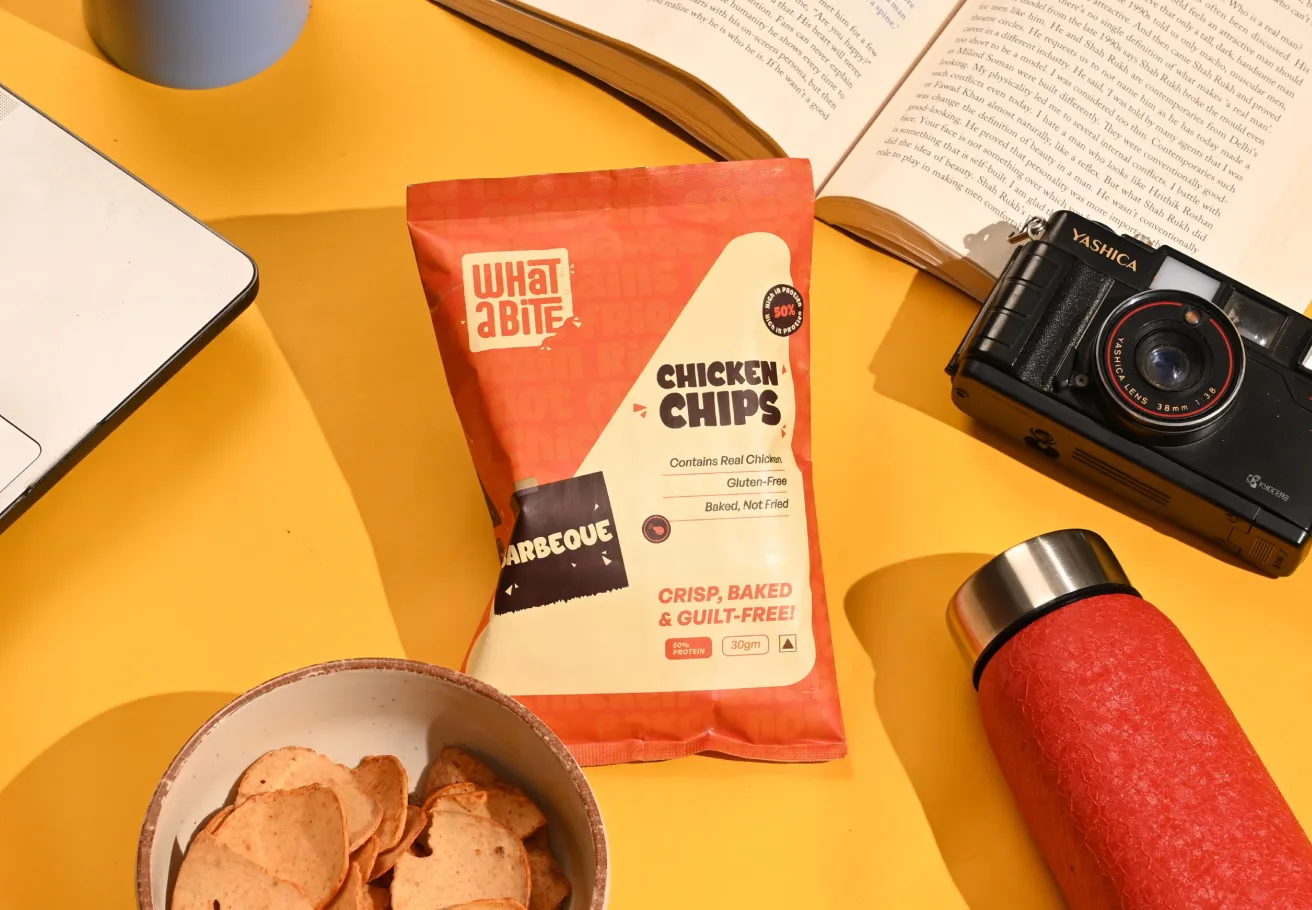
Want strategic branding and packaging like this for your business?





.webp)
.webp)

.webp)
.webp)
.webp)
.webp)
.webp)







.svg)
.webp)