%201.webp)
02
AI Snaps
.svg)
.svg)
01
Our Work
03
About Us
04
Brand Audit
05
Contact Us
06
Client Success
12
07
Blogs
08
Careers
Book A Call
.svg)



.svg)
Need Help In Building Your Brand?
Click the button below & book a call with our founder directly.

Rishabh Jain
Managing Director
Halal packaging labeling requirements include some country-specific regulatory specifications along with some mandatory elements.
This Confetti guide covers the complexity of halal packaging design. We walk you through what needs to go on your packaging, what the visual rules are, how requirements differ by country, and where brands consistently get it wrong.
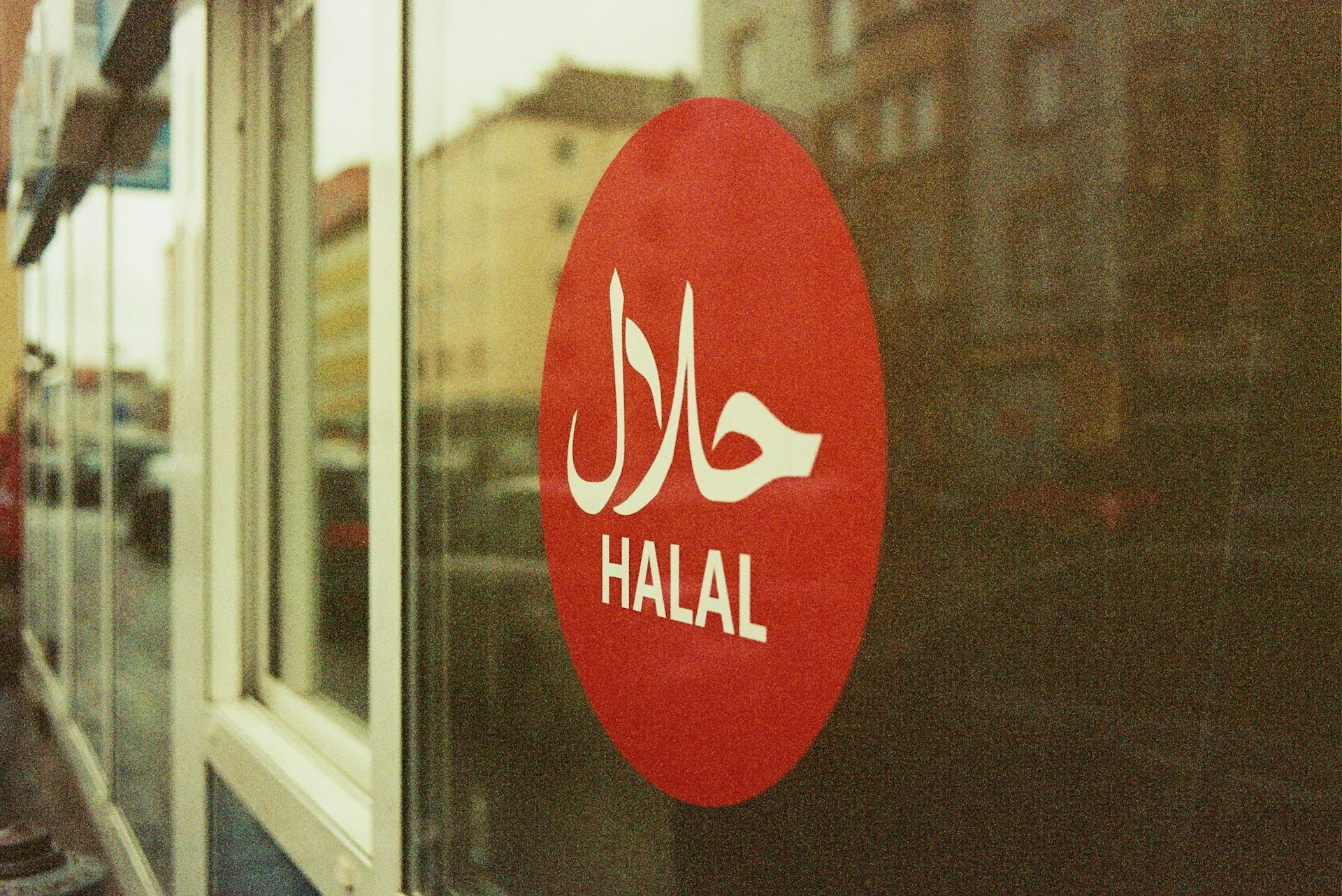
The global halal food and beverage market is expected to grow from USD 810.25 billion in 2025 to USD 1,304.21 billion by 2031, growing at a CAGR of 8.55%.
Demand extends beyond Muslim-majority countries, as many consumers associate halal products with hygiene, ethical sourcing, and food safety.
Many brand owners assume that halal compliance begins and ends with a certification logo on the packaging. This misconception creates significant vulnerability.
Halal packaging is a layered integrity system. If any layer fails, the entire product's halal status is compromised.
Halal packaging means the packaging itself must comply at a material level. The substrate, inks, adhesives, coatings, and processing lubricants used in manufacturing the pack should not have haram substances.
Here's what requires halal verification at the material level:
Halal certification bodies apply strict checks on what they call Halal Critical Control Points for packaging: inks, coatings, adhesives, and colorants.
Common hidden risks include stearates derived from pork fat, animal-based glycerins in printing inks, and industrial alcohols in solvents that do not fully evaporate.
Even when individual components are halal-compliant, the manufacturing environment matters. Before your packaging team approves any substrate, apply this two-question test:
If yes to either, it needs halal verification, not just a general food-grade clearance. This is a distinct compliance category, and most material data sheets don't address it unless specifically requested.
Many brands overlook packaging and branding requirements.
Imagery
Products may be disqualified from halal certification if packaging prominently features pigs, dogs, nude figures, erotic imagery, or visuals resembling prohibited substances, even if the ingredients are halal.
Names
Names linked to disbelief, immorality, or negative connotations, such as “Devil Noodles” or “Ghost Ice,” may be ineligible. Flavors and aromas that imitate prohibited substances, such as bacon or alcoholic beverages, can also disqualify a product.
Beyond compliance, branding that mocks or disregards cultural and religious values can damage consumer trust and attract regulatory scrutiny.
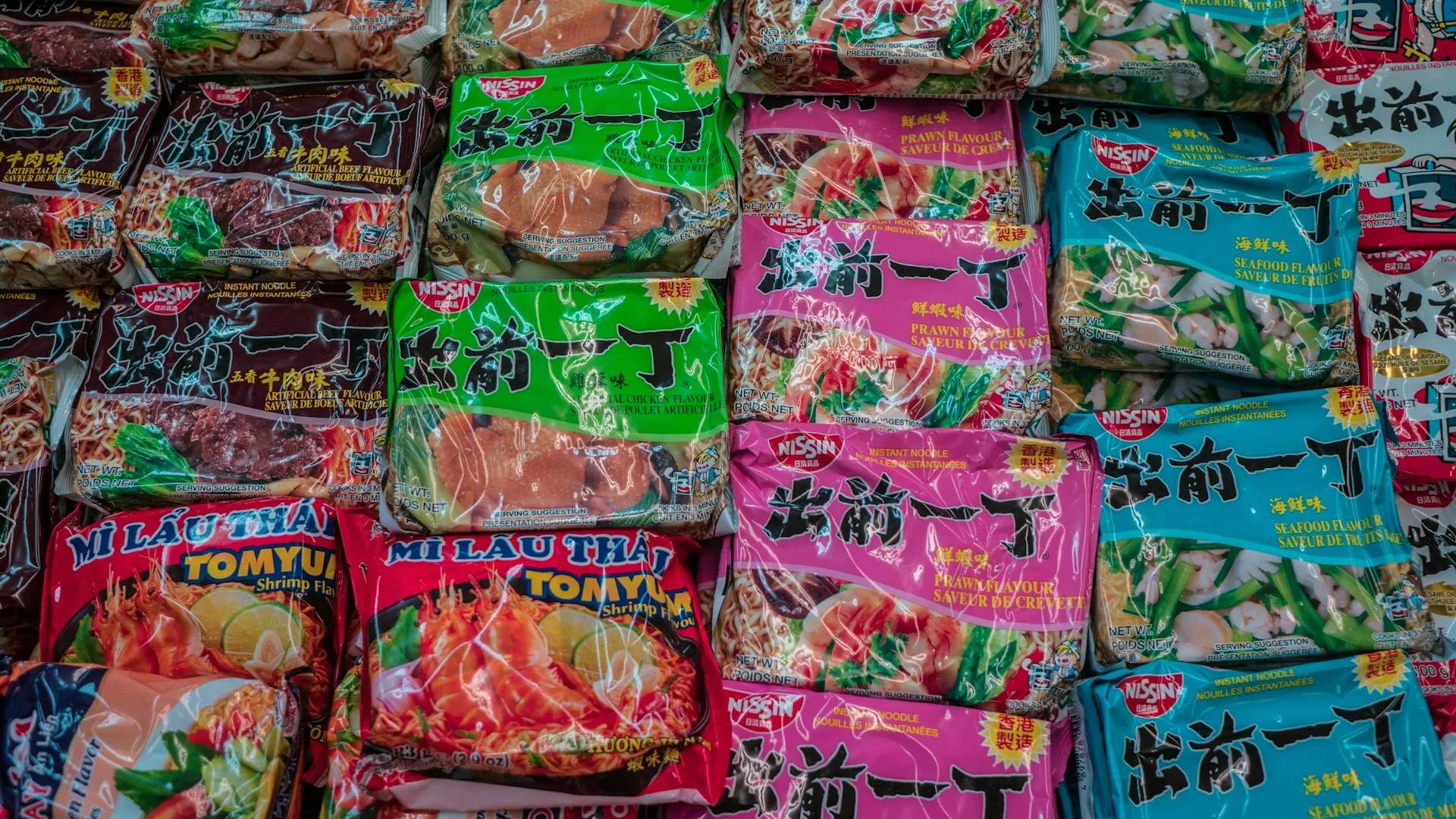
The distinction between voluntary halal labeling and mandatory legal compliance depends entirely on your target market.
The US has no federal halal food labeling law for general grocery products. However, regulations differ significantly between meat/poultry and non-meat items:
Meat & Poultry (USDA FSIS Jurisdiction)
Any use of "Halal" or "Zabihah Halal" on meat/poultry labels requires label approval from USDA FSIS
If the label says "Certified Halal" or includes a certifier's name/logo, you must submit documentation from a recognized third-party certifying body to FSIS for approval
Using "halal" on meat without supporting certification documentation risks being labeled misleading under federal labeling law, though FSIS doesn't define religious standards itself
Non-Meat Products
FTC guidelines on truthful advertising apply
An uncertified halal claim is technically legal but creates significant liability if challenged as false advertising
State-Level Mandatory Laws
Nine to ten states have enacted halal food labeling statutes with penalties for false claims:
New Jersey, Michigan, Illinois, Texas, Virginia, New York, California, Missouri, Pennsylvania, Oklahoma
Penalties for misrepresentation range from $10,000–$20,000 per violation
States like Michigan make it a misdemeanor to falsely label non-halal food as halal or sell halal/non-halal together without clear separation
The practical implication: if you're designing export packaging for the US market, you need to verify your certifier is recognized and ensure label claims are legally defensible at the state level.
In the Gulf Cooperation Council (Saudi Arabia, UAE, Qatar, Kuwait, Bahrain, Oman), halal certification is mandatory for:
The governing standard is GSO 2055-1:2015, issued by the Gulf Standardization Organization.
A label approved against this standard is generally valid across all six GCC countries. This simplifies multi-market distribution for brands.
The critical nuance: the UAE only accepts halal certificates from UAE-ESMA-approved certifying bodies. Saudi Arabia requires the certifier to be endorsed by a Saudi-recognized Islamic authority through SFDA.
A certificate from a US-based certifier that isn't GCC-approved will get your product rejected at customs, even if the certification is legitimate in your home market.
Malaysia runs the most rigorous national halal certification system in the world.
JAKIM (Jabatan Kemajuan Islam Malaysia) is the sole authority. Their standard, MS 1500:2019, governs production, preparation, handling, storage, and labeling.
Any halal claim in Malaysian trade must carry the official JAKIM-issued logo, no other mark is accepted, even from internationally recognized bodies.
Required on the label: JAKIM halal logo, certifier's name, lot/batch number, date of slaughter (for meat), and full production and expiry dates.
For meat specifically, the type of animal and slaughter date are mandatory label fields.
Halal certification became legally mandatory for food, beverage, pharmaceuticals, and cosmetics sold in Indonesia under the Product Halal Assurance Law
The certifying body is BPJPH (Badan Penyelenggara Jaminan Produk Halal), under the Ministry of Religious Affairs.
Labels must display the BPJPH-issued halal logo, not MUI's older logo
MUI (Majaslis Ulama Indonesia) now acts as the shariah auditor but BPJPH issues the official certificate and logo
Brands that entered Indonesia without updating packaging artwork in 2024 lost shelf placement
This wasn't a gradual shift, it was a hard market-access cutoff for medium/large businesses Imported products face the same mandatory requirement, no exemption for foreign brands
No mandatory halal law in the EU or UK.
But major retailers (Tesco, Sainsbury's, Carrefour's halal ranges, Aldi and Lidl's Middle Eastern ranges) now require certification from recognized bodies as a supplier condition.
Accepted bodies include HFA (Halal Food Authority, UK), HFCE (Halal Food Council of Europe), and ISWA (Islamic Society of Washington Area for US origin brands).
Without certification, you can list on mainstream shelves but cannot claim halal or access the dedicated halal sections where Muslim consumer conversion is highest.
India has no mandatory halal certification law for domestic or exported food products. The FSSAI does not regulate halal claims as a mandatory requirement
Multiple private certifying bodies operate (e.g., Halal India Private Limited, Halal Food Certification Authority India, Jamiat Ulama-i-Halal)
Products exported to GCC, Malaysia, or Indonesia must meet the destination country's mandatory halal requirements (not India's)
Indian certifiers accepted internationally vary by destination, GCC countries require ESMA/SFDA endorsement, Malaysia requires JAKIM recognition
Major retailers and Muslim-majority regions in India (Kerala, Kashmir, parts of Uttar Pradesh and Bihar) often expect halal certification for meat, poultry, and processed foods
Brands targeting Muslim consumers usually obtain certification voluntarily for market trust, even though it's not legally required

Partner with Confetti experts to create compliant packaging that enhances brand credibility.
Book A Call
Let’s now take a look at the actual field-level requirements that packaging designers and artwork approvers need before going to print.
The FAO Codex Alimentarius General Guidelines for Use of the Term "Halal" (CAC/GL 24-1997) form the international baseline.
Most national halal standards are built on top of this. Market-specific rules layer additional requirements over it.
Universal mandatory elements across most markets:
What cannot appear on a halal-certified package:
💡If your brand is currently handling general packaging labeling compliance in India and planning an export extension into halal markets, note that FSSAI requirements and halal requirements run in parallel, they don't substitute for each other.
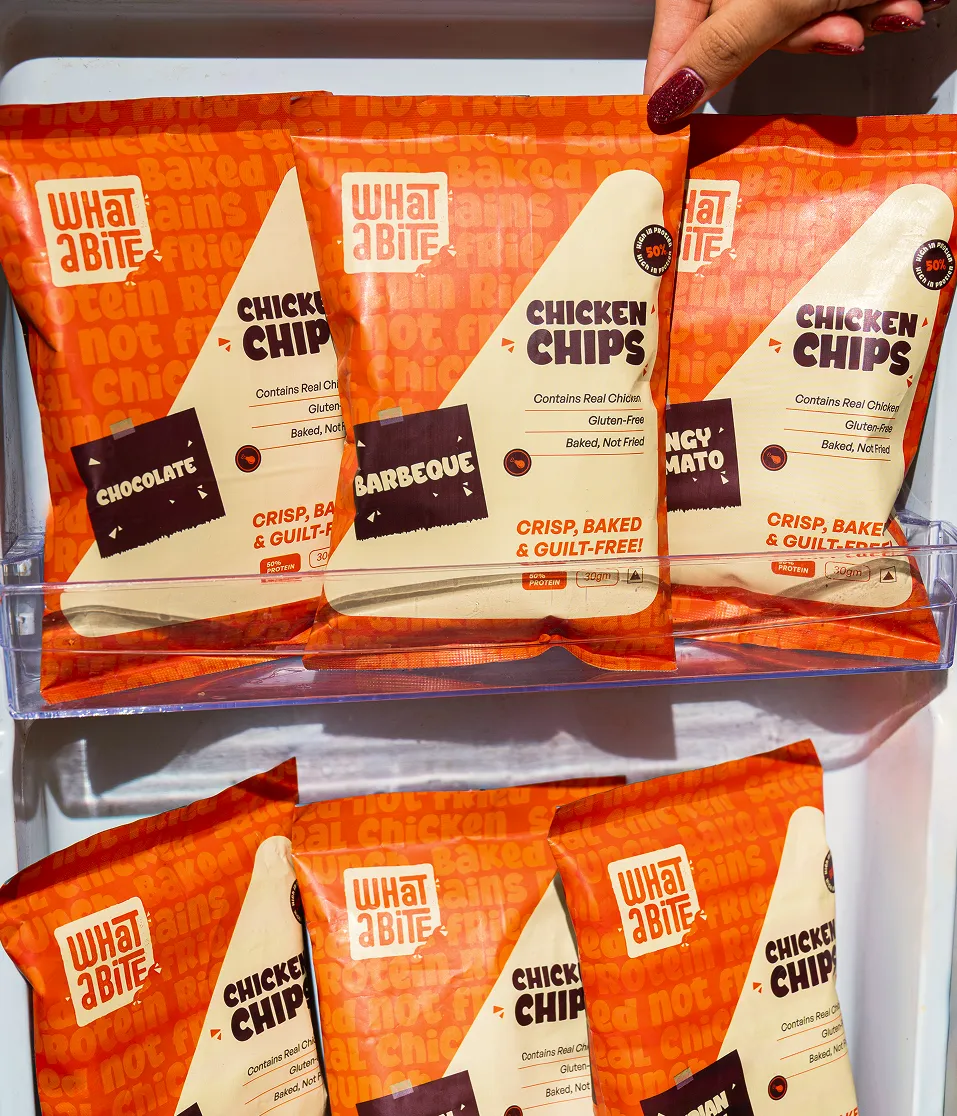
Beyond content requirements, halal packaging faces specific visual design constraints that brand owners frequently overlook.
These rules affect color selection, typography, layout hierarchy, and material choice.
Halal Logo Placement
The logo must appear on the principal display panel in most markets. The face of the pack the consumer sees first. Burying it on the back panel near the ingredient list is permitted in some markets but commercially counterproductive.
JAKIM (Malaysia) specifies a minimum print size for the halal logo. Printing it smaller than the minimum is a labeling violation.
ISA Halal and IFANCA both provide certified brands with graphic design specification documents covering: approved color variants (full color, black, reverse/white), minimum clear space around the logo, approved and prohibited modifications, and file formats for print reproduction.
Imagery Prohibitions
Any packaging featuring pigs or dogs as main visual elements is ineligible for halal certification. Minor or background depictions may be permitted if not central to the design.
Packaging that appears erotic, vulgar, or pornographic disqualifies products regardless of ingredient compliance.
Names and symbols associated with other religious worship or beliefs also render products ineligible.
However, certain cultural expressions are permitted: "Gong Xi Fa Cai" greetings, "Merry Christmas" or "Happy Valentine" messages are allowed provided the halal logo is not displayed on the same package.
Color and Contrast
The halal logo must be printed in a color that creates sufficient contrast against the pack background.
Some certifiers permit only specific color variants. Using an unauthorized color version, even one that looks similar is a usage violation.
When choosing packaging design colors for a halal-intended pack, the certifier logo's approved color set should be established first and the background palette designed around it.
QR Codes and Digital Certification
An increasing number of markets and retail buyers are requiring QR codes that link to live, verifiable certification databases.
Malaysia and GCC distributors are increasingly building this into supplier requirements as a retail condition.
If a QR is required, it needs dedicated real estate in the label layout, usually at least 15–20mm square for reliable scanning in retail conditions.
Brands that don't plan for this at the layout stage end up printing it over the barcode zone or compressing it to the point it fails to scan.
Arabic Typography and Bilingual Layout
For GCC and Malaysian markets, Arabic text is a primary label element.
The Arabic declaration "حلال" and full Arabic ingredient list must be typeset correctly, sized appropriately for legibility, and positioned according to label hierarchy.
Generic machine translations set in Arial don't meet the standard.
Arabic label text needs to be reviewed by a native Arabic speaker and typeset in a font designed for Arabic script, not a Latin-first typeface with Arabic glyph extension.
These visual rules create tension between halal compliance and brand identity. Successful packaging resolves this tension through:
For brands seeking to understand how visual compliance impacts broader brand perception, our guide on packaging design for shelf visibility offers practical frameworks.
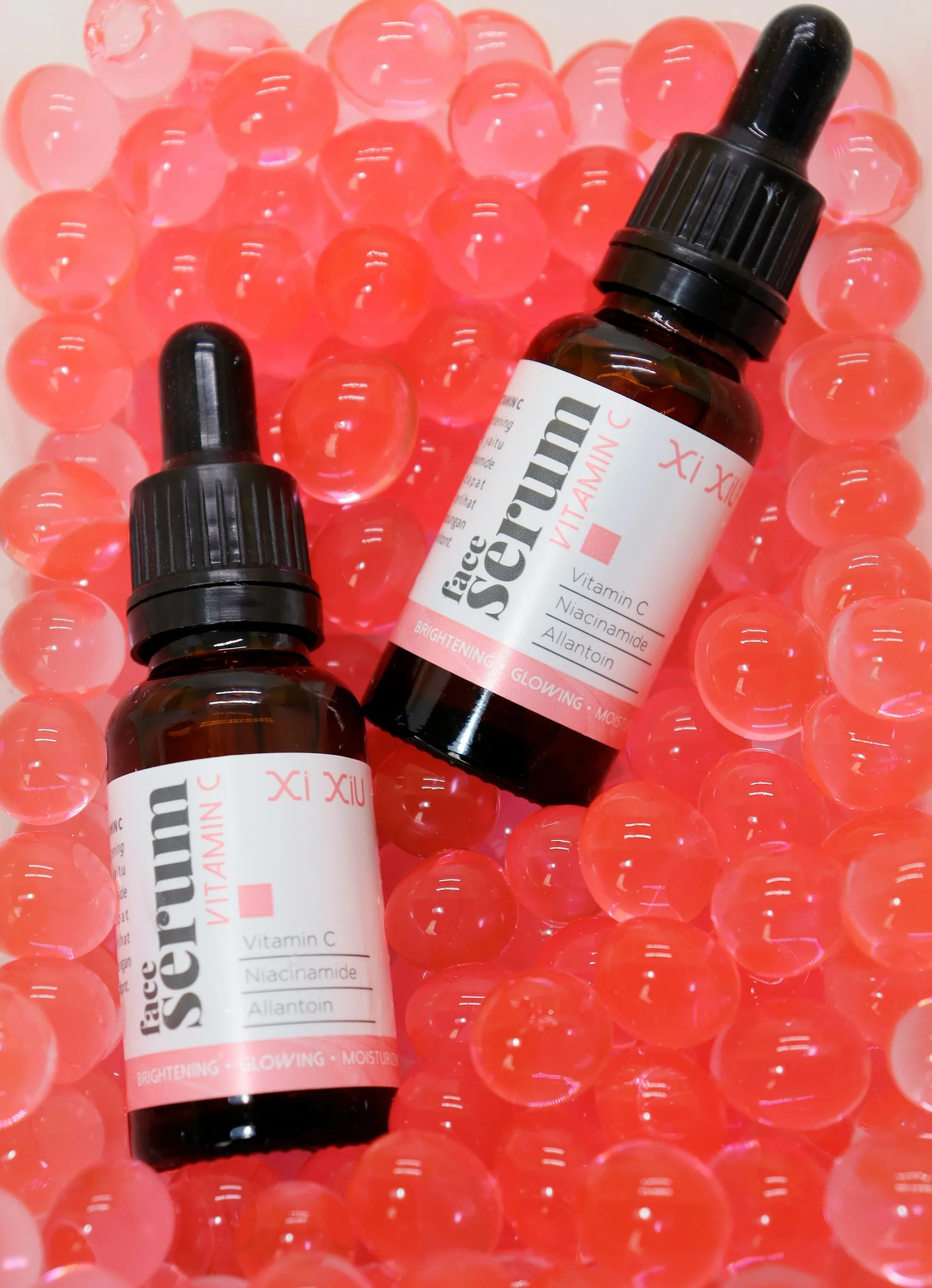
Most halal labeling discussions focus on food, but certification requirements increasingly extend to cosmetics, pharmaceuticals, chemicals, and consumer goods.
The halal cosmetics market is one of the fastest growing, driven largely by Muslim consumers in Southeast Asia and the Gulf.
For a cosmetic product packaging to carry a halal certification label, it must be free from:
The GCC governing standard for halal cosmetics is GSO 2055-2. Malaysia requires HDC (Halal Development Corporation) certification for halal cosmetic claims, separate from JAKIM's food certification.
Indonesia mandates halal certification for cosmetic products sold within its borders beginning October 17, 2026.
Critically, the packaging materials themselves must also pass halal verification, the same material-level compliance discussed in section one applies here.
Halal pharmaceutical labeling remains less standardized than food and cosmetics, but markets are moving toward mandatory frameworks.
Indonesia includes medicines under BPJPH's mandatory halal certification scope. The UAE requires halal certification for certain pharmaceutical categories entering the market.
Gelatin capsules are the single most common halal compliance failure in this category.
Key labeling requirements for pharmaceuticals include ingredient disclosure for gelatin capsules, coating agents, and excipients; alcohol content declaration; and certification body identification.
The label must specify: "Capsule shell: Bovine gelatin (Halal certified)" or "Vegetable capsule (HPMC)" where relevant. A generic "gelatin capsule" declaration is insufficient for halal compliance in any regulated market.
Even non-food products require halal-compliant packaging if they carry halal certification.
The same material restrictions apply: no pig-derived components, no non-halal animal byproducts, no residual alcohol in inks or coatings.
Halal certification for packaging manufacturers extends across food, pharmaceutical, cosmetic, and chemical sectors.
If you are only treating halal labeling as a regulatory burden, you are overlooking a substantial commercial opportunity.
The market dynamics favour brands that approach halal packaging strategically:
🌟Market Growth: The global halal food and beverage market is expected to grow from USD 2.47 trillion in 2026 to USD 3.45 trillion by 2031 at a 6.8% CAGR.
Asia-Pacific leads consumption, while the Middle East remains highly dependent on halal food imports.
🌟Rising Non-Muslim Demand: Halal products are increasingly valued by non-Muslim consumers for their perceived hygiene, food safety, and ethical sourcing standards.
This is especially true for Europe, North America, and urban Asia-Pacific markets.
🌟Mainstream Brand Adoption: Global brands such as Nestlé, Cadbury, and Subway have used halal certification to strengthen retail partnerships and broaden consumer appeal beyond Muslim audiences.
🌟Clean-Label Alignment: Halal certification aligns with clean-label trends through its focus on transparency, traceability, and production integrity.
This helps brands appeal to broader consumer segments.
🌟Trust + Design Drive Purchase Decisions: Technology is strengthening consumer trust and enabling real-time verification of halal compliance.
Brands are increasingly incorporating QR codes and batch-traceability features into packaging to support certification verification and supply-chain transparency.
🌟Label Design Is a Strategic Investment: Brands risk losing market access due to packaging failures rather than product shortcomings, making halal-compliant label design a critical business priority.
🌟Shelf Differentiation Matters: In crowded halal categories, products stand out when halal certification is integrated into a strong visual identity rather than relying solely on a prominent halal logo.
Varying halal certification and labeling requirements across countries create compliance challenges but brands that successfully navigate them can gain a significant first-mover advantage in emerging markets.
Halal packaging compliance isn't a check we run at the end of a design process. We build it into the label architecture from the first layout.
When a brand comes to us with a halal market entry brief, whether for GCC distribution, Malaysian retail, or a UK mainstream grocery pitch, the first step is a compliance mapping session.
Identifying the 7 W’s:
Most brands discover at this stage that their existing label architecture doesn't accommodate halal requirements without a layout restructure. A packaging redesign driven by compliance requirements is significantly cheaper and faster when it's planned, not reactive to a distributor rejection.
What this looks like:
Our packaging design services cover the full process: from compliance mapping and label architecture through to print-ready artwork, for brands entering domestic markets and export markets alike.
Is halal labeling mandatory in the USA?
Halal labeling is not federally mandated for most food products in the US. However, USDA FSIS requires that any "Halal" or "Zabiah Halal" claim on meat and poultry labels be backed by recognized third-party certification.
New Jersey, Illinois, Michigan, and Texas have state-level halal food laws. Using an uncertified halal claim on packaging can constitute false advertising under FTC guidelines regardless of the product category.
Who can issue a halal certification for packaging?
Accepted certifiers vary by market. In the US, recognized bodies include IFANCA, ISWA, and AHF (American Halal Foundation). For GCC markets, only certifiers approved by UAE-ESMA or Saudi SFDA are accepted.
Malaysia requires JAKIM certification. Indonesia requires BPJPH accreditation. Brands targeting multiple markets should prioritize a globally accredited certifier to avoid separate recertification processes for each country.
Does packaging material need to be halal certified, not just the product?
Yes. Primary packaging that contacts the product including films, coatings, adhesives, inks must be free from haram substances.
Pork-derived gelatin has been documented in some packaging adhesives and coatings; alcohol-based solvents appear in certain printing inks. Halal certifiers require ingredient documentation for packaging materials as part of the audit. Ignoring material compliance is one of the most common causes of halal certification failures.
Can I use the word "halal" on my packaging without certification?
On general food products in the US, no federal law prohibits an uncertified halal claim, but FTC truth-in-advertising rules apply. On meat and poultry, USDA prohibits uncertified halal claims.
For products entering GCC, Malaysia, or Indonesia, any halal claim without recognized certification results in customs rejection or retail delisting. The reputational risk with Muslim consumers of a false halal claim is significant regardless of the legal position.
What is the difference between a halal logo and a halal symbol?
A halal logo is an official trademark issued by a recognized certifying body, IFANCA's logo, JAKIM's logo, ISA Halal's mark. A halal symbol is a generic Arabic-script "حلال" mark that any brand can use without certification.
In regulated markets (GCC, Malaysia, Indonesia), only logos from approved certifying bodies are accepted. A generic symbol with no certifier name provides no regulatory validity and low consumer trust in markets where certification literacy is high.
Do cosmetics and personal care products need halal packaging labeling?
Yes, in markets where halal certification applies to cosmetics including GCC countries, Malaysia, and Indonesia.
Halal cosmetics certification covers ingredients, manufacturing processes, and packaging materials. Labels must display the certifier's logo and name. Alcohol content, animal-derived ingredients (carmine, non-halal lanolin), and contact with haram substances during manufacturing are the primary audit focus points.
How does halal labeling differ between Malaysia, UAE, and Indonesia?
Malaysia requires JAKIM certification with the official JAKIM logo, no other certification body's mark is accepted for JAKIM-standard claims. The UAE requires certification from a UAE-ESMA-approved body under GSO 2055-1, with Arabic labeling mandatory.
Indonesia mandated BPJPH halal certification from October 2024, requiring the BPJPH-issued logo. Each market has distinct approved certifier lists, minimum logo specifications, language requirements, and documentation standards.
Want strategic branding and packaging like this for your business?





.webp)
.webp)

.webp)
.webp)
.webp)
.webp)
.webp)






.svg)
.webp)