%201.webp)
02
AI Snaps
.svg)
.svg)
01
Our Work
03
About Us
04
Brand Audit
05
Contact Us
06
Client Success
12
07
Blogs
08
Careers
Book A Call
.svg)



.svg)
Need Help In Building Your Brand?
Click the button below & book a call with our founder directly.

Rishabh Jain
Managing Director
Packaging directly impacts brand valuation by influencing perceived quality, consumer trust, pricing power, and repeat purchase behaviour, all of which are measurable components of brand equity.
In this guide, we break down exactly how packaging shapes financial brand value, with examples, and actionable insight.
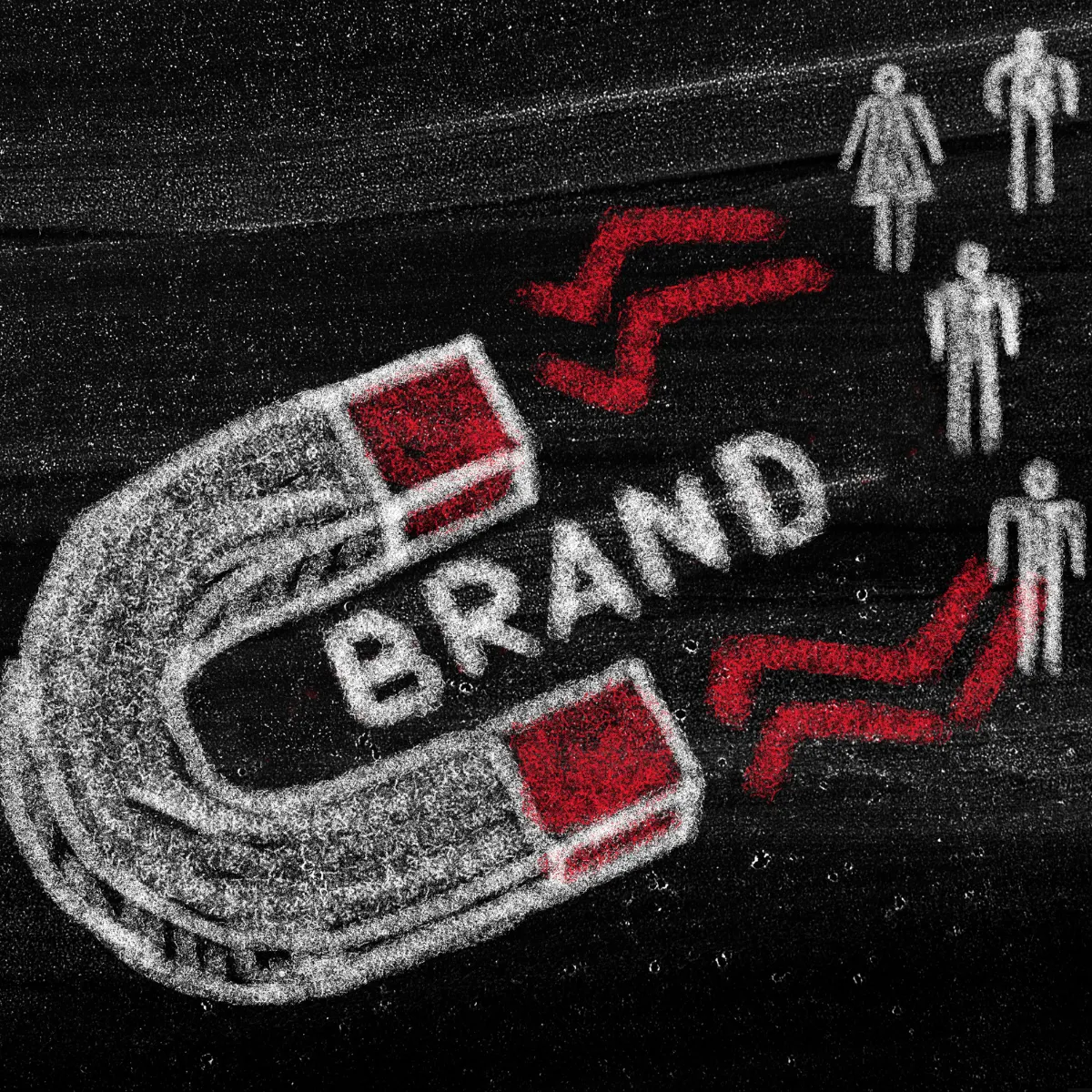
Brand valuation is the process of determining the financial worth of a brand as an intangible asset.
Unlike "brand equity," which focuses on consumer perception and loyalty, brand valuation attaches a monetary value on the brand’s worth.
The Harvard Business School's brand valuation framework assess three core areas:
1. Cost-based valuation
Values a brand based on what it would cost to build it, either from scratch or to match its current strength. It’s often used during acquisitions.
For example, a startup’s value can be estimated by adding up costs like product development, design, marketing, and trademarks.
2. Market-based valuation
Estimates value by comparing the brand to similar ones that have been sold.
It helps you understand what your brand might be worth based on the market. This is useful when there’s no prior sale history.
3. Income-based valuation
Values a brand based on how much money it generates now and in the future.
It looks at things like how much extra people are willing to pay for a branded product versus a generic one.
When analysts value a brand, they look at a mix of measurable inputs. These include:
☑️Brand recognition: Can consumers identify the brand quickly and consistently?
☑️Perceived quality: Do customers believe the product is worth what they're paying?
☑️Customer loyalty: Do people come back without needing to be convinced again?
☑️Price premium: Can the brand charge more than a generic competitor for the same product?
☑️Market positioning: How does the brand stand relative to competitors in the consumer's mind?
And all five inputs above are directly influenced by how a product is packaged.
Packaging is the one place where all of these elements come together in a single, physical object that a consumer holds in their hands.
Packaging → Perceived Quality → Consumer Trust → Price Premium → Brand Equity → Brand Valuation
Packaging is a commercial and financial lever that directly influences how your brand is priced, perceived, and valued.
Here are the six measurable ways packaging design impacts brand valuation:
Consumers form value judgments in seconds.
When a consumer scans a shelf and decides which product looks worth picking up, packaging is doing all the work.
Packaging creates that initial price anchor.
This directly affects willingness to pay.
If your packaging looks budget, your pricing power drops. If it looks premium, customers accept higher pricing without resistance.
Impact on valuation: Price premium is a core input in brand valuation models. Every time a brand under-invests in packaging, it is actively capping its own price ceiling.
Packaging is where brand identity becomes tangible.
Typography, symbols, icons, characters, colours, and structures when used consistently contribute directly to brand recognition.
Brand recognition — the ability of a consumer to identify a brand instantly — is a core component of every major brand equity framework. And brand equity is the foundation of brand valuation.
Also, when customers recognise your product without effort, decision-making becomes faster. Faster decisions increase purchase frequency.
Examples: Hermès orange. Apple white. Marmite's squat little jar - are financial assets that have been built, patiently, through decades of visual consistency.
Impact on valuation: Strong recognition reduces customer acquisition costs and increases repeat revenue, both of which improve brand value.
Packaging is one of the most effective ways to move a product upmarket.
Consumers use packaging as a shortcut to judge quality. This is often called the packaging halo effect.
The brands that command premium valuations aren't necessarily the ones with the best products. They're the ones that make their products feel like they deserve a premium. Packaging is how they do it.
Impact on valuation: Higher margins improve EBITDA. Stronger margins lead to higher valuation multiples and overall enterprise value.
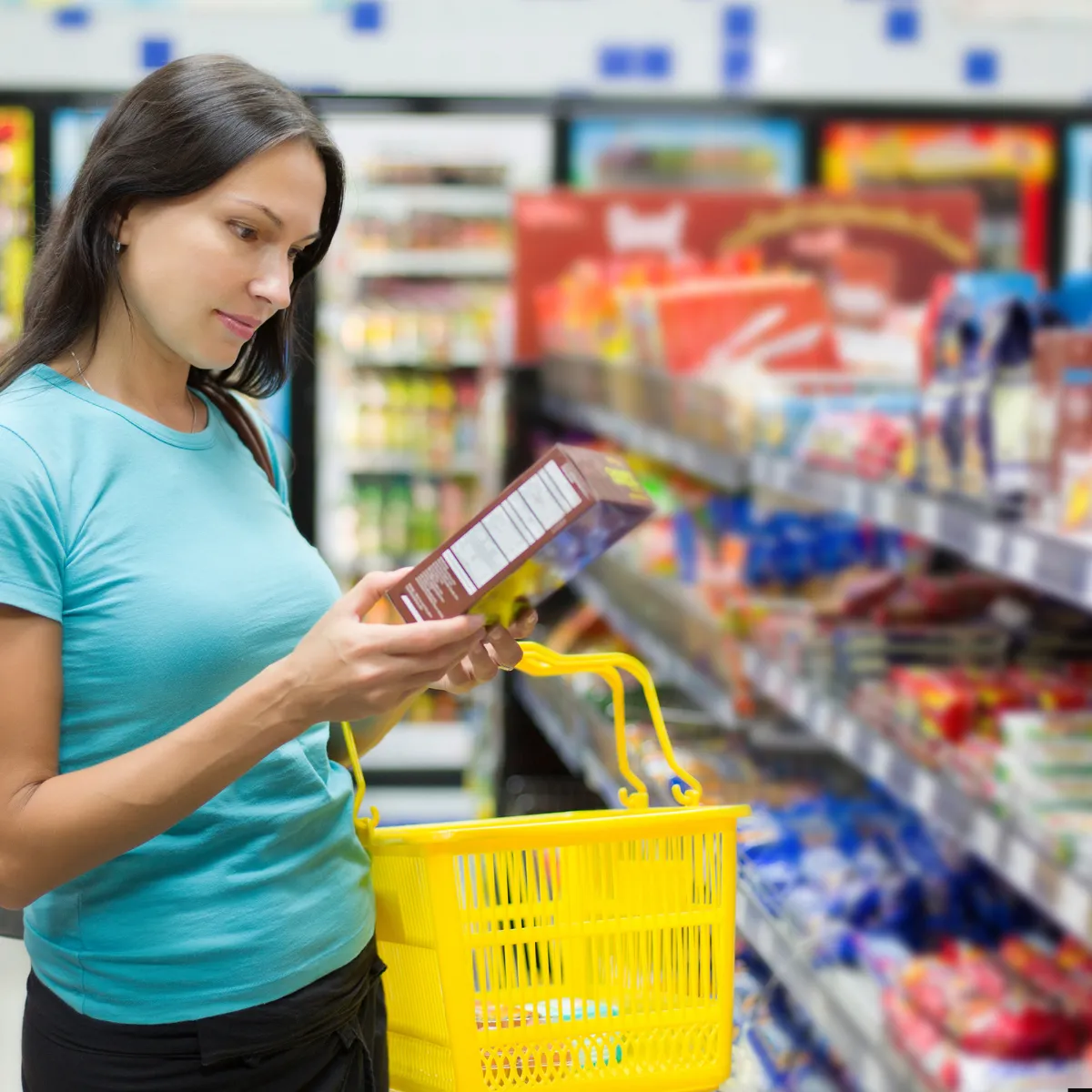
Trust is built through consistency and experience.
The experience provided by packaging materials reinforces a product's quality and value, establishing a physical connection with the consumer.
That physical connection is the beginning of trust.
Every time a consumer picks up a product and the packaging feels right, reads clearly, looks consistent with the brand promise, trust builds up. If packaging feels unreliable or inconsistent, trust drops instantly.
Impact on valuation: Trust drives customer lifetime value (CLV). Higher CLV increases predictable revenue, which strengthens brand valuation.
Packaging now extends beyond the shelf into the customer experience.
A well-designed unboxing experience can:
User-generated content from unboxing acts as earned media. This reduces reliance on paid advertising and improves marketing efficiency.
Impact on valuation: Earned media reduces customer acquisition cost (CAC). Lower CAC + higher engagement = better unit economics. Better unit economics increases business value.
Sustainability is causing a structural shift in how brands are valued, both commercially and financially.
It directly affects both consumer choice and investor confidence.
Eco-conscious packaging signals responsibility, transparency, and future readiness
It also reduces risks related to regulations, environmental backlash and helps brands keep up with changing consumer expectations
In many markets, consumers are willing to pay more for sustainable options.
Impact on valuation: Sustainability improves brand reputation, reduces long-term risk, and aligns with ESG expectations, all of which positively influence valuation multiples.

Poor packaging can cause irreversible damage to your brand which often goes unnoticeable.
It shows up in lost trust, weaker brand equity, and declining valuation over time.
The damage starts the moment a customer sees or opens your product. If packaging feels inconsistent with the product inside, it creates doubt about Price & Trust
This gap between expectation and experience leads to:
❌Negative reviews
❌Lower repeat purchases
❌Reduced word-of-mouth
And once trust drops, recovery is slow and expensive. Marketing alone cannot fix it. The experience has to be rebuilt across every touchpoint.
From a B2B perspective, in due diligence for M&A or investment rounds, inconsistent brand identity (of which packaging is part) directly depresses brand valuation multiples.
Poor packaging design doesn't just fail to attract new customers, it actively drives existing ones away.
So essentially around half your customer base, just vanishes. Not because the product failed. Because the packaging did.
Every return, every replacement, every lost repurchase, these are direct hits to customer lifetime value, the metric that underpins intangible brand worth in financial models.
Here's what damage is done in the short and long term:
Issues compound over time and each small failure adds up.
The root cause of poor packaging is mostly misclassification.
When packaging is treated as a cost that needs to be minimized rather than an investment to optimise, every decision defaults to cheaper.
Thinner material. Generic structure. Rushed design. Lower quality finish.
Each of those decisions feels like a saving on a spreadsheet. But cumulatively, they quietly communicate one message to every consumer: this brand doesn't care enough.
The real cost of poor packaging is more than just the money saved, it's the opportunities lost and the damage done to your brand over time.
Reframe packaging as a brand asset and every decision changes. The materials, the finish, the visual system, the consistency. All of it shifts from overhead to strategy.
That shift is where brand valuation starts moving in the right direction.
As one of the top branding and packaging design agencies in India, we at Confetti combine practical retail experience with strong design to improve how a product looks, reads, and performs on the shelf.
That combination drives strong packaging that strengthens valuation
Most packaging briefs lock in budget, timelines, and materials before design—decisions driven by procurement, not brand.
Confetti flips that order.
At Confetti, we treat packaging as the first interaction between a product and the customer which must be clear, meaningful, and memorable.
That means every engagement starts with brand strategy questions:
❓ Who is this for
❓What do they need to feel when they pick this up
❓ What does this packaging need to communicate in under seven seconds
❓What brand equity asset are we building here
Once these questions are answered, the design process begins.
This matters because brand value (recognition, perceived quality, trust, loyalty) doesn’t come from visuals alone.
It comes from strategic design, fine tuned to shape consumer perceptions consistently over time.
A clear expression of Confetti’s approach is the Packaging Resonance Score.
We assess every design across five dimensions: visual appeal, brand alignment, emotional impact, functionality, and shelf presence.
It’s a data-driven way to ensure packaging isn’t just created, it’s measured against what actually builds (or erodes) brand equity.
This reflects a core belief at Confetti: packaging shapes perception, drives sales, and builds loyalty.
The Resonance Score makes that belief measurable and measurability is what brand valuation demands.
Methodology means little without results and Confetti’s portfolio reflects high-stakes impact.
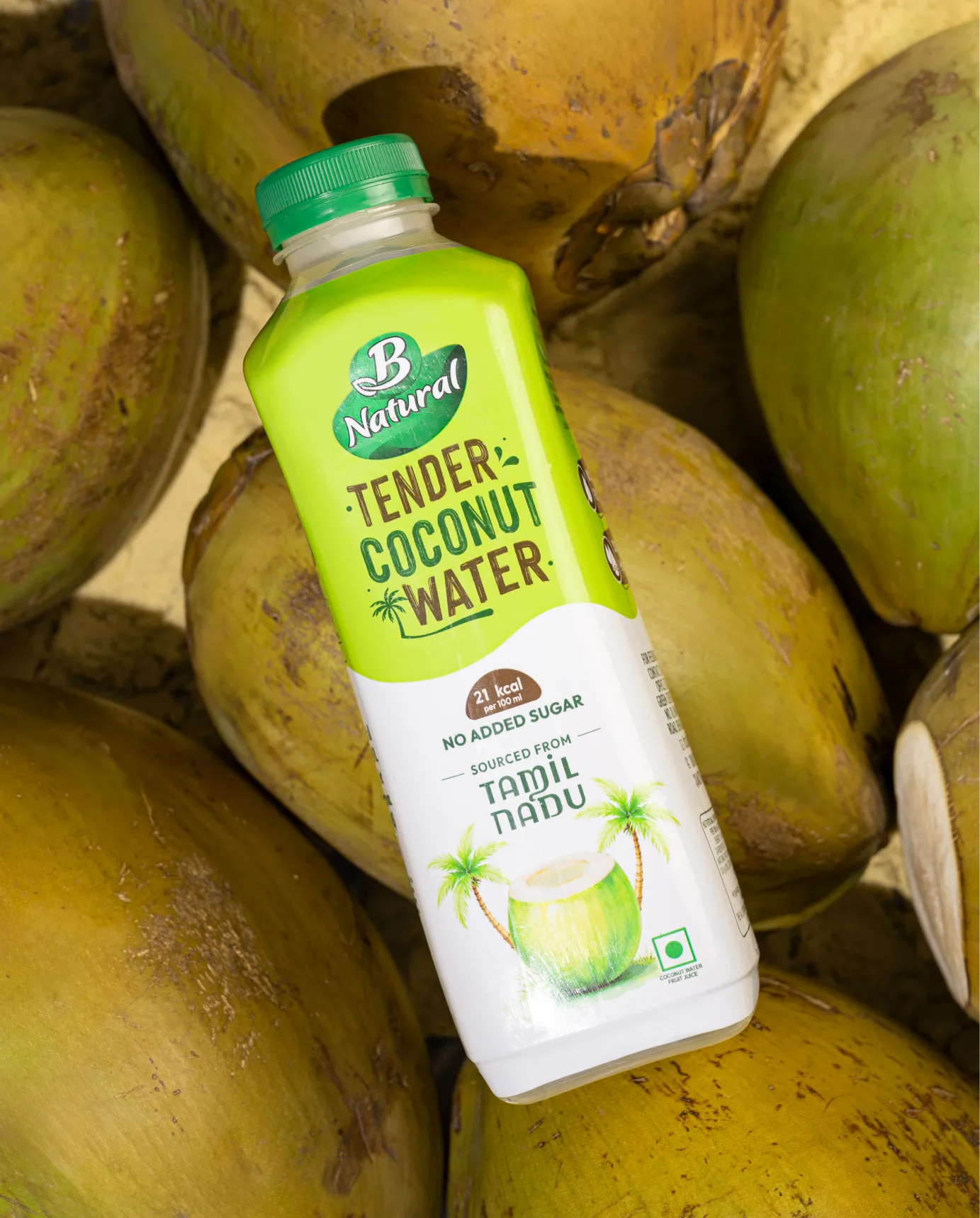
Confetti has redesigned packaging for ITC Limited brands like Bingo!, B Natural, and Aashirvaad, reworking visual hierarchy, illustration, typography, and colour to drive bold, premium shelf presence.
At that scale, packaging isn’t aesthetic, it’s financial.
Across these engagements, the outcome was - stronger brand assets, with clear gains in shelf performance, consumer trust, and pricing power.
Not all packaging moves brand value equally.
The packaging that moves the needle on brand value shares five consistent characteristics and they map precisely to how Confetti approaches every brief:
✅Visual Distinctiveness: It stops the eye on a crowded shelf. In a feed. In a search result. Distinctiveness is the precondition of recognition and drives equity.
✅Brand Consistency: Consistent packaging that uses the same colours, typography, and visual language across SKUs builds brand recognition which compounds equity over time.
✅Narrative Clarity: Great packaging translates a brand’s story, values, ethos and uniqueness into thoughtful, well-placed design elements that create the emotional connections driving loyalty and premium pricing.
✅Sustainability Alignment: Future-proofs the brand's reputation with consumers and investors. Reduces regulatory exposure. Demonstrates the brand's values in the most tangible way possible.
✅ Scalability: Whether for new launches or scaling brands, packaging must present the brand as honest, confident, and market-ready, while growing smoothly across SKUs, formats, and channels without visual fragmentation.
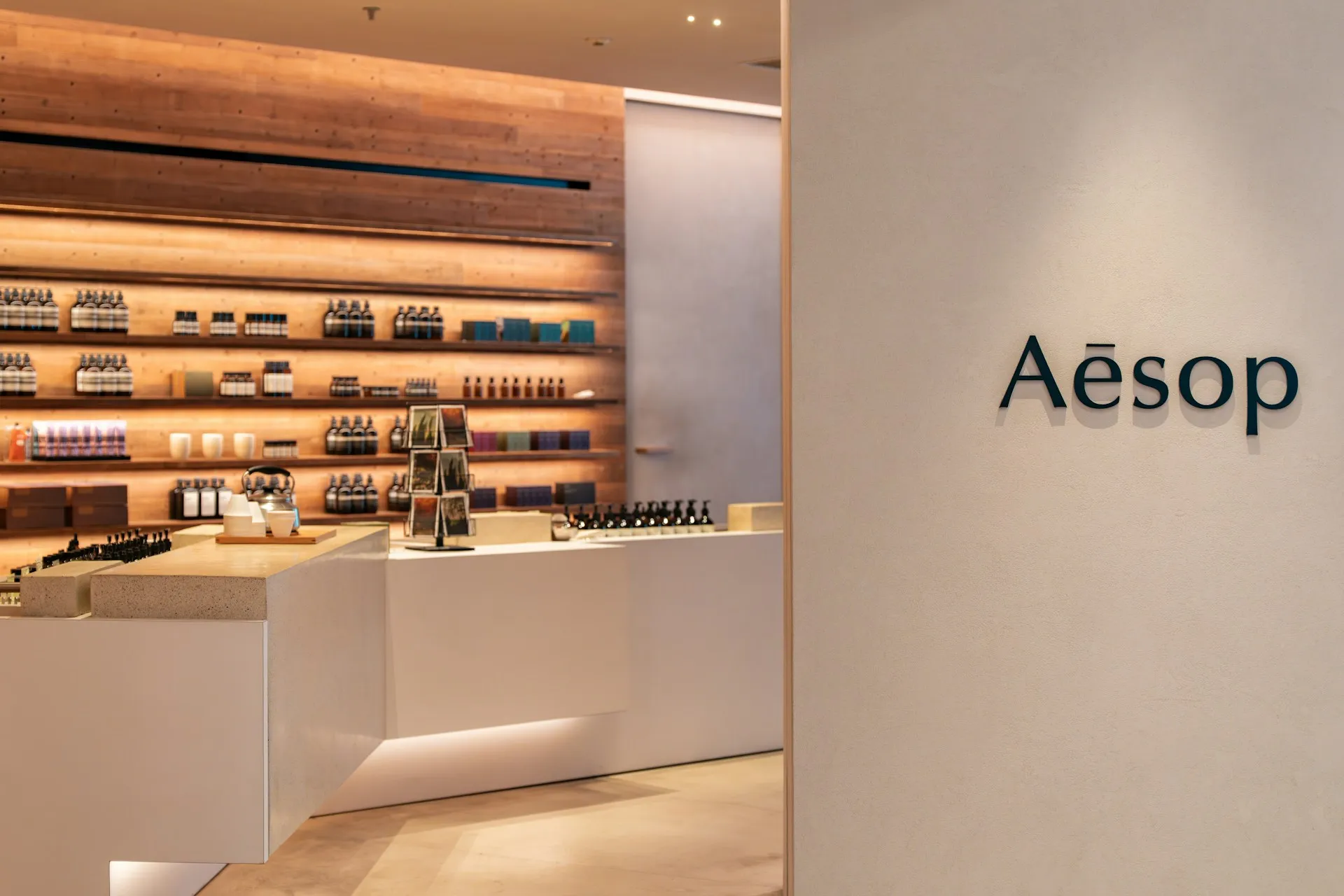
Aesop became a global cult favorite because of its meticulous design and sensory precision.
Its amber glass bottles protect light-sensitive ingredients, while minimalist labels printed on recycled paper with soy-based ink reinforce a sustainable ethos.
The pump mechanisms are engineered for precise dosing, minimizing waste, and every detail communicates care for efficacy as much as aesthetics.
Its Resurrection Aromatique hand wash retails at $43, and one hand balm is sold globally every 26 seconds, illustrating how customers buy into the ritual, sensory experience, and intentionality behind the brand.
Valuation Impact: Consistent packaging across 75 U.S. stores and hundreds of hospitality partners creates a unified brand experience, enabling premium pricing and strong brand equity that justified the $2.5 billion acquisition.
Rothy’s transforms post-consumer plastic bottles into machine-washable shoes, creating a circular material innovation story.
Beyond the product, its shipping boxes are 100% recycled, fully curbside recyclable, and free from plastic inserts or fillers.
The brand also offers an end-of-life recycling program where worn shoes can be returned to be repurposed into products like yoga mats.
This packaging approach signals environmental alignment even before customers try on the shoes, appealing to luxury buyers who factor environmental impact into their purchases.
Valuation Impact: Sustainable packaging supports premium pricing, loyalty, and brand positioning in a crowded footwear market, contributing to a strong, investor-friendly business model.
Drunk Elephant shook up the prestige skincare market with its bright, neon-capped bottles that sharply contrasted the traditional gold and silver luxury aesthetic.
Designed to be “Shelfie-ready” for Instagram, its clean-clinical packaging helped drive massive organic user-generated content, especially among Gen Z and Millennial consumers.
By making the packaging a visual centerpiece, the brand became instantly recognizable and shareable.
Valuation Impact: Packaging differentiated the brand in the prestige skincare market, enabling a high acquisition multiple driven by social media resonance.
India-native The Whole Truth built its brand entirely on honesty.
Its packaging features full ingredient transparency, minimal design, and no exaggerated claims, turning the packaging itself into the brand promise.
Consumers perceive this approach as trustworthy, reinforcing a premium positioning and encouraging strong repeat purchases.
Valuation Impact: Packaging-driven transparency attracted both consumers and investors, creating a strong brand with enduring value.
How does packaging affect brand value?
Packaging shapes how consumers perceive a product's quality, which drives trust, loyalty, and willingness to pay a premium. These factors are direct inputs into brand equity — and therefore brand valuation models.
Can packaging design increase a brand's financial valuation? Yes. Premium packaging signals quality, supports higher pricing, reduces customer acquisition costs through word-of-mouth, and improves brand equity scores — all of which directly increase a brand's assessed financial value.
What is the link between packaging consistency and brand recognition?
Consistent packaging i.e. using the same colours, typography, and visual language, builds brand recognition over time. Recognition is a core component of brand equity, which is a key driver of brand valuation.
How does poor packaging damage a brand's value?
Poor packaging creates distrust, drives down perceived product quality, weakens shelf performance, and reduces repeat purchases. These negative signals reduce brand equity and lower the brand's valuation in investor or acquisition assessments.
What packaging elements most impact brand perception?
Colour psychology, material quality, structural design, typography, and sustainability messaging are the highest-impact elements. Together, they communicate quality, brand personality, and values, all components of brand equity.
Want strategic branding and packaging like this for your business?





.webp)
.webp)

.webp)
.webp)
.webp)
.webp)
.webp)







.svg)
.webp)