02
AI Snaps


01
Our Work
03
About Us
04
Brand Audit
05
Contact Us
06
Client Success
12
07
Blogs
08
Careers
Book A Call




Need Help In Building Your Brand?
Click the button below & book a call with our founder directly.

Rishabh Jain
Managing Director
Premium positioning is what makes your customers willing to pay more for your brand, even when alternatives cost less. It helps prove your product’s value, communicate what makes it different, and make the right decisions to sustain that perception.
This Confetti post breaks down how to earn the premium, signal your value and protect your position, with practical insights to guide your decisions.
Premium positioning means creating a clear, credible reason for customers to pay more and feel the price is fair.
A higher price alone does not make your product premium. Neither does minimalist packaging, gold foil or a claim of superior quality. These elements can signal value, but they cannot replace a meaningful product difference or a promise the brand can support.
These categories are often used in place of one another but they create different customer expectations.
Each position requires different decisions.
A brand that charges a premium but cannot justify a meaningful difference will end up disappointing customers. Another that promises exclusivity but relies on constant discounts weakens that promise.
Consumer preferences shift between upgrading and trading down. Customers may pay more when a product offers credible performance, trust or convenience, then choose a cheaper alternative when they feel the difference isn’t worthwhile.
So, if you want to pursue premium, you need to focus on three priorities:
These priorities work together.
A brand that signals premium quality without delivering it is merely decorative. One that delivers superior value but fails to communicate it may struggle to command a higher price. And one that earns and signals a premium but allows uncontrolled discounting can gradually lose its position.
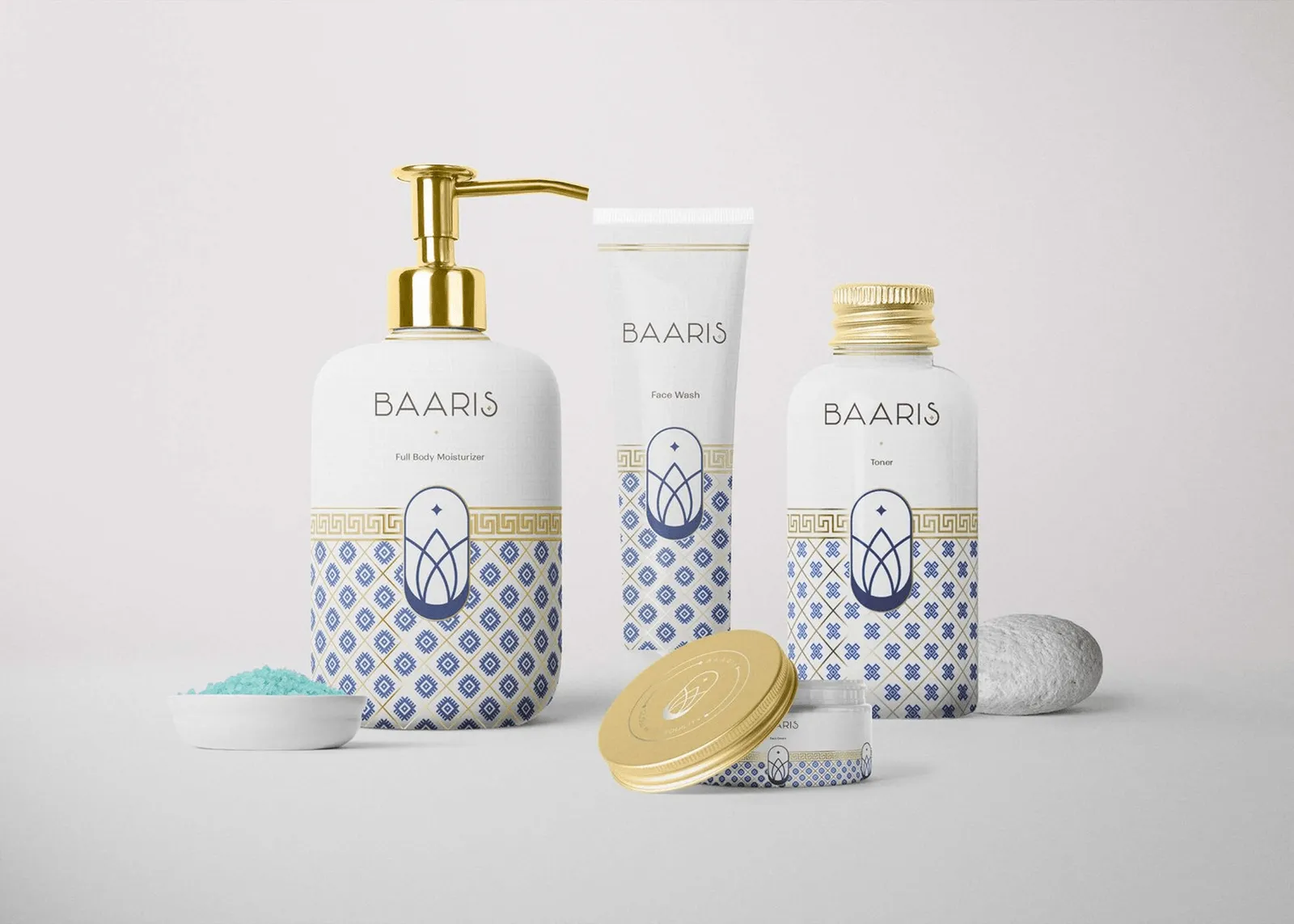
A premium price needs a reason customers value and competitors cannot easily replicate.
1. Proprietary formulation or measurable performance
A product that delivers a demonstrable benefit gives customers a concrete reason to pay more.
The advantage might come from a specialised formula, distinctive materials, testing or technology. You must explain what makes the product different and provide evidence to support your claims.
2. Verifiable origin and provenance
A specific place, raw material or sourcing story can distinguish a product when its origin is genuine and traceable. Phool, for example, built its brand around converting discarded temple flowers into incense.
The product's origin and the company's environmental purpose are connected to its actual operations, making the story more credible than a marketing claim alone.
3. Distinctive craft or process
A specialised, time-intensive or carefully controlled production method can justify a higher price.
Explain what the process involves, why it matters and how it affects the finished product. Simply describing something as handcrafted or artisanal is not enough.
4. A category-creating point of view
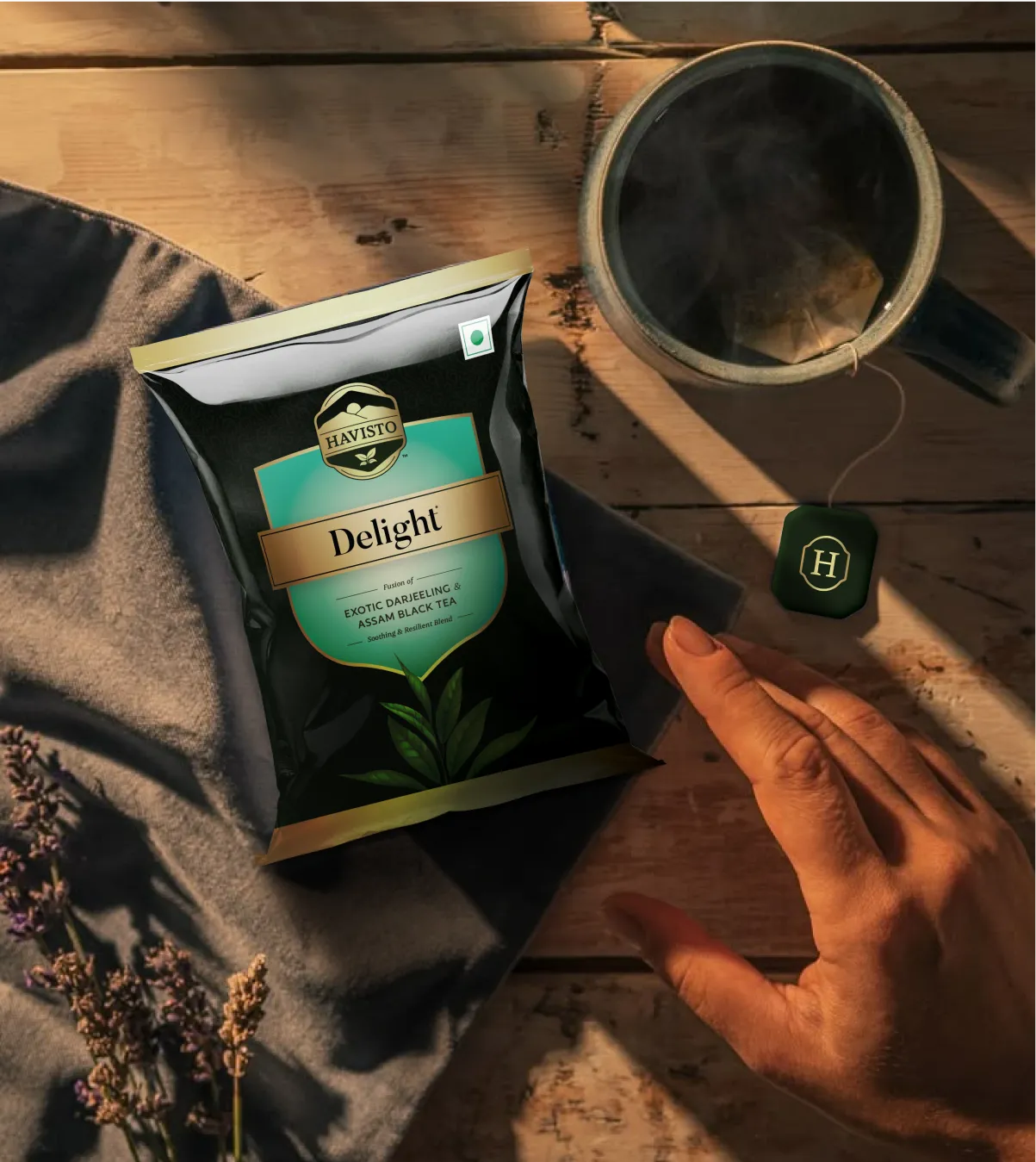
Sometimes the opportunity is to change how customers perceive an established product. For Havisto, a premium Indian tea brand,
Confetti developed the brand positioning of Havisto, presenting tea as a calming ritual for urban professionals.
The brand's value came from combining tea's provenance with a distinctive occasion and experience, rather than competing on the leaves alone.
5. Values backed by operations
Sustainability, ethical sourcing and transparency can support a premium when customers can verify the commitment.
For Ollen, a premium baby care brand, we built positioning around nurturing, sustainability and accessible premium quality. Product testing and sourcing transparency helped give that positioning substance.
The product may justify a higher price while the parent brand does not. Toyota's creation of Lexus illustrates how a separate brand can establish a premium position without being constrained by the expectations attached to the mass-market name.
For smaller businesses, the decision is whether to extend the existing brand or create a distinct identity for the higher-priced range.
Before committing to a premium positioning strategy, ask:
If the answer is no, the premium is not defensible. It is a temporary price advantage, and temporary advantages do not compound.

Once your product has earned its premium, the brand identity and packaging must make that value visible.
Customers often judge quality before they can test the product, using materials, design, language and presentation to decide whether the price feels justified.
Premium design communicates with clarity rather than crowding every benefit onto the front panel.
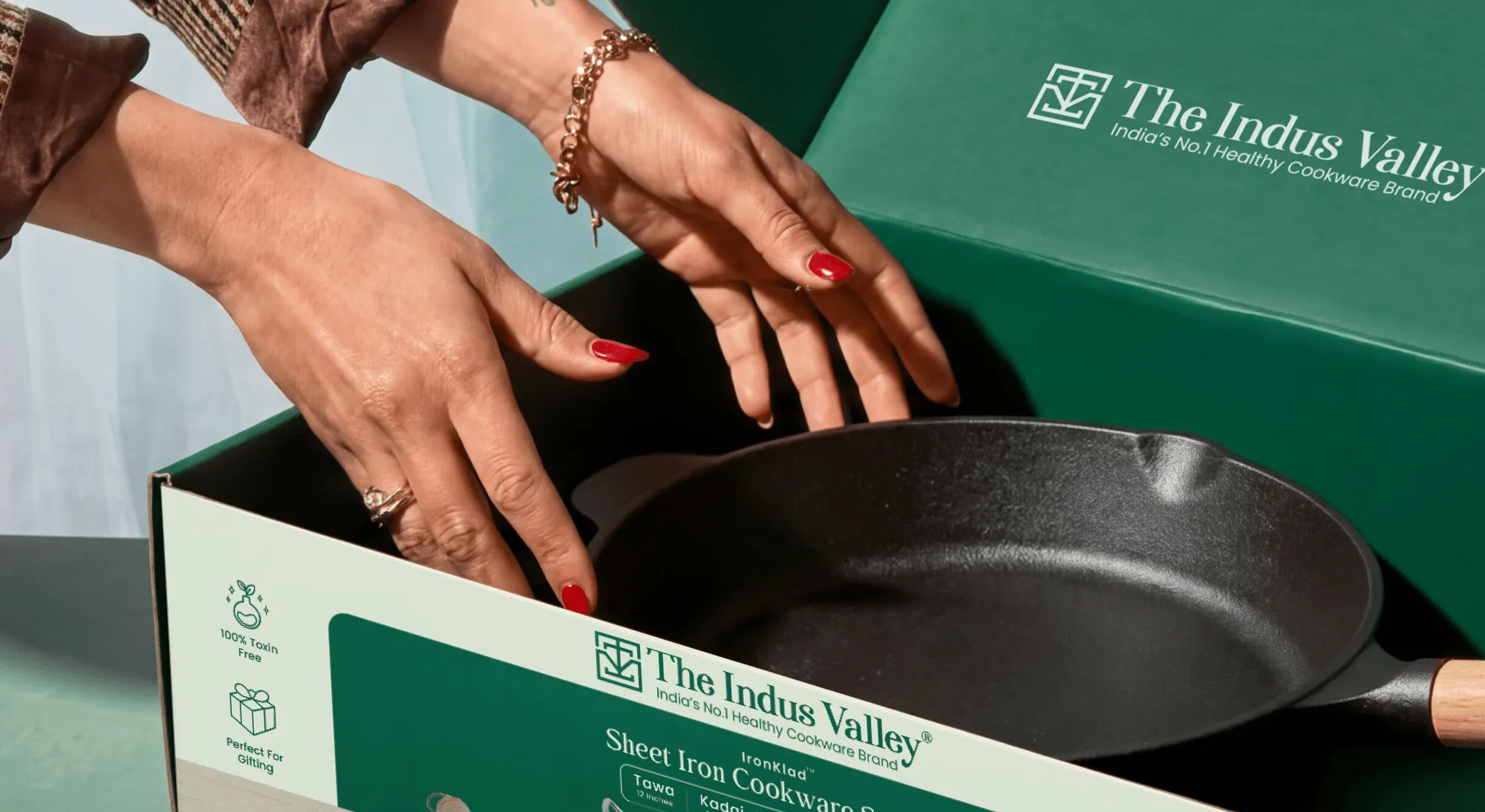
For The Indus Valley, we simplified cluttered packaging by prioritising the product, brand, key features and technical details in that order.
Strong product imagery and deep green helped the range feel more considered without relying on exaggerated claims.
Glass weight, carton quality, closure precision and print finishes influence how customers perceive a product.
Metal accents can also add a sense of quality, but the choice should fit the product's price and positioning. Expensive materials are not automatically better branding; they need to make a noticeable difference to the customer experience.
Concrete information gives customers a reason to believe the price. “Single-origin Ethiopian" is more informative than “finest quality.” “Stainless steel with a tri-ply base” tells buyers more than “premium cookware.”
Specific claims help customers understand the difference and give competitors less room to copy the language without matching the underlying product.
The premium signal must hold across packaging design, websites, marketplace listings, advertising, inserts and retail displays. A carefully designed pack paired with poor product photography or constant discount-led advertising creates conflicting expectations.
For Havisto, Confetti used earthy colours, elegant typography, minimalist packaging and subtle illustrations of Assam and Darjeeling landscapes to make premium tea feel authentic and accessible. The design communicated provenance and a calming ritual without making the brand feel unnecessarily exclusive.
💡Every design choice should reinforce the value the product can deliver. Premium positioning requires recognisable, consistent signals that make the price credible.
Premium positioning is easier to earn than to protect. The market will constantly test whether the price is real.
Identify the product that carries the strongest proof of value and protect its price.
Smaller sizes can make trial more accessible, while curated bundles and gift sets can increase perceived value without cutting the unit price of the core product.
Frequent discounting teaches customers that the listed price is negotiable. Over time, they may delay purchases until the next sale, weakening both margins and perceived value.
Premium brands can use alternatives such as gifts with purchase, loyalty benefits, early access and genuinely limited editions. Planned promotions may have a role, but they should not become the main reason customers buy.
A product's retail environment influences how customers interpret its price. Select retailers whose audience, presentation and service match the brand.
Maintain consistent product information across the D2C website and marketplaces, monitor unauthorised listings, and investigate unexplained price differences.
Brands operating across wholesale, retail and D2C also need clear channel roles. Without oversight, excess stock can reach unintended sellers, listings can become inconsistent and the brand's own website may lose sales to cheaper offers elsewhere.
Control distribution through lawful, well-defined channel policies rather than attempting to dictate resale prices. Competition rules vary by market, so obtain local legal advice before introducing restrictions on retailers or distributors.
Search for your product across your own website, major marketplaces and retail partners. Are prices and product presentations consistent with your intended position? Can customers understand why the product costs more? Do promotions add value, or simply reduce the price?
If a cheaper offer repeatedly undercuts the brand's main channel, investigate the cause before increasing advertising or redesigning the pack. Premium positioning depends on the entire commercial system supporting the same promise.
Premium positioning is built from a small number of decisions that reinforce each other. Here are the elements that are most important:
✨A specific, ownable promise:
The brand must stand for one thing, not everything. The promise must be narrow enough to be defended and meaningful enough to change a purchase decision.
✨A visible standard of selectivity
Premium brands have visible standards. They work with specific customers, in specific contexts, at a specific level of engagement.
The moment a brand communicates "this is not for everyone", it signals value to the people it is for . Selectivity is positioning.
✨A distinctive visual and material language
Premium brands position just above the category convention, not so different that they are disorienting, not so similar that they are invisible.
Distinctiveness is a pricing strategy.
✨A process the customer can understand
Commodity brands describe outputs, premium brands describe their method.
A well-articulated process is one of the most defensible differentiators because it cannot be copied as a deliverable, it is the way the brand works .
✨A proof system
In categories from skincare to food, the premium brand must be able to substantiate what it says with clinical data, sourcing documentation, certification, or verifiable provenance.
The proof must be presented with restraint so that it reinforces prestige rather than cheapening it.
✨A price architecture that anchors the range
Premium ranges are not flat price lists. They use an entry product, a hero, and a halo to set the ceiling of perceived value and make the core offer feel attainable .
The halo does not need to sell in volume. It needs to exist.
✨Distribution discipline
A premium brand that is available everywhere at every price has told the customer that the price is negotiable.
Selective distribution is thus a part of the product .
✨A consistent experience across every channel
The premium claim is confirmed or contradicted at every touchpoint: the pack, the product page, the retail counter, the unboxing, the customer service email.
Brand consistency is the mechanism through which the premium becomes believable.
Moving up-market starts with a structural decision: should the premium sit under your existing name, a sub-brand or a completely new brand?
The right choice depends on how far the new offer stretches your current positioning and whether customers will accept the higher price under the existing name.
A refresh works when the product already delivers value that the current identity fails to communicate. Updated packaging, clearer visual hierarchy and stronger product messaging can improve perceived quality without losing existing customer recognition or retailer relationships.
The limitation is the parent brand's existing reputation. A design refresh cannot justify a higher price if the product offers no meaningful improvement.
A premium sub-line retains the parent's recognition while creating room for a higher price, a more specific audience or additional benefits. It suits brands whose existing name carries trust but whose core range occupies a lower price tier.
The main risk is confusion. If customers cannot distinguish the premium range from the core line, they may not understand the price difference. Give the sub-line a clear promise, distinct visual cues and benefits that support its position without weakening the parent range.
A new brand makes sense when the premium promise conflicts with the parent's existing associations. Toyota's creation of Lexus illustrates this approach: the separate name allowed Toyota to compete in the luxury automotive market without relying on its mass-market identity.
This route requires greater investment because the new brand must build awareness, trust and distribution from scratch. It is worth considering when the parent name would limit the price the product can command.
Whichever route you choose, plan the transition for existing customers and retail partners.
The decision comes down to the distance between your current brand and your intended position.
Refresh when the existing brand can stretch, launch a sub-line when the offer needs room to grow, and create a new brand when the parent name holds the premium back.
Premium is not a universal language. The same price and the same signals read differently across markets, and a brand that treats premium as global will find that it is premium nowhere in particular.
If you are planning to expand internationally, the challenge is to preserve a consistent promise while adapting its expression to local expectations.
A credible product difference, reliable quality, good materials and consistent customer experience can support a premium in many countries.
Whether the advantage comes from ingredients, craftsmanship, performance or provenance, the brand should be able to explain and substantiate it wherever it sells.
Price expectations and competitive sets
A product positioned as premium in India may occupy a different price tier in the UAE or Europe. Define the local competitors, customer expectations and price points before setting the market position.
Packaging and cultural cues
Colours, imagery, language and pack formats can carry different meanings across markets. In India, brands may need to balance global design codes with local relevance.
In the UAE, packaging must speak to an international audience while accommodating Arabic and English requirements where applicable.
Regulatory claims and labelling
Product claims, mandatory information and language requirements vary by jurisdiction. For example, EU cosmetic claims are assessed under Regulation (EU) No 655/2013, while UAE labelling requirements can include Arabic alongside English for specified information.
Check the rules for each product category and market before finalising artwork.
Retail and distribution
A pack designed for a specialist retailer may need a different information hierarchy from one competing on a crowded supermarket shelf or an online marketplace.
Test how the product looks in the channels where customers will actually encounter it.
Build the brand around a consistent core: the product difference, evidence, quality standards and customer promise. Adapt the language, cultural references, pack sizes, price architecture and channel strategy to each market.
For example, a brand selling premium food products in both India and the UAE might retain the same sourcing story and quality standards while adjusting pack sizes, label layouts and price points to suit local buyers.
💡The goal is consistency without forced uniformity. A premium brand should remain recognisable across borders, but its identity and packaging must still make sense to the customers buying it in each market.

The brands that hold a premium price are whose promise, proof, signals, and price discipline all point in the same direction.
At Confetti, we work on that system, not just the surface of it.
We have built premium positions across categories where the price had to be earned rather than asserted.
Havisto needed to be premium and accessible at the same time: sophisticated enough to justify a higher price than mass-market tea, welcoming enough to appeal to younger, experience-driven consumers who were not looking for a heritage brand.
The work began with the positioning, tea as urban tranquility and only then moved to the earthy palette, minimalist packaging, and illustrations of Assam and Darjeeling that made the premium visible without making it distant.
Ollen had a different problem: premium baby care in a category where sustainability is often assumed to compromise quality, and where first-time parents scrutinise every claim. The positioning rested on three pillars: nurturing, sustainability, and a premium feel that remains accessible, with transparency in sourcing and dermatologically tested formulas as the proof.
The visual identity used a minimalist elephant mark for dependability, a soft earthy palette for nature, and deep blue and warm neutrals as premium accents . The premium was not a colour choice. It was the visible edge of an operational promise.
What these projects share is a sequence: positioning first, proof second, packaging third, price discipline throughout. Confetti does not start with a mood board. We start with the question the premium depends on: what can this brand claim that a competitor cannot, and what evidence will make that claim believable at the price?
The packaging is where the answer becomes visible.
If you are building or repositioning a premium brand, the first conversation should be about the premium you can defend. Talk to our team and we will map the earn, signal, and protect system before you commit to a single design decision.
What is premium positioning?
Premium positioning places a brand above the category average on price and asks buyers to pay more because the product is demonstrably better in a way they care about. It works when three things line up: a real difference the brand can prove, signals in the identity and packaging that communicate it, and pricing and distribution choices that protect it over time.
What is the difference between a premium and a luxury brand?
Premium brands justify a higher price through better quality or performance, and buyers still judge them on value for money. Luxury brands sell heritage, rarity and status, and their buyers are less concerned with value. That changes the playbook: premium brands explain and prove their difference, while luxury brands control access, price and distribution far more tightly.
How do you position a brand as premium?
Start with a difference buyers value and you can prove, then make the identity and packaging communicate it clearly: confident hierarchy, restrained design, better materials and specific claims. Set a price that matches the promise and protect it with selective distribution and limited discounting. Positioning fails when the pack promises more than the product, or the price keeps being cut.
Can a mass-market brand become premium?
Yes, but it usually takes more than a redesign. The product or experience has to improve in a way buyers notice, and the move is often made gradually, through a refresh, a premium sub-line or a separate brand. Existing customers need a reason to stay, and retailers need to see that the higher price is backed by real difference.
What is premiumization?
Premiumization is the shift of spending toward higher-priced, higher-quality versions of everyday products, such as craft drinks, specialty foods or performance skincare. For brands, it creates room to move up a tier. NielsenIQ reported in September 2026 that US consumer goods growth is concentrating at the premium and value ends, which puts pressure on brands in the middle.
Want strategic branding and packaging like this for your business?