%201.webp)
02
AI Snaps
.svg)
.svg)
01
Our Work
03
About Us
04
Brand Audit
05
Contact Us
06
Client Success
12
07
Blogs
08
Careers
Book A Call
.svg)



.svg)
Need Help In Building Your Brand?
Click the button below & book a call with our founder directly.

Rishabh Jain
Managing Director
Most brands treat SKU architecture as for the last, spreading ad spend across too many products and missing the velocity needed for organic ranking.
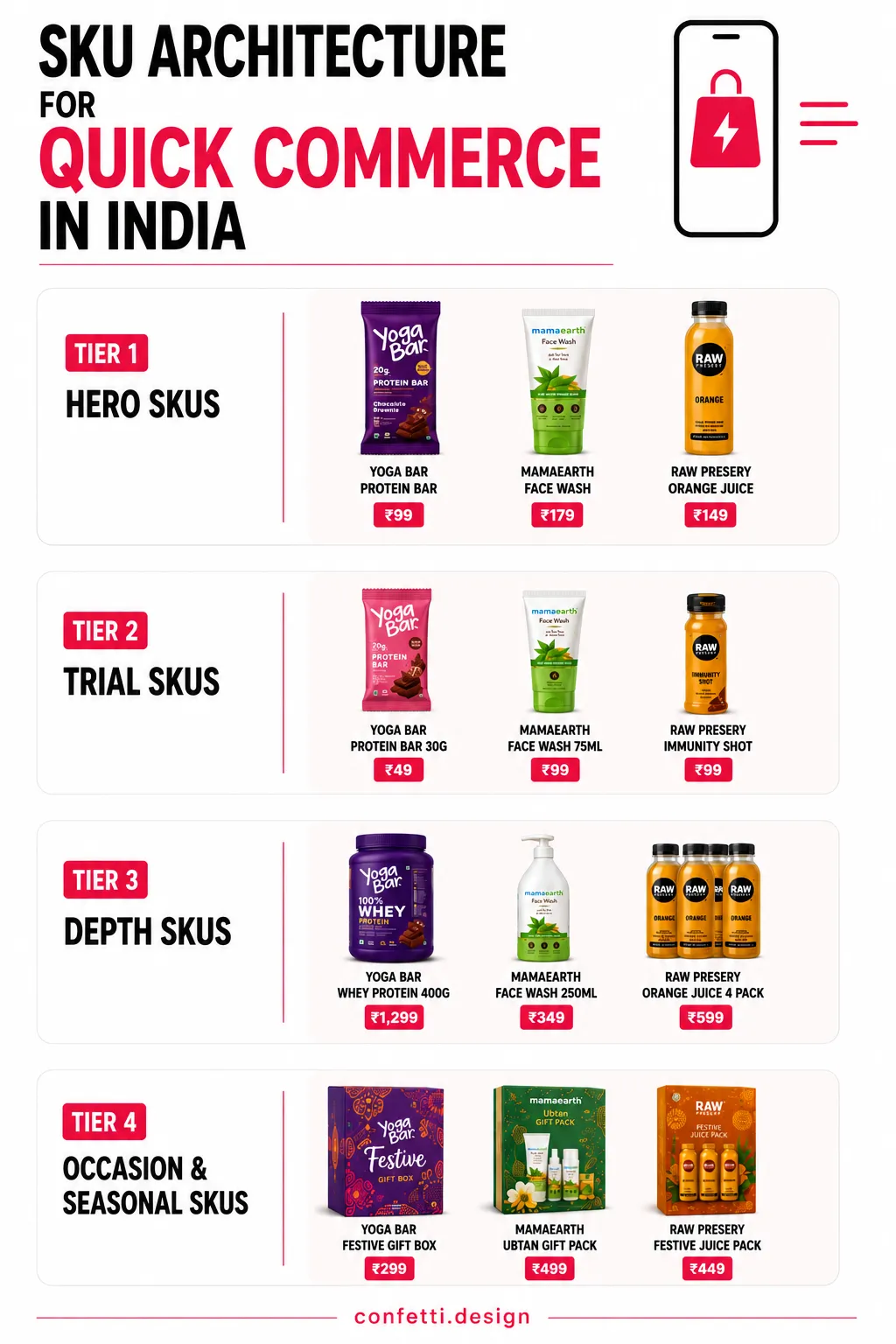
This blog covers the four-tier SKU architecture you need for quick commerce. We cover pack size engineering, platform-specific strategies, SKU-level unit economics and how to audit your existing product portfolio.
Modern trade rewards breadth.
This velocity is a function of how narrowly and precisely your SKU architecture is built for a dark store.
The consumer opens the app with a need already formed, and they're choosing from a small thumbnail on a mobile screen with a decision window in a few seconds.
That compression rewrites what a SKU has to do:
🟣Identity Has to Read at The Thumbnail Scale
Variant, pack size, and the one claim that matters need to be legible in a single frame, with no tap-through required.
This makes pack size and variant naming a packaging and catalogue decision. If you get it wrong, the SKU gets invisible before the consumer even registers the brand.
🟣SKUs Need to Map to an Instant-Use Occasion
"I need a snack right now." "We're out of face wash." "Something cold with dinner."
The SKUs that win on Q-commerce are the ones that answer a need state the fastest.
Price Has to Stay Inside The Platform's Psychological Anchors
₹49, ₹99, ₹149, ₹199, ₹299 cover most impulse-driven FMCG and personal care purchases.
Above ₹500, conversion drops sharply regardless of how strong the value proposition is on paper.
For long-term success in quick commerce, brands must create a product portfolio where every SKU has a clear purpose, sales target, and profit goal.
Hero SKUs are your 2–5 highest-velocity products in Q-commerce-compatible categories.
They carry the bulk of your dark store orders, and they teach the platform's algorithm to associate your brand with reliable demand.
Your Hero SKU is rarely your highest-margin product. But this SKU has:
🔷Track velocity weekly: The target is 3–10+ units per dark store per day in mature urban locations. Anything falling under 2 units per dark store per day needs active advertising support before the platform's algorithm quietly deprioritises it.
🔷Start with 2–3 Hero SKUs: A concentrated velocity signal from 3 SKUs performing well outweighs a diffuse signal from 15 SKUs performing weakly, every time.
.webp)
Trial SKUs are smaller, lower-priced versions of your category products, built specifically to get first-time Q-commerce buyers to say yes.
They exist to solve one problem: a consumer who's curious about your brand but won't commit to a full-size purchase in an impulse-buying context.
A ₹99 trial pack earns an order from someone who'd never have bought the ₹399 full-size version.
Q-commerce works because customers can try a product within minutes and form an opinion the same day.
A 3-day Amazon feedback loop shrinks to one evening here, helping drive higher trial SKU reorder rates than any other channel.
Design trial SKUs as genuinely smaller versions of the product: a 30g protein bar, a 75ml face wash, a single-use wellness shot. The size has to deliver enough of the actual product experience for the customer to form a real opinion. Undersize it too far and it won't convert anyone.
Expect lower per-unit velocity here, 1–3 units per dark store per day but the metric that is important is 30-day trial-to-Hero conversion.
⚠️If that conversion rate falls under 20%, something's broken: either the product experience is incomplete, the price gap between trial and hero size is too wide, or the two aren't merchandised near each other in the dark store's zone map.
Depth SKUs are the counterintuitive tier:
Their job is contribution margin.
Depth SKUs serve customers past the trial stage, people buying for planned replenishment or household stocking. A 400g protein tub against a 50g bar. A 250ml face wash against the 75ml trial. A 4-pack bundle against a single unit.
Lower order frequency, higher revenue per transaction, and often a better margin because these are in less competitive commission tiers on the platform.
Target 0.5–2 units per dark store per day, monitored weekly and track contribution margin per unit.
Only add depth SKUs once your Hero SKUs have established organic ranking and reliable supply in those specific dark stores, and never send depth SKUs to a store where your Hero SKUs aren't already contribution-positive.
.webp)
Occasion SKUs are limited-run products built around specific consumption windows: festivals, sporting seasons, and gifting periods. They capture demand spikes and lift basket value during a defined window, then step aside.
This tier is important. Quick commerce platforms report festive-period velocity running 4–5x baseline for brands that plan occasion SKUs and promotional placement in advance.
Occasion SKUs need their own planning cycle, 4–8 weeks minimum lead time for festive inventory, separate NPI submissions if they're genuinely new SKUs, and dedicated ad budgets for the window.
They shouldn't compete with Hero and Depth SKUs for shelf allocation; they should supplement it temporarily, then get withdrawn once the window closes.
📌A gifting brand reached out to Confetti to improve its performance on Blinkit while keeping its advertising budget unchanged.
We optimized the SKU mix, shifting ad spend to peak evening hours (after 5 PM), targeting occasion-driven keywords, and prioritizing high-performing Level 3 SKUs.
These strategic changes delivered exceptional results, generating 8–10x the brand's usual weekly revenue and achieving a milestone of over ₹1 lakh in sales in a single day.
Pack size engineering means creating pack sizes that sell faster on quick commerce while staying profitable.
🛍️The average order value on Q-commerce sits between ₹350–₹700
Your consumer is buying for tonight, for the next few days, or for a need they have right now.
A pack sized for a monthly household top-up simply doesn't fit that purchase occasion, no matter how good the per-unit economics look on paper.
🛍️Dark store pickers work to a sub-3-minute fulfilment window
Platforms track pick efficiency at the individual SKU level. A product that's heavy, oversized, or awkward to handle slows the picker down.
SKUs that consistently slow fulfillment get pushed down in slotting, regardless of how well they'd otherwise sell.
🛍️The ₹500 ceiling holds regardless of brand strength
Products priced above it rarely convert as impulse purchases on Q-commerce, even with strong recognition and ad support behind them.
If your product sits above that line, you either build a lower-priced Q-commerce entry point or you accept that this channel won't drive impulse conversion for you. Brand demand has to be built elsewhere first.
Here's how that works across categories:
The most operationally dangerous shortcut in Q-commerce SKU planning is listing your existing retail packs without rethinking them.
Retail pack sizes often underperform on quick commerce because they don't match how customers shop.
The pushback against building Q-commerce-specific packs is usually cost and complexity. A new SKU means a new production run, a fresh NPI submission, new barcodes, new artwork. That's a legitimate constraint.
But weigh it against the alternative: sustained low velocity on an oversized pack, shrinking dark store allocation, and eventual algorithmic deprioritisation. The second cost compounds; the first is one-time.
✅Done right, bundle:
🚫Bad bundles are just slow-moving products packed together. Customers recognize this quickly. Bundling unwanted products doesn't make them more appealing.
Bundles work when they include products customers already love. Pairing a bestseller with a slow seller usually doesn't work.
Pricing is important here, a ₹199 bundle built from two ₹110 units communicates value clearly, even at a modest 9% discount, because the math is obvious and the components are equal.
A ₹199 bundle mixing a ₹99 unit with a ₹129 unit creates a value calculation the consumer has to work out themselves and on a 3-second decision window, they won't bother.
📌Keep bundles simple enough that they feel like the consumer's own natural purchase, just packaged as one.
Each platform pulls a different consumer, runs a different dark store model, and rewards different product characteristics.
Blinkit's consumer skews 25–40, household-centric, and premium urban. Its (AOV) is the highest of the three platforms at ₹709 in FY26.
It also runs a Trial-to-Level distribution system, where new brands start in a limited set of dark stores and earn wider placement purely through velocity performance.
Blinkit rewards Hero SKUs that already carry brand recognition and can convert on existing awareness. If you're a new D2C brand without that awareness, plan for heavier trial SKU and advertising support at launch, because you don't get the shortcut established brands get.
It's also the platform where premium depth SKUs in the ₹300–₹500 range actually perform, because the AOV and purchase context support a more considered basket addition than Zepto or Instamart usually allow.
📌Start Blinkit with 1–3 SKUs in a single metro city, prove fill rate discipline and unit economics there, and earn Level 2 before expanding.
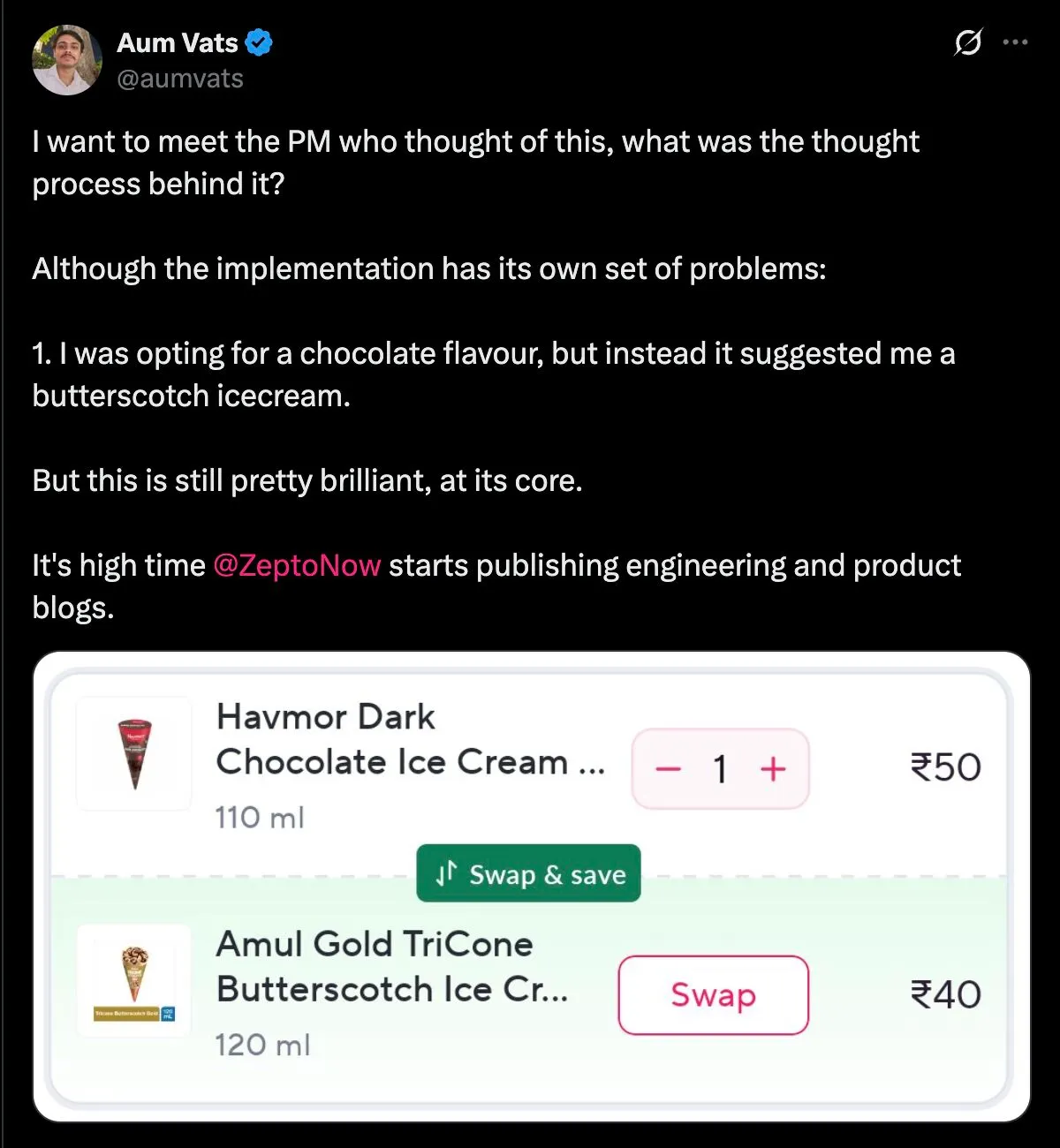
Zepto's consumers are younger, 18-34 age bracket, and are more trend-responsive, more open to discovering new D2C brands.
Over 90% of Zepto's orders come from repeat customers, which implies this platform rewards products that build genuine loyalty.
That makes Zepto a strong fit for D2C brands with real differentiation, health, functional snacks, clean beauty, premium beverages. Its algorithm favours SKUs that generate repeat purchase over ones that generate a single spike.
The Swap and Save format, which surfaces your product when a shopper adds a competitor to their cart. This also makes head-to-head positioning against established FMCG names directly actionable in a way the other platforms don't offer.
Zepto also runs a tighter catalogue, around 2,500 SKUs per dark store, versus Blinkit's broader range. Less category clutter means a well-positioned SKU earns organic visibility faster.
Which makes Zepto particularly well suited to carrying your trial SKU tier. A new customer has less competing noise to cut through on their way to your product.
Instamart's structural edge is its cross-sell from Swiggy's 50M+ food delivery user base, 29% of new Instamart grocery shoppers discover products through a food ordering session.
That creates a meal-occasion discovery dynamic none of the other platforms replicate.
Architecturally, this means Instamart rewards SKUs that pair naturally with food occasions, beverages, snacks, condiments, cooking essentials, desserts.
It's also where your Tier 4 Occasion SKUs tend to perform best, because meal-context ordering is inherently occasion-driven. Someone adding a snack to their biryani order is behaving like an occasion buyer.
📌Instamart runs a B2B supplier model with fixed weekly purchase orders. Which makes the working capital implications of your SKU choices more pronounced here than on Blinkit or Zepto.
Every SKU you place in Instamart's dark stores ties up inventory with no guaranteed sell-through, making slower-moving Depth SKUs a higher inventory risk than on other channels.
Despite the platform differences, most brands should keep a consistent Hero SKU set across all three.
The 2–3 SKUs that have already proven velocity on one platform are usually your strongest candidates everywhere else too.
Where platform-specific thinking earns its keep is further down the architecture:
✅Trial SKUs can be platform-specific. If Zepto's younger demographic needs a lower-barrier entry point into your category, a Zepto-only trial size can make sense.
If Instamart's meal-occasion context calls for a single-serve format that doesn't fit your existing Blinkit or Zepto listing, it's worth developing separately.
✅Depth SKUs should follow AOV compatibility. A ₹499 value multipack can work well on Blinkit, where AOV and spend willingness support it.
But underperform on Instamart, where the purchase is more impulse-structured and basket-addition-sized rather than a planned larger purchase.
✅Occasion SKUs should generally go live across all platforms simultaneously during the relevant window, with the promotional activation tailored per platform rather than the SKU itself.
Every SKU in the portfolio carries a different unit economics profile on Q-commerce. And those profiles vary by platform, by category, by price tier, and by commission structure.
Before you list any SKU, and again after it's live, run the actual math:
MRP - platform commission (2–25%, depending on platform and price tier) - GST on commission (18%) - inbound logistics (3–5% of inventory value) - inwarding charges (₹2–4 per unit on Instamart) - dark store storage (₹1/unit/day on Blinkit; ₹0.50–2/unit/day on Instamart) - advertising as a % of GMV - write-off provision for expiry or damage - net contribution per unit.
👉If a SKU is still contribution-negative at 2,000 monthly orders, either the MRP must change or it doesn't belong in your Q-commerce portfolio. Velocity can't fix a structurally unprofitable unit.
👉If contribution only becomes meaningful beyond 10,000 monthly orders, be realistic about whether your dark store footprint can deliver that volume before allocating shelf space.
SKU-level P&L is necessary, but the real measure of Q-commerce sustainability is the blended contribution across the entire portfolio.
This is where the tier strategy pays off: high-volume Hero SKUs with thin margins need high-margin Depth SKUs alongside them to make the overall portfolio commercially viable.
Pull the Depth SKU out and the Hero SKU's economics don't change, but the portfolio's blended economics get materially worse.
Each tier should be held to a different margin expectation:
📌Judging a Trial SKU by Hero SKU margin standards, or judging a Hero SKU by Depth SKU margin standards, misreads what each tier is actually for and leads to the wrong SKU getting cut.
Q-commerce generates the richest real-time SKU-level consumer data in Indian retail, and its value extends well beyond the channel's own P&L.
Blinkit's Seller Hub gives you real-time, SKU-level attribution broken down by dark store, city, keyword, and time of day.
There are 4 questions your architecture should be answering from this data every month:
❓Which variant earns the highest repeat purchase rate within 30 days
This is your most demand-validated SKU and it's rarely the one with the highest first-order volume.
The repeat-purchase hierarchy on Q-commerce is the closest thing to a real-time product-market-fit signal you'll get without commissioning a formal consumer study.
❓Which pack size delivers the best velocity per rupee of dark store space
This is your optimal channel format, and it often isn't what you'd assume. A 150ml face wash pack might generate 40% more revenue per unit of shelf space than the 200ml version, despite costing less to produce and stock.
It's a signal that should shape your next product development cycle, well beyond the Q-commerce range.
❓Which city cluster hits a positive contribution margin at the lowest order volume
This is your real geographic expansion priority. The city where your unit economics work earliest is where you deepen investment before you spread into new territory.
❓What time of day do peak orders happen, by category
A protein bar brand peaking at 7–9pm, the post-gym window needs a different content and advertising cadence than one peaking at 12–2pm as a lunch snack.
Q-commerce tells you precisely when your consumer is making the decision. Your Instagram posting schedule and promotional windows should follow that signal.
As Q-commerce data accumulates, it begins shaping portfolio decisions across the business. SKU strategy evolves from a channel tactic into a company-wide learning engine.
Three areas where this is evident:
🟤Modern Trade Ranging Decisions
A brand with documented Q-commerce velocity data for specific SKUs in specific cities enters modern trade buyer conversations from a position of market-validated demand.
For example, a protein bar brand with 50,000 monthly Blinkit orders in Bengaluru has a more credible case for a Bengaluru DMart range than one presenting only factory capacity and sales projections. The data is real, recent, and geographically specific.
🟤Product Development Priorities
Repeat purchase data separates genuine loyalty from one-time trials. A flavour that converts well on first order but reorders poorly is telling you something's off in the formulation or the expectation it sets.
A flavour holding a 35% 30-day reorder rate is validated and that's the one worth investing wider channel budget behind.
🟤D2C Subscription Design
The sharpest operators are feeding Q-commerce reorder patterns directly into how they design D2C subscription bundles.
Building subscriptions that mirror how their most loyal Q-commerce customers already buy, then layering on the Lifetime Value (LTV) and first-party data advantages the D2C channel gives you.
If you're already live on Q-commerce and the numbers aren't where they should be, in the vast majority of cases, the issue is the architecture around it.
Run this audit before you touch formulation, packaging, or pricing.
❓1. How many SKUs are you currently live with
If the number is above 8–10 on any single platform in your first year, you are almost certainly spreading velocity too thin. Pull 90 days of SKU-level data. Identify which SKUs have generated fewer than 50 orders in that period.
These are algorithmic liabilities, they are consuming dark store space and inventory capital without generating velocity.
❓2. Does each SKU have an assigned role
Go through your current live SKU set and assign each one to a tier: Hero, Trial, Depth, or Occasion.
If you cannot clearly assign a role, that SKU lacks architectural logic and should be evaluated for removal or consolidation.
❓3. What is your contribution margin at the SKU level
Calculate net contribution margin per unit for your top 5 SKUs on each platform.
If any Hero SKU is generating negative contribution margin at current volumes, the architecture has a structural problem, either the price tier, the pack size, or the commission burden needs to change before scaling that SKU.
❓4. What is your 30-day reorder rate by SKU
A healthy Q-commerce SKU should have 20%+ of first-time buyers reordering within 30 days for repeat-purchase categories.
Below 15% indicates either a product quality gap, a consumer expectation gap, or a wrong placement (the consumer who bought the trial SKU wasn't the right buyer for that format).
❓5. Which dark store clusters generate positive contribution margin
This is the geographic architecture question. If your SKUs are margin-positive in South Mumbai but margin-negative in Thane, even within the same city the inventory allocation to Thane dark stores is destroying value.
Concentrate on margin-positive clusters before expanding geographically.
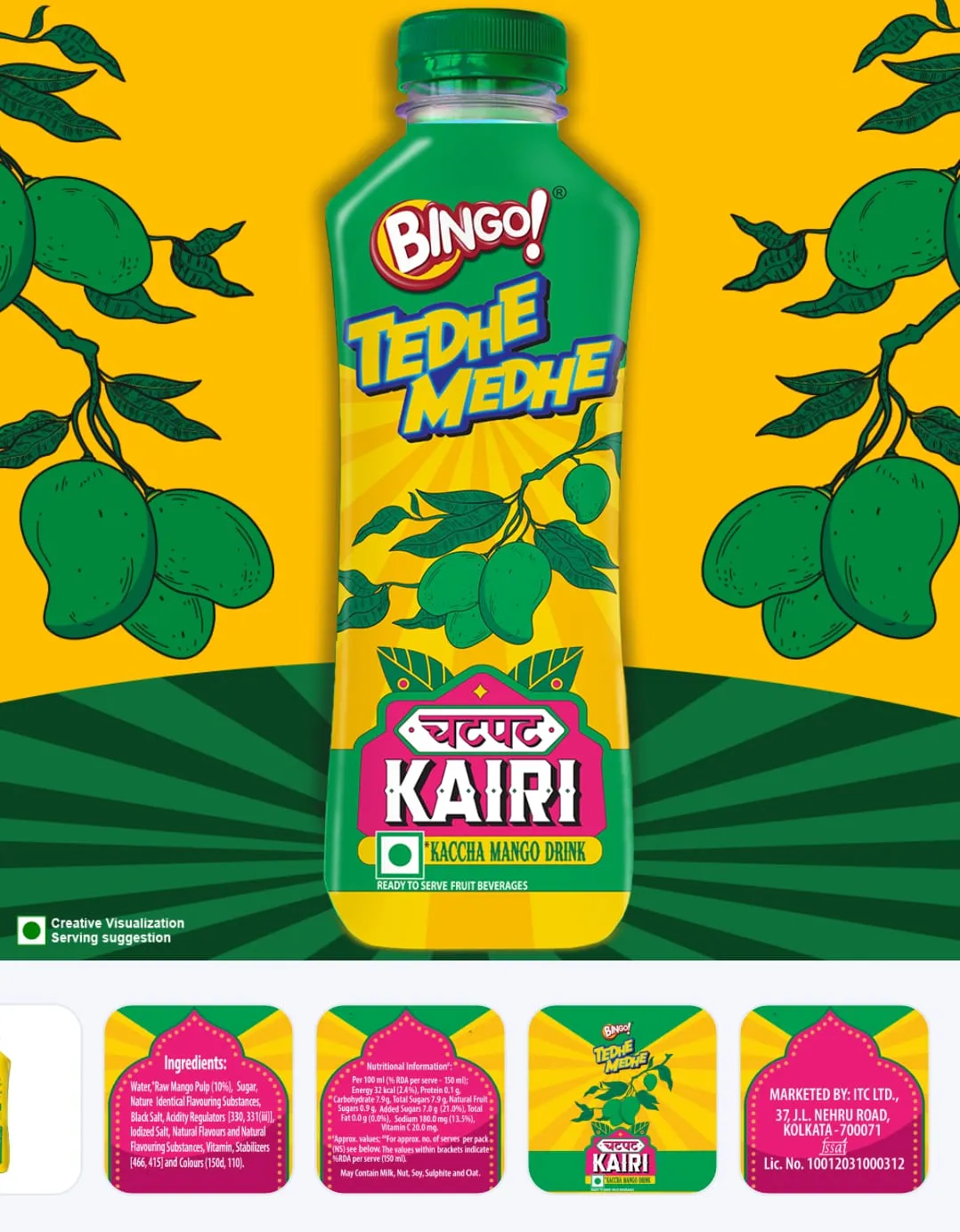
The best SKU architecture in the world underperforms if the packaging, labelling, and product photography for each tier doesn't match what that tier is supposed to do.
We approach SKU architecture from the commercial strategy side and the packaging design side at the same time because an architecture that isn't expressed correctly at the consumer interface simply won't perform, no matter how sound the underlying logic is.
We mainly focus on:
👉SKU Portfolio Audit Before Any Design Work Starts
We review your current or proposed Q-commerce SKU set against the four-tier framework.
Which SKUs already have a clear role, which are undifferentiated, which pack sizes are misaligned with Q-commerce consumer psychology, and which are structurally incompatible with dark store operations before a single design brief is written.
👉Pack Size Recommendations Grounded in Channel Economics
We advise on pack size against consumer psychology (price point, use occasion), dark store compatibility (weight, dimensions, pick efficiency), and contribution margin (commission tier, storage cost profile).
The pack size and format get confirmed against the channel's actual economics before packaging artwork begins.
👉Screen-First Label Design, Built by Tier
Each tier has different requirements at mobile thumbnail scale. Hero SKUs need maximum recognisability and brand dominance at 200px. Trial SKUs need a clear size callout and immediate value communication.
Depth SKUs need premium visual differentiation that justifies the price step-up without drifting from the brand system. Occasion SKUs need to signal the moment without diluting the evergreen identity underneath it.
👉NPI-Ready Catalogue Assets Across the Whole Architecture
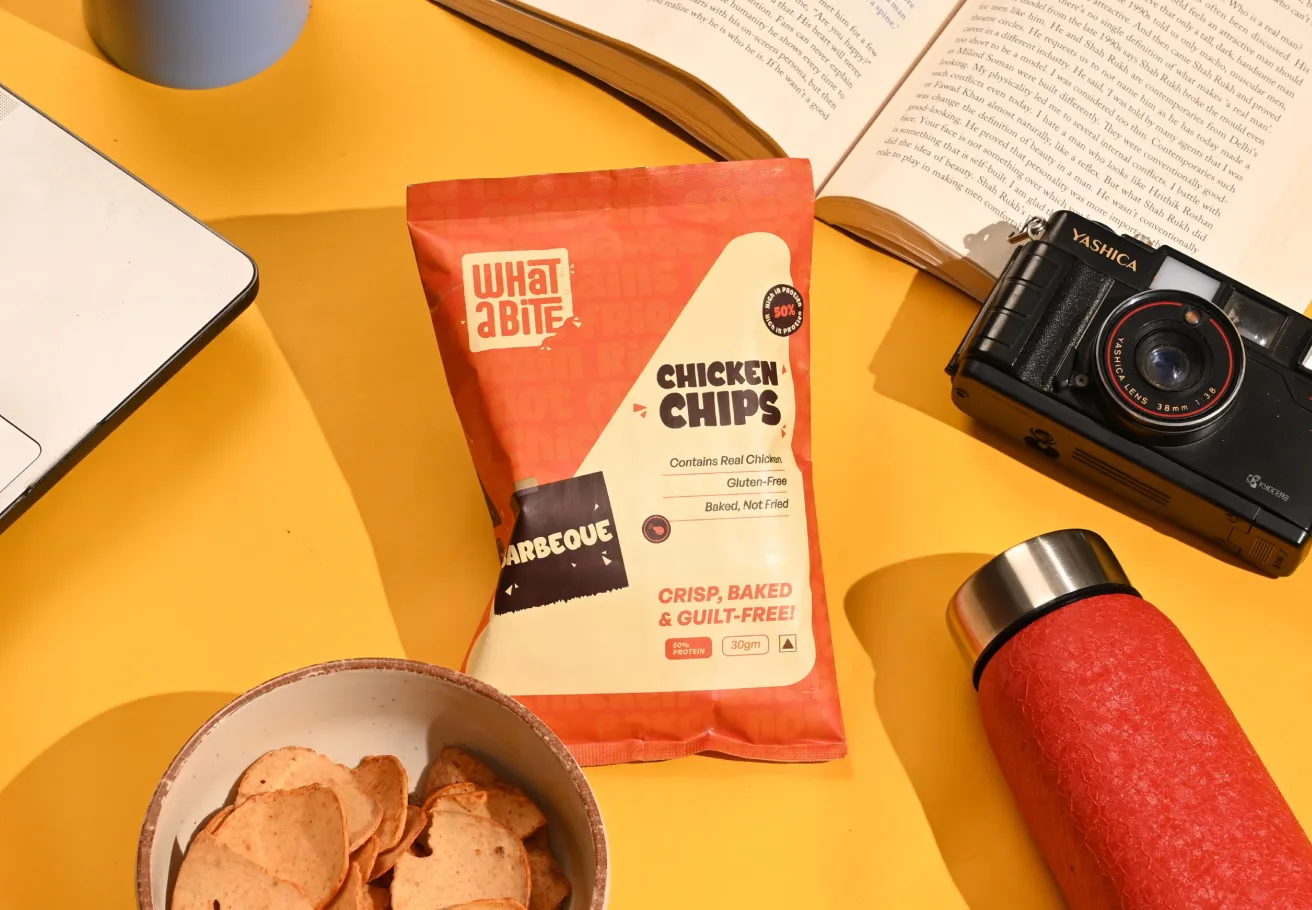
3 images per SKU: front, back, lifestyle, formatted to each platform's technical specifications.
So the full architecture launches with clean NPI submissions across Blinkit, Zepto, and Instamart at the same time, rather than staggered fixes after rejection.
📌Our packaging project for ITC's Bingo Chatpat Kairi is a great example of what shelf-ready, platform-ready design actually looks like.
Want strategic branding and packaging like this for your business?





.webp)
.webp)

.webp)
.webp)
.webp)
.webp)
.webp)







.svg)
.webp)