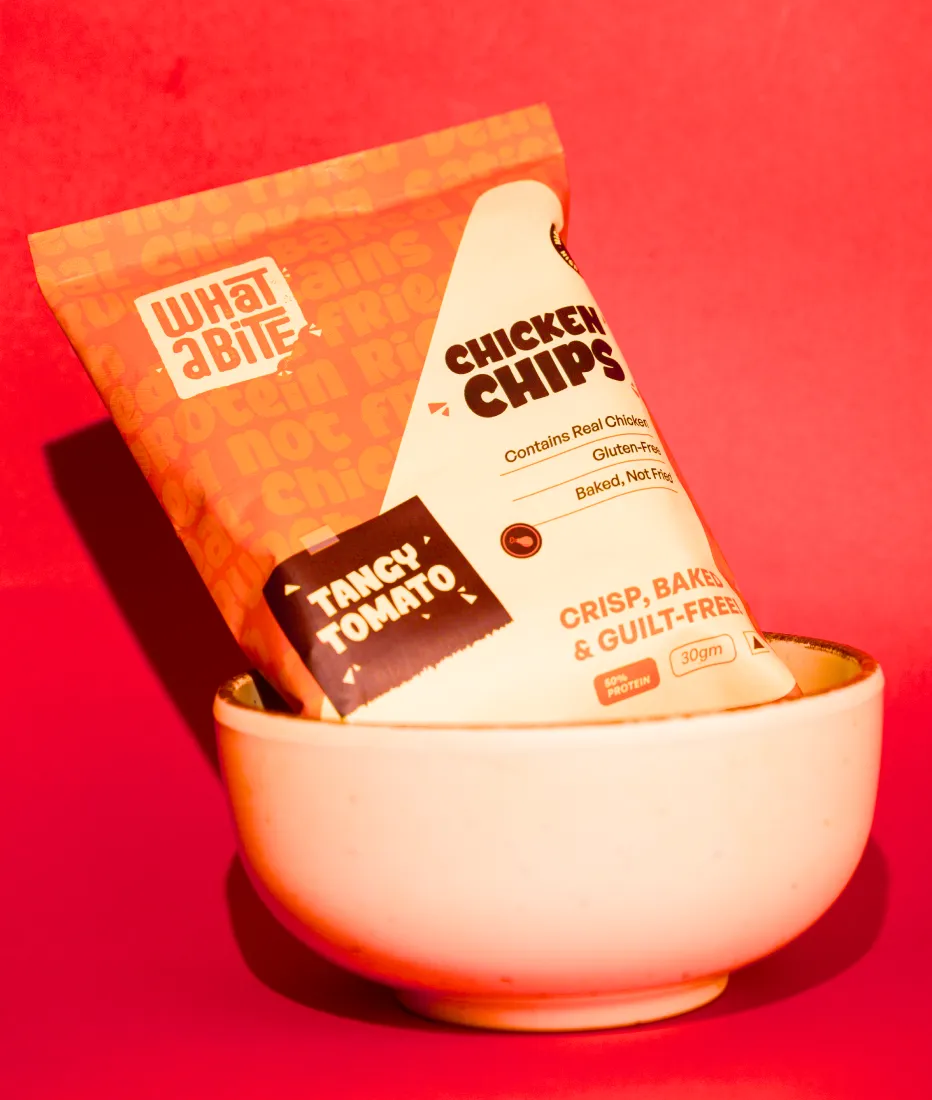
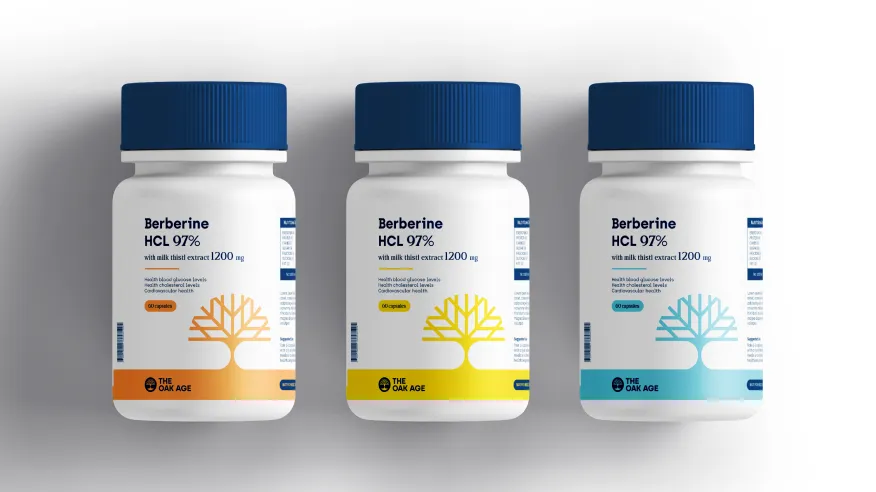
%201.webp)
02
AI Snaps
.svg)
.svg)
01
Our Work
03
About Us
04
Brand Audit
05
Contact Us
06
Client Success
12
07
Blogs
08
Careers
Book A Call
.svg)



.svg)
Need Help In Building Your Brand?
Click the button below & book a call with our founder directly.

Rishabh Jain
Managing Director
Working with the right startup branding agency in India doesn't just make your brand look better, it makes your brand work: on shelf, on Blinkit, on your D2C site, on retail shelves.
This guide is for founders and brand managers evaluating branding partners. It covers what to expect, what to spend, how to evaluate agencies, and what mistakes cost startups the most.
11,223 Indian startups shut down in 2025. Not all of them failed because of bad products or faulty unit economics.
Many startups fail because they couldn't explain what they built, why it mattered, or who it was for.
They fail because of confusion within the team, unclear positioning, and an inability to differentiate in a sea of sameness.
This is where a startup branding agency like Confetti can help.
An established business hires a branding agency to refresh, reposition, or expand.
The foundational work like the brand strategy, the visual identity, the messaging architecture, already exists. The agency is working with an existing asset base.
A startup has none of that. You're building from zero.
You have a product (or an idea for one), a founding team, and maybe some early customer validation. Everything else, the positioning, the visual language, the narrative, the go-to-market framework, needs to be created.
And it needs to be created fast, because your runway is finite and your competitors aren't waiting.
☑️Traditional branding agencies are built to refine existing brands, not create them from scratch. They rely on long timelines, large budgets, and established brand equity.
☑️Startup branding agencies are different. They move faster, work within lean budgets, and build brands that are ready to perform across every channel from the very first day.
A startup today doesn't launch in one place. You're launching on:
These are different jobs. Most branding agencies design for one of them.
A startup branding agency like Confetti Design Studio understands the multi-channel reality builds systems, not just assets.
We design for the smallest common denominator: the quick commerce thumbnail, the social media profile picture, the retail shelf, and ensure the brand holds up everywhere.
We understand that your brand isn't just what you say about yourself; it's what customers see across every touchpoint, often before you've had a chance to explain yourself.
"We'll fix the brand later" is one of the costliest mistakes a startup can make.
Delaying branding doesn't save money, it delays clarity. And for startups, clarity drives every decision, from product to fundraising to marketing.
A strong brand gives you focus, builds credibility faster, and keeps your team, investors, and customers aligned.
Without that foundation, you risk inconsistent messaging, confused customers, and an expensive rebrand that could have been avoided.

Branding is a strategy project that produces design as its output.
If you skip strategy and jump to logo and design concepts, you end up producing beautiful assets that don't sell, because the assets aren't anchored to a positioning, a customer, or a channel.
✅Level 1: Strategic Foundation (The Non-Negotiable)
This is where the actual work begins. A startup branding agency runs workshops, synthesises competitive intelligence, and ships a positioning statement that your investors, team, and customers can repeat word-for-word. This includes:
Without this foundation, everything that follows is decoration.
✅Level 2: Visual Identity System (The Expression)
Once the strategic foundation is clear, the agency translates it into a visual language:
The key word here is system. A startup branding agency doesn't design a logo in isolation; it designs a visual system that can scale across every channel and touchpoint.
✅Level 3: Brand Guidelines (The Operating Manual)
For a startup, brand guidelines are critical infrastructure. They document:
The best agencies don't deliver a 60-page brand book that no one reads. They deliver a usable system that your team can run independently.
Level 4: Channel-Specific Assets (The Application)
This is what most founders think they're buying:
But these assets only work if the three levels above are solid. A beautiful website built on a weak foundation is just expensive decoration.
📌An agency that gives you a logo and a PDF brand guidelines document without working through this hierarchy has sold you the output without the strategy. That brand will need to be rebuilt.
Not every startup needs the same branding investment at the same time.
The mistake most founders make is over-investing in brand architecture before they've validated the product, or under-investing in packaging before entering a physical retail channel.
Here's what branding actually looks like at each stage of a startup's journey.
You have an idea, maybe a prototype, possibly some early customer conversations. You're trying to figure out if anyone actually cares enough to pay for what you're building. You're operating on founder capital or angel money. Runway is measured in months.
What branding needs to do: At this stage, branding serves two purposes.
What you actually need:
What you don't need: A full brand book, a multi-SKU packaging system, a website.
Timeline: 2-4 weeks from kickoff to launch-ready.
Budget: ₹50,000 – ₹2,00,000. At this stage, branding should preserve the runway, not consume it.
Exception: If your product needs to be on physical shelves from the start: at a trade show, retail pilot, or early modern trade listing, you need packaging that's launch-ready. Stage-appropriate doesn't mean cheap; it means right-sized.
💡Keep it simple. Keep it flexible. Everything is going to change: your product, your audience, your positioning. Don't lock yourself into a brand that can't adapt. The brand you build at pre-seed should be a foundation, not a prison.
You've raised a seed round and have a product (or a minimum viable version of one). You're launching to real customers and trying to find product-market fit: figuring out who actually loves your product enough to stay and pay.
What branding needs to do: Branding shifts from "looking credible" to "communicating clearly." You need to explain what you do, why it matters, and how you're different to customers, to potential hires, and to the next round of investors. Communication becomes the priority.
What you actually need:
What you don't need: A full brand architecture with sub-brands, a co-branding strategy, or enterprise-grade brand guidelines.
Timeline: 6-10 weeks.
Budget: ₹2,00,000 – ₹6,00,000. You're investing in a foundation that needs to last through your Series A.
💡Build a system, not just assets. At seed stage, you're starting to scale, you're hiring, you're expanding channels, you're talking to more customers. A system ensures consistency without requiring you to be everywhere at once.
You've found product-market fit and are ready to scale. You're expanding into new channels like quick commerce, modern trade, marketplaces, possibly retail.
You're hiring across functions. You're raising a Series A round. The main question becomes "can this scale efficiently?
What branding needs to do: Branding now becomes about systematisation. You need a brand that can work across multiple channels, multiple teams, and multiple markets without falling apart. You need to look like you belong at the table, with retailers, with enterprise customers, with institutional investors.
What you actually need:
What you don't need: At this stage, you need everything. The question is sequencing: what do you need first, and what can wait.
Timeline: 10-16 weeks.
Budget: ₹6,00,000 – ₹15,00,000+. You're building infrastructure that needs to last through Series B and beyond.
💡Design for the smallest common denominator. If your brand works on a quick commerce thumbnail and a modern trade shelf, it'll work everywhere else. Build systems that scale across teams because you won't be the one approving every piece of creative anymore.
You're scaling nationally across channels, product lines, and possibly multiple categories. You're raising Series B or beyond. The business is no longer a startup in the traditional sense, it's a growth-stage company.
What branding needs to do: You need a brand that can accommodate complexity — sub-brands, product lines, category expansions, without losing coherence. You need a brand that can defend premium pricing. You need a brand that's recognisable at a glance, across every touchpoint, in every channel.
What you actually need:
Timeline: Ongoing
Budget: ₹15,00,000+. At this stage, you're not buying a project. You're building a capability.
💡At this stage, brand is a business asset, not a project. It needs to be managed, measured, and maintained like any other asset.
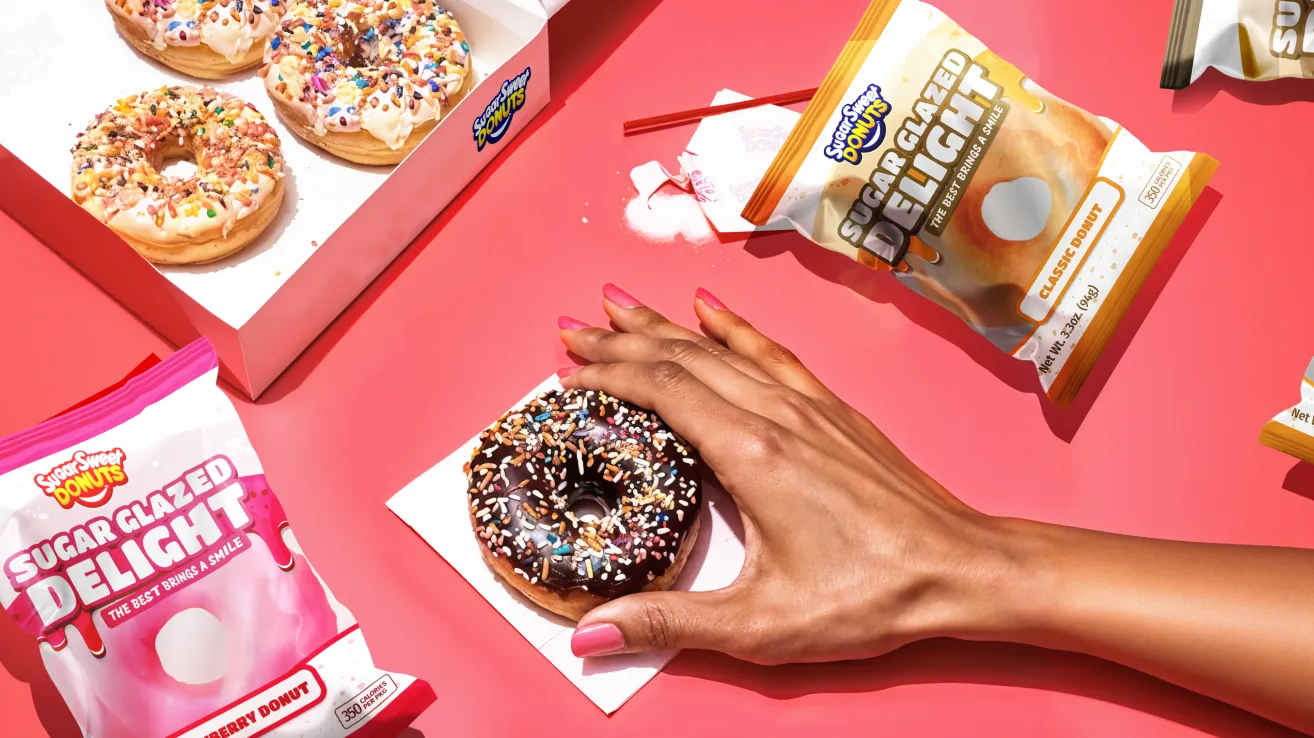
Branding is much more than a beautiful gallery. It's a business investment that has to attract customers, justify pricing, and work across every touchpoint where people discover your brand.
The right agency is the one that understands your business, your customers, and the realities of selling in your category.
Use this checklist before you sign any proposal:
1. Be Clear of Your Own Requirements
Before comparing agencies, be clear about what you're hiring them to do. Ask yourself:
The clearer your brief, the easier it becomes to identify the right partner.
2. Evaluate Category Experience
Branding isn't one-size-fits-all.
An agency that has built brands in FMCG or D2C understands category conventions, consumer behaviour, packaging regulations, and the competitive landscape. They'll spend less time learning the basics and more time solving your actual business problem.
Ask to see projects from your industry, not just work that looks visually impressive.
3. Check Their Channel Literacy
Packaging that works in a supermarket doesn't always work on Blinkit, Zepto, Amazon, or your own website.
Your agency should understand how your brand needs to perform across every channel you'll sell through.
Ask questions like:
If they've never designed for your primary sales channel, expect a learning curve at your expense.
4. Strategy First Process
The first conversation shouldn't be about colours or logo styles. A strong agency will ask about:
Design should be the result of strategic thinking, not the starting point.
5. Portfolio Beyond Aesthetics
Don't stop at "this looks nice." Look for evidence that the agency can build brands that work in the real world.
Check whether they can show:
Depth tells you far more than volume.
6. End-to-End Packaging Capability
Many agencies create beautiful brand identities but stop before production. Find out whether they can deliver:
If you need another agency just to prepare files for print, you'll spend more time and money than expected.
7. Understand Their Process
A clear process usually means fewer revisions, faster approvals, and stronger work. It almost always produces better results than unlimited revisions. Ask how they:
8. Think Beyond Brand Launch
Your branding project doesn't end when the logo is approved.
The best agencies help ensure the brand stays consistent as it moves into packaging, websites, marketplaces, social media, retail, and launch campaigns.
Ask whether they'll support implementation or simply hand over files and move on.
Before signing, speak with past clients and ask questions that reveal how the agency actually works. Instead of asking, "Were you happy with them?", ask:
Finally, remember that branding is one of the few investments that grows over time. Choosing the cheapest option often leads to expensive redesigns later.
The right branding partner is the one whose experience, process, and expertise match your stage of business, your category, and your growth ambitions.
The most common question we hear from founders is: "How much does startup branding cost?"
The short answer: branding costs in India range from ₹25,000 to ₹10,00,000+. That range is so wide it's essentially useless without context.
So, here's what you're buying at each price point, what you're not getting, and who is it best for.
The Pricing Model
Beyond the tier, how an agency prices is also what you need to consider:
Here’s a branding budget guide with more detail on how to scope a branding investment relative to your stage and channel mix.
Most startup branding mistakes happen because branding is treated as a creative exercise instead of a commercial one.
The result is more than just a weak logo or forgettable packaging. It's higher customer acquisition costs, confused positioning, poor shelf visibility, and expensive rebrands that could have been avoided.
Here are the mistakes we see most often:
1. Treating Branding as a Design Project
Many founders commission a logo before defining their positioning, target audience, or competitive advantage.
The result may look polished, but it lacks a clear message and doesn't give customers a reason to choose the brand.
Fix: Define your positioning, audience, and value proposition before any design work begins.
2. Delaying Branding Until "After We Launch"
Branding is often pushed aside until after launch. The problem is that customers start forming opinions from the very first interaction, whether that's your website, packaging, or marketplace listing.
Fix: Build a scalable brand system from the beginning, even if you launch with a smaller scope.
3. Designing for Instagram Instead of Where Customers Buy
A brand that looks beautiful on social media may fail on a retail shelf or in a Blinkit product grid. Small logos, busy illustrations, and poor visual hierarchy become almost invisible when customers are making quick purchase decisions.
Fix: Design for every major customer touchpoint, not just your marketing channels.
4. Finalising Packaging at the Last Minute
For consumer brands, packaging is often the most important marketing asset. Leaving it until the final stages usually results in rushed artwork, compliance issues, and packaging that doesn't stand out in-store.
For FMCG brands especially, packaging is one of the most important sales assets you'll ever create.
Fix: Treat packaging as part of the branding process, not something that happens after it's finished.
5. Falling in Love With a Name Before Defining the Brand
A unique name doesn't automatically create a strong brand. Without clear positioning, even the most memorable name can confuse customers about what you sell or why they should choose you.
Fix: Build your positioning first. Your name should reinforce your strategy, not replace it.
6. Choosing an Agency Based on Aesthetics Alone
An impressive portfolio isn't enough. An agency that excels at SaaS or hospitality branding may not understand FMCG packaging, quick commerce, or retail merchandising.
Fix: Choose a partner with proven experience in your category and evidence that they've taken brands successfully to market.
7. Treating Brand Guidelines as a Formality
Without clear guidelines, every new campaign, designer, or agency interprets the brand differently. Over time, the brand becomes inconsistent, weakening recognition and reducing the effectiveness of your marketing.
Fix: Create practical brand guidelines that your team can actually use, and update them as the business evolves.
Here’s what makes us a one of the startup branding agencies:
✅ Multi-Channel First: We start with your smallest touchpoints: quick commerce thumbnails and retail shelves, so your brand holds up everywhere, not just on a landing page.
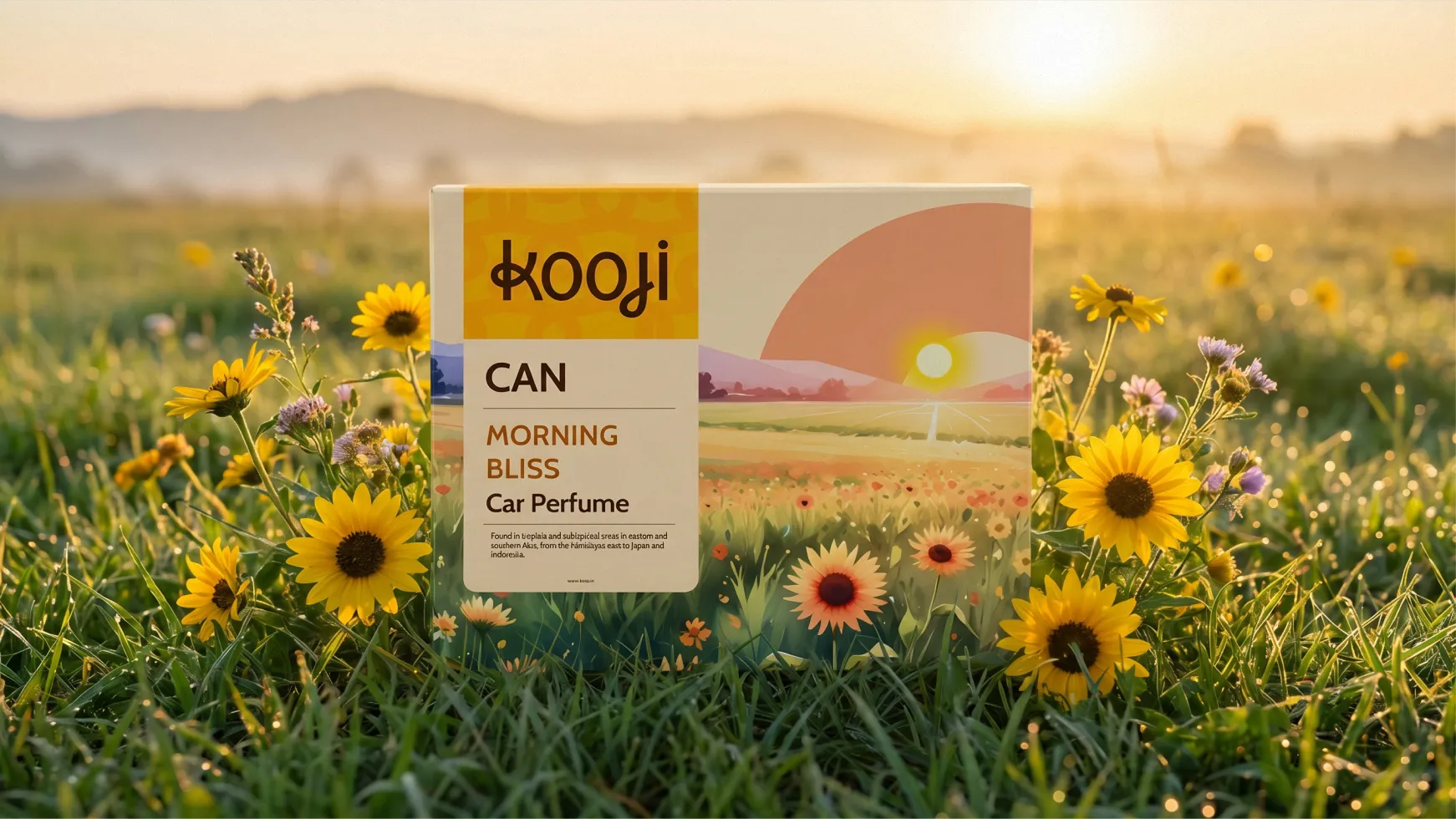
✅ Packaging That Converts: For ITC, Indus Valley, and Kooji, we design packaging that wins at the shelf, communicating value before a single word is read.
✅ Commercial Over Creative: We don't design for awards; we design for results. Every asset is built to drive sales, premium perception, and category differentiation.
✅ Proven at Scale: With 200+ projects and clients like Dabur and Sunfeast, we know what works in India's modern trade, D2C, and quick commerce ecosystems.
✅ Systems, Not Assets: We deliver comprehensive guidelines and design systems that grow with you, so the brand you build today works for Series A and beyond.
✅ Globally Recognised: Our work has been featured by the World Brand Design Society, and we've helped heritage brands like Kooji (Vedashree) dominate digital shelves.
✅ One Brand, Forever: We build foundational clarity that compounds in value. No costly rebrands. No wasted marketing spend. Just clarity that scales.
We work with brands at every stage, from pre-seed startups building their identity for the first time to Series A brands expanding packaging systems for national distribution.
What we don't do: hand over a logo and a PDF and call it a brand.
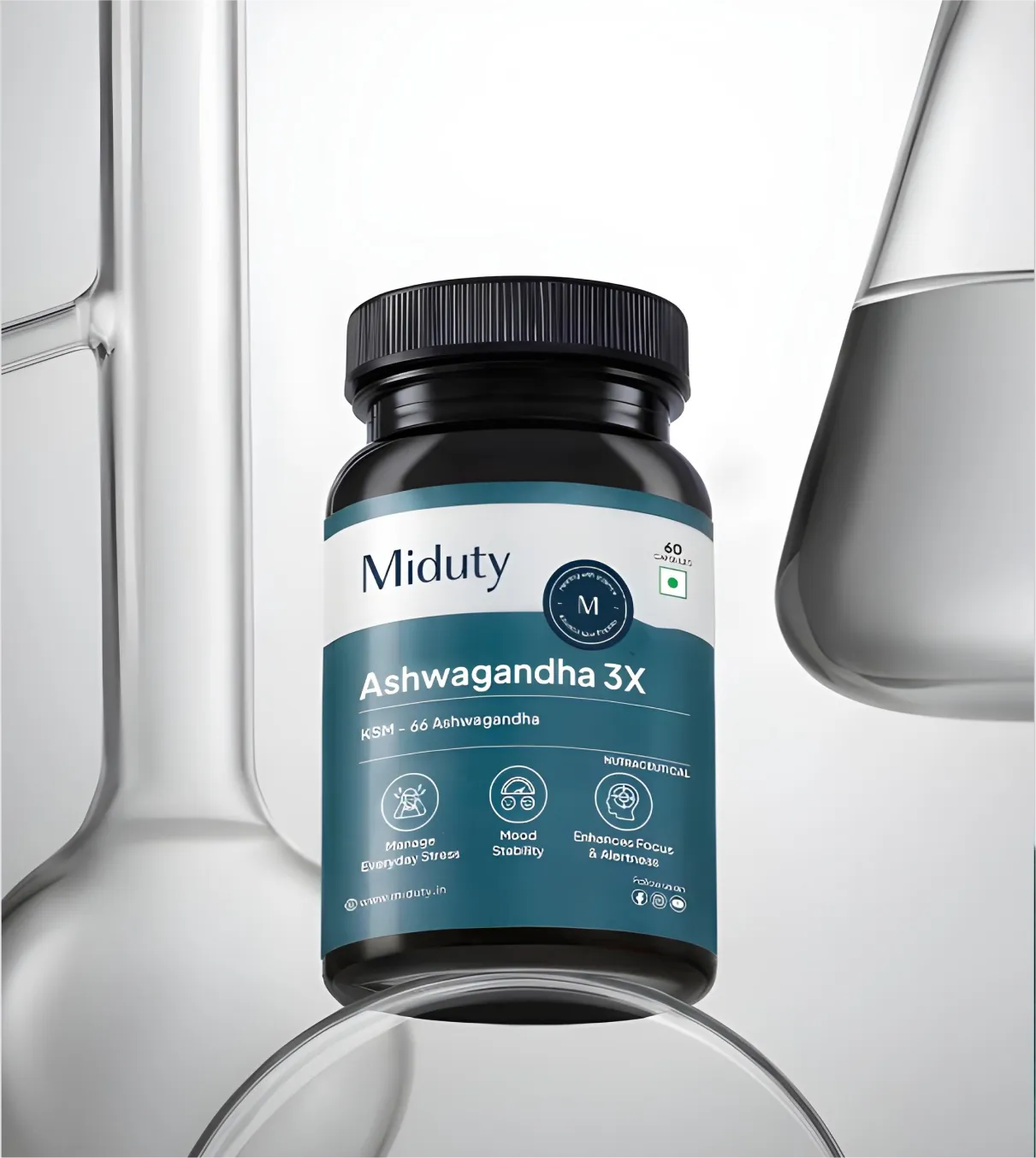
Miduty: Built brand strategy, identity, and quick-commerce-first packaging designed for instant recognition, thumbnail visibility, and clear SKU differentiation.
Kooji: Created a scalable identity system for retail and D2C that could expand across new products without redesign.
AIM Nutrition: Designed award-winning packaging that broke category conventions to position the brand as premium and health-focused.
Swizzle: Developed a packaging system that worked seamlessly across both retail and gifting while maintaining a cohesive brand identity.
What does a startup branding agency in India do?
A startup branding agency builds the strategic and visual foundation of a new brand. This includes market positioning, naming, visual identity (logo, colour, typography), packaging design, and go-to-market assets. In India's multi-channel retail environment: D2C, quick commerce, modern trade and competent agency ensures brand assets perform across all channels from the very start.
How much does startup branding cost in India?
Startup branding in India ranges from ₹25,000 for a basic logo to ₹10 lakh or more for a full brand strategy, identity, and packaging system. The right investment depends on your launch stage and distribution channel. Brands going to market on quick commerce or modern trade need a higher investment than those launching D2C-only.
When should a startup hire a branding agency?
Before you finalise packaging and before you launch on any retail channel. At minimum, you need a clear visual identity and positioning before production. If you're entering quick commerce or modern trade, your branding should be designed for those channels from the start.
Can a small startup afford a professional branding agency in India?
Yes, if scope is matched to stage. A pre-launch startup can get a solid visual identity and brand guidelines for ₹1–2 lakh. The mistake is either over-investing in brand architecture before product-market fit, or under-investing in packaging before entering a physical retail channel. Match the scope to the stage you're at, not to the brand you eventually want to be.
How do I know if a branding agency is right for my startup?
Ask three questions: Which consumer categories have you worked in? What is your process before design starts? Can you show me brands you've taken from identity to physical shelf? If they jump to mood boards on the first call, have no FMCG or D2C portfolio, or can't articulate their positioning process, they're not the right fit for a consumer brand going to retail.
What's the timeline for a startup branding project in India?
A full brand strategy and visual identity project takes 4–6 weeks. Adding packaging design extends the timeline by 3–5 weeks. Go-to-market assets like website, social templates, quick commerce creative, add another 2–3 weeks. Total: 9–14 weeks for a launch-ready brand, assuming a clear brief and responsive feedback cycles from the founding team.
Want strategic branding and packaging like this for your business?





.webp)
.webp)

.webp)
.webp)
.webp)
.webp)
.webp)







.svg)
.webp)