02
AI Snaps


01
Our Work
03
About Us
04
Brand Audit
05
Contact Us
06
Client Success
07
07
Blogs
08
Careers
Book A Call




Need Help In Building Your Brand?
Click the button below & book a call with our founder directly.

Rishabh Jain
Managing Director
A packaging design quote that tells the whole cost of a launch is rare. From additional SKUs and pack formats to copywriting, photography, regulatory checks and printing changes, the extras can quickly push a project beyond budget.
The challenge is knowing what is included, what isn't and where unexpected costs arise.
Learn how to evaluate packaging design quotes, budget for the full scope and avoid costly surprises from concept to production.

A packaging design quote is usually a price for design hours and a defined number of packaging design deliverables.
It may include concept development, design refinement and final artwork, while structural engineering, printing, regulatory checks and other production costs lie outside the agency's fee.
The first step is to understand the difference between design responsibility and production responsibility.
The designer creates the packaging artwork and prepares it for production. The printer or packaging manufacturer is responsible for producing it to the approved specifications. Some tasks involve both parties, so the quote should state who leads and who approves each stage.
The brand remains responsible for approving product information, claims, final artwork and production samples.
An agency may coordinate with suppliers, but that does not automatically make it responsible for manufacturing quality or regulatory certification.
Depending on the project, additional costs can include:
These costs depend on the packaging format, production volume, supplier and target market. A standard carton using an existing structure will have different requirements from a custom rigid box that needs new tooling.
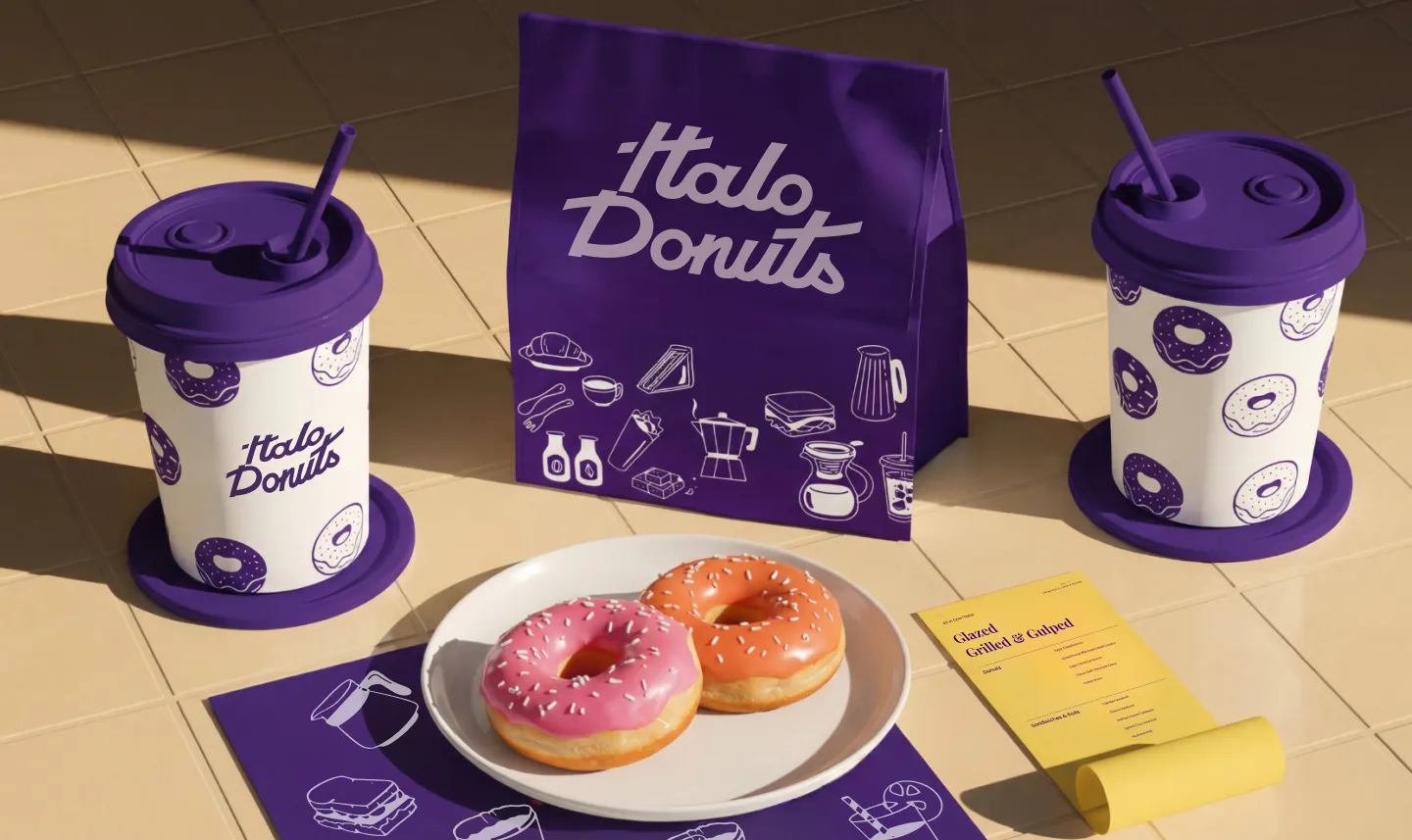
A packaging design fee can increase even when the original brief has not changed. These costs often surface when the project moves from the first concept to the full product range.
Common reasons:
1. SKU and Variant Adaptations
Many quotes cover one master design, with additional variants charged separately. Each flavour, size or pack count requires its own artwork, product details, nutrition information, barcode and colour coding.
The gap often starts with the brief. A founder may request packaging for one hero product, while the actual range includes six flavours in two sizes, requiring twelve artworks.
Before signing, list every SKU, flavour, size and pack count, and confirm whether all adaptations are included or billed separately.
2. Multiple Packaging Formats
A snack brand might need a pouch, multipack carton, sample sachet and shipping box. A beauty brand may need a bottle label, mono-carton, travel-size tube and kit box.
Adapting the visual system across these formats takes additional design time. A quote covering one format does not automatically include the others.
3. Revision Rounds and Changes of Direction
Most agencies include a fixed number of revision rounds. Costs and timelines increase when feedback arrives separately from different stakeholders or when the team changes direction after approving a concept.
Agree on what counts as one round. All decision-makers should submit consolidated feedback together. Separate emails with new requests may count as multiple rounds. A new creative direction after approval should be treated as additional work, not a routine revision.
4. Strategy That Wasn't Included
An artwork-only quote assumes the brand positioning, product hierarchy and key messages are already decided. When they are not, the design team may end up resolving strategic questions during the artwork stage.
This can slow down approvals or produce packaging that needs another redesign later. Confirm whether the scope includes brand and packaging strategy, or whether your team must provide an approved direction.
5. One-Off Designs Instead of a Packaging System
The master design determines how efficiently the range can grow.
A system defines which elements remain consistent and which can change across SKUs, formats and product lines. Without one, every new variant can become a small redesign.
For Kooji, we at Confetti developed a packaging template across three product lines and 24 SKUs, using a distinct illustrated world for each scent within a consistent structure.
Before approving a quote:
☐ List every SKU, size, flavour and packaging format.
☐ Confirm the number of concepts and revision rounds at each stage.
☐ Define what counts as a revision versus a change of direction.
☐ Confirm whether strategy, copywriting and content development are included.
☐ Ask how the master design will adapt to future products.
☐ Require written approval and pricing for any scope change before additional work begins.
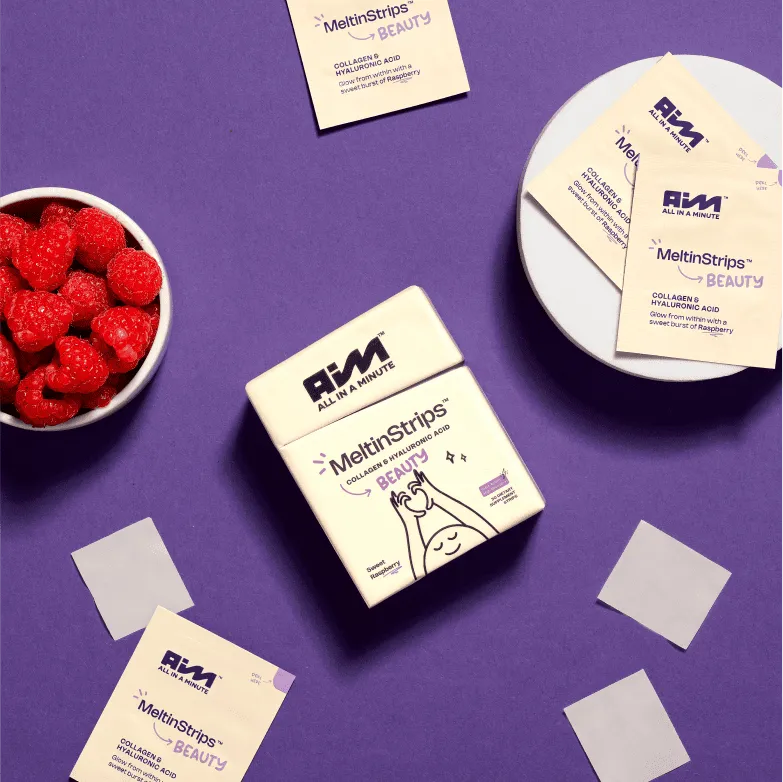
Content and compliance are the two areas where the design quote is most often silent and the invoice is most often surprising.
1. Regulatory Content and Label Review
In India, food packaging must meet FSSAI Labelling and Display Regulations. Packaged goods may also need declarations under the Legal Metrology (Packaged Commodities) Rules, including net quantity, MRP and manufacturer details.
Depending on the product, labels may require nutrition information, allergen details, symbols and packaging-related declarations.
For UAE and GCC markets, Arabic labelling and bilingual layouts add another layer. Translation can change line lengths and panel layouts, especially on smaller packs. A designer can place supplied information, but should not be expected to certify compliance.
2. Copywriting and Content Preparation
Front-of-pack claims, ingredient lists, product descriptions, usage instructions and back-of-pack stories all need accurate, approved content.
If the quote assumes the client will supply final copy, budget for a copywriter or allocate internal time to prepare it.
Late changes to claims, ingredients or mandatory information can force artwork revisions and delay approval.
3. Photography, Illustration and 3D Renders
Product photography involves more than the photographer's fee. Styling, props, samples, studio hire and post-production can add to the cost.
Commissioned illustrations and marketplace images may also require separate budgets.
3D renders are useful when physical stock is not yet available or when multiple pack variations need to be visualised.
Confirm whether renders, photography and image adaptations are included in the agency's quote.
4. Font and Image Licences
Font and stock-image licences have different usage limits. A licence that covers digital use may not cover commercial packaging or high-volume print runs.
Check that the licence allows the intended use and is held in the brand's name.
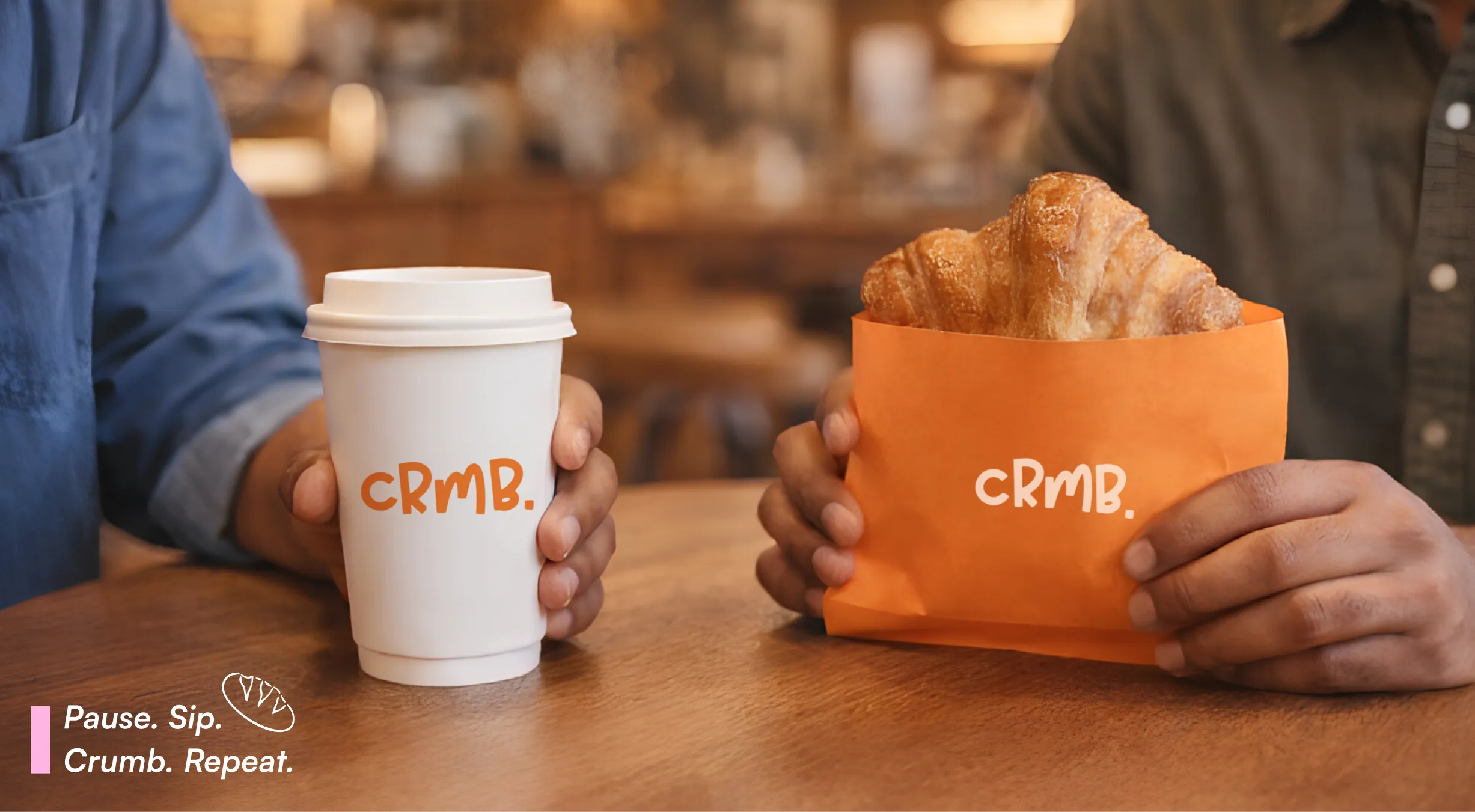
Before printing can begin, the files, materials, colours and finishing methods must be checked against the printer's specifications. These steps involve separate costs that are often missing from the original design quote.
1. Dielines and Structural Development
A dieline is the flat template showing cut lines, folds, glue areas and panel positions. For standard packaging, the printer or converter usually supplies it. The designer then builds the artwork to those exact specifications.
Custom cartons, inserts and unusual pack shapes need structural design, physical samples and prototypes. Custom bottles and jars may also require moulds, adding a significant one-time cost.
2. Printing Plates, Cylinders and Finishing Tools
Different print methods require different setup tools. Flexible packaging may need engraved cylinders for each colour, while offset-printed cartons require printing plates. Foil stamping, embossing and debossing need their own dies or blocks.
These are usually charged separately by the printer. Adding SKUs, changing artwork or introducing new finishes can create further setup costs. The number of colours, print method and finishing choices should therefore be considered before artwork is finalised.
3. Proofs, Colour Matching and Press Checks
Colours can look different across paperboard, plastic films, metal and glass. Printed proofs and shade checks help confirm how the design will look on the actual material.
For important launches, a press check may also be needed to approve colour and print quality during production. These activities can involve additional printer charges, agency time and travel.
4. Print-Ready Files and Corrections
Artwork must meet the printer's requirements for colour separations, resolution, trapping and bleed. If files are not prepared correctly, the printer may charge for corrections or require new proofs. Even small changes after approval can delay production and increase costs.
Confirm whether the agency prepares and checks print-ready files, coordinates with the printer and attends press checks, or whether these services are billed separately.
Packaging costs do not stop when the first print run is approved. Packaging design reprints, launch delays, new product variants and channel requirements can all add to the total cost over time.
These expenses are easy to overlook because they rarely appear in the original design quote.
1. Reprints and Written-Off Stock
Errors discovered after printing can mean replacing an entire batch. Common causes include incorrect product information, outdated regulatory details, non-scanning barcodes, colour mismatches and dieline errors.
The cost may include a new print run and the value of unusable packaging stock. A redesign can also leave existing printed inventory that must either be used up or written off.
2. Launch Delays
Late artwork, regulatory queries or failed print proofs can push a launch back by weeks. The commercial impact may include a missed retail listing window, a delayed festive launch or a lost quick-commerce slot.
These costs do not appear on the design invoice, but they can affect sales and distribution plans..
3. E-commerce and Quick-Commerce Assets
Packaging must work both as a physical product and as a small image on a screen. Marketplace listings may need hero images, secondary views, infographics and A+ content.
Quick-commerce platforms may have their own image and catalogue requirements.
These assets are often outside the packaging design scope. Confirm what is needed before launch and budget for it separately.
4. Future Updates and File Ownership
New regulations, ingredient changes, price revisions and range extensions all require artwork updates. Without editable source files and clear ownership rights, even minor changes may need to go back to the original agency.
Confirm that final source files are included in the handover and that copyright is assigned to your business under the contract. Clear brand guidelines and an organised asset library also help new teams maintain consistency across channels.
5. Your Team's Time
Managing designers, printers, photographers and regulatory consultants requires internal coordination. Collecting feedback, resolving conflicting approvals and following up with suppliers all take time. Include this effort when estimating the actual project cost.

Quotes are hard to compare because each agency defines scope differently. These questions make the differences visible.
Send the same list to every agency you're considering and ask for written answers.
Most packaging cost overruns can be prevented before design begins.
Aim to reduce uncertainty, avoid rework and make sure the quote covers the work your business actually needs.
Most packaging cost overruns can be prevented before design begins. The goal is not simply to negotiate a lower design fee. It is to reduce uncertainty, avoid rework and make sure the quote covers the work your business actually needs.
1. Finalise the Brief Before Design Starts
List every SKU, size, flavour and packaging format planned for the next 12–18 months. Include target markets, sales channels, product details, approved claims and mandatory label content. Late changes can affect layouts and trigger additional artwork rounds.
2. Define Revision Rounds and Approval Stages
Agree on the number of concepts and revision rounds at each stage. Assign one decision-maker to collect feedback and submit it in a single document. Define what counts as a new direction rather than a revision.
3. Build a Packaging System, Not Just a Master Pack
Ask for fixed and flexible design elements, variant colour rules and guidelines for adapting the system across SKUs and formats. A reusable system reduces the effort involved in future range extensions. Our guide to [packaging design systems] explains how to structure one for a growing product range.
4. Involve the Printer Early
Share the design direction with your printer or converter before artwork is finalised. They can flag dieline limitations, difficult colour requirements and finishes that increase setup costs. Clarify whether you need structural engineering or only graphic design on an existing format.
5. Audit Before You Redesign
A full redesign is not always necessary. The issue may be unclear product hierarchy, inconsistent variants or poor shelf visibility. Confetti's audits of brands such as WishCare, Benne and Sleepy Cat follow this approach: identify the problem first, then define the right scope. See our guide on [packaging redesign cost vs audit].
6. Choose the Right Partner
A freelancer or printer's in-house studio may be sufficient for a simple SKU adaptation. An agency is more useful when you need a new system, multiple formats, market-specific localisation or a complete repositioning.
Before approving a quote, check that you have accounted for:
☐ Design: Concepts, revision rounds, SKU adaptations and formats.
☐ Content: Copywriting, translations, product information and regulatory review.
☐ Imagery: Photography, illustration, 3D renders and asset licences.
☐ Structure: Dielines, prototypes, custom structures and samples.
☐ Production: Printing, substrates, plates, cylinders, dies and finishing.
☐ Approval: Proofs, colour matching, press checks and file corrections.
☐ Handover: Editable source files, print-ready artwork and usage rights.
☐ After launch: Reprints, future SKU changes, marketplace images and asset updates.
For every item, record whether it is included, separately billed or handled by your team. Add an estimated cost and the responsible person or supplier.
Control packaging costs by defining the scope, responsibilities and production expenses before approving the design quote.
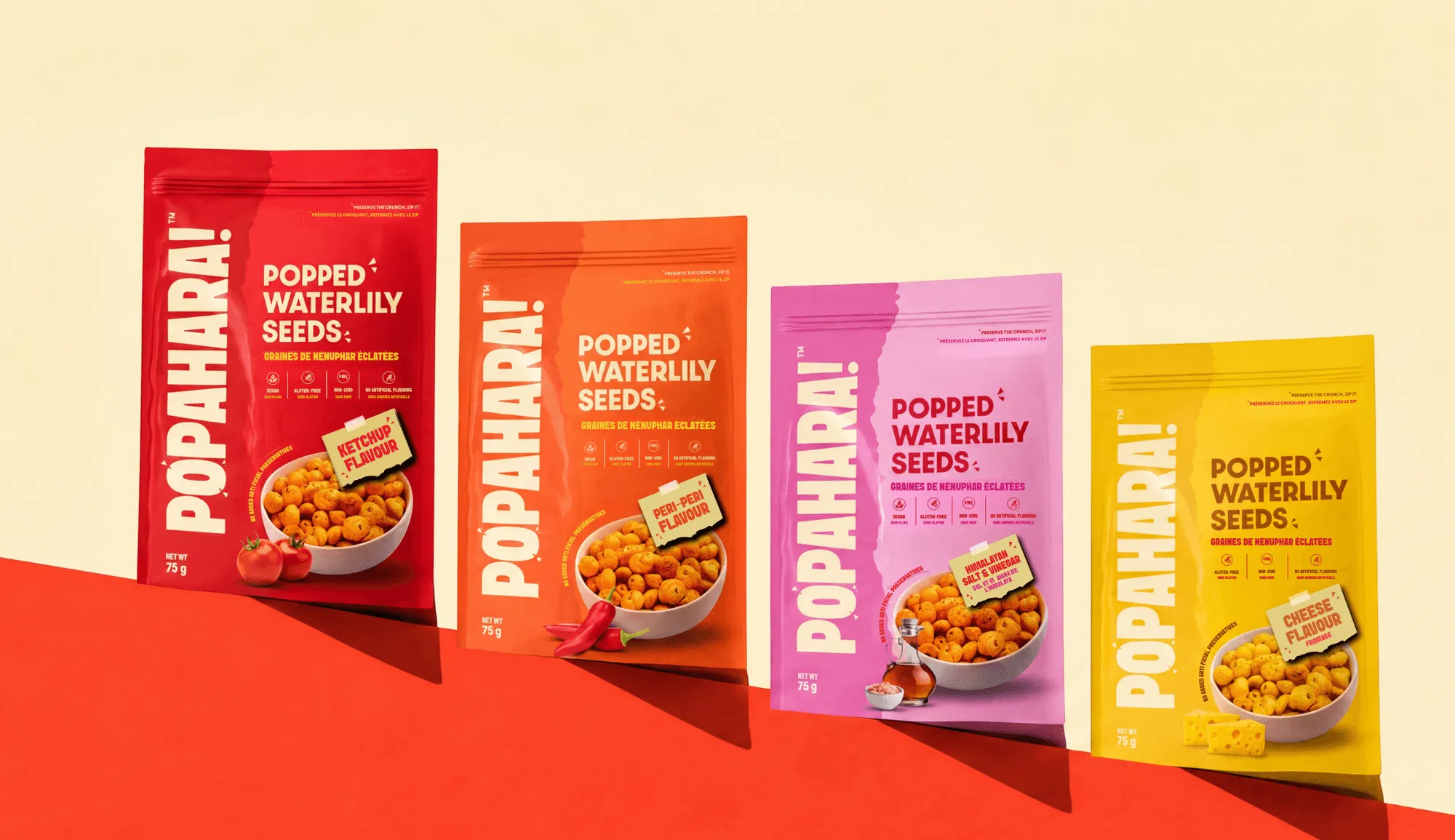
Transparent scope. No invoice surprises.
Most packaging projects at Confetti are around ₹1–3 lakh (approx. 1,200–3,600) depending on SKU count, formats, and production complexity. That fee covers the design system, not just artwork.
What's included:
What's priced separately (and why):
The sequence that protects the budget:
If your existing structure is sound and the problem is artwork, Confetti scopes a graphics-only project at the lower end. If the range has outgrown its hierarchy, a system project costs more upfront and less over three years.
No surprise line items. No open-ended revision loops. A scope you can compare.
How much does packaging design cost in India?
It depends on the number of SKUs, the formats, whether strategy is included and who's doing the work. A single-label job costs far less than a multi-SKU packaging system with research, photography and print-ready artwork. Compare quotes on what they include, such as adaptations, revisions, copy and print support, not on the headline fee alone.
What hidden costs come with a packaging design project?
The most common are: SKU and format adaptations; extra revision rounds; regulatory copy and translation; photography or 3D renders; font and image licences; dielines and prototypes; printing cylinders, plates and finishing dies; colour proofs and press checks; reprints from errors; and e-commerce listing assets. Most of these fall outside the design fee unless the scope names them.
Are printing costs included in packaging design fees?
Usually not. Design fees cover design and print-ready artwork. Printing, cylinders or plates, finishing tools and proofs are billed by the printer. A good agency still affects those costs, because the number of colours, finishes, substrates and size variants it designs determines what the printer has to make.
Why does each SKU variant cost extra?
Each variant needs its own artwork: different copy, nutrition or ingredient data, colours, barcodes and sometimes a different dieline, followed by checking and print-file preparation. The cost per variant falls sharply when the master design is built as a system that's meant to be adapted.
How can I reduce packaging design costs without hurting quality?
Brief completely, with SKUs, formats, markets and mandatory copy listed. Build a scalable system, not one-off packs. Involve your printer before artwork is final. Limit spot colours and special finishes to where they matter. Audit before committing to a full redesign. Fewer surprises do more to reduce cost than a lower headline fee.
Should I own the source files of my packaging design?
Yes. Ask for editable source files and a written assignment of copyright on final payment. Without them, every label update, new SKU or regulatory change sends you back to the original designer, and ownership can become a problem during investment or acquisition due diligence.
Want strategic branding and packaging like this for your business?