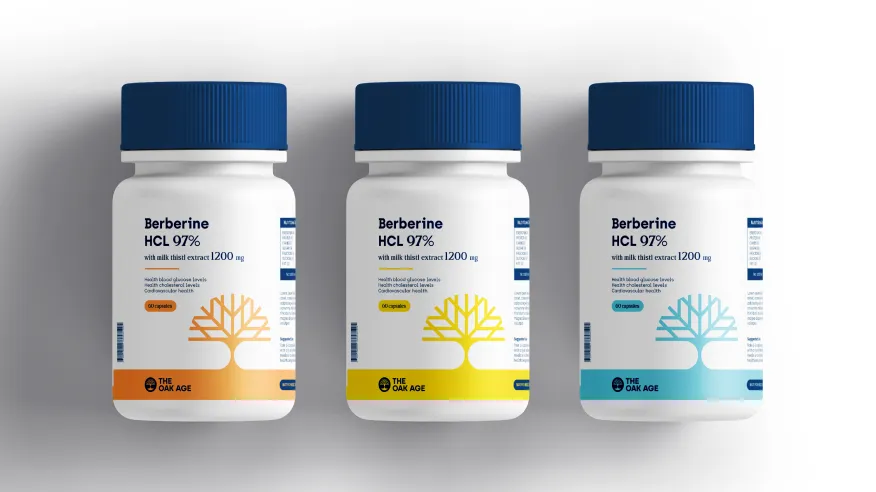
Branding & Packaging

Innovative Packaging Design in Food Industry: 14 Transformative Changes

Rishabh Jain
March 20, 2026
5 Minutes
Posted On
This is some text inside of a div block.
Estimated Reading Time
5 Minutes
Category
Packaging
Written By
Nimisha Modi

Book a call and get unlimited revisions for your project!

Book A Call
A stylized pink thunderbolt or lightning icon
Get Instant Response

Need Help In Building Your Brand?

Click the button below & book a call with our founder directly.

Rishabh Jain

Managing Director

Book A Call

Innovative packaging design in food industry is a response to the growing competition, evolving customer preferences, emerging tech, etc. 

Let’s take a look at some of the most unique food packaging concepts that are already transforming how products are presented and experienced. 

Innovative packaging design in food industry

Top Food Packaging Design Innovations for 2026 and Beyond

Food packaging has come a long way, and in today’s world, it plays a huge role in product branding and marketing. 

Here are the most important innovations changing food packaging design: 

1. Uniquely Sustainable and Eco-Friendly Packaging Materials

From trending to a commercial necessity, sustainable food packaging shows no sign of slowing down. 

The pressure is real, and it's coming from every direction: shoppers, retailers, regulators, and investors.

Consumers are reading labels, not just checking calories, but to see whether the packaging itself will outlive them in a landfill.

Brands are increasingly adopting eco-friendly packaging materials to meet ESG goals, comply with Extended Producer Responsibility (EPR) regulations,.

Key innovations:

  • Compostable packaging made from sugarcane bagasse, mushroom mycelium, and seaweed-based films is moving from niche to mainstream
  • Plant-based plastics like PLA (polylactic acid) and PHA (polyhydroxyalkanoates) are replacing petroleum-derived packaging in everything from snack wrappers to deli containers
  • Edible packaging made from rice or potato-based films is already being tested for condiment sachets and single-serve portions
  • Paper and fibre alternatives are displacing plastic trays and lidding films across chilled and ambient food categories
  • Mono-material flexible packaging is simplifying the recycling stream, making it easier for packaging to actually get recycled 
  • Lightweight packaging design is helping to reduce carbon footprint

This improves brand perception and trust, supports circular economy packaging models and reduces long-term regulatory risk

📌 Example: Brands like Notpla are replacing single-use plastic sachets with seaweed-based edible films.
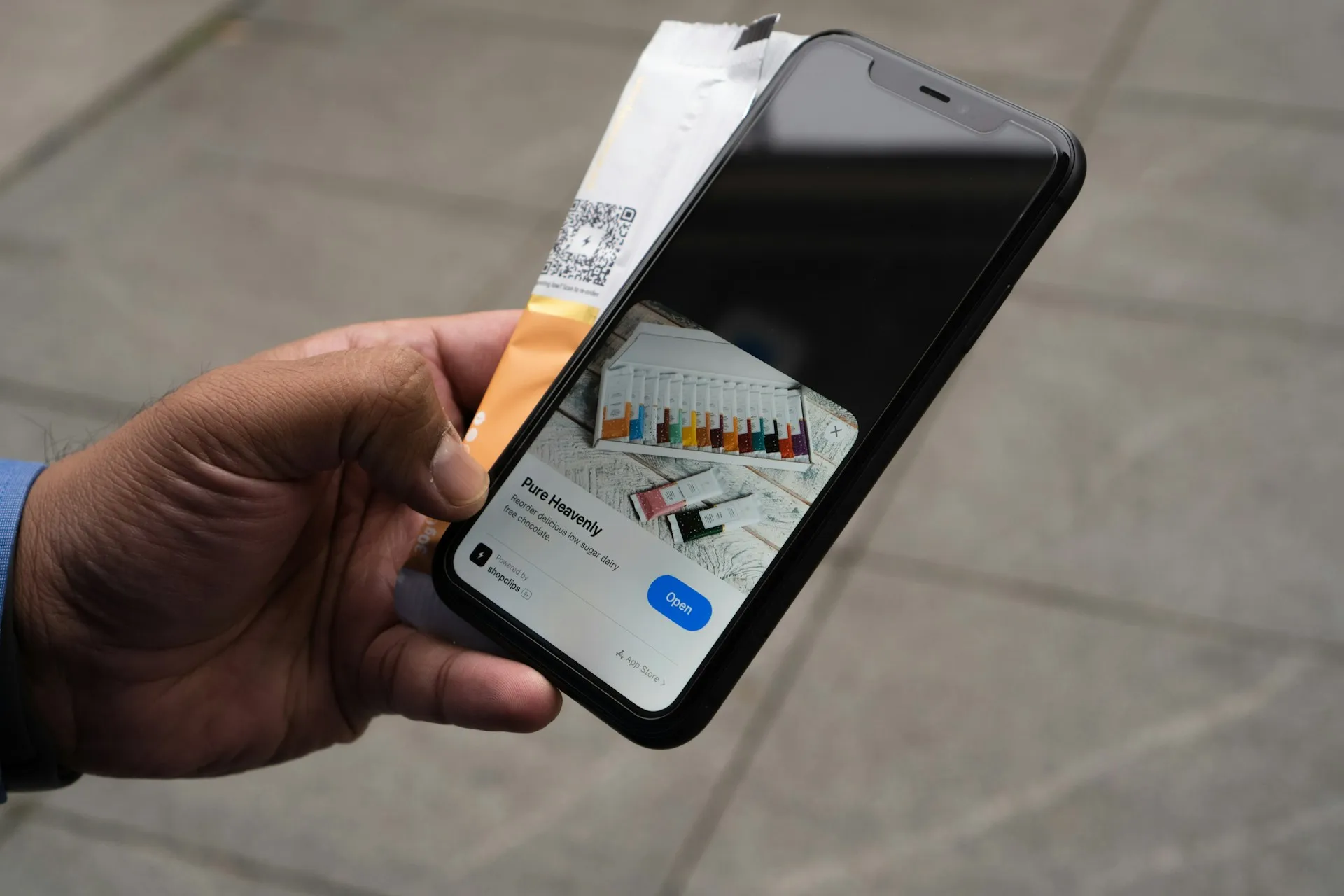
2. Smart Packaging: Where Technology Meets Food Safety

Smart packaging integrates digital technologies with physical packaging to enhance food safety, traceability, and consumer engagement.

You just pick up a product in a supermarket, scan a code on the back, and instantly know where the ingredient was grown, when it was packed, and how many days of freshness remain.

Core technologies:

Technology Function Benefit
QR Codes Product info, sourcing, recipes Consumer engagement + transparency
NFC Tags Tap-based authentication Anti-counterfeiting
Time-Temperature Indicators (TTIs) Monitor cold chain Food safety assurance
Freshness Sensors Detect spoilage gases Reduce food waste
Augmented Reality (AR) Interactive packaging Brand storytelling

This creates a direct-to-consumer digital touchpoint, enables data-driven marketing, and improves compliance with food safety regulations

📌 Example: A dairy brand using TTIs can instantly signal if refrigeration has been compromised.

3. Active Packaging: Extending Shelf Life Naturally

Active packaging technology interacts with food to extend shelf life and maintain quality, reducing reliance on artificial preservatives.

The materials themselves are designed to manage the environment inside the pack: absorbing gases, releasing preservatives, or regulating moisture,  to slow down spoilage without artificial additives.

Key solutions:

  • Oxygen scavengers remove residual oxygen to extend shelf life of foods
  • Moisture regulators manage humidity to keep products fresh and stable
  • Antimicrobial coatings release agents that inhibit bacterial growth
  • Ethylene absorbers slow ripening and decay in fruits and vegetables
  • Modified Atmosphere Packaging (MAP) replaces air with gases to slow spoilage

Every extra day of shelf life reduces food waste, lowers return costs, and expands distribution radius. 

For brands selling into export markets or through third-party logistics, active packaging is a logistics strategy.

📌 Example: Fresh produce brands using ethylene absorbers can extend shelf life by several days, reducing retail shrinkage.

4. Farm-to-Fork Traceability Packaging

Trust is the new premium in food.

Modern consumers want to know where their food comes from. Not in a vague "locally sourced" way. In a specific, verifiable, scan-it-and-see-for-yourself way.

Traceability packaging enables real-time access to a product’s journey from origin to shelf.

Key components: 

  • Blockchain-enabled QR codes that record every step of the supply chain, farm, processing facility, cold storage, distribution hub, retail shelf
  • Batch-specific codes that link a physical pack to a precise production record, enabling instant recall management if a food safety issue arises
  • Geo-tagged origin labelling that shows consumers the exact farm, region, or cooperative the ingredient came from
  • Sustainability certificates (Fairtrade, FSC, etc.) on pack that are now being digitally verified rather than just printed

This not only helps build consumer trust and brand authenticity, but also supports regulatory compliance. 

📌 Example: A coffee brand allowing consumers to scan and view the exact farm and farmer profile.

5. Reusable and Refillable Packaging Systems

Reusable packaging is a critical step toward a zero-waste packaging ecosystem.

Many brands are experimenting with it and making it a reality. 

Models gaining traction:

  • Deposit-return schemes where consumers pay a small deposit on the container and receive it back when they return the empty ones
  • Refill stations in supermarkets and zero-waste retailers, where consumers bring their own containers (or borrow standardised ones) to fill with pasta, grains, cereals, oils, and liquids
  • Direct-to-consumer refill pouches where the brand ships a lightweight, low-impact refill that customers pour into their original packaging at home
  • Loop-model closed systems (pioneered by TerraCycle's Loop platform) where packaging is collected, cleaned, and reused in a closed loop, eliminating single-use.

📌 Example: Beverage brands reintroducing returnable glass bottle systems.
6. Bold, Shelf-Disrupting Visual Design

While some brands must whisper, others need to shout.

In increasingly crowded food categories like snacks, condiments, confectionery,  bold, shelf-disrupting visual design is the most effective way to earn the first glance that leads to the first purchase.

This is the counter-movement to minimalism. And both are right,  for different brands, in different categories, at different price points.

Key strategies

  • Maximum colour saturationL electric brights, clashing combinations, chromatic gradients that are impossible to ignore
  • Full-wrap illustration: hand-drawn or digital artwork that covers every surface of the pack, turning it into a canvas
  • Character-led design: mascots, faces, and personalities that build emotional connection and recognition from across the aisle
  • Tactile finishes:  embossing, soft-touch lamination, spot UV varnish, foiling — that make the pack feel as premium as it looks
  • Oversized, expressive typography used not just to communicate but to decorate
  • Unexpected structural formats: unusual shapes, openings, or proportions that break the category template entirely

The human eye is wired to notice what breaks a pattern. 

In a shelf full of blue and white cereal boxes, a bright orange pack with hand-lettered type and full-bleed illustration will get noticed,  even if the shopper wasn't looking for it.

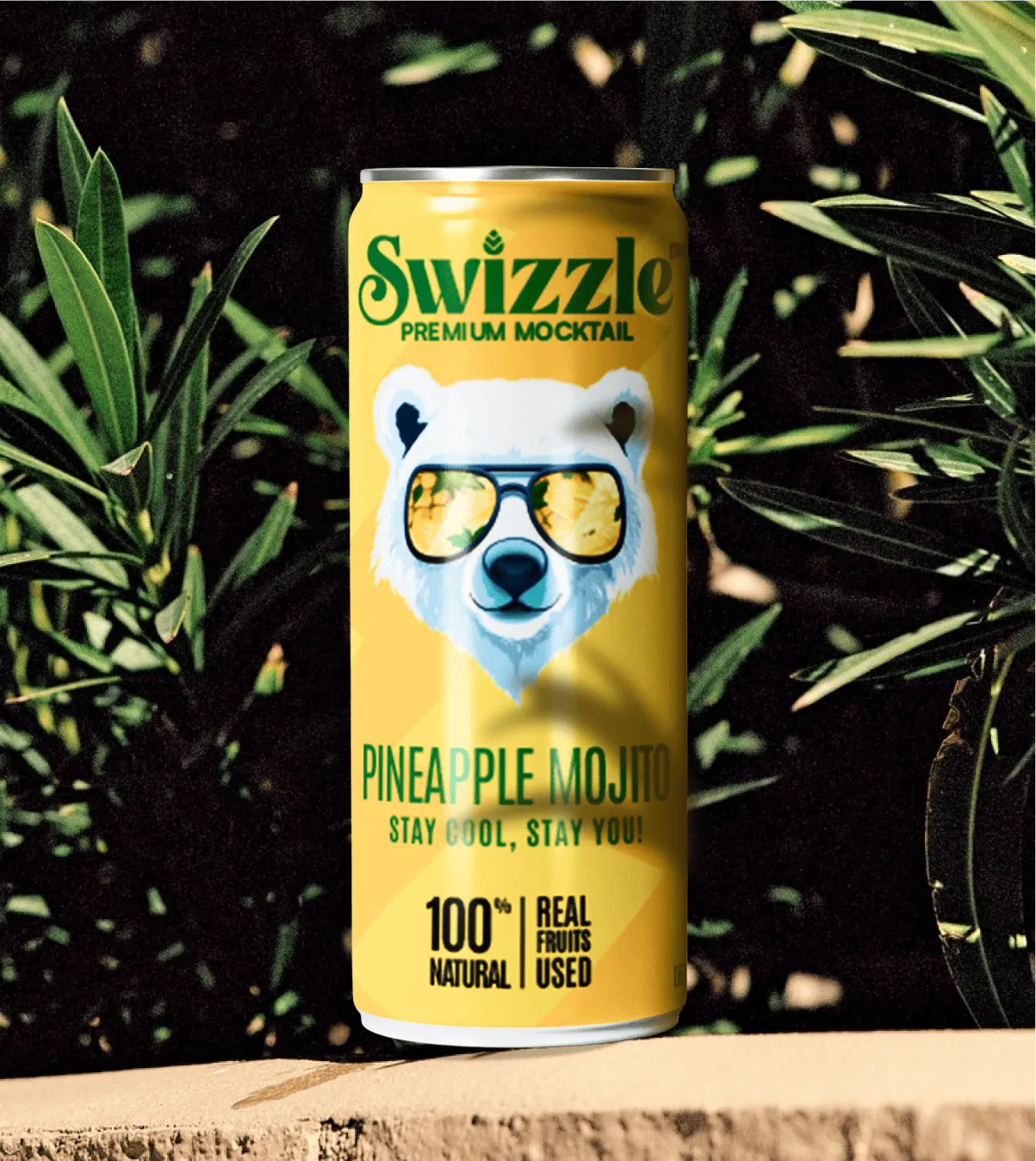
📌 Example: Drinks brands using bold illustrations and unconventional colours to break category norms. This is what we did with Mocktail brand Swizzle

7. Functional & Multi-Use Packaging

Functional and multi-use packaging extends the lifecycle of packaging by giving it a clear secondary purpose, aligning sustainability with real consumer utility.

It's one of the smartest intersections of sustainability and consumer value in the industry right now.

Key applications:

  • Reusable glass jars for spreads and condiments that double as storage containers
  • Tray-to-plate designs in ready meals that eliminate the need for extra dishes
  • Integrated measuring lids for powders, grains, and supplements
  • Refill-ready spice containers designed for long-term use
  • Convertible packaging that transforms into planters, organisers, or serving tools

Multi-use packaging drives repeat purchase. 

Consumers who keep the container are more likely to buy the refill, creating a natural loyalty loop.

📌 Example: Premium nut butter brands using aesthetic glass jars that consumers reuse in kitchens.

8. Biomimetic & Nature-Inspired Structural Design

Biomimetic packaging design takes inspiration from nature and its  structures to create stronger, lighter, and more efficient packaging systems.

Key innovations:

  • Honeycomb internal structures  used inside corrugated shippers and e-commerce food boxes to provide maximum cushioning with minimum material
  • Lotus leaf surface coatings repels water naturally through microscopic surface texture; food packaging is now replicating this to create water-resistant paper-based packaging 
  • Nacre (mother of pearl) layering is being replicated in ultra-thin barrier films that provide strength far beyond what the material weight would suggest
  • Seed pod opening mechanisms is inspiring resealable packaging formats that work without adhesives or plastic zippers
  • Mycelium (mushroom root) structural forms grown into custom shapes using agricultural waste as substrate

Nature-inspired packaging design tends to feel honest and premium simultaneously. 

Textures, forms, and colour palettes drawn from the natural world connect with consumers at an emotional level

9. Portion-Control & On-the-Go Architecture

The way people eat has fundamentally changed.

Consumers want food that fits their lifestyle and packaging that makes that possible without compromise.

Portion-control and on-the-go packaging architecture is the design discipline that solves this problem.

Key formats:

  • Single-serve formats that deliver a precise portion, calorie-controlled, allergy-managed, or recipe-ready,  without consumers needing to measure it themselves
  • Dual-compartment packs that keep components separate until the moment of eating like dips and dippers, dressings and salads, toppings and bases
  • Peel-and-eat formats that require no cutlery, no bowl, no preparation, designed for consumption in motion
  • Twist-open and snap-apart packs that can be shared or split without tools. Relevant in multi-serve snack formats and confectionery
  • Folding and flattening structures for lunchbox and bag compatibility  packaging that takes up minimal space before and after consumption
  • Integrated utensils  sporks, spreaders, and stirrers moulded into the lid or built into the pack structure

This type of packaging design supports health-conscious consumption, commands premium pricing and improves user satisfaction

📌 Example: Snack packs with built-in portion control like in the case of WholeTruth  targeting fitness-focused consumers.
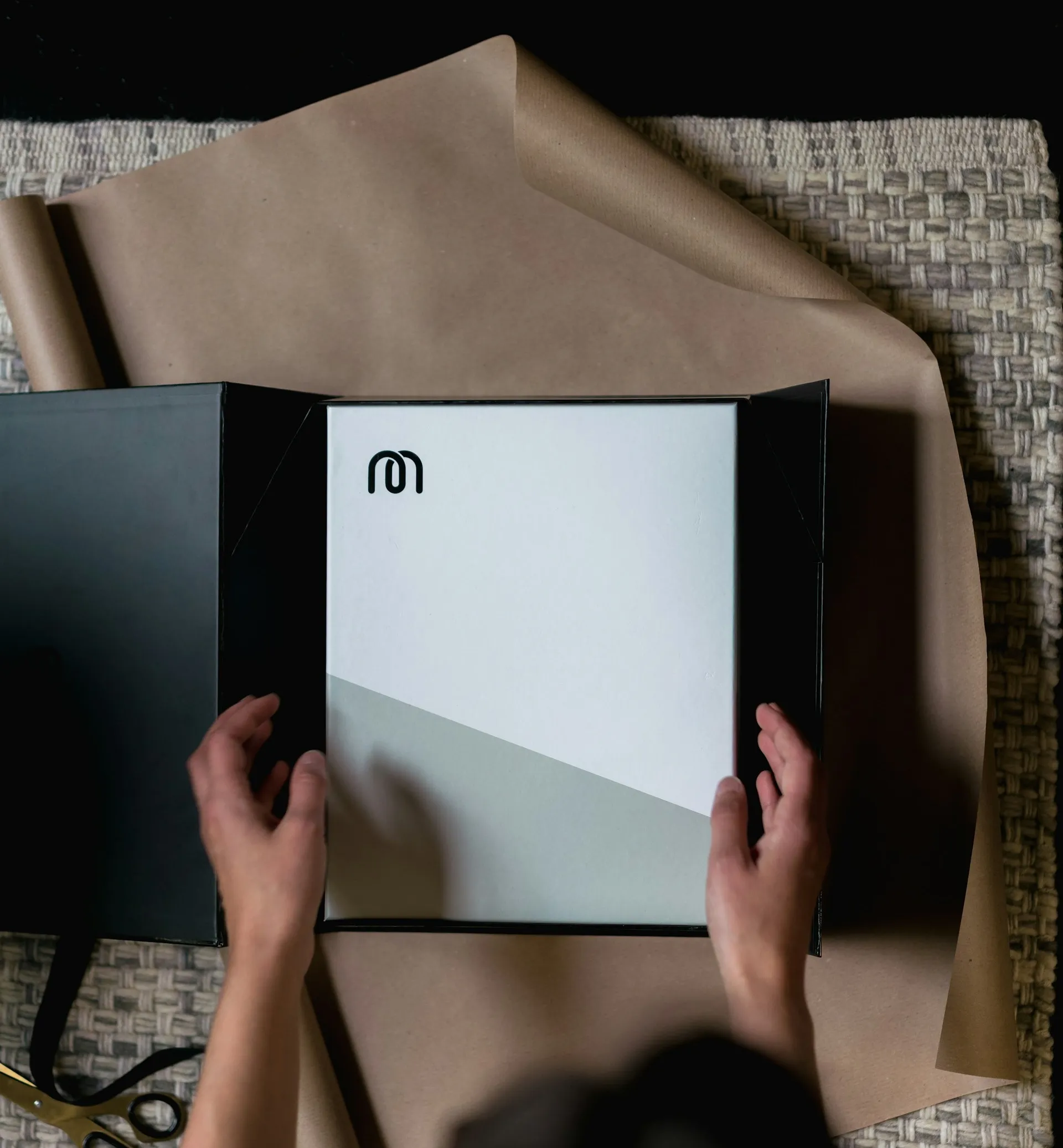
10. Packaging as a Retail Experience

The best food packaging designers like Confeti Design Studio understand that every square centimetre of a pack is an opportunity to create a moment. 

With packaging design you have the opportunity to make a consumer stop, engage, and feel something even before they’ve opened the product.

Experience-driven innovations

  • Storytelling through structure: packaging that reveals something as it's opened, built with a narrative arc from outer case to inner tray to product reveal
  • Collectible design series: packs designed to be kept, displayed, and completed across a range  driving repeat purchase as a collection behavior
  • Interactive on-shelf mechanics: packs designed to be demonstrated or interacted with in-store, like squeezing, twisting, or revealing a hidden element
  • Gift-ready formats: premium food brands designing primary packaging to double as gifting packaging and elevating the unboxing moment
  • Scent and texture on pack: sensory marketing applied to the packaging surface itself, with scented inks or textured finishes that engage the consumer

The growth of grocery e-commerce like Blinkit and Instamart has added a new dimension here.

Packaging now needs to create a retail experience in two contexts simultaneously: the physical shelf and the digital thumbnail. 

Great packaging design is optimised for both:  bold and distinctive at thumbnail scale, rich and textured up close.

11. Dynamic & Adaptive Packaging

Another major invovation in food packaging design is dynamic and adaptive packaging. 

It is designed to respond to conditions like changing colour, texture, or form in response to temperature, time, light, or the state of the food inside. 

It turns the pack from a passive container into an active communicator.

This category is a blend of science and consumer experience design, and it's one of the most technically exciting frontiers in food packaging right now.

Key technologies:

Innovation Function Benefit
Thermochromic inks Change colour with temperature Indicates readiness or freshness
Time-Temperature Indicators Monitor cold chain Improves food safety
Freshness sensors Detect spoilage gases Reduces food waste
Photochromic materials Respond to UV exposure Protects sensitive products
Shape-memory materials Adjust form post-impact Improves durability

The consumer benefit is trust. 

For brands, dynamic packaging is also a powerful shelf-differentiation tool, a pack that captures attention in ways that static packaging simply cannot.

📌 Example: Beverage labels that change colour when chilled.

12. Hyper-Local & Regionalised Packaging Design

Regional packaging design strategies help brands balance global consistency with local relevance.

And it goes deeper than just translating the label.

Key approaches:

  • Regional ingredient hero-ing: packs in specific markets that highlight locally sourced or regionally produced ingredients, resonating with growing consumer preference 
  • Local script and typography integration: going beyond translation to genuinely integrate local scripts (Devanagari, Arabic, Tamil, Thai) as a primary design element rather than a legal footnote
  • Regional format adaptation: pack sizes, portion formats, and structural choices adapted to local shopping habits (smaller pack sizes in markets with smaller household sizes or limited refrigeration)
  • Geography-specific QR destinations: the same code on pack linking to different digital experiences depending on the market where it's scanned

The investment in regionalised design pays back in trust, trial, and loyalty at a rate that generic global packaging cannot match.

13. Seasonal & Event-Based Packaging Variants

Seasonal packaging creates urgency and drives incremental sales through limited-time relevance.

That emotional response is one of the most reliable sales drivers in the food industry calendar.

Key strategies:

  • Annual design systems: not one-off seasonal packs, but a recurring design language that evolves each year and that consumers anticipate
  • Cultural calendar alignment: going beyond Christmas and Easter to design for Eid, Diwali, Holi, Halloween, Valentine's Day, and regional harvest festivals
  • Collector mechanics: seasonal packs designed as part of a series, with different designs across SKUs that drive multi-pack purchase
  • Premium finish on seasonal editions: foiling, embossing, soft-touch lamination, and structural upgrades that make the seasonal pack feel genuinely special and gift-worthy

Seasonal packaging must feel special enough to command attention and justify a purchase, but it must also align with your brand's visual system. 

Result, the consumer knows exactly who they're buying from. 

14. Personalised & Limited-Edition Packaging

The most powerful word in marketing is still your own name.

Personalised packaging taps into that. This works, with real results across food and beverage brands.

There are two ends of the spectrum:

Mass personalisation: Thousands of versions of the same product, giving customers a sense of choice without true customisation. Example: Coca-Cola’s “Share a Coke.”

True one-to-one: A pack made for a specific person, with their name, message, or even image, ordered online and delivered home. Perfect for gifting or special occasions.

Technology used: 

  • Digital printing:unlike traditional flexo or offset printing, digital print requires no plate changes, making short runs and variable data printing economically viable
  • AI design generation: algorithms that create thousands of unique but brand-consistent design variants, each one genuinely different from the next
  • Web-to-pack platforms: consumer-facing configurators that allow buyers to customise their packaging online before ordering
  • Variable data printing (VDP): production systems that can change text, imagery, or colour on every single unit passing through the press

Limited editions don't require personalisation to be powerful. 

A pack with a unique design, available for a fixed window or in a fixed quantity, creates scarcity which creates desire.
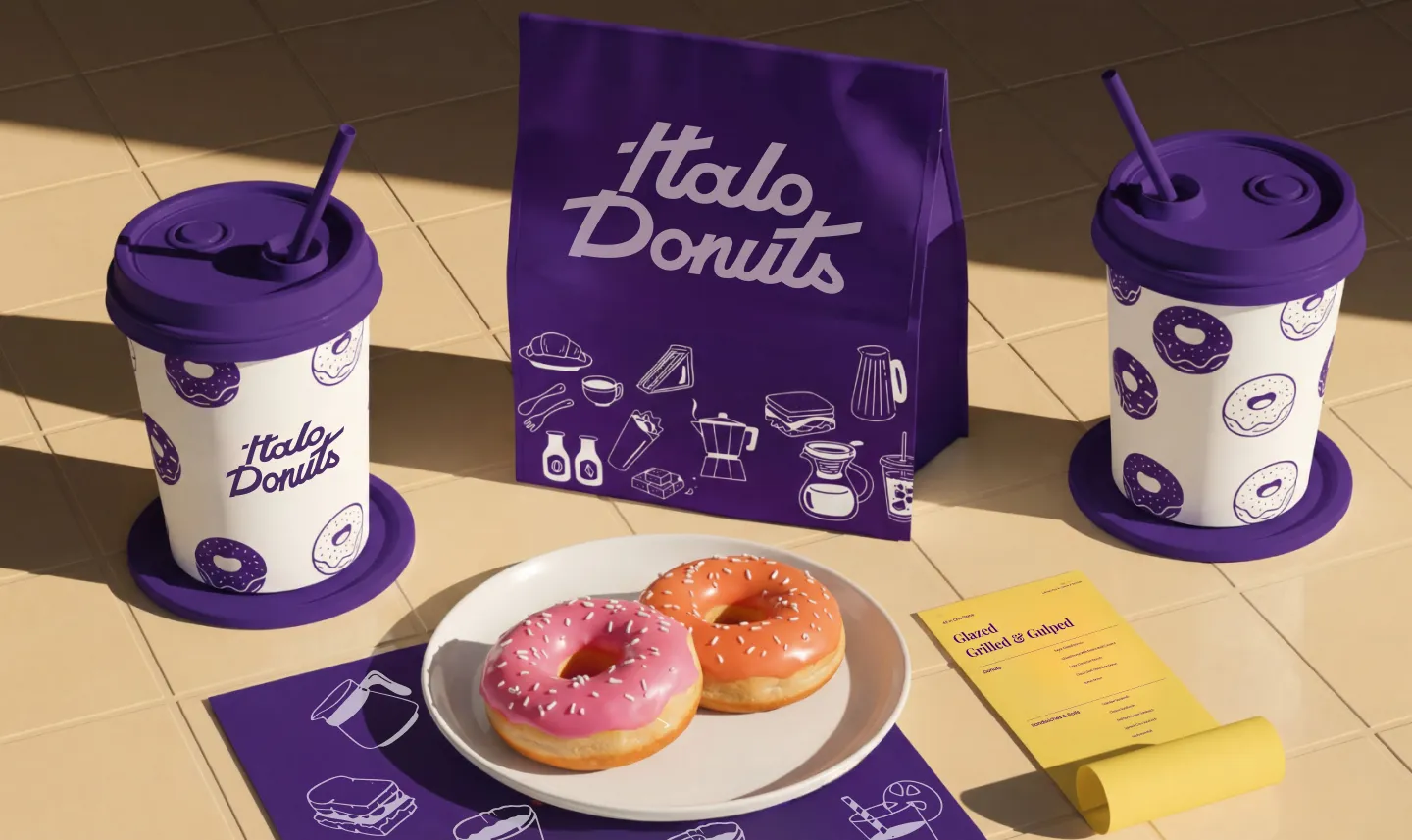
Confetti's Branding and Packaging Design for Halo Donuts

Confetti Design Studio: Packaging Design Built for Food Brands That Want to Win

Food packaging design is very not a general design problem. 

In order to get it right, you must understand consumer psychology, retail strategy, food safety regulation, print production science, and brand identity,  simultaneously. 

Why Food Packaging Design Needs Category Expertise

Most packaging briefs look straightforward on paper.

redesign the label, update colours, refresh typography, make it feel premium.

But in case of food brands, the complexity creeps in quickly: 

  • Front-of-pack has to do a lot: nutrition, allergens, legal info, weight, origin, recycling — and still look clean and distinctive on the shelf.
  • Colours that pop in a design presentation can fail under real store lighting.
  • That beautiful sustainable material, might mean +12 weeks and +40% cost that needs to be factored in before production
  • And a brand design system that works for one SKU has to scale across dozens of  sizes, variants, sub-ranges,  without falling apart.

These problems require structured knowledge: of the food retail environment, of print and production realities, of labelling law across multiple markets, and of how real consumers actually behave at the fixture under time pressure.

How Confetti Approaches Innovative Food Packaging Design

Every food packaging design project starts the same way: with the business problem, not just the design.

What is the brand really trying to do? - Drive trial? Build loyalty? Stand out on shelf? Feel more premium? Explain something complex, like sustainability?

Those answers shape everything:  how it looks, how it’s structured, what gets seen first, and how it feels in the hand.

Confetti's process is built around four principles:

Retail-first thinking. Every design decision is stress-tested against the shelf reality. How does this pack look at 3 metres? At 1 metre? Picked up and turned over? Photographed for an e-commerce listing? The best-looking design in a presentation that fails on the shop floor is not a success.

Compliance without compromise. Mandatory labelling requirements like allergens, nutritional declarations, recycling logos, are integrated into the design from the beginning, not bolted on at the end. 

Scalability by design. A packaging design system for a food brand needs to grow with the brand:  new SKUs, new formats, new markets, new occasions. Confetti designs systems, not just packs. The logic that governs a hero SKU should make every future variant feel effortless and coherent.

Sustainability that's commercially viable. Many food brands arrive with sustainability ambitions that are entirely genuine  and many of those ambitions collide with supply chain reality, cost structure, or retailer specification. Confetti bridges that gap  translating what brands want to achieve into packaging executions that work in the real world of food production and distribution.

What Sets Strong Food Packaging Design Partners Apart

The food packaging design market is crowded.

There are generalist brand agencies who will take the brief. There are low-cost production studios who will execute the artwork.

 And there are a small number of genuinely specialist food packaging partners who understand the commercial, creative, and operational complexity of the category from the inside.

The difference becomes visible in the work and in the results.

Innovations in Food Packaging Design for Specific Sectors

No single packaging solution works across every food category.

Here's a quick sneak peak into what's changing, sector by sector.

Sector Packaging Design Innovations
🥡 Food Delivery & Takeaway • Tamper-evident seal design integrated into the closure
• Branded kraft boxes with structural heat-retention form
• Flat-pack architecture that assembles without tools
• Grease-resistant printed surfaces maintaining design clarity in transit
🍿 Snacks & On-the-Go • Resealable stand-up pouch with billboard front panel
• Dual-compartment structural design keeping components separate
• Single-serve formats with portion hierarchy on front of pack
• Flexible pack shapes designed for bag and pocket portability
🥤 Beverages • 360° wrap label design maximising shelf impact
• Embossed can and bottle structures as brand signatures
• Minimalist label design signalling premium positioning
• Structural bottle silhouettes designed for instant recognition
🥗 Fresh & Chilled Produce • Transparent windowed trays letting product sell itself
• Clean, minimal label design conveying freshness and trust
• Colour-coded design systems differentiating variety and range
• Nature-inspired typography and illustration reinforcing provenance
❄️ Frozen Food • High-contrast colour and typography for frosted door visibility
• Appetite-stimulating food photography as primary design element
• Bold category-colour coding for rapid freezer navigation
• Structural carton design replacing generic plastic trays
🎁 Premium & Gifting Food • Foiling, embossing and soft-touch finishes elevating perceived value
• Structural unboxing design making the reveal part of the experience
• Collectible design series driving multi-purchase behaviour
• Artist-collaboration limited editions with display-worthy aesthetics
🍽️ Foodservice & B2B • Clearly hierarchical allergen and compliance label design
• Bold batch and SKU identification for back-of-house efficiency
• Stack-friendly structural formats with visible branding on all faces
• Simplified design systems scaling across wide product ranges
🛒 Private Label • Clean typographic design systems signalling quality parity
• Consistent colour architecture across entire product range
• Transparent windows as a trust-building design feature
• Scalable design grids accommodating mandatory info without clutter
🌱 Health, Free-From & Specialist Diet • Front-of-pack claim hierarchy designed for scan-and-decide shopping
• Certification logos integrated as design features, not afterthoughts
• Clean label visual language — minimal colour, honest typography
• Macro and portion data given prominent visual real estate
📦 Direct-to-Consumer (DTC) • Branded unboxing experience — tissue, inserts, structural reveal
• Social-share-worthy exterior design built for photography
• Personalised on-pack messaging through digital print
• Reusable outer design with refill pouch as the ongoing format

FAQs About Innovative Food Packaging Design

What is innovative packaging design in the food industry?

Innovative packaging design in the food industry means developing packaging that goes beyond basic containment — using new materials, technologies, and visual strategies to improve food safety, reduce environmental impact, extend shelf life, and strengthen brand appeal.

What is active packaging in the food industry?

Active packaging interacts with the food or its environment to extend shelf life. Examples include oxygen scavengers, antimicrobial coatings, and moisture regulators built into the packaging material itself.

What is smart packaging for food?

Smart packaging uses technology like QR codes, NFC tags, temperature sensors, or AR, to give consumers information, improve food safety, enable traceability, and create interactive brand experiences.

How does packaging design affect food sales?

Packaging is often the final decision-driver at point of purchase. Strong shelf standout drives trial, while functional design improvements (resealable, easy-open, portion control) drive repeat purchase and customer loyalty.

Want strategic branding and packaging like this for your business?

Book A Call
Share:

Let’s Build Something Great

Portrait photo of Rishabh Jain, Founder of Confetti, smiling and sitting down.
Rishabh Jain's signature
Rishabh Jain
Founder @Confetti
Get Started
A stylized pink thunderbolt or lightning icon
Get Instant Response
We’re looking forward to talk to you!
There was an error in form submission.
Please try to submit the form again.

Global Recognition

The logo for the publication PACKAGING OF THE WORLD, featuring the word 'PACKAGING' in bold black capital letters and 'OF THE WORLD' in a smaller font size.
ITC Bingo Chatpat Kairi is featured in ‘Packaging Of The World', 2025
A product photograph showing a green bottle of 'Bingo! Chatpat Kairi' drink, surrounded by glasses of mango juice, a woven basket filled with raw green mangoes, and slices of mango.
The logo for the World Brand Design Society, which includes a black geometric symbol, the Royal Coat of Arms of the United Kingdom, and the words 'WORLD BRAND DESIGN SOCIETY'.
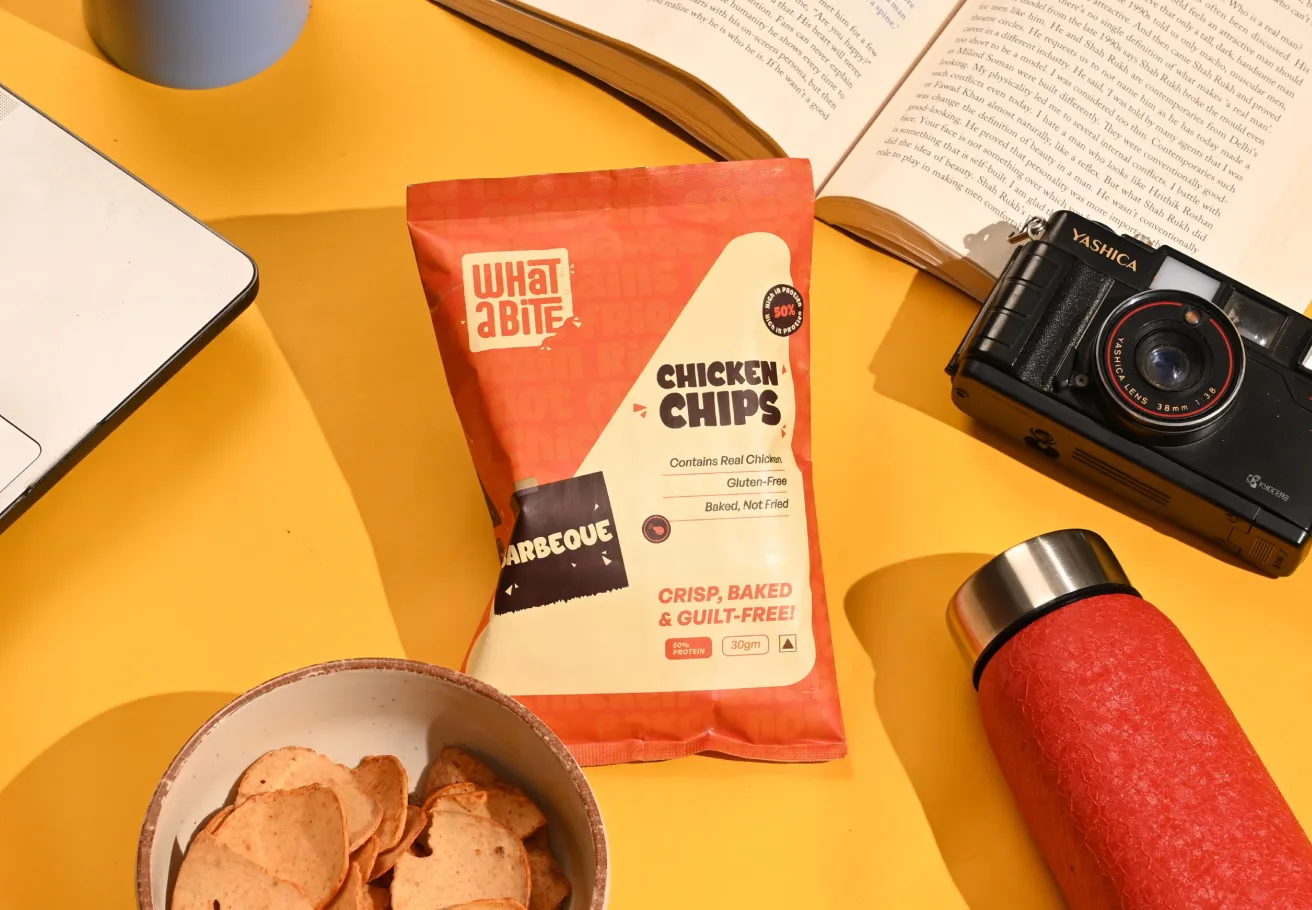
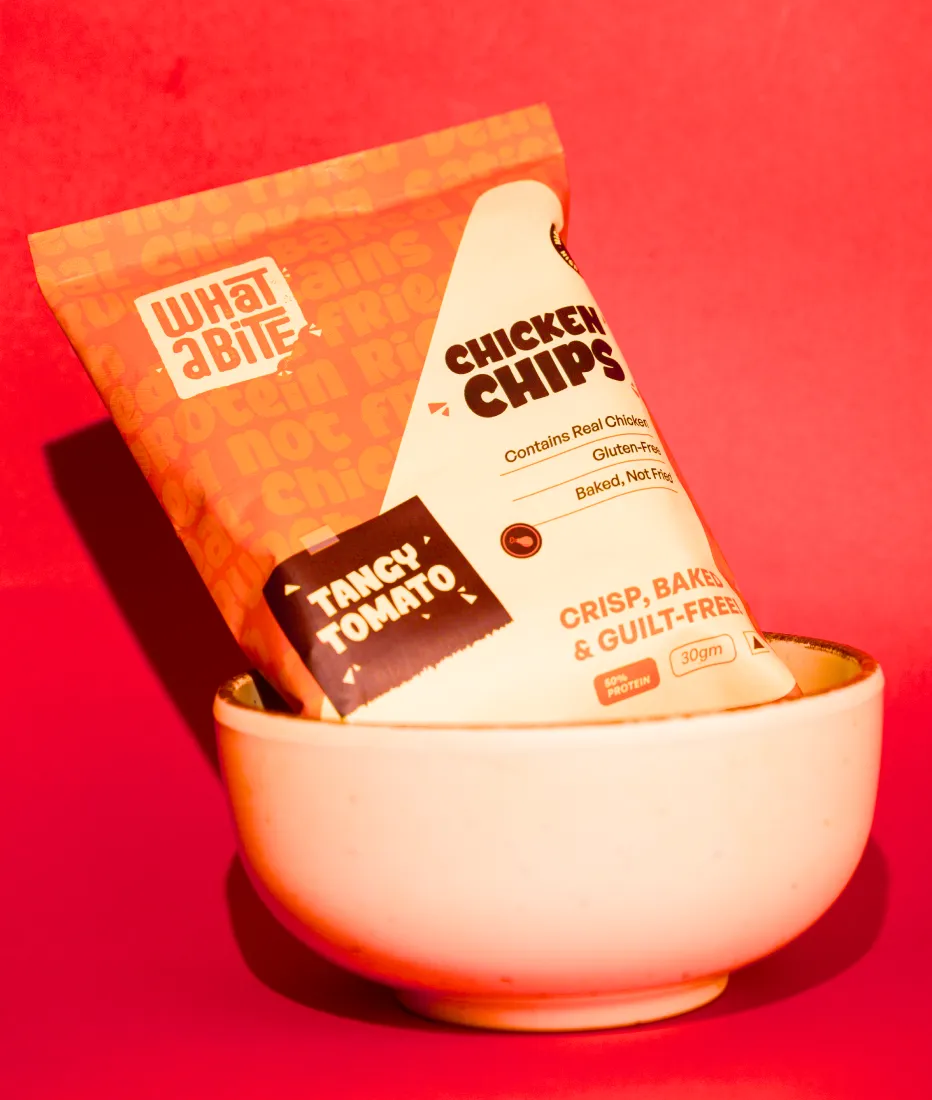
WhatABite is featured in ‘World Brand Design Society’, 2025
Close-up of a bag of orange-red 'WhatABite Chicken Chips (Barbecue)' resting on a bright yellow surface, surrounded by a laptop, an open book, a black vintage-style camera, a red thermos, and a small white bowl holding some of the chips.
The logo for the packaging editorial Dieline, represented by a black circle containing a stylized white 'D' shape.
AIM Nutrition is featured on ‘Dieline, 2025’, a globally reputed packaging editorial
A flat lay photograph of several products from AIM Nutrition's 'MeltinStrips' line, including blue boxes for 'Sleep' and white boxes for 'Beauty,' along with small orange sachets for 'Energy,' all scattered on a light background
The logo for the publication PACKAGING OF THE WORLD, featuring the word 'PACKAGING' in bold black capital letters and 'OF THE WORLD' in a smaller font size.
ITC B Natural is featured in ‘Packaging Of The World', 2025
A light green bottle of B Natural Tender Coconut Water sits on a blue and white patterned tile table next to a half coconut shell filled with a drink and garnished with a grapefruit slice and rosemary. The background is a bright seaside landscape with a blue ocean and distant cliffs.
The logo for the publication PACKAGING OF THE WORLD, featuring the word 'PACKAGING' in bold black capital letters and 'OF THE WORLD' in a smaller font size.
Pawsible Foods is featured in ‘Packaging Of The World', 2025
A smiling Golden Retriever dog wearing a green tag, leaning on a table next to a large green box of Pawsible Foods Core Wellbeing Nutritional Topper and a stainless steel bowl containing the food. The background is a blurred, lush green outdoor setting.
The logo for the publication PACKAGING OF THE WORLD, featuring the word 'PACKAGING' in bold black capital letters and 'OF THE WORLD' in a smaller font size.
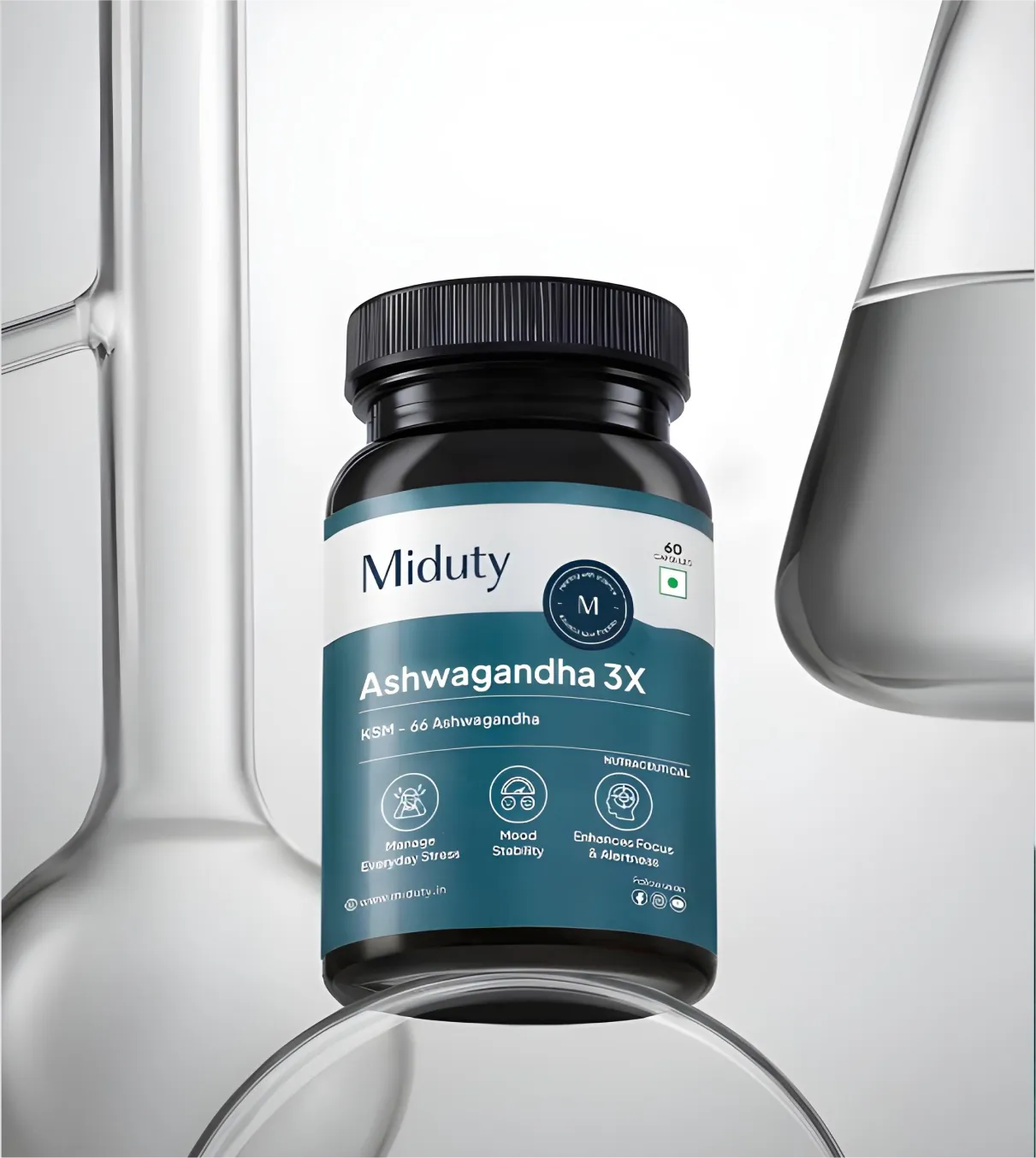
Miduty is featured in ‘Packaging Of The World', 2025
A set of three black-lidded supplement bottles from the Miduty brand, labeled Estrogen Balance, Liver Detox, and Methyl B-12 & Folate, displayed against a sleek, light blue, clinical-style background.
The logo for the publication PACKAGING OF THE WORLD, featuring the word 'PACKAGING' in bold black capital letters and 'OF THE WORLD' in a smaller font size.
Swizzle is featured in ‘Packaging Of The World', 2025
A visually striking product photo featuring three cans of Swizzle Premium Mocktails (Pineapple Mojito, Blue Lagoon, and Desi Lemonade), each bearing a polar bear mascot wearing sunglasses. They are arranged on a pink surface next to a red cloth and a bowl of salad, with a hand reaching for the can on the right.
The logo for the publication PACKAGING OF THE WORLD, featuring the word 'PACKAGING' in bold black capital letters and 'OF THE WORLD' in a smaller font size.
ITC Bingo Chatpat Kairi is featured in ‘Packaging Of The World', 2025
A product photograph showing a green bottle of 'Bingo! Chatpat Kairi' drink, surrounded by glasses of mango juice, a woven basket filled with raw green mangoes, and slices of mango.