%201.webp)
02
AI Snaps
.svg)
.svg)
01
Our Work
03
About Us
04
Brand Audit
05
Contact Us
06
Client Success
12
07
Blogs
08
Careers
Book A Call
.svg)



.svg)
Need Help In Building Your Brand?
Click the button below & book a call with our founder directly.

Rishabh Jain
Managing Director
Perfume packaging design in Dubai is not just getting the box printed at the manufacturer’s. Before you get to that stage, you need to get many crucial aspects right.
Learn what a real perfume packaging design process looks like in the UAE and GCC. We delve into compliance, material and design decisions that decide if your product will sell or not.
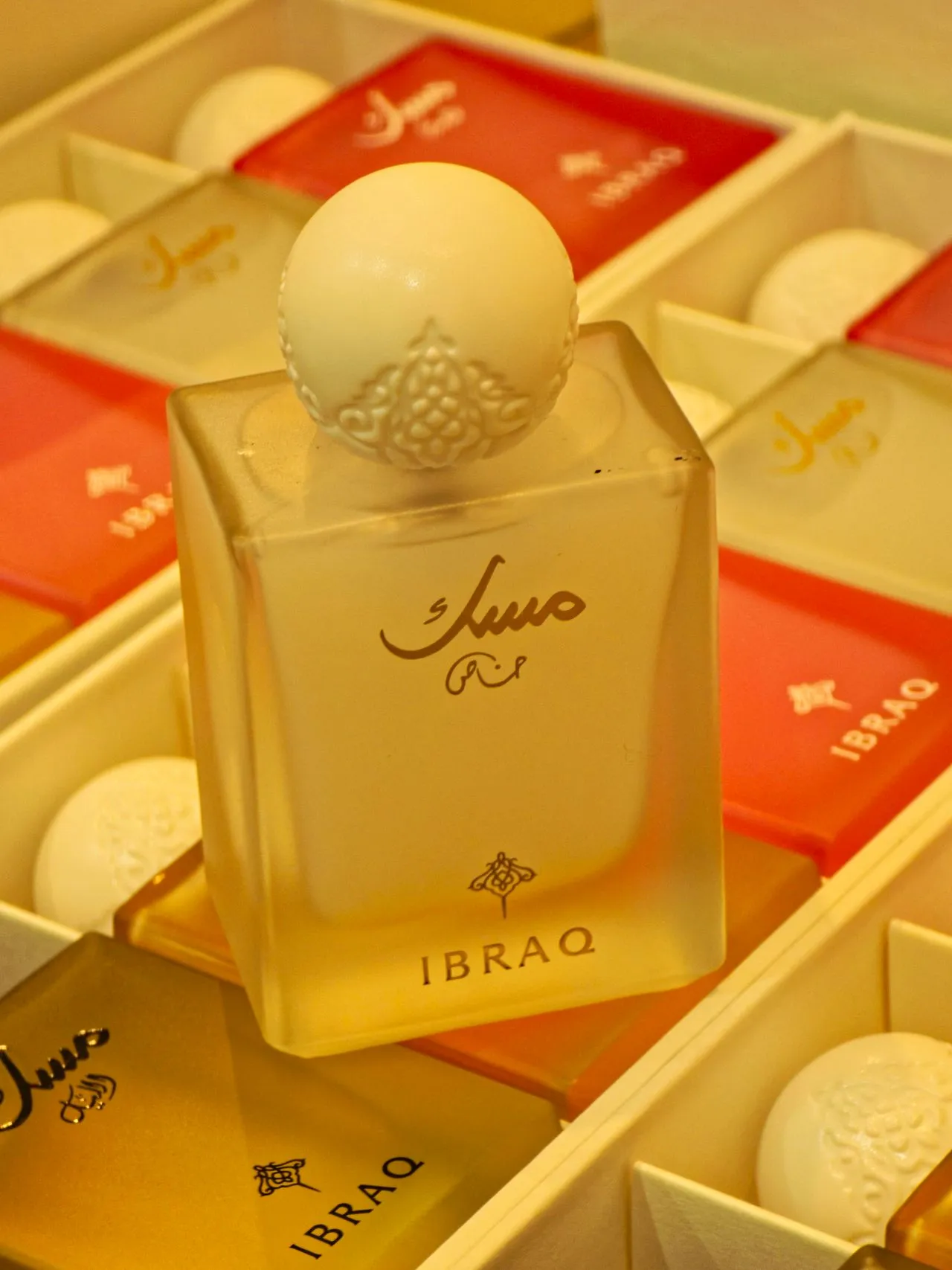
Dubai's perfume market is not a place where you fix the packaging design later.
The UAE fragrance market is estimated at $0.91 billion in 2025, growing to $1.15 billion by 2030. The GCC perfume market as a whole was valued at $4.22 billion in 2025 and is projected to reach $5.3 billion by 2031.
Premium and luxury fragrances account for approximately 68% of total market revenue. In a premium market like this packaging design is the primary carrier of the sensory experience, , the first and often most persuasive argument for purchase.
Most perfume brands enter this market backwards.
They design a bottle, source a box, print labels, and then wonder why the packaging doesn't perform. The packaging feels generic, doesn't stand out on shelf, fails to communicate the premium positioning the price demands.
The result is a product that gets ignored, discounted, or returned because in Dubai's hyper-competitive retail environment, consumers physically compare packaging, ingredients, claims, and presentation across multiple brands in a single store visit.
The order should be reversed: strategy first, design second, production third.
A printer executes a design you already have.
A design partner builds the strategy that determines what the design should say, to whom, at what price point, in what retail context, before production even enters the conversation.
The difference determines whether your product will actually sell or get lost in the shelf or scroll screen.
In Dubai's perfume market, winning brands invest in strategic design before they ever speak to a printer, because that decision determines whether the packaging succeeds on shelf, survives the climate, and earns its place in a customer's memory.
Perfume packaging design in the UAE and wider GCC not only has to protect the product, but also work as a luxury object, gifting product, retail communication tool, and regulated cosmetic package at the same time.
Specialty stores remain the leading distribution channel, while online fragrance retail is growing faster, increasing the need for packaging that works both physically and digitally.
✨Premiumisation Means Something Completely Different
Most packaging advice is built for Western markets and applied here without adjustment. That doesn’t work in the GCC.
Western niche fragrance often signals premium through minimalism: thin glass, understated labels, and negative space.
In the GCC, that same restraint can read as absence. Oriental and woody fragrances dominate, reflecting a cultural affinity for oud, amber, and sandalwood. This shapes what premium looks like on shelf: heavier bottles, richer colors, metallic finishes, and physical weight.
But that doesn’t mean every brand needs ornate packaging. A contemporary niche fragrance may use restrained typography and premium materials, while an oud-focused luxury line may justify heavier glass, richer finishes, or decorative detailing.
What you need to ask is “which physical cues justify the intended price?”
The UAE market also faces strong competition from established regional houses like Arabian Oud and Abdul Samad Al Qurashi. That raises the bar for differentiation, especially in specialist fragrance retail.
✨Gifting-First Design for Ramadan, Eid, and Wedding Season
In the UAE and wider GCC, gifting is one of its primary demand drivers and perfume is one of the top choices.
A fragrance package therefore needs to work as a gift object.
Packaging should therefore work without additional wrapping: the box should feel presentable on its own, the bottle and insert should feel substantial, and the unboxing should create an appropriate sense of occasion.
This can be built into the structure through standalone gift-ready boxes or sleeves, considered closures, space for personalized notes, and a deliberate unboxing sequence.
Seasonal sleeves or limited-edition boxes can add relevance without changing the core identity, provided they feel brand-led rather than simply festive.
✨Arabian Fragrance Aesthetics Without Stereotypes
GCC fragrance design has a distinct visual history shaped by ingredients and traditions such as oud, bakhoor, amber, rose, and attars. Contemporary regional brands are combining these references with global luxury conventions.
That doesn’t mean every Arabian fragrance needs ornate decoration. Regional identity can come through materiality, typography, bottle proportions, colour, storytelling, or restrained interpretations of traditional forms.
Make the localisation is brand-specific. Generic arabesque patterns or metallic finishes, without a meaningful connection to the fragrance, can feel stereotyped.
✨Climate and Logistics Must Be Designed In
GCC packaging also operates in demanding conditions. Heat exposure, storage, transport, and high summer temperatures can affect adhesives, coatings, board, closures, and some product formulations.
Clear glass without adequate UV protection can accelerate product degradation, while unsuitable paper and board stocks may warp or lose rigidity in humid storage.
Your design partner needs to build these constraints into the material spec from the start: UV-treated or tinted glass where the formulation calls for it, board weights and coatings suited to regional humidity, and structural choices that hold up through local logistics.
A printer executing a design handed to them from elsewhere has no reason to catch this. It's not their job. It's the design partner's job, and that’s one of the main reasons why local expertise like that of Confetti is more important.
✨Compliance & Regulatory Layer
Perfumes are regulated products in the UAE that we cover ahead.
This means ingredients, claims, warnings, mandatory information, and regulatory space should be planned before the visual system is finalised. Adding compliance as a last-minute sticker or crowded back panel can weaken both the design and production process.
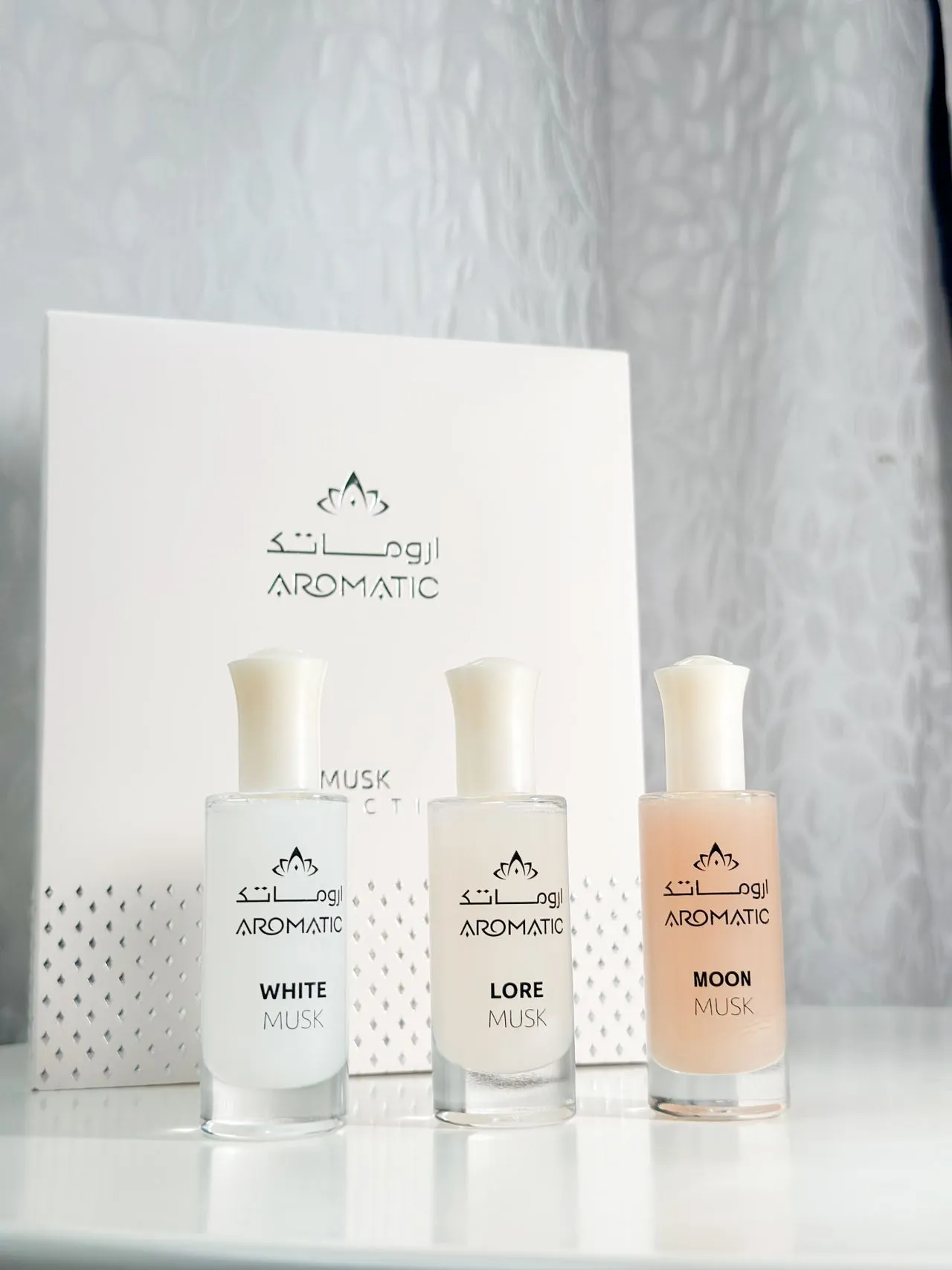
Your branding and packaging design won’t matter if your packaging is rejected at customs. Here is what you must include:
☑️Arabic Labelling
All mandatory information must appear in Arabic on the original label or primary packaging. Arabic-English bilingual labelling is the standard.
Arabic is the primary language, its font size must not be smaller than the English text. The minimum Arabic font height is 1.2mm. Translations must be precise and certified by an accredited agency, grammatical or typographical errors can result in product rejection.
☑️Mandatory Information on Every Perfume Label
Under GSO 1943:2024, the Gulf standard governing cosmetic product safety, labelling, and packaging across all GCC member states, the following must appear on your perfume packaging:
☑️Allergen Labelling
ESMA requires explicit labelling of 26 EU-regulated allergens (e.g., geraniol, cinnamal) if they exceed 0.001% in leave-on products or 0.01% in rinse-off products.
☑️Conformity Marks and Certifications
☑️Packaging Standards
Containers must comply with UAE.S/GSO ISO 22715 (packaging and labelling). Glass containers must meet UAE.S GSO 2093. Packaging safety is tested to ensure the container does not react with the product inside.
Non-compliant products are rejected at customs. Products may be withdrawn, recalled, or destroyed at the supplier's cost.

Unlike in the West, where perfume is often a personal purchase, fragrance in the Middle East carries deeper cultural and ceremonial meaning and is shaped by centuries of deep fragrance culture.
Fragrance as cultural DNA
Perfume is woven into the fabric of hospitality. Guests are welcomed with fragrance, oud is burned in the home, worked into clothing, worn to prayers. And it is central to the culture of giving.
The bottle is more than a vessel
It is part of the ritual itself. It needs to feel substantial enough to hold in both hands with reverence. Beautiful enough to display long after the fragrance is gone. Worthy enough to be given, received, and kept.
Opulence as a disciplined design strategy
The best Arabian-inspired fragrance packaging uses richness of perception as a deliberate and disciplined design strategy. This means deep colours with gold arabesque embossing, magnetic closures that feel heavy in the hand, and high-mass cap materials like zamac, aluminum, or brass.
Islamic design principles in packaging
The best Dubai perfume packaging incorporates geometric patterns inspired by Islamic architectural tilework, arched shapes suggesting ancient palace doorways, and Arabic calligraphy. The eight-pointed star, for instance, holds deep significance for some brands.
Ramadan and gifting packaging importance
The package is the gift itself. In the GCC, generic Western-style gift sets can feel underwhelming because gifting is an experience.
For Ramadan, premium packaging often uses rich colours, gold detailing, rigid boxes, magnetic closures, and a deliberate unboxing experience. Cultural cues such as calligraphy and Islamic geometry can add relevance without relying on clichés.
Ramadan packaging must involve early planning for design, bilingual artwork, regulatory approvals, production, and distribution.
Dubai's climate is a design constraint that determines whether packaging survives shelf life or fails in transit.
Dubai and Kuwait City regularly see temperatures exceeding 45°C, with humidity levels that create condensation on chilled surfaces and accelerate adhesive degradation.
Packaging materials that perform in temperate climates may fail in the Gulf.
UV coating is a must
GCC coastal markets like UAE, Qatar, Bahrain, and Kuwait have ambient UV indices of 9-11 year-round. Uncoated aluminum bottles undergo photochemical degradation within 6-8 months, destroying fragrance chemistry and causing packaging failure.
The minimum specification for GCC coastal market entry is a UV-stable acrylic topcoat at minimum 50μm thickness, with UV inhibitor additives rated to block 98% of radiation in the 300-400nm wavelength band.
Beyond labels
Adhesive-backed printed stickers peel under heat and bubble under humidity. Industrial-grade UV direct printing on bottles is now commercially accessible and becomes part of the surface. There is no edge, no substrate, no layer that can be separated.
Bottle material
Aluminum dropper bottles are favoured in the 100–500ml outdoor retail segment for their durability and lower long-term costs.
For 50ml fragrances, 100–200g glass bottles can signal premium quality, while heavy caps in zamac, aluminium, or brass reinforce the perception of luxury.
Box construction and adhesives
Rigid board of at least 2mm gives packaging the weight and premium feel customers expect. For durability, polyurethane dispersion adhesives outperform PVA in temperature cycling.
Boxes should also meet compression and humidity-resistance standards to prevent warping and structural failure.
Sustainability is arriving
The UAE is introducing mandatory minimum recycled content requirements for plastic packaging components beginning in 2026.
Eco-friendly packaging is growing in adoption, with consumers increasingly looking for perfumes with recyclable or biodegradable materials.
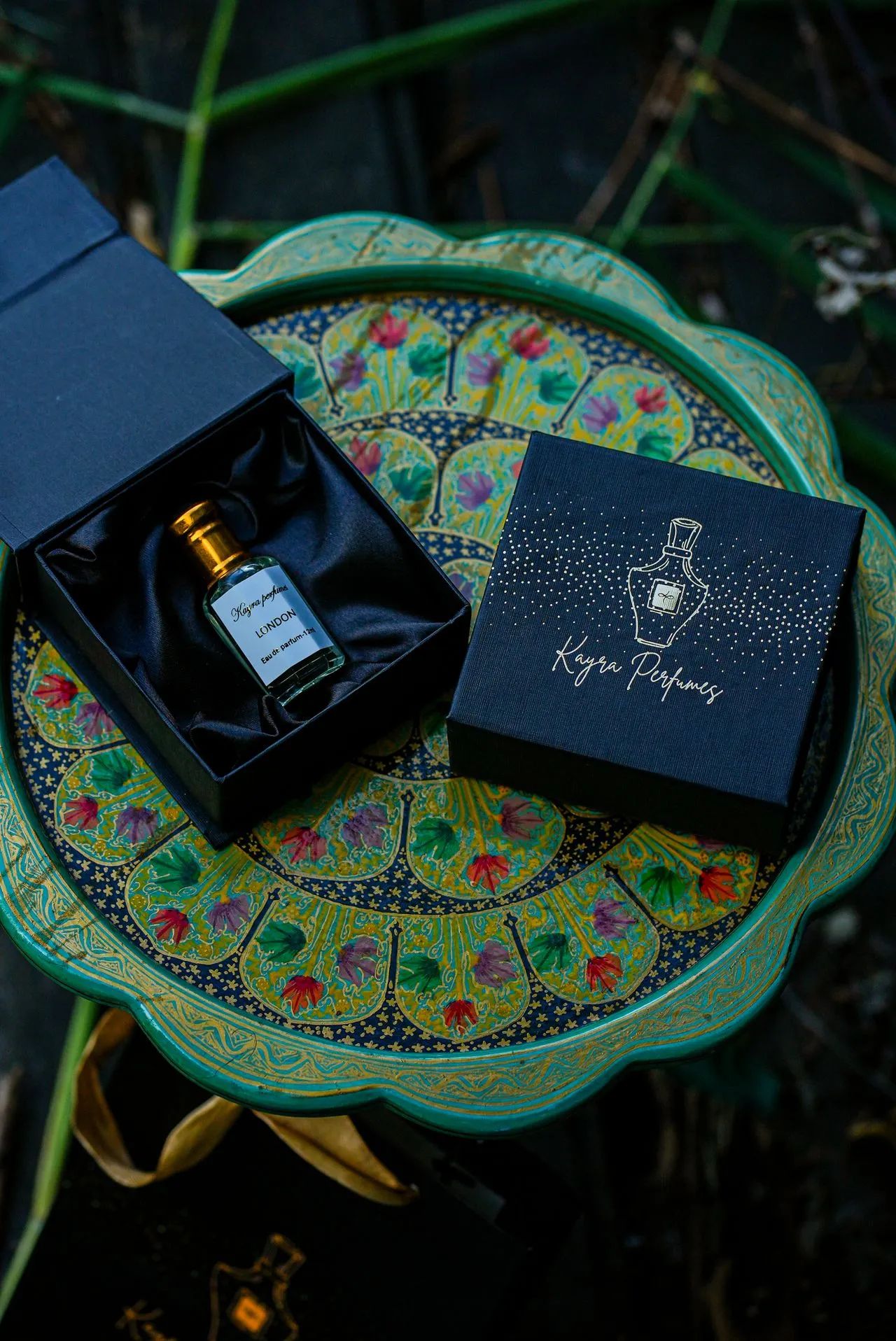
Dubai's fragrance market operates across luxury retail boutiques to e-commerce platforms to quick commerce. Each channel demands a different packaging logic.
Packaging is now a content format and unboxing is the ad.
With searches for “Arabian perfume” growing by over 60% in 2025, strong visual identity and shareable packaging have become more important than ever.
A box must look good on camera, feel substantial, and survive shipping from warehouse to doorstep or it risks losing the sale before the fragrance is even experienced.
E-commerce packaging requirements in Dubai:
In GCC luxury retail, consumers compare packaging, ingredients, claims, price, and presentation side by side.
With specialty fragrance stores dominating the high-value channel, packaging must earn attention through tactile finishes, structural quality, and visual weight.
Retail packaging requirements in Dubai:
The same perfume product must work across retail boutiques, e-commerce platforms, and quick commerce apps. This demands packaging systems that flex across channels without breaking.
Core priorities for omnichannel fragrance packaging:
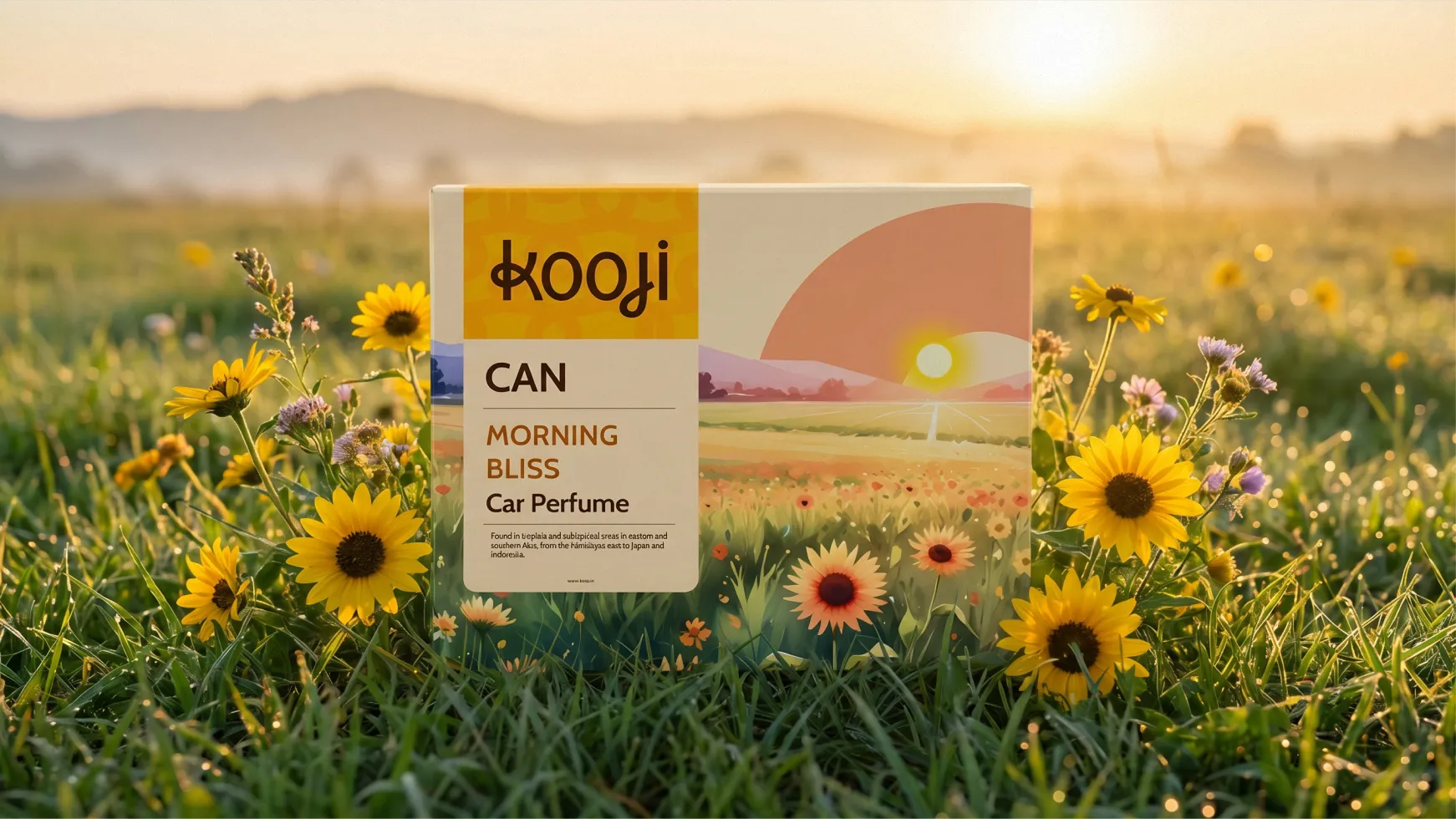
We work out of Dubai, and that shapes how we approach every packaging project in this market.
Plan First, Produce Second
We don’t start with the box or bottle. We first define the brand position, customer, price point, channels, portfolio, and markets.
For Kooji, a heritage perfume house from Kannauj, we built a packaging system across three lines and 24 SKUs. A consistent structural framework gave each fragrance its own visual identity while keeping the portfolio cohesive and scalable.
Designed for the GCC
Dubai and the wider GCC have specific requirements around fragrance packaging. We account for these constraints early, so they influence the structure and artwork rather than becoming last-minute fixes.
Systems That Scale
A perfume portfolio can quickly become difficult to manage when every fragrance receives a completely different package.
We build design systems with controlled variation. Core elements such as structure, logo treatment, typography, and information hierarchy remain recognisable, while colour, imagery, finishes, and storytelling can distinguish individual fragrances or collections.
This is particularly useful for brands planning new launches, seasonal editions, or expansion across GCC markets.
Cross-Category Packaging Experience
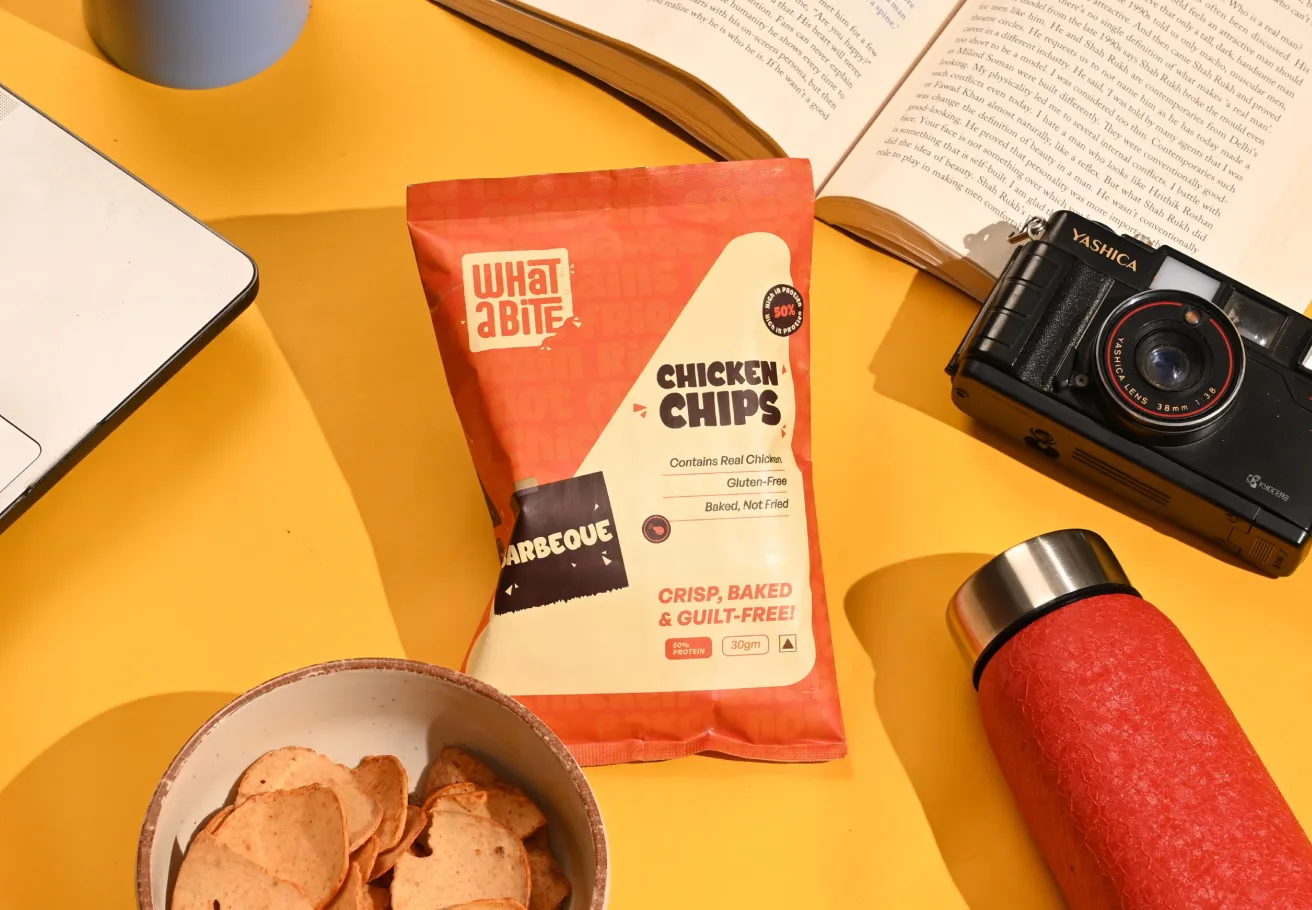
Our packaging work spans premium and high-volume categories, including Baaris, ITC Bingo, and B Natural. That experience gives us a production-focused perspective: packaging has to work beyond the presentation mock-up.
Confetti has also been recognised by the World Brand Design Society, with work featured by The Dieline and Packaging of the World.
Our local experience means climate, production timelines, and ESMA compliance are built into the process from the start.
If you’re planning a fragrance launch in the UAE or GCC, we can help identify gaps and opportunities in your current packaging approach.
A properly scoped perfume packaging design engagement includes:
A design partner's output should work with whichever manufacturer you choose, now or later. If a design only works with one specific printer's equipment, that's a dependency, you should avoid.
At Confetti, we build our packaging design systems with this in mind, as a connected structure any qualified production partner can pick up.
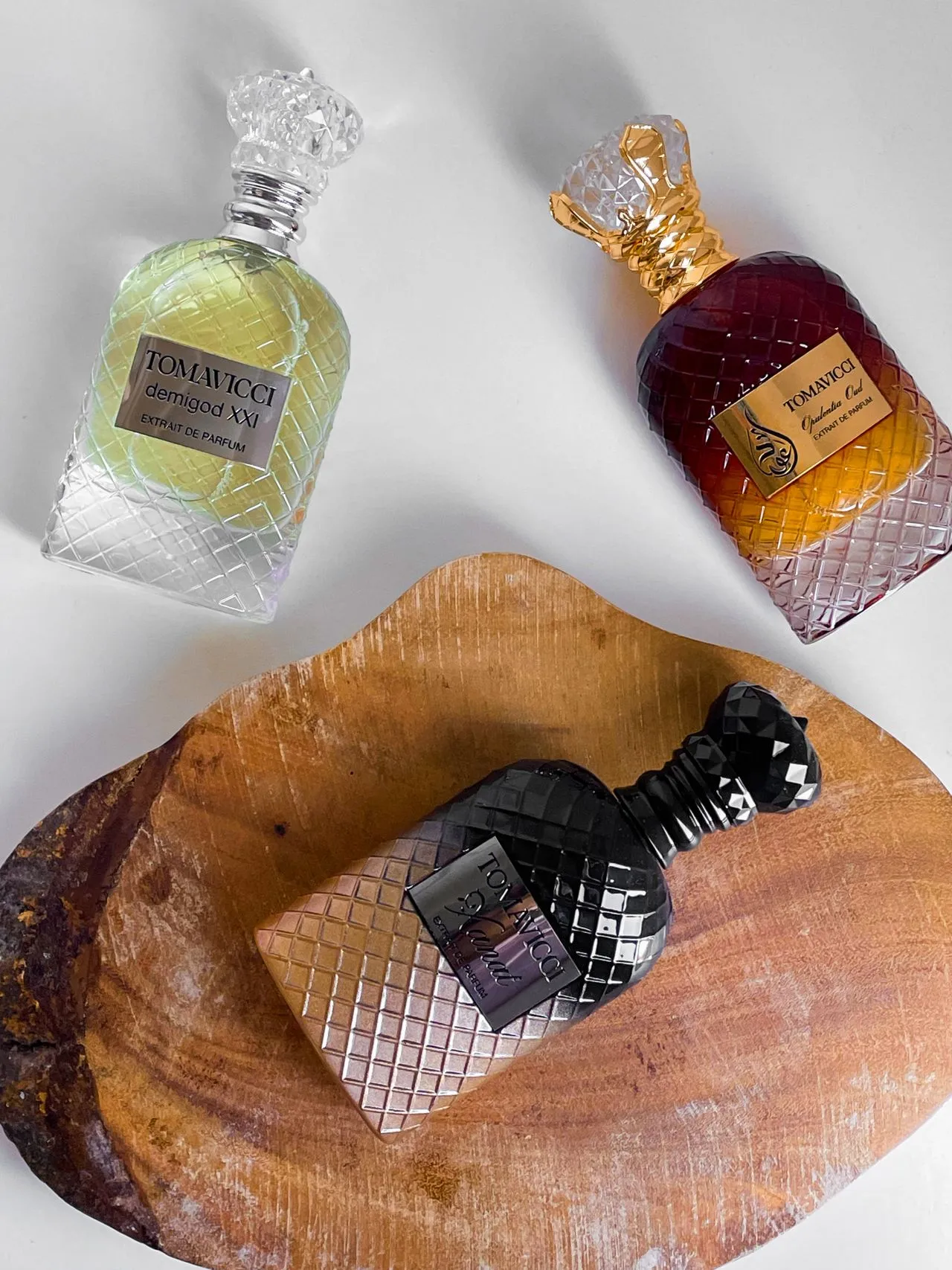
Here’s a look at n the difference between perfume packaging that sells and packaging that gets ignored in UAE and Dubai markets:
Example:
Imagine two new fragrance brands entering Dubai.
Brand A is a regional oud-forward brand that uses weight and material to signal heritage.
The bottle’s glass weight, metallic cap, and rich, saturated box colours create an immediate sense of premium quality. The ESMA-required ingredient information is integrated seamlessly into the label.
Everything about it, the heft in the hand, the color, the finish, signals premium before the customer even opens the box.
Brand B, a new D2C fragrance uses an imported Western minimalist template.
Thin glass, small type, a plain white box with no gifting variant, because the packaging was designed around a Western D2C reference board and shipped here without adjustment.
On a Dubai retail shelf, next to bottles with visible weight and rich finish, that packaging doesn't read as tasteful restraint. It reads as absence, like the brand skipped a step.
The minimalism itself is not the problem. The problem is that the design was never tested against the expectations, retail environment, and purchase occasions it needs to serve.
Brand C is an international niche fragrance house entering the GCC. It starts producing region-specific packaging variants, keeping their core minimalist identity intact but adding weight to the glass, introducing a metallic or embossed regional edition box, and building a dedicated gifting sleeve for the local market.
The brand remains recognisable internationally, but the packaging feels appropriate to its local retail context.
For a brand entering the GCC, this is the model worth looking into. Keep the global identity consistent, but flex the physical execution to local shopping behavior, adjusting weight, finish, and gifting format without compromising the core brand.
How much does perfume packaging design cost in Dubai?
Costs vary by scope. A single-SKU launch with a standard box structure sits at the entry level, while a full collection with custom structural design, gifting variants, and compliance-integrated labeling costs significantly more. Manufacturer-only quotes often exclude strategy and regulatory review, which resurface as costs later.
What's the difference between a packaging designer and a packaging manufacturer in Dubai?
A manufacturer produces and prints packaging based on a design you provide. A design partner builds the strategy and structure first: positioning, materials, compliance, and shelf differentiation, then hands off production-ready files any qualified UAE manufacturer can execute.
Do I need ESMA-compliant packaging for a perfume brand in the UAE?
Yes. UAE cosmetic and fragrance products fall under ESMA allergen-disclosure and safety requirements, which affect label copy and ingredient placement. Designing packaging without this in mind risks rejection or reprints after production, which costs more than building it in from the start.
What makes GCC perfume packaging different from Western perfume packaging?
GCC consumers respond strongly to premium presentation, heritage cues tied to oud and regional ingredients, and gifting-readiness, since fragrance is a major gifting category around Ramadan, Eid, and weddings. Minimalist Western packaging conventions often underperform without local calibration.
Should perfume packaging in Dubai be designed around gifting occasions?
For most brands selling in this market, yes. Gifting drives a significant share of fragrance purchases, so packaging that includes dual-use presentation, a strong unboxing sequence, and seasonal variants tends to perform better than packaging designed only for everyday retail.
Want strategic branding and packaging like this for your business?





.webp)
.webp)

.webp)
.webp)
.webp)
.webp)
.webp)







.svg)
.webp)