%201.webp)
02
AI Snaps
.svg)
.svg)
01
Our Work
03
About Us
04
Brand Audit
05
Contact Us
06
Client Success
12
07
Blogs
08
Careers
Book A Call
.svg)



.svg)
Need Help In Building Your Brand?
Click the button below & book a call with our founder directly.

Rishabh Jain
Managing Director
Can first-itme brands sell on blinkit? Yes, but the platform is selective. Blinkit prioritizes hyperlocal readiness over catalog size.
If you're a FMCG founder, brand manager, or product marketing lead of a new/ first time brand trying to figure out selling on Blinkit, this guide is for you.
It covers exactly what is the eligibility, which documents are required, what the approval team actually checks, and how to avoid the mistakes that stall applications for months.
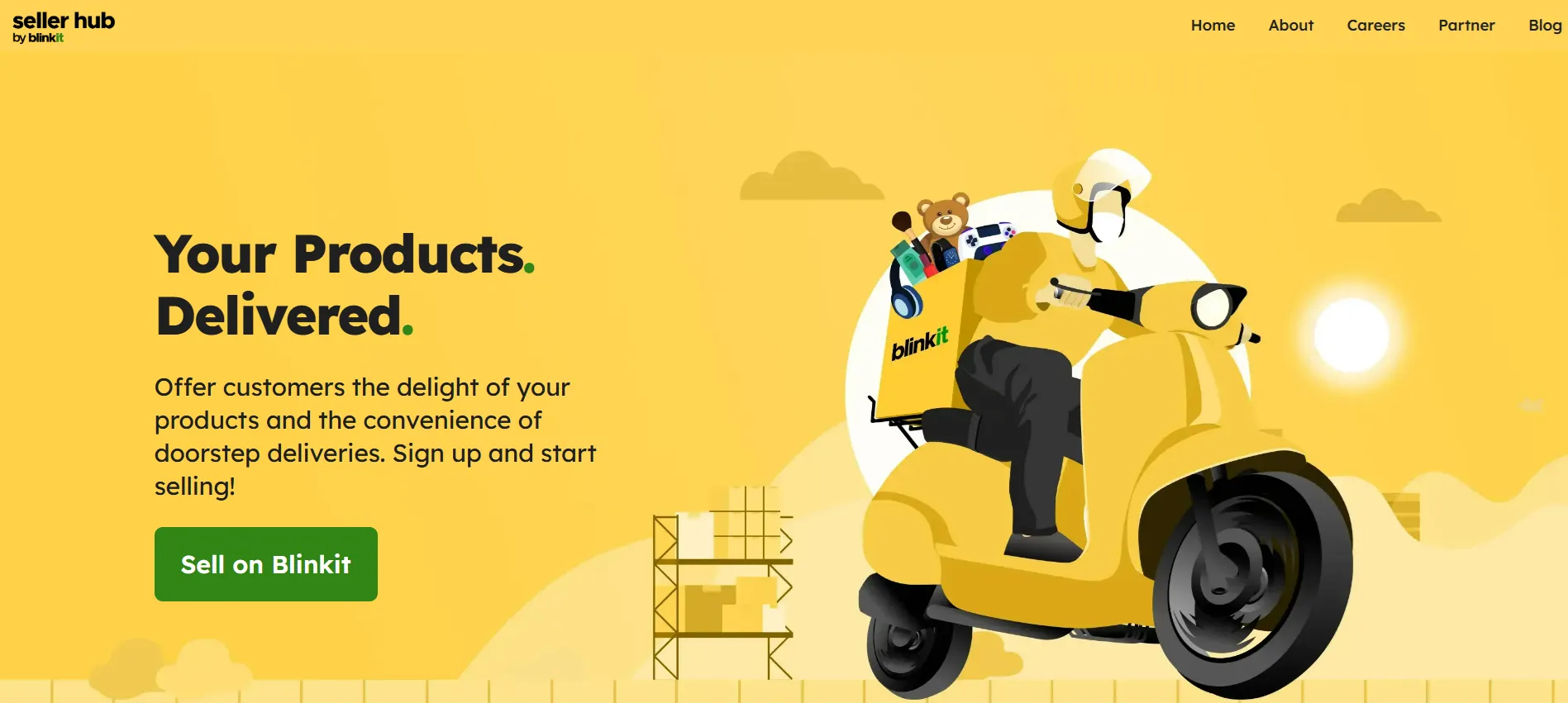
With around 45% of India's quick commerce market, Blinkit is an attractive platform for first time brands.
However, Blinkit is not an open marketplace. You meet a specific set of eligibility criteria before your application is taken seriously.
Blinkit runs a curated network of dark stores across 25+ cities, each with finite shelf capacity.
Every brand that enters occupies real space, physical and digital. That makes the platform selective, not exclusive.
For a first-time brand, this selectiveness is actually an advantage once you are in.
Less noise, more intentional placement, and a Category Manager who has a stake in your product performing well. But getting in requires knowing exactly what Blinkit evaluates and preparing accordingly.
Blinkit's seller model recognises four categories of applicants:
🟢Manufacturers with direct production capability
🟢Brand owners (trademark registered or in process)
🟢Authorized distributors with a brand letter
🟢D2C brands meeting compliance requirements
First-time brands fall under the brand owner or D2C brand category. Both are eligible. It just requires preparation that many new brands skip.
📌 Category-specific requirement : If your product falls under food, beverages, or grocery, an FSSAI licence is required in addition to the baseline documents above.
This applies to the majority of FMCG categories on the platform.
✅Blinkit does not require a minimum sales track record for brand owners
Blinkit's seller model for brand owners and D2C brands has no revenue threshold, no minimum trading period, and no requirement to have sold units on any platform before applying
✅Having listings on Amazon/Flipkart or a website is not mandatory but it strengthens your application
Blinkit doesn’t require you to have listings on other platforms like Amazon or a website to get approved.
Existing listings just make the Category Manager’s job easier by providing reference points. Without them, approval relies more on the category manager’s judgment about pricing, demand, and positioning with limited data.
✅A trademark (or TM application in process) significantly increases approval likelihood
During Blinkit's review process, having a trademark reduces perceived risk by the platform's legal team, which runs its own assessment alongside the commercial evaluation.
Blinkit checks a number of factors before approving a brand.
It cares about product-market fit signals, packaging quality, category demand, margin viability before approving a brand.
➡️ Product-market fit signals: Does your product solve a real, specific need?
Your application is stronger when your product solves a clear, specific need and its formulation, size, and pricing match what consumers in your category already buy on quick commerce.
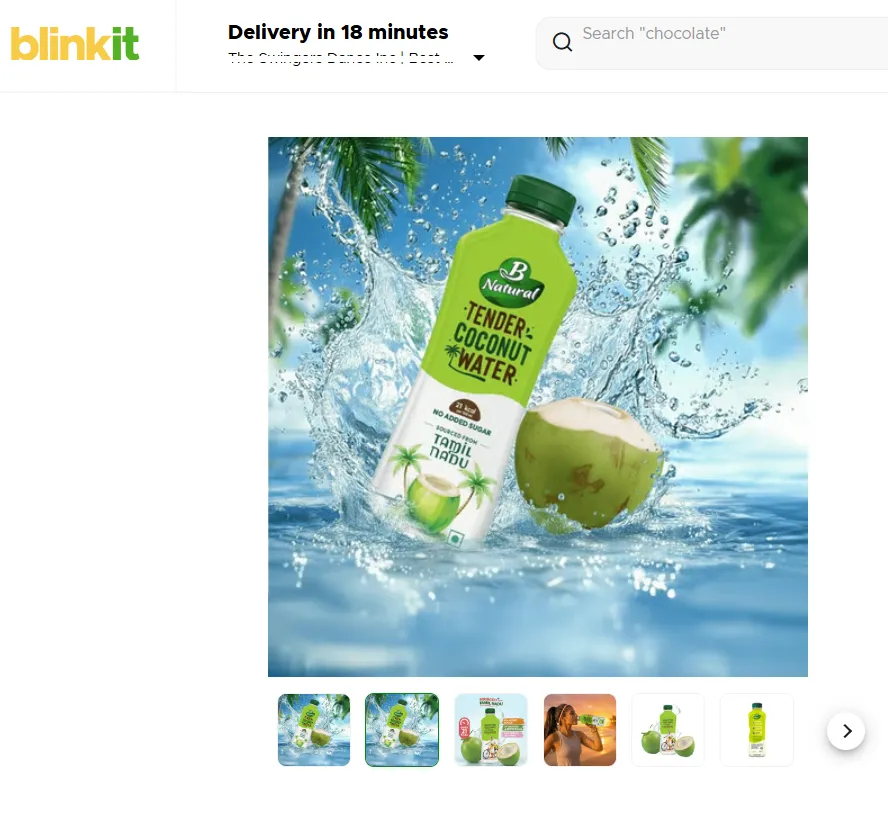
➡️ Packaging quality: Your product must photograph well at thumbnail size, and its label must include all mandatory information (MRP, FSSAI number, nutritional data, manufacturing details) in a clear, compliant layout.
Packaging is assessed for both visual appeal and regulatory compliance before any unit reaches a dark store.
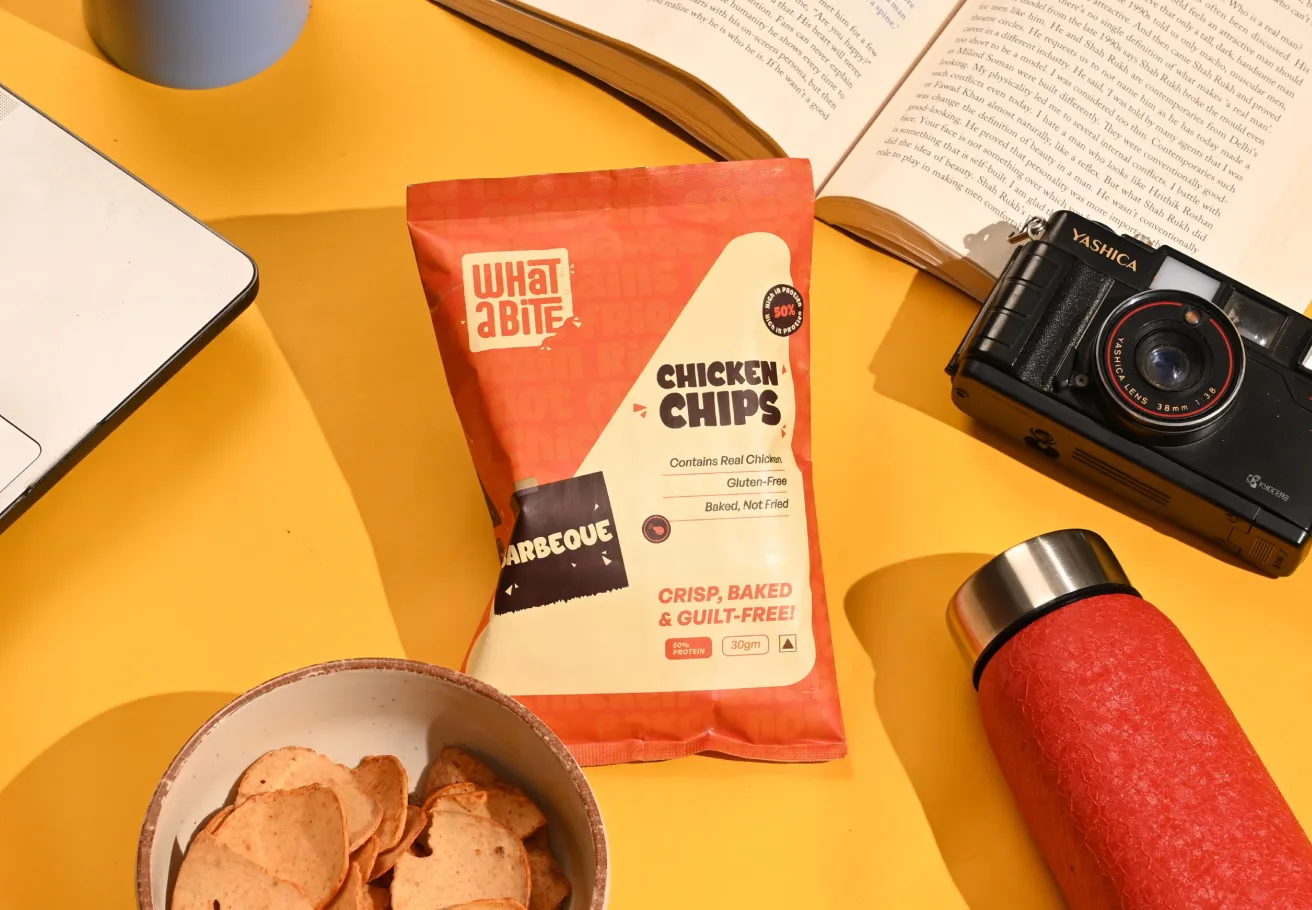
We at Confetti have helped brands like B Natural get the right packaging design, so they can standout on Quick Commerce platforms. We handle compliance and thumbnail performance together, so your product is ready before it ever reaches the dark store.
➡️ Category demand: Category managers review platform data on existing search and purchase behavior.
If your product type has low demand in your target cities, approval will be difficult no matter how strong your product is.
➡️ Margin viability: Blinkit’s commission is 8–15% plus 18% GST on that commission. Your MRP must cover these costs, your cost of goods, and logistics to the dark store, while staying competitively priced.
If the numbers don’t work, approval is impossible no matter how strong the rest of the application is.

Confetti Can Help!
Book A Call
Once initial registration is submitted, Blinkit assigns a Category Manager (CM). This is the person who determines whether your brand proceeds or stalls.
The CM evaluates:
👁️Packaging quality
Your product must have a standard barcode (EAN/UPC). Labels also need to meet Blinkit’s digital thumbnail standards.
This is critical because customers browse on small 5-inch screens, so packaging must be clear and readable at a glance.
👁️Category demand
The CM checks whether there’s proven, existing demand for your product type in the specific cities you’re targeting.
Low traction in those clusters makes approval difficult, regardless of product quality.
👁️Shelf-life viability
Products that are perishable or have a short shelf life face stricter review, because quick commerce relies on fast turnover and minimal waste in dark stores.
👁️Inventory readiness
You must show you can commit to reliable replenishment cycles. Consistent stock levels in dark stores are essential for Blinkit’s operations, so the CM needs confidence in your supply chain.
👁️Category manager relationship
The Category Manager is your strategic partner who controls approvals, visibility, and promotions.
Ignoring their feedback or failing to act on their suggestions will slow down your growth.
👁️Competitive pricing
Your MRP must allow enough margin to cover the fees, your own costs, and logistics while staying competitively priced on the app.
🚫Inflated MRP to “afford” commissions: Customers won’t pay the higher price, and the Category Manager sees no clear path to strong sales velocity.
🚫Razor-thin margins after costs: Leaves no buffer to sustain operations or handle returns and damages.
🚫Ignoring logistics variability: If dark stores are far from your warehouse, logistics costs increase significantly.
🚫No room for promotions: Platforms like Blinkit run regular discounts (e.g., 10–20%); without MRP headroom, you can’t participate.
Blinkit offers two commercial models for supplying products to its dark stores. Which one applies to you depends largely on whether you are a new brand or an established player.
SOR (Sale or Return)-
This is the default model for most new brands.
🔵How it works: Blinkit takes your products into their dark stores, attempts to sell them, and returns any unsold inventory to you.
🔵Upfront requirement: ₹25,000 per SKU per cluster as a PLA (Product Listing Advertisement) payment.
🔵What the ₹25,000 really is: It is not a non-refundable fee. It converts entirely into ad credit that you can spend on Blinkit's in-app advertising. However, it does require upfront cash readiness per SKU you want to list.
🔵Risk profile: Higher for you as the brand, since unsold stock comes back to you.
OR (Outright)-
This model is generally reserved for established brands with proven demand.
🔵How it works: Blinkit raises a formal Purchase Order (PO) and buys your stock outright. The inventory becomes theirs to manage, sell, or discount as they see fit.
🔵Upfront requirement: None beyond standard onboarding.
🔵Risk profile: Lower for you. Once Blinkit issues the PO, your liability ends.
Catalog issues cause more early-stage rejections than most new brands expect. Blinkit's compliance standards are specific:
✔️Product images must be high-resolution with white backgrounds, no text overlays on the main image
✔️Titles must follow Blinkit's naming convention: Brand + Product type + Quantity
✔️Weight and dimensions must match physical products exactly discrepancies trigger penalties and returns
✔️Missing or blurry documents at this stage are among the top reasons for early rejection
Before you begin the Blinkit registration process, ensure you have all the following documents required for Blinkit onboarding in India.
Missing or incorrect paperwork is the number one reason for early rejection.
If your business is in a specific category such as food, beverages, groceries, skincare, etc then you need to submit additional documents.
➕ Product catalogue with MRP, descriptions, shelf life, weight per unit
➕ High-resolution product images (white background preferred)
➕ Product links from Amazon/Flipkart listings (if available shows market presence)
➕ Brand website URL
➕ Product barcodes / EAN codes
📌 Documents should be in PDF format, clearly named, and under the file size limits the portal specifies.
Blurry scans and mismatched names (between GST and bank documents) are the #1 operational reason applications stall.
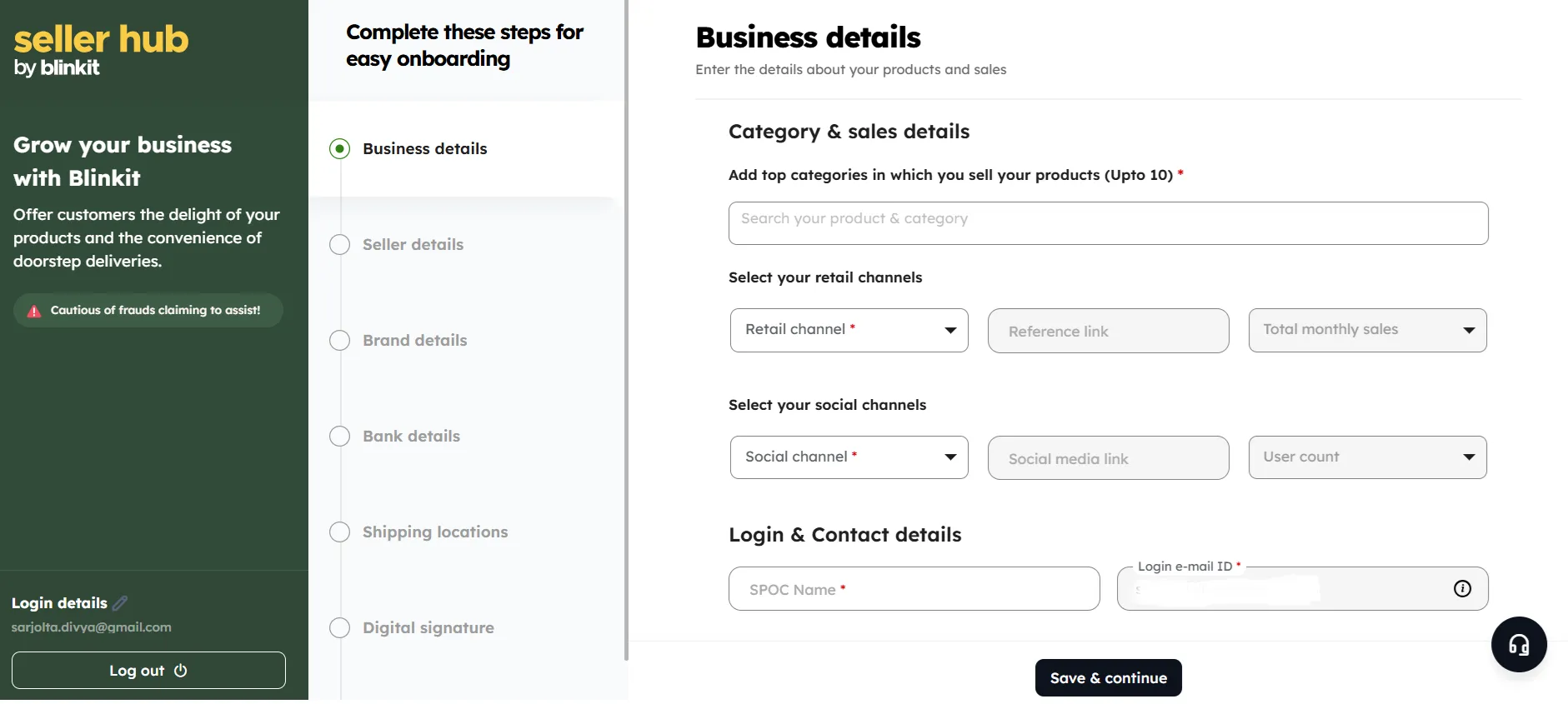
1. Register on the Blinkit Seller Portal
Go to seller.blinkit.com. Click "Sell on Blinkit." Enter your email, verify with OTP. Select your selling category and enter business details.
2. Verify your GSTIN
Enter your 15-digit GSTIN. Blinkit auto-fetches your business info from the GST database. Confirm it matches your other documents exactly.
3. Enter brand and product details
Add brand name, description, and category. This is your first impression with the category team, be specific and accurate.
4. Submit bank details and KYC
Add IFSC code, account number, and upload KYC documents. Blinkit uses this to set up your payout structure.
5. Category Manager assignment
Once initial submission is reviewed (usually 7–15 days), a Category Manager is assigned.
They become your single point of contact. Follow up proactively applications can stall at this stage without follow-up.
6. Product listing upload
Upload SKUs in Blinkit's required format: product name, description, weight, shelf life, MRP, EAN barcode, and compliant images. Each SKU goes through a compliance check.
7. PLA (Product Listing Advertisement) payment and commercial terms
Under the SOR model, pay the ₹25,000 per SKU per cluster PLA fee. Sign the Vendor Master Agreement. The agreement defines commission rates, payment terms, and return policies.
8. Review, PO, and first dispatch
Blinkit reviews listings (7–15 days). Once cleared, a Purchase Order is raised. You dispatch stock to the designated dark store(s). Your products go live.
The most common question new brands ask is, "How long does Blinkit onboarding take?"
The honest answer is that it varies significantly based on your readiness, documentation quality, and product category.
However, understanding the usual timeline helps you plan your inventory, cash flow, and launch strategy effectively.
⛔Missing or Incorrect Documents: Errors or unclear uploads in GST, PAN, or FSSAI details lead to rejection and restart the approval queue.
⛔Catalog Rejection: Non-compliant images or invalid/duplicate EAN codes cause listing issues and delay onboarding.
⛔No Follow-Up with Category Manager: Slow responses push your application down the priority list, delaying approval.
⛔Category Not Serviceable: If your product category isn’t active in selected cities, approval becomes difficult regardless of quality.
⛔Pricing Not Viable: If your pricing doesn’t support Blinkit’s margins while staying competitive, your application won’t be approved.
A brand founder described the Blinkit onboarding process as painfully slow, marked by constant email back-and-forth, unclear timelines.
📗Documents Ready in Advance: Submitting complete, error-free documents upfront speeds up verification and avoids delays.
📗Pre-Prepared Images & Barcodes: Compliant images and valid GS1 barcodes help your catalog pass quickly without rework.
📗Quick CM Follow-Up: Fast, clear responses to the Category Manager keep your application prioritized.
📗Start with Few SKUs: Listing 2–5 high-demand products simplifies review and accelerates approval.
📗Trademark in Place: Having a trademark (or in process) builds trust and speeds up legal clearance.
A founder shared that after launching on Blinkit, they quickly scaled to multiple cities and 50+ dark stores, highlighting the rapid growth potential of quick commerce.
Branding and packaging design are essential on Blinkit because customers make quick buying decisions based on visuals and trust.
Attractive, professional packaging for quick commerce increases clicks and builds confidence, while clear branding helps your product stand out among similar options.
It also signals quality and authenticity, which is crucial for new or lesser-known brands. From an operational perspective, sturdy and well-designed packaging ensures products remain safe during fast deliveries, reducing returns or damage.
Overall, strong packaging and branding directly impact visibility, conversions, and long-term success on the platform.
From an operational perspective, sturdy and well-designed packaging is critical because Blinkit operates through dark stores where products are stored, picked, and dispatched rapidly.
Products on Blinkit are stored in dark stores and picked by delivery personnel within seconds.
There is no shelf browsing. All discovery happens on a 5-inch screen. This means:
🟤Your product thumbnail is your primary conversion tool
🟤Packaging that photographs poorly loses to better-presented competitors
🟤Label compliance (Nutritional info, MRP sticker, manufacturing date placement) is checked by Blinkit's inward team before stock is accepted
Once your products are approved and you ship inventory to Blinkit's dark stores, the inward team performs physical checks before accepting your stock. Passing these checks is mandatory.
🟣EAN barcode must scan correctly if it fails, the stock is rejected at the dark store
🟣MRP must be printed on packaging (not just a sticker that can fall off)
🟣Shelf life on arrival must meet the platform's minimum threshold (usually 60–70% of total shelf life remaining)
🟣Packaging damage rate affects your seller scorecard
Blinkit's app displays small thumbnail images. A product with poor label design, unclear brand name placement, or low-contrast colors will underperform even with good placement.
This is not just an aesthetic issue; it directly affects your click-through rate on the platform, which affects reorder volumes, which affects whether Blinkit's category team continues to support your brand.
Getting packaging right before onboarding not after is what separates brands that scale on quick commerce from those that stall.
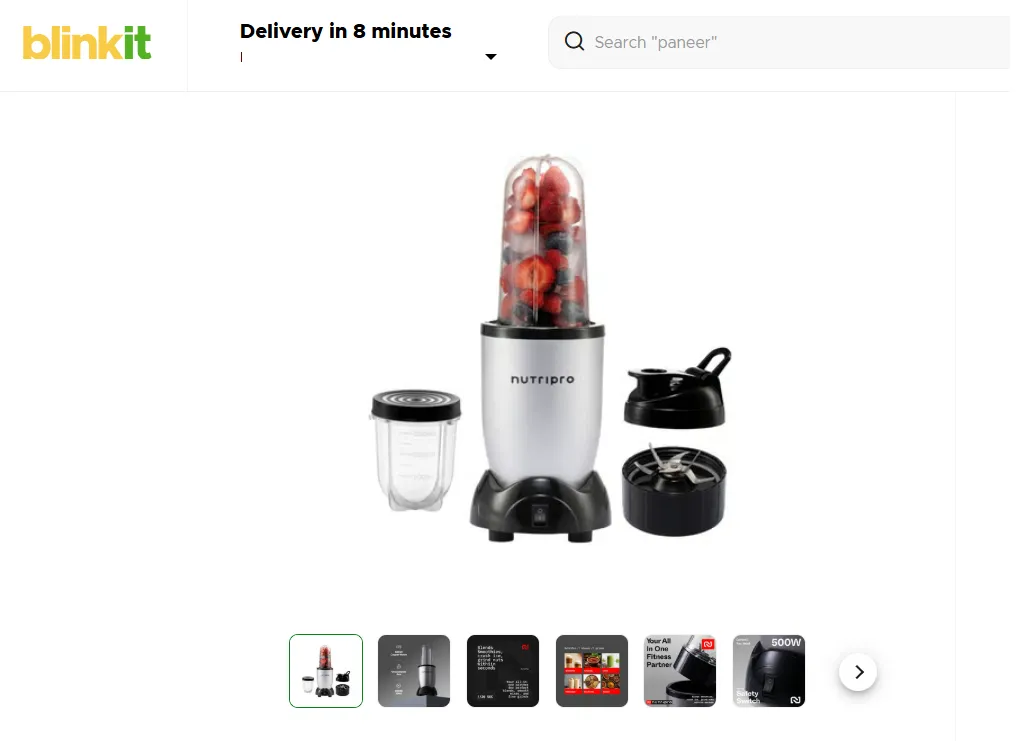
At Confetti Design Studio, we don't just design pretty packages. We prepare brands specifically for the unique demands of quick commerce platforms like Blinkit.
We have worked and delivered over 200 projects for leading Indian retail brands including ITC, Dabur, Sunfeast, and The Indus Valley.
We have learned exactly what works and what gets rejected on Blinkit. Our entire approach is tested for FMCG products and Indian retail channels, including the fast-growing quick commerce space.
For brands entering quick commerce, at Confetti we handle the end-to-end packaging design requirements that directly affect Blinkit onboarding outcomes:
📍Packaging design that meets Blinkit's label compliance standards MRP placement, FSSAI number visibility, nutritional information layout, shelf-life legibility
📍Visual identity optimized for the thumbnail experience on the Blinkit app brand name readability, color contrast, product photography direction
📍EAN barcode integration into packaging design (a step most designers miss until the dark store rejects the stock)
Our team at Confetti Design Studio supports brands throughout the entire Blinkit onboarding journey, ensuring a smooth transition from initial registration to receiving the first purchase order. This includes:
⭐Guiding document preparation & registration: We ensure that all required documents are accurate, complete, and submitted correctly to avoid delays.
⭐Coordinating with the Category Manager: We help to manage communication and responses with Blinkit's Category Manager to keep your application moving quickly.
⭐Supporting catalog creation: We prepare your product listings in Blinkit’s required format to prevent rejection or rework.
⭐Advising on clusters & SKU selection: Our experienced team guides you on the right cities and prioritizes key SKUs to improve approval chances for new brands.
For new brands that don't know where to start, having one partner that handles both the design and the platform process significantly reduces the 30–60 day timeline risk.
Talk to Confetti about getting your brand Blinkit-ready
Book A Call
⛔Listing too many SKUs at launch:
Blinkit's category team prefers brands that start focused. 2–5 core SKUs with strong demand signals beat a 50-SKU catalog with unclear pricing logic.
⛔Underestimating the PLA cost (Product Listing Advertisement):
₹25,000 per SKU per cluster adds up fast. A brand targeting 3 SKUs across 2 city clusters needs ₹1.5 lakh upfront in PLA payments (credited back as ad spend).
⛔Treating the trademark as a post-launch task:
Many first-time brands plan to file a trademark application once the business is generating revenue. In the context of Blinkit onboarding, this logic works against you.
⛔Submitting documents that do not match each other:
The business name on your GSTIN, your PAN card, and your bank account must match exactly not approximately, not with minor variations in spelling or abbreviation.
⛔Ignoring cluster strategy:
Starting in tier-1 metros (Delhi, Mumbai, Bengaluru) is intuitive but may not match your actual demand base. Research which cities have demand for your category before selecting clusters.
⛔Using non-compliant images:
White-background images, minimum resolution, no text overlays on main product images these are requirements, not suggestions.
⛔Not following up with the Category Manager:
Blinkit's internal process requires human touchpoints. Brands that wait passively often see their application go dormant.
⛔Ignoring shelf-life requirements before dispatching stock:
Blinkit requires that products arriving at the dark store have a minimum of 60–70% of their total shelf life remaining at the point of inward. Brands that dispatch stock without checking this threshold have their shipment rejected on arrival.
⛔Choosing packaging that works on a shelf but not on a screen:
Packaging designed for retail bold colours, elaborate typography, detailed imagery frequently underperforms on the Blinkit app where products are displayed as small thumbnails on a mobile screen.
Can I sell on Blinkit without a trademark?
You can apply without a registered trademark, but having one or a TM application in process significantly improves your approval chances.
Blinkit's legal team treats brand owners with trademark documentation as lower-risk partners. Without it, you may face additional scrutiny or delays during the brand verification stage.
What is the listing fee for Blinkit?
Blinkit does not charge a standard listing fee. However, under the SOR (Sale or Return) model, brands pay ₹25,000 per SKU per city cluster as a Product Listing Advertisement (PLA) fee.
This amount is credited back as in-app advertising credit. It is not a non-refundable charge, but it requires upfront capital.
How long does Blinkit onboarding take for a new brand?
For a new brand with all documents ready, the full process usually takes 30–60 working days. The review period after initial registration is 7–15 days.
Delays are most commonly caused by incorrect documents, catalog non-compliance, or lack of follow-up with the assigned Category Manager.
Can a small D2C brand sell on Blinkit?
Yes. Blinkit's seller model explicitly supports D2C brands. The key requirements are a valid GSTIN, a registered business entity, compliant packaging, and inventory in a Blinkit-serviceable area.
D2C brands benefit from quick commerce because it captures high-intent, impulse purchases, a behaviour pattern well-suited to newer brands building awareness.
What products are not allowed on Blinkit?
Blinkit restricts products that are not legally sellable online in India, including certain prescription medications, alcohol (in most states), and products without mandatory certifications.
Food products without FSSAI licensing are rejected at document verification. Products with shelf life issues or that cannot meet dark store storage conditions are also declined.
Can I sell on Blinkit without prior experience on other e-commerce platforms?
Yes. Prior listings on Amazon or Flipkart are not a requirement. However, having product links from other platforms strengthens your application; it provides the Category Manager with demand and pricing reference points.
New brands with no prior online presence can still get approved, but should prepare a stronger catalog and documentation package.
What happens if my Blinkit application is rejected?
Most rejections are due to document errors, catalog non-compliance, or pricing viability issues, all of which can be corrected. Blinkit does not permanently ban first-time brands for standard rejections.
Identify the reason (often communicated via the Category Manager or portal notification), correct the issue, and resubmit. Working with an onboarding specialist reduces the chances of this happening.
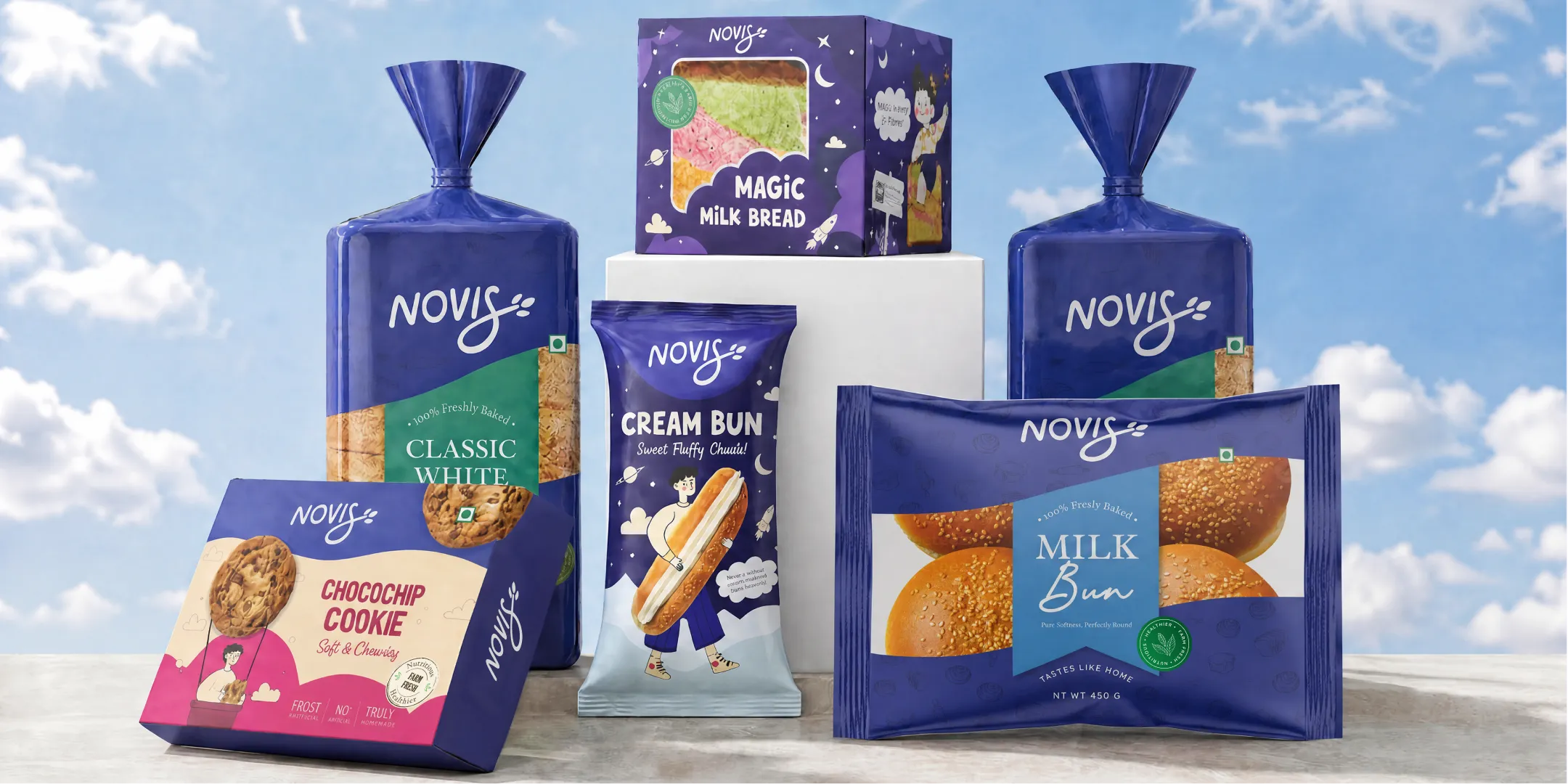
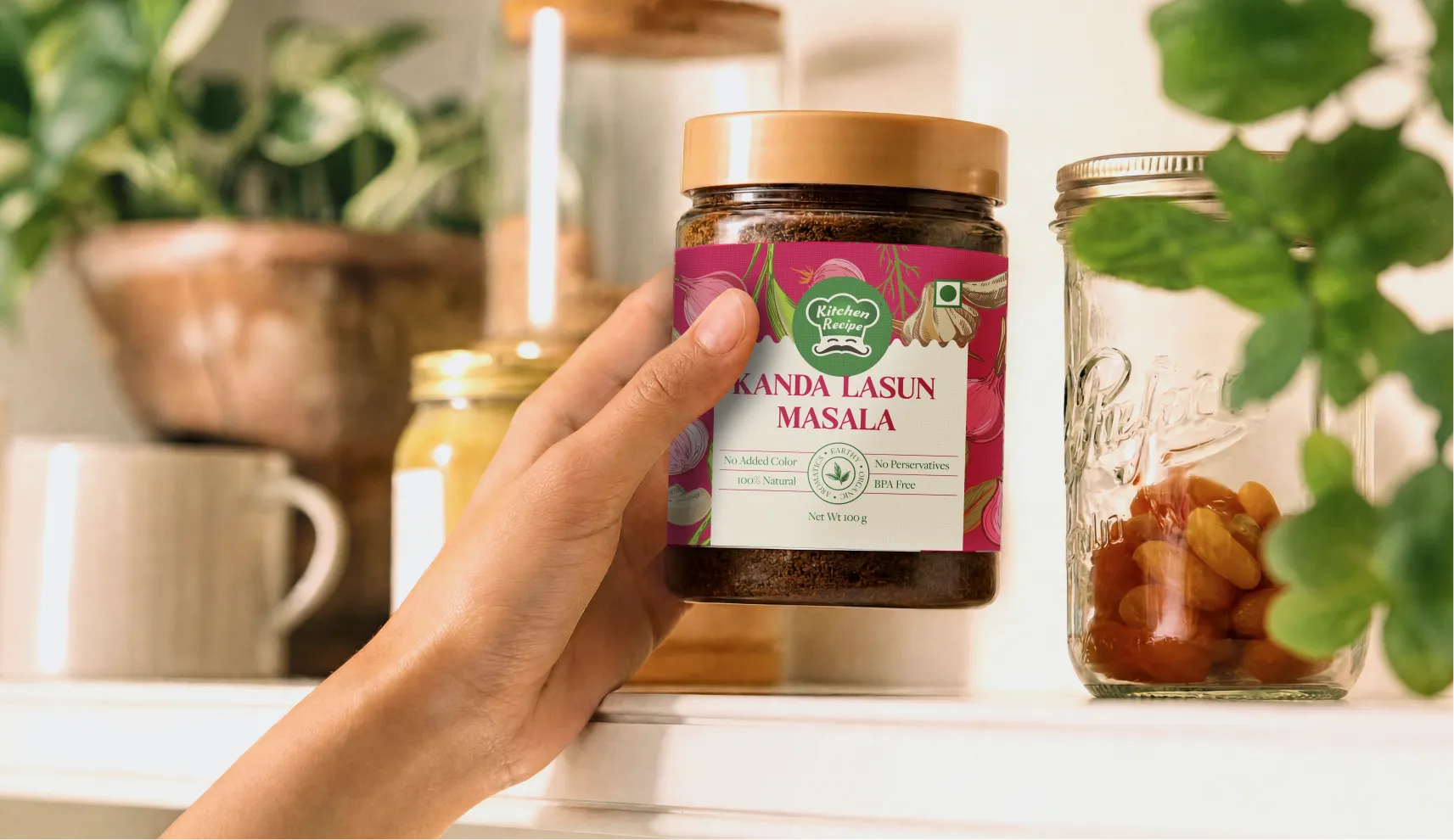
Want strategic branding and packaging like this for your business?





.webp)
.webp)

.webp)
.webp)
.webp)
.webp)
.webp)







.svg)
.webp)