%201.webp)
02
AI Snaps
.svg)
.svg)
01
Our Work
03
About Us
04
Brand Audit
05
Contact Us
06
Client Success
12
07
Blogs
08
Careers
Book A Call
.svg)



.svg)
Need Help In Building Your Brand?
Click the button below & book a call with our founder directly.

Rishabh Jain
Managing Director
A brand audit checklist for retail brands covers distinct dimensions: visual identity, packaging design, brand messaging, digital presence, customer perception, and competitive positioning.
In this Confetti guide we provide you a complete and ready to use retail brand audit checklist built specifically for retail, FMCG, and D2C brands.

A brand audit is a systematic examination of every customer-facing expression of your brand, measured against your brand strategy, competitive context, and actual market performance.
For retail brands this means evaluating:
If your brand was built more than three years ago, you already have brand drift. It is inevitable.
Teams change. Agencies change. Retailers request modifications.
Somebody decides the logo needs to be bigger. Somebody else decides the brand colour looks better slightly shifted.
Individually, these decisions seem harmless. Collectively, they fracture your brand. Research shows that brands with consistent presentation across all touchpoints see revenue increases of up to 23%.
For retail and FMCG brands, where the shelf is won or lost in under three seconds, that consistency gap is a commercial problem. A brand audit is the diagnostic that catches this drift before it becomes irreversible.
At minimum, run an internal brand audit annually, ideally before your planning season, so findings actually feed into the next year's strategy and budget rather than sitting in a report that no one acts on.
An external, agency-led audit is best done every two to three years, or after any significant business change.
⚠️ Your SKU range has expanded, but your packaging design system has not evolved, creating potential inconsistencies and shopper confusion.
⚠️ Sales are declining despite consistent product quality and marketing investment, indicating potential issues with brand perception, packaging effectiveness, or increased competitive pressure.
⚠️ It has been more than 18 months since your last audit, increasing the risk of brand drift and weakened recognition.
⚠️ You have launched a sub-brand or acquired another brand, making clear brand architecture essential for customer understanding.
⚠️ You are entering a new retail channel like quick commerce where packaging that performs well in one environment may not work effectively in another.
⚠️ Competition in your category has intensified, making distinctiveness a critical factor in maintaining visibility and preference.
⚠️ You are preparing for fundraising or acquisition, where investors will closely evaluate brand strength and consistency.

Talk to Confetti experts about branding strategies that drive recognition and growth!
Book A Call
Most retail brand audits fail because they focus on the wrong things or assess the right things in the wrong order.
Retail brands need a brand audit framework that reflects how customers experience the brand across different layers.
Here’s a checklist for each stage:
Your visual identity is the foundation everything else rests on. If it is inconsistent, unclear, or poorly applied, every other brand investment including packaging, digital, advertising, underperforms because the brand memory it is trying to build is fractured.
The key questions are about whether the visual system is coherent, scalable, and category-relevant.
Audit your identity system against these questions:
LOGO SYSTEM CHECKLIST:
✅ Primary logo appears on every major asset with clear exclusion zones.
✅ Secondary and tertiary lockups exist for small applications like favicons, social avatars, and shelf labels.
✅ Logo misuse rules documented and shared with all retail partners.
✅ Reverse and monochrome versions available for dark backgrounds and one colour printing.
✅ Logo legibility at thumbnail size (200×200px) and at shelf or billboard scale.
COLOUR PALLETTE CHECKLIST:
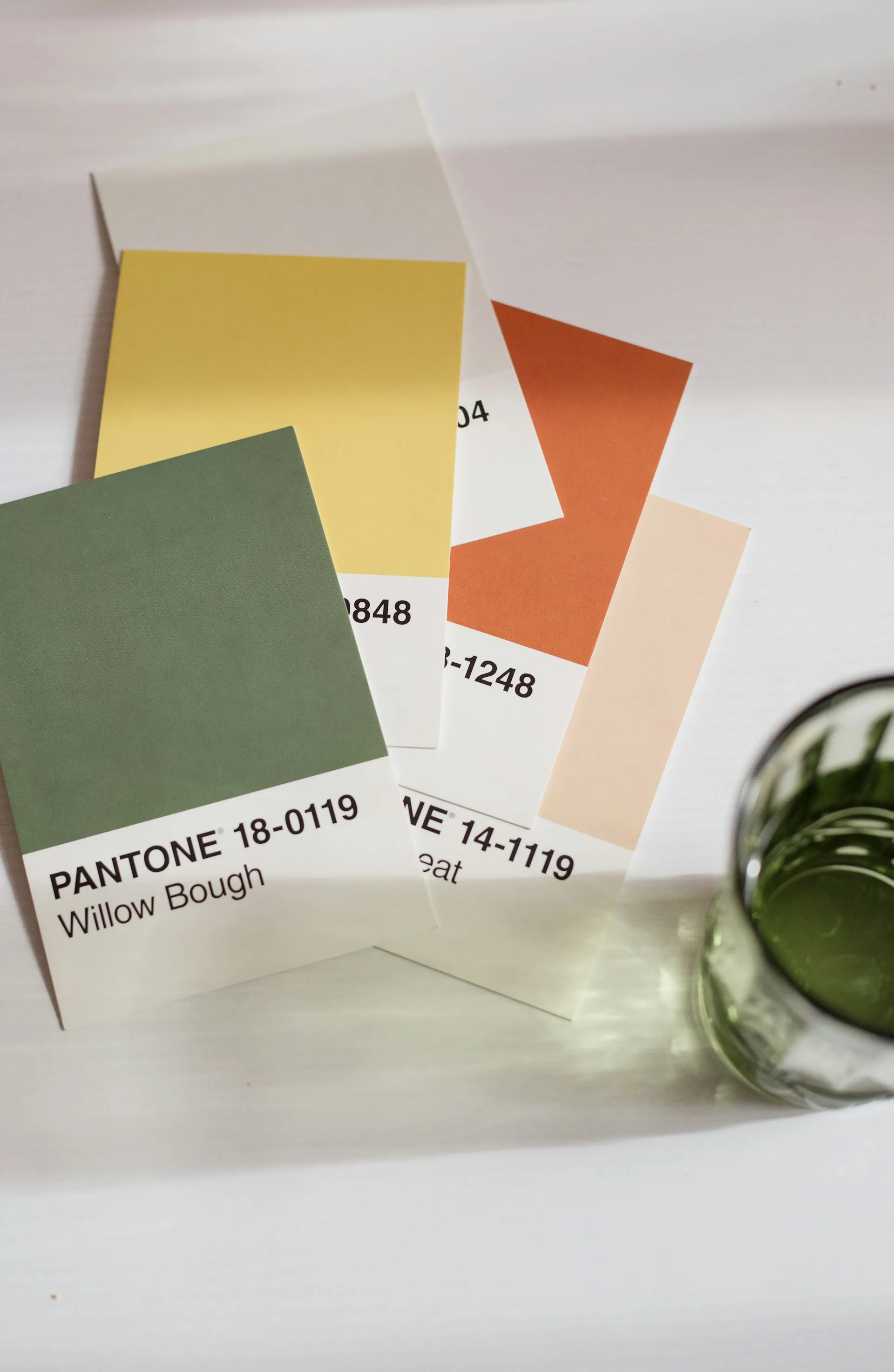
✅ Primary and secondary colour values documented in CMYK, RGB, HEX, and Pantone.
✅ Colour application rules defined: which colours for backgrounds, typography, and accents.
✅ Colour contrast meets WCAG 2.1 accessibility standards for legibility.
✅ Printed colours tested under supermarket lighting, not just on screen.
TYPOGRAPHY CHECKLIST:
✅ Primary brand font licensed for packaging, web, and in store signage.
✅ Secondary and tertiary fonts selected for body copy, legal text, and nutritional panels.
✅ Web safe font fallbacks specified for digital applications.
✅ Hierarchy rules documented for each font weight, size, and case.
VISUAL ASSET CHECKLIST:
✅ Brand patterns and textures documented and applied consistently across packaging and digital.
✅ Photography guidelines written for lighting, composition, colour grading, and subject matter.
✅ Illustration style consistent across all illustrators and agencies.
✅ Motion guidelines defined for logo animation, transitions, and sound in video and digital.
💡Most brands document the logo and colours but skip photography and illustration guidelines. Different agencies then produce wildly different visual treatments. Our audit for Bombay Shaving Company found three different photographic styles for the same brand.
💡Quick win: If you have no brand guidelines document, start with a one pager. Logo. Five colours. Two fonts. One pattern. One photography rule. That creates consistency for 80% of applications.
Packaging is the most important brand asset for retail brands. It deserves its own packaging design audit layer, because it operates under conditions that no other brand touchpoint does.
SHELF IMPACT CHECKLIST:
✅ Category cue visible from three feet away in under two seconds.
✅ Brand name placed prominently above the flavour or variant.
✅ Distinctive asset owned: a shape, colour, pattern, or icon that signals your brand without the logo.
✅ Pack stands out when placed next to three competitors.
PACKAGING HIERARCHY CHECKLIST:
✅ Primary message is the largest element on the pack.
✅ Secondary information (flavour, variant, key benefit) legible at one foot.
✅ Tertiary information (nutritional facts, ingredients, certifications) legally compliant and not competing for attention.
✅ Call to action present: QR code, website, or social handle.
STRUCTURAL & MATERIAL CHECKLIST:
✅ Artwork wraps correctly around the physical pack with no important elements on seams or folds.
✅ Material quality matches the intended price signal: matte for premium, gloss for mass market.
✅ Finishes (spot UV, foil, embossing, soft touch coating) used strategically and consistently.
✅ Sustainability claims backed by verifiable proof. Sustainable packaging design requires verifiable credentials.
REGULATORY & COMPLIANCE CHECKLIST:
✅ Mandatory information placed correctly: legal name, net quantity, ingredient list, allergen declaration, manufacturer details, FSSAI packaging labelling requirements.
✅ Font sizes comply with local regulations for nutritional panels.
✅ Every claim supported by documentation kept on file.
✅ Packaging includes all mandated languages for each market.
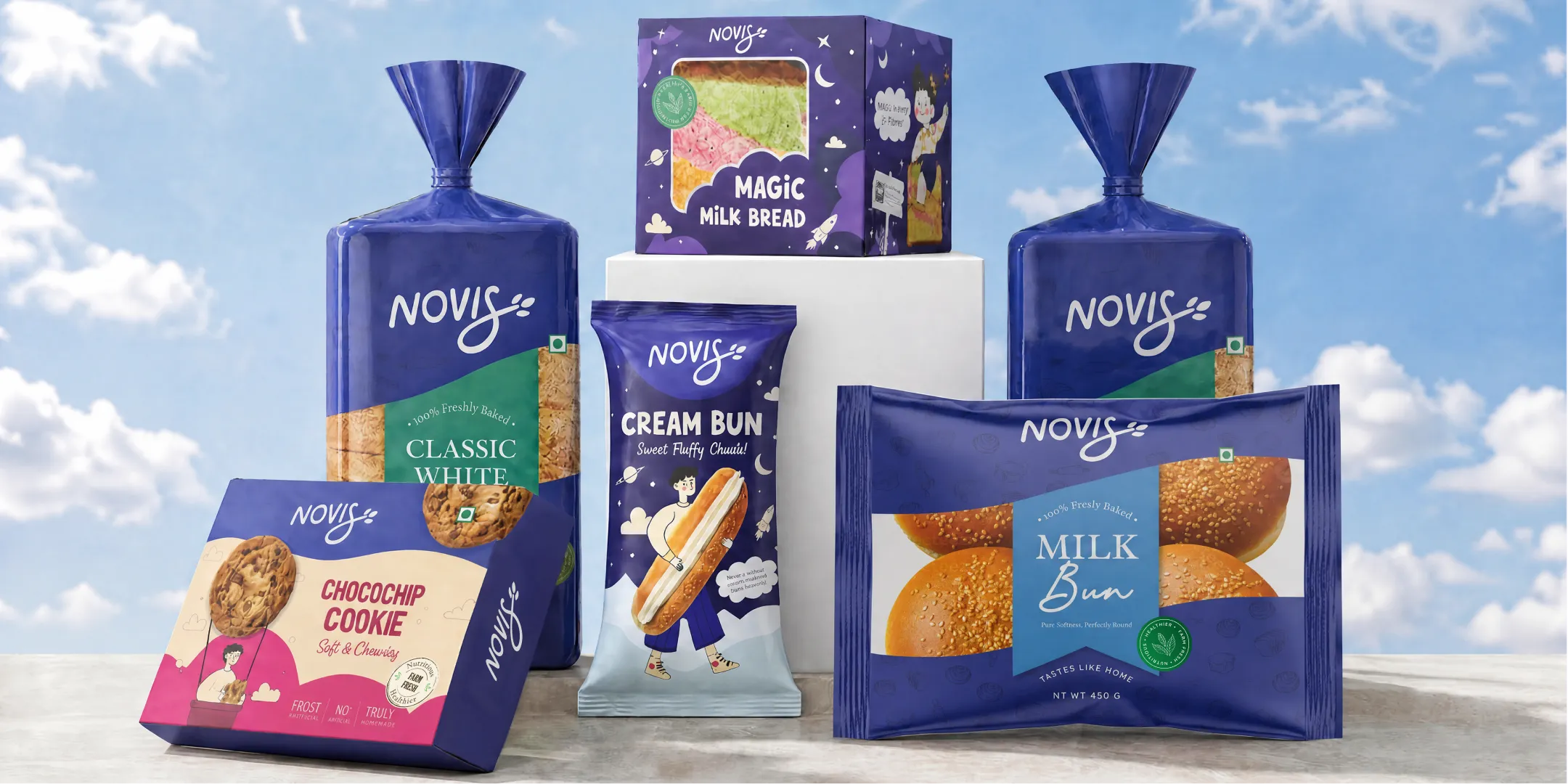
Example: Our packaging audit for Sleepy Owl found three different logo lockups across the brand’s cold brew, instant coffee, and brewing equipment lines. The blue colour was consistent, but the logo treatment varied.
Casual shoppers did not recognise the products as the same brand. Fixing the lockup consistency increased unaided shelf recognition in later testing.
CHANNEL ADAPTATION CHECKLIST:
✅ Pack passes quick commerce packaging thumbnail test: brand name readable at 150×150 pixels.
✅ E commerce pack shot works on a white background without extra context.
✅ Brand visible when packs are stacked or shrink wrapped for multipacks.
✅ Retailer modifications audited for Carrefour, Lulu, and Spinneys in UAE.
For a deeper dive into running a packaging-specific audit, read our complete packaging design audit process and checklist.
A brand that looks consistent but says inconsistent things still has a brand problem.
Messaging inconsistency is subtle. It accumulates across product page copy written by one team, Instagram captions written by another, packaging claims approved under time pressure, and an "About Us" page that hasn't been touched since the brand launched.
The result: a brand that sounds like several different brands depending on where you encounter it.
POSITIONING STATEMENT AUDIT:
✅ Positioning statement reviewed within the last 12 months.
✅ Statement differentiates your brand from at least three direct competitors.
✅ Frontline sales team can recite the positioning statement from memory.
VALUE PROPOSITION BY CHANNEL:
✅ D2C home page headline matches packaging tagline.
✅ Quick commerce description (50 to 80 characters) captures the same brand essence.
✅ Physical shelf packaging uses the same benefit language as digital ads.
✅ Marketplace product titles and bullet points align with primary brand messaging.
TONE OF VOICE CONSISTENCY:
✅ Three to five brand personality adjectives defined (confident, warm, precise, playful, direct).
✅ Channel tone audit completed: packaging copy, website homepage, Instagram caption, customer service email, delivery note all sound like the same brand.
✅ First person or third person voice chosen and applied consistently.
✅ Humour tested across all cultural markets where the brand sells.
CLAIM VERIFICATION:
✅ Every product claim on packaging and website listed (for example, “100% natural,” “clinically tested”).
✅ Supporting evidence identified for each claim: lab report, certification, clinical study.
✅ Certification expiration dates checked and renewals scheduled.
✅ Competitor claim challenges reviewed to avoid similar risks.
MESSAGING GAP ANALYSIS:
✅ Packaging promises compared against customer service delivery.
✅ Brand mission compared against product features.
✅ Premium positioning checked against price point and distribution.
The core test for retail brand messaging is quite simple: give someone who has never encountered your brand a printout of your packaging copy.
💡Ask them to describe what the brand stands for. Then do the same with your website homepage, your most recent Instagram post, and your product listing on Amazon.
If those four descriptions are meaningfully different, you have a messaging audit to run.
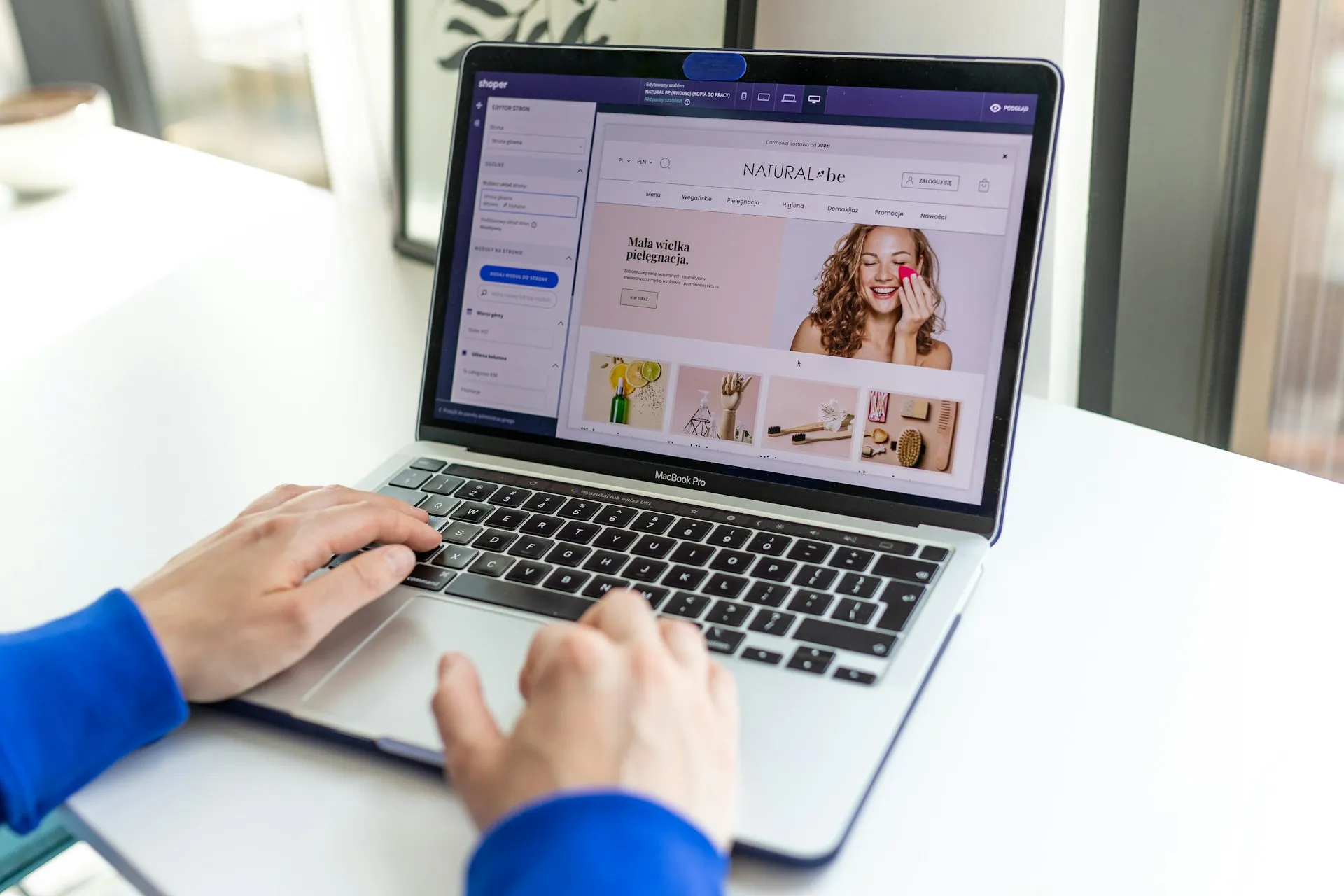
Digital channels drive most retail discovery, even for purchases made in physical stores. Your digital brand presence cannot be an afterthought.
Your physical brand and your digital brand should be the same brand.
WEBSITE AND D2C CHECKLIST:
✅ Home page brand identity (logo, colours, typography) matches packaging within two seconds of loading.
✅ Product detail page images show current packaging accurately with no colour shifts or outdated labels.
✅ Brand persists through cart, checkout, and confirmation emails.
✅ Delivery box, tissue paper, and inserts extend brand identity.
MARKETPLACE PRESENCE (AMAZON, NOON, FLIPKART):
✅ Product titles include brand name first, then product and variant.
✅ Marketplace image requirements followed: white background, zoom capability, correct angles.
✅ A+ or enhanced content used to tell brand story, not just list features.
✅ Brand registry active to prevent hijacked listings and counterfeits.
QUICK COMMERCE AUDIT (BLINKIT, ZEPTO, INSTAMART, TALABAT, CAREEM QUIK):
✅ Brand name readable in app grid view at thumbnail size.
✅ Listing copy within 50 to 80 characters capturing brand, product, and key differentiator.
✅ Search rank checked for generic category terms.
✅ Full range listed, not just hero SKUs.
SOCIAL MEDIA BRAND CONSISTENCY:
✅ Profile images use approved brand logo.
✅ Cover images follow colour and typography guidelines.
✅ Post templates approved and consistent across team members.
✅ Link in bio destination matches social profile visual identity.
✅ Shops tab product images match packaging and marketplace imagery.
EMAIL AND TRANSACTIONAL COMMUNICATIONS:
✅ Order confirmation email uses brand colours, logo, and typography.
✅ Shipping notification includes brand elements.
✅ Abandoned cart sequence visual design matches the website.
✅ Last five newsletters audited for brand consistency.
This is the most frequently skipped layer in internal brand audits and the most valuable.
Everything in Layers 1 through 4 measures how your brand presents itself. Layer 5 measures how your brand is actually received.
Research by McKinsey consistently shows that external customer perception is a stronger driver of purchase decisions than owned brand communications.
BRAND HEALTH TRACKING:
✅ Unaided awareness measured: category shoppers name brands without prompts; your brand appears in the top three.
✅ Aided awareness tracked: percentage of shoppers who recognise your logo after seeing it.
✅ Brand consideration measured: percentage of aware shoppers who would consider buying.
✅ Purchase intent tracked: percentage of considerers who intend to buy in the next 30 days.
SENTIMENT ANALYSIS:
✅ 100 recent reviews pulled from Amazon, Google, and Trustpilot. Mentions categorised by theme (quality, price, delivery, packaging, customer service).
✅ Sentiment score calculated: percentage of positive, neutral, and negative mentions for each theme.
✅ Three most frequent negative patterns identified and tagged as brand related or logistics related.
✅ Three most frequent positive patterns identified.
SOCIAL LISTENING:
✅ Brand mention volume tracked over time. Spikes investigated.
✅ Share of voice compared against three top competitors.
✅ Emotions associated with the brand mapped from organic social conversations.
✅ Influencers checked for natural alignment with brand values.
CUSTOMER SURVEYS:
✅ NPS tracked quarterly: “How likely are you to recommend this brand to a friend?”
✅ CSAT surveyed within 48 hours of delivery.
✅ Brand attributes survey conducted with 10 to 15 adjectives.
✅ Open ended feedback analysed: “What one thing would improve this brand?”
RETAILER FEEDBACK:
✅ Buyer interviews conducted: how they describe your brand compared to competitors.
✅ Store staff feedback collected: shelf stockists understand your brand story.
✅ Retailer customer feedback data reviewed.
✅ Return reasons analysed for patterns like “not as pictured” or “different from website.”
💡Our audit of 4700BC illustrates how deliberate brand perception management transformed popcorn from a commodity snack into a premium, giftable experience.
The brand's customer perception: fun, premium, gifting-worthy was built through packaging, positioning, and consistent retail presentation, and it holds because the brand continues to manage it deliberately.
Your brand exists beside your competitors, in front of consumers who are making relative comparisons, often in real time on a shelf or a screen.
A brand audit that doesn't include a structured review of the competitive landscape is missing the context that makes all the other findings interpretable.
COMPETITOR IDENTIFICATION:
✅ Direct competitors listed: brands offering the same product benefits to the same customer segment.
✅ Indirect competitors listed: brands solving the same customer problem with different product formats.
✅ Emerging competitors tracked: D2C brands, international entrants, private label products gaining share.
✅ Aspirational competitors defined: brands you want to compete with in 24 to 36 months.
SHELF AUDIT AGAINST COMPETITORS:
✅ Category shelf photographed at three different stores: premium, mid tier, and value retailer.
✅ Shelf placement mapped: eye level, waist level, or floor level.
✅ Display pattern noted: brand block or dispersed across the aisle.
✅ Competitor adjacency reviewed: helpful or harmful association.
✅ Secondary placements identified: end caps, dump bins, or checkout displays.
PRICING AND PROMOTION AUDIT:
✅ Price per unit compared against direct competitors.
✅ Promotion frequency compared against competitors. Over promotion flagged.
✅ Promotion depth measured as discount percentage relative to competitors.
✅ Trade spend efficiency calculated: does promotion deliver incremental sales?
CATEGORY TRENDS AUDIT:
✅ Category growth rate identified: growing, flat, or declining.
✅ Sub category shifts analysed: fastest growing segments (premium, value, organic, convenience).
✅ New entrants counted in the last 12 months.
✅ Private label share tracked. Quality and price position relative to your brand documented.
BRAND POSITIONING MAP:
✅ Two axis map created relevant to your category. Example axes: price versus quality perception.
✅ Your brand and top five competitors plotted on the map.
✅ Clusters identified and white space opportunities noted.
DISTINCTIVE ASSET AUDIT:
✅ Colour ownership tested: does your brand own a colour like Tiffany blue or Cadbury purple?
✅ Shape ownership tested: does your brand own a shape like the Coca Cola contour bottle?
✅ Icon ownership tested: does your brand own an icon like the Nike swoosh?
✅ Sound or motion ownership tested: does your brand own a sound like the Intel bong?
✅ Removal test passed: customers still recognise your packaging after the logo is removed.
You do not need to audit all six layers at once. That is overwhelming and not always practical.
💡The right starting point depends on your specific symptoms. But the framework stays the same. Audit systematically. Prioritise by impact. Fix what matters most.
A brand audit without a prioritisation framework produces a list of problems.
Most brands either try to fix everything at once or they fix the most visible issues first, which are often not the most commercially damaging ones.
Use a three-bucket system:
Bucket 1: Critical (fix in 0–30 days)
Anything that creates customer confusion, violates legal or regulatory requirements, or costs you sales.
Examples: incorrect nutritional information on packaging, a logo that breaks on a key retailer’s template, brand name missing from primary display area.
Bucket 2: Important (fix in 30–90 days)
Inconsistencies that degrade brand equity but do not immediately harm sales.
Examples: mismatched colour values across print and digital, outdated brand guidelines, tone inconsistencies across channels.
Bucket 3: Aspirational (fix in 3–12 months)
Strategic opportunities identified during the audit.
Examples: refreshing packaging hierarchy to improve shelf performance, launching a governance system, updating brand architecture for new sub-brands.
Do not try to fix everything at once. Retail brands have operating budgets and production cycles. Work with what you can change.

Our branding services are built for the specific pressure of retail.
We build systems that work across every channel, from quick commerce thumbnails to physical shelves.
This is the branding process we follow:
1. Discovery and brand strategy: We define your positioning, personality, and messaging framework. No design direction without strategy. See our audit library.
2. Visual identity system: A complete system, not just a logo. Logo lockups, colour palette (CMYK, RGB, HEX, Pantone), typography, and photography guidelines. Scales from a favicon to a billboard. Logo design as strategic decision.
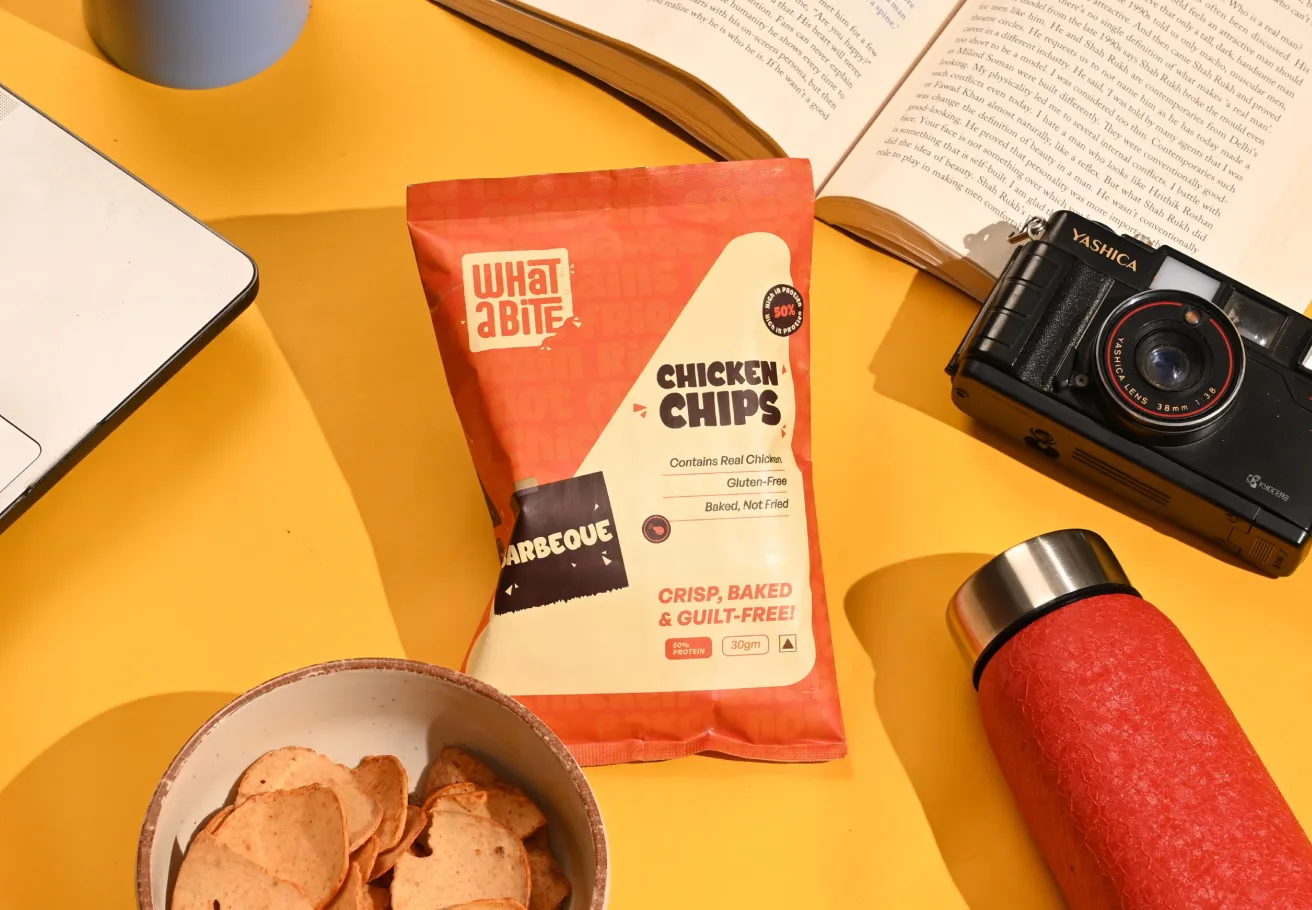
3. Packaging design: Your primary marketing asset. We design hierarchy, structure, materials, and regulatory compliance. Trusted by ITC, Dabur, Sunfeast, and emerging D2C brands. Packaging design services.
4. Brand guidelines and governance: Practical, detailed rules for logo usage, colour application, tone of voice, and do not do lists. Easy for internal teams and retail partners to execute.
We cover every channel
Your brand must work across physical retail, quick commerce, e commerce marketplaces, and your own D2C website. We design for the constraints of each channel from the start.
That includes shelf runners, wobblers, standees, and window branding for offline, plus thumbnail visibility and listing copy for quick commerce. We design offline marketing assets only after the brand foundations are fully in place.
Markets we serve
UAE, India, Australia, and the USA. The UAE FMCG market recorded 6.8% value growth in 2025 with consumption led expansion.
Growing markets attract new entrants. More competition means less shelf attention per brand. Distinctive, consistent branding matters more than ever
What is a brand audit checklist for retail brands?
A brand audit checklist for retail brands is a structured framework for evaluating how your brand presents itself and how it is commercially received across visual identity, packaging design, messaging, digital presence, customer perception, and competitive positioning.
Unlike an operational retail audit (which checks shelf compliance and stock levels), a brand audit diagnoses whether your brand is doing consistent commercial work across every touchpoint a consumer encounters.
How often should a retail brand conduct a brand audit?
Retail brands should run an internal brand audit at minimum annually, ideally before planning season. An external or agency-led audit is recommended every 2-3 years, or immediately when a significant trigger occurs.
These include entering a new sales channel, planning a rebrand, experiencing declining sales, expanding the SKU range significantly, or a strong competitor entering or repositioning in your category. Waiting for a crisis before auditing is the most expensive timing.
What should a brand audit checklist include for an FMCG or D2C brand?
For FMCG and D2C brands, a complete brand audit checklist covers six layers: visual identity and brand asset consistency; packaging design performance across physical shelf, desktop, and mobile quick commerce; messaging and tone of voice consistency; digital presence across website, social, and marketplace listings; customer perception and sentiment data; and competitive positioning and category differentiation. Each layer produces findings that feed a prioritised action plan.
Can a retail brand conduct a brand audit internally, or do they need an agency?
An internal audit is valuable for annual check-ins. It builds brand literacy within the team and surfaces visible, known gaps. But internal teams consistently miss what has been normalised: inconsistencies that have been present for so long they've become invisible.
An external audit brings category perspective, competitive context, and commercial objectivity that internal teams rarely replicate. The most useful structure is an annual internal review supplemented by an external audit every two to three years, or whenever a major strategic decision is at stake.
Want strategic branding and packaging like this for your business?





.webp)
.webp)

.webp)
.webp)
.webp)
.webp)
.webp)







.svg)
.webp)