%201.webp)
02
AI Snaps
.svg)
.svg)
01
Our Work
03
About Us
04
Brand Audit
05
Contact Us
06
Client Success
12
07
Blogs
08
Careers
Book A Call
.svg)



.svg)
Need Help In Building Your Brand?
Click the button below & book a call with our founder directly.

Rishabh Jain
Managing Director
MENA retail packaging design requires understanding the wide differences in compliance requirements, market needs and direction.
This Confetti guide covers the sub-regional retail diversity. We look into how retail channel mix changes packaging needs by country, the premiumization needs, the cultural implications, and why a specialist packaging partner is important.
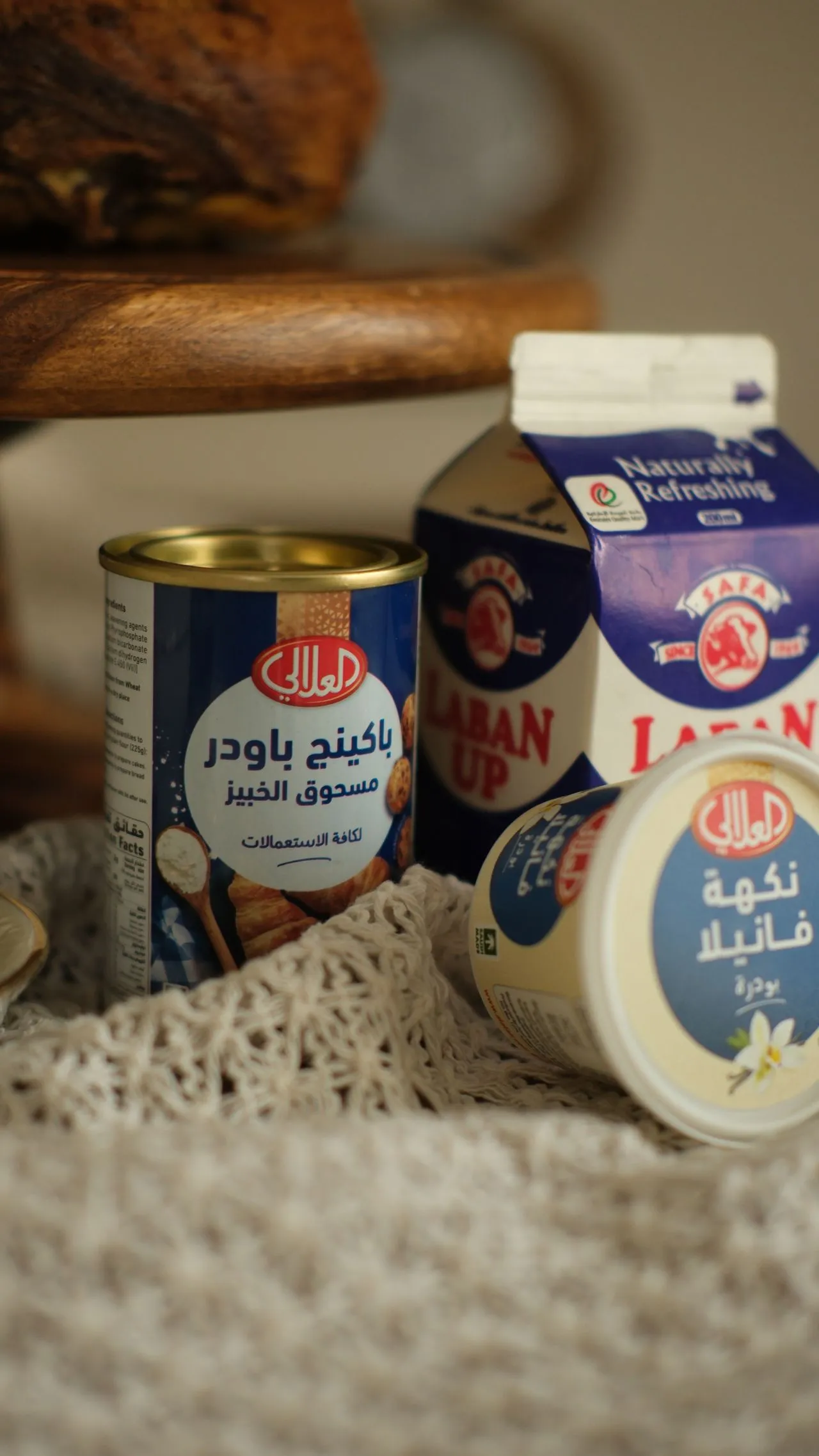
“MENA” or Middle East and North Africa often clubbed together, is not a single market.
The region includes the GCC, Levant, and North Africa and varies quite a lot in terms of retail structure, purchasing power, consumer expectations, language requirements, and regulations.
A packaging system developed for a premium UAE launch cannot and should not be automatically treated as the template for Saudi Arabia, Egypt, Morocco, or Jordan.
The GCC packaging market and MENA packaging market is growing but growth alone does not explain what makes this region different.
Three forces are reshaping packaging design in MENA
1. Premiumisation is a Purchasing Driver
In GCC markets, packaging design must communicate quality quickly because international, premium, and locally established brands are competing side by side.
Consumers also expect premium packaging to deliver functionality, convenience, sustainability, and product protection so merely using expensive finishes is not the solution.
2. Sustainability is Becoming a Foundation
Packaging expectations are shifting as governments, retailers, and consumers place greater emphasis on material reduction, recyclability, waste management, and plastic reduction.
The UAE has introduced extended producer responsibility measures for priority materials, while Saudi Arabia's policy direction also places greater emphasis on recycling and circular-economy development.
These requirements are evolving, so market-specific regulatory verification should be part of the packaging design process.
3. Cultural and Regulatory Localisation
Bilingual hierarchy, typography, reading direction, product claims, imagery, certification requirements, and market-specific declarations can all affect the structure of the pack.
That is especially important when one master design needs to serve multiple GCC markets. The right approach is usually a flexible packaging architecture, with fixed brand assets and controlled areas for market-specific information.
What This Means for Brands Entering the Region
A brand entering the UAE needs Arabic-English bilingual labelling with Arabic as the primary language, integrated date markings, and ECAS conformity assessment for regulated products.
A brand entering Saudi Arabia needs SABER registration, a valid Certificate of Conformity, and the GCC mark permanently affixed.
A brand entering both needs a packaging system that accommodates both regulatory regimes without redesigning from scratch.
To perform well in MENA, invest in understanding the regulatory nuances. Design for the region's climate, where temperatures can exceed 45°C and products travel long distances across borders. And build packaging design systems that can flex across markets without breaking.
At Confetti, we design packaging systems that work across the region's diversity, from the regulatory requirements of UAE and Saudi Arabia to the cultural expectations of consumers from Cairo to Riyadh. We understand that MENA is not one market. And we design accordingly.
Labelling compliance is one of the most common causes of shipment delays or rejection at UAE and GCC ports.
Even a well-formulated, competitively priced product can be stopped if its packaging fails regional requirements.
The Gulf Standardization Organization (GSO) provides the baseline framework across the six GCC states: UAE, Saudi Arabia, Kuwait, Bahrain, Oman, and Qatar. For prepackaged foods, GSO 9 governs labelling, while other products follow category-specific standards.
Mandatory information must appear in Arabic on the original packaging. Arabic-English bilingual labels are standard. Arabic translations must be accurate, legible, indelible, and technically correct.
UAE products must meet GSO requirements and applicable UAE conformity standards. Labels generally need:
Important UAE requirements include printed date markings rather than stickers, a specific manufacturing country rather than broad descriptions such as “Made in EU,” and compliance with applicable barcode, halal, and packaging regulations.
Saudi Arabia follows GSO standards but adds SASO requirements. Regulated products generally require SABER certification, including a Product Certificate of Conformity and Shipment Certificate.
From 1 October 2026, relevant regulated products must include the supplier/importer name and Commercial Registration (CR) number directly on the product. Country of origin must also be permanently marked on the product and outer packaging.
Packaging should generally include:
Cosmetics may require additional information under GSO 1943, including INCI ingredient names and local representative details.
The most frequent problems include:
Build regulatory compliance into the artwork from the beginning. Dates, Arabic translations, ingredient declarations, country-of-origin statements, and required marks should be finalized before mass production.
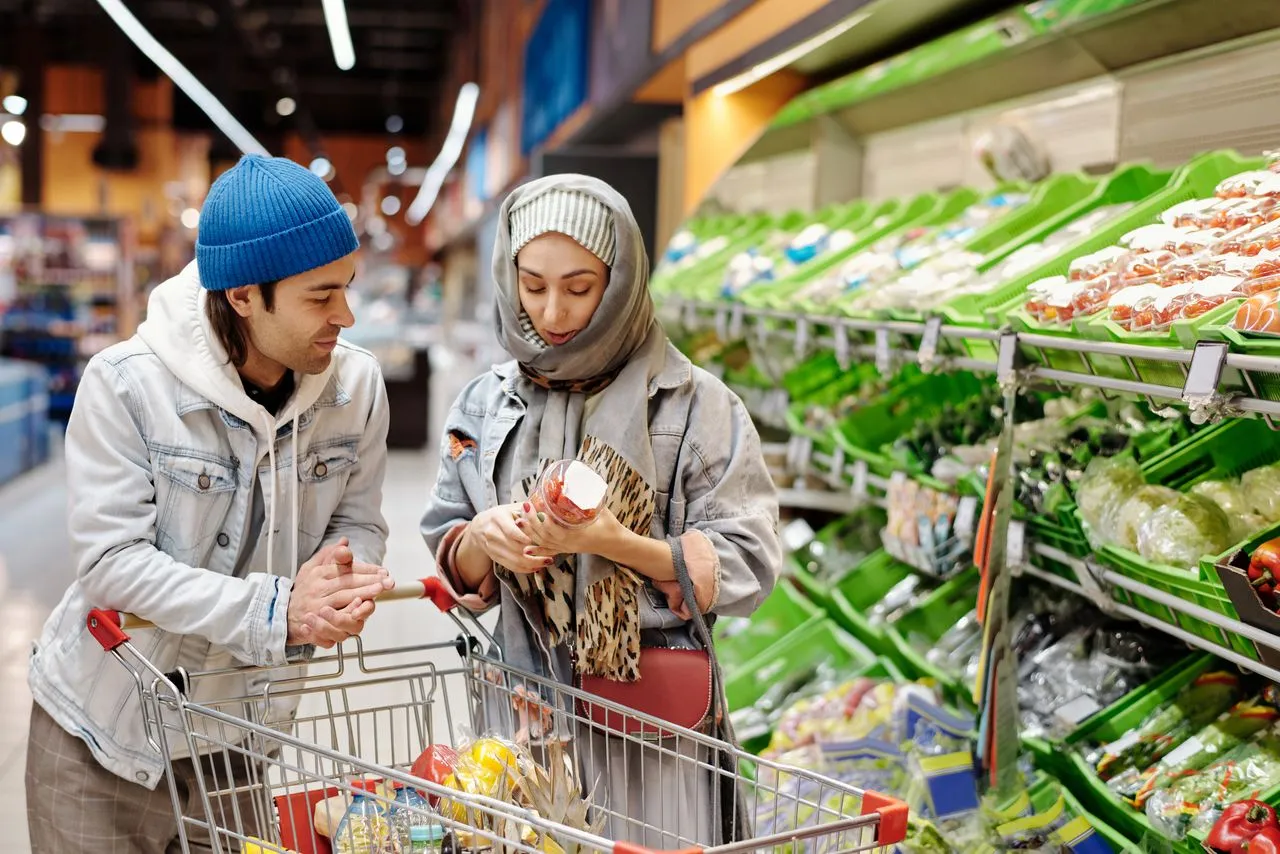
MENA is not one retail environment. What packaging works in a Dubai Carrefour may fail in a Riyadh souk or on a Cairo quick-commerce app.
From traditional trade to digital platforms, each channel requires a different packaging approach.
Hypermarkets and supermarkets give brands more physical shelf space, but they also place products beside established international and regional competitors.
Packaging implications:
Opportunity: The MEA Retail Ready Packaging market is growing at over 6.01% CAGR from 2025 to 2030. Supermarkets and hypermarkets are relying heavily on RRP to optimise shelving procedures and enhance product visibility.
Brands that invest in RRP, shelf-ready trays, display-ready cartons, and easy-stack formats can gain a competitive edge in modern trade.
Independent stores and smaller retailers remain relevant across the region. In these environments, packaging design may have less display space and compete under less controlled lighting and merchandising conditions.
That changes the design priority. Packaging implications:
For brands selling into traditional trade, packaging must communicate value instantly. The product must be easy to stock, easy to display, and easy for the shopkeeper to recommend.
Over-engineered packaging that looks premium but takes up too much shelf space will lose to simpler, more practical formats.
In the UAE and Saudi Arabia, discounters are rapidly growing. They are essentially retailers competing on low prices and value through private labels, efficient stores, and focused assortments
Packaging implications:
Winning in discounters requires a fundamentally different approach. Use dedicated SKUs, pack sizes, or exclusive variants to attract new shoppers without hurting existing sales or brand value.
Example: Duracell's Simply range is a targeted offering designed for discounters, delivering accessibility while protecting the premium positioning of the core range.
E-commerce platforms like Noon, Jumia, and Amazon MEA are compelling businesses to embrace packaging solutions that cater to both physical retail and online distribution. Carrefour and LuLu also operating online platforms.
Quick commerce is adding another layer of complexity.
Packaging implications:
Quick commerce packaging is often designed to be forgotten: a brown bag, a green tote, a logo, and off you go. But occasion-based packaging (Valentine's Day, Eid, Ramadan) is creating opportunities for differentiation.
Convenience stores and mini-markets introduce another constraint: limited shelf space and fast decision-making. LuLu, for example, operates mini-market formats across several GCC countries in addition to its hypermarkets and online channels.
Packaging for these formats should prioritise
Dubai's retail consumer especially in beauty, food, lifestyle, and gifting has been trained by years of exposure to the best-packaged products in the world. The bar is higher here than in most regional markets.
Packaging implications:
The box gets judged before the product does. Brands must plan how their product photographs, how it feels to hand over, and whether the box survives being carried from a shop in DIFC to a house in Mirdif.
A brand selling across MENA should not assume one pack format will perform equally well everywhere.
Define a core brand system and then create controlled channel adaptations.
The brand may retain the same logo, colour logic, typography, and visual codes while adapting pack size, secondary packaging, display configuration, information hierarchy, or e-commerce protection.
Brands entering multiple MENA markets should also decide early which channel mix they're actually designing for in each specific country.
A brand entering the UAE primarily through quick commerce and Egypt primarily through traditional trade is running two very different retail strategies, even if the packaging shares a core brand identity.
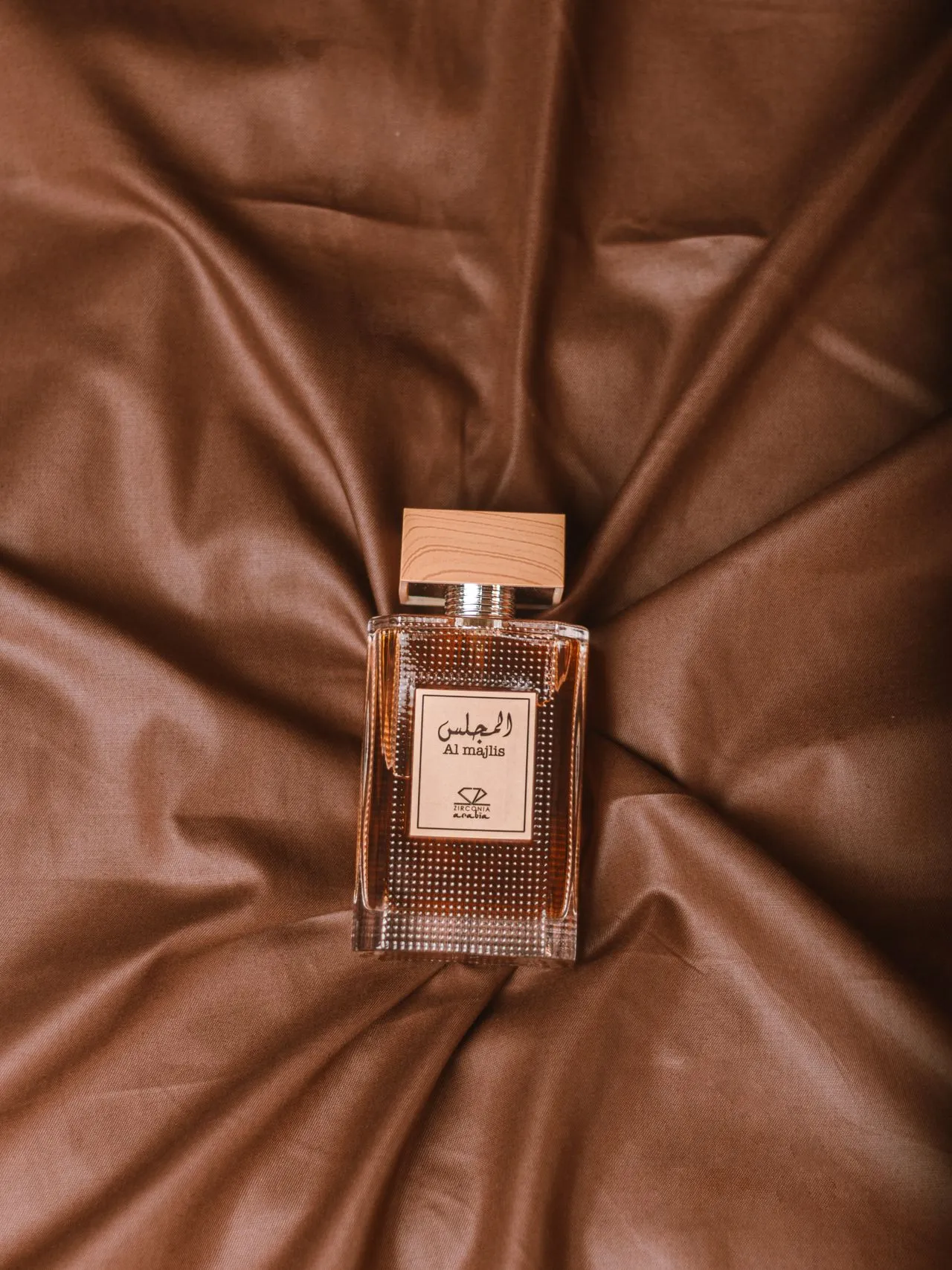
Premiumisation is becoming a more visible packaging strategy across MENA, expecially in food, beverages, beauty, personal care, fragrance, and gifting.
The bar for acceptable packaging quality is rising across the region, even where full luxury positioning isn’t commercially viable. A brand entering Egypt today for instance may not need GCC-level finishes, but it does need a significantly higher packaging standard than five years ago.
That means premium packaging needs to give customers a reason to perceive greater value.
That can come from material quality, structural design, finishing, functionality, convenience, clear product information, or a stronger connection to the occasion for which the product is purchased.
👉Premium Matched to Category & Channel
A luxury fragrance may justify a rigid box, tactile paper, embossing, or specialised finishing.
An everyday food product may gain more from better typography, stronger shelf hierarchy, improved opening and closing, or a distinctive pack structure.
You need to find out: What specific packaging change makes the product feel more valuable to the intended customer?
Adding finishes without improving the overall experience can increase cost without creating meaningful differentiation.
👉Cultural Relevance Can Create Premium Value
Premium positioning in MENA can also come from making the product feel specifically relevant to the region rather than simply importing a global luxury aesthetic.
Example: Nestlé’s Mackintosh’s Quality Street DATES launched specifically for MENA, combining the established Quality Street brand with dates, a familiar regional ingredient. Sold across the UAE, Saudi Arabia, and Kuwait, it was developed around local consumer preferences rather than simply adapting global packaging.
Again, localisation does not have to mean adding Arabic motifs or decorative references. It can mean understanding what people buy, why they buy it, who they give it to, and which occasions justify a higher-value presentation.
👉Sustainability Is Part of the Premium Experience
Premium packaging is also being judged against environmental expectations.
For brands, that means premiumisation should not depend on unnecessary layers, mixed materials, or difficult-to-recycle structures.
A well-specified paperboard, efficient construction, recyclable finish, or reusable component can communicate quality without creating unnecessary packaging complexity.
Before upgrading your pack for MENA market, define the commercial job it needs to do:
Then test whether the proposed premium elements actually improve those outcomes.
✅For a brand entering MENA, the packaging must look appropriate for the market, feel worth the price, reflect the occasion, and remain practical to produce and distribute at scale.

Bilingual labeling and halal certification and market-specific declarations are only the starting point.
Your packaging design performs best when your brand understands how products are bought, displayed, gifted, and interpreted locally.
Family-oriented imagery, modest representation, and culturally relevant colour choices such as green’s cultural resonance and gold’s association with celebration and gifting can shape how packaging is perceived.
These choices go beyond compliance, helping packaging feel genuinely locally considered rather than simply adapted from a global template.
👉Occasion Design
Ramadan and Eid create major retail and gifting moments across the region. That creates an opportunity.
Instead of just adding a crescent or changing colours, brands can introduce limited-edition sleeves, gift-ready boxes, seasonal packs, or collection-specific colourways while retaining their core identity.
Make seasonal packaging feel like a conscious expression of the occasion.
This approach works across confectionery, fragrance, beauty, fashion, home, and gifting, where Ramadan and Eid are already significant retail and gifting occasions.
👉Cultural References
Arabic calligraphy, geometric patterns, metallic finishes, regional motifs, or locally familiar visual references can be effective, but they should have a clear relationship to the brand and product.
“Middle Eastern” design is not to be treated like a collection of borrowed symbols.
A premium beauty brand can express regional relevance through typography, materials, gifting architecture, or a restrained colour palette rather than relying on ornamental motifs.
Colour also needs context. Associations with green, gold, white, and other colours vary across markets and categories. Check whether the colour supports the brand’s positioning and the specific cultural context of the campaign.
👉Arabic Typography
Arabic needs to be included right from the planning phase. This includes type choice, hierarchy, spacing, line length, and overall composition.
A bilingual pack can be legally compliant and still look poorly designed if the Arabic typography is cramped, difficult to read, or visibly secondary to the English.
👉Gifting Factor
In categories where gifting is important, packaging needs to survive the handover as well as the shelf. Consider whether the pack:
✅While designing for MENA, keeps the core brand recognisable while adapting the experience to local occasions, visual language, shopping behaviour, and expectations.

The UAE, Saudi Arabia, and Egypt are three important MENA markets, but each one needs a different packaging strategy.
The differences in their retail structures, consumer priorities, and regulatory environments impact pack size, information hierarchy, materials, and the level of premiumisation.
The UAE is the region's gateway market because of its highly international retail environment, strong modern trade, e-commerce adoption, and large expatriate population. That also makes the competition intense.
For packaging teams, the priorities are strong shelf visibility, polished execution, bilingual communication, and reliable logistics.
The main trends in this market include:
Also, when it comes to regulations, the Arabic and English requirements need to be considered from the first layout. Product categories may also fall under specific UAE conformity or labelling requirements, so the applicable rules need to be verified.
Saudi Arabia is a much larger domestic market and has its own regulatory and retail dynamics. Packaging developed for Dubai should not be duplicated for Riyadh or Jeddah.
For brands entering Saudi Arabia, packaging development should be coordinated with SABER requirements, GSO/SASO technical regulations, product registration, and local importer requirements for the specific category.
The commercial design also needs to account for the country's rapidly developing modern retail, e-commerce, and premium consumer segments.
The luxury packaging market is adopting eco-friendly materials, unique designs, and customization options to enhance brand differentiation and consumer engagement.
There is also an increasing trend towards minimalist designs, smart packaging technologies, and a focus on recyclability and circular economy.
Egypt is the region's most populous market and a manufacturing hub for F&B and packaging.
In the Egyptian market there is a growing trend towards customization and personalization in packaging designs to attract consumers.
Egyptian brands are aligning campaigns, design, and shelf impact. Examples:
Egyptian consumers are increasingly influenced by global packaging trends including sustainable packaging, transparent designs, hand-drawn graphics, bright colors, and natural elements.
Egypt also has specific labelling requirements. For regulated products, official guidance requires information such as manufacturer details, country of origin, product description, and dates to be clearly presented, with Arabic requirements applying to relevant product labels.
👉For brands entering all three markets, build the packaging around a shared core identity with market-specific execution.
The UAE may justify a more premium modern-trade execution, Saudi Arabia may require distinct compliance and market-entry specifications, while Egypt may demand tighter control of pack economics and price communication.

A packaging design that works in Europe or North America will not automatically work in MENA.
The region's regulatory framework, cultural expectations, and retail diversity demand a level of expertise that generalist agencies cannot provide.
Regulatory complexity varies
GSO sets baseline standards across all six GCC states, with country-specific requirements layered on top.
Arabic is mandatory on labels and primary packaging. In the UAE, production and expiry dates must be printed on-pack, not stickered, making this a key compliance issue at ports.
Translations must be accurate and certified because errors can lead to rejection. A beauty brand may have to scrap packaging over a missing Arabic translation.
Cultural nuance is a must
Visual design must respect Islamic principles. Human or animal imagery can be problematic. Colour meanings are important: green signals prosperity, gold signals luxury, white signals purity.
Packaging design that reflects local values, traditions, and consumer preferences creates a stronger connection with consumers. Many brands use direct translation without real localisation, copying marketing claims without rethinking them for the local market.
Retail diversity needs to be understood
Dubai is a fast-paced, convenience-driven market where smaller, grab-and-go SKUs drive repeat purchases.
Saudi is a deep, family-rooted, high-context society where trust is earned slowly. What works in a Jumeirah beach club will flop in a Riyadh compound.
Climate is challenging
Packaging must withstand extreme heat and humidity. Materials that perform in temperate climates don’t work in the Gulf.
Oil leakage after 30–60 minutes, lids popping during delivery, and containers losing shape under stacked weight are common issues.
A specialised packaging design partner like Confetti understands all these layers and designs accordingly.
Ask for relevant projects where the agency has handled:
☑️Country-specific localisation
☑️Bilingual packaging
☑️Retail channel adaptation
☑️Production specifications
☑️Regional implementation
Also ask who is responsible for regulatory verification, Arabic typesetting, artwork adaptation, supplier coordination, and final production checks.
Find a partner that can turn a specific country and channel strategy into a packaging system that is commercially relevant, culturally considered, and ready for production.
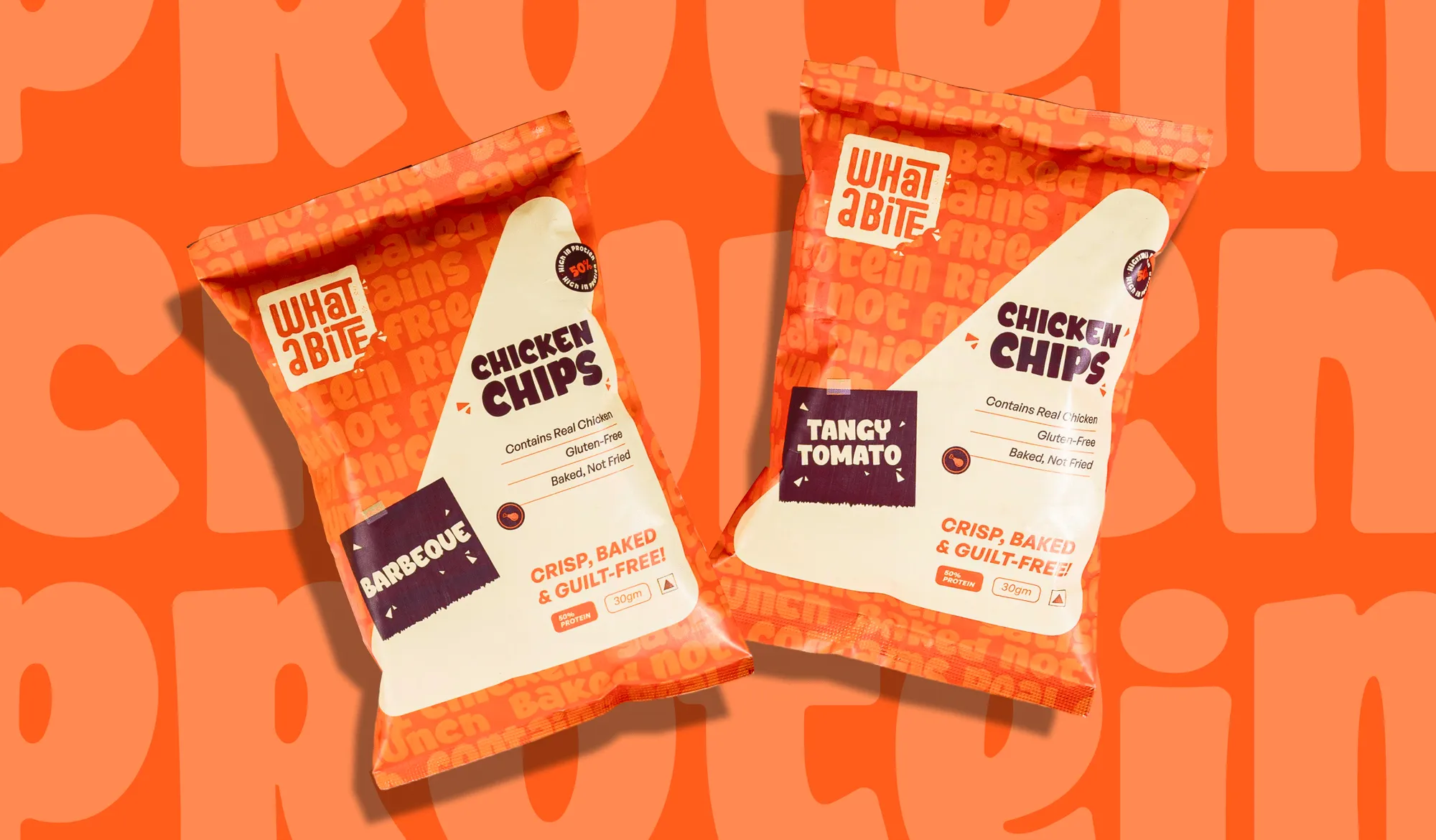
Confetti is a strategy-led branding and packaging studio working with Dubai-based businesses and global brands entering the UAE market.
We are not a generalist agency applying a global template to a regional market. We build packaging systems that work across the region's diversity.
Here’s what makes us apt for your GCC and MENA market entry:
We understand the regulatory landscape
We design bilingual packaging with Arabic as the primary language. We ensure date markings are integrated into the artwork, not applied by sticker. We build compliance into the design process.
We understand the cultural expectations
We design for the cultural sensitivities and the gifting moment because in the region, the box gets judged before the product does.
We create packaging that reflects local values and consumer preferences.
We understand the retail reality
We design packaging that works across every channel from hypermarkets like Carrefour and Lulu to quick commerce platforms to boutique retail. We design for the format agility that GCC and MENA demands.
We have the experience
Our work spans FMCG, fashion, food and beverage, and luxury brands. We have designed packaging for brands sold through UAE retail.
We understand what it takes to get listed and stay on shelf.
We build systems, not just assets
We develop brand positioning, visual identity, messaging, and packaging together.
The result is a packaging system that is compliant, culturally aligned, and commercially effective, from the first shelf impression to the final unboxing.
We treat MENA as a set of different markets that happen to share a regional label, starting every regional engagement by naming the specific countries and retail channels a brand is actually targeting, rather than defaulting to a single GCC-calibrated design applied everywhere and hoping it holds up.
Operating out of our Dubai studio alongside our Mumbai base gives us a direct, ongoing view of how regional retail buyers, modern trade category managers, and regional consumers actually respond to packaging, not just a compliance checklist applied from a distance.
If you're scoping a MENA market entry or realizing a single regional design isn't performing consistently across the countries you've already launched in, we'd be glad to talk through where things currently stand.
Areas Where Global Brands Err When Entering MENA Retail
1. Treating localisation as translation
Swap the language, adjust a few colors, keep everything else the same. That’s translation, not localisation. Brands ignore cultural specifics, use direct translation without real localisation, and overlook what is acceptable, compliant, and relevant on the packaging.
2. Assuming the UAE playbook works everywhere
Most glossy Saudi market entry plans are just a reskinned UAE playbook. They change a few photos, add some Arabic calligraphy, maybe hire a local ambassador, and call it a "Saudi strategy".
3. Premium branding without local adaptation
Many brands enter Saudi Arabia believing premium branding alone will unlock demand. Luxury packaging and imported positioning are often treated as the strategy. Premium pricing is accepted only when consistency justifies it.
4. Underestimating climate and logistics
Climate impact, shelf life, and distribution realities are underestimated. What works in Paris doesn't automatically work in Riyadh. In KSA, most failures show up 2-3 months later when replenishment slips and premium positioning collapses.
5. Regulatory shortcuts
Global brands waste months and millions because they didn't factor in local regulations. English-only labels, no Arabic, unclear claims, no alignment with local consumer expectations or regulations and shelves simply ignore you.
6. Cultural missteps
Imagery that works elsewhere can offend. A Lebanese crisps brand was forced to pull packaging over prism colours mistaken for pride symbolism. Divine names on packaging have been banned in Saudi Arabia. These mistakes are avoidable with the right expertise.
7. Ignoring retail channel differences between markets
Designing only for hypermarkets can miss real performance in markets where traditional trade or fast-growing quick commerce drive significant sales. It’s easy to make this mistake because hypermarkets are the most visible retail environment but visibility doesn’t always equal volume.
What is MENA retail packaging design?
MENA retail packaging design is the process of designing packaging for Middle East and North Africa markets, a region spanning the GCC, Levant, and North Africa, each with distinct retail infrastructure, consumer behavior, and regulatory environments requiring different strategic approaches, not one uniform design.
Is packaging design the same across all GCC countries?
No. While GCC countries share broad regulatory frameworks and Arabic-English bilingual requirements, retail maturity, consumer expectations, and market-specific factors differ. Saudi Arabia and the UAE, despite proximity, have distinct retail needs and buyer expectations.
What retail channels are most important for packaging design in MENA?
It varies by country. The UAE and broader GCC lean heavily toward hypermarket modern trade and growing quick commerce. Markets like Egypt retain a much larger traditional trade share, requiring packaging that prioritizes clarity and price visibility alongside brand presentation.
What's the difference between GCC and North African retail packaging needs?
GCC markets, particularly the UAE, tend toward higher premium tolerance and more modern trade and e-commerce infrastructure. North African markets often have larger traditional trade shares and greater price sensitivity, requiring different packaging cost and positioning strategy rather than a directly transplanted GCC approach.
How do I choose a packaging partner for MENA market entry?
Look for a partner who asks which specific countries and retail channels you're targeting rather than treating "MENA" as one brief, who has direct regional retail-buyer experience beyond translation and compliance work, and who can show examples of seasonal or culturally specific packaging adaptation, not just bilingual layout work.
Want strategic branding and packaging like this for your business?





.webp)
.webp)

.webp)
.webp)
.webp)
.webp)
.webp)







.svg)
.webp)