%201.webp)
02
AI Snaps
.svg)
.svg)
01
Our Work
03
About Us
04
Brand Audit
05
Contact Us
06
Client Success
12
07
Blogs
08
Careers
Book A Call
.svg)



.svg)
Need Help In Building Your Brand?
Click the button below & book a call with our founder directly.

Rishabh Jain
Managing Director
When you think of coffee packaging design UAE, most results point to bag printers. That’s not even one third of the story you need to grow and survive in the market.
Explore what actually goes into coffee packaging design in the UAE, what aspects you need to consider and what to expect from a design agency.
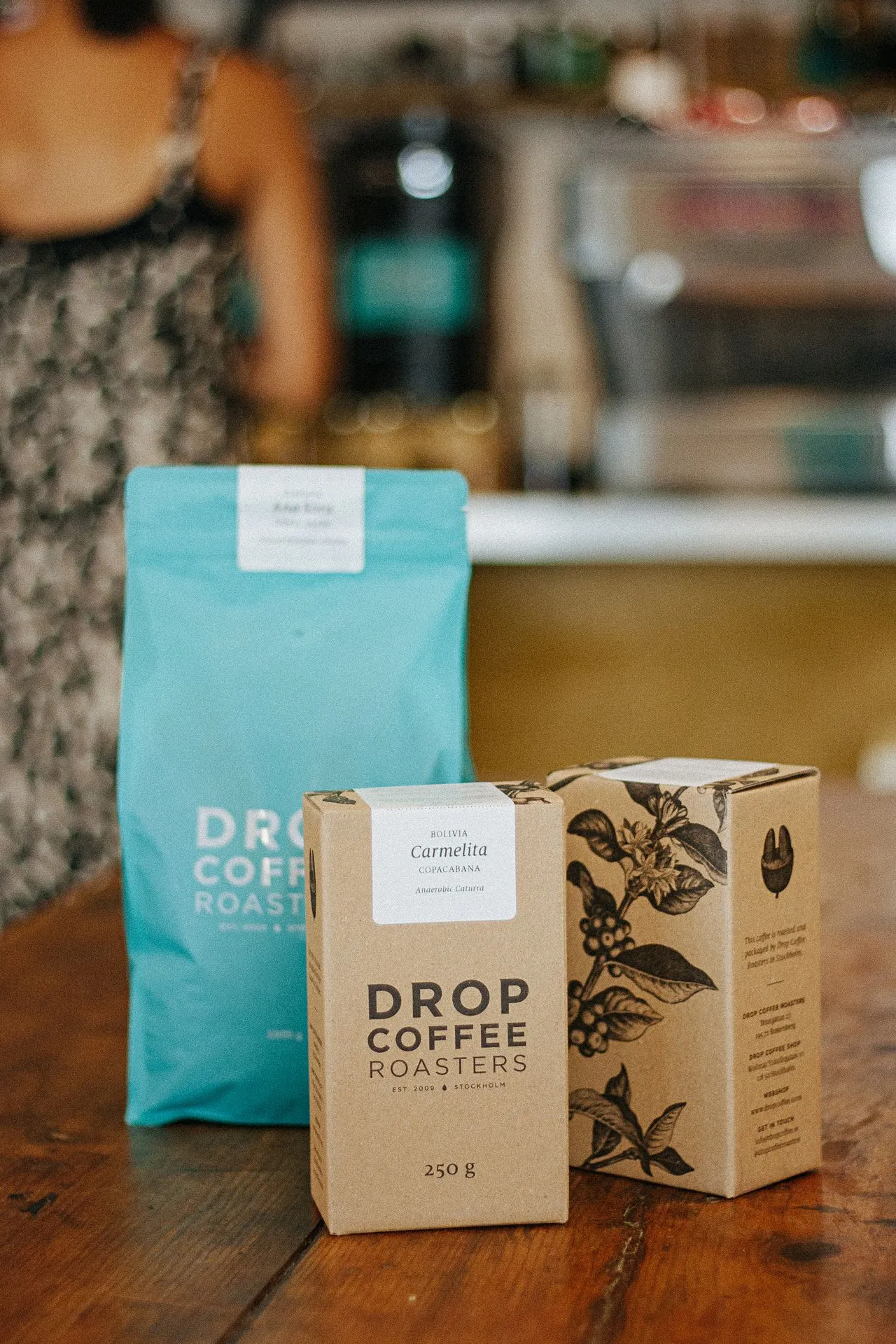
The UAE coffee sector is projected to exceed $3.8 billion by 2027. The specialty segment alone is now worth more than $603 million.
This is not a market where a generic brown bag with a sticker label will be sufficient. Here’s what consumers expect:
✨Premium presentation is the baseline
UAE consumers are now willingly paying AED 30 and up for a specialty beverage. That's a premiumization signal, and it raises the bar for what packaging needs to visually deliver.
In cities like Dubai, Riyadh, and Abu Dhabi, consumers are relatively young, design-literate and have redefined what coffee represents. They expect quality, consistency, story, and purpose from every brand they encounter.
Premium experiences and intentional design have become the baseline. Packaging that looks cheap signals a cheap product, regardless of bean quality.
✨Sustainability is now a purchasing factor
Compostable and biodegradable packaging is the fastest-growing material segment in the UAE coffee market. Roasters are increasingly investing in biodegradable coffee bags to reduce environmental impact.
Buyers at World of Coffee Dubai have consistently highlighted packaging and presentation as driving factors in buying decisions. A bag that cannot be recycled or composted is increasingly seen as out of touch.
✨Clarity and transparency build trust
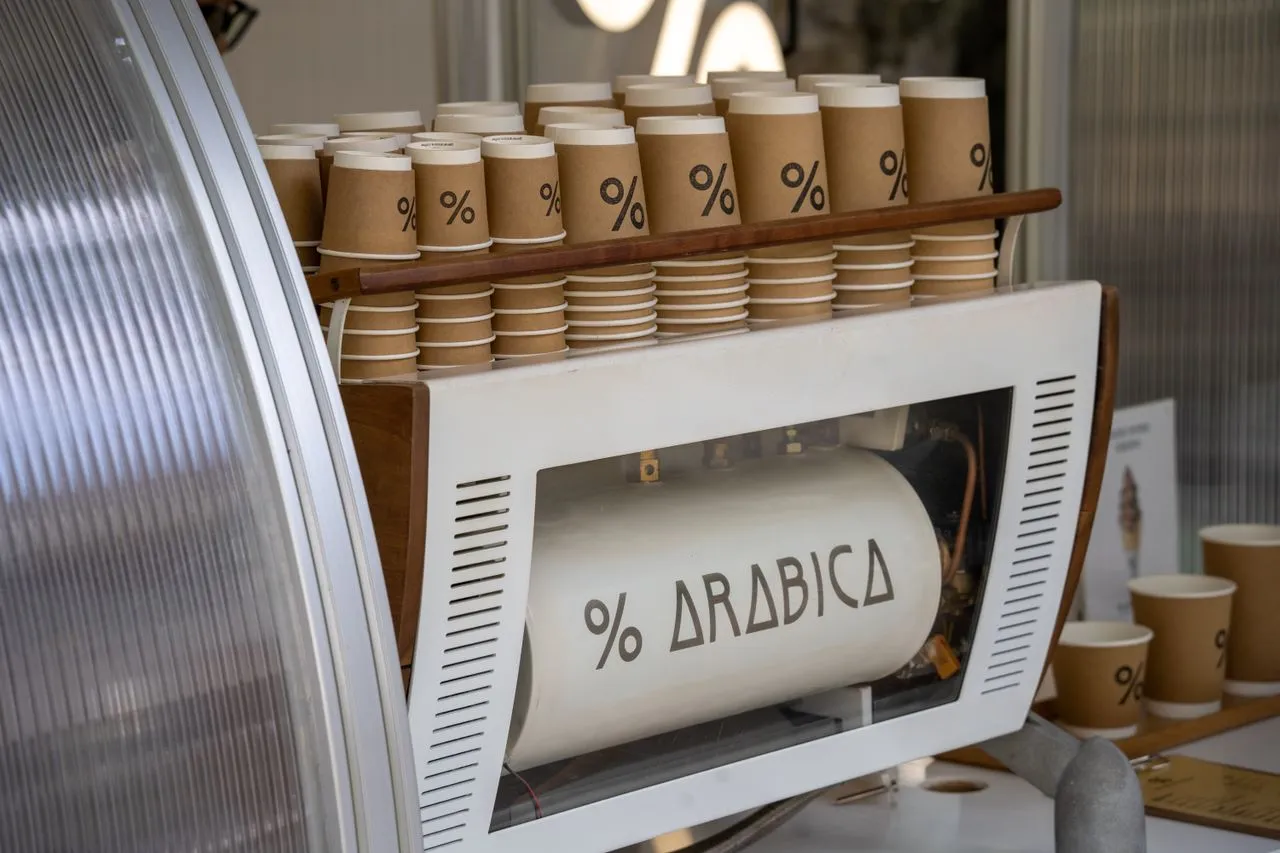
% Arabica's success in the UAE market is built on clarity. The brand's restraint is strategic: it anchors trust and keeps the conversation on beans and brewing.
In cities where customers know the difference between origin and origin story, that focus is a critical brand asset. Packaging that communicates origin, roast profile, and brewing information clearly signals credibility.
✨Differentiation drives purchase
One reason why Subko performed well in the UAE market is because it rejected the standard brown gusseted bag in favour of a box that is tactile, differentiated, and giftable. This elevated the product from a consumable to a collectible.
Similarly, Desert Coffee Roasters uses low-contrast desert tones on uncoated kraft stock, creating a tactile, regionally grounded identity that stands out from generic coffee packaging.
You can have the best single-origin roast in the world, but if the packaging doesn't meet UAE regulations, it will never reach a shelf.
Here is what must be on your coffee packaging:
✅The Correct Use of Arabic Language
Bilingual labelling (Arabic and English) is the standard, but Arabic must be the primary language, its font size must not be smaller than the English text.
For bulk green coffee in jute bags, Arabic labelling is not required, but for any retail-ready coffee packaging, it is mandatory.
The UAE enforces this strictly, translations must be precise and certified.
✅Mandatory Information on Every Coffee Package
Under UAE.S GSO 9:2017 "Labelling of prepackaged food stuffs" and UAE.S 2233:2017, the following must appear on your coffee packaging:
✅Date Marking
Production and expiry dates must be printed directly on the original packaging. Stickers, labels, or any form of after-printing application are not permitted.
A coffee roaster who prints dates on a separate sticker and applies it after packaging will have their shipment held at customs. The entire batch may need to be repackaged or destroyed.
✅ECAS Conformity and Product Registration
Coffee is a regulated food product in the UAE.
Before it can be sold, it must undergo conformity assessment and receive a UAE Certificate of Conformity (ECAS) issued through the Ministry of Industry and Advanced Technology (MOIAT). This requires:
Coffee that arrives without a valid Certificate of Conformity will not clear customs. The shipment will be held until the certificate is obtained, which can take weeks, during which time the coffee may lose freshness.
✅Halal Certification Requirements
Coffee is generally considered halal by default, but the UAE has specific requirements regarding halal products and the conditions for use of the Halal National Mark.
If your coffee packaging makes any halal claim or if the product contains any animal-derived ingredients or flavourings, halal certification may be required.
✅Barcodes and Traceability
Coffee packaging must carry a GS1 barcode registered with GS1 UAE. The barcode must use the 13-digit EAN-13 format with the 629 prefix for UAE market entry.
A barcode with a foreign prefix may still scan but can cause issues with retailer systems and customs clearance.
At Confetti, we integrate these regulatory requirements into the packaging design process itself.
We ensure your coffee packaging is compliant from the start, so you don't learn about a missed Arabic translation, an incorrect date marking, or a missing ECAS certificate when your shipment has already reached Dubai customs.
For most ambitious coffee brands, Dubai is an entry point to the wider Gulf.
But UAE-ready packaging is not automatically GCC-ready packaging.
The GCC has shared technical frameworks through the GSO, while individual countries apply their own registration, conformity, import, and enforcement processes.
Saudi Arabia, for instance, now a major growth market for coffee, with a large specialty and café ecosystem has a different regulatory process from the UAE.
Importers must register products on Saber, and products covered by applicable technical regulations require the relevant conformity documentation.
For packaging design, this means the Saudi version needs to be reviewed against the actual product classification, HS code, importer information, labelling requirements, and conformity process.
If you are planning expansion, your packaging system should be designed for the markets it intends to enter.
The commercial advantage of planning ahead is creating a modular packaging architecture. Here is how to build a system that flexes across the GCC without breaking.
Modular compliance panels
Design your packaging with dedicated spaces for mandatory information that can be adapted per market without changing the overall structure. Arabic text, country of origin, importer details, and certification marks should have designated positions that are consistent across all variants.
Bilingual by default
Arabic-English bilingual labelling is the standard across the GCC. Design with Arabic as the primary language from the start. Ensure Arabic font size meets the 1.2mm minimum x-height requirement.
Certification-ready artwork
Build artwork files that can accommodate multiple conformity marks (ECAS for UAE, SABER for Saudi, GSO mark for GCC-wide recognition) without requiring a full redesign. Leave space for each mark, minimum 6mm for GSO, with regional variations.
Climate-tested materials
The GCC's extreme heat and humidity are consistent across the region. Packaging that fails in Dubai will fail in Riyadh, Doha, and Kuwait City. Specify materials that withstand temperatures exceeding 45°C and humidity that creates condensation on chilled surfaces. UV coating, heat-resistant adhesives, and humidity-tested board are non-negotiable across the region.
Sustainability as a structural requirement
With GCC countries enforcing single-use plastic bans between 2025 and 2026, sustainable packaging is no longer optional. Design with compostable, biodegradable, or recyclable materials from the start.
Gifting-ready formats
Coffee is increasingly purchased as a gift across the GCC, particularly during Ramadan and Eid. Packaging that is giftable, tactile, premium, and photographable, performs better across the region. A box that works in a Dubai boutique will work in a Riyadh luxury mall.
Before developing the final artwork, define:
Then create a master artwork system with dedicated compliance areas and editable market variants.
For brands using Dubai as their GCC entry point, this approach avoids designing one UAE pack today and commissioning a separate packaging redesign every time Saudi Arabia, Qatar, Kuwait, Bahrain, or Oman enters the growth plan.
The idea is a GCC-ready coffee packaging system that can localise without losing recognition.
Dubai and the wider UAE regularly see temperatures exceeding 45°C, with humidity levels that create condensation on chilled surfaces and accelerate adhesive degradation.
Packaging materials used in temperate climates fail in the Gulf. Adhesive-backed labels peel under heat and bubble under humidity. Standard paper-based packaging warps. Coffee bags that rely on standard seals lose their airtight protection.
This is a design constraint that determines whether your coffee packaging survives shelf life or fails in transit.
Heat resistance is a must
Amcor has introduced fully recyclable paper-based coffee packaging in the GCC with enhanced heat resistance and aroma protection.
This is becoming an expectation for coffee brands serious about the region.
High-barrier materials, such as LDPE alongside aluminium foil inner linings, are the best way to preserve coffee's shelf life in the UAE's climate. The foil lining provides the oxygen and moisture barrier that standard mono-material packaging cannot deliver.
Material choices that survive the Gulf
Bagasse has emerged as the most preferred material for food packaging in the GCC due to its heat resistance and compostability.
For coffee bags specifically, the combination of a heat-resistant outer layer with a high-barrier inner lining is the specification that works. PP-based solutions are gaining traction for their heat resistance and recyclability.
Must be logistics friendly
The UAE is a re-export hub, meaning coffee often passes through multiple temperature zones, from climate-controlled warehouses to non-conditioned delivery vans to outdoor retail displays.
Packaging must survive temperature fluctuations without compromising the seal or the coffee inside.
Sustainability needs
The UAE's single-use plastic ban, effective 2026, mandates food service operators to transition to recyclable or compostable substrates.
Manufacturers are accelerating material reformulation programs, with regional PLA capacity reducing reliance on Asian imports. Coffee brands entering the UAE need packaging that is aligned with where the market is heading.
For coffee brands operating in the UAE, the gifting season mainly Ramadan and Eid drives a huge share of annual revenue.
Corporate and personal gifting accounts for a significant portion of sales volume, and peak season sales during Ramadan and Eid represent approximately 30% of annual revenue for many coffee brands.
These require packaging built to perform as a gift object.
Coffee as a gift in the UAE
In the UAE, coffee is increasingly purchased as a gift. The act of giving coffee during Ramadan is deeply rooted in the region's hospitality culture. The package is the gift itself.
A box that doesn't feel heavy in the hand, that doesn't photograph well, that doesn't survive being carried from a Dubai mall to a family gathering loses the sale before the beans are even smelled.
What gifting packaging must deliver
Ramadan coffee gift sets in the UAE feature deep colours with gold or metallic accents, rigid box construction rather than folding cardboard, and magnetic or ribbon closures that feel substantial.
The unboxing experience is theatrical: weight, deliberate materials, and a smooth, anticipatory opening. Inside, the coffee bags themselves must feel premium, not like commodity products wrapped in gift paper.
TikTok and social media have turned packaging into a content format. A visually stunning Ramadan coffee gift box is not just a sales tool, it is a marketing asset that gets shared, tagged, and recommended.
Brands that design for the social share win twice: once at the point of purchase and again when the recipient posts the unboxing.
If you are considering Ramadan packaging design for your coffee brand, start a few months in advance. This allows time for concept development, bilingual artwork, regulatory approvals, production, and distribution before the shopping season.
Speciality Coffee Packaging Design in UAE
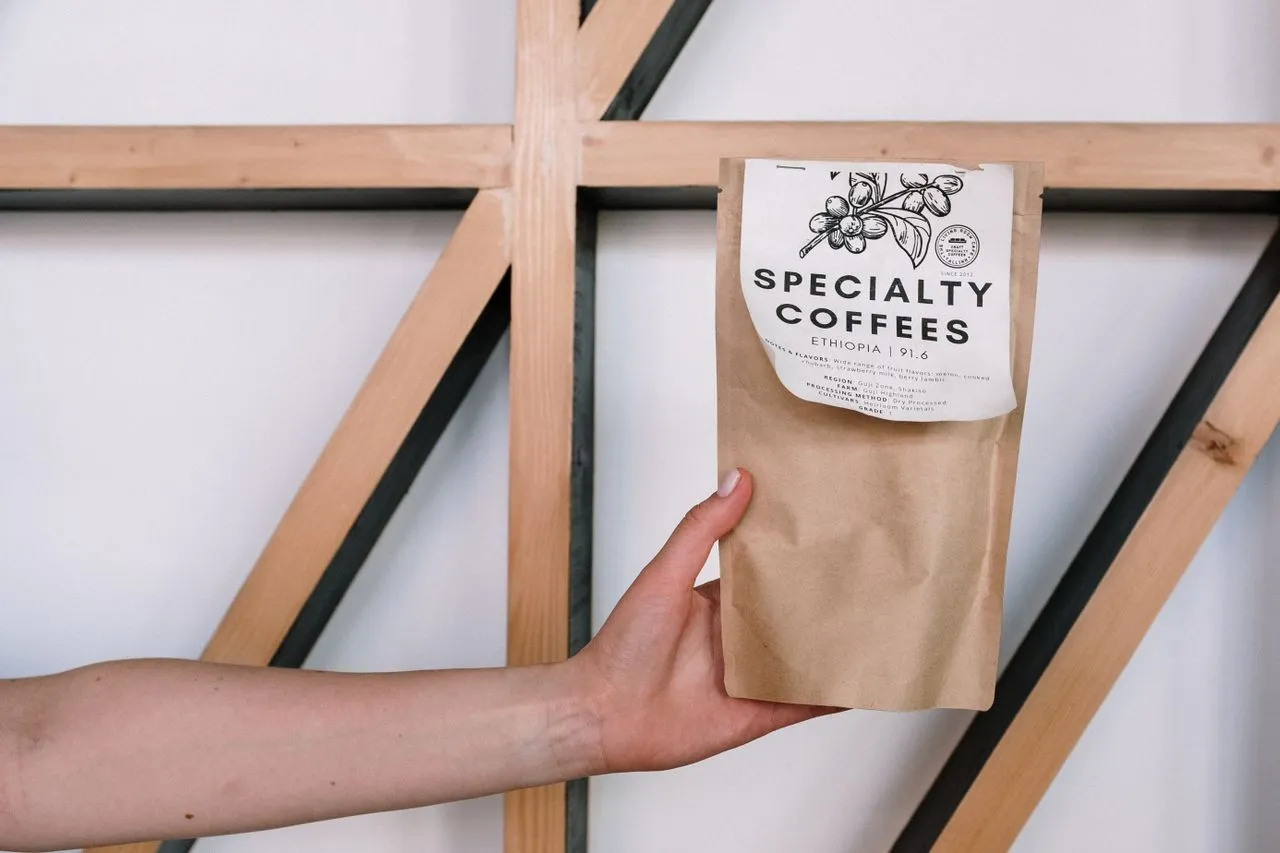
The UAE specialty market is made up of design-literate, informed consumers who are willing to pay a premium for origin, roast profile, and craftsmanship.
Packaging needs to communicate what makes the coffee distinctive:
For single-origin coffees, packaging must look as authentic and distinctive as the product itself. A bag that could contain any commodity coffee risks being overlooked by specialty buyers who know what to look for.
👉Key principle: Specialty packaging should sell the story and quality of the coffee, not simply the product.
Mass Market Coffee Packaging Design in UAE
The mass market is more price-sensitive and convenience-driven. Packaging needs to communicate value within seconds, using:
Here, visibility matters more than storytelling.
An overly designed or difficult-to-read coffee bag can lose to a competitor that communicates brand, product and value in a single glance.
👉Key principle: Mass-market packaging should make the value proposition immediately obvious.
Impact of Roast Profile on Packaging
Dark roasts, popular in the mass market, have different packaging needs than light roasts, favoured by specialty drinkers.
Dark roasts are oilier and require packaging that manages oil migration without compromising the seal.
Light roasts are more sensitive to oxygen and require superior barrier properties to preserve delicate flavour compounds.
A packaging system designed for one roast profile will not necessarily work for the other.
The middle ground is dangerous
Brands that try to serve both markets with a single packaging strategy often end up serving neither. Specialty consumers see mass-market cues and assume the coffee is not special.
Mass-market consumers see specialty cues and assume the coffee is too expensive. The packaging must match the positioning. If the positioning is unclear, the packaging will be ignored.
Also, the channel selection reinforces the strategy. Specialty coffee is sold through specialty retailers, coffee shops, and direct-to-consumer channels where presentation matters.
Mass-market coffee is sold through hypermarkets, supermarkets, and convenience stores where visibility and price are paramount. The packaging must be designed for the channel where it will actually be sold.
The UAE coffee market operates from luxury retail boutiques to e-commerce platforms to quick commerce. Each channel demands a different packaging logic.
A bag designed only for shelf presence will fail in e-commerce. A bag designed only for transit will fail on the shelf.
🛒The dual-spec requirements
Coffee packaging in the UAE must be premium enough for the boutique and robust enough for transport.
A bag that looks beautiful in a Dubai Mall boutique but tears during shipping to Abu Dhabi damages the brand. A bag that survives transit but looks cheap on the shelf loses the sale before the coffee is tasted.
🛒Retail demands shelf impact
In UAE’s premium retail, consumers physically compare packaging across multiple brands in a single store visit. Shelf impact is a commercial advantage.
Retail packaging needs to communicate quality, origin, and value in a single glance. The tactile finish, structural integrity, and visual weight of the packaging all contribute to the purchase decision.
🛒E-commerce demands durability and unboxability
Coffee packaging for e-commerce prioritises digital impact over shelf appeal. It must survive transit without compromising the seal or the coffee inside.
And it must deliver an unboxing experience that feels premium, because in e-commerce, the unboxing is the retail experience.
🛒The material compromise
Retail packaging can prioritise aesthetics. E-commerce packaging must prioritise protection. The dual-spec solution is packaging that does both, using materials that are durable enough for transit but finished to a standard that feels premium on shelf. This often means specifying higher-grade materials than would be strictly necessary for retail alone.
The UAE coffee market is unforgiving. A packaging error can cost you not only a few thousand dirhams but also lead to missed launches and brand damage.
So choose a designer who understands what works in the market:
Freelancers are ideal for narrow, tactical needs like label tweaks, a single bag design, or short-term production support. They work best when you already have a clear strategy and need someone to execute it.
What you get: The lowest-cost option, usually $30–$100 per hour or $500–$3,000 per project, depending on complexity. You also get maximum flexibility and direct communication.
What you don't get: Strategic depth, regulatory expertise, or cross-functional capability. A freelancer can make a bag look good, but may not know whether it will meet UAE requirements, whether Arabic typography is compliant, or whether the material will withstand Dubai's summer climate.
They are the right choice when you already have print-ready artwork and need production. UAE packaging manufacturers understand local substrates, suppliers, and production requirements.
What you get: Manufacturing capability, local material knowledge, supplier relationships, and often faster turnaround.
What you don't get: Strategic design thinking, brand positioning, regulatory guidance, or cultural insight. A printer produces the design you give them; they don't determine what your packaging should communicate, to whom, or how it should differentiate you at retail.
Specialist agencies make sense when you are entering the UAE, expanding across the GCC, repositioning a brand, managing multiple SKUs, or managing complex regulatory and production requirements.
What you get: Strategic thinking, regulatory expertise, cultural fluency, and packaging systems designed to work across products and channels. A specialist agency understands Arabic requirements, ECAS conformity, date marking, GSO standards, climate constraints, and the commercial realities of the region including gifting occasions that can significantly influence coffee sales.
What you don't get: The lowest price.
You pay for getting it right the first time. A specialist agency like Confetti brings category-specific expertise.
A properly scoped coffee packaging design engagement should include:
That range is the actual scope of the work. A manufacturer's page covering "bag size and finish" is describing roughly the last third of it.
We work out of Dubai, and that shapes how we think about food and beverage packaging in this market specifically with local shelf density, bilingual audiences, and Gulf climate conditions as starting assumptions.
Our Work
Our packaging design work spans FMCG food and beverage brands including ITC Bingo and B Natural, categories where structural and material decisions carry as much weight as visual identity.
That's the same thinking a coffee packaging project needs, a bag has to survive real storage and retail conditions, not just look good in a rendering.
The 5 RIghts Framework
We built our own framework for evaluating packaging decisions, which we call the 5 Rights: Right Protection, Right Price, Right Message, Right Shelf, and Right Conscience. Applied to coffee specifically, that means
If you're weighing a packaging partner for a roaster or café brand launch in the UAE, we're here to talk through where your current approach has gaps.
How much does coffee packaging design cost in the UAE?
Costs scale with scope. A single-SKU launch on a standard pouch format sits at the entry level, while a full roaster system covering retail, subscription, and wholesale formats with custom structure and sustainable materials costs significantly more. Manufacturer-only quotes often exclude strategy, which resurfaces as cost later.
What's the difference between a coffee packaging designer and a bag manufacturer in the UAE?
A manufacturer prints and produces pouches based on specs you provide. A design partner builds the brand strategy, structural format, and material decisions first, then hands off production-ready files that any qualified regional manufacturer can execute.
Is sustainable coffee packaging actually in demand in the UAE?
Yes, this is already happening, not just trending. UAE roasters including Tres Maria's, Base Brews, and Archers Coffee have switched to biodegradable and compostable formats, even though regional recycling infrastructure remains limited, because the material shift itself reduces emissions regardless of end-of-life recycling.
Does coffee packaging in the UAE need to be bilingual?
For most brands selling here, yes. With over 80 percent of the population expatriate, English and Arabic labeling directly affects how a wide, culturally diverse customer base reads origin, quality, and trust signals on shelf.
What packaging format works best for specialty coffee in the UAE?
Stand-up pouches with one-way degassing valves remain the standard for whole bean and ground coffee, but the right barrier film and closure depend on climate exposure during retail display and storage. Structural choices should account for Gulf heat and humidity, not just aesthetics.
Can a UAE packaging manufacturer design my coffee brand from scratch?
Some can execute a design if you already have direction, but most manufacturers aren't structured to lead brand strategy, positioning, or bilingual content development. For a new roaster launch, separating design strategy from production execution usually produces a stronger result.
How is the specialty coffee market growing in the UAE, and why does that matter for packaging?
The UAE's specialty coffee segment is projected to grow from $603.5 million in 2023 to $1.22 billion by 2030. That growth means more competing brands on the same shelves, which raises the bar for packaging to differentiate rather than just protect the product.
Should I design coffee packaging for the UAE only, or plan for GCC expansion?
If there's any realistic chance of expanding into Saudi Arabia, Qatar, or the wider Gulf, it's worth designing the packaging system with that in mind from the start. Rebuilding a bilingual hierarchy or compliance layout after a brand has already launched in one market usually costs more than planning for flexibility upfront.
Want strategic branding and packaging like this for your business?





.webp)
.webp)

.webp)
.webp)
.webp)
.webp)
.webp)





.svg)
.webp)