%201.webp)
02
AI Snaps
.svg)
.svg)
01
Our Work
03
About Us
04
Brand Audit
05
Contact Us
06
Client Success
12
07
Blogs
08
Careers
Book A Call
.svg)



Need Help In Building Your Brand?
Click the button below & book a call with our founder directly.

Rishabh Jain
Managing Director
Subko Coffee | Confetti's Verdict ⭐⭐⭐⭐⭐
Confetti Design Studio has analysed Subko to understand how a specialty coffee roastery from Bandra, Mumbai became the most culturally compelling F&B brand to emerge from the Indian subcontinent. Founded in 2020 by Rahul Reddy, the brand has raised USD 13.6 million, grown revenue 94% year on year to Rs 13.57 crore in FY23, and built a team of 320 people. It is not just a cafe. It is a cultural institution in the making.

Founded in 2020 by Rahul Reddy and Daniel Valsan Mathew, Subko did not enter the market to simply sell better coffee. It entered to redefine how specialty coffee could feel in South Asia.From Mumbai to Dubai, the brand represents what many now call the “fourth wave” of coffee in the region, one that blends global quality standards with deeply local storytelling. At Confetti, when we analyse a brand like Subko, we look beyond packaging and logo. Here’s our take.
Most brands name themselves after a founder, a place, or a product benefit. Subko did something far more ambitious.
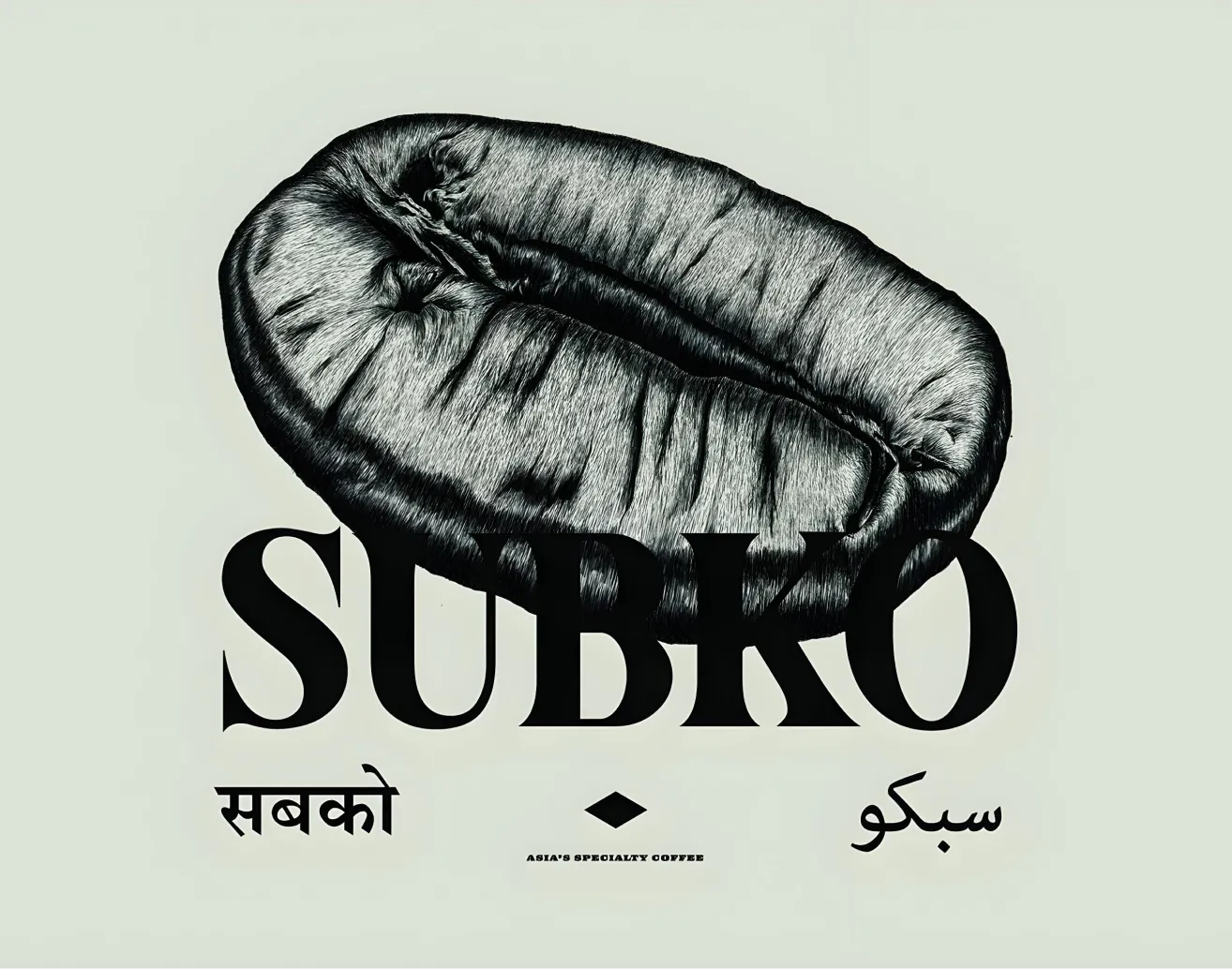
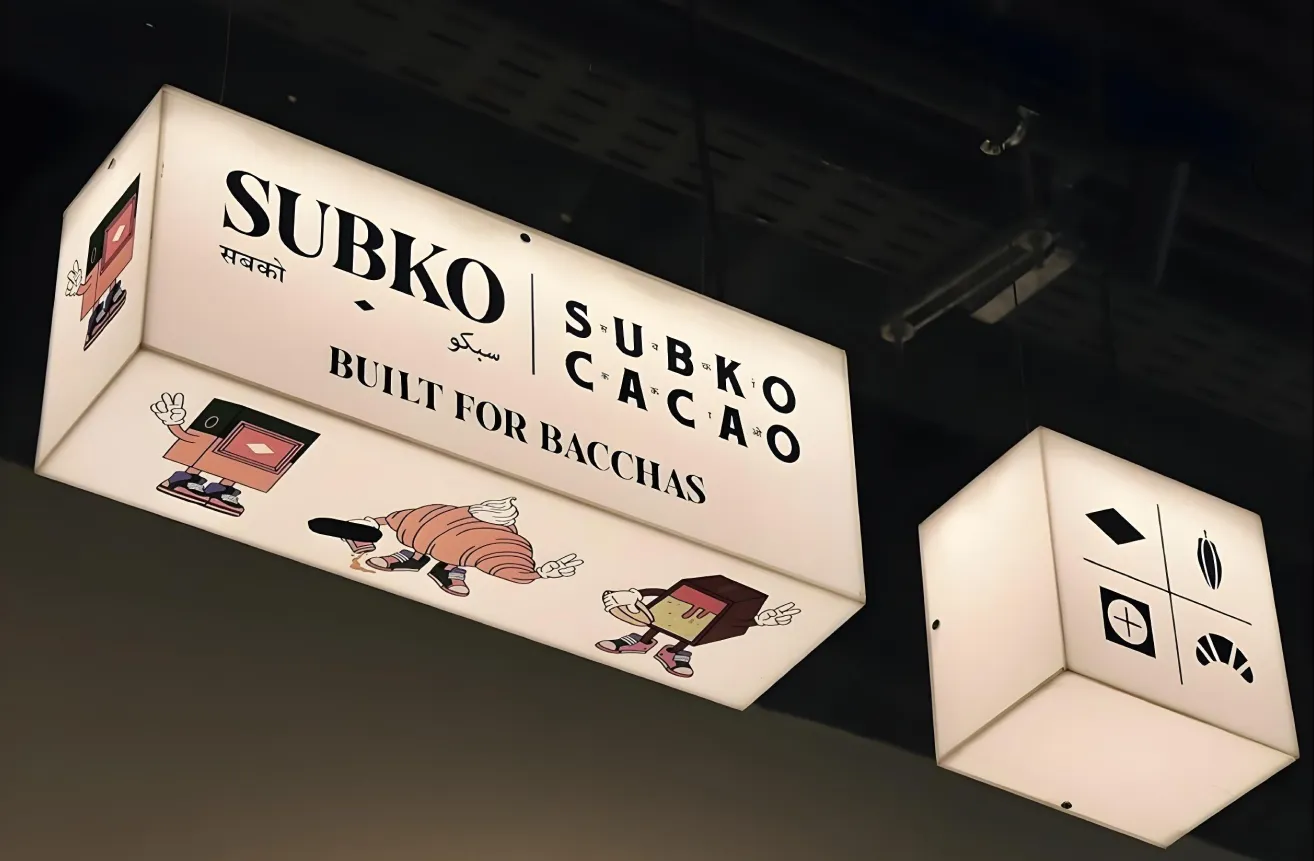
The name is a deliberate double meaning. 'Subko' is derived from the Hindustani word 'Sabko', meaning 'for everyone' or 'for all'. The U spelling replaces the A to reference the SUBcontinent, creating a portmanteau name that suggests from the subcontinent, for all. The brand is not claiming to be Indian. It is claiming to be subcontinental, representing India, Pakistan, Sri Lanka, Bangladesh and the full breadth of South Asian identity. This is a positioning no other coffee brand had staked out before.
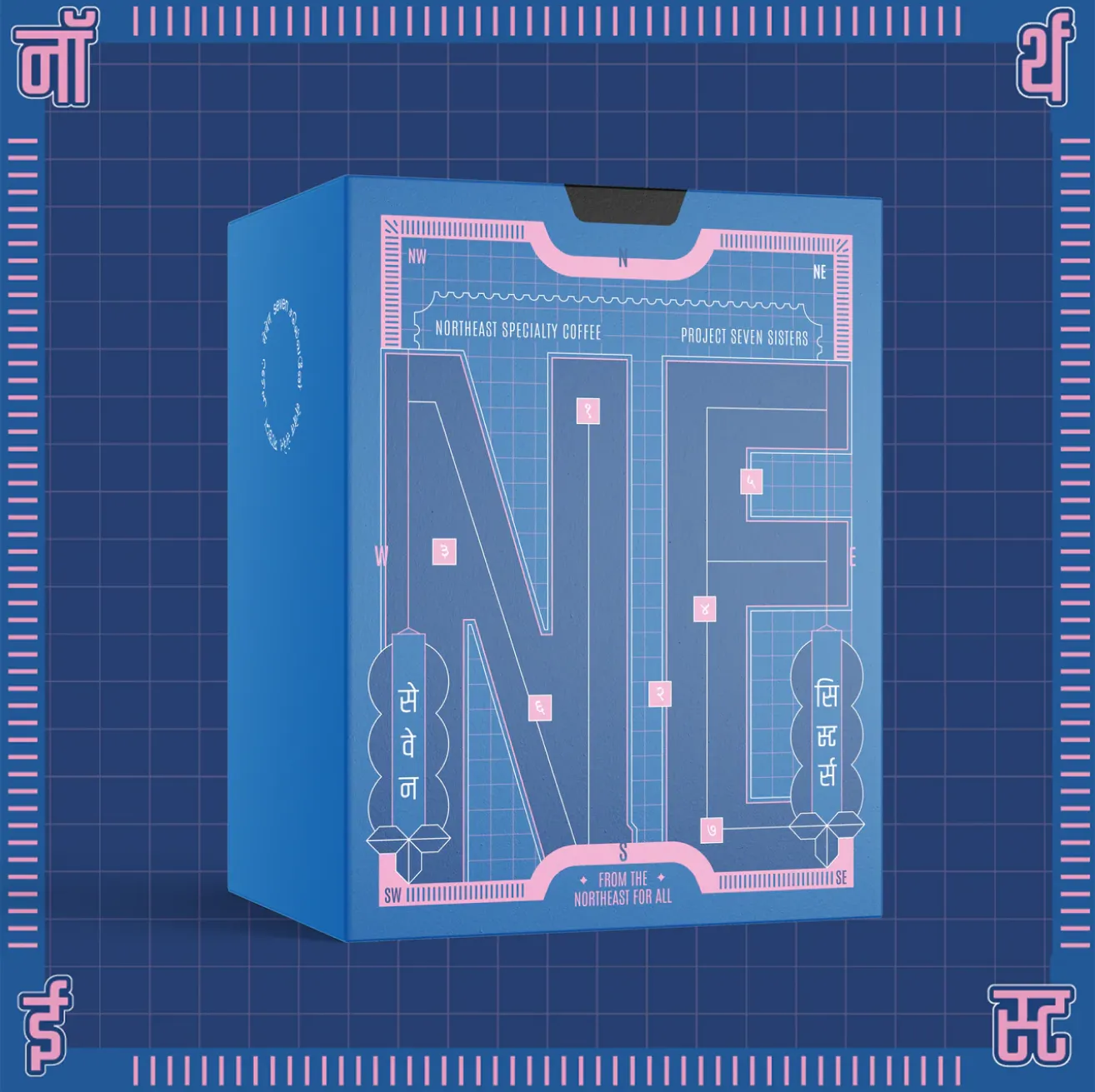
Designed in collaboration with Aniruddh Mehta of Studio BigFat, the visual identity draws on three scripts simultaneously: Latin (English), Devanagari (Hindi), and Urdu. Where space allows, additional scripts including Tamil, Malayalam, and Bengali appear, reinforcing subcontinental diversity rather than collapsing it into one singular 'Indian' identity. The logo itself was inspired by old Bollywood posters and their tradition of layering scripts together. Rather than choosing a reductive minimal aesthetic that mirrors Western specialty coffee brands, Subko went in the opposite direction of being maximally Indian, maximally diverse, and maximally confident.
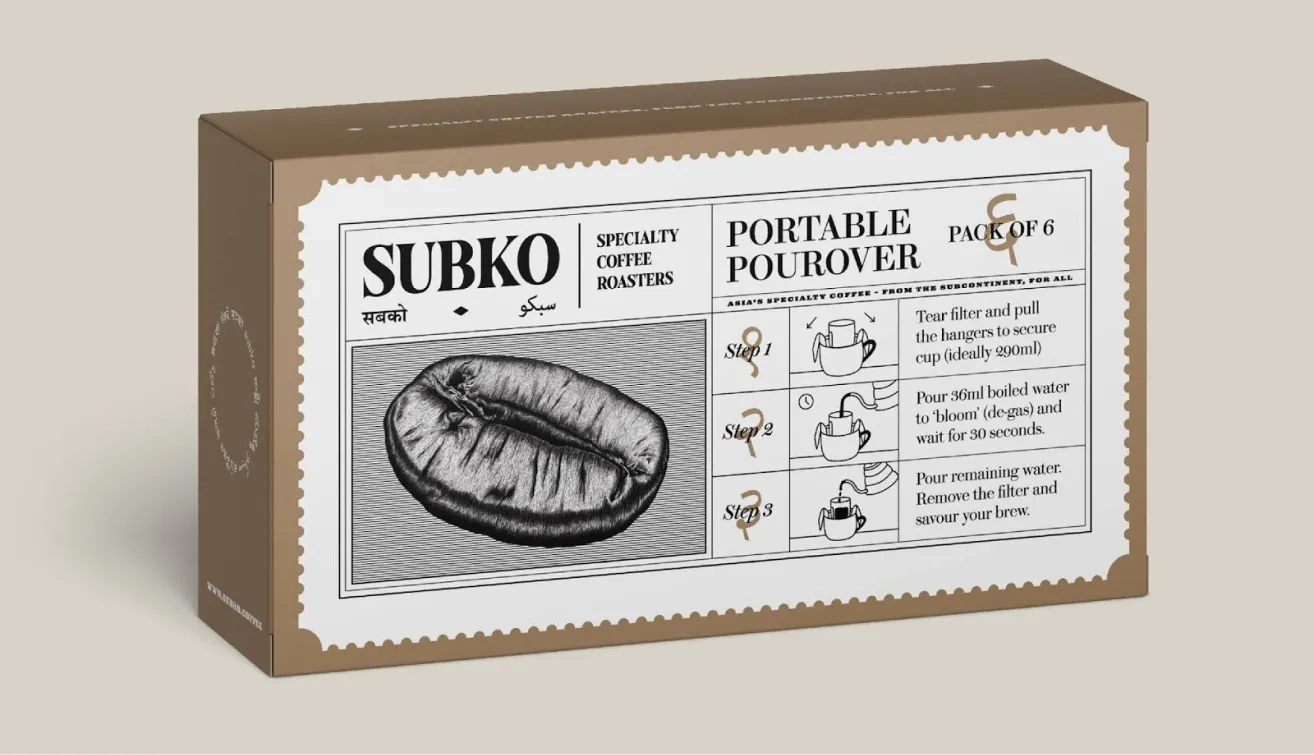
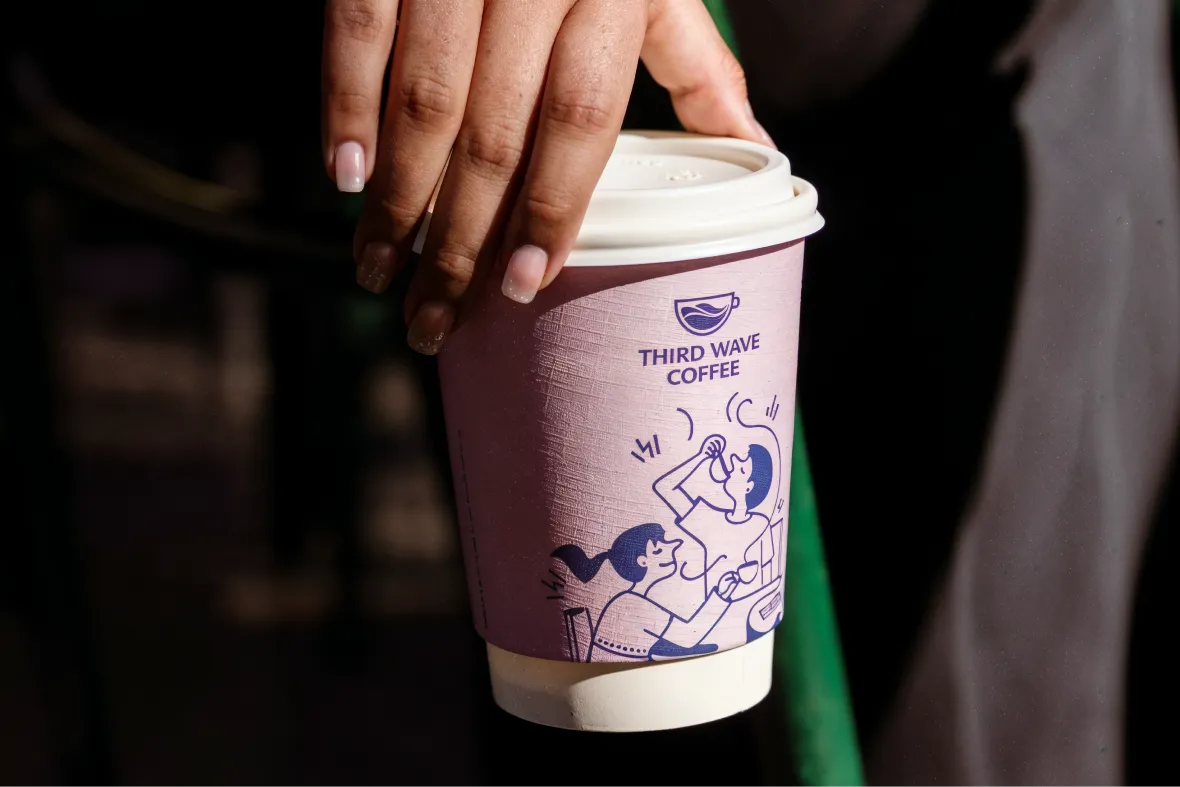
One tangible outcome of this design philosophy was the packaging format itself. Most specialty coffee is sold in brown gusseted bags. Subko chose a box. Tactile, differentiated, and giftable, the box elevated the product from a consumable to a collectible. This is the kind of packaging decision that communicates brand values without saying a word. By contrast, Blue Tokai and Third Wave Coffee, while excellent on product quality, still operate within a broadly Western-influenced design grammar. Subko is the first Indian specialty coffee brand to build an exportable cultural identity that clearly and proudly originates from the subcontinent.
Most F&B brands use Instagram as a product catalogue. Subko uses it as a cultural journal. The 'Nafrat, Mohabbat & Matcha' series on their Instagram page is one of the most strategically intelligent pieces of brand content produced by any Indian consumer brand in recent years. Rather than simply announcing their matcha range, Subko staged a cultural debate: Is matcha just a Gen Z trend? Is it cleaner than coffee? Is calling it 'grassy' lazy criticism? They gave both sides a voice. The result was content that felt cinematic and culturally relevant rather than promotional.
Their R&D series, named after founders Rahul and Daniel while also standing for Research & Development, pulls audiences into the brand's growth story. Whether documenting store openings in Delhi or showing the journey of their Dubai outlet from Mumbai Port to Jebel Ali, Subko shares the process brick by brick. Consumers do not feel marketed to. They feel included in a movement.
The effect of this approach compounds over time. Subko's audience does not just buy coffee. They believe in what the brand is building. In a market where competitors are spending heavily on influencer partnerships, Subko has built organic cultural capital that cannot be purchased.
One of the subtler but more powerful aspects of Subko's brand strategy is how it times its product launches. The brand does not launch products based on production calendars or seasonal promotions. It launches based on cultural relevance. The matcha launch was timed precisely as matcha was entering mainstream conversation in India's urban coffee culture, and rather than simply listing a new SKU, Subko built an entire cultural narrative around it.
The brand also deliberately avoids partnerships with major influencers. This is a considered strategic decision, not a budget constraint. Subko understands that Gen Z and millennial audiences, particularly the culturally literate urban segment they are targeting, have developed a sophisticated scepticism towards paid influencer content. Instead, Subko invests in:
This gives the brand's content a credibility that paid reach cannot replicate. People relate to people. People relate to real stories. Subko has understood this from the start.
If you’re looking for a guide to brew these speciality coffee and explore some unique recipes, check out Subko’s Bloom School.
.webp)
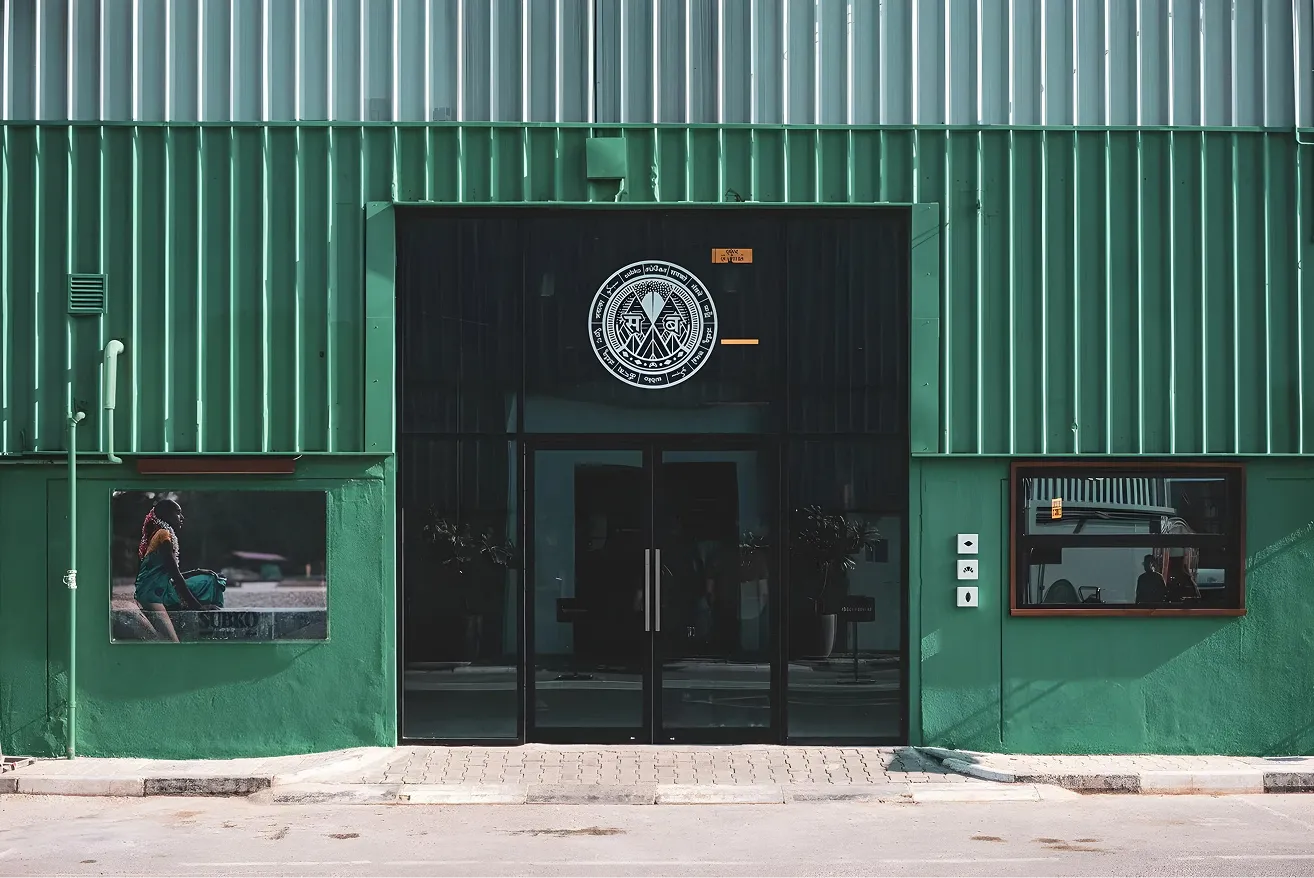
When Subko opened in Dubai, it did not simply transplant its Mumbai store to a new market. It executed one of the most thoughtful international brand entries Confetti has analysed. First, the location. Rather than choosing a high-footfall tourist destination or an airport terminal, Subko opened at Alserkal Avenue in Al Quoz, the cultural and creative district of Dubai. This is where art galleries, design studios, and the city's most discerning independent brands operate. It is the address that signals cultural seriousness, not commercial opportunism. The 5,000 square foot, two-level space known as The Craftery is as much an installation as a cafe.
Second, the UAE Instagram handle. Subko launched a dedicated UAE Instagram account rather than simply posting UAE content on the main feed. This signals a commitment to being genuinely ingrained in that market's culture, not just present in it.
Third, the experience design at the Dubai location goes further than any existing Subko outlet. It includes a custom Giesen coffee roaster, a cacao transformation atelier, an open hot kitchen, a Single Origin VR experience that connects flavour to geography, a 3D printing station, and a cupping and cacao tasting room. The second level, called Quoz Quarters, draws from South Asian homes and Bombay-era interiors adapted to Al Quoz. Every room unfolds gradually, encouraging visitors to linger.
This is how you enter a new market with cultural authority rather than mere commercial presence. No other Indian F&B brand entering the UAE has demonstrated this level of deliberate positioning.
Subko is not a coffee brand that also sells baked goods. It is a craft institution with three equally serious verticals.
The VLGE (Village Level Group Engagement) initiative is one of the brand's most distinctive sourcing programmes. Rather than working with individual estates, Subko brings growers within a single village into a collective, pooling harvests, knowledge, and resources. Farmers are paid transparently, agronomy support is shared across the group, and quality improvements benefit the entire community. The SV09, sourced from K. Tadiputtu Village in Andhra Pradesh, is a direct output of this model. This is not greenwashing. It is a vertically integrated supply chain that connects the cup directly to the community that grew it.
The pod-to-bar chocolate range follows the same philosophy, sourcing fine cacao from within the subcontinent rather than defaulting to Ghanaian or Ecuadorian origins. The bakehouse produces artisan bread and viennoiserie through micro-batch rustic baking. Every product category reinforces the same core brand promise: the Indian subcontinent, done to a world standard.
This multi-category depth also builds commercial resilience. A customer who comes in for coffee may leave with a mocha bar, a loaf of sourdough, and a bag of beans. The average transaction value and brand stickiness are structurally higher than a single-category competitor.
Despite the brand's exceptional momentum, there are a few areas worth watching as Subko scales.
Subko's power lies in its craft, its detail, and its intentionality. As it opens more outlets across Delhi, Hyderabad, Bangalore, and internationally, maintaining the same level of experiential quality across every touchpoint will be the central challenge. The Bangalore flagship craftery, its largest yet, is a promising signal that the brand intends to go deeper rather than thinner as it grows.

Subko is repositioning Indian coffee as a premium global category. This is a long-term narrative project that requires continuous investment in storytelling, education, and experiential design. The brand has already committed to this, but the return on that investment operates on a five to ten year horizon, not a quarterly one.
The brand's premium positioning is one of its core strengths. But as it scales, there will be commercial pressure to introduce more accessible price points or volume formats. Managing this tension, staying aspirational while growing the audience, is the most delicate balancing act Subko will face.
Subko has achieved something genuinely rare. It has built a brand that its audience believes in, not just buys from. Confetti sees three areas where the next phase of growth will be most interesting to watch.
Subko has already introduced merchandise and hosts cultural events. The next logical move is a fuller lifestyle ecosystem: branded homewares, collaborations with South Asian artists and designers, and limited edition seasonal releases that mirror the cultural calendar of the subcontinent. Each of these extends the brand's cultural footprint without diluting its core.
The Alserkal Avenue entry is the most thoughtfully executed international F&B launch Confetti has seen from an Indian brand. The question now is whether Subko can replicate this cultural rigour in the next markets, whether that is London, Singapore, or New York. The temptation in international expansion is to simplify the identity for new audiences. Subko's biggest asset is that it has never done this, and it should not start now.
The Bloom School brewing guides, the cacao tasting rooms, the VR origin experiences, all this isn’t merely content but an education infrastructure that creates customers who understand and value what Subko produces at a depth that competitors cannot easily replicate. Doubling down on this through digital learning content, in-store workshops, and the growing home brewing movement in India would create a community of deeply loyal advocates who evangelise the brand without being paid to do so.
Subko is the most complete brand story in Indian specialty coffee. It understands that culture compounds, that you cannot build a cultural institution through paid reach and seasonal campaigns. You build it through consistent creative conviction, authentic storytelling, and an unwillingness to simplify your identity for convenience.
From the naming logic to the tri-script typography, from the VLGE sourcing model to the Dubai market entry strategy, every decision Subko makes reflects a brand thinking on a ten-year horizon, not a quarterly one. There is no obvious gap to fix. The work ahead is about deepening the same cultural imprint as it scales, not changing direction.
If you are building a consumer brand and want to create the kind of cultural depth and design integrity that Subko has achieved, Confetti can help you build a brand that truly reflects your vision.
Want strategic branding and packaging like this for your business?





.webp)
.webp)

.webp)
.webp)
.webp)
.webp)
.webp)







.svg)
.webp)




.svg)
.svg)





















































































.webp)








.webp)



.svg)