%201.webp)
02
AI Snaps
.svg)
.svg)
01
Our Work
03
About Us
04
Brand Audit
05
Contact Us
06
Client Success
12
07
Blogs
08
Careers
Book A Call
.svg)



.svg)
Need Help In Building Your Brand?
Click the button below & book a call with our founder directly.

Rishabh Jain
Managing Director
Apparel packaging design trends fall into two broad categories right now. One led by aesthetics and others driven by regulation.
This Confetti guide covers key packaging design trends in apparel, with real brand examples to show how they’re being used. We’ll also help you choose the right trend for your brand.
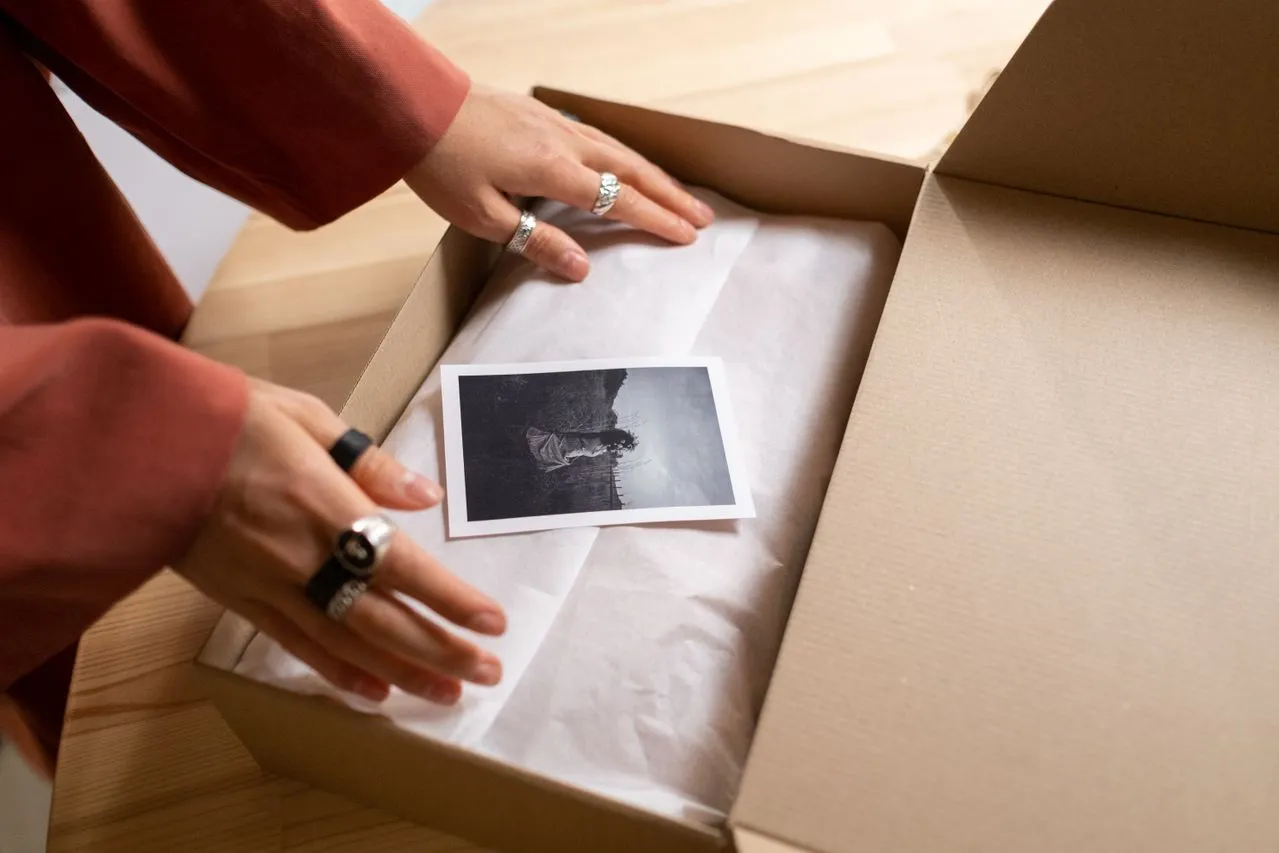
Apparel packaging has a wider range of formats than most product categories.
A candle company may have a handful of vessel sizes. A skincare brand ships the same bottle every time.
A clothing brand might ship a t-shirt one day, a denim jacket the next, and a multi-item order of six different garments the day after.
So, a single brand may use poly mailers for everyday orders, boxes for premium collections, garment bags for formalwear, and a tag and label system across every SKU.
Size variation, weight range, and product fragility all shift from order to order in ways that other categories simply don't face.
Each of those formats carries different cost structures, different material considerations, and in many cases different regulatory exposure depending on where the brand sells.
This means that the apparel brands must make packaging decisions that balance cost, protection, and brand presentation across an unpredictable product mix, challenges that other categories rarely encounter.
So, as a brand you should be building a system that works across different garments, order sizes, shipping conditions, and sales channels.
This is the reason why general packaging design trends that could apply to food, cosmetics, and electronics, are not really applicable for a clothing brand
These are some of the trends that we are emerging and popular in the clothing world:

Sustainability in apparel packaging is now a compliance and design issue, especially for brands selling into the EU.
The EU Packaging and Packaging Waste Regulation (PPWR), Regulation (EU) 2025/40, is now applicable (starting 12 August 2026).
If you are selling into the EU, you must fulfil requirements related to packaging recyclability, plastic recycled content, packaging reduction, and producer-responsibility obligations.
Your poly mailers, garment bags, shoe boxes, protective packaging, and e-commerce shipping packs need to be assessed for material composition, recyclability, sizing, and applicable registration requirements.
🛍️Best for
These requirements are meant for fashion, footwear, accessories, basics, luxury apparel, and D2C clothing brands selling packaged products into EU markets. The exact obligations depend on the packaging format, destination country, and how the product is placed on the market.
👉Example
Mango's paper-based Vela bag is an apparel packaging example where plastic garment bags were replaced with a recyclable paper alternative designed to work with existing distribution processes. It shows how apparel packaging is moving toward: lower plastic use without ignoring manufacturing and fulfilment requirements.
➡️Takeaway
Audit your apparel packaging SKUs by material, weight, format, supplier, recyclability, recycled content, and market. Redesign mailers and boxes to fit actual garment dimensions, collect EPR data for each EU market, and retain evidence for all environmental claims.
This trend fuses old-school familiarity and nostalgic packaging design with new-age execution. The trend is defined by:
Material storytelling with vintage-inspired materials like kraft paper with visible fibre texture, mild yellowing on uncoated paper, tactile finishes that feel handcrafted.
Print techniques like letterpress printing creates unique ink depression and slight unevenness, ideal for retro typography. Matte foil stamping, spot UV, and embossing add tactile depth.
Colour and typography such as old, saturated colours paired with vintage-inspired typography. Something like Kodak's iconic yellow-and-red palette, 1980s neon, or 1970s earthy tones.
🛍️Best for
Streetwear, streetwear-influenced D2C, and retro-themed capsule collections. It also works well for brands with strong heritage narratives or those targeting consumers who value nostalgia and authenticity.
👉Examples
H&M x Kodak Nostalgia Collection used the iconic yellow-and-red Kodak branding as the primary design inspiration. The capsule included hoodies, caps, and jackets where Kodak's film packaging and logo design were applied directly to the garments.
Duke of London launched a limited-edition collection of T-shirts packaged individually in 99 × 180mm ring-pull cans — a retro-inspired format that combines nostalgia with contemporary streetwear.
HOMAGE x Topps throwback collection combined Topps' wax pack design history with HOMAGE's retro-themed sports apparel. Hoodies and T-shirts were inspired by the 1981 Topps logo.
➡️Takeaway
Retro-futurism works when the nostalgia is authentic. Brands adapting this trend should adapt vintage references as a design language instead of decoration.
Around two‑thirds of consumers say packaging features, including personalisation, drive repeat purchases, with the effect even stronger among Gen Z. Brands that personalize packaging report materially higher loyalty and repurchase intent.
Variable data printing (VDP) allows your every single package to carry unique content, different names, QR codes, regional designs, or even entirely different artwork, within a single print run. This is mass customisation at scale, sometimes aided by the use of AI in packaging.
Drop culture takes personalization even further. Limited releases make packaging part of the experience. Numbered pouches, boxes, and local artwork can make packaging feel collectible.
🛍️Best for
Streetwear brands, limited-edition drops, D2C labels with strong community focus, and brands targeting Gen Z consumers who value exclusivity and personal connection.
👉Examples
Brands now release smaller, more frequent collections rather than seasonal ranges. Packaging for these drops is often serialised or region-specific, creating urgency and exclusivity.
Heron Preston x HP limited-edition sustainable fashion packaging line using HP Indigo printing. Each compostable pouch features Preston's artwork and is serialised using variable data printing. Every pouch is individually numbered, turning packaging into a collectible.
➡️Takeaway
Variable data turns packaging from a cost into a tool for personalisation. It’s now affordable even for startups, which allows brands to make each package feel personal rather than mass-produced.
As AI-generated perfection is flooding our feeds, a counter-movement is gaining traction.
Clothing brands are choosing imperfection on purpose as a signal of authenticity. Uneven cuts, jittery outlines, unpolished handwriting, torn paper edges, and slightly misaligned stickers now signal that a real person made this, a visible authorship.
Imperfection becomes a marker of effort, time, and human labour. These aesthetics are gaining popularity as consumers look for authenticity and personality.
Some of the ways it can be done is:
🛍️Best for
Slow fashion brands, artisanal labels, indie designers, and brands built around craft and provenance. It works especially well for streetwear and digital-first brands looking for a more personal, less polished feel.
👉 Examples
Salt & Pine Co. uses custom rubber stamps to mark packaging with their logo, leaning into natural, earth-toned, "handmade quality" branding rather than pre-printed boxes.
Anthem uses off-white, plant-based biodegradable mailing bags to reflect their laid-back, sustainable "chill vibes" identity, the material itself feels handmade rather than industrial.
➡️Takeaway
In a crowded automated marketplace, the evidence that a person made something and left the marks in place can become an asset. Don't fake imperfection, rather build it into your branding process from the start.
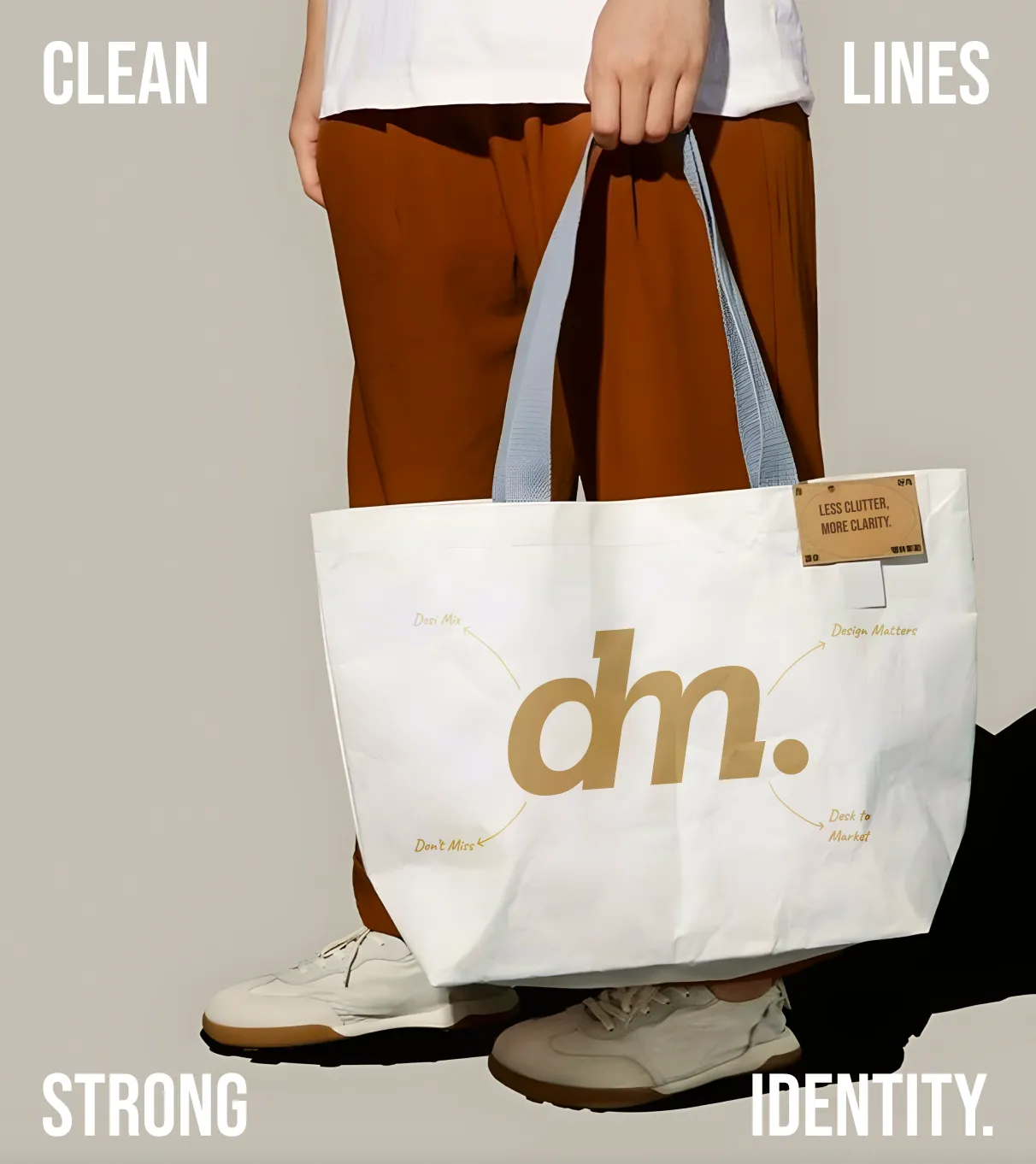
Minimalist packaging design in clothing brands is defined by intentional restraint. Logos are smaller, layouts breathe, and the "wow" factor comes from how the package feels in the hand.
Minimalist packaging design in clothing can mean:
🛍️Best for
D2C apparel brands, slow fashion labels, premium basics, and brands targeting environmentally conscious consumers. It is especially effective for brands selling into the EU, where recyclability requirements are tightening
👉Examples
Everlane built its entire brand identity around transparency and sustainability, minimalism and the same instinct extends into packaging. Everlane has worked to eliminate virgin plastic from its shipping materials, moving toward recycled plastic for shipping bags and FSC-certified paper for its packaging more broadly.
Arisa Atelier has a modular box structure paired with a distinctive geometric pattern. This creates a strong visual signature that feels contemporary across variants. Minimal typography and considered spacing keep focus on form, pattern, and material quality.
Desi Minimals' identity is built entirely around restraint, "less noise, more you," presence over performance. This is exactly what we translated into its packaging design, logo and tag system.
➡️Takeway
Your clothing brand packaging choices should reinforce the same story the brand tells everywhere else, minimalism as a value. A brand that talks about simplicity in its marketing while shipping in an elaborately layered box is working against itself.
Ditching the beige minimalism and quiet luxury, a visual rebellion is slowly showing up.
This kind of packaging trend favours clashing colors, oversized type, and collage visuals built to give shoppers a literal dopamine hit.
The 2026 Envato Creativity Trend Report highlights Chaos Packaging as a standout trend, where collages, unusual typography, and striking color combinations differentiate brands on shelves.
Inspired by "dopamine dressing" wearing bright colors to boost mood, Dopamine Color Blocking applies high-saturation shades like electric purple, fluorescent green, and bright orange in unexpected combinations.
Chaos packaging is an experiment in consumer psychology, it can increase attention and recall, though borrowing codes from categories too far removed can raise perceived risk.
🛍️Best for
Streetwear brands, Gen Z-focused D2C labels, limited-edition drops, and brands targeting consumers who value self-expression and emotional connection.
👉Examples
Luxury houses like Hermès, Diesel, Loewe, and Jacquemus have experimented with chaotic energy in recent holiday campaigns. They focus on playful surrealism and childlike world-building
➡️Takeway
Chaos packaging works when the visual disruption is done with a defined strategy. Brands must use the strategic imperfection and bold colour for vying for attention.

The circular packaging market for fashion and apparel is growing at 12.3% CAGR through 2034
The trend is defined by packaging designed to be returned, cleaned, and reused multiple times.
It also includes packaging that transforms into something useful like a garment bag that becomes a laundry bag, a box that becomes a storage container, a pouch that becomes a travel accessory.
Reusable packaging reduces single-use waste while giving a brand's packaging a longer relationship with the customer than a single unboxing moment can offer.
🛍️Best for
D2C apparel brands with high repeat purchase rates, subscription boxes, premium labels, and brands targeting environmentally conscious consumers. It's particularly effective for brands where the packaging can serve a secondary function like storage, travel, or organisation.
👉Examples
Toast partnered X Kvatt piloted with reusable mailing bags designed to be reused up to 10 times. Customers pay a £3.99 fee covering the full lifecycle: reverse logistics, cleaning, data tracking, and carbon reporting. Within hours of launch, five customers had already opted in.
PACT Apparel sustainable underwear brand packages items in reusable cloth bags made from fabric scraps, shipped with compostable bags and address labels.
Calida, the Swiss underwear manufacturer developed a multifunctional bag made from recycled PET. A single 0.5 litre PET bottle produces one laundry bag.
➡️Takeway
Reusable packaging turns a cost centre into a customer retention tool. Packaging must be treated as part of the product experience, not just a delivery mechanism.
Apparel packaging is becoming a physical entry point to digital product information. A QR code, NFC tag, or other digital identifier can connect a garment to care instructions, sourcing information, certifications, styling content, or product registration.
A code leading to specific, useful product information can extend the role of the package long after delivery.
For an apparel brand, the most useful applications are:
This approach also prepares brands for the EU's growing product-data requirements.
When developing hang tags, care labels, or packaging inserts, define the digital destination before finalising the artwork. Decide what information will be attached to each SKU, who owns the data, how often it needs updating, and whether the QR code remains accessible after the hang tag is removed.
The best digital packaging experience gives the customer useful information while creating a product-data structure the brand can build on as traceability and DPP requirements develop.
🛍️Best for
D2C apparel brands, premium labels, brands targeting Gen Z, and any brand selling into the EU where DPP compliance is now mandatory.
👉Examples
New York luxury brand Another Tomorrow joined the Aura Blockchain Consortium and rolled out a next‑generation Digital Product Passport (DPP) across its Winter/Spring 2026 collection
➡️Takeway
Digital-first packaging is becoming a compliance baseline for EU exports and a competitive differentiator everywhere else. Treat every package as the start of a digital relationship, not the end of a transaction.
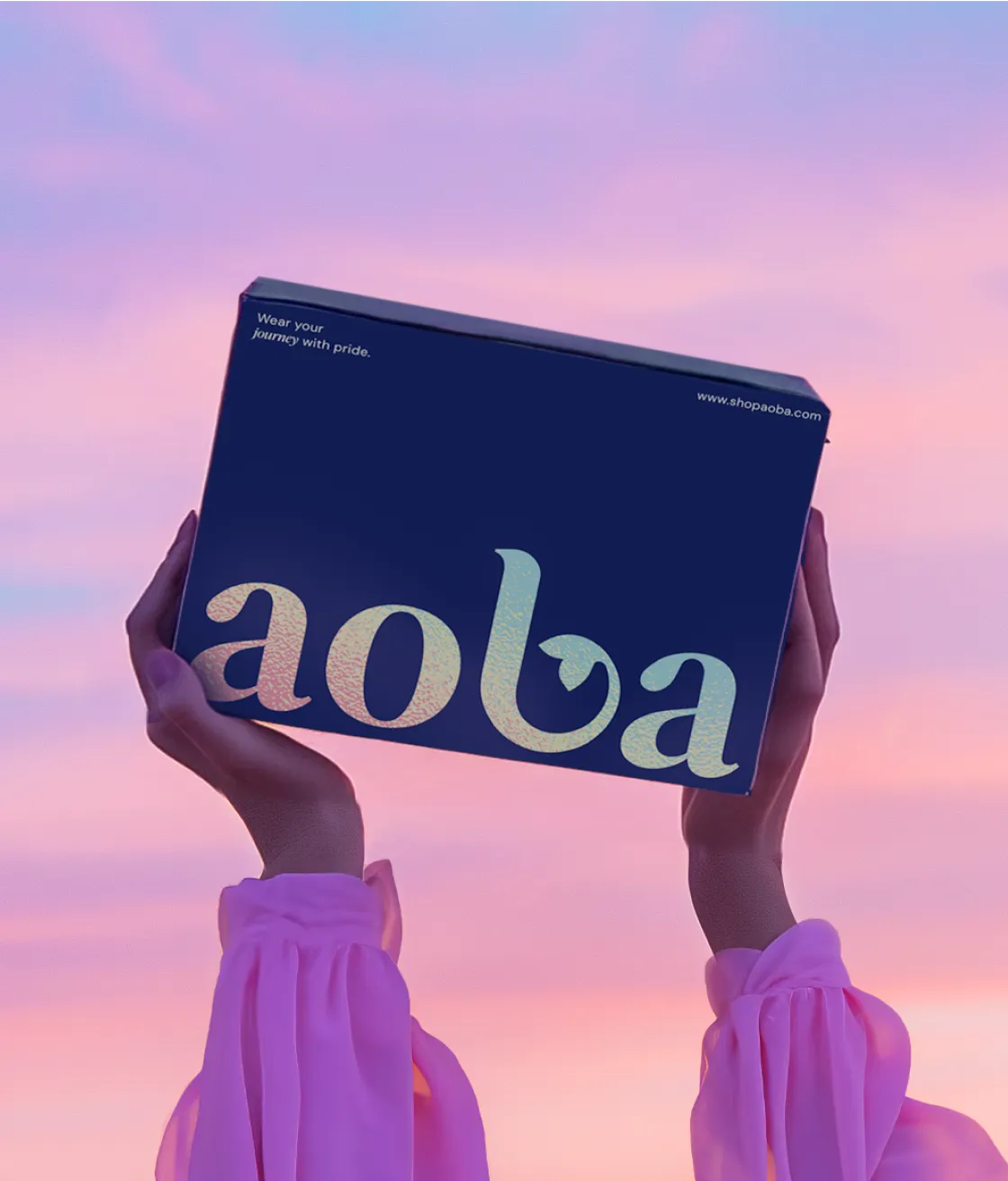
This trend bridges futuristic industrialism with hyper-tactile luxury. Brands achieve these effects using specialized substrates (Met-PET, hot-foil stamping, liquid metallic inks) and direct metal fabrication.
Polished steel, chrome finishes, and cool greys are being used by clothing brands that want to signal durability, precision, and modern luxury.
The trend moves toward tactile engagement with raw metals like aluminum and stainless steel, often combined with bold geometric designs and sharp angles.
The trend can be visible in:
Unlike gold or rose gold, which signal heritage and warmth, steel, holographic and chrome signal innovation and precision making them quite effective for brands positioned as modern, technical, or forward-thinking.
🛍️Best for
Tech-infused apparel brands, premium sportswear, minimalist streetwear, limited-edition drops, and brands where durability and precision are core to the brand positioning.
👉Examples
Gucci uses debossing paired with metallic foil stamping so the logo is set apart and demands attention, elegantly combined with sustainably sourced, beet-dyed FSC-certified paper — proof that metallic finishing can be layered onto an otherwise sustainable base rather than replacing it entirely.
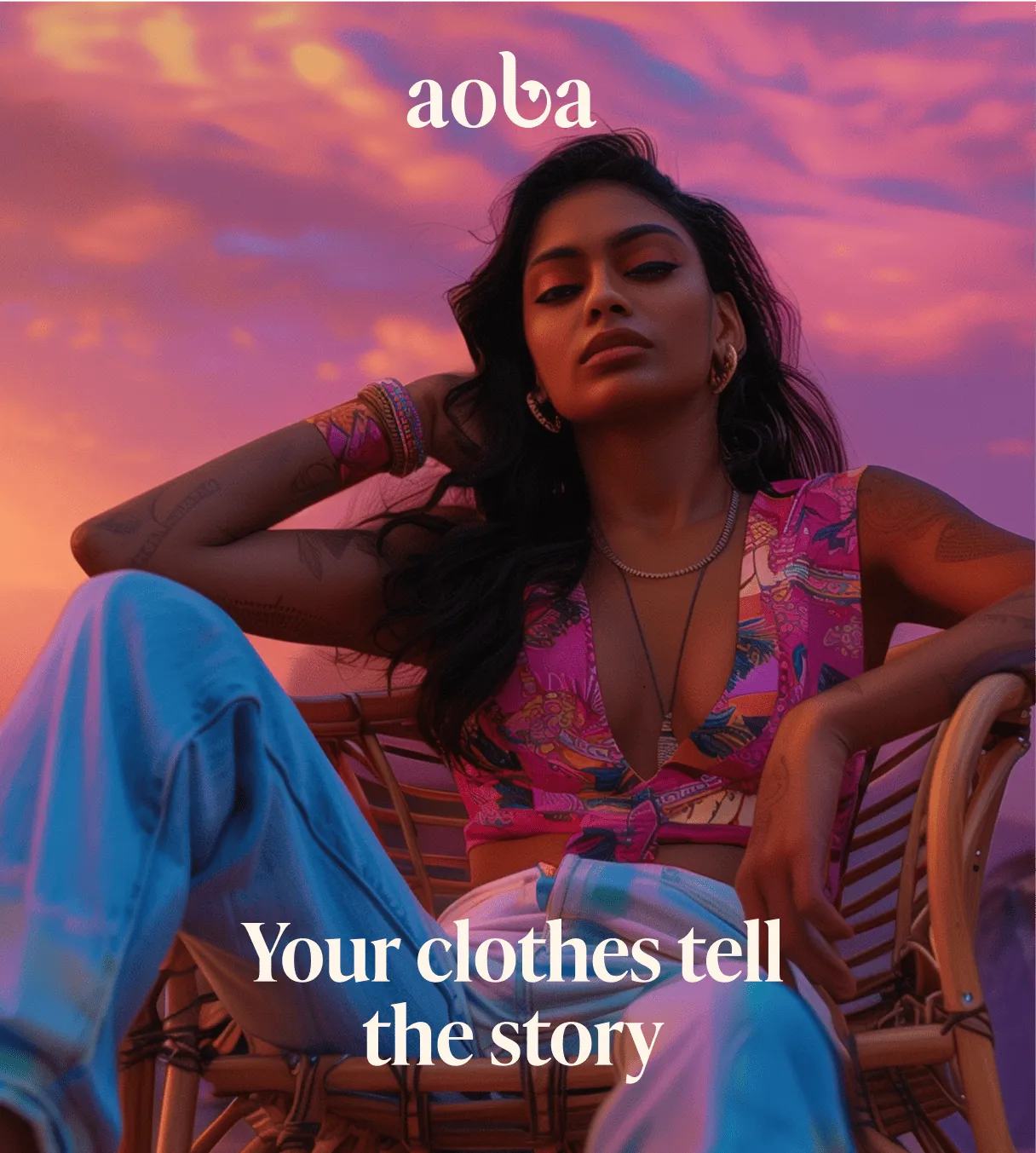
For AOBA (formerly Erotissch) Confetti Design Studio rebranded, a tropical-inspired resort and beachwear label, through full brand immersion, naming, and visual identity work with a unique holographic packaging design aligned with its tagline - Live Boldly.
Rimowa x Supreme / Off-White Apparel Drops high-end capsule apparel drops (like limited hoodies or tees) utilize reusable brushed-aluminum containers or tinplate steel cases featuring debossed logos, directly referencing heavy luggage construction.
➡️Takeway
Pure Steel works when the finish is precise and intentional. Use it when your brand positioning demands cold precision over warm tradition.
Of every clothing packaging design format covered in this guide, the poly mailer gets the least design attention relative to how many customers actually encounter it.
Polymailers are witnessing a change, and there’s been a shift towards sustainability and brand expression.
Recycled kraft, PCR LDPE, and compostable PBAT mailers are gaining traction as alternatives to virgin plastic. New designs, such as TemperPack’s recyclable padded mailer, improve durability and packing efficiency.
At the same time, coloured poly mailers are becoming a branding tool, creating memorable unboxing experiences while remaining lightweight. E-commerce operators are also prioritising formats that reduce void fill, support automated sorting, and simplify last-mile handling.
🛍️Best for
E-commerce apparel brands, D2C labels, subscription boxes, and any brand shipping soft goods where shipping costs are a significant line item.
👉Examples
Mango x Seaman Paper eliminated over 76.7 million single-use plastic bags by switching to Vela paper-based mailers
Recycled kraft paper mailers used for lighter apparel like T-shirts, offer a great low-plastic alternative to poly
Coloured poly mailers enable brands to create a distinct package appearance while preserving low-profile, lightweight format
➡️Takeway
The poly mailer can be used as a sustainability and branding tool by using material innovation and colour.
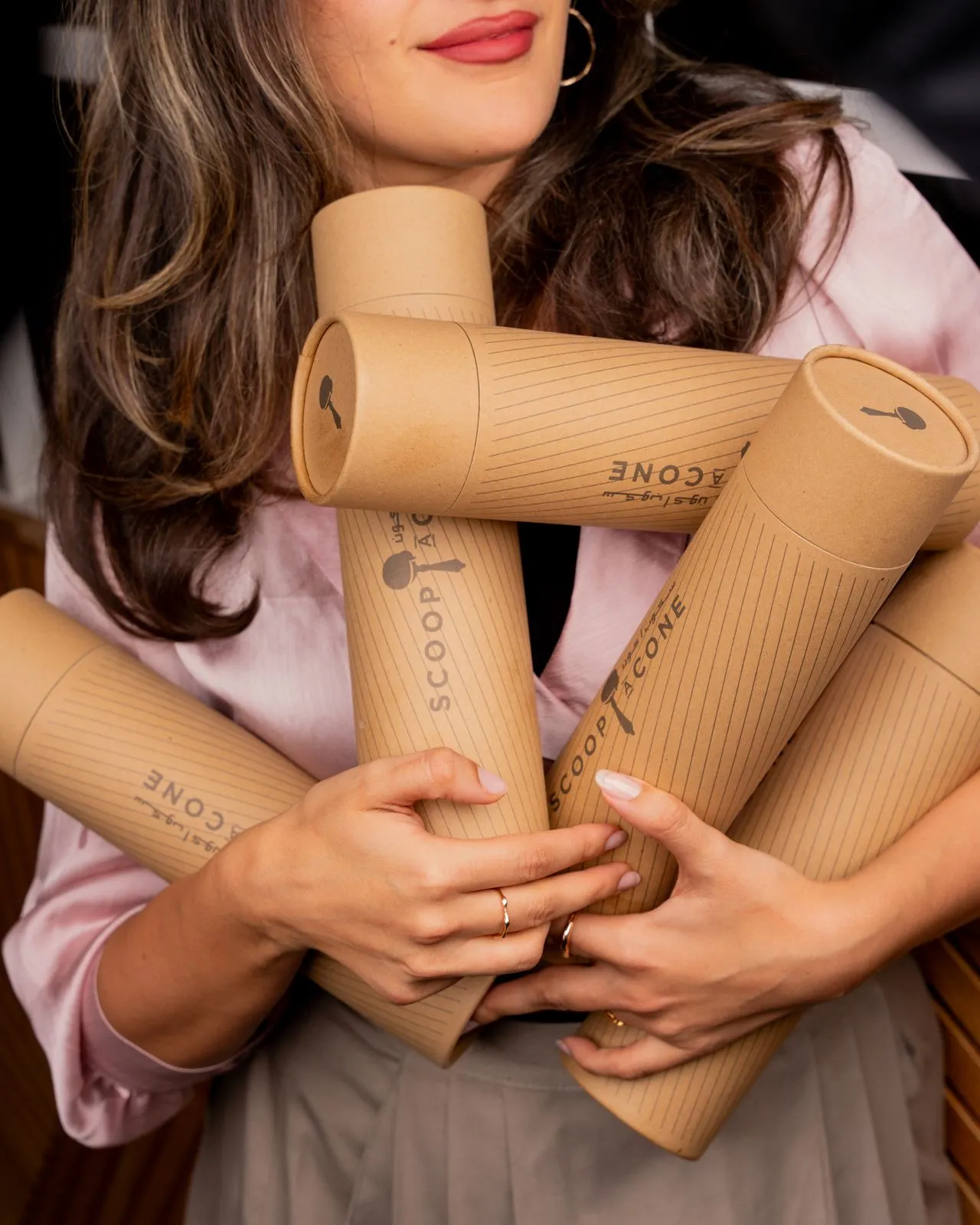
Innovations in apparel packaging are transforming containers from disposable wraps into extensions of the product experience, return solutions, and practical tools.
It also aims at eliminating waste while enhancing function. Some of the ways it has been used in packaging design includes:
🛍️Best for
Apparel brands shipping shirts, suits, and structured garments; D2C brands looking to reduce shipping costs; sustainable labels; and any brand where the unboxing experience drives social sharing.
👉Examples
Vollebak menswear brand crafts rigid shipping boxes designed with internal folding locks that convert directly into heavy-duty garment hangers or permanent storage cases, eliminating the need to discard outer packaging.
Ganni & Arket utilize heavy-duty, woven polypropylene mailers engineered for 20+ shipping cycles. The mailer folds into a prepaid envelope size so consumers can drop it into any standard mailbox to return to the pool.
LÜJI pioneered a quadruple protection system with FSC-certified wax paper, plant fibre desiccants, and natural mustard extract anti-mold chips, merging the shipping carton and gift box into a single, self-locking entity with reversible structure for returns
Finisterre, the cold-water surf brand replaced standard polyethylene polybags with hot-water soluble PVA (polyvinyl alcohol) garment sleeves.
➡️Takeaway
The structural innovations in clothing packaging solve three problems: reduce material waste, lower shipping costs, and enhance the unboxing experience.
Trends are useful when they solve a real problem.
At Confetti, we evaluate apparel packaging trends against these four questions:
Does it fit the brand? Does it improve the customer experience? Does it work at the required volume and price point? Can it meet the relevant market and compliance requirements?
✅Strategy Before Materials
We begin by understanding the brand, customer, product range, sales channels, and your competitive position before choosing packaging materials or formats.
For AOBA, the challenge was not simply to create attractive packaging. The brand needed to make resort wear feel relevant and aspirational for its Indian audience. That positioning informed the visual direction and the packaging experience.
For Desi Minimals, the opportunity was different. The brand's restrained, laid-back positioning called for packaging that felt calm and considered rather than heavily decorated. The result extended the identity across the packaging system without adding unnecessary visual or material complexity.
✅One System, Not Separate Components
A shipping mailer, box, tissue, insert, hang tag, and label should work together. We establish shared rules for typography, colour, graphics, materials, and finishes so that the customer experiences one brand rather than a collection of unrelated packaging pieces.
This also makes the system easier to scale across SKUs, collections, fulfilment formats, and future campaigns.
✅Trends With a Clear Commercial Role
We treat trends as tools, not requirements.
For a D2C brand, digital integration may make sense when a QR code provides useful care, sourcing, or product information. For a premium brand, a refined material or structural detail may justify the additional cost.
For a high-volume basics range, reducing packaging volume, weight, and assembly time may create more value than adding premium finishes.
✅Designing the Journey
We consider the complete experience, from the shipping exterior to the garment itself:
Shipping → Opening → Product reveal → Information → Wear → Return, reuse, or disposal
Each component should have a reason to exist and a role in the brand experience.
For apparel packaging, we focus on packaging design that is trend-aware, commercially practical, and built around the brand rather than the trend.
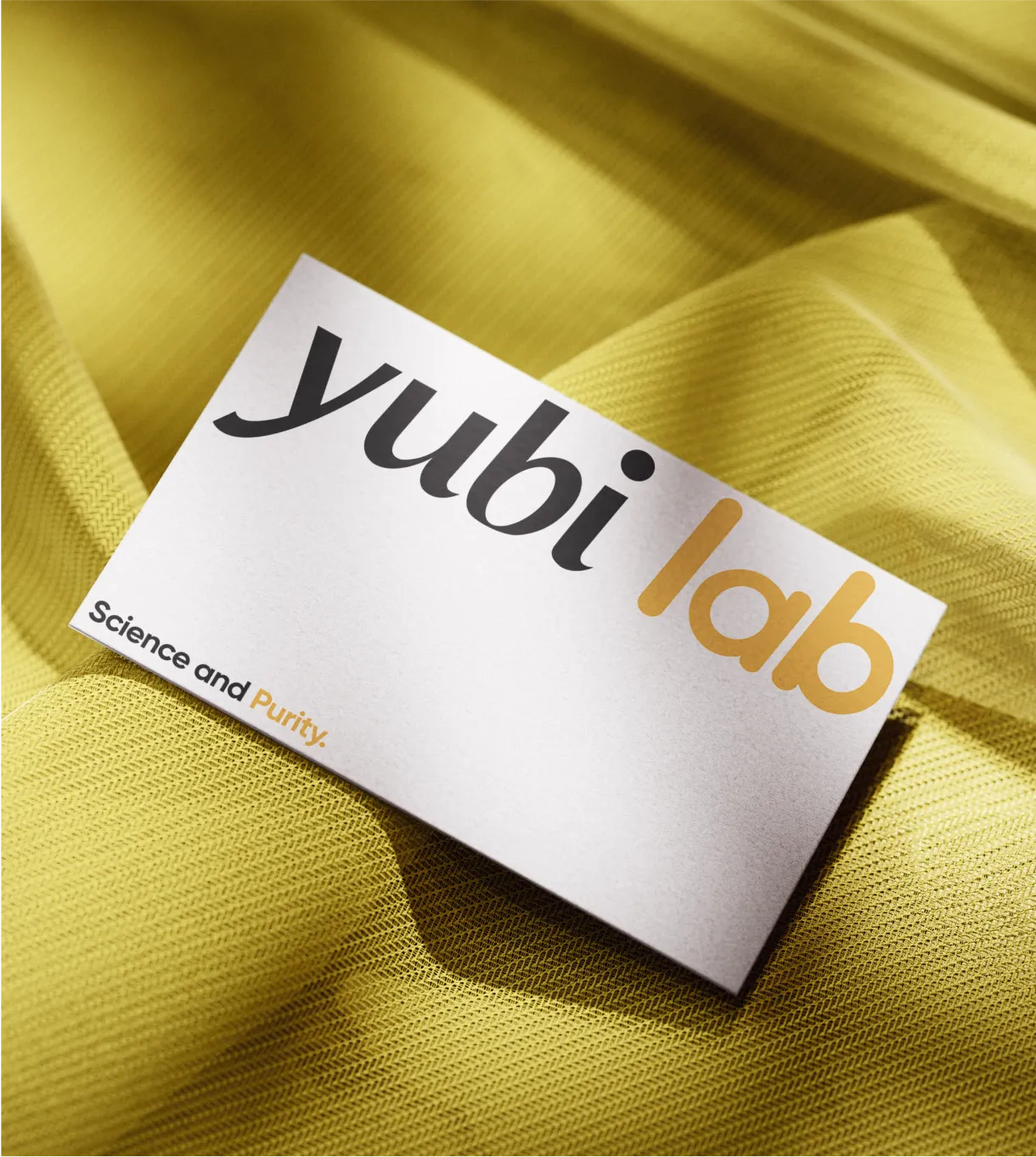
Not every packaging trend belongs in your apparel brand's system. Choose the trend only if it matches your brand positioning, product type, price point, order volume, sales channel, and regulatory exposure.
A luxury label does not become more premium by adding every tactile finish available. A high-volume basics brand may destroy its margins by giving every T-shirt an elaborate box.
Packaging should solve a business or customer problem first.
Different apparel products justify different levels of packaging investment.
Everyday basics such as T-shirts, innerwear, and loungewear are high-volume purchases, so lightweight mailers, efficient folding, reduced materials, and easy returns make more commercial sense.
Premium or occasion-led products such as outerwear, formalwear, bridal pieces, or limited collections have more room for structured packaging, tactile materials, reusable components, or a more layered unboxing experience.
The same principle can apply within one brand. Patagonia, for example, created a distinctive hexagonal package specifically for its baselayer range. The structure used post-consumer waste corrugate, shipped flat, and avoided glue during assembly.
The packaging was developed around that product's retail and logistics requirements rather than imposing the same format across the entire catalogue.
Before adopting a packaging trend, check:
Does it fit the brand?
Minimal, restrained packaging may suit a quiet luxury or understated fashion brand. Bold graphics, collectible packaging, or limited-edition treatments may make more sense for streetwear and drop-led brands.
Does it improve the customer experience?
A reusable garment bag has a clear purpose if customers can actually use it again. A QR code is useful when it leads to specific care, sourcing, styling, or product information. A decorative feature with no practical or brand value has no justification.
Does the economics work at your volume?
Calculate the complete cost per shipment, including material, printing, assembly, storage, fulfilment, and returns. A premium finish that works for a premium garment may be difficult to justify on a low cost product.
Does it work across your sales channel?
A packaging concept designed for a boutique may fail in e-commerce fulfilment. Mailers, boxes, inserts, and labels need to survive handling, shipping, storage, and returns without losing the intended brand experience.
Does it support your compliance and sustainability goals?
Evaluate material composition, recyclability, recycled content, packaging volume, and market-specific requirements before approving a new format. Sustainability should be assessed through the finished system, not simply the material's marketing label.
Luxury and premium: Prioritise restrained design, high-quality materials, tactile finishes, traceability, and reusable packaging where it has a genuine use.
Streetwear: Consider limited-edition structures, collaborations, bold graphics, variable designs, and packaging with collectible or second-life value.
D2C brands: Prioritise efficient mailers, strong unboxing sequences, easy returns, digital integration, and packaging that works at fulfilment scale.
Sustainable brands: Focus first on material reduction, efficient formats, recyclable or appropriately certified materials, and credible environmental communication.
Mass-market apparel: Prioritise cost per shipment, lightweighting, durability, efficient storage, and scalable material choices.
Identify two or three trends that solve real problems for your customer and business, then build them into a coherent system. That produces packaging that feels intentional, not led bu trends alone.
What are the biggest apparel packaging trends right now?
The most important and mandatory is EU PPWR compliance for any brand selling into Europe. Along with that tactile minimalist, mono-material packaging, reusable formats, digital-first unboxing, chaotic design and redesigned e-commerce packaging are some important trends.
What's the difference between a packaging trend and a packaging regulation?
A trend is an evolving preference brands can adopt selectively based on fit and budget. A regulation, like PPWR, is a binding legal requirement with fixed deadlines and penalties for non-compliance.
Should every product in my line get the same packaging treatment?
Not necessarily. High-frequency, lower-price basics generally don't justify elaborate packaging investment, while lower-frequency, higher-price or occasion pieces often do.
How do I know which packaging trends are worth adopting for my brand?
Check three things: whether the trend solves a real problem for your specific customer, whether it aligns with regulatory requirements in your key markets, and whether the cost scales sensibly against your actual order volume. Trends that pass all three are worth pursuing, others can wait.
Want strategic branding and packaging like this for your business?





.webp)
.webp)

.webp)
.webp)
.webp)
.webp)
.webp)







.svg)
.webp)