%201.webp)
02
AI Snaps
.svg)
.svg)
01
Our Work
03
About Us
04
Brand Audit
05
Contact Us
06
Client Success
12
07
Blogs
08
Careers
Book A Call
.svg)



.svg)
Need Help In Building Your Brand?
Click the button below & book a call with our founder directly.

Rishabh Jain
Managing Director
Premium food brand positioning is the process of making a higher price feel justified before a customer reads a single word on your pack.
This guide covers what actually goes into a defensible premium food position, the pillars behind it, the pricing logic, the specific mistakes that undo months of positioning work and real brand examples that are doing exceptionally well.
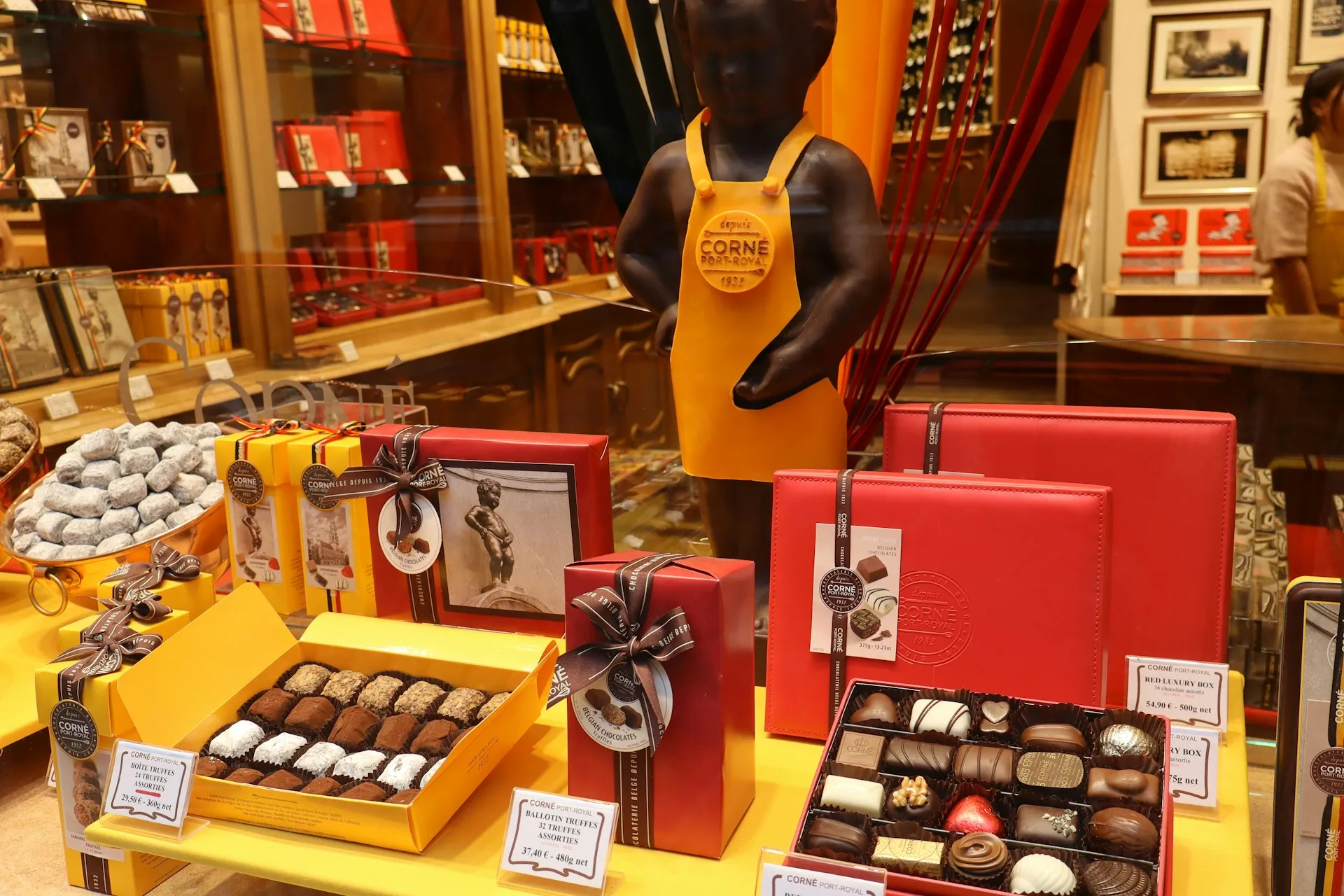
A premium food brand is one where the price sits meaningfully above the category norm, and where that gap is backed by specific, checkable claims a customer can verify.
Serious brands don’t use the word "premium" loosely, often as a synonym for "nicer packaging" or "slightly more expensive." That's not what makes a position defensible.
👉A defensible premium position exists when customers can clearly explain why a product costs more and that explanation still holds true after repeated purchases, long after first impressions fade.
Example: The Whole Truth built its entire premium position on printing the full ingredient list on the front of the pack, a single decision that turned a claim into evidence.
Many founders use luxury positioning when their brand actually belongs in a different tier. This creates a gap between the brand message and the retail experience. Here’s the difference you need to know:
At Confetti, we build premium food brands from strategy to shelf. We define what premium means for your category, audience, and market, then create identities and packaging that bring that position to life.
Premium food brands face a specific vulnerability most other premium categories don't. Here are some of the unique challenges:
⚡Consumers Expect Proof, Not Premium Claims
Consumers are increasingly skeptical of labels like *premium*, *artisan*, or *gourmet*. They now expect evidence that justifies a higher price, such as high-quality ingredients, transparent sourcing, clean labels, certifications, nutritional benefits, sustainable production, etc.
Packaging has become a credibility tool, helping shoppers verify quality before purchase through clear ingredient information, honest claims, and transparent communication.
⚡Premium Products Compete on the Same Shelf
Premium food products are displayed alongside cheaper alternatives, making price comparisons immediate. Consumers evaluate price, ingredients, pack size, and perceived value in seconds.
Brands perceived as genuinely different can command higher prices and reduce price sensitivity. For food brands, that differentiation must be visible through product quality, packaging, and the overall customer experience.
⚡Premium Must Be Earned Repeatedly
Because food is purchased frequently, every purchase reinforces or weakens a brand's premium positioning.
Inconsistencies in taste, freshness, texture, packaging, or appearance can quickly erode trust. Consistency is therefore one of the strongest drivers of long-term brand equity.
⚡The Premium Challenge in India
India's value-conscious consumers make premium pricing hard to sustain through branding alone. Brands must balance aspiration with accessibility. Prices that are too high limit trial, while deep discounts can erode premium perception.
Biscoff's locally manufactured ₹10 pack improved accessibility, but many consumers perceived it as less rich than the imported version. Whether real or not, this perception weakened the brand's premium image and consumer trust.
⚡Packaging and Distribution Shape Perception
Premium packaging should communicate quality, build trust, and justify a higher price through clear design, sustainability, and ingredient transparency.
Likewise, selective distribution across premium channels with consistent pricing and presentation strengthens brand perception.
⚡Premium Positioning Is Only as Strong as Its Weakest Touchpoint
A premium food brand is judged by the entire customer experience. Product quality, packaging, pricing, distribution, and every customer interaction must consistently reinforce the same premium promise.
When even one element falls short, consumers quickly question the brand's value.
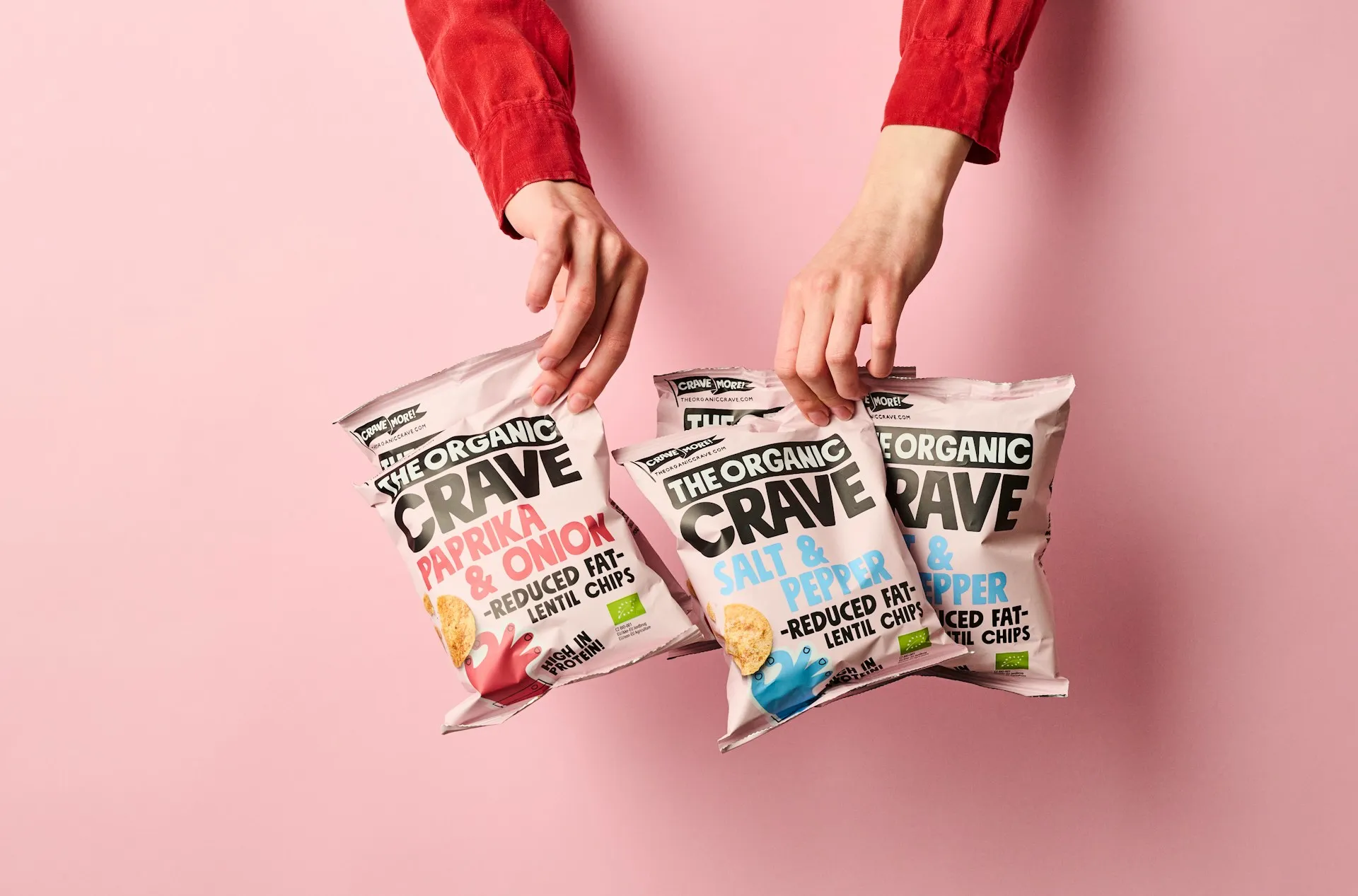
At Confetti, we look at premium food positioning through five signals: PRISM. If even one signal is missing, the premium promise becomes harder to believe.
Claims such as "made with the finest ingredients" or "premium sourced" are too generic to create trust. Consumers are far more likely to believe information that is precise and verifiable.
Instead of broad statements, communicate details such as:
Example: Blue Tokai Coffee places origin at the centre of its branding by highlighting estates, elevations, and processing methods. These details give consumers a tangible reason to believe the product is worth paying more for.
Rather than trying to communicate everything, premium food packaging directs attention to the few elements that genuinely matter.
Crowded packaging weakens every message. Premium brands communicate confidence through careful prioritization, not visual excess.
Restraint applies to every aspect of design:
Ingredient transparency has therefore become one of the strongest trust signals in premium food.
When consumers can quickly understand what they are buying, perceived risk falls and confidence increases.
Effective transparency includes:
Full disclosure builds trust faster than any tagline. AIM Nutrition's packaging system was built around making formulation legible at a glance.
Consumers begin evaluating quality long before they taste the product.
The weight of a jar, the texture of a label, the finish of a carton, the sound of opening a package, and the overall unboxing experience all shape expectations about quality.
These physical cues communicate craftsmanship in ways that advertising cannot.
Premium sensory signals often include:
A beautifully written provenance story loses credibility if it arrives in packaging that feels lightweight or poorly finished. The physical experience should reinforce every premium claim the brand makes.
The same packaging will communicate differently depending on whether consumers encounter it:
A design that performs well as a large studio mock-up may disappear completely as a small Blinkit thumbnail or among dozens of competing products on a grocery shelf.
Premium positioning should therefore be tested within the environments where customers actually make purchase decisions.
👉No single signal creates premium positioning on its own. Strong sourcing cannot compensate for poor packaging, and beautiful packaging cannot overcome weak ingredient claims.
The strongest premium food brands align these signals.
Before approving a packaging design or launching a premium product, evaluate your brand against each PRISM signal.
Ask yourself:
If you cannot point to a visible proof point for each of these questions, the positioning is probably incomplete.
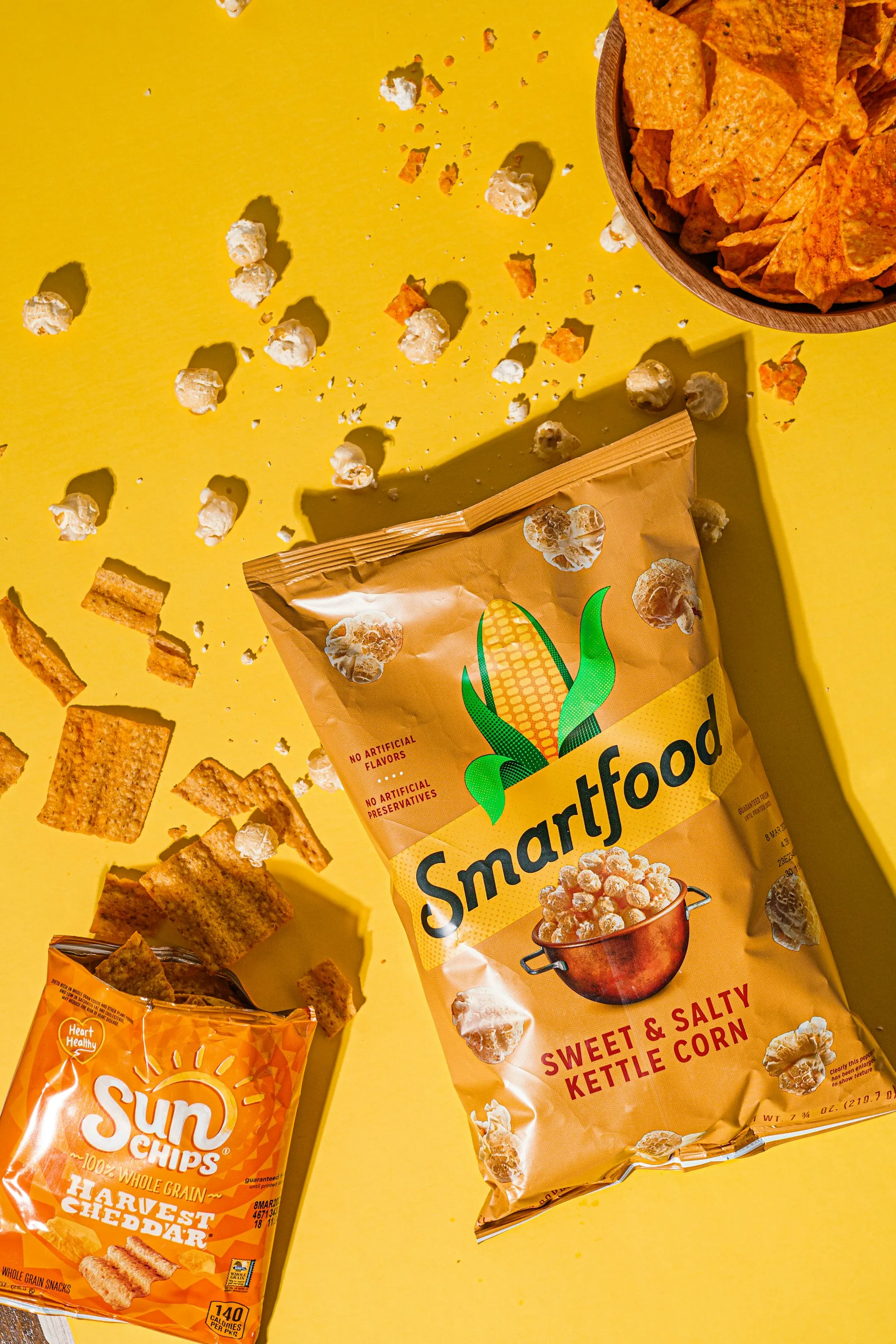
Premium positioning for food brands is built through a series of strategic decisions that reinforce one another.
Here are some of the best strategies to consider:
Premium consumers are not always "high-income customers." Premium purchasing is driven more by priorities than by salary.
👉Some consumers pay more because they value clean ingredients. Others pay for convenience, provenance, sustainability, or exceptional flavour. Two shoppers earning the same income can have completely different definitions of premium.
Instead of relying only on demographics, build a detailed customer profile around:
The clearer the customer profile becomes, the easier every other positioning decision becomes.
💡Action step: Write a one-page customer profile describing what your customer buys today, why they buy it, and what would convince them to spend more.
One of the most common mistakes we see is brands trying to make their packaging look premium before deciding what actually makes the product premium.
Before briefing a designer, write this positioning statement:
For [specific audience], our brand is the [category] that [unique value], because [reason customers should believe us].
Most brands answer the first two parts. Very few answer the last.
Example: For busy professionals, our granola is the breakfast cereal that delivers sustained natural energy because it's made from stone-milled oats, naturally sweetened fruit, and contains no refined sugar or artificial flavours.
If your reason to believe could be copied by every competitor tomorrow, the positioning is still too weak.
💡Action step: Ask someone outside your business to repeat your positioning statement in their own words. If they cannot explain why your product is different, refine it before investing in branding.
Premium has no universal definition. Consumers evaluate premium differently depending on what they're buying.
Example:
4700BC transformed popcorn from cinema food into a gourmet snack through flavour innovation, premium packaging, and aspirational retail placement.
Neither brand copied another category's definition of premium. Each owned one that mattered in its own market.
💡Action step: List the three reasons consumers currently pay more in your category. Build your positioning around one of them instead of trying to own all three.
If a brand can't articulate the specific reason for its price premium in a single, clear sentence, that gap is a vulnerability a competitor, or simply a customer's hesitation at the shelf, will find first.
Food shoppers already carry a reference price in their heads for almost every category because they buy those products repeatedly.
👉Every rupee priced above the category anchor needs a specific, visible reason a customer can point to. Not a vague sense of quality, an actual fact:
Sleepy Owl's premium over instant coffee works because cold brew concentrate is a tangible product difference customers experience immediately.
A generic coffee charging the same premium without any visible product difference quickly becomes difficult to justify.
💡Action step: Write the sentence down, share it with someone outside the brand team, and ask them to repeat it back in their own words. If they can't, the claim isn't sticky enough yet to survive a real shelf conversation.
Premium consumers have become increasingly sceptical of words like: artisanal, handcrafted, gourmet, premium, authentic, etc. These words only work when backed by evidence.
Instead of saying: "Made with the finest ingredients."
Say:
"Made with mangoes harvested from a single Ratnagiri orchard during the Alphonso season."
👉Specificity creates trust because it can be verified.
For every premium claim your packaging makes, ask one question: Could a customer fact-check this? If the answer is no, replace the claim with something they can.
This is why ingredient transparency has become such a powerful premium signal.
Brands like The Whole Truth built trust by putting ingredients at the centre of the packaging instead of hiding them in the nutritional panel.
💡Action step: Review every headline on your packaging. Replace vague adjectives with specific evidence wherever possible.
Facts build credibility. Stories make those facts memorable.
The best premium food brands don't simply explain what they make. They explain why it matters.
That story may come from founder expertise, regional heritage, family recipes, ingredient origins, sustainability initiatives, farming partnerships, craftsmanship.
👉Run every premium claim in your copy through a simple test: claim versus proof. For every adjective ("premium," "artisanal," "clean"), is there a specific, checkable fact sitting directly behind it? If the claim can't survive that test, cut it or replace it with the fact itself.
4700BC's name references the earliest archaeological evidence of popcorn, turning an everyday snack into a product with cultural depth and personality.
Consumers remember stories because stories are easier to repeat than specifications.
💡Action step: Ask customers what they tell friends about your product. If they only describe the flavour, your story probably isn't memorable enough.
Packaging is where positioning becomes visible. A premium claim that only exists in advertising disappears at the shelf. Your packaging should communicate quality through:
It also needs to work where consumers actually shop today. Increasingly, that means: quick commerce thumbnails, e commerce listings, supermarket shelves and unboxing videos
If your premium cues disappear at thumbnail size, they are unlikely to influence purchase decisions.
💡Action step: Reduce your front pack to a 200 × 200-pixel image. Can someone still identify why your product is premium within two seconds?
Premiumisation works better as a journey than as a leap. Consumers often need a lower-risk way to experience a brand before committing to its highest-priced products.
Instead of creating one expensive flagship SKU, develop a clear value ladder:
Sunfeast has successfully expanded this way, offering products across multiple price points while maintaining a clear premium hierarchy.
Consumers upgrade gradually because each step feels logical rather than intimidating.
💡Action step: Look at your portfolio. Can customers naturally trade up, or are you asking them to jump straight from mainstream to premium?
Nothing weakens premium positioning faster than frequent discounts. Consumers quickly learn that the advertised premium price was never the real price.
Instead of discounting, reduce purchase risk by offering:
These approaches preserve price integrity while making trial more accessible.
💡Action step: If your next promotion is a discount, ask whether a smaller pack or bundle could achieve the same objective without reducing perceived value.
Where consumers buy your product shapes how they perceive it. Premium brands should expand distribution deliberately rather than simply maximising availability.
A gourmet chocolate sold everywhere its mainstream competitor is available becomes harder to perceive as exclusive.
Likewise, a premium coffee available only in boutique stores may struggle to scale.
👉The goal is controlled accessibility.
Brands such as Blue Tokai, 4700BC, and Red Rock Deli have successfully combined premium positioning with modern channels like quick commerce, while maintaining presentation, pricing, and brand consistency across every touchpoint.
💡Action step: Audit every sales channel. Ask whether it strengthens your premium positioning or quietly weakens it.
The strongest premium food brands don't rely on great packaging, a compelling founder story, or a higher price alone. They build systems where every decision reinforces the same promise.
Customers should instantly understand who the product is for, why it costs more, what makes it different, and why they can trust it. When positioning, pricing, packaging, storytelling, and distribution all align, premium pricing feels justified—not expensive.
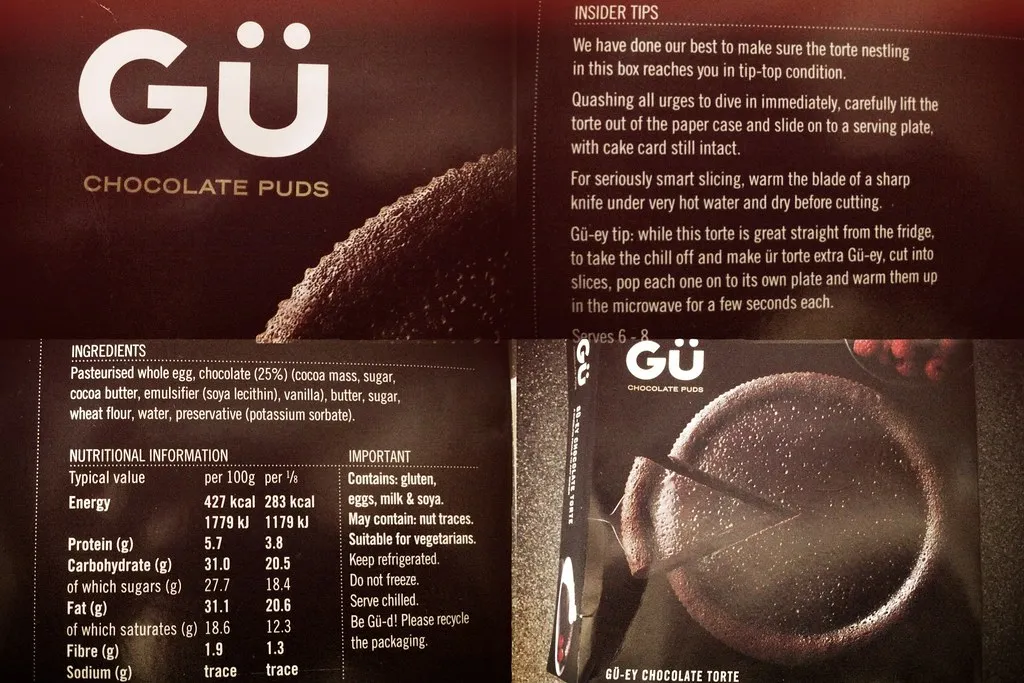
British dessert brand Gü repositioned indulgence with its platform, “When You're Done Being Good, Be Gü.”
The brand moved away from guilt-driven messaging and celebrated balance, pleasure, and guilt-free enjoyment. Its refreshed packaging and bold voice helped restore distinctiveness in a crowded dessert market.
✅Why it works: Gü understood that premium brands need more than quality products. A memorable emotional territory, strong visual identity, and confident tone create differentiation where competitors often sound identical.
Beyond Snack transformed Kerala’s traditional banana chips into a modern premium snack brand.
By sourcing Nendran bananas directly from farmers and focusing on quality, hygiene, and clean-label products, the brand moved beyond competing with local vendors on price.
✅Why it works: The brand preserved cultural authenticity while upgrading the product experience. It created a new premium category by combining heritage, consistency, and modern packaging.
PepsiCo launched Red Rock Deli in India as a premium alternative to mass-market snacks.
Using gourmet flavours and techniques like kettle cooking, baking, and popping, the brand targets urban consumers seeking elevated snacking experiences. Its quick-commerce availability supports easy trial.
✅Why it works: Red Rock Deli combines global premium cues with digital-first distribution. It meets consumers where they already shop while reducing barriers to trying a higher-priced snack.
Italian premium food brand Casa Rinaldi refreshed its packaging architecture across categories including olive oils, pasta, sauces, and condiments.
Instead of relying on predictable Italian clichés, the brand expresses heritage through refined design, craftsmanship, colour harmony, and contemporary aesthetics.
✅Why it works: Casa Rinaldi shows that premium authenticity comes from subtle cultural storytelling. Modern design codes help communicate quality, sophistication, and Italian identity without feeling outdated.
Bateel transformed dates from a traditional Middle Eastern product into a luxury gifting experience.
Through premium packaging, hand-selected dates, gourmet innovations, boutiques, cafés, and global expansion, the brand elevated a simple fruit into a luxury category.
✅Why it works: Bateel’s premium positioning is built into its operations. Quality control, vertical integration, and experiential retail create authenticity that branding alone cannot achieve.
Magic Spoon reinvented cereal by combining childhood flavours with adult nutrition benefits: high protein, low sugar, and grain-free formulas.
Its playful branding, podcast-led growth, and direct-to-consumer strategy helped disrupt a stagnant category.
✅Why it works: Magic Spoon balanced emotional and functional value. Nostalgia creates connection, while nutrition provides a rational reason to buy. Its distinctive identity makes it stand out in a crowded breakfast aisle.
Premium consumers have become increasingly sceptical of words like: artisanal, handcrafted, gourmet, premium, authentic, etc. These words only work when backed by evidence.
Instead of saying: "Made with the finest ingredients."
Say:
"Made with mangoes harvested from a single Ratnagiri orchard during the Alphonso season."
👉Specificity creates trust because it can be verified.
For every premium claim your packaging makes, ask one question: Could a customer fact-check this? If the answer is no, replace the claim with something they can.
This is why ingredient transparency has become such a powerful premium signal.
Brands like The Whole Truth built trust by putting ingredients at the centre of the packaging instead of hiding them in the nutritional panel.
💡Action step: Review every headline on your packaging. Replace vague adjectives with specific evidence wherever possible.
Facts build credibility. Stories make those facts memorable.
The best premium food brands don't simply explain what they make. They explain why it matters.
That story may come from founder expertise, regional heritage, family recipes, ingredient origins, sustainability initiatives, farming partnerships, craftsmanship.
👉Run every premium claim in your copy through a simple test: claim versus proof. For every adjective ("premium," "artisanal," "clean"), is there a specific, checkable fact sitting directly behind it? If the claim can't survive that test, cut it or replace it with the fact itself.
4700BC's name references the earliest archaeological evidence of popcorn, turning an everyday snack into a product with cultural depth and personality.
Consumers remember stories because stories are easier to repeat than specifications.
💡Action step: Ask customers what they tell friends about your product. If they only describe the flavour, your story probably isn't memorable enough.
Packaging is where positioning becomes visible. A premium claim that only exists in advertising disappears at the shelf. Your packaging should communicate quality through:
It also needs to work where consumers actually shop today. Increasingly, that means: quick commerce thumbnails, e commerce listings, supermarket shelves and unboxing videos
If your premium cues disappear at thumbnail size, they are unlikely to influence purchase decisions.
💡Action step: Reduce your front pack to a 200 × 200-pixel image. Can someone still identify why your product is premium within two seconds?
Premiumisation works better as a journey than as a leap. Consumers often need a lower-risk way to experience a brand before committing to its highest-priced products.
Instead of creating one expensive flagship SKU, develop a clear value ladder:
Sunfeast has successfully expanded this way, offering products across multiple price points while maintaining a clear premium hierarchy.
Consumers upgrade gradually because each step feels logical rather than intimidating.
💡Action step: Look at your portfolio. Can customers naturally trade up, or are you asking them to jump straight from mainstream to premium?
Nothing weakens premium positioning faster than frequent discounts. Consumers quickly learn that the advertised premium price was never the real price.
Instead of discounting, reduce purchase risk by offering:
These approaches preserve price integrity while making trial more accessible.
💡Action step: If your next promotion is a discount, ask whether a smaller pack or bundle could achieve the same objective without reducing perceived value.
Where consumers buy your product shapes how they perceive it. Premium brands should expand distribution deliberately rather than simply maximising availability.
A gourmet chocolate sold everywhere its mainstream competitor is available becomes harder to perceive as exclusive.
Likewise, a premium coffee available only in boutique stores may struggle to scale.
👉The goal is controlled accessibility.
Brands such as Blue Tokai, 4700BC, and Red Rock Deli have successfully combined premium positioning with modern channels like quick commerce, while maintaining presentation, pricing, and brand consistency across every touchpoint.
💡Action step: Audit every sales channel. Ask whether it strengthens your premium positioning or quietly weakens it.
The strongest premium food brands don't rely on great packaging, a compelling founder story, or a higher price alone. They build systems where every decision reinforces the same promise.
Customers should instantly understand who the product is for, why it costs more, what makes it different, and why they can trust it. When positioning, pricing, packaging, storytelling, and distribution all align, premium pricing feels justified—not expensive.
⚠️Claiming premium without a checkable proof point
"Premium quality" and "the finest ingredients" mean nothing on their own. Every competitor in the category can and does claim the same words, which means they do zero differentiating work at the actual moment of comparison, no matter how sincerely they're meant.
⚠️Premium messaging paired with inconsistent, non-premium execution elsewhere
A beautiful hero product photo means little if the actual unboxing experience, the packaging weight, the closure mechanism, the print quality, feels cheap in hand. Customers register this mismatch even when they can't name exactly what felt off, and that vague sense of disappointment quietly attaches itself to every future purchase decision.
⚠️Chasing volume through discounting
Discounting undermines the scarcity and quality signal premium positioning depends on, and it's one of the hardest mistakes to reverse once customers have been trained to wait for a lower price rather than pay the standard one.
⚠️Borrowing luxury language for a mass-premium distribution model
Exclusivity and rarity claims ring hollow when the product is available everywhere at a moderate markup, and the mismatch damages credibility more than a more honestly pitched mass-premium position would have.
⚠️Treating packaging as decoration rather than proof
A brand that finalizes its positioning strategy and messaging, then hands packaging to a designer as a purely aesthetic exercise, misses that packaging is often the single largest carrier of premium proof a customer will ever encounter. It needs to be part of the strategic conversation from the start, not a downstream execution task.
⚠️Letting the premium claim go stale
A sourcing or process claim that was genuinely differentiating at launch can lose its power once competitors catch up or copy the language. Premium positioning needs periodic re-evaluation against the current competitive set, not a one-time strategy exercise that gets filed away and repeated unchanged for years.
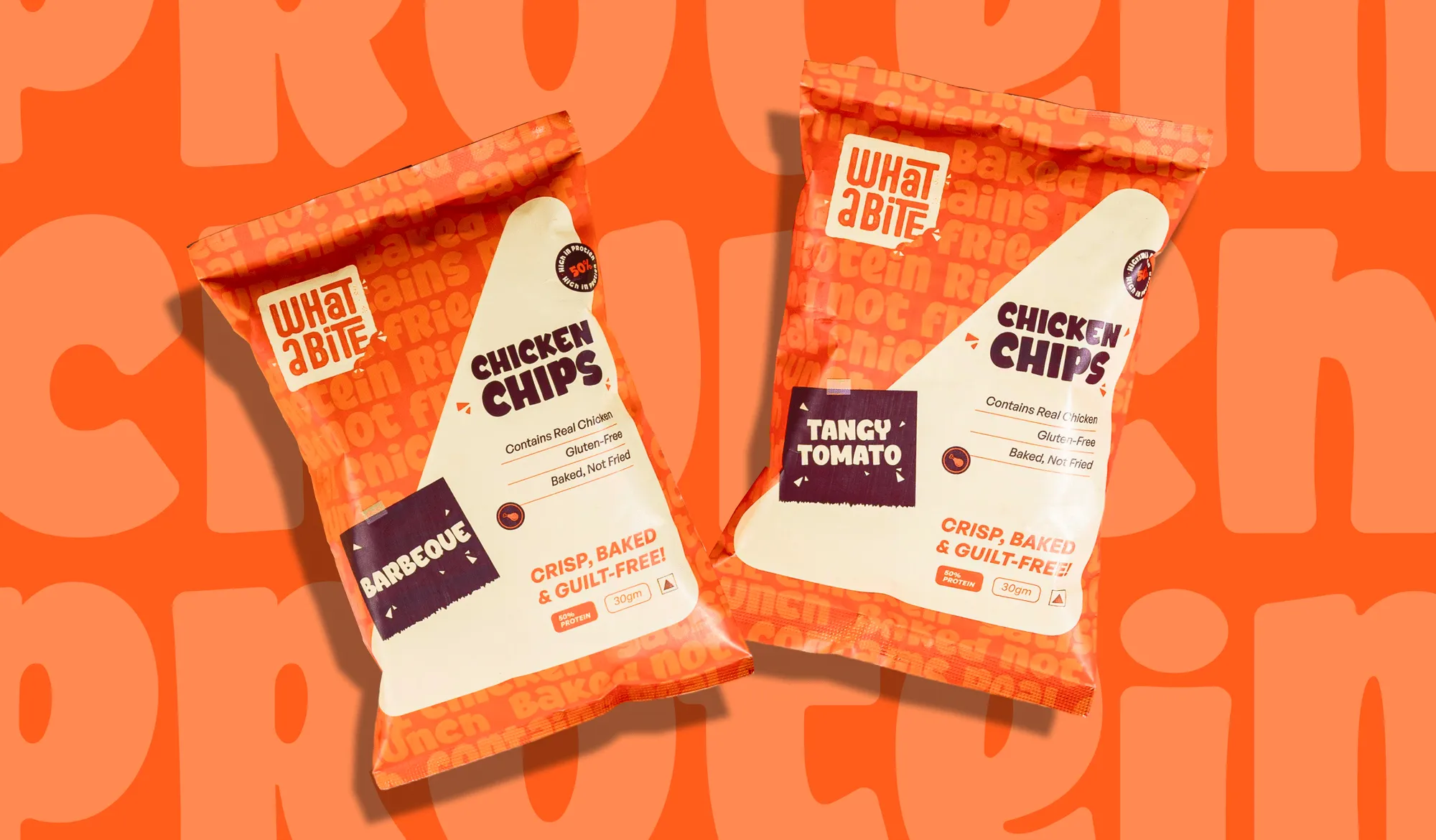
Premium is not created by a logo, elegant packaging, or a higher price tag. It is built when customers instantly understand why a product deserves to cost more and believe it.
At Confetti Design Studio, we begin with a more important question:
👉Can the premium promise be proven?
Because without a credible reason to choose your product over cheaper alternatives, better design alone cannot create lasting value.
Strategy Before Design
We define the foundation of premium positioning before creating any visual identity:
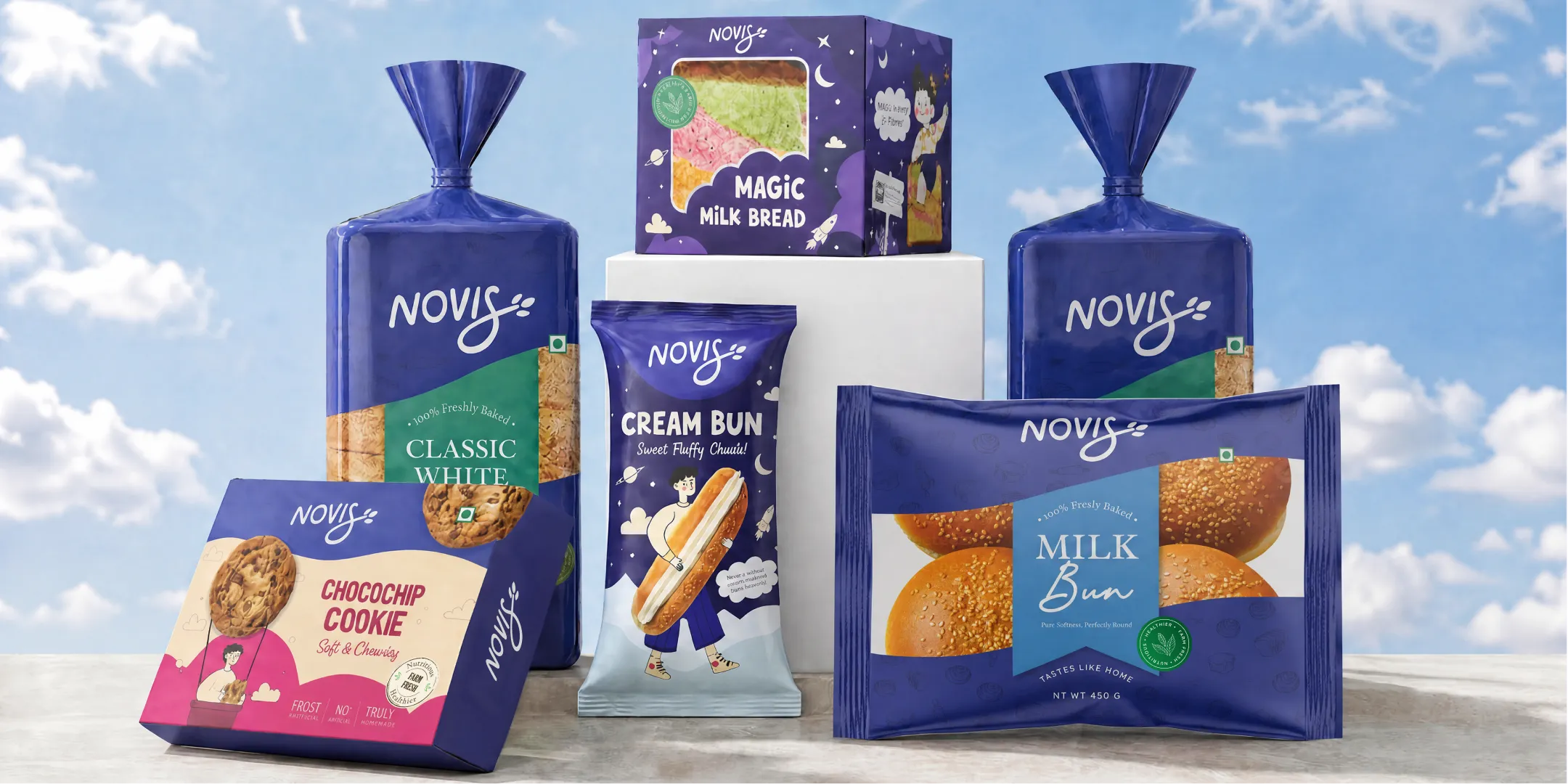
For brands like Novis and Havisto, our work began with positioning, consumer insights, category opportunities, and strategic direction before moving into naming, identity, or packaging.
Making Premium Meaningful
Premium means something different in every category. For some brands, it is driven by provenance and ingredients. For others, it comes from craftsmanship, nutrition, sustainability, functionality, or experience.
We identify what truly matters to consumers in your category — then build a brand system around those reasons.
Turning Value Into Visible Proof
Strong premium brands don’t rely on empty claims. They show evidence.
We help brands identify and communicate the proof points that make customers believe: sourcing, formulation, certifications, production methods, benefits, materials, and product experience.
Packaging Design That Wins Decisions
Packaging is where premium positioning is tested. Customers make quick judgments on shelves, marketplaces, and quick-commerce platforms.
We design packaging systems that make value immediately visible — creating distinction, trust, and recognition across every touchpoint.
Building Brands That Scale
From first launch to future expansion, we create systems that stay consistent across products, channels, and categories.
Because premium positioning is not a surface treatment. It is a strategic system that connects product, packaging, storytelling, and experience — creating brands customers understand, trust, and choose.
What makes a food brand premium?
A premium food brand sits meaningfully above the category's price norm, backed by specific, checkable claims, named sourcing, a defined process, real scarcity, rather than vague quality language. The price gap needs a clear, provable justification a customer can verify, and that justification has to hold up on repeat purchases, not just at first trial.
How do you justify premium pricing for a food product?
Justify it through specific, checkable proof points rather than general quality claims. Named origin, a defined production process, third-party certification, or genuine scarcity all give a customer a concrete reason for the price gap, something a vague claim like "premium quality" cannot provide, since every competitor can make the same claim with equal ease.
What is the difference between premium and luxury food positioning?
Premium typically sits 50 to 150% above category norm, justified by sourcing, process, and scarcity, and is often sold through selective retail or D2C channels. Luxury sits further above category norm, justified by heritage and extreme exclusivity, and is usually distributed through highly selective or flagship retail only, relying more on accumulated reputation than on any single verifiable claim.
Can a new D2C brand position itself as premium from launch?
Yes, if the proof points are genuinely in place from day one. A new brand without an established reputation has to lean more heavily on visible, checkable claims, sourcing transparency, packaging quality, and production specifics, since it doesn't yet have accumulated brand equity to lean on the way an established premium brand does.
How does packaging affect premium food positioning?
Packaging is often the first proof point a customer encounters, before taste, before reading any claim in detail. Material, weight, and structural finish signal quality instantly, and a mismatch between premium claims and mass-market-feeling packaging undermines the entire position before the product is even opened, regardless of how strong the actual product is.
What is the biggest risk to a premium food brand's positioning?
Discounting to drive trial volume. A discount signals that the original price wasn't fully justified, which retroactively weakens every proof point the brand has built. Premium brands looking to drive trial are generally better served with a smaller trial format at full premium pricing than with a straight discount on the standard size.
How often should a premium food brand revisit its positioning claims?
Regularly, rather than treating positioning as a one-time exercise. A sourcing or process claim that was genuinely differentiating at launch can lose its power once competitors catch up or copy the language, which means the claim needs periodic re-checking against the current competitive set to confirm it's still doing real differentiating work.
Want strategic branding and packaging like this for your business?





.webp)
.webp)

.webp)
.webp)
.webp)
.webp)
.webp)






.svg)
.webp)