Branding & Packaging Audit

4700BC Brand Audit

Rishabh Jain
February 16, 2026
6 Minutes
February 16, 2026
6 Minutes
No items found.
No items found.
This is some text inside of a div block.
Posted On
Estimated Reading Time
6 Minutes
Category
Branding & Packaging Audit
Wrriten By
Nimisha Modi

Book a call and get unlimited revisions for your project!

Book A Call
A stylized pink thunderbolt or lightning icon
Get Instant Response

Need Help In Building Your Brand?

Click the button below & book a call with our founder directly.

Rishabh Jain

Managing Director

Book A Call

4700BC | Confetti's Verdict ⭐⭐⭐⭐⭐

Attribute Details
Confetti Rating ⭐⭐⭐⭐⭐ (5 / 5)
Brand 4700BC
Parent Company Zea Maize Private Limited (subsidiary of Marico Limited)
Year Founded 2013
Industry Premium Snacking / Gourmet Popcorn / FMCG
Co-Founders Chirag Gupta and Ankur Gupta
Headquarters Mumbai, Maharashtra, India

Confetti Design Studio has analysed 4700BC to understand how a gourmet popcorn brand launched from a single Delhi outlet in 2013 grew to Rs 98.66 crore in revenue in FY25, attracted a Rs 226.83 crore acquisition of a 93.27% stake by Marico Limited in January 2026, built a presence across 10-plus countries and 50-plus snack variants, and secured partnerships with PVR INOX and Netflix along the way. 
4700BC Brand Strengths: What the Brand Gets Exceptionally Right 🍿

1. 4700BC's Name: Abstract, Historically Grounded, and Impossible to Forget ⏳

In the Indian snacking category, brand names tend toward the literal and the friendly. Haldiram's, Uncle Chipps, Lay's, Kurkure, these are all the names that communicate approachability, familiarity, and category membership in their first syllable. They are excellent names for what they do. But they all live in the same register, which is the register of mass-market comfort.

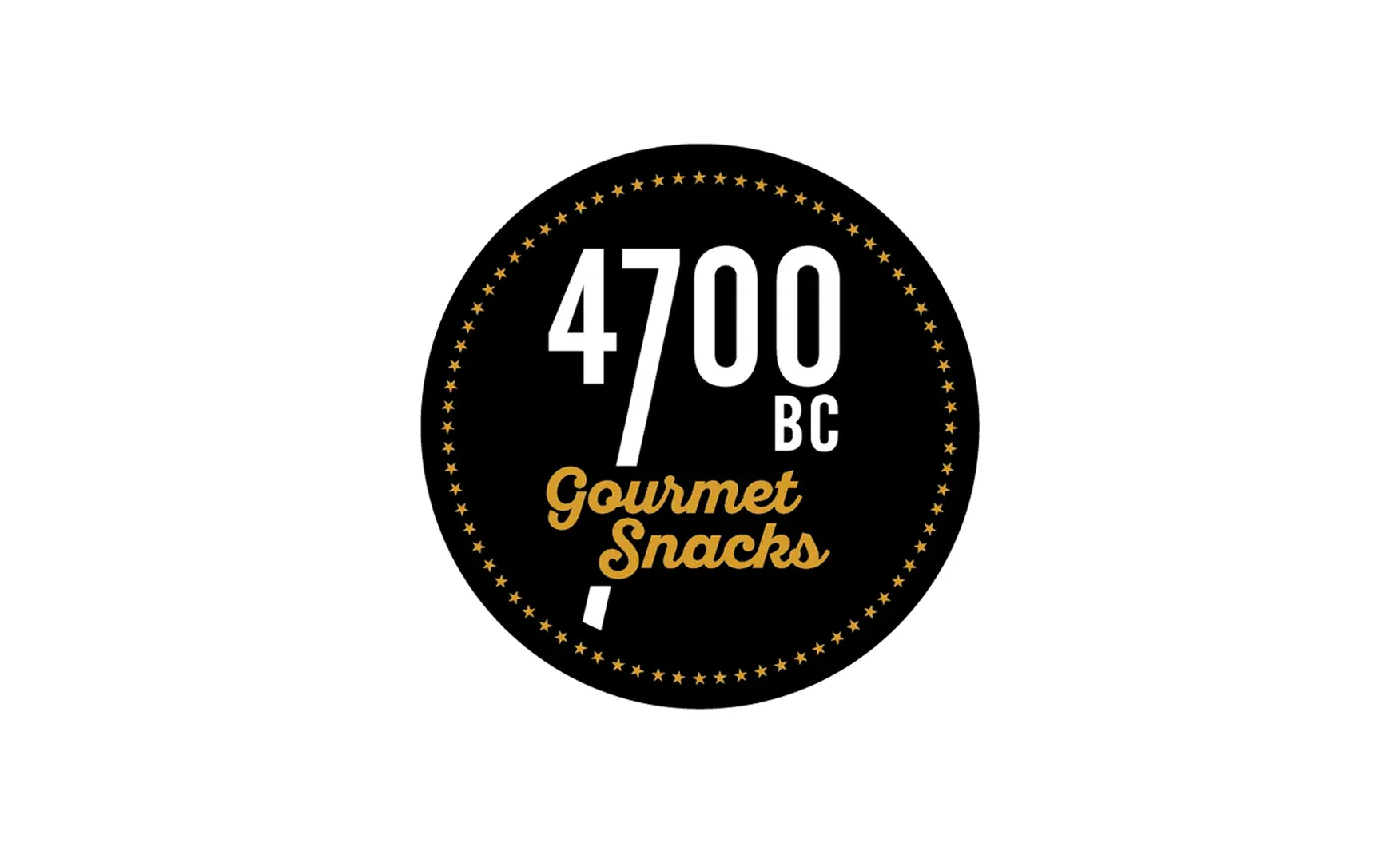
4700BC operates in an entirely different register. The name is a date, not a word. It refers to the archaeological discovery of popcorn consumption in Peruvian caves dating back to 4700 BC, making it a piece of food history compressed into a brand name. A consumer who encounters 4700BC for the first time has two responses simultaneously, one of curiosity about what the name means, and the other of a subconscious impression of depth and seriousness in a category where no one else has attempted either.

This is the naming equivalent of leading with a story rather than a description. A descriptive name tells the consumer what the product is. A story-based name makes the consumer want to find out. In a premium category where the first purchase is the hardest to earn, a name that generates curiosity is doing sales work before the consumer has read a single product claim. Over a decade later, no competitor has found a name that challenges 4700BC's distinctive position in the Indian premium snacking space.
2. 4700BC's Packaging: Making Popcorn Gift-Worthy Before That Was a Category 🎁

When 4700BC launched, premium gifting in India meant mithai from a known halwai, dry fruits in velvet boxes, chocolates from Theobroma, or imported confectionery. Popcorn did not appear in that sentence and hence for the first several years of the brand's existence, one of its primary tasks was to convince the Indian consumer that popcorn could sit in the same gifting context as those categories.

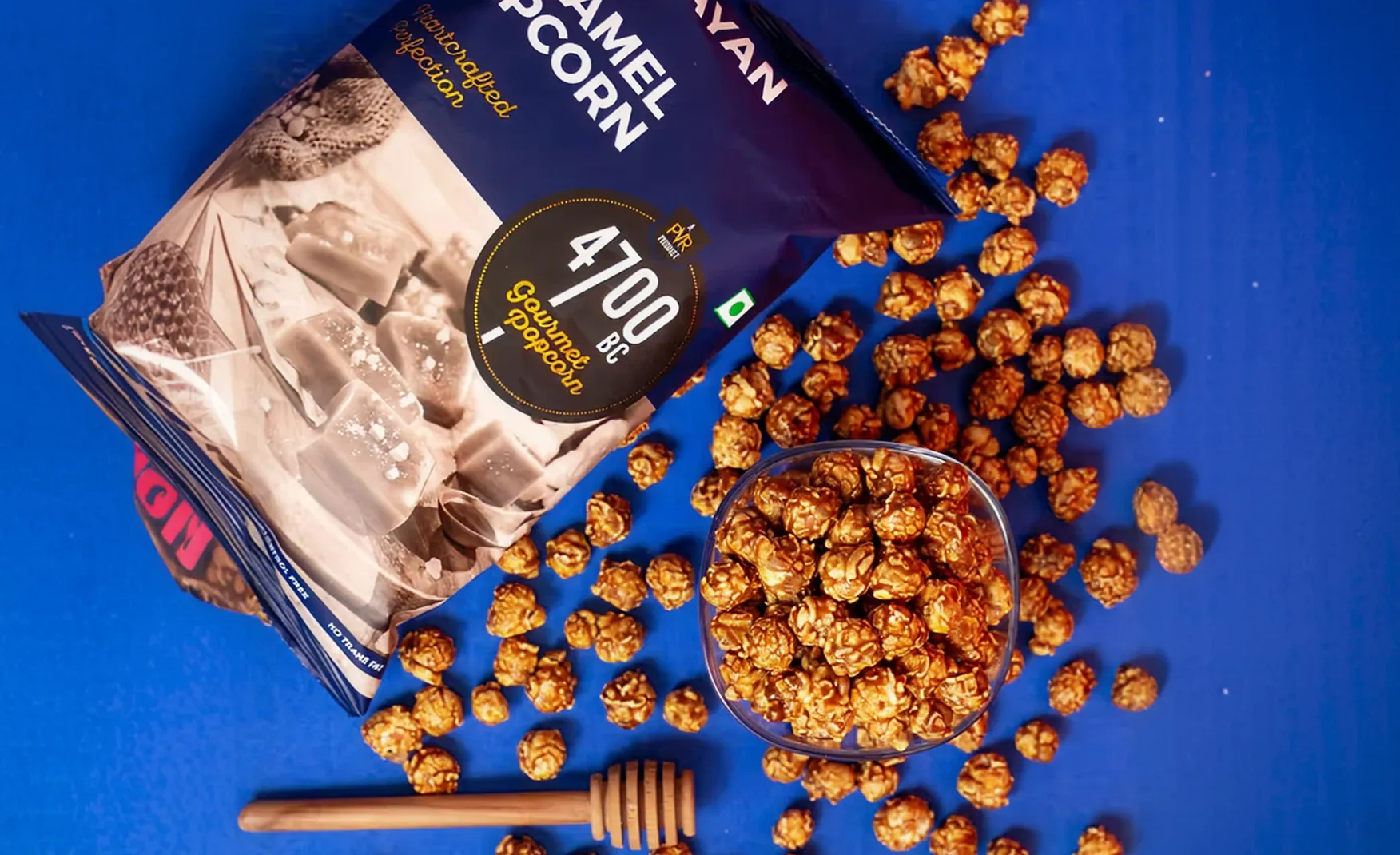
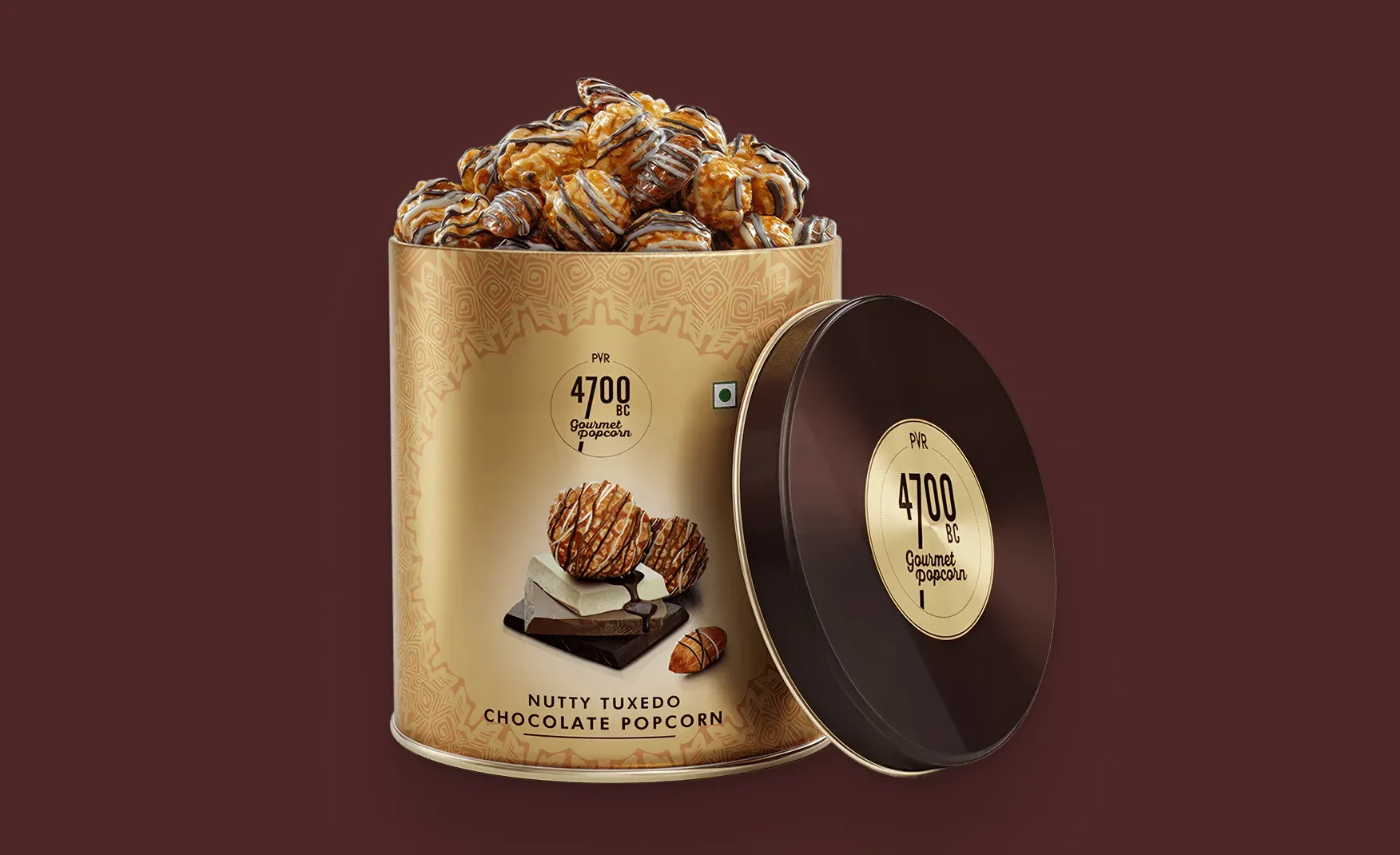
The packaging system the brand built to make that argument is one of the most commercially intelligent design decisions in Indian FMCG. Sleek tins, premium pouches, curated hamper formats, and festive editions designed for Diwali, Rakhi, and Valentine's Day transformed the product's context without changing the product itself. When popcorn arrived in packaging that looked like it belonged beside a Smoor chocolate or a Theobroma brownie, it was taken as seriously as those products.

The structural integrity of the packaging served the premium positioning as a functional matter too. Caramel popcorn that arrives in packaging that protects its texture and crispness is a different sensory experience from caramel popcorn that arrives crushed and softened in a film bag. 4700BC understood that for a premium product in a fragile format. It is quality assurance as the container communicates that the brand cares about the product inside it, which is the most direct trust signal available at the point of unboxing.
3. 4700BC's PVR INOX and Marico Relationships: Choosing the Right Strategic Partners at Each Phase 🤝

The most revealing thing about a brand's strategic intelligence is not what it does when it is growing, but which partnerships it chooses, and when. 4700BC's partnership trajectory is a case study in matching the right institutional partner to the right phase of growth.

PVR's Rs 5 crore acquisition of a 70% stake in 2015 was not primarily a financial event. It was a distribution and brand credibility event. When PVR, India's largest multiplex chain, chose to back a gourmet popcorn brand, it validated the category to a consumer base that was already predisposed to spend on premium cinema experiences. The PVR relationship gave 4700BC sampling at scale, the most effective customer acquisition tool available to a food brand, without the brand having to pay for that sampling through marketing spend.

The Marico acquisition in January 2026 follows an equally clear logic. Marico has established FMCG distribution infrastructure across India, an understanding of how to scale packaged food brands, and a stated strategic ambition in premium snacking. For 4700BC at the Rs 99 crore revenue stage, Marico's distribution muscle is the accelerant the brand has been built to receive. PVR INOX earned a 24.5% IRR on its investment. 4700BC earned a credible FMCG parent at precisely the moment it needed one.
4. 4700BC's Entertainment Positioning: Owning a Ritual Rather Than a Category 🎥

Popcorn and movies are one of the most culturally embedded food-occasion pairings in the world. 4700BC did not create this association. But it recognised something that most snack brands in India had not: that the association was an undermonetised brand opportunity, not just a usage context.

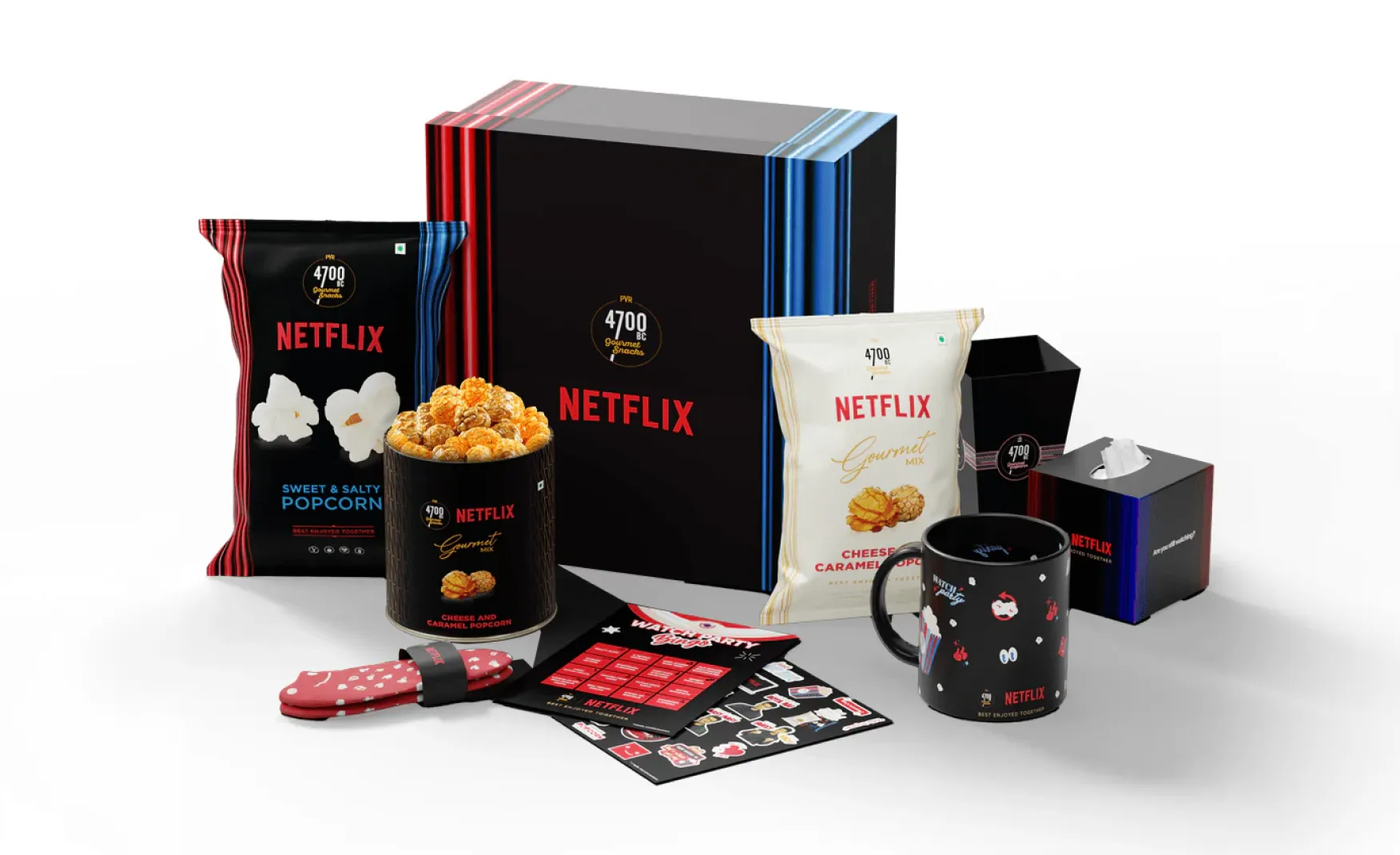
By embedding itself within the entertainment ritual rather than positioning as a generic premium snack, 4700BC gave its brand a specific cultural territory that competitors would find difficult to claim after the fact. The Netflix collaboration in September 2024 extended this territory from cinema to streaming, which is a significant strategic move. A consumer who associates 4700BC with going to the movies in 2015 and with a Netflix binge-watch night in 2025 has a brand that has grown with the evolution of how India consumes entertainment, without being left behind by that shift.

The social media content strategy reinforces this positioning with unusual consistency. Korean drama recommendations, film lists, binge-watch suggestions, and entertainment-themed content keep the brand anchored to the occasion rather than drifting into the generic wellness-and-lifestyle territory that tempts most snack brands as they grow. Staying in the lane that the brand owns is harder than it sounds when the marketing calendar is being filled.
5. 4700BC's Flavour Innovation: Using Flavour as Category Education 🍫

The Indian popcorn consumer in 2013 knew three flavours precisely salted, buttered, and cheese. These were the flavours of the microwave pack and the cinema tub. They were functional, familiar, and competitively undifferentiated. Every brand offered them. No brand owned them.

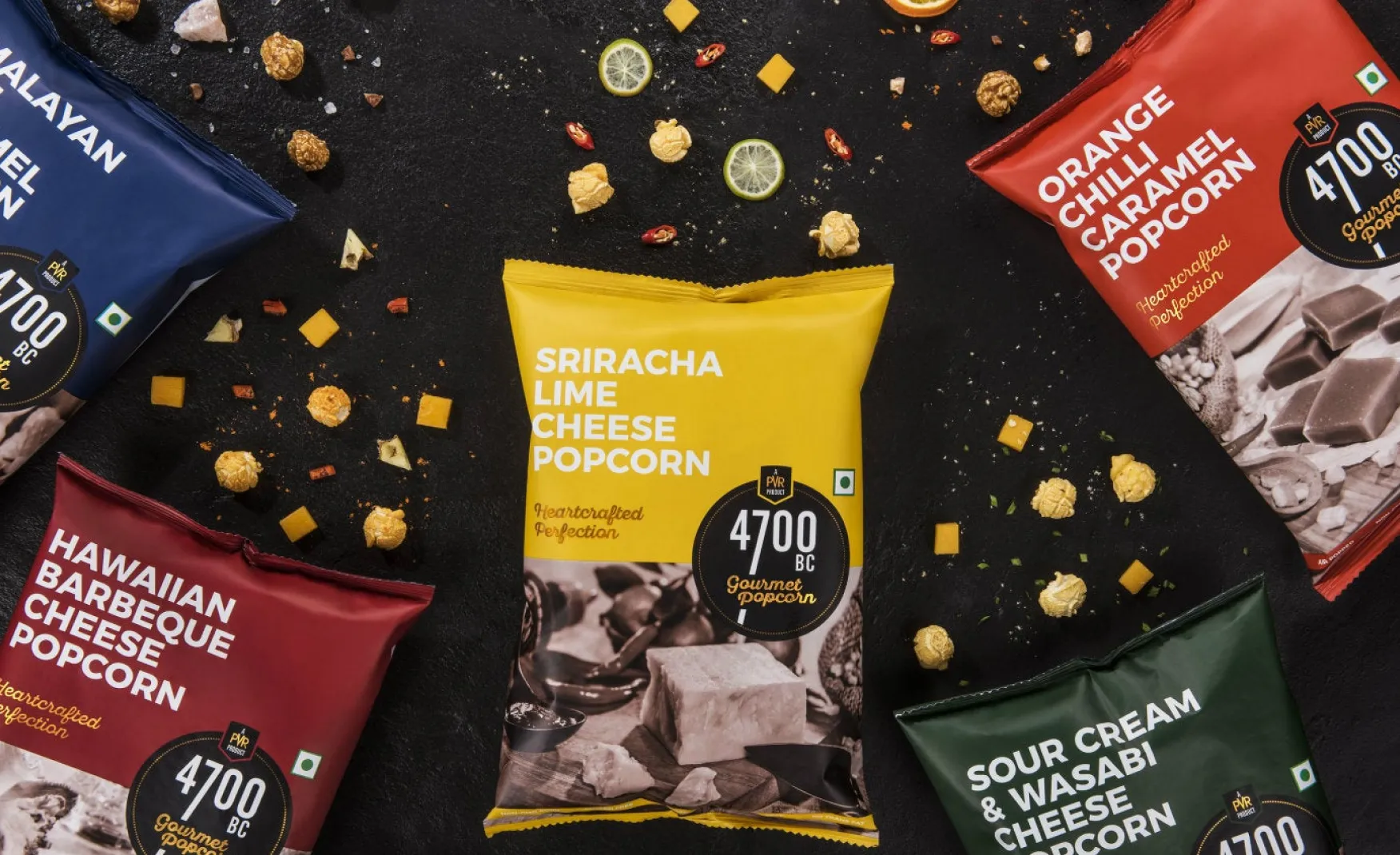
4700BC's flavour strategy was to make the category unfamiliar enough to feel new. Himalayan Salt Caramel, Belgian Chocolate, Dark Chocolate & Sea Salt, Nutty Tuxedo, Cranberry White Chocolate, Tiramisu Chocolate: these are not popcorn flavours. They are dessert-lexicon flavours applied to popcorn, which is what allowed the brand to position itself in the gifting and indulgence context where the packaging was also doing its work.

The expansion into makhana, nachos, crunchy corn, and corn chips follows the same logic that each new format is a familiar snacking occasion elevated through the 4700BC premium treatment. The brand does not venture into categories where its premium, entertainment-led identity would feel incongruous. Every product extension is disciplined by the same founding question: does this product belong in the hands of someone settling in for a good film? If the answer is yes, it belongs in the 4700BC portfolio.
4700BC's Growth Challenges and Areas to Watch 👀

Scaling Under Marico Without Losing the Premium Identity ⚡️

The Marico acquisition is the most significant inflection point in 4700BC's history, and the central risk it introduces is one that every premium brand faces when acquired by a mass-market FMCG parent: distribution scale and premium positioning are in structural tension with each other.

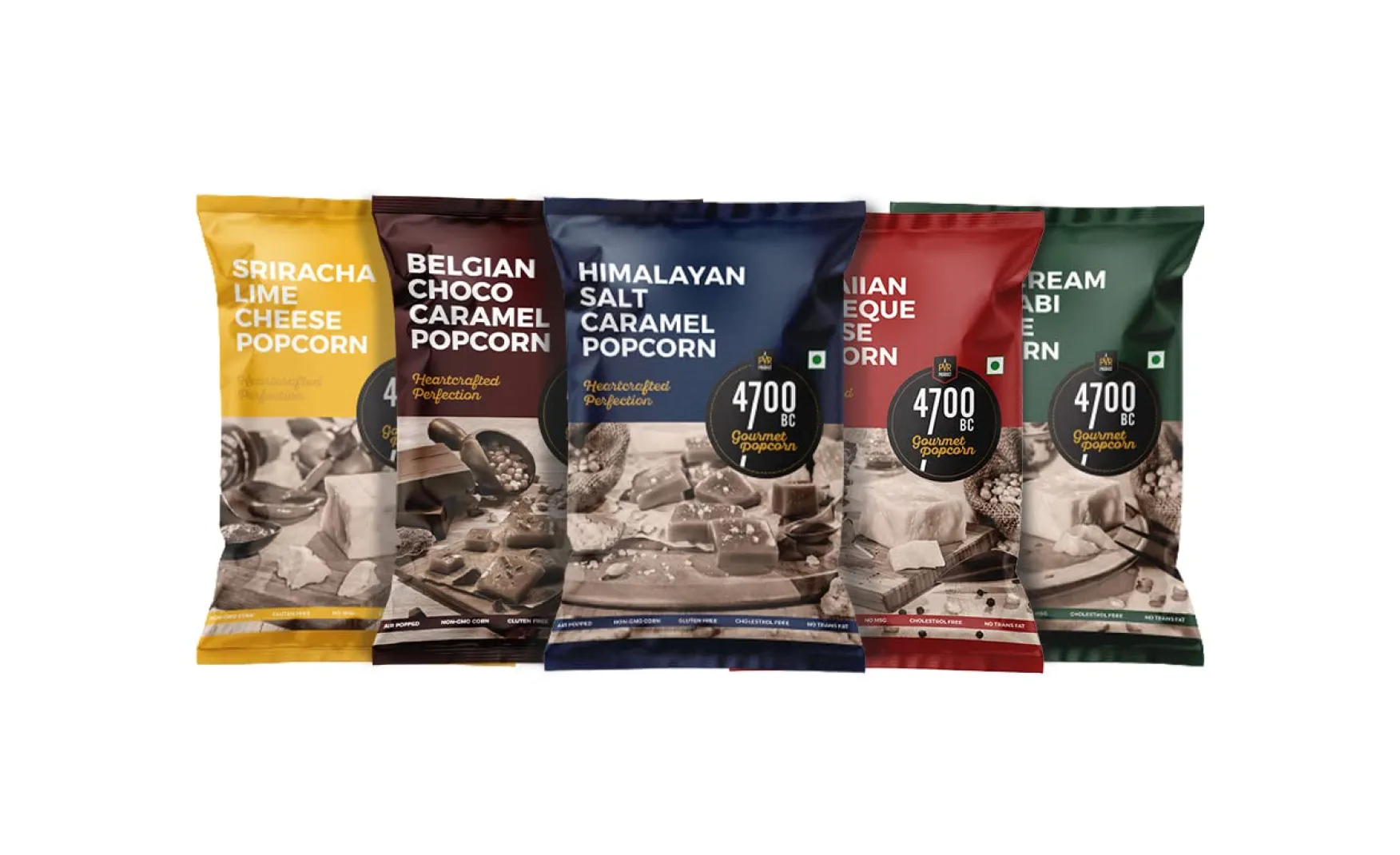
Marico's distribution network reaches deep into general trade, which is a channel where 4700BC has not historically operated at scale. General trade exposure for a premium snacking brand creates pressure to introduce lower price points, simpler SKUs, and less distinctive packaging to compete with mass-market alternatives on the same shelf.

The brands that successfully navigate this tension are those that maintain absolute clarity about which products are the premium core, which can be distributed through mass channels without diluting the brand, and where the price floor sits below which no 4700BC product will ever be positioned. Formalising those decisions before Marico's distribution infrastructure begins pulling the portfolio into unfamiliar channels is the most important brand protection work the 4700BC team needs to do in the next eighteen months.

The Health-Forward Snacking Wave Is Growing Faster Than the Brand Is Responding 🌿

India's premium snacking consumer is simultaneously becoming more indulgence-oriented and more health-conscious, and these two instincts are no longer seen as contradictions. The consumer who buys Himalayan Salt Caramel popcorn on a Friday night is also the consumer who is reading protein content labels on a Monday morning. They want both experiences, and they want brands that understand both.

4700BC has not yet built a credible health-forward narrative. Popcorn is inherently lighter than most fried snacks, which is a genuine nutritional advantage, but the brand has not systematically communicated it. The makhana range is a step toward a health-adjacent offering, but it sits alongside the dessert-flavour popcorn range without a clear positioning that ties the healthier products to a wellness narrative. As competitor brands explicitly claim low-calorie, high-protein, or clean-label positioning in the premium snacking space, 4700BC's silence on the health dimension becomes an increasingly visible gap.

The CEO Transition Requires Design and Brand Continuity Investment 👤

The appointment of Sreejit Nair, former CEO of Costa Coffee India, as CEO of 4700BC in February 2025, combined with the Marico acquisition in January 2026, means the brand is navigating two significant leadership and ownership transitions simultaneously. Each of these individually would require careful brand continuity management. Together, they create a risk window during which the brand's founding design philosophy and positioning discipline could be diluted by new stakeholders with different commercial priorities.

Chirag Gupta's continued involvement as founder is the most important stabilising factor in this transition. But founder continuity does not automatically ensure brand identity continuity at the design system level. Formal documentation of the brand's positioning principles, packaging rules, flavour extension criteria, and partnership framework needs to be completed before the new management team and the Marico parent begin making product and marketing decisions that may not have been reviewed against those principles.

How Confetti Would Strengthen 4700BC's Brand System 💡

Formalising the Brand Architecture Before Marico's Distribution Scale Reaches It 🏗️

The most urgent brand investment 4700BC can make right now is not creative, but it is systemic. A formal brand architecture document that defines the premium core, the mass-channel-appropriate extensions, the price floor, the flavour extension criteria, and the packaging rules for each channel format would give the new CEO, the Marico distribution team, and any future brand partners a principled framework for every commercial decision ahead.

Without this documentation, the brand's identity will be negotiated case by case against commercial pressure, which is how premium brands drift into mass-market positioning without any single decision feeling like the moment it happened. A brand architecture that is written down is a brand architecture that can be defended. An unwritten one is a brand philosophy that lives in the founder's head and weakens every time a new stakeholder joins the conversation.

Building the Health-Forward Narrative Into the Existing Brand System 🌿

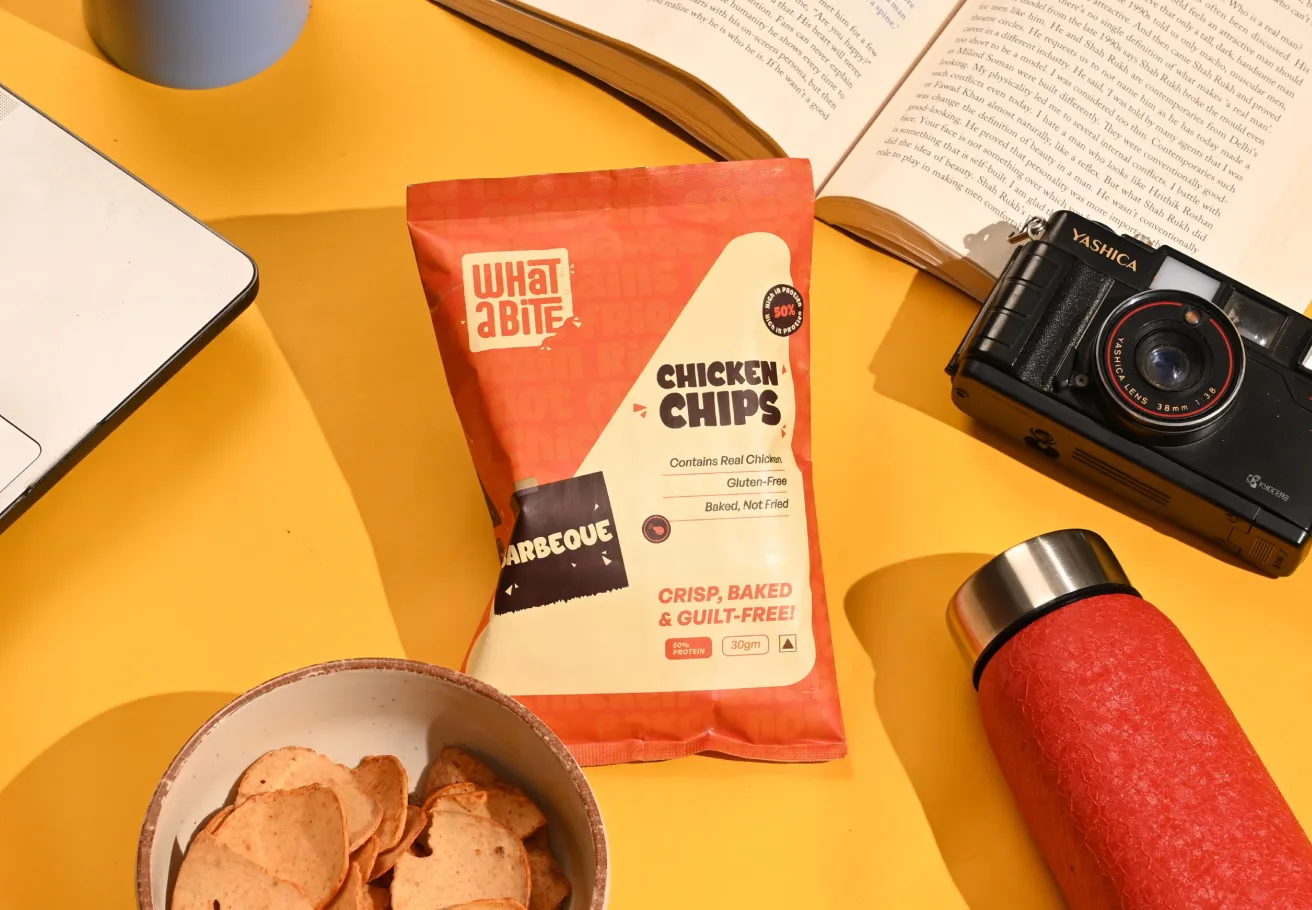
At Confetti, we worked with WhatABite, a meat-based chips brand where the creative challenge was framing indulgence as nutritionally intelligent rather than purely decadent. The brand needed to communicate genuine protein credentials without losing the snacking occasion appeal that made the product commercially viable. The solution was a packaging and communication system that led with appetite and backed it with nutrition, rather than the reverse.

The same approach is available to 4700BC. Popcorn is genuinely lighter than most competing snacks. Makhana is genuinely high in protein and low in fat. These are real nutritional advantages that the brand does not currently communicate with any consistency. A packaging and content strategy that places the health credential in the secondary information tier, visible and verifiable but not dominant over the indulgence appeal, would allow 4700BC to participate in the health-forward snacking conversation without abandoning the entertainment-occasion positioning that is its most distinctive brand asset.

Designing a Marico-Era Packaging System That Scales Without Drifting 📦

As Marico's distribution reaches new channels and new geographies, the 4700BC packaging will face contexts it was not originally designed for: general trade shelf environments, smaller format retail, and potentially international markets where the brand's current visual language may not communicate its premium positioning as effectively.

A Marico-era packaging system, designed with explicit rules for how the brand adapts across channel formats, price tiers, and market contexts without compromising the core visual identity, is the design infrastructure that protects the brand through its fastest growth phase. Every element of the current packaging that should be non-negotiable across all contexts needs to be identified and codified: the typeface, the colour palette, the structural tin format for the premium range, and the occasions on which each format is appropriate. The brands that maintain premium positioning through distribution scale are those that made those decisions formally before the scale required them informally.

4700BC Brand Verdict and Confetti Rating ⭐

4700BC has done something that the Indian snacking industry will be referencing for years: it took a product that cost Rs 10 at a cinema counter and made it worth Rs 500 in a festive tin. It did this through a combination of naming intelligence, packaging discipline, strategic partnership selection, and an unwavering commitment to the entertainment occasion that gave the brand its cultural anchor.

The Rs 226.83 crore Marico acquisition validates a decade of brand-building with a commercial number. PVR INOX earned a 24.5% IRR on its original investment. The Indian premium snacking category now has a recognised name, a recognised brand, and a scaled FMCG parent to carry it to the next order of magnitude. The challenges ahead, protecting the premium identity through distribution scale, building the health narrative, and managing the leadership and ownership transitions, are real. They are also the challenges of success, not of failure.

Confetti Rating: ⭐⭐⭐⭐⭐ 5 / 5

If you are building a premium snacking, food gifting, or FMCG brand and want to create the kind of brand architecture and packaging system that holds its identity coherently through distribution scale, Confetti can help you build that.

Want strategic branding and packaging like this for your business?

Book A Call
Share:

Other Brand Audits

Lorem ipsum dolor sit amet, consectetur adipiscing elit. Suspendisse varius enim in eros

Author:
Nimisha Modi

Lorem ipsum dolor sit amet, consectetur adipiscing elit. Suspendisse varius enim in eros

Author:
Nimisha Modi

Lorem ipsum dolor sit amet, consectetur adipiscing elit. Suspendisse varius enim in eros

Author:
Nimisha Modi

WishCare's name splits neatly into a promise and a discipline, and the packaging on its shelf does not carry the same idea.

Author:
Rishabh Jain

ClayCo designed a platform built to hold every beauty ritual on earth, and three years in, it still only tells Japan’s story, and even that one is slipping.

Author:
Rishabh Jain

NIC built a well-run house of ice cream brands, and gave its flagship label a name that keeps doing marketing work for a rival called Naturals.

Author:
Rishabh Jain

Foxtale is the upcoming skincare brand with colour coded packaging that customers can spot before reading the label, and now has to prove that colour can carry a brand once everyone else copies it.

Author:
Rishabh Jain

Rhode built a billion dollar exit on three products and one food led idea, and sold it for $10M in e.l.f Beauty in just 11 days.

Author:
Rishabh Jain

How Kimirica turned five-star hotel amenities into a bootstrapped Rs 300 crore vegan luxury bath and gifting brand.

Author:
Rishabh Jain

How BlissClub built India's most talked-about women's activewear brand from a WhatsApp community, and why profitability is now the harder game.

Author:
Rishabh Jain

How Inde Wild became the first homegrown Indian brand to sell out at Sephora US through founder-led branding and a modern take on Ayurveda.

Author:
Rishabh Jain

How Zouk built a Proudly Indian, PETA-approved bag brand by turning Indian handicraft into modern everyday carry, and why becoming iconic is the next design problem.

Author:
Rishabh Jain

How Hyphen used Kriti Sanon as a co-founder rather than a mascot to build a skincare brand in two years, and why credibility is now its real battle.

Author:
Rishabh Jain

How Needledust turned the traditional jutti into a luxury, celebrity-worn shoe, and why growing beyond the occasion is its next design problem.

Author:
Rishabh Jain

How Dancing Cow turned animal rescue into an alt-dairy brand, and why its two names now compete for the same shelf.

Author:
Rishabh Jain

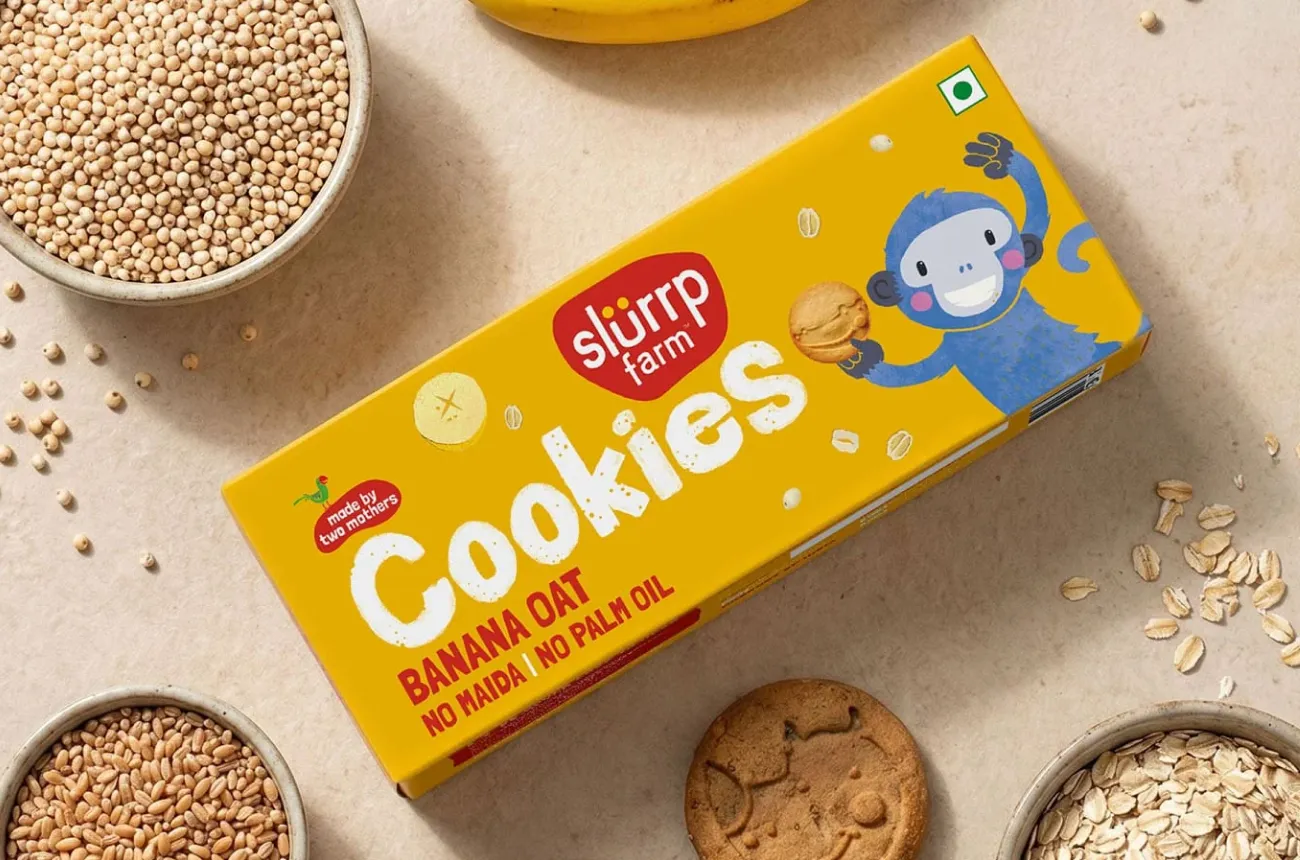
How Slurrp Farm made millets a children's food category through design-led packaging and a parent community it built itself.

Author:
Rishabh Jain

How Soulflower turned two decades of aromatherapy expertise into India's best-selling online hair oil, and why coherence is now its design challenge.

Author:
Rishabh Jain

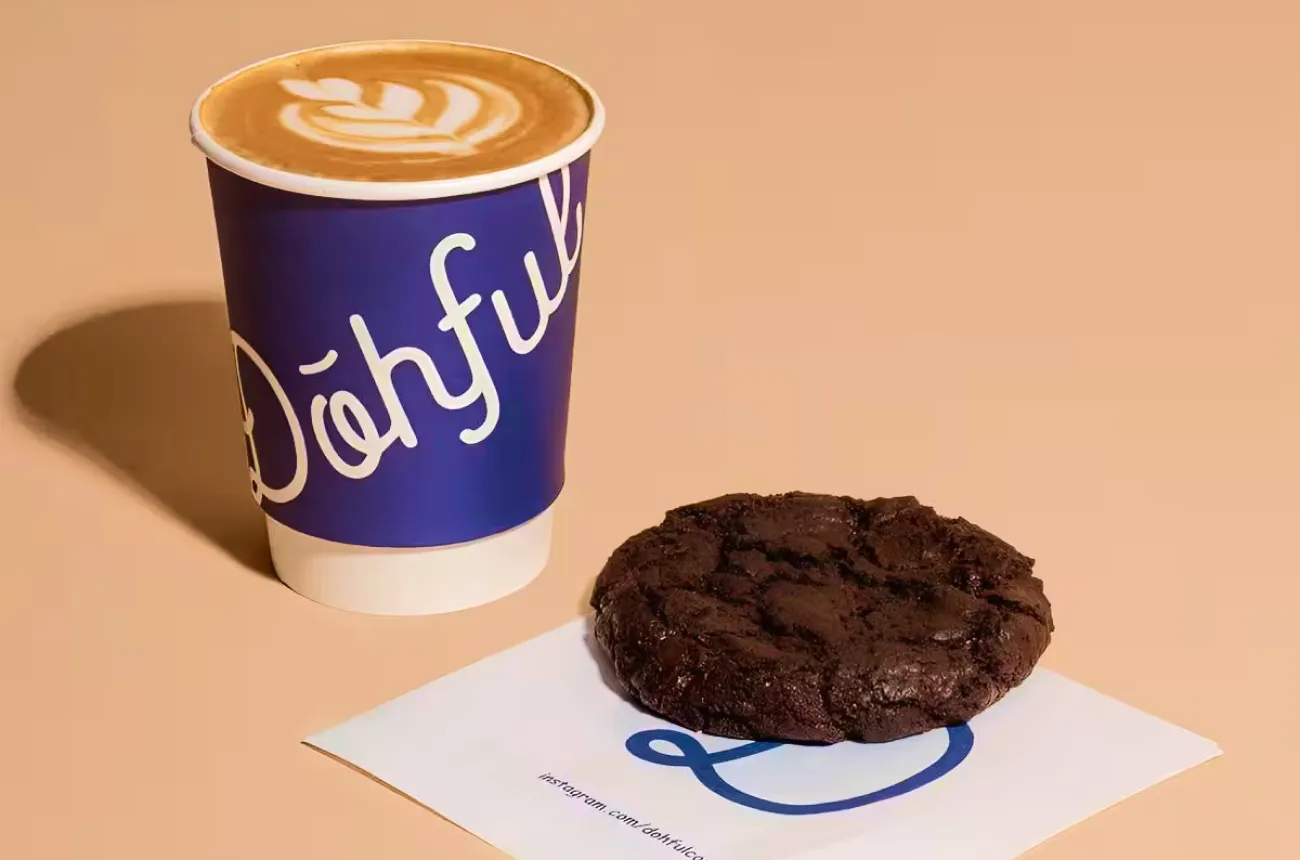
How Dohful turned soft-baked cookies and a candid founder newsletter into India's most intimate D2C brand, and why its offline pivot is the real test.

Author:
Rishabh Jain

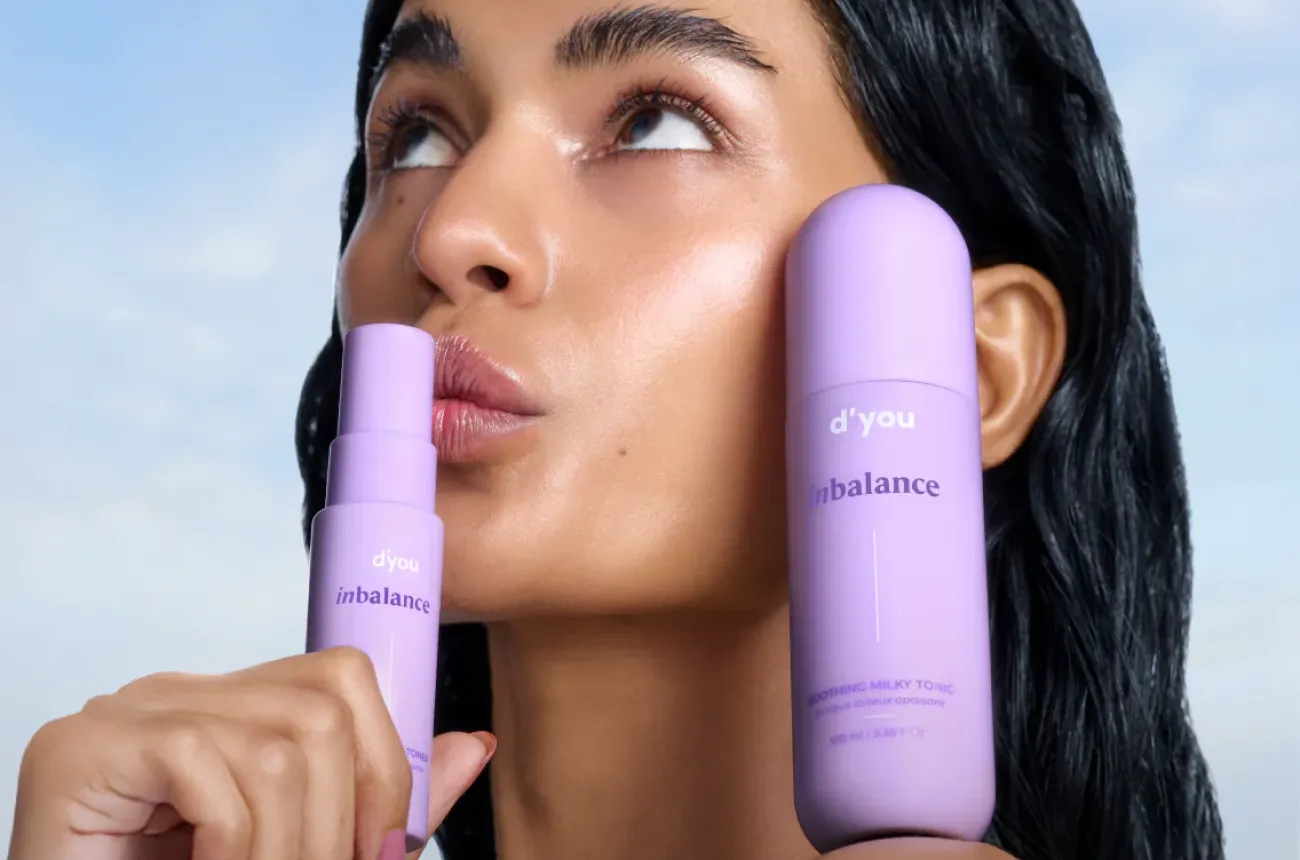
How d'you turned a single 11-active serum into a bootstrapped, profitable cult skincare brand by making the formula the whole brand.

Author:
Rishabh Jain

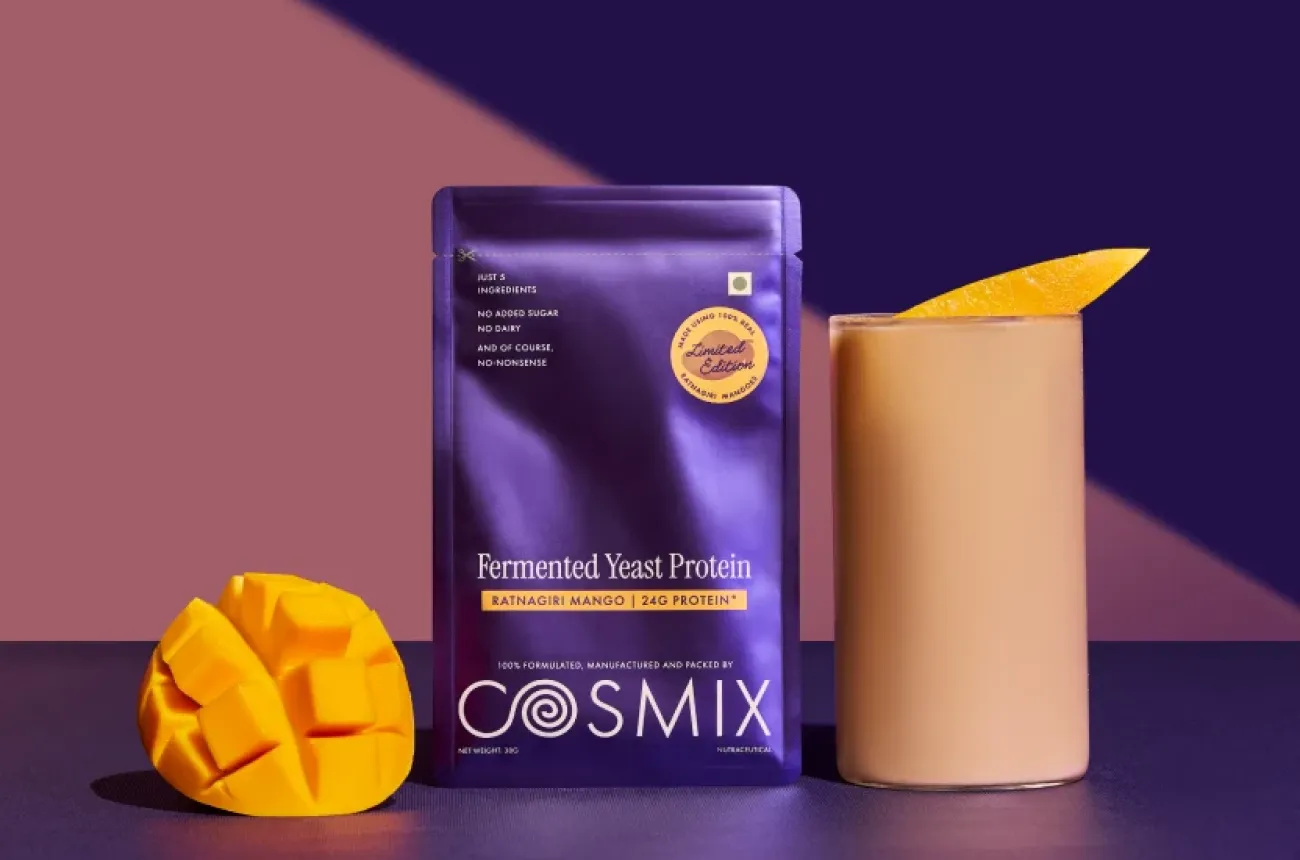
Cosmix built one of India's cleanest supplement brands through root-cause formulation and founder-led education, and earned a Marico buyout doing it.

Author:
Rishabh Jain

XYXX has cracked distribution in a way almost no premium Indian menswear brand has, but that same reach is now the thing putting its premium identity at risk.

Author:
Rishabh Jain

Bombay Shirt Company built a genuine zero inventory business on the promise that a shirt made for you fits better than one made for everyone, and now it has to prove that promise still holds across 40 stores.

Author:
Rishabh Jain

Palmonas turned a Bollywood actor into an equity holding co-founder and rode that bet to 40x revenue growth, but the brand behind the face still looks like every other demi-fine label on the shelf.

Author:
Rishabh Jain

India built the luxury Ayurveda category around Kama, and the brand is now watching a rival it once matched get bought outright by a global beauty giant.

Author:
Rishabh Jain

How Plix grew to Rs 436 crore by solving a format problem before a formulation problem, built a browse-by-plant experience no competitor has matched.

Author:
Rishabh Jain

How Benne built a Rs 350 crore brand story from a 12-seater dosa café in Bandra by picking one product, doing it obsessively well, and letting the queues tell the rest of the story.

Author:
Rishabh Jain

How Bummer built the first genuine personality in Indian innerwear, survived Ashneer Grover's "doglapan" moment on national television, and still has the most important question in front of it: how does a brand this loved become a business this large?

Author:
Rishabh Jain

How Nicobar built India's most disciplined lifestyle brand by refusing to raise capital, discount, or borrow a design language from anywhere else, and why it has become the quiet reference point for an entire generation of Indian founders.

Author:
Rishabh Jain

How Moxie Beauty told Indian women with curly and wavy hair something the global haircare industry had never bothered to say: it was never your hair, it was always the product.

Author:
Rishabh Jain

How Forest Essentials turned ancient Indian Ayurveda into a Rs 585 crore global luxury brand, and why the full Estée Lauder acquisition announced in March 2026 is the most consequential moment in its 25-year history.

Author:
Rishabh Jain

How Sleepy Cat built India's most coherent sleep brand by doing the one thing its better-funded rivals forgot: staying obsessively focused on sleep, and nothing else.

Author:
Rishabh Jain

How Country Bean made flavoured coffee India's softest entry into specialty before anyone else thought the market was ready, and why the brand that opened the category needs a next act before the market moves fully past it.

Author:
Rishabh Jain

How Nuuk is filling the gap between Dyson and cheap imports with design-first home appliances built for modern Indian homes, and why the brand identity now needs to move as fast as the product has.

Author:
Rishabh Jain

How Poppi turned colour, a founding story, and a TikTok community into a USD 1.95B acquisition by PepsiCo and why its biggest design challenge now has nothing to do with the can.

Author:
Rishabh Jain

How ZYN used design precision and sport sponsorship to make nicotine feel like a premium lifestyle choice, and what that reveals about the power and limits of branding.

Author:
Rishabh Jain

How OLIPOP made gut health fun instead of clinical, built a USD 1.85B brand that turned down acquisitions from both Coke and Pepsi, and became the last serious independent in a category that consolidated around it.

Author:
Rishabh Jain

How Gully Labs made Indian streets the design brief, built a Noida factory before most investors believed in it, and raised Rs 35 crore to prove the category is real.

Author:
Rishabh Jain

How NOTO spotted India's guilt-free ice cream opportunity before anyone else, earned 87 investors across eight rounds, and why the packaging and portfolio focus need to catch up with the founding insight before the competition does.

Author:
Rishabh Jain

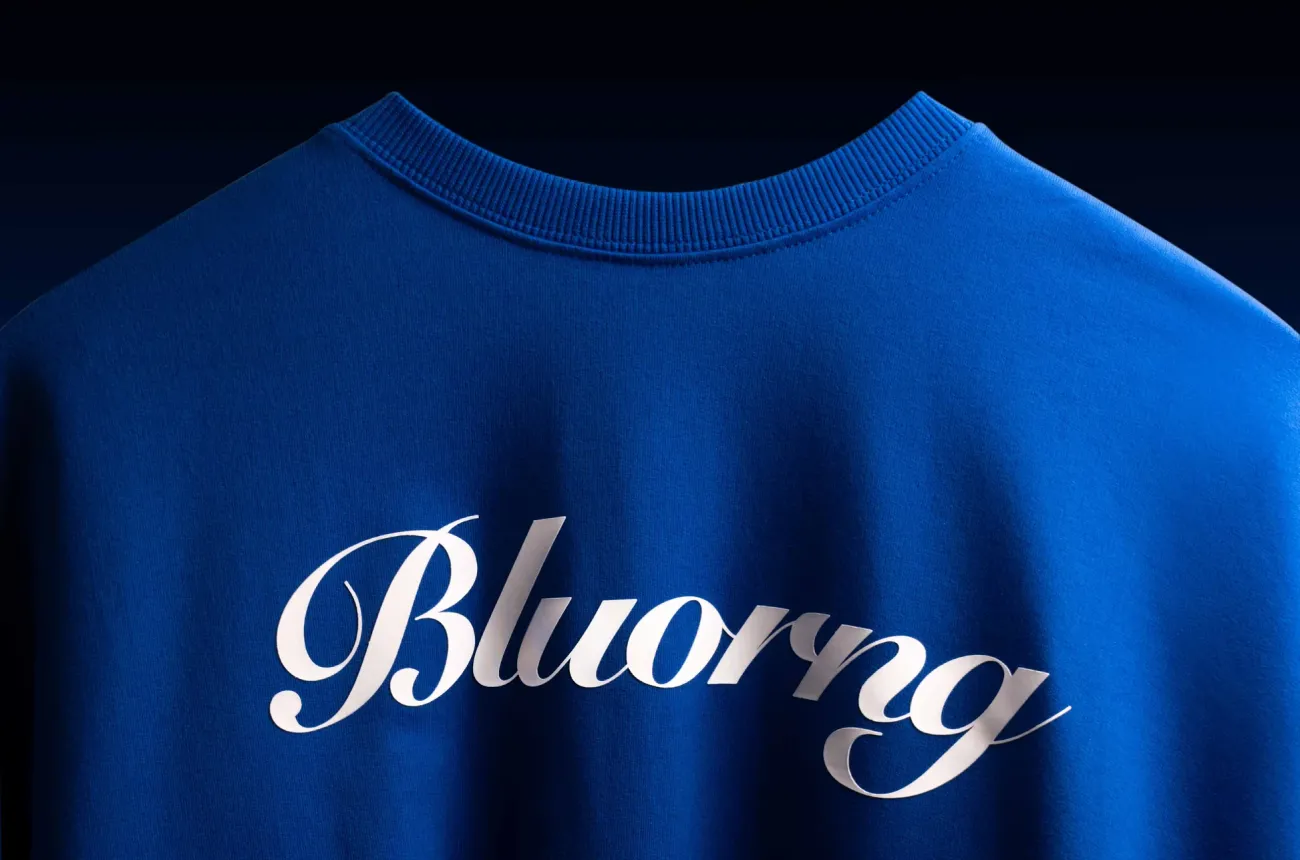
How Bluorng proved that Indian streetwear does not need a Western reference point to command Rs 20,000 for a sweatshirt, and what it means for every brand building in a category that did not exist before they arrived.

Author:
Rishabh Jain

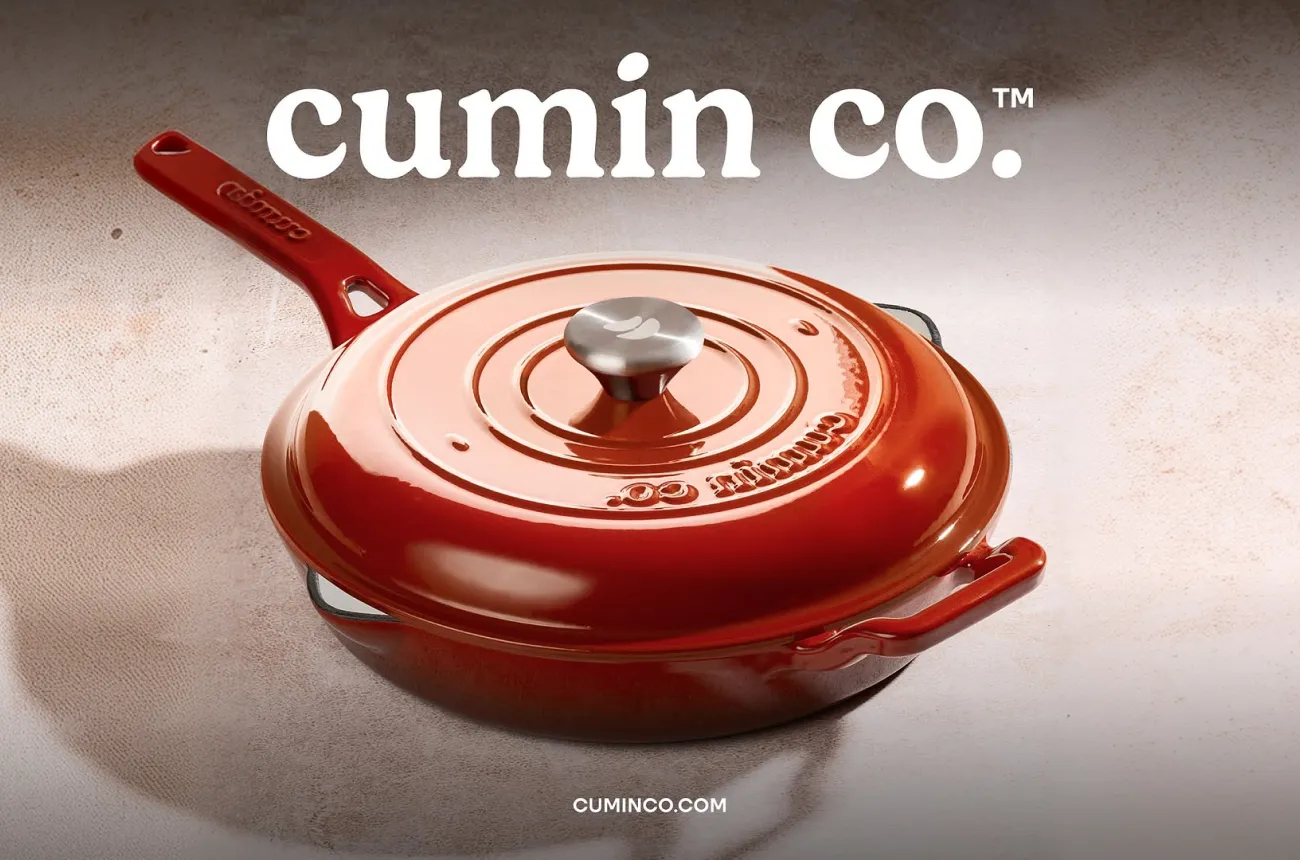
How Cumin Co consolidated India's scattered cookware market with patented technology and design so good that people ask where to buy it, and why the brand building work is what comes next.

Author:
Rishabh Jain

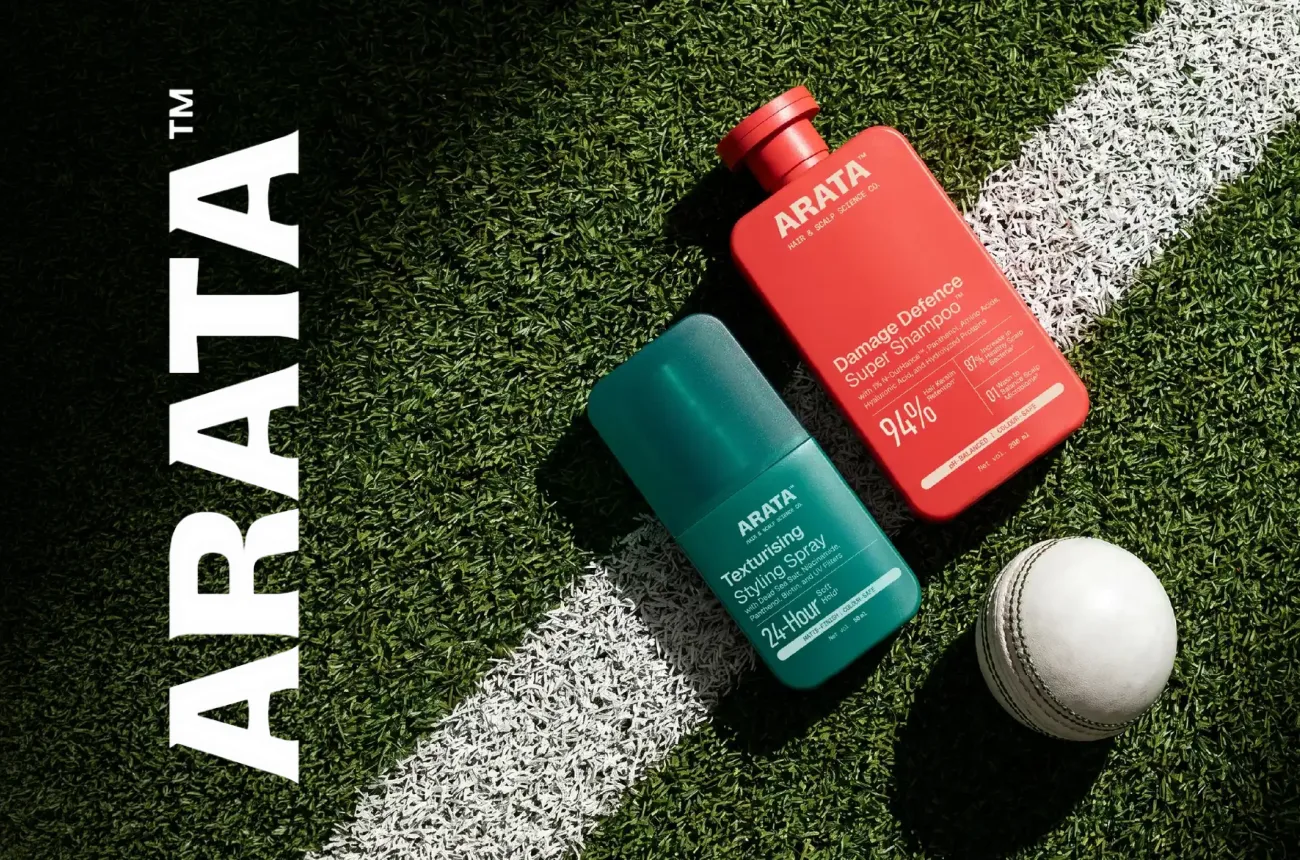
How Arata built a 1.5 million customer haircare business on product quality and quick commerce reach alone, and why both Unilever and L'Oréal invested in it.

Author:
Rishabh Jain

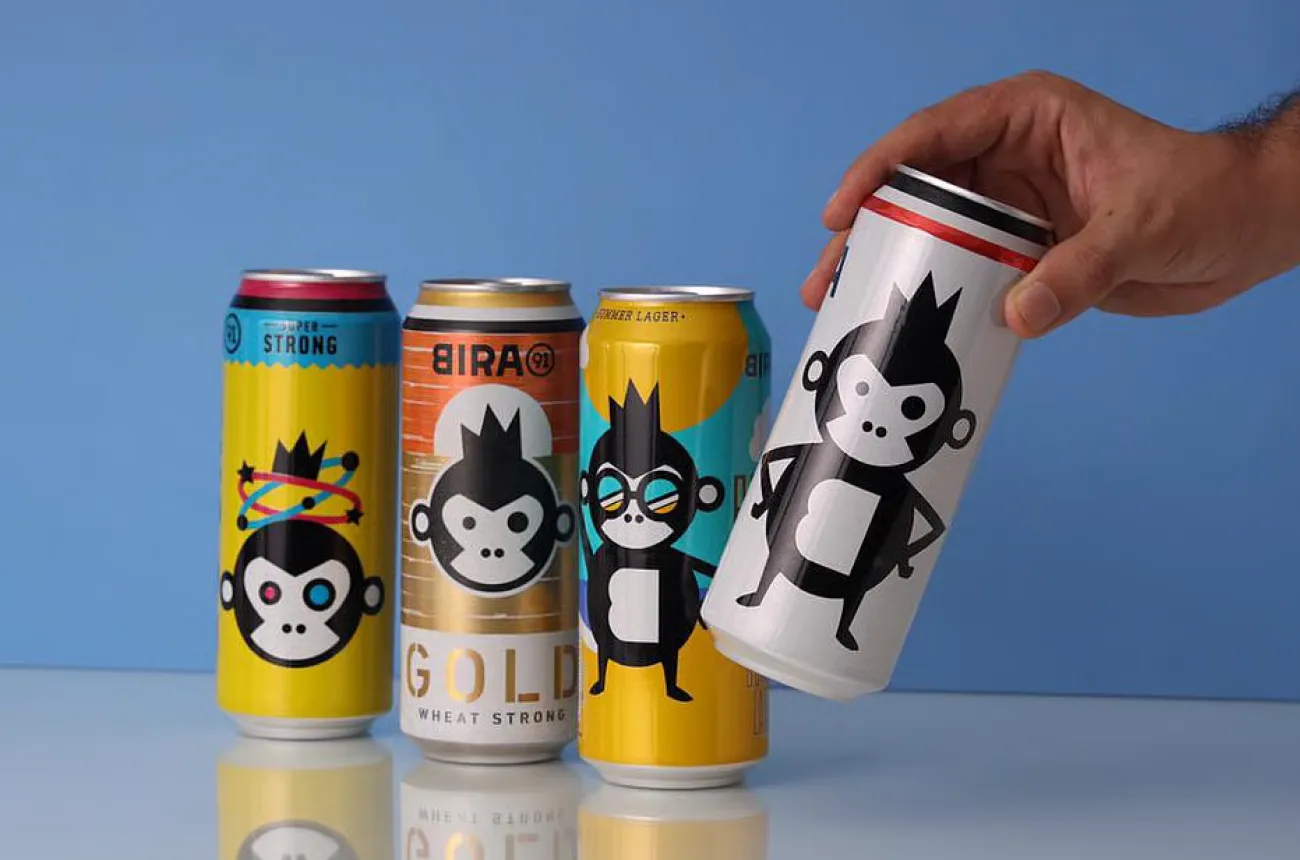
How Bira91 created India's craft beer category, became the default drink of a generation, and why the brand's cultural achievement and the business's financial crisis are two entirely separate stories.

Author:
Rishabh Jain

How Neeman's democratised sustainable footwear for India rather than premium-ising it, and why the brand identity has not yet caught up with the product's ambition.

Author:
Rishabh Jain
Rare Rabbit Brand Audit By Confetti Design Studio

How Rare Rabbit built India's most commercially serious premium fashion brand on product restraint, a tier 2-3 city strategy nobody talked about, and a monogram that does more brand work than any billboard could.

Author:
Rishabh Jain

How Yogabar built a decade of consumer trust on ingredient honesty, scaled to Rs 201 crore through ITC's distribution reach, and now faces its most important brand question yet.

Author:
Rishabh Jain

How Jaipur Rugs built the most powerful Indian luxury story in the world through 40,000 artisans, Paris Fashion Week, and a founder who started with a Rs 5,000 loan.

Author:
Rishabh Jain

How Snitch went from Rs 11 crore to Rs 900 crore in five years by building the fastest trend pipeline in Indian menswear, and why the next Rs 900 crore requires something the machine cannot produce by itself.

Author:
Rishabh Jain

Mokobara made Indian luggage worth wanting. Whether it can hold its ground as the scrutiny grows is the next design problem to solve.

Author:
Rishabh Jain

How the Comet sneakers brand is building hype in India through iconic design, limited drops and streetwear culture.

Author:
Rishabh Jain

How UnderNeat is normalising shapewear in India through influencer-led branding, real women, and category-first storytelling.

Author:
Rishabh Jain

How Subko turned specialty coffee into a South Asian cultural movement: a Confetti brand audit.

Author:
Rishabh Jain

How Tipsy Tiger built a cocktail mixer brand with more personality than most funded competitors, and what it needs to do to translate that identity into breakout commercial scale.

Author:
Rishabh Jain

Bold Care turned one of India's most stigmatised categories into a Rs 100 crore conversation. The next chapter is about proving the brand can convert attention into sustainable profit.

Author:
Rishabh Jain

Bombay Shaving Company scaled faster than most Indian D2C brands ever will. The question now is whether the brand system can catch up with the ambition.

Author:
Rishabh Jain

How The Good Bug made gut health feel like a lifestyle choice rather than a medical prescription, and why brand consistency is now the most important product it needs to build.

Author:
Rishabh Jain

How Vahdam built a globally scaled Indian tea brand by controlling the supply chain from plantation to doorstep, without losing what makes it Indian.

Author:
Rishabh Jain

How Plum turns simplicity and functional design into a skincare staple, and what it takes to go from dependable to iconic.

Author:
Rishabh Jain

How Keventers blends a century of legacy with contemporary design to stay timelessly relevant in India's crowded indulgence category.

Author:
Rishabh Jain

A closer look at how bold naming and visual cues turn coffee into an adrenaline experience, and why Rage Coffee has not fully committed to the promise its name makes

Author:
Rishabh Jain

How Sleepy Owl made cold brew a habit for urban India, and why staying interesting is now the harder challenge.

Author:
Rishabh Jain

How MyMuse made sexual wellness feel safe, modern, and completely normal for India.

Author:
Rishabh Jain

What happens when cocktail culture is designed for real homes, real parties, and real drinkers.

Author:
Rishabh Jain

How Indri became India's most awarded single malt by designing for all five senses, not just the glass.

Author:
Rishabh Jain

A look at how focus, simplicity, minimalism and intention built an unmistakably premium coffee experience.

Author:
Rishabh Jain

Third Wave Coffee put specialty coffee on the Indian map. The harder question now is whether it can protect the philosophy that made the name mean something.

Author:
Rishabh Jain

How Wellbeing Nutrition built a design system flexible enough to serve every age group without losing the plot.

Author:
Rishabh Jain

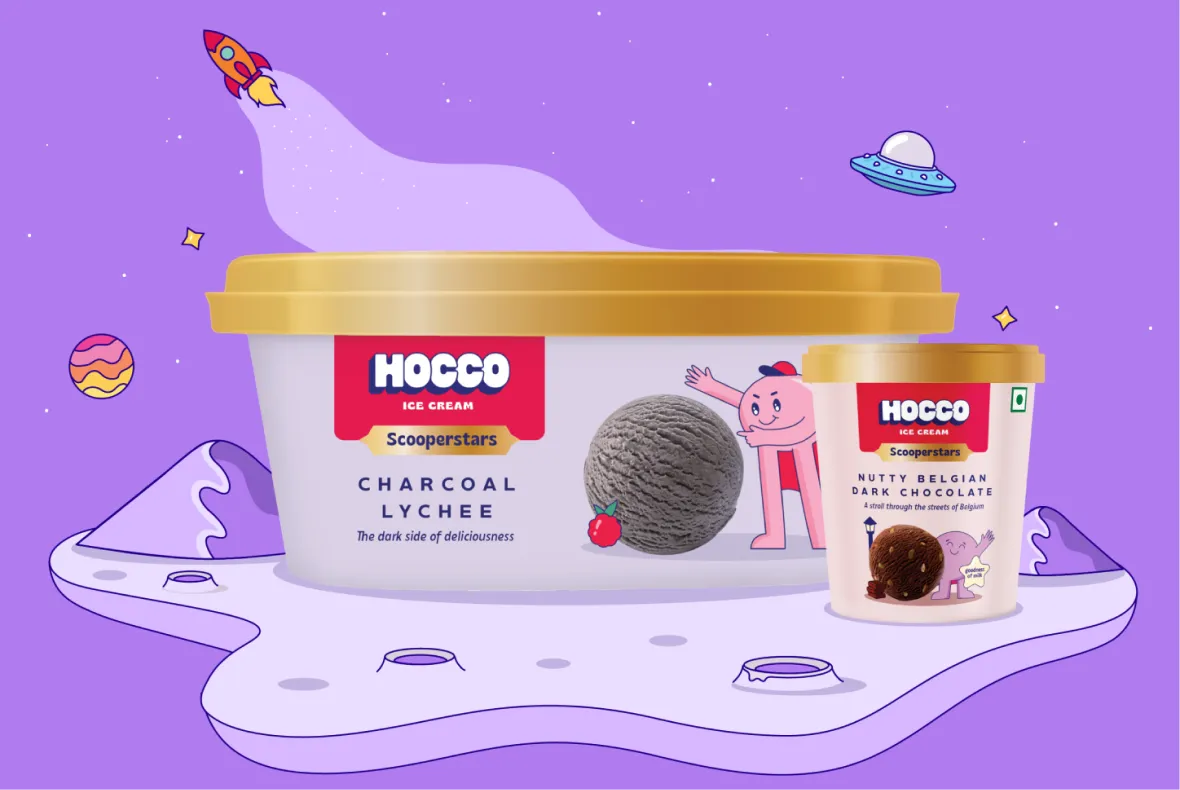
How Hocco reimagined indulgence through playful design, bold naming, and a joyful brand language that India's frozen aisles had never seen before.

Author:
Rishabh Jain

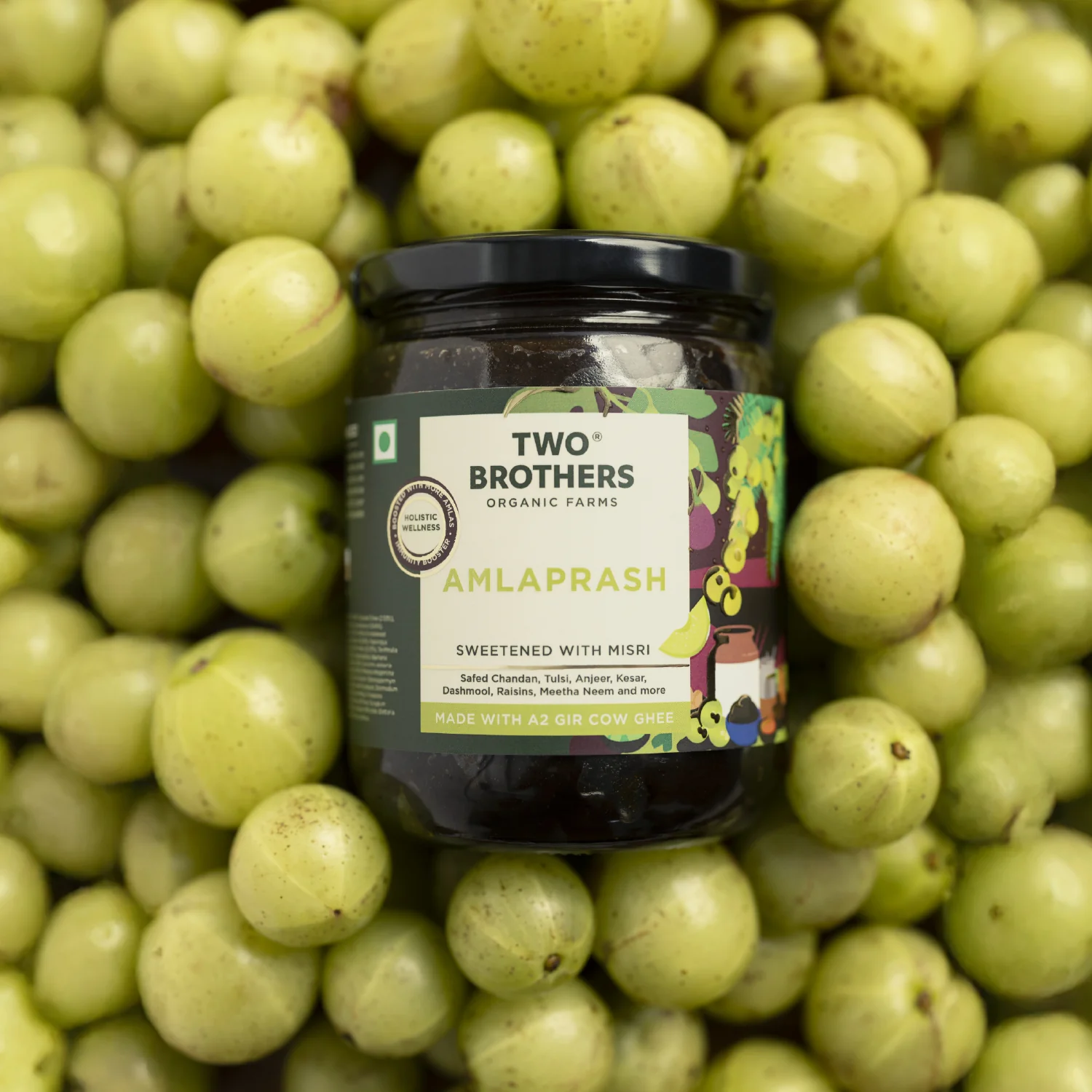
A closer look at how Two Brothers translates farm-first values into a trusted, premium identity.

Author:
Rishabh Jain

How The Whole Truth turned honesty into a design system, a business model, and a transparency movement.

Author:
Rishabh Jain

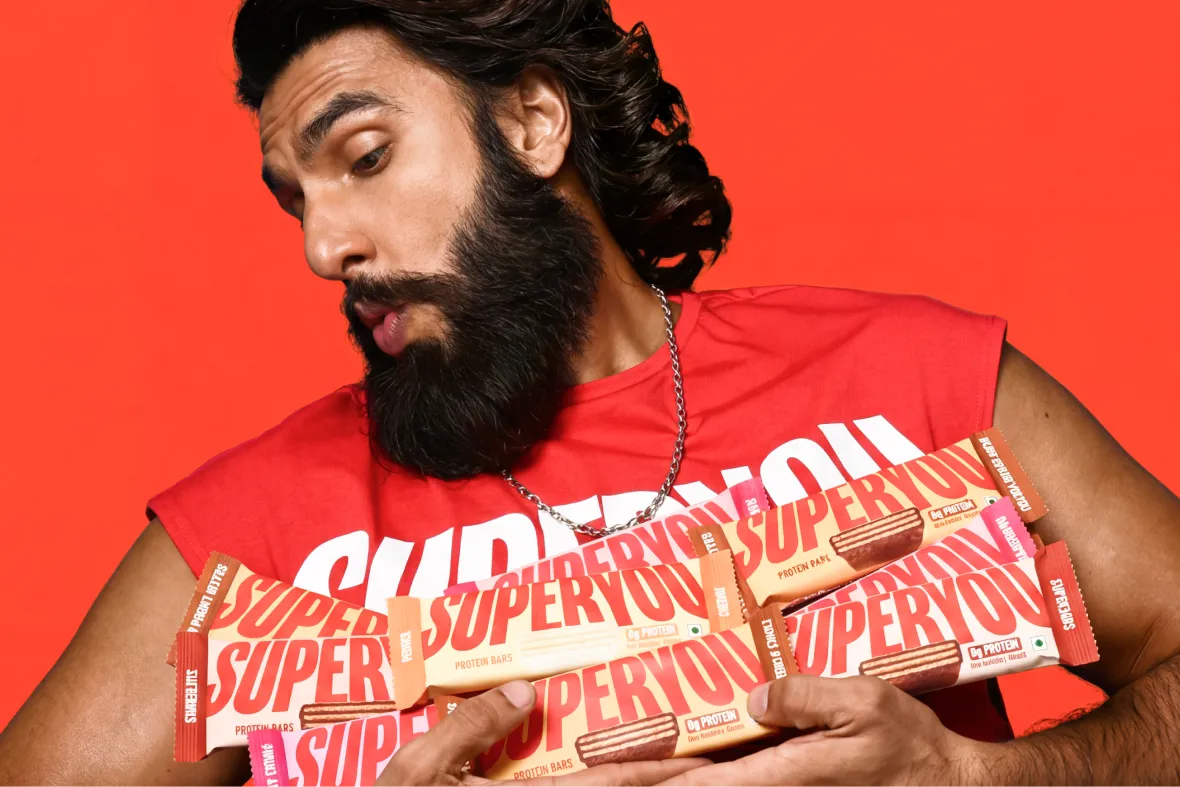
How SuperYou became India's fastest-growing celebrity D2C snack brand by making protein mainstream, not niche.

Author:
Rishabh Jain

Exploring how CRED turned credit card payments into a premium, habit-forming experience through design and rewards.

Author:
Rishabh Jain

How Sugar Cosmetics made bold makeup accessible through vibrant branding and digital-first storytelling.

Author:
Rishabh Jain

How Paper Boat bottled childhood and sold it back to a generation, and why the next decade demands something more than memory.

Author:
Rishabh Jain

Exploring how Snitch built a fast-moving menswear brand by translating global trends into accessible, digital-first fashion.

Author:
Rishabh Jain

How Jupiter approaches personal finance through thoughtful UX, simplicity, and a product-first digital experience.

Author:
Rishabh Jain

A closer look at how Phool reimagines a traditional ritual through sustainable design, storytelling, and modern luxury.

Author:
Rishabh Jain

How Mamaearth found the sweet spot between Patanjali and the Western beauty giants, and why that middle ground is getting harder to hold.

Author:
Rishabh Jain

Let’s Build The Next Big Thing

Portrait photo of Rishabh Jain, Founder of Confetti, smiling and sitting down.
Rishabh Jain's signature
Rishabh Jain
Founder @Confetti
Get Started
A stylized pink thunderbolt or lightning icon
Get Instant Response
We’re looking forward to talk to you!
There was an error in form submission.
Please try to submit the form again.

Global Recognition

The logo for the publication PACKAGING OF THE WORLD, featuring the word 'PACKAGING' in bold black capital letters and 'OF THE WORLD' in a smaller font size.
ITC Bingo Chatpat Kairi is featured in ‘Packaging Of The World', 2025
A product photograph showing a green bottle of 'Bingo! Chatpat Kairi' drink, surrounded by glasses of mango juice, a woven basket filled with raw green mangoes, and slices of mango.
The logo for the World Brand Design Society, which includes a black geometric symbol, the Royal Coat of Arms of the United Kingdom, and the words 'WORLD BRAND DESIGN SOCIETY'.
WhatABite is featured in ‘World Brand Design Society’, 2025
Close-up of a bag of orange-red 'WhatABite Chicken Chips (Barbecue)' resting on a bright yellow surface, surrounded by a laptop, an open book, a black vintage-style camera, a red thermos, and a small white bowl holding some of the chips.
The logo for the packaging editorial Dieline, represented by a black circle containing a stylized white 'D' shape.
AIM Nutrition is featured on ‘Dieline, 2025’, a globally reputed packaging editorial
A flat lay photograph of several products from AIM Nutrition's 'MeltinStrips' line, including blue boxes for 'Sleep' and white boxes for 'Beauty,' along with small orange sachets for 'Energy,' all scattered on a light background
The logo for the publication PACKAGING OF THE WORLD, featuring the word 'PACKAGING' in bold black capital letters and 'OF THE WORLD' in a smaller font size.
ITC B Natural is featured in ‘Packaging Of The World', 2025
A light green bottle of B Natural Tender Coconut Water sits on a blue and white patterned tile table next to a half coconut shell filled with a drink and garnished with a grapefruit slice and rosemary. The background is a bright seaside landscape with a blue ocean and distant cliffs.
The logo for the publication PACKAGING OF THE WORLD, featuring the word 'PACKAGING' in bold black capital letters and 'OF THE WORLD' in a smaller font size.
Pawsible Foods is featured in ‘Packaging Of The World', 2025
A smiling Golden Retriever dog wearing a green tag, leaning on a table next to a large green box of Pawsible Foods Core Wellbeing Nutritional Topper and a stainless steel bowl containing the food. The background is a blurred, lush green outdoor setting.
The logo for the publication PACKAGING OF THE WORLD, featuring the word 'PACKAGING' in bold black capital letters and 'OF THE WORLD' in a smaller font size.
Miduty is featured in ‘Packaging Of The World', 2025
A set of three black-lidded supplement bottles from the Miduty brand, labeled Estrogen Balance, Liver Detox, and Methyl B-12 & Folate, displayed against a sleek, light blue, clinical-style background.
The logo for the publication PACKAGING OF THE WORLD, featuring the word 'PACKAGING' in bold black capital letters and 'OF THE WORLD' in a smaller font size.
Swizzle is featured in ‘Packaging Of The World', 2025
A visually striking product photo featuring three cans of Swizzle Premium Mocktails (Pineapple Mojito, Blue Lagoon, and Desi Lemonade), each bearing a polar bear mascot wearing sunglasses. They are arranged on a pink surface next to a red cloth and a bowl of salad, with a hand reaching for the can on the right.
The logo for the publication PACKAGING OF THE WORLD, featuring the word 'PACKAGING' in bold black capital letters and 'OF THE WORLD' in a smaller font size.
ITC Bingo Chatpat Kairi is featured in ‘Packaging Of The World', 2025
A product photograph showing a green bottle of 'Bingo! Chatpat Kairi' drink, surrounded by glasses of mango juice, a woven basket filled with raw green mangoes, and slices of mango.
Like what you see?
Let's discuss your project
Book A Call