%201.webp)
02
AI Snaps
.svg)
.svg)
01
Our Work
03
About Us
04
Brand Audit
05
Contact Us
06
Client Success
12
07
Blogs
08
Careers
Book A Call
.svg)


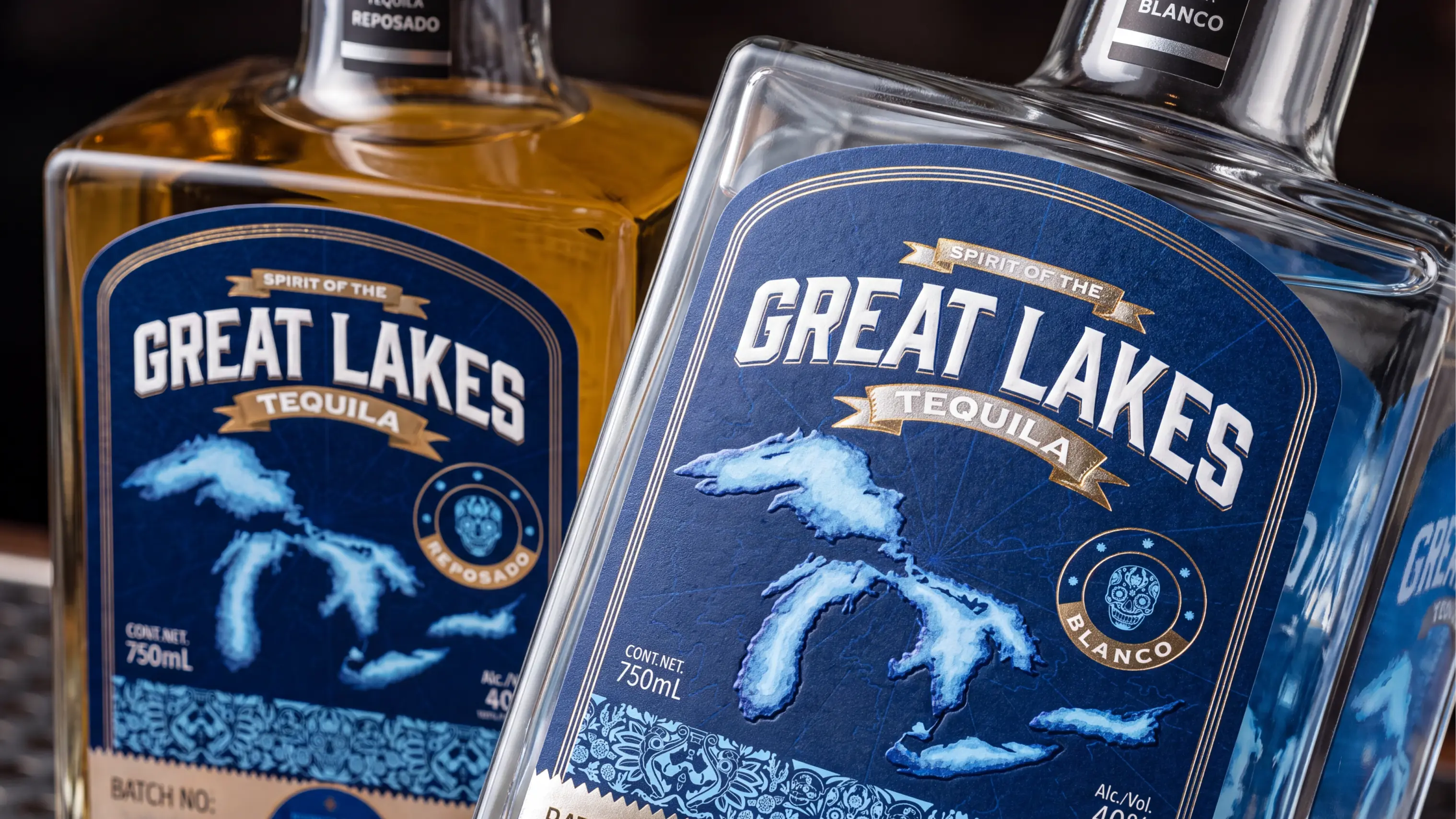
Michigan people don't need to be told their home is special. They already know it in the way people know things that have been true their whole lives. The lakes, the forests, the particular kind of serenity and stillness that comes with that much water and that much sky.
Grande Lagos was built to reflect that same feeling. A tequila distilled from blue agave in Jalisco, Mexico, brought to Michigan and made to feel like it had always belonged there. Three expressions, Blanco, Reposado, and Anejo, each with their own character, all sitting inside a brand that had to earn the trust of two very different cultural worlds simultaneously.
The bottle was always meant to be something people kept. A gift worth giving, a souvenir worth taking home, something you'd pick up in a Michigan store and want to keep long after the tequila inside it was gone. Confetti built the identity that made that possible.


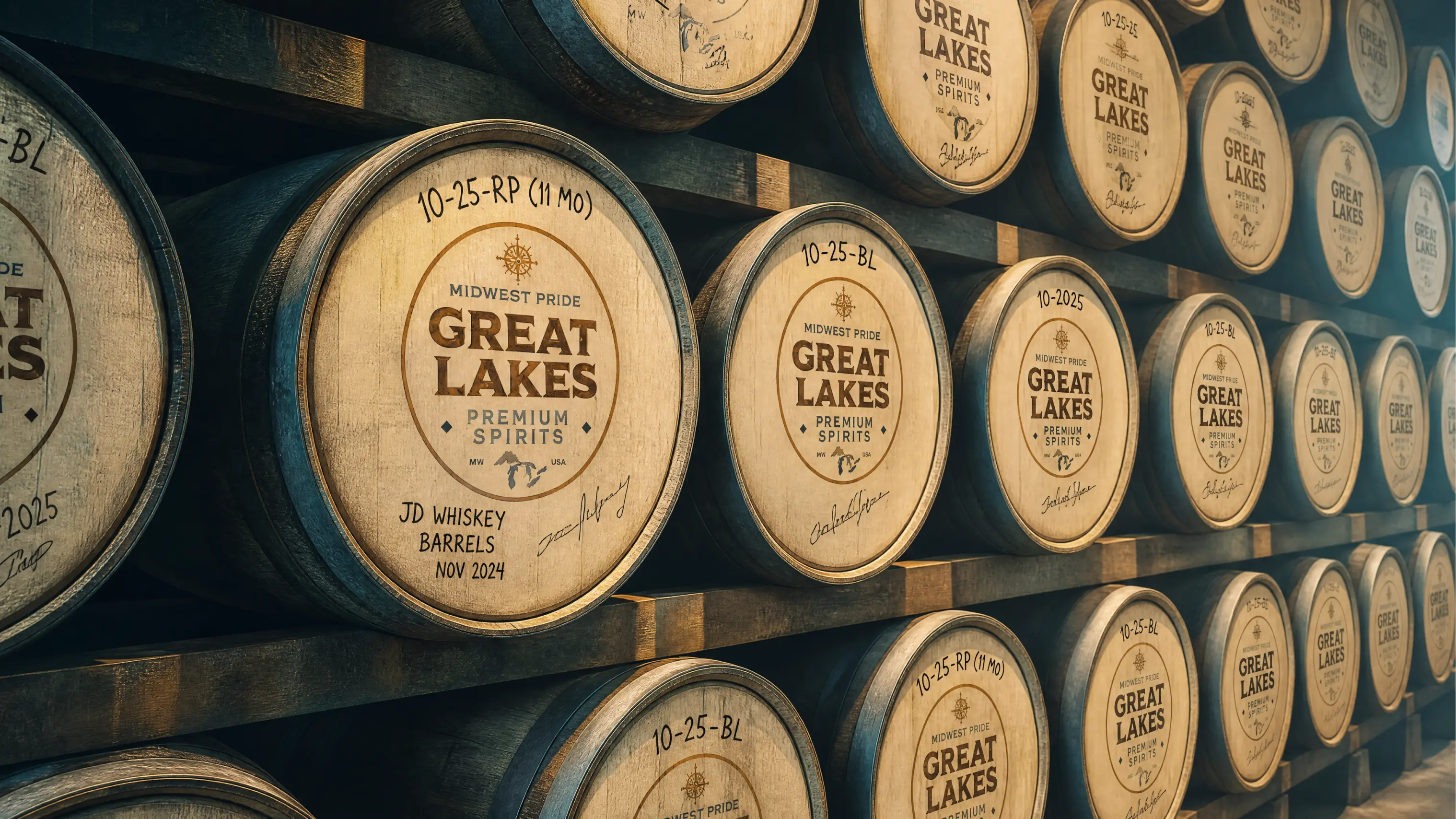
Bringing two cultures into one brand is one of those briefs that sounds exciting until you sit down to actually do it. The gap between doing it well and doing it poorly is enormous, and the consequences of getting it wrong are real. Michigan people know their landscape. They'll notice immediately if it's been reduced to a postcard version of itself. And Mexican craft heritage, the agave tradition, the Day of the Dead iconography, the visual richness that has been built over centuries, deserves far more than surface level treatment.
And on top of that, the bottle needed to function as a souvenir. Specific enough to place, premium enough to gift, and rich enough that a stranger picking it up for the first time understood immediately what they were holding.

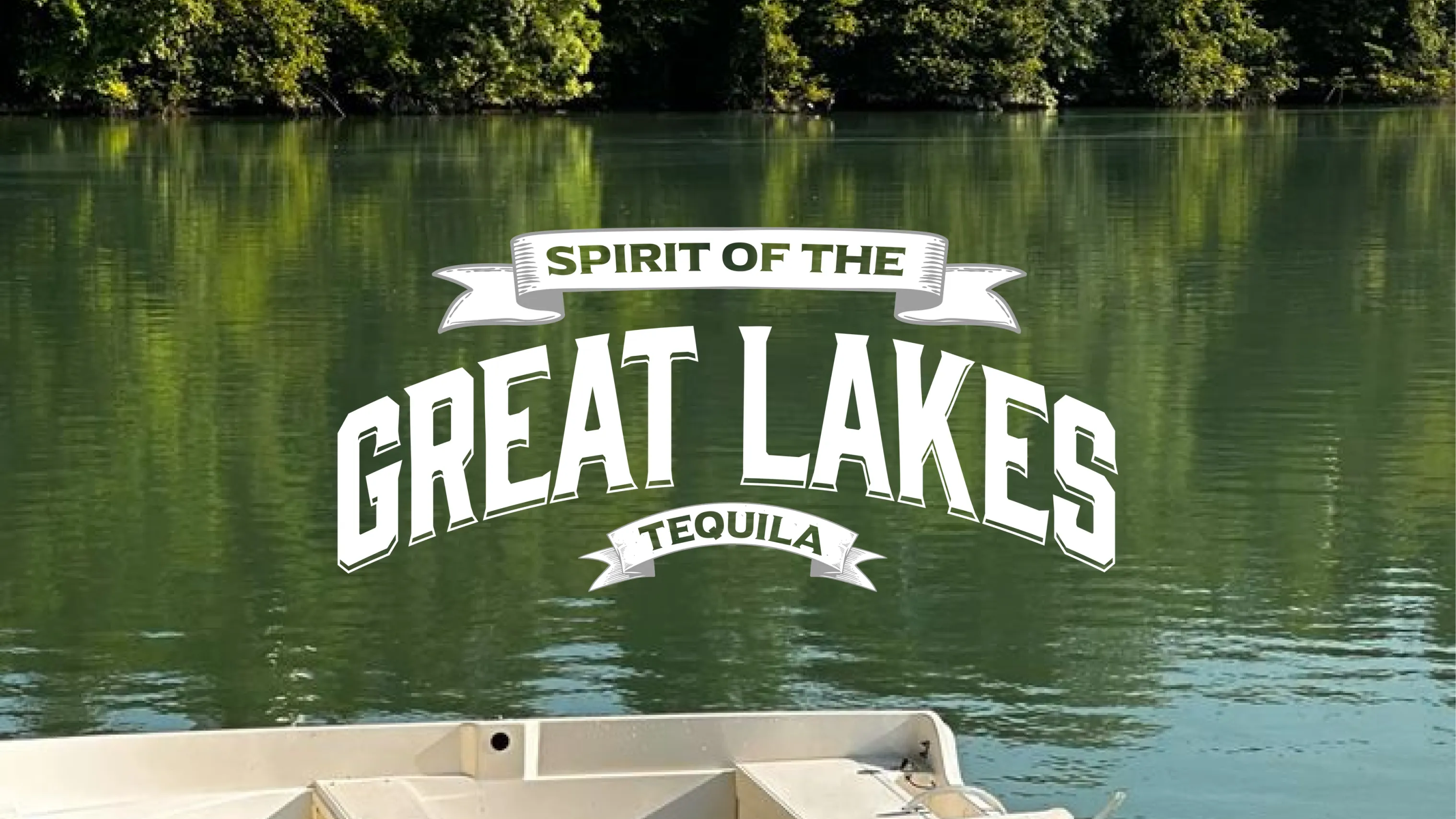
Before anything was drawn, the brand's archetype was settled to be the Explorer. Like someone who goes looking for things worth finding and brings them back with the care they deserve. That single idea became the lens for every decision that followed.
What would an Explorer's tequila look like?
What would it say about where it came from?
How would it carry the weight of two places without making either one feel like a detail?
The visual system doesn't put Michigan on one side and Mexico on the other. It puts them in the same place at the same time because that's where Grande Lagos actually lives.
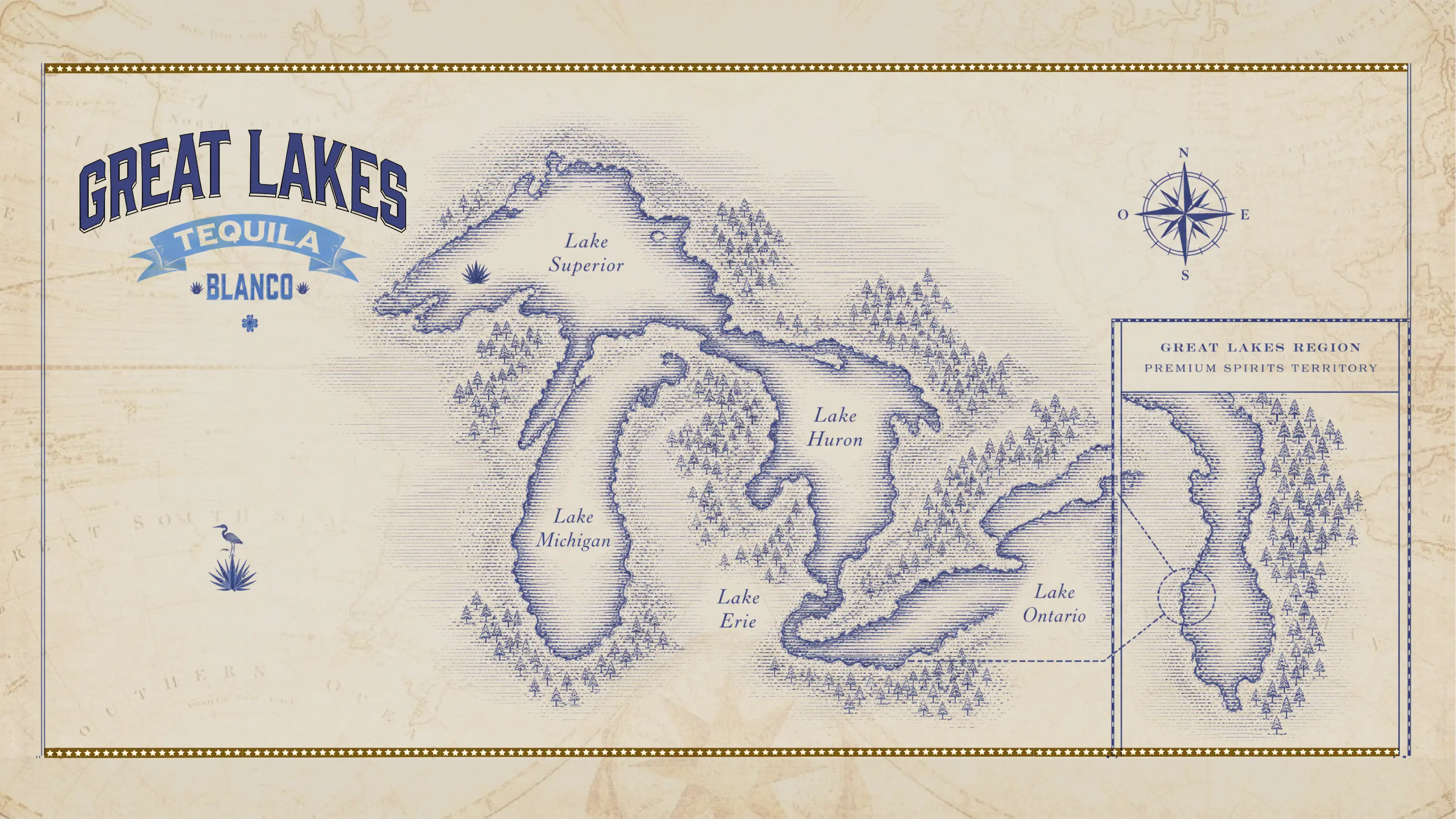
Great Lakes map elements, pine trees, mountain, compass, the kind of topographic detail that people from the region have a physical reaction to because it looks like somewhere they've actually been. Agave plant illustrations, skull motifs drawn from Day of the Dead traditions, and the decorative richness of Mexican craft culture for Jalisco.
The two worlds were woven together rather than layered on top of each other. Because layering produces a brand that looks like it's about two places. Weaving produces a brand that feels like it genuinely comes from both.
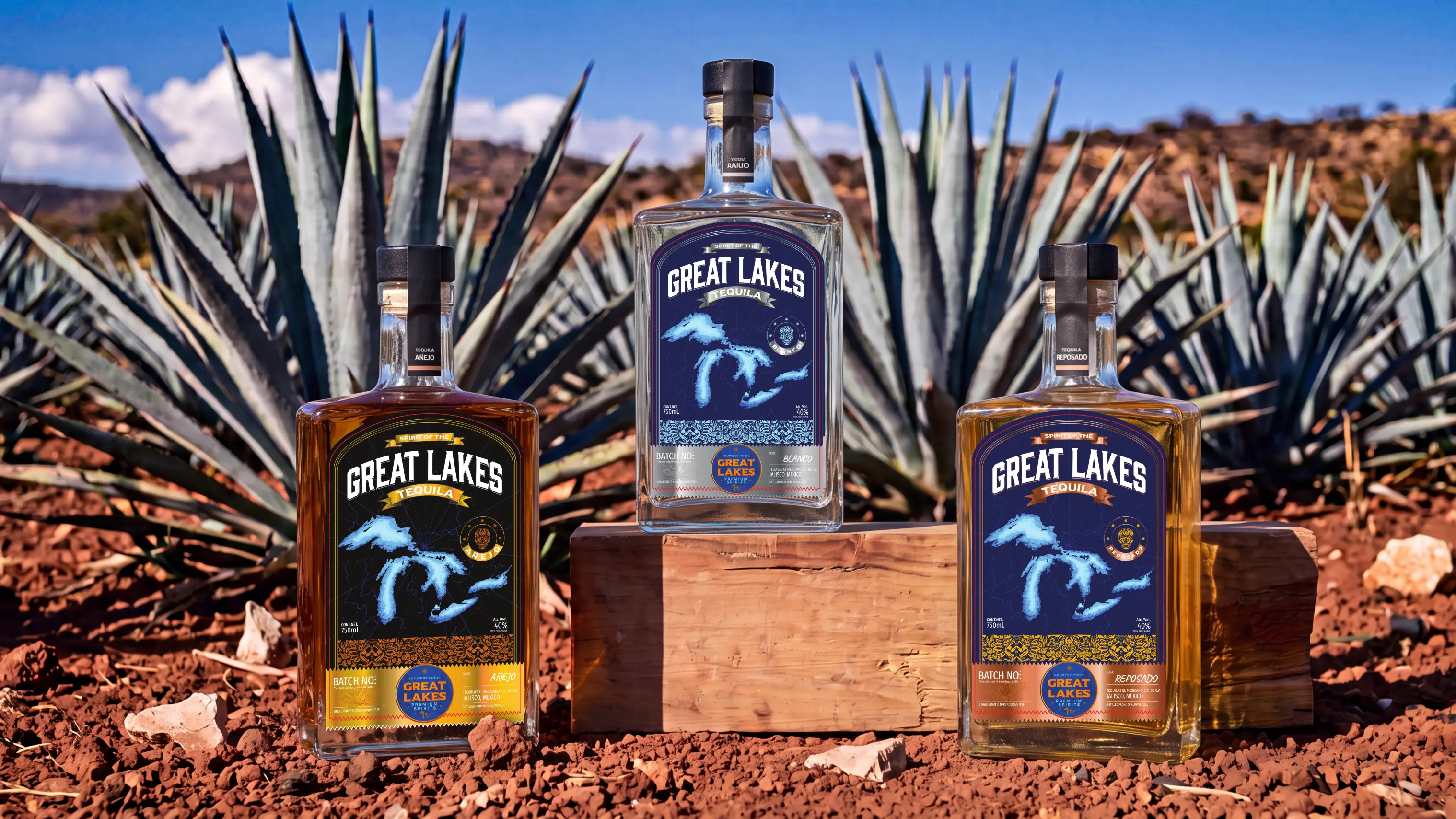
Every label decision was made with the souvenir in mind. Rich enough to reward the kind of close looking that happens when someone picks something up and turns it over in their hands. Considered enough to feel crafted rather than produced. The kind of thing someone receives as a gift and keeps the bottle for, because throwing it away would feel like losing something.
Blanco, Reposado, and Anejo each sit inside their own visual character while remaining a part of the same brand. The progression from light to deep runs through the design the way it runs through the aging process, naturally, without being forced. On a shelf together they read as a family while in someone's hand individually they hold their own.


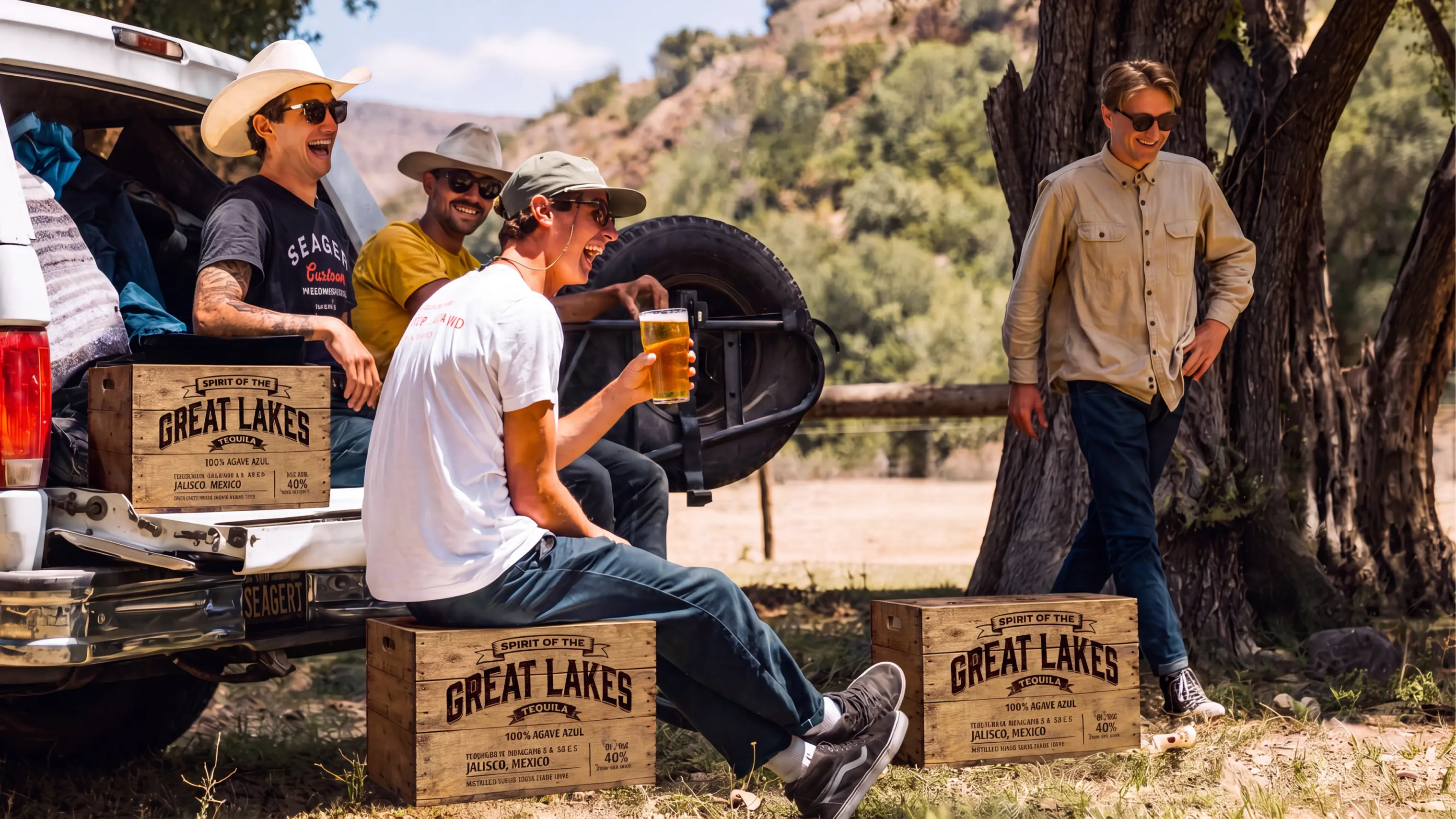


Grande Lagos went from a brief to a brand that people from Michigan feel genuinely proud to be associated with and people from Mexico would recognise the care behind. Most attempts at this kind of dual cultural identity collapse in one direction or the other, but this one held through.
The bottle does what it was always supposed to do. People pick it up, understand the story, and want to take it with them. Whether as a gift, a souvenir, or simply something beautiful to have on a shelf, it earns its place in a way that most spirits brands never quite manage.











.svg)
.svg)
.webp)
.webp)
.svg)