%201.webp)
02
AI Snaps
.svg)
.svg)
01
Our Work
03
About Us
04
Brand Audit
05
Contact Us
06
Client Success
12
07
Blogs
08
Careers
Book A Call
.svg)




Need Help In Building Your Brand?
Click the button below & book a call with our founder directly.

Rishabh Jain
Managing Director
Comet Sneakers | Confetti’s Verdict⭐⭐⭐⭐
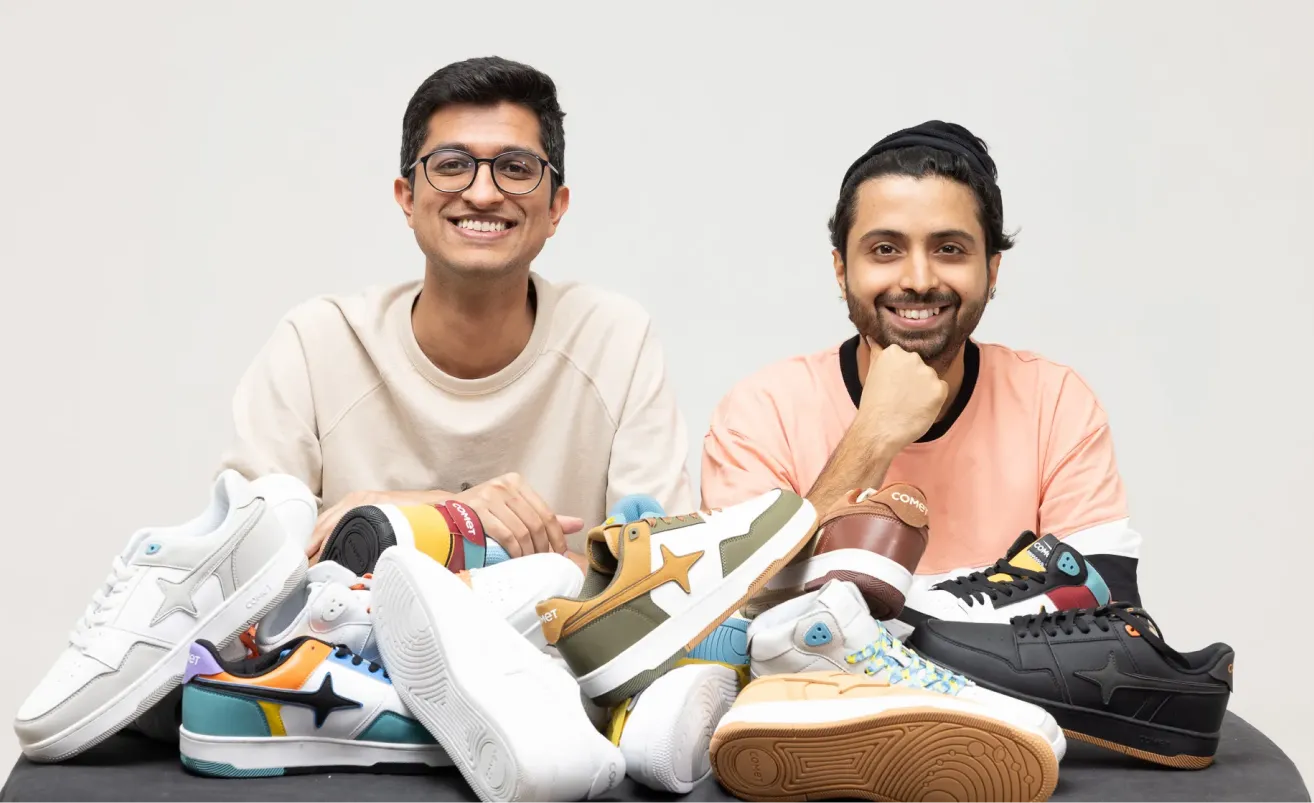
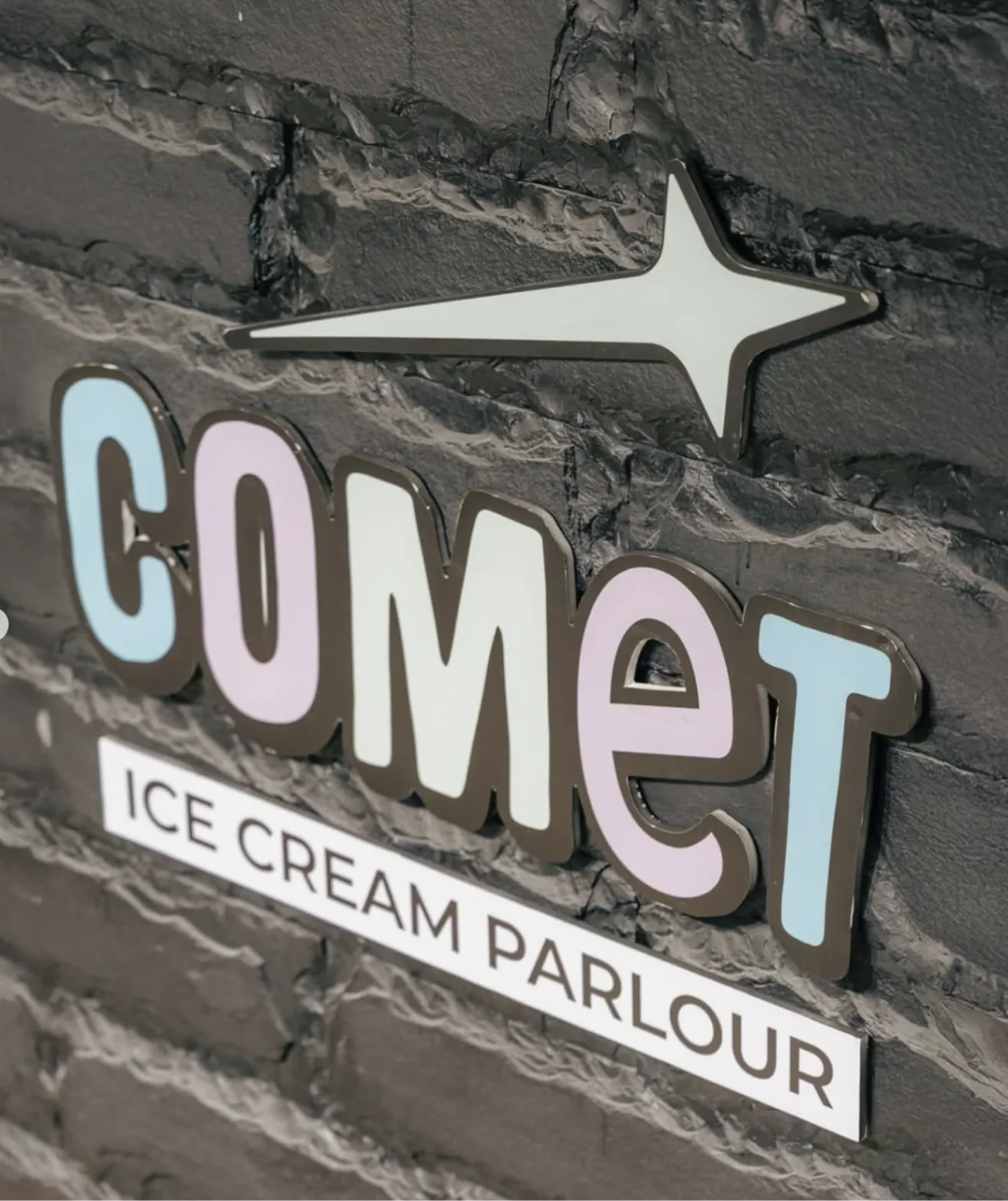
Confetti Design Studio analysed the branding and growth strategy behind Comet, one of India’s fastest rising sneaker brands. Comet has quickly built momentum through limited drops, cultural collaborations and design-led storytelling in a market traditionally dominated by global brands like Nike and Adidas.
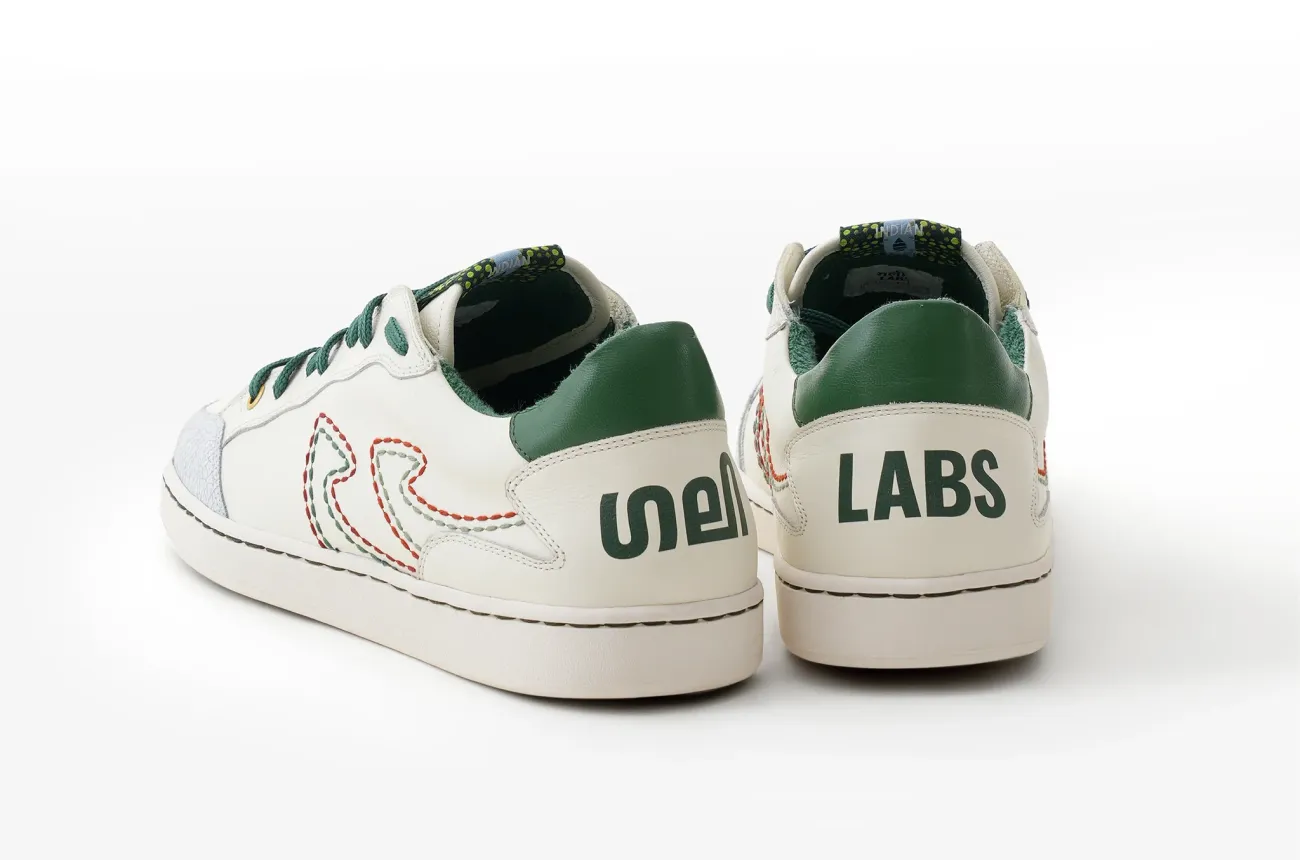
Unlike brands such as Gully Labs that lean into Indian storytelling, Comet positions itself around iconic sneaker design and cultural relevance.
In sneaker culture, design recall is everything.
The most successful footwear brands in the world built their identity around instantly recognisable design cues:
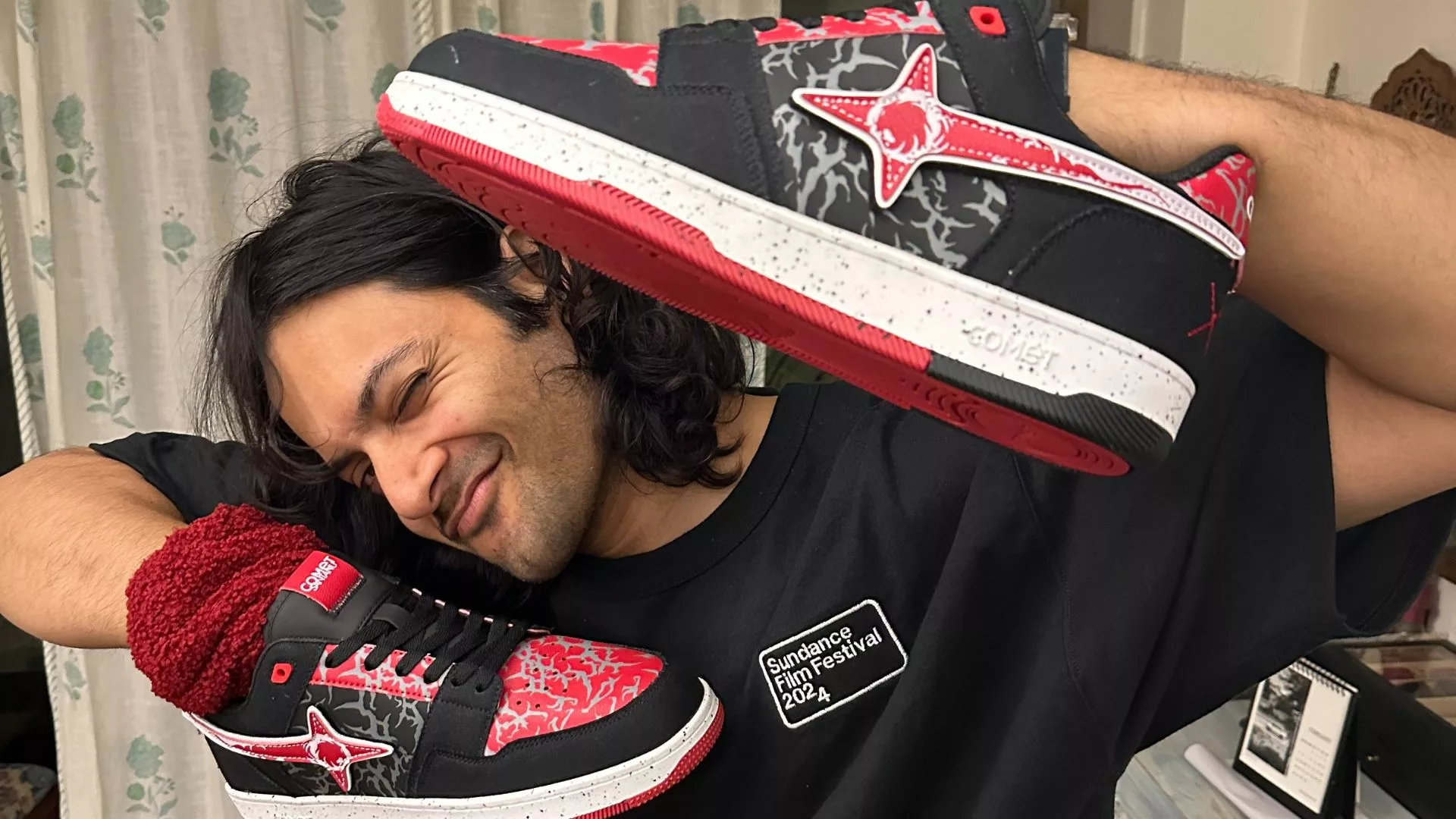
Comet seems to be building a similar design memory through its comet-star silhouette, a shape that appears across the shoe body and functions almost like a brand signature.
This is a smart strategic move as sneakers are often seen before the brand name is noticed. If a silhouette becomes recognisable from across the street, the product itself becomes marketing. For a young brand, that level of visual consistency builds long-term recall.
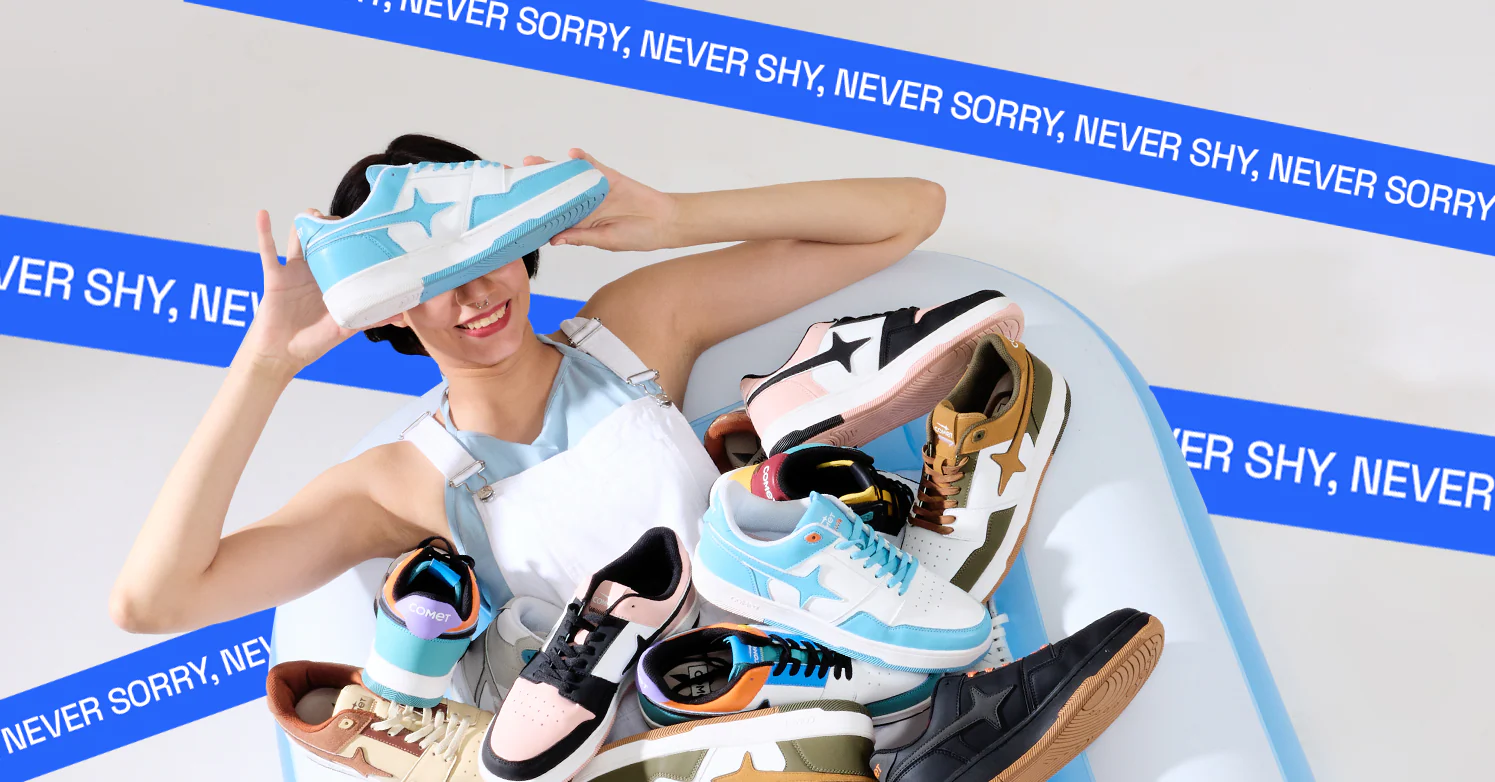
One of Comet’s strongest strategies is limited edition drops.
Many of their product releases clearly communicate production quantities such as:
Once sold out, the designs do not return.This approach creates a powerful FOMO loop within the sneaker community.
The drop culture works in four stages:
This strategy mirrors global streetwear brands like Supreme, where scarcity becomes the core marketing engine. What makes Comet's execution particularly sharp is the pricing discipline at ₹4,000 to ₹6,000 per pair, they are affordable enough for aspirational Gen Z buyers but premium enough to maintain desirability. The brand maintains a strict no-discount policy, which protects perceived value and ensures that scarcity remains real rather than manufactured.
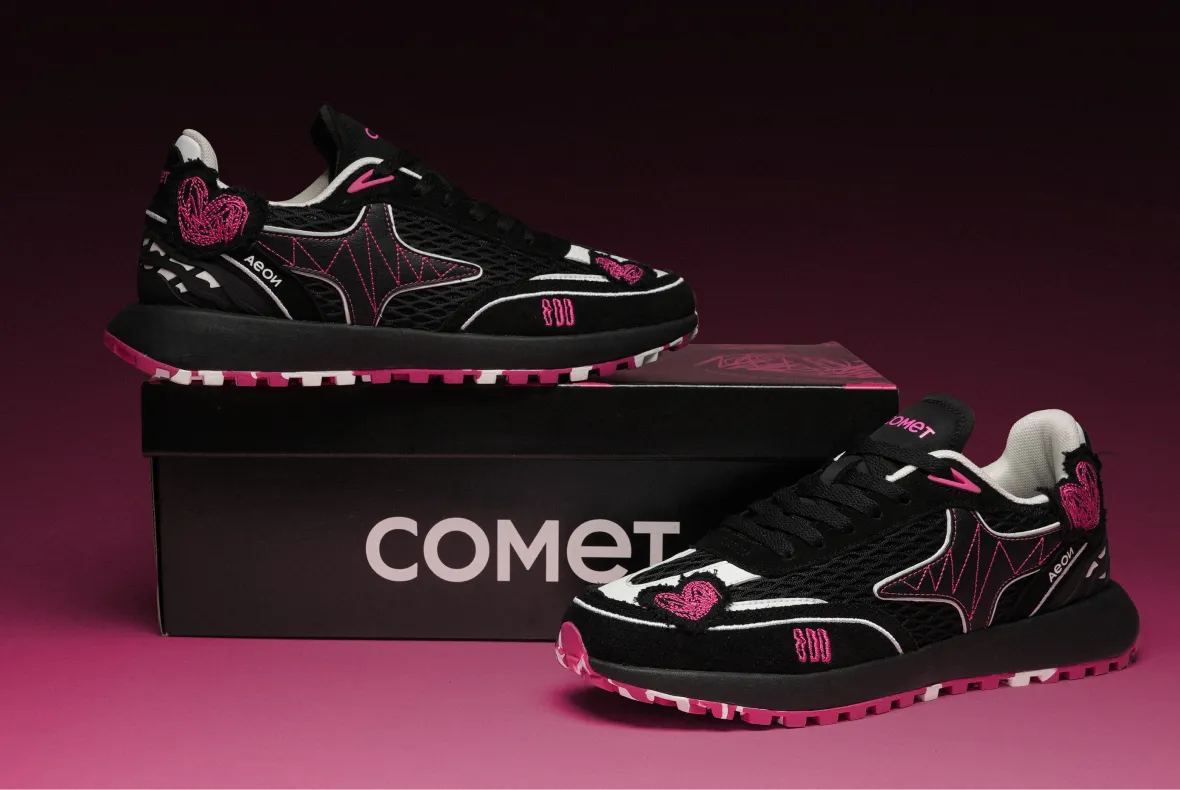
Comet’s Limited Drops can be checked at their Vault
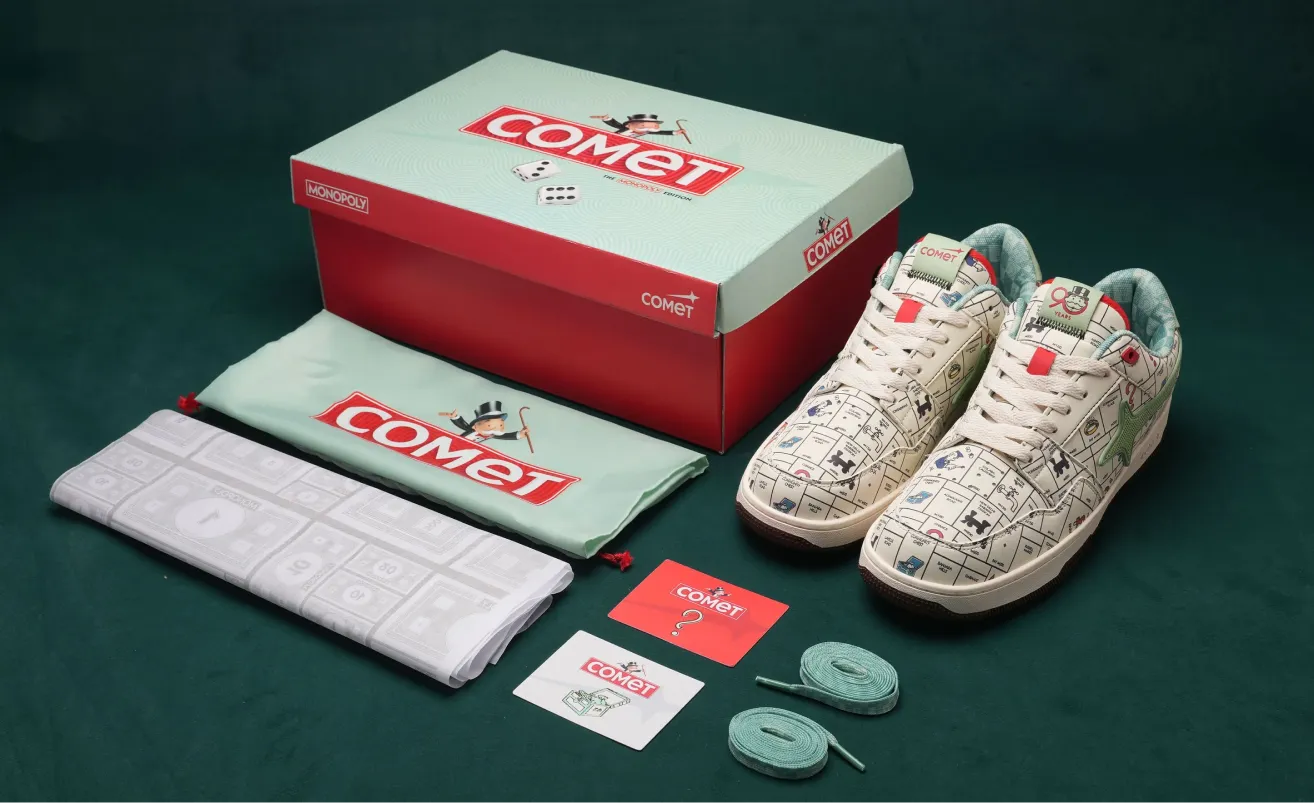
Collaborations are another pillar of Comet’s growth.
Instead of random partnerships, the brand focuses on collaborations that feel relevant to sneaker culture. Some examples include:
One particularly interesting release by Comet was their Diwali Pataka drop during Diwali season of 2024, where the sneaker design was tied to a cultural moment. These topical drops keep the brand fresh and make every launch feel like an event. When done well, collaborations turn products into collectibles.
Sneaker culture thrives on community interaction.
Comet actively participates in sneaker festivals and streetwear events such as:
At these events the brand sets up stalls, interacts with enthusiasts and drives direct sales.This strategy does something traditional advertising cannot do as it builds credibility inside the sneaker community itself.
Another interesting decision is Comet’s choice of collaborators.
Instead of Bollywood actors or mainstream athletes, the brand works with culturally relevant creators such as:
This signals a clear understanding of their audience. Streetwear consumers are not influenced by traditional celebrity endorsements in the same way older fashion audiences are. They follow creators and culture leaders instead and Comet’s influencer strategy absolutely reflects that shift.
Despite strong brand momentum, there are a few strategic questions ahead.
The first challenge lies in repeat purchase behaviour. Sneakers typically have lower purchase frequency compared to apparel. To scale long term, the brand may eventually need to explore adjacent categories such as apparel, slides or lifestyle accessories. Comet has already moved in this direction with its slides range, but apparel represents the most natural extension of a streetwear identity.
The second challenge is Comet's mid-premium pricing position. At approximately ₹4,299 per pair, the brand sits above budget players like Red Tape (avg-₹2,000) but below aspirational international brands. This is a strategically intelligent position, but it requires exceptionally strong brand equity to justify. First-time sneaker buyers in India often lean towards either budget options or flashy global names, leaving mid-premium brands fighting for a more selective audience. The global slowdown in sneaker resale culture adds another dimension, which is that if hype markets cool in India, brands built primarily on drop scarcity will need a deeper emotional narrative to sustain loyalty.
For Comet, the next phase will depend on how it balances hype with sustainable brand expansion. Opening its first flagship store in Bengaluru followed by New Delhi & Hyderabad signals the brand is ready to evolve beyond D2C and bring its identity to life in physical retail.
Comet has done the hard work of building cultural credibility. But from a branding perspective, there are a few areas where a more deliberate strategy would meaningfully accelerate the next growth phase.
Comet's identity is currently tightly tied to sneaker drops. As the brand expands into apparel and accessories, it will need a clear brand architecture that maintains the same hype mechanics while communicating a broader lifestyle identity. Each new category should feel like a natural extension of the Comet universe, not a separate product line.

With physical stores now entering the picture, the in-store experience needs to translate Comet's digital drop culture into a tactile, sensory environment. The Bengaluru flagship is a strong start, but each retail space should be designed as a cultural installation, not just a shop. Think limited-edition in-store drops, artist wall installations, and QR-linked storytelling on the shelves. The brand experience should be as hype-worthy as the product itself.
Comet's collaboration with Santanu Hazarika sold out in two hours, validating the art-meets-streetwear positioning. The opportunity now is to build longer-form collaboration narratives via multi-drop series with artists, co-designed capsule collections with musicians or filmmakers, and collaborations that come with documented creative processes (behind-the-scenes films, artist interviews, design breakdowns). This transforms a single sale into a cultural event with weeks of content runway.
From a branding and positioning standpoint, Comet is already doing a lot right. The refinements above are about moving from a brand that is culturally relevant to a brand that is culturally irreplaceable.
Comet represents one of the most exciting emerging sneaker brands in India’s streetwear ecosystem. The brand has built a strong early identity through distinctive design, limited drops and culturally relevant collaborations. Its understanding of sneaker culture, community engagement and creator-driven marketing gives it a solid foundation in a highly competitive market. However, the next stage of growth will depend on how the brand expands beyond limited sneaker releases and adapts to shifts in global streetwear trends.
If you are building a consumer brand and want to create strong branding, packaging and cultural relevance like this, Confetti can help you build a brand that truly stands out.
Want strategic branding and packaging like this for your business?





.webp)
.webp)

.webp)
.webp)
.webp)
.webp)
.webp)







.svg)
.webp)




.svg)
.svg)






























































































.webp)









.webp)



.svg)