%201.webp)
02
AI Snaps
.svg)
.svg)
01
Our Work
03
About Us
04
Brand Audit
05
Contact Us
06
Client Success
12
07
Blogs
08
Careers
Book A Call
.svg)




Need Help In Building Your Brand?
Click the button below & book a call with our founder directly.

Rishabh Jain
Managing Director
Bold Care | Confetti's Verdict ⭐⭐⭐⭐½
Confetti Design Studio has analysed Bold Care to understand how a sexual wellness brand founded in 2019 by Rajat Jadhav, Rahul Krishnan, Harsh Singh, and Mohit Yadav grew operating revenue 2.4 times to Rs 79.5 crore in FY25 from Rs 33 crore in FY24, crossed Rs 100 crore in annual recurring revenue by December 2024, raised USD 17.2 million including a Series A led by Rainmatter and Mithun Sacheti of CaratLane in February 2025, became the second-largest sexual wellness brand on quick commerce platforms in India behind Durex, and onboarded Ranveer Singh as co-founder and co-owner in December 2023.
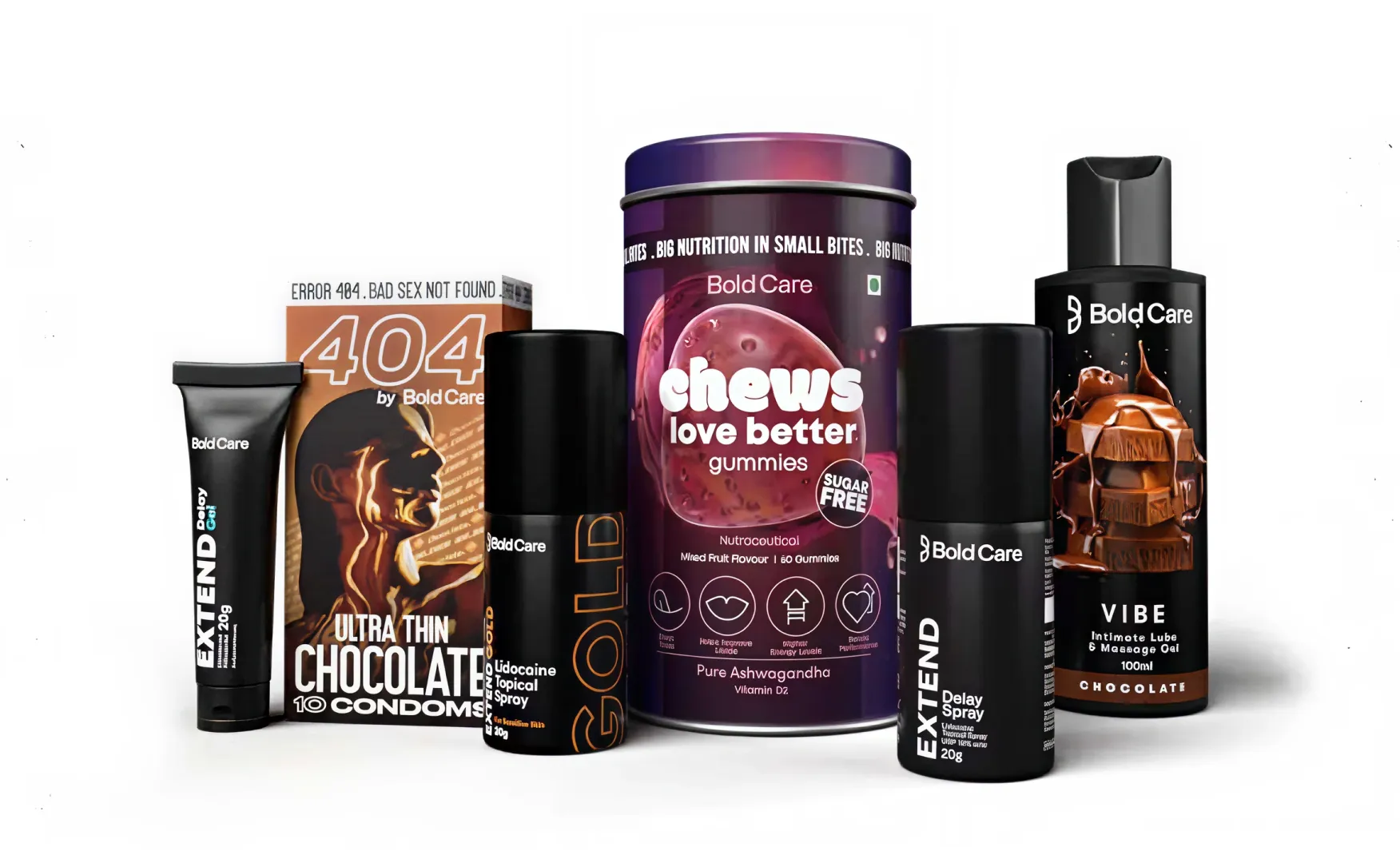
Sexual wellness brand naming in India has historically made one of two choices. Either the clinical route, names that sound like pharmaceutical companies and communicate medical authority at the cost of approachability. Or the euphemistic route, names that avoid the category entirely through abstract or aspirational language that does not signal what the brand actually does.
Bold Care does neither. The name is a precise, two-word summary of the brand's positioning. "Bold" signals everything the category has historically refused to be: visible, unapologetic, direct, and confident about a subject that most Indian brands have spoken about only in whispers. "Care" grounds that boldness in something human, empathetic, and health-oriented rather than purely provocative. The two words together create a brand personality that is neither clinical nor embarrassing, which is precisely the tone that a generation of urban Indian consumers has been waiting for in this category.
The name also works functionally in a D2C context. It is easy to search, easy to recall, and unambiguous in its category signal. A consumer who types "bold care" into a search bar knows what they are looking for. A brand name that does the search intent work before the product page loads is a commercial advantage in a category where discovery often happens through discreet digital channels rather than word of mouth.

Bold Care was one of the first sexual wellness brands to build presence on Swiggy Instamart and Zepto in 2022. What looked like an early mover decision turned out to be a structural insight: quick commerce is the most natural channel for a product category where the consumer values speed, privacy, and the absence of social friction simultaneously.
A person who wants to buy condoms or personal lubricants does not want to queue at a chemist and hand the product to a cashier. They do not want to wait three days for e-commerce delivery. They want the product delivered discreetly, in minutes, with no social encounter required. The 10-minute delivery model solves the category's oldest consumer barrier of embarrassment at the point of purchase.
The commercial validation of this insight is in the numbers. Quick commerce became Bold Care's highest-growth channel and the primary driver of the FY25 revenue surge. The brand's position as the second-largest sexual wellness brand on quick commerce platforms, behind only Durex, a brand with decades of Indian market presence and mass retail distribution, speaks to the structural strength of the channel strategy. It is not a lucky alignment. It is a distribution insight that the founding team identified early and built around deliberately.

Most brands attempting to destigmatise a taboo category make the same mistake: they approach stigma reduction as an education problem. They create clinical content, expert explainers, and responsible messaging that technically address the stigma while socially reinforcing it by treating the subject as something that requires careful handling.
Bold Care addressed stigma as a culture problem, which is the correct diagnosis. The campaigns featuring Ranveer Singh did not lecture the audience about sexual health. They made the subject funny, human, and ordinary. Collaborations with content creators like Samay Raina and Raj Shamani placed Bold Care in spaces where the audience was already relaxed and receptive. The viral campaigns that generated hundreds of millions of impressions worked not because they educated consumers about sexual wellness but because they made the conversation feel as natural as any other consumer category discussion.
This approach is significantly harder to execute than it appears. The line between bold and inappropriate in a sensitive category is narrow, and crossing it damages the brand in ways that are disproportionate to the original creative decision. Bold Care has navigated this line consistently and successfully, which reflects genuine strategic intelligence in the marketing team rather than fortunate execution.

Sexual wellness is a category that invites portfolio sprawl. The adjacent product categories are numerous, the consumer needs are diverse, and the temptation to extend into every possible adjacency is significant. A brand that starts with condoms can logically extend into lubricants, performance supplements, intimate hygiene, pleasure tools, and health consultations. But logical adjacency and brand coherence are not the same thing.
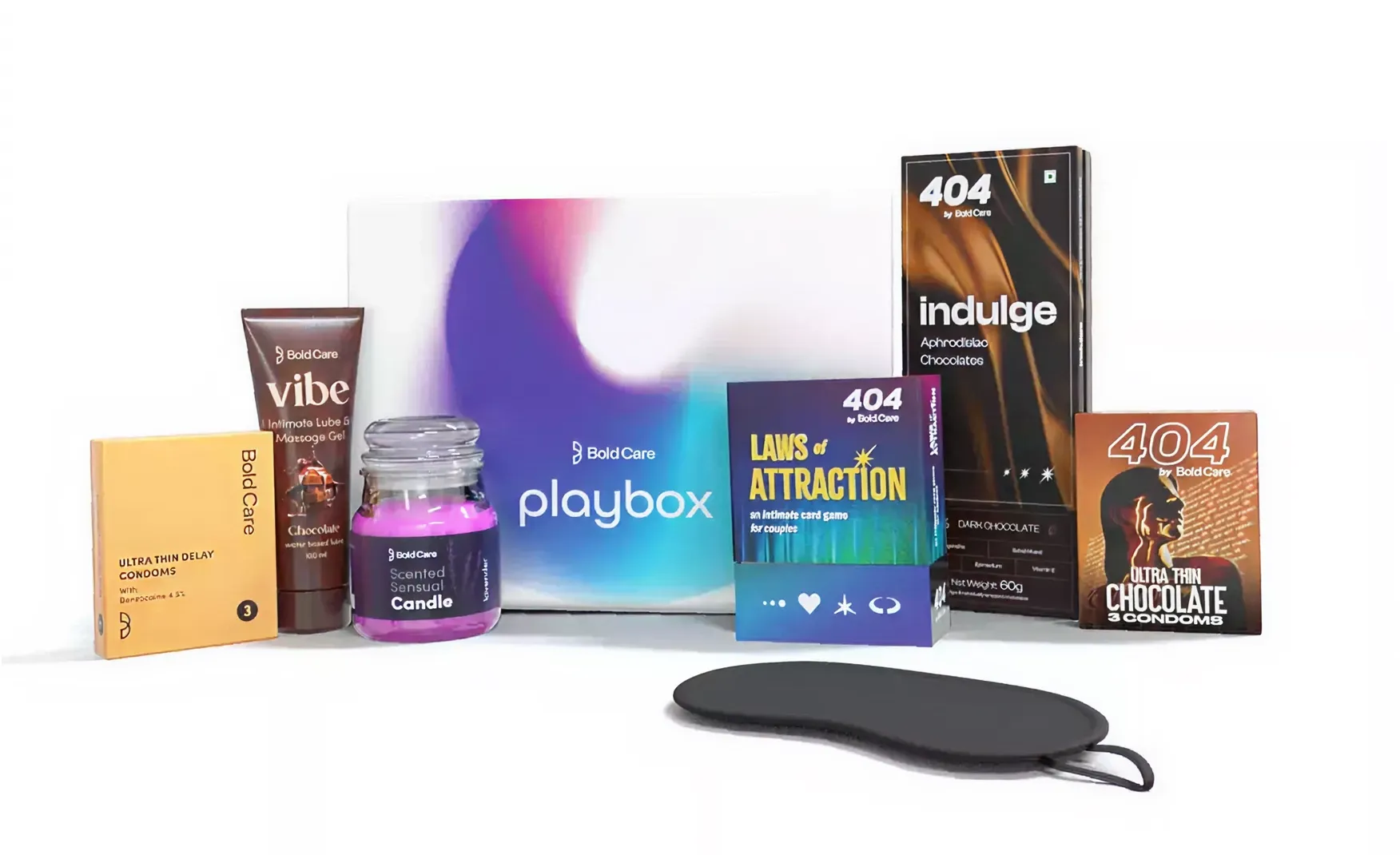
Bold Care has managed this tension more successfully than most sexual wellness brands at its stage. Every product in the range, from the Extend Delay Range to condoms and lubricants to Shilajit supplements and intimate hygiene, solves a specific need within the single consumer occasion of sexual health and intimate wellness. The consumer's mental model remains clean and they do not need to explain to themselves why Bold Care makes lubricants and also makes Shilajit supplements. Both are products for the same person, the same occasion, and the same health intention.
The launch of Bloom as a separate brand for women's wellness in October 2024 is the correct architectural response to the gender extension question. Rather than forcing the Bold Care identity, which is currently built around men's sexual health, to stretch into women's concerns including menopause supplements, period care, and intimate hygiene, the brand created a distinct identity for a distinct audience. This architectural decision protects both brands' positioning and prevents the kind of coherence dilution that has damaged other personal care brands that tried to be everything to everyone under a single name.
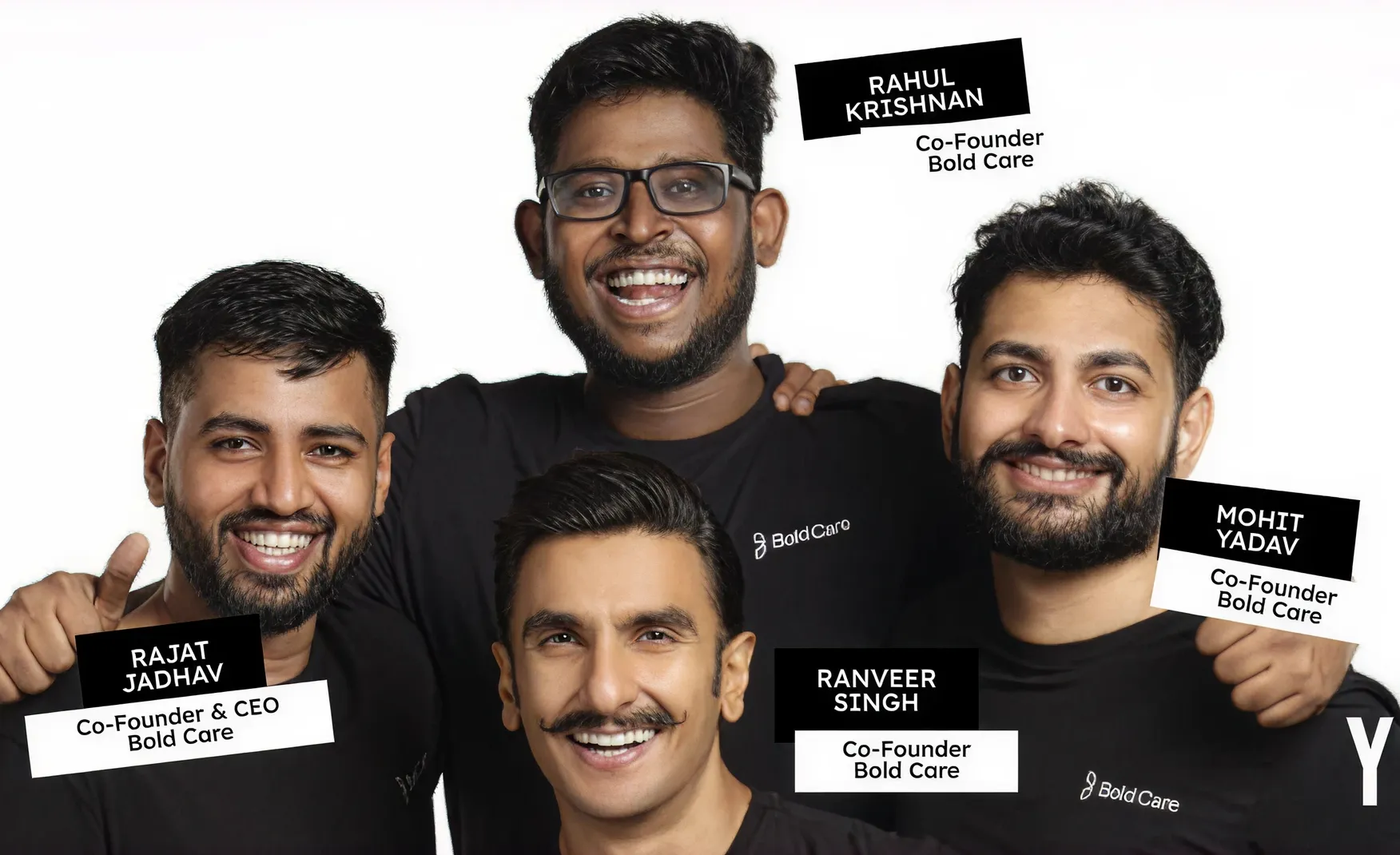
The distinction between a celebrity endorsement and a celebrity co-founder is significant, and it is the detail that makes Bold Care's Ranveer Singh association structurally stronger than most comparable celebrity brand relationships in Indian consumer goods.
A celebrity endorser has limited skin in the game. They receive a fee, apply their name and face to the brand for a defined period, and move on when the contract ends or the next opportunity appears. A celebrity co-founder has financial ownership, reputational co-investment, and a long-term incentive to see the brand succeed. Ranveer Singh is not lending Bold Care his image, in fact he is betting his credibility on its success.
His prior public association with sexual wellness advocacy, predating the Bold Care co-founding, means that the relationship feels consistent with his personal brand rather than opportunistic. A consumer who encounters Ranveer Singh in a Bold Care campaign does not need to reconcile two different public images. The association feels like a natural continuation of a position he has held publicly for years, which is the most credible form of celebrity brand alignment available.
This is the most commercially urgent challenge in Bold Care's current trajectory and the one that will determine whether the brand's impressive growth story becomes a sustainable business. Revenue grew 2.4 times in FY25 to Rs 79.5 crore. Losses grew three times to Rs 58.3 crore. Total expenditure reached Rs 138.2 crore against Rs 79.5 crore in revenue, meaning the brand spent Rs 1.74 to earn every rupee in FY25.
The advertising and marketing spend alone was Rs 38.4 crore, representing 48% of total operating revenue. This is the highest advertising-to-revenue ratio in this audit series. For context, Plum, which spent heavily on advertising, had a ratio closer to 33%. A business that spends nearly half its revenue on advertising is structurally dependent on paid media to sustain its revenue, and that dependency becomes more expensive, not less, as the category becomes more competitive and customer acquisition costs rise.
The Rs 100 crore ARR milestone is commercially meaningful. The loss trajectory at the current pace is not. The Series A capital from Rainmatter and the CaratLane founders provides runway, but it does not resolve the underlying unit economics question. That resolution requires either a significant improvement in customer retention and repeat purchase rates, which would reduce dependence on paid acquisition, or a structural reduction in the cost of generating each rupee of revenue. Both are possible. Neither will happen without deliberate operational prioritisation.
Bold Care's quick commerce success is one of its most important competitive advantages. It is also a concentration risk. A brand that has built a significant portion of its revenue on two or three quick commerce platforms is exposed to any change in those platforms' category policies, listing fees, promotional requirements, or algorithmic ranking systems.
Quick commerce platforms are not neutral distribution channels. They are commercial ecosystems with their own incentive structures, and brands that become dependent on them for growth can find that the terms of that dependence shift unfavourably as the platforms scale and the category becomes more competitive. Durex, the market leader in sexual wellness on quick commerce, has the pricing power and brand pull to absorb unfavourable platform changes. A brand with Rs 79.5 crore in revenue and a loss trajectory does not have the same cushion as building distribution through owned channels, including the brand's D2C website and offline retail touchpoints, would reduce this exposure before it becomes a structural problem.
The October 2024 launch of Bloom as Bold Care's women's wellness sub-brand is the correct strategic decision. The execution of that architecture, and specifically how the visual and verbal relationship between Bloom and Bold Care is communicated, will determine whether the move strengthens both brands or creates confusion between them.
In the early months of Bloom's existence, the brand relationship is still being established with consumers. The risk in this phase is that the two brands either feel too similar, undermining the rationale for the separation, or too unrelated, failing to leverage the credibility and consumer trust that Bold Care has built. Getting the design architecture right, with a clear parent-brand relationship that allows Bloom to develop its own identity while standing on Bold Care's credibility, is the most important brand design work the company needs to do in the next twelve months. A poorly executed sub-brand relationship can damage both the sub-brand's ability to stand independently and the parent brand's coherence with its existing audience.
For a brand that generates most of its revenue through quick commerce and e-commerce, the packaging is the primary physical brand touchpoint. The box or pouch that arrives at the consumer's door is the moment when the brand's visual identity must do the work that a retail shelf environment does for offline brands. It must communicate quality, confidence, and coherence in a single physical encounter.
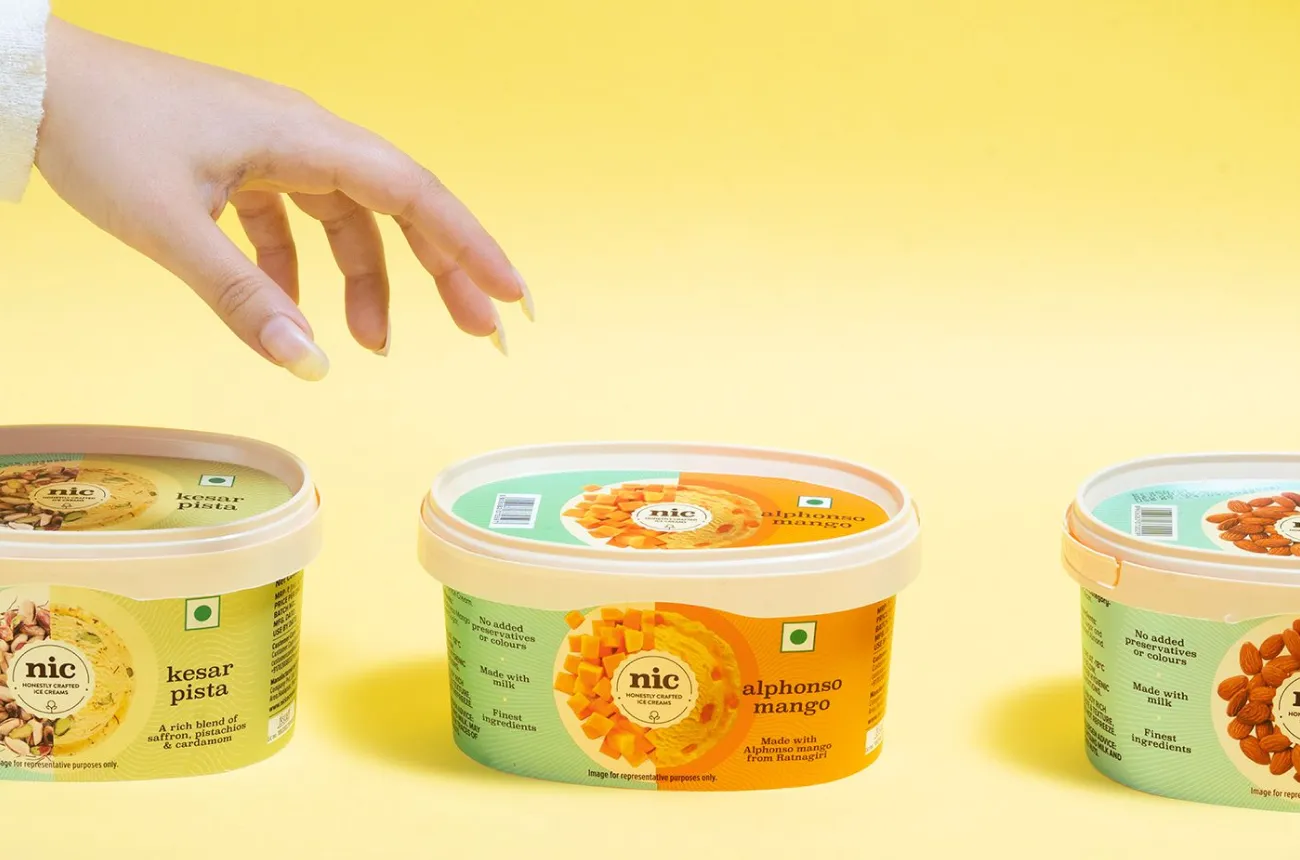
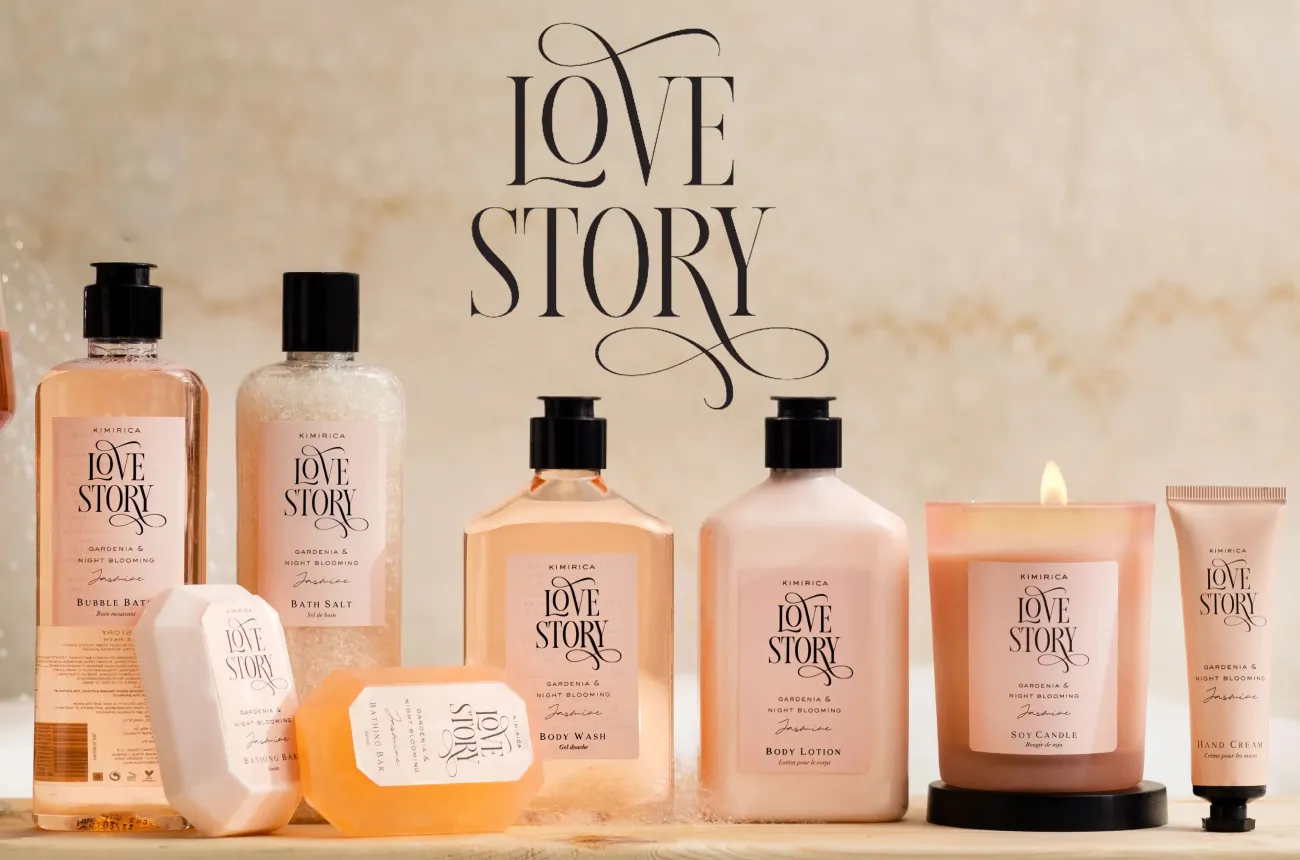
At Confetti, we addressed this challenge with Miduty, a wellness brand with multiple SKUs spanning different health categories. The packaging system we built allowed each product to communicate its specific function clearly while remaining unmistakably part of the same brand family. The discipline of that system, clear hierarchy, consistent visual language, and a coherent colour and typography framework across every SKU, is what prevents a multi-product wellness brand from feeling like a collection of unrelated products that happen to share a logo. Bold Care's expanding product range needs the same intervention. A formal packaging system with explicit rules for how each product category is presented would ensure that the tenth product the consumer receives feels as intentional and as confident as the first.
At Confetti, we also worked with AIM (All in a Minute), a supplement brand where the challenge was similar, how do you build a product identity that stands independently while drawing credibility from a broader brand context? The structural answer is a parent-brand relationship that is visible enough to transfer credibility but not so dominant that it prevents the sub-brand from developing its own identity with its own audience.
For Bold Care and Bloom, this means designing a visual system that signals a family relationship without making Bloom look like a feminised version of Bold Care. Bloom needs to own its own colour language, its own tone of voice, and its own product design vocabulary. What it should share with Bold Care is the underlying commitment to unapologetic, evidence-based wellness: the values that the parent brand's marketing has already made credible in the consumer's mind. Getting that balance right in the packaging and communication design is the work that will determine whether Bloom becomes a strong second brand or an expensive experiment.

Bold Care's marketing has been campaign-led: viral moments, celebrity content, creator collaborations. Each of these has generated significant impressions and contributed to the brand's cultural visibility. The limitation of campaign-led brand building is that it requires continuous paid activation to sustain the impression levels. When the campaign ends, the impressions stop.
The brands that build the most durable consumer relationships in sensitive health categories are those that invest in owned content that continues to work without paid amplification. Educational content about men's sexual health, honest conversations about performance anxiety and relationship wellness, and community-building content that makes consumers feel part of a movement rather than a customer base: all of these forms of content compound over time in ways that campaign content cannot. At the revenue trajectory Bold Care is on, shifting a meaningful portion of the marketing investment from paid campaigns toward owned content infrastructure would be one of the highest-return brand-building decisions available to the company.
Bold Care has accomplished something that required both strategic intelligence and genuine cultural courage: it changed the tone of a category that India had been speaking about in whispers for decades. The name, the marketing, the quick commerce strategy, the Ranveer Singh co-founder architecture, and the Bloom sub-brand decision all reflect a brand that thinks carefully about what it is doing and why.
The rating reflects the brand's genuine strategic achievement and holds the half star in reserve for what the financials demand. Rs 79.5 crore in revenue against Rs 138.2 crore in total expenses is a trajectory that the Series A capital extends but does not resolve. The Rs 100 crore ARR milestone is real and meaningful. The path from that milestone to a business that generates each rupee of revenue at a cost the brand can sustain is the most important work ahead. And it is brand work as much as it is financial work: the brands that build the deepest consumer loyalty spend the least to retain each customer.
If you are building a sexual wellness, intimate health, or sensitive consumer category brand and want to create a design system and brand architecture that earns trust and converts it into loyalty, Confetti can help you build that.
Want strategic branding and packaging like this for your business?





.webp)
.webp)


.webp)
.webp)
.webp)
.webp)
.webp)







.svg)
.webp)






.svg)
.svg)








































































































.webp)












.webp)



.svg)