%201.webp)
02
AI Snaps
.svg)
.svg)
01
Our Work
03
About Us
04
Brand Audit
05
Contact Us
06
Client Success
12
07
Blogs
08
Careers
Book A Call
.svg)




Need Help In Building Your Brand?
Click the button below & book a call with our founder directly.

Rishabh Jain
Managing Director
UnderNeat | Confetti's Verdict ⭐⭐⭐⭐½
Confetti Design Studio has analysed UnderNeat, India's fastest-scaling D2C shapewear brand, launched in April 2025. In under eight months, UnderNeat raised USD 6 million in a Pre-Series A led by Fireside Ventures, crossed an ARR of Rs 150 crore, turned EBITDA positive, and built a community of over 200,000 customers. One of the most compelling influencer-to-brand stories India has produced.

Most shapewear brands name themselves after a founder, a function, or a feature. UnderNeat chose something far more interesting.
The name plays on the word 'underneath' but separates it into two parts: 'Under' and 'Neat'. The result is a name that tells you exactly what the product does, sits under your clothes and keeps everything neat, without resorting to clinical or functional language. It feels modern, playful, and distinctly non-intimidating, which matters enormously in a category that has historically been loaded with body image anxiety.
This positioning also performs a more strategic function. In India, shapewear is still not a normalised everyday purchase. Most Indian women have never owned a piece of shapewear. The brand's name and tone of voice deliberately soften the entry point, making the category feel approachable rather than aspirational or corrective. That is exactly the right call for a market at this stage of adoption.
The clearest global reference point is Skims by Kim Kardashian, valued at USD 4 billion, which built its early identity through exactly the same playbook: an influencer founder, body-inclusive messaging, and a relentless UGC engine. UnderNeat has openly cited Skims as its benchmark. The key difference is context. Skims entered a market where shapewear was already mainstream. UnderNeat is entering a market where it first has to normalise the category, which is a harder and more interesting brand-building challenge.


UnderNeat's biggest competitive advantage is not its product. It is its content infrastructure.
Kusha Kapila began seeding the brand six months before launch. In December 2024, she started a series called 'What Are You Wearing Under?' asking her audience about their innerwear frustrations. This was not a teaser campaign, but in fact an audience research conducted in public. By the time UnderNeat launched in April 2025, the audience already felt like co-creators of the brand. The Instagram page gained 176,000 followers within two days of launch, driven entirely by Kapila's existing community of 4.1 million followers.
The Underwoman campaign is a masterclass in category normalisation. Rather than leading with compression technology or product specs, the campaign led with relatable women's conversations: what do you wear under a saree? How do you avoid visible bra straps under a halter neck? What works for a pear-shaped body? This educational entertainment format reduces the awkwardness around intimate apparel and makes the brand feel like a friend rather than a retailer.
The brand's content mix is deliberately diverse:
The result is an Instagram presence that feels less like a brand channel and more like a community. Half a million followers and consistently high engagement signal that the content is genuinely connecting, not just broadcasting.

Most D2C brands treat chatbots as a customer service utility. UnderNeat treated theirs as a brand-building opportunity.
The brand launched an AI-powered shopping assistant that handles FAQs, provides personalised product recommendations, and guides customers through a quiz to find their ideal fit. What sets it apart is how the chatbot was introduced. Rather than quietly rolling it out as a support tool, UnderNeat built a full brand film around the chatbot's launch, with a dedicated photoshoot, YouTube banner, and content series. The chatbot is not a backend feature. It is a brand character.
This approach reflects a broader understanding of how Gen Z and millennial consumers interact with brands. They expect personalism at scale. They want guidance that feels curated, not generic. By investing in the narrative around their AI tool, UnderNeat turns a functional feature into a brand touchpoint that reinforces their positioning around understanding and serving real Indian women.
The WhatsApp integration extends this further, meeting customers on the platform they already use daily rather than forcing them into an unfamiliar interface.
UnderNeat's product decisions are as strategically considered as its marketing.
The brand currently offers 24 SKUs spanning shapewear, innerwear, and accessories, all built around a core insight: Indian women have been chronically underserved by both global and legacy local brands. International shapewear is designed for Western body proportions and Western climates. Legacy Indian brands have historically prioritised modesty and function over fit and confidence.
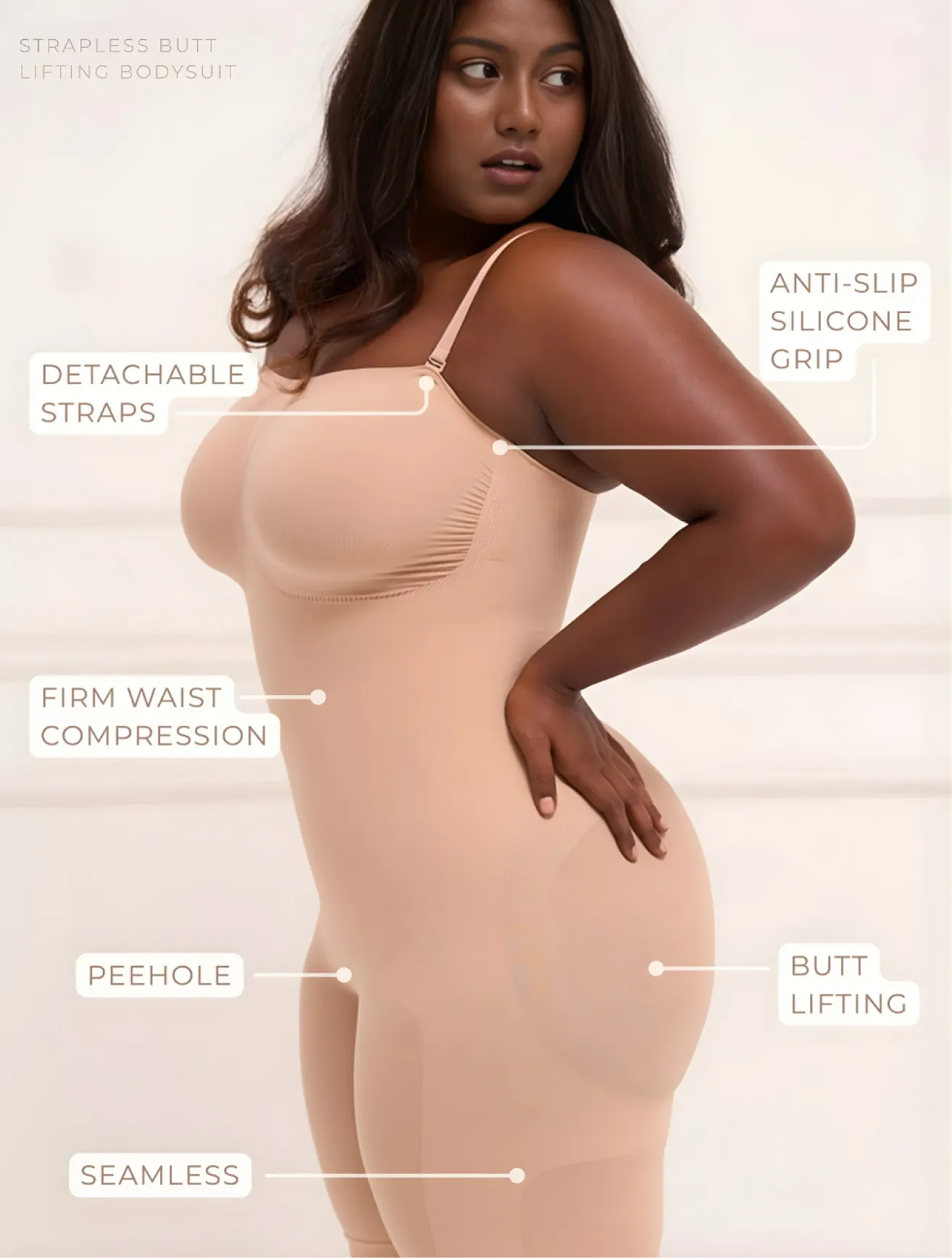
UnderNeat's products are made from Sensil fabric, a breathable, moisture-wicking, four-way stretchable, quick-drying textile that addresses one of the most practical objections to shapewear adoption in India: heat. The brand partnered with textile engineers and fashion designers to validate fit across a wide range of body types before launch, using real women in testing rather than models.
The saree shapewear range is one of the most telling product decisions in the entire catalogue. A global brand like Skims would never develop saree-specific shapewear because the category does not exist in their market context. UnderNeat not only identified it as a genuine consumer need but made it a core part of their launch range. This is deep product-market fit, not surface-level localisation.
Customer reviews validate this further. The brand has accumulated a significant volume of reviews with verified product photos, confirming they are from real customers. The authenticity and volume of positive feedback for a brand less than a year old is exceptional.

The most structural challenge for UnderNeat is the degree to which the brand's identity is anchored to Kusha Kapila's personal relevance. This is the defining tension of every influencer-founded brand. In the early phase it is an enormous advantage. Over time, it becomes a question of can the brand stand independently of its founder's daily visibility?
Digital creators operate in faster relevance cycles than film stars. Algorithmic shifts, cultural moments, or simply a change in content focus by the founder can alter audience engagement in ways that a traditional celebrity brand would not experience. UnderNeat needs to build brand equity that is deeper than founder equity, and the window to do so is the next 12 to 24 months while the brand has maximum momentum.

UnderNeat's rapid success has validated a market that many brands are now eyeing. Competition is arriving from three directions simultaneously. Shark Tank-backed Indian shapewear brands are entering with lower price points and strong retail distribution. International brands are increasing their India presence as the market grows. And other influencer-founded labels may launch in adjacent categories with similar playbooks.
India's women's innerwear market is valued at approximately USD 5 billion and projected to reach USD 20 billion by 2030. The prize is significant, which means the competitive field will only get more crowded. UnderNeat's moat will need to be built on product depth, brand loyalty, and community, not just founder fame.
UnderNeat currently sits in the mass premium segment, which is the most defensible position in Indian D2C fashion. But as the brand scales distribution beyond D2C into retail chains and e-commerce platforms, there will be pressure to introduce more accessible price points, promotional pricing, or discounting to compete with marketplace sellers.
Managing this tension carefully is essential. Premium positioning is hard to build and easy to erode. The brand's community of 200,000 loyal customers is a foundation worth protecting, and protecting it means resisting the temptation to chase volume at the expense of perceived value.

The most important brand-building investment UnderNeat can make right now is building a brand world that exists independently of Kusha Kapila's personal brand. This does not mean reducing her visibility. It means creating brand assets, visual identity depth, a distinct brand voice in written content, and a product design language that feels unmistakably UnderNeat regardless of who is speaking. The Underwoman campaign is a strong start and the next step is making Underwoman a brand universe, not just a campaign.
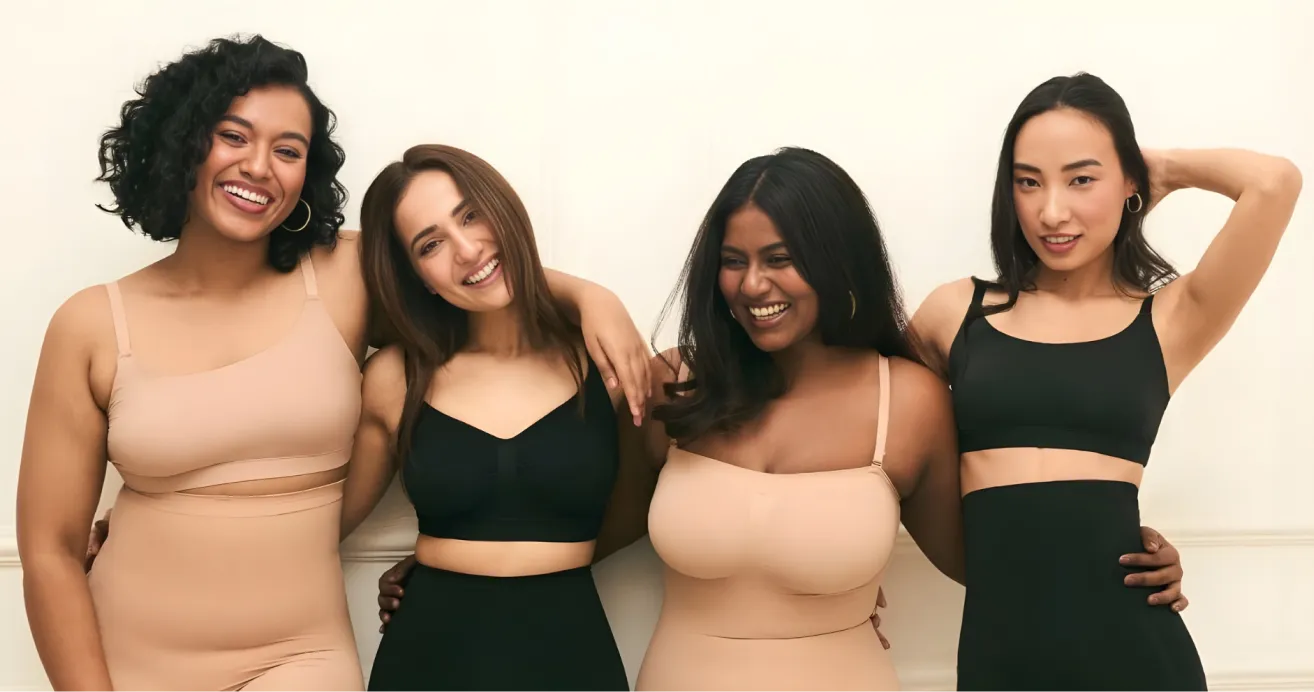
The Sensil fabric choice is smart, but it is not proprietary. As competition intensifies, UnderNeat's most durable moat will come from product innovation that competitors cannot easily copy like proprietary fabric blends developed for Indian climate conditions, fit technology built around Indian body proportions, and product categories that no global brand would think to develop. The saree shapewear range is the right instinct. Doubling down on India-first product development is the strategic move.
UnderNeat's 200,000 customer community is one of its most valuable and under-leveraged assets. Before scaling distribution broadly, the brand should invest in community infrastructure, something like a loyalty programme that rewards genuine advocates, a product co-creation process that involves repeat customers in new SKU development, and a UGC engine that is systematised rather than organic. Brands that build this infrastructure before rapid distribution tend to maintain brand love through scale. Brands that skip it tend to become commoditised.
UnderNeat is one of the most impressive early-stage brand executions Confetti has reviewed. In less than a year, it has built genuine product-market fit, a highly engaged community, a culturally resonant content strategy, and financial metrics that most D2C brands take three to four years to achieve.
The brand has done the hardest thing in consumer goods: made a previously awkward category feel comfortable, relatable, and desirable for a mainstream Indian audience. The next phase is about deepening the brand architecture so that UnderNeat's equity compounds independently of any single person's relevance.
If you are building a D2C brand in fashion, beauty, or lifestyle and want to create the kind of community-led growth and content depth that UnderNeat has achieved, Confetti can help you build a brand that truly stands the test of time.
Want strategic branding and packaging like this for your business?




.webp)
.webp)

.webp)
.webp)
.webp)
.webp)
.webp)







.svg)
.webp)



.svg)
.svg)


























































































.webp)









.webp)


.svg)