%201.webp)
02
AI Snaps
.svg)
.svg)
01
Our Work
03
About Us
04
Brand Audit
05
Contact Us
06
Client Success
12
07
Blogs
08
Careers
Book A Call
.svg)



Need Help In Building Your Brand?
Click the button below & book a call with our founder directly.

Rishabh Jain
Managing Director
Yogabar | Confetti's Verdict ⭐⭐⭐⭐
Confetti Design Studio has analysed Rare Rabbit to understand how a premium menswear brand founded by husband-and-wife Manish Poddar and Akshika Poddar grew to Rs 818.67 crore in revenue in FY25, operating across over 180 exclusive stores and 700-plus points of sale, raised Rs 200 crore across two rounds from A91 Partners, Gruhas, and Ravi Modi's family office at a valuation of Rs 2,534 crore, and built a portfolio spanning Rare Rabbit (men's), Rareism (women's), Rare Ones (kidswear), and Rare'z (sneakers).
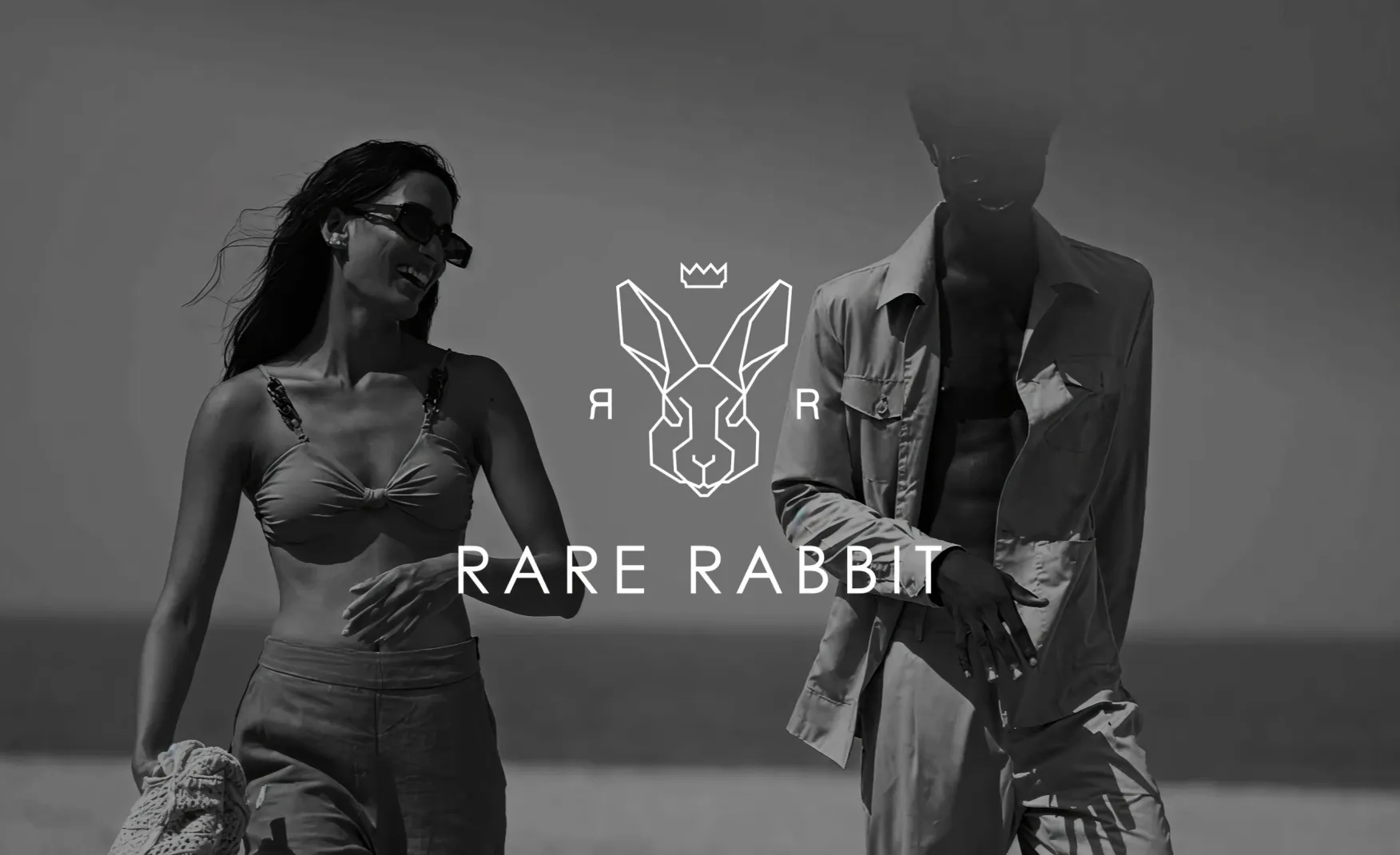
Premium positioning in Indian fashion almost always arrives with one of two things, a Bollywood face on the billboard or a European parent company on the label. The celebrity approach borrows aspiration as a shortcut. The European parent borrows imported legitimacy to justify a price. Rare Rabbit has done neither, and for most of its commercial history the financials confirmed that neither was necessary.
Through FY24, the brand commanded a 30 to 40% price premium over mainstream Indian menswear and held it on product merit alone, producing Rs 74.5 crore in profit on Rs 637 crore in operating revenue figures with no equivalent in independent Indian premium fashion at comparable scale. The brand earned its premium through consistency: a product range that looks and feels expensive because the design discipline behind it is genuine rather than manufactured through a campaign.
When Confetti evaluates premium positioning, the question we ask is whether the premium is borrowed or earned. Borrowed premium is fragile because it depends on the celebrity staying relevant, the parent brand staying credible, the cultural moment staying legible. Earned premium is structural as it comes from product quality, visual coherence, and the kind of consistent delivery that creates consumer trust that does not evaporate between campaigns. Rare Rabbit earned its premium over a decade, and that is genuinely unusual in the Indian market.
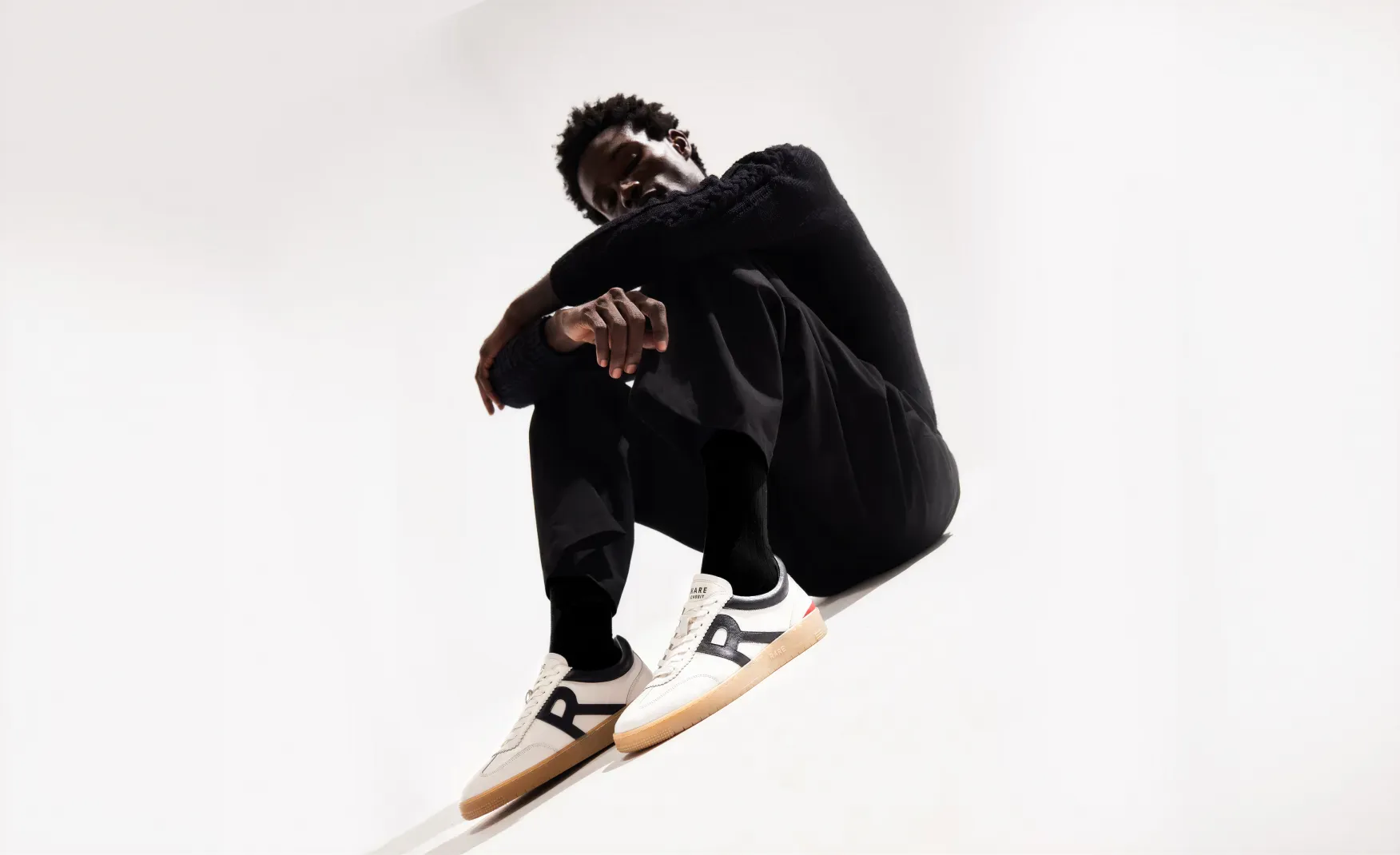
The received wisdom about premium Indian fashion is that it is a metro story. Delhi, Mumbai, Bengaluru, Hyderabad. Tier 2 and tier 3 cities are, in this reading, an afterthought at best. Rare Rabbit has quietly proved this wrong, and the insight behind how they did it is commercially important enough to sit near the centre of any serious brand audit.
In a city like Aligarh in Uttar Pradesh, better known as a hub for lock manufacturing and industrial trade than for premium fashion, Rare Rabbit operates a fully fitted, well-located store. Cities like Aligarh, Kanpur, and Meerut are industrial powerhouses like manufacturing economies with concentrated business-owner wealth, high disposable incomes among a specific segment, and almost no premium fashion infrastructure to absorb it. International brands like Calvin Klein, Tommy Hilfiger, and US Polo do not operate in most of these cities. The consumer with the income and the aspiration for premium clothing has nowhere local to spend it. Rare Rabbit identified this vacuum and moved into it deliberately.
A business owner in Aligarh with significant disposable income and genuine appetite for premium clothing has the same purchase intent as his equivalent in South Delhi. He simply has far fewer options. In that context, Rare Rabbit does not compete with other premium brands for market share. It becomes the premium brand by default. That positioning being the best available option in a market rather than one of several is a compounding advantage that metro-first brands never get to build.
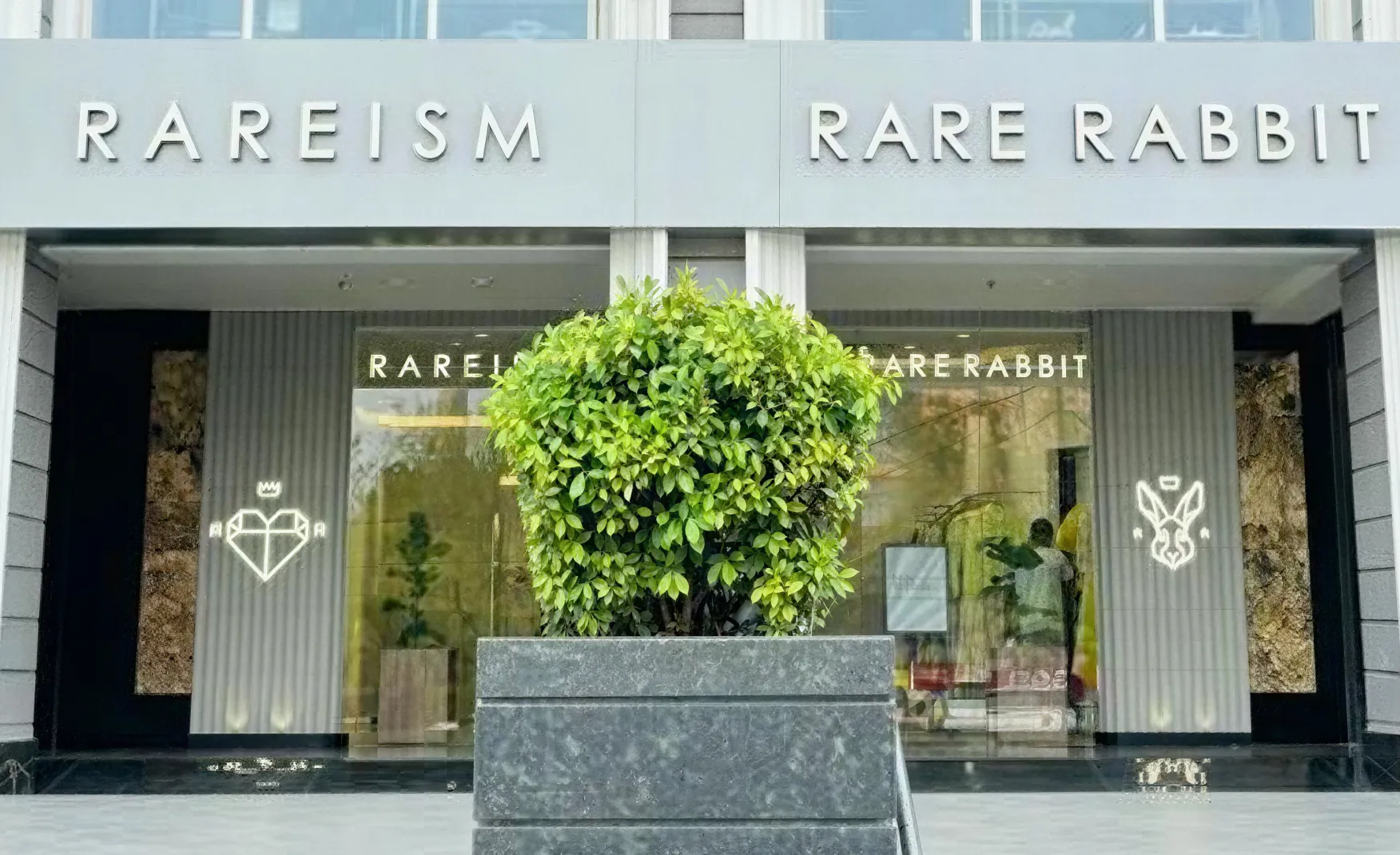
Understanding how Rare Rabbit's tier 2-3 strategy actually functions requires understanding one specific consumer behaviour pattern that the brand has, whether by design or emergence, built its entire expansion model around.
People from tier 2-3 cities travel. They go to Delhi for business and fly through Mumbai and Bengaluru. They visit relatives in metros and spend time in the malls and high streets where Rare Rabbit has been present for years. By the time a Rare Rabbit store opens in Aligarh or Kanpur, a meaningful portion of the target consumer in that city has already encountered the brand multiple times in higher-footfall metro environments. The purchase consideration is already built. The first visit to the local store is not a discovery, it is a conversion.
This is a fundamentally different retail expansion logic from the model most brands use. Standard expansion thinking is to open a store, then build awareness in that market. Rare Rabbit's model inverts this by believing that awareness is built through the consumer's own travel behaviour, and the local store captures demand that already exists. The marketing cost of acquiring that consumer is effectively subsidised by the metro presence. The Kanpur businessman who has seen Rare Rabbit in Delhi, Gurugram, and Bengaluru over three years does not need to be introduced to the brand when a store opens in his city. He just needs somewhere close to home to buy it. This is one of the most capital-efficient retail expansion strategies in Indian fashion and it has received almost no strategic attention in coverage of the brand.
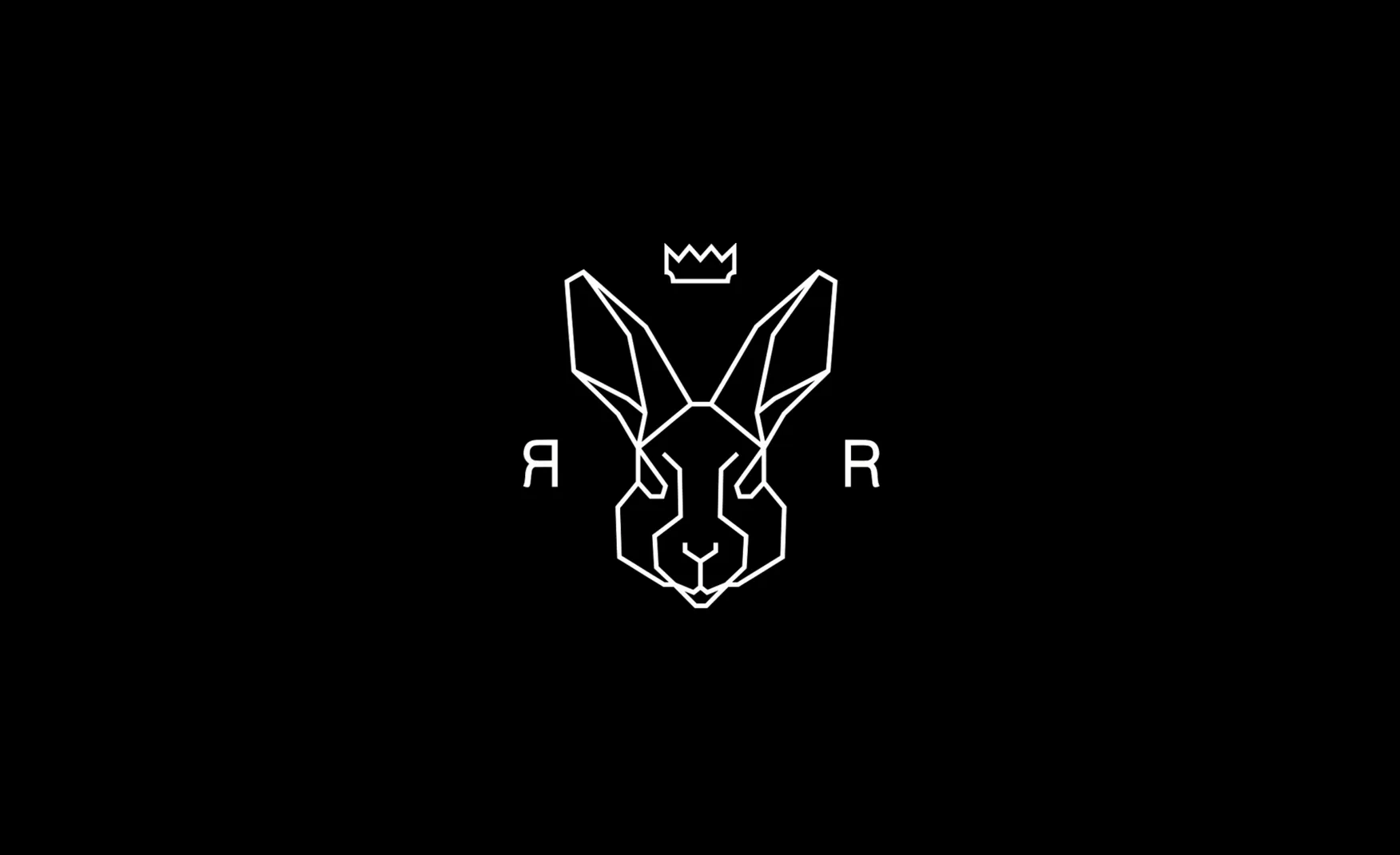
Among the most underexamined elements of Rare Rabbit's brand execution is a design choice that the world's most valuable luxury houses have used for over a century. Louis Vuitton's LV. Gucci's GG. Burberry's TB. The use of brand initials as a repeating design element woven into the product itself is one of the oldest and most effective signals of luxury positioning in fashion. It says, without words, that the brand is the design, and that wearing it is itself a mark of knowing what the mark means.
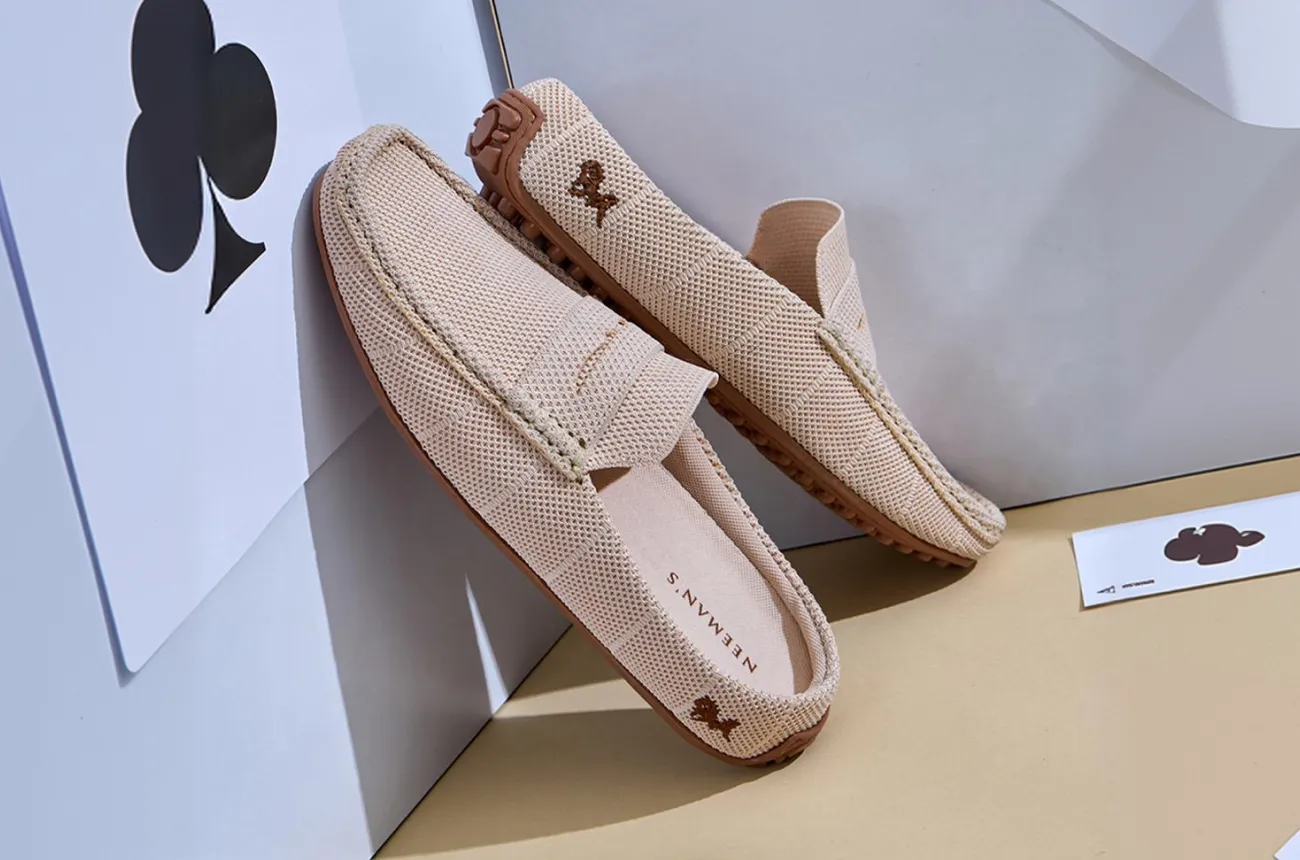
Rare Rabbit has introduced the RR monogram as a design signature across select products, appearing on fabric, hardware, and detailing. The move is strategically precise. In a market where premium signals are often communicated through logo-forward branding, large wordmarks and bold typography across the chest, the monogram approach is quieter and more considered. It reads as European luxury literacy rather than Indian logo aspiration. The consumer who recognises what an RR monogram means is exactly the consumer Rare Rabbit wants is that someone who understands the reference and chooses the understatement.
Building monogram equity at Rare Rabbit's current price point and stage of growth is premature by conventional brand logic and correct by luxury brand logic. You establish the mark before everyone knows it. By the time everyone knows it, the mark carries the weight of everything the brand built before they noticed. Louis Vuitton did not become famous and then introduced the monogram. The monogram is part of how it became famous. Rare Rabbit has understood this, and it is one of the most confident brand decisions in Indian premium fashion.
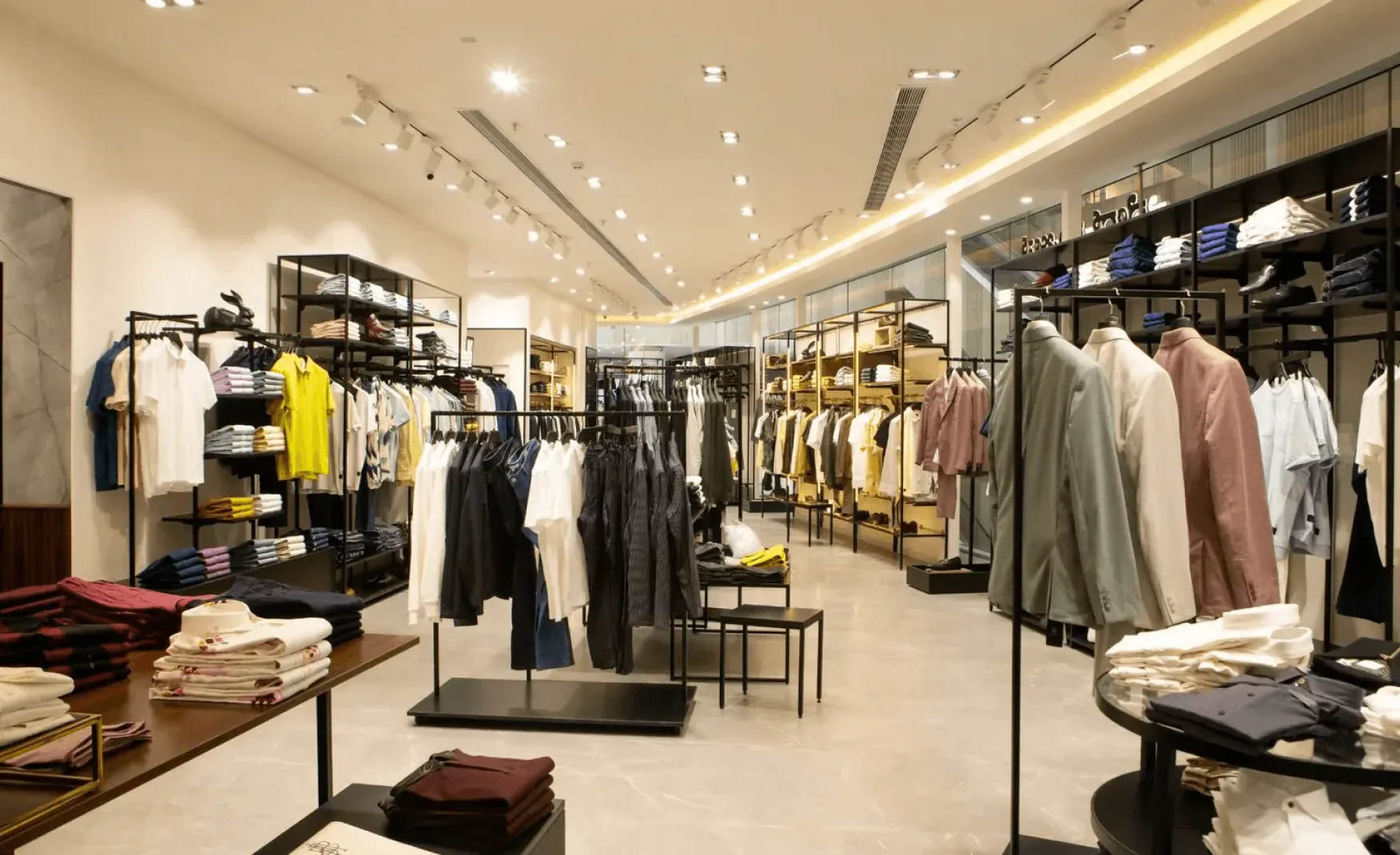
Indian fashion brands at Rs 800 crore in revenue tend to look like Rs 800 crore brands, busy, brand-marked, trend-responsive, and visually inconsistent across product lines, retail environments, and digital channels. Rare Rabbit does not look like this, and the discipline required to hold that restraint at this scale is commercially significant.
The photography is consistent along with neutral backgrounds, controlled lighting, models styled to support the product rather than compete with it. The colour palette across the range is edited rather than exhaustive, with restrained base tones, considered accent colours, and a seasonal coherence that signals a design team with a genuine point of view. The store environments continue the same visual logic: minimalist fixtures, clean sightlines, no visual noise fighting the product for the customer's attention. A consumer walking past a Rare Rabbit window receives a visual signal that is consistent with premium.
Maintaining this across 180 exclusive stores, multiple cities spanning metros and tier 2 markets, multiple sub-brands, and hundreds of SKUs per season is genuinely difficult. The fact that Rare Rabbit has held it at this scale is evidence of real design discipline rather than good fortune. In retail, visual coherence at scale is one of the most commercially valuable and least celebrated achievements a brand can make.
The FY24 profit of Rs 74.5 crore, the figure most cited in coverage of Rare Rabbit, is no longer the current picture. In FY25, net profit fell 60% to Rs 16 crore on revenue of Rs 818.67 crore, as total expenses surged 44% to Rs 799 crore. Employee benefit costs rose 74% to Rs 134.7 crore. Advertising costs increased to Rs 118.7 crore. Operating cash flow turned negative at Rs 71.14 crore, versus a positive Rs 45.77 crore in FY24.
This is a deliberate investment phase where the company is hiring, opening stores, and building the infrastructure for a significantly larger business. But the contrast between the FY24 narrative, a bootstrapped premium brand with industry-leading margins, and the FY25 reality, a brand spending at a pace that has compressed profitability to a fraction of the prior year, is the most important financial story in this audit. The question ahead is whether the investment phase produces the sustained revenue and margin improvement that justifies it, or whether the cost structure has grown faster than the model can support at the current price tier.
Rare Rabbit is a decade old and Rs 819 crore in revenue. It has a brand aesthetic: European-influenced minimalism, restrained palette, clean typography. But an aesthetic is not the same thing as a brand idea. An aesthetic tells you what the brand looks like. A brand idea tells you what the brand believes, and that belief is what holds the consumer relationship together when trend cycles shift and competitors arrive with sharper packaging and lower prices.
The most commercially durable fashion brands in the world are built on ideas, not aesthetics alone. Patagonia believes that business should repair the world it profits from. Levi's believes that denim is the uniform of the individual. These are not slogans. They are organising principles that shape every decision and give the consumer a reason to choose the brand that survives trend cycles and price competition. Rare Rabbit has not yet answered its equivalent question: what does Rare Rabbit actually believe about how Indian men should dress, and why does that matter? Without that answer, the brand risks becoming a very good-looking label that nobody can quite describe in a sentence.
The House of Rare now carries four brands namely Rare Rabbit (premium menswear), Rareism (women's), Rare Ones (kidswear), and Rare'z (sneakers and casual footwear). Each serves a distinct consumer with distinct aesthetic expectations. The premium menswear consumer who chose Rare Rabbit for its restraint and considered visual language is not the same consumer as the Gen Z sneaker buyer that Rare'z is targeting. These are not just different demographics. They are consumers with actively different ideas about what a brand should say about them.
Running all four under the House of Rare umbrella without a clearly articulated master brand architecture creates a specific risk: the premium equity of the original Rare Rabbit begins to dilute when the brand that built its reputation on considered minimalism also makes streetwear and children's clothing. The focused consumer who chose Rare Rabbit specifically because it was focused loses the signal that the brand still belongs to him. Premium fashion brands that successfully build multi-brand portfolios do so by keeping brands architecturally separate. The House of Rare is early enough to make the right structural decisions, but the window for doing so cleanly is narrowing as each sub-brand builds its own distribution and consumer relationships.

Rare Rabbit's visual identity is the best in Indian premium menswear. It is also European in its references. The minimalism, the neutral palette, the photography style, the typography choices, all of these read as Scandinavian or Italian in their design grammar. For an Rs 819 crore Indian brand with a genuinely Indian growth story, a pan-India retail footprint, and a consumer base that stretches from Bengaluru to Aligarh, this is the most significant unrealised brand opportunity in the portfolio.
The question Confetti would put at the centre of Rare Rabbit's brand strategy is not about how do we make this look more Indian? Overlaying motifs, patterns, or craft references onto a European visual system produces incoherence. The right question is what does premium Indian menswear look like when it is built from first principles, rooted in how Indian men actually live, dress, and signal status, rather than adapted from a European reference? That is a harder design problem and a more interesting brand idea. It is also one that no competitor has answered, which means the brand that does will own the narrative for a generation.
The tier 2-3 expansion model, building metro awareness first and converting it in the consumer's home city, is one of the most commercially intelligent retail strategies in Indian fashion. It is also entirely undocumented in the brand's public narrative. Rare Rabbit does not talk about this approach. It does not run communications that celebrate the Aligarh consumer or speak directly to the industrial city business owner who has the income and aspiration but has always had to travel to access the brand.
Making this narrative explicit, across store launch communications, digital content, and campaign imagery, would accomplish two things simultaneously. It would differentiate Rare Rabbit from every other premium fashion brand that treats tier 2-3 as an afterthought, and it would create genuine emotional resonance with a consumer who has rarely been spoken to directly by a brand that takes his status aspirations seriously. The story of a brand that meets the Kanpur businessman where he lives, rather than waiting for him to come to Delhi, is a brand story worth telling loudly. It is also, incidentally, the most honest description of what has actually driven the brand's growth.
At Confetti, brand portfolio architecture is one of the most commercially consequential design problems we work on. The decisions made at this stage, which categories sit under the master brand, which get sub-brand identities, and how the parent company name relates to each of them, compound into either a portfolio that builds collective equity or one that dilutes it. The House of Rare currently has four brands with shared naming conventions and overlapping visual codes. This is the most expensive configuration because it neither concentrates equity in a single master brand nor separates it cleanly between independent brands.
The options are well understood in brand strategy. A branded house model concentrates all equity in Rare Rabbit and treats the sub-brands as product lines. This maximises the master brand's scale but constrains each sub-brand's aesthetic range. A house of brands model keeps each brand architecturally independent, preserving Rare Rabbit's premium positioning but requiring equity to be built in four places simultaneously. Getting this decision right at Rs 800 crore is significantly cheaper than getting it wrong at Rs 2,000 crore, when each sub-brand will have its own consumer base, its own retail infrastructure, and its own commercial stakeholders with a view on how the portfolio should be managed.
Rare Rabbit has built something that most Indian fashion brands have attempted and failed: a premium positioning that holds on product merit, a visual identity that is genuinely considered, and a retail expansion model that is more strategically sophisticated than it appears. The tier 2-3 city play, quietly building awareness in metros before converting it in the consumer's home city, has driven Rs 818.67 crore in revenue from a brand that has never needed a celebrity face to explain itself.
The FY25 picture introduces a new layer of complexity with profit falling 60% to Rs 16 crore as expenses surged 44% is a deliberate investment decision, and the Rs 2,534 crore valuation confirms that investors believe in the payoff. But the cost structure now needs to demonstrate that it produces the revenue acceleration and margin recovery that justifies the investment phase. The brand idea question and the portfolio architecture question are both more urgent at Rs 819 crore than they were at Rs 376 crore. Both are solvable, and the commercial momentum gives the team the time and the resource to solve them thoughtfully.
If you are building a premium fashion or lifestyle brand and want to create the kind of visual identity, brand idea, and portfolio architecture that holds the premium positioning coherently as you scale, Confetti can help you build that.
Want strategic branding and packaging like this for your business?




.webp)
.webp)

.webp)
.webp)
.webp)
.webp)
.webp)







.svg)
.webp)





.svg)
.svg)

















































































.webp)








.webp)



.svg)