%201.webp)
02
AI Snaps
.svg)
.svg)
01
Our Work
03
About Us
04
Brand Audit
05
Contact Us
06
Client Success
12
07
Blogs
08
Careers
Book A Call
.svg)


When someone walks into a store, they are not browsing. They are moving, scanning, and making decisions in seconds. Offline packaging has to earn attention from across the aisle, hold it once the product is picked up, and still make sense when it is turned over and read. That is a different brief from designing something that photographs well on a white background, and it demands a different approach entirely.
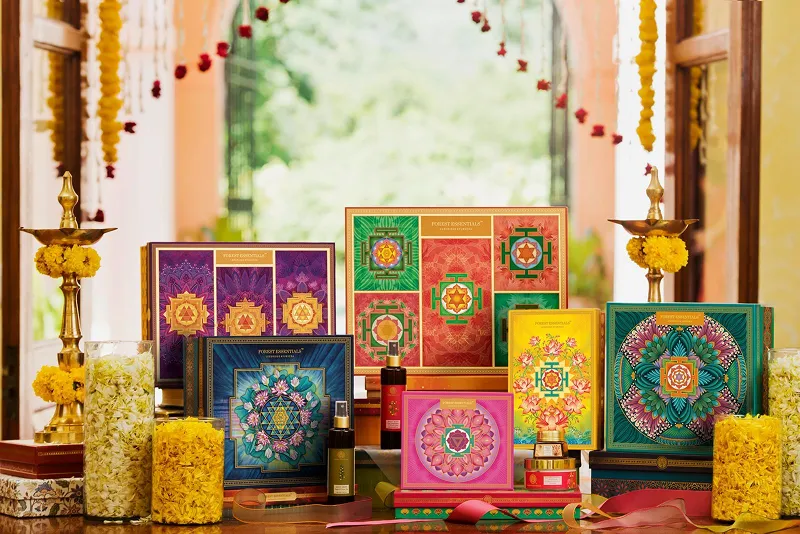
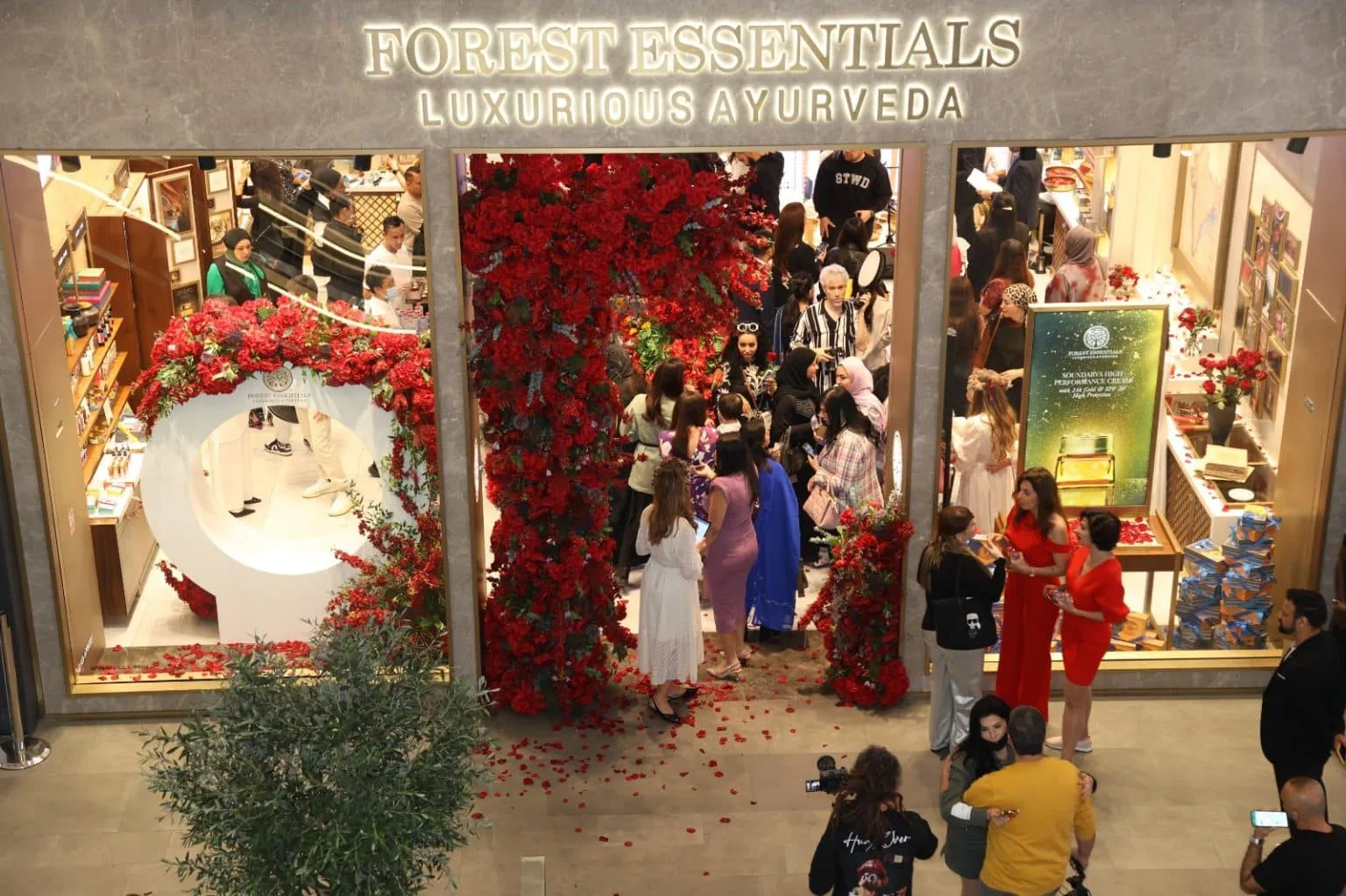
Look at how well this works when it is done right. Kama Ayurveda's glass bottles and cream jars communicate calm, ritual, and authenticity before the label is even read. Forest Essentials' heavier containers and refined detailing signal luxury and craftsmanship at a glance. Plum's lighter materials and brighter colour systems do the opposite just as effectively, conveying accessibility and modernity to a different consumer entirely. In food and beverage, Vahdam's rigid tea tins feel premium and giftable. Sleepy Owl balances bold shelf visibility with everyday functionality. The Whole Truth's protein bars use clean layouts and honest information hierarchy to stand out in a nutrition aisle full of exaggerated claims.
None of these outcomes happened by accident. They are the result of packaging designed specifically for the physical environment it lives in. At Confetti Design Studio, this is the only way we know how to approach it.
Offline packaging is judged through more than just sight. Material quality, weight, finish, and structural form all shape how a product is perceived the moment it is handled. A consumer may not consciously register that a bottle feels heavier than expected or that a surface has a particular texture, but those details inform their sense of quality and trust in ways that visuals alone cannot replicate.
Online, a product is seen. In store, it is experienced. The same design principles apply, but the execution has to account for store lighting, shelf placement, competitor adjacency, and the physical reality of a customer turning the product over in their hands. A pack that looks refined on screen can feel cheap, illegible, or visually lost the moment it is placed next to competing products on a real shelf. That gap between screen and shelf is where most packaging problems actually live.
In skincare, a matte-finish glass bottle communicates calm and ritual. A heavier container with refined detailing signals luxury. A lighter, brighter pack signals accessibility. In food and beverage, a rigid tin feels giftable and premium while a flexible pouch with bold typography feels functional and direct. These are not arbitrary aesthetic choices. They are responses to how consumers read quality cues in physical retail, and they only reveal themselves properly when the pack is held in the hand rather than viewed on a screen.
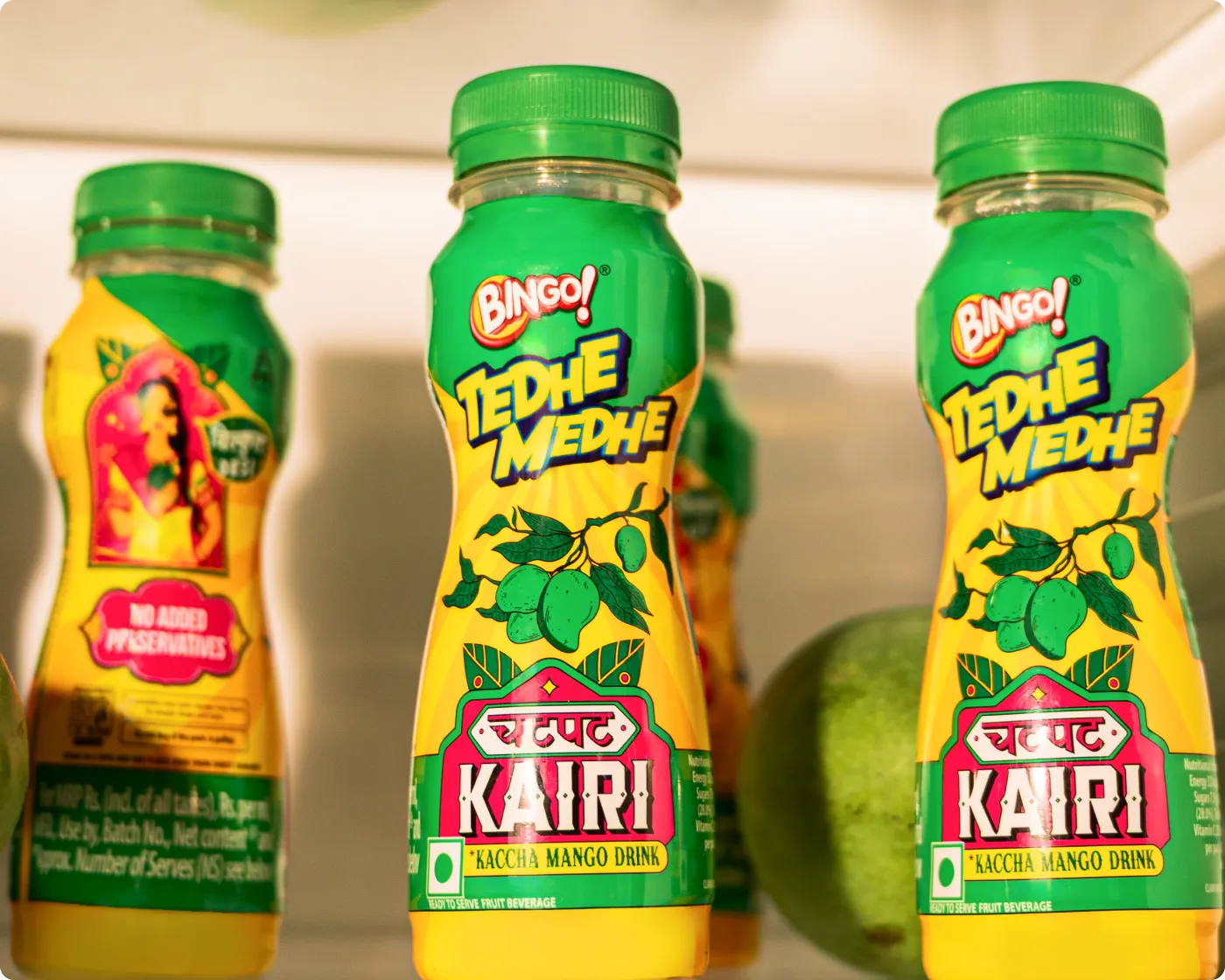
At Confetti, offline packaging is designed as a complete physical system, not a digital layout adapted for print at the end of the process. Everything is considered in the context of how the packaging will be noticed, handled, opened, and evaluated in actual retail conditions.
Packaging is experienced over time, not in a single glance. We design for the full physical sequence, thinking through what the customer touches first, what they see as the pack is opened, and how information reveals itself through that interaction. We apply a structured four-point unboxing framework to make sure this journey feels intentional and on-brand at every stage, not just at first impression.
Material decisions are made at the start of the process, not the end. We align substrate choices with category expectations, durability requirements, and the brand's positioning from the outset. A premium skincare brand and a functional protein snack brand have fundamentally different material needs, and those differences shape every visual and structural decision that follows.
The front of the pack is designed for attention, branding, and shelf impact. It has to work from a distance, communicate the brand clearly at eye level, and give a first-time buyer enough confidence to pick the product up. Every element, from typography scale to colour contrast to imagery placement, is considered in the context of a real shelf environment.
The sides carry the weight of storytelling, range navigation, and supporting communication. In a well-designed packaging system, the sides extend the brand character established on the front without simply repeating it. For brands with multiple SKUs, the sides also play a critical role in helping consumers navigate a range on shelf.
The back of the pack handles compliance, ingredients, legal requirements, and the kind of detailed information that earns trust with a more considered buyer. Good back of pack design is not just about fitting everything in. It is about organising information so that it is readable, honest, and still feels like the brand.
This is the step most agencies skip, and it is often where the most important discoveries happen. We print the packaging and assess it as a real object before approvals are made. Colours shift between screen and print. Typography behaves differently at actual scale. Finishes like matte, gloss, embossing, and foil react to store lighting in ways no digital mockup can replicate.
We regularly place printed packs alongside competing products from the same category to evaluate true shelf presence, legibility, and differentiation. When designing for a skincare serum, for instance, we test it next to brands like Plum, Deconstruct, and others already in retail, so we know exactly how it performs in the environment it will actually occupy. This also changes the nature of client approvals. Rather than signing off on a design file, clients are reviewing a physical object that closely mirrors what their customers will encounter in store.
Confetti’s team is trusted by global leaders, and it’s time we join forces with you to create your Iconic brand!
Tap the button below and talk to our founders directly.



.webp)

Offline packaging underperforms most often when it is designed without any real engagement with the physical context it is going into. The mistakes tend to follow a familiar pattern:
Weight, texture, finish, and form can only be honestly evaluated once something exists as a physical object. When that step is skipped, packaging that looked strong in presentation falls short the moment it reaches the shelf.
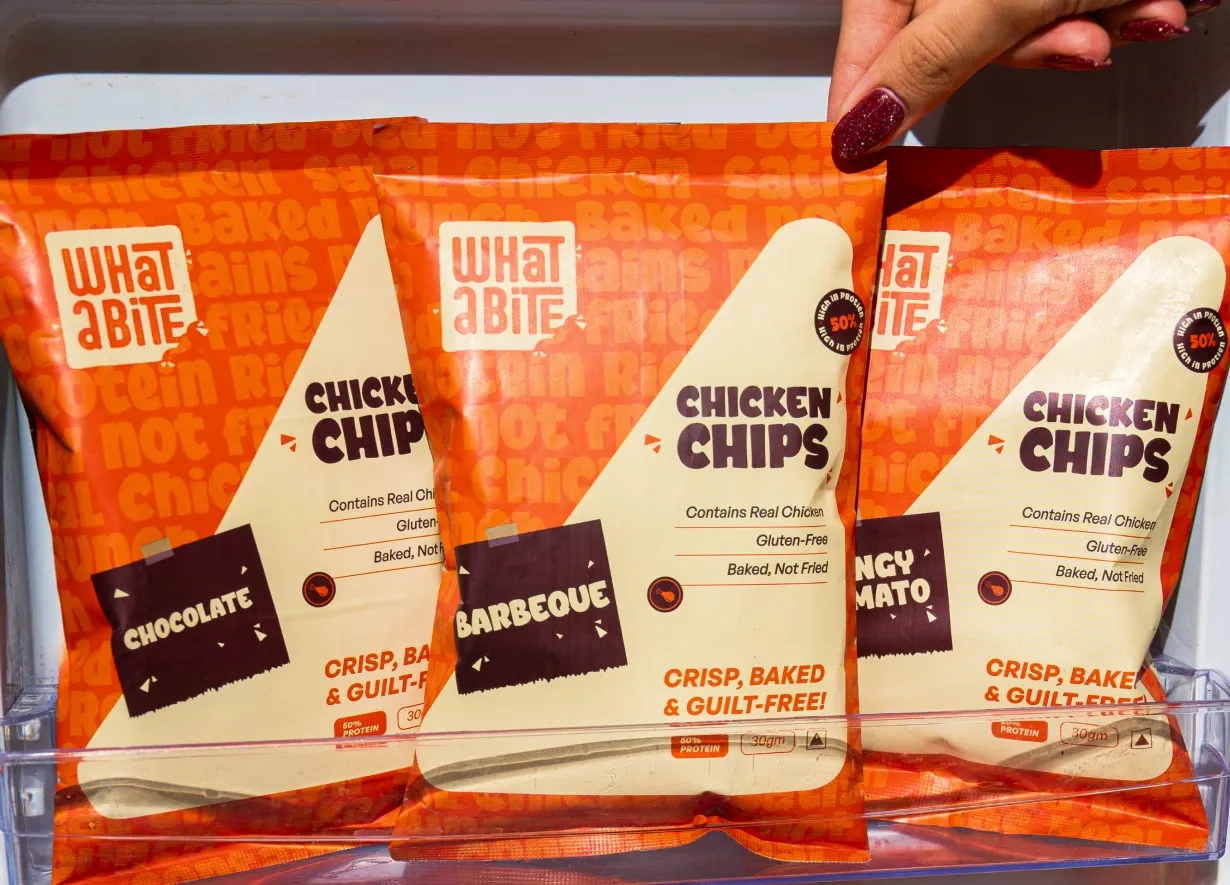
Modern trade and general trade retail remain extraordinarily competitive environments. Consumers are not deliberating at the shelf the way they might when browsing online. They are moving quickly, scanning broadly, and responding to instinct as much as information. Packaging that does not interrupt that scan does not get picked up, and packaging that does not hold attention once it is picked up does not make it into the basket.
For FMCG brands with multiple SKUs across a range, offline packaging also has to work as a system. Individual packs need to feel coherent on shelf while still being distinguishable from one another. Shelf blocking, range navigation, and visual hierarchy across a lineup are considerations that only matter in a physical retail context, and they require a designer who thinks in those terms from the beginning of the process, not as an afterthought once the single-unit design is done.
At Confetti, offline packaging is built for the environment it lives in. Not the screen it was designed on.
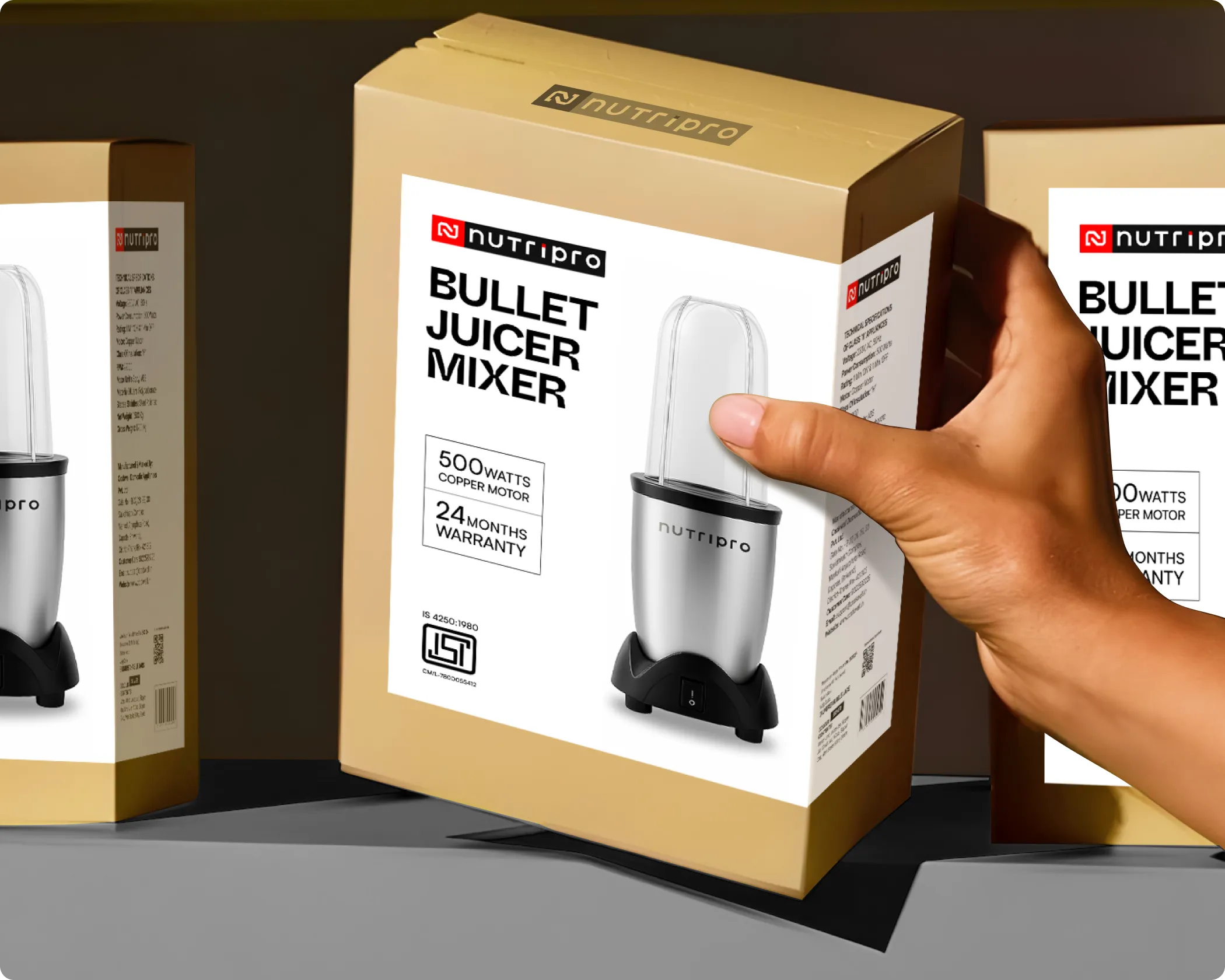
At Confetti, offline packaging is treated as a physical experience, not a digital layout sent for print. We design packaging as a complete system that considers how it will be noticed on a shelf, picked up, handled, opened, and evaluated in real retail environments. Our work spans the full structure of the pack, from the unboxing sequence and material selection to the Front of Pack for shelf impact, the Side of Pack for continuity and storytelling, and the Back of Pack for compliance, ingredients, and mandatory information. Each layer is designed with a clear role, ensuring the pack works cohesively rather than as isolated surfaces.
A critical part of our process is physical testing. We print the packaging and assess it as a real product, because colours shift in print, typography behaves differently at scale, and finishes like matte, gloss, embossing, or foil interact with store lighting in unpredictable ways. We often test printed packs alongside competing products from the same category to evaluate true shelf presence and differentiation. This helps clients to approve a physical object that closely mirrors what customers will actually experience in-store.
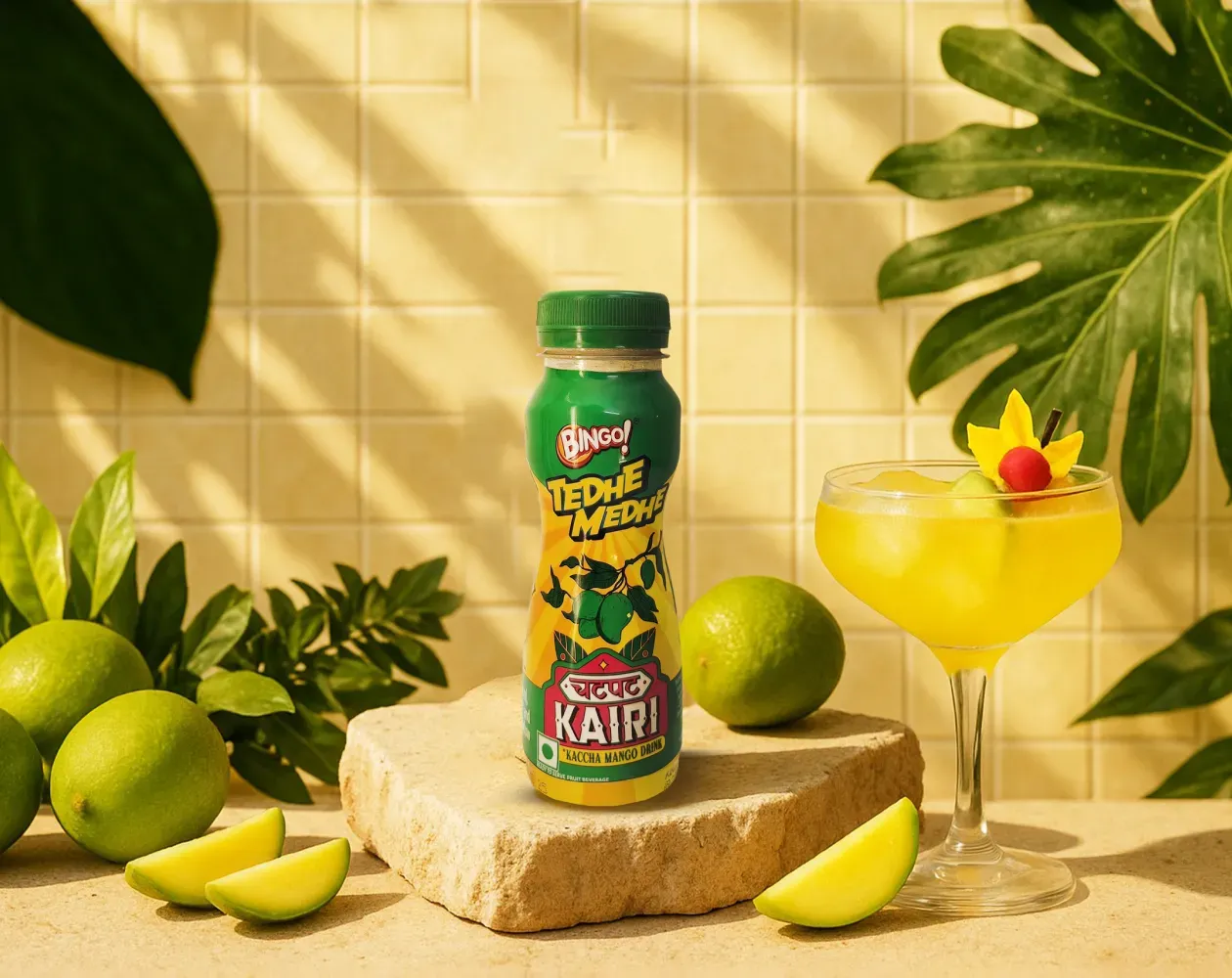
We worked with Bingo (by ITC) to help them launch India’s next viral beverage; Aam Panna
%201.webp)
Global award-winning Identity & packaging design for US's health & lifestyle startup AIM Nutrition
-p-2000%201.webp)
Building India’s fastest growing D2C supplements brand, Miduty by redesigning their branding, packaging & e-commerce website
.svg)
Offline packaging has to work much harder in the real world. It competes physically from multiple angles, distances, and lighting conditions, often surrounded by similar products fighting for the same attention. Shoppers can pick it up, turn it around, feel the material, and make a decision in seconds. That makes structure, contrast, hierarchy, and material just as important as the front-facing design.
Digital or e-commerce packaging plays by different rules. There’s no true shelf, no tactile experience, and no side-on visibility. What matters most is how the pack reads on a screen, often at a small size and in isolation. At Confetti, we design offline-first packaging very differently from screen-first packs because the environments demand different thinking. If you’re unsure whether your product’s primary battle is on shelf or on screen, hopping on a short call with our experts can help you make that call before design decisions are locked in.
In physical retail, material, weight, and finish quietly shape how a product is judged before it’s even read. Heavier packs tend to feel more premium, softer finishes suggest care and comfort, and material quality often sets expectations around price. These cues work instinctively. Customers may not consciously analyse them, but they influence whether a product feels worth picking up and paying for.
You can see this in brands like Skims, where tactile packaging reinforces ideas of softness and premium comfort in-hand. At Confetti, finish and material testing are built into the design process, and we work closely with vendors to understand what’s actually achievable at scale. If you want to define how your product should feel the moment someone holds it, hopping on a short call with our experts is the best place to start that conversation.
Physical prototyping matters because screens lie. They can’t show true texture, real scale, colour shifts, or how finishes behave under store lighting. What looks balanced on a laptop can feel flat, overly busy, or completely different once printed and held. This is why many retail brands only spot issues once physical mockups are made, often far later than they’d like.
At Confetti, prototyping is built in before final approval, not treated as an optional extra. It allows us to test, adjust, and lock decisions with confidence, rather than fixing problems after production has started. If you want to plan print testing in a way that’s practical and cost-aware, hopping on a short call with our team can help map out what’s worth testing and what isn’t.
Standing out on a crowded shelf starts with understanding how customers choose, not just how competitors look. People respond to emotion first, then logic. Once we understand what a customer wants to feel in that category, we look at the unspoken rules everyone else is following and decide which ones are actually worth breaking. That’s where distinction usually comes from, not from adding more graphics or louder claims.
Olly is a good example. In a category dominated by muted, clinical palettes, it chose to own bold colour, making the brand instantly recognisable from a distance. At Confetti, shelf audits are a key part of this process. We study real retail environments to see what’s blending in and what’s being ignored. If you want to understand how your product will sit in its actual shelf context, getting on a short call with our team lets us review that environment together and spot opportunities early.
Offline packaging should be tested against competing products once the initial design direction is set, but before mass production begins. This is when the pack can be evaluated in real conditions, placed next to competitors, viewed at shelf distance, and judged under store lighting. Brands that test at this stage avoid costly redesigns later, because issues around visibility, hierarchy, or differentiation surface early. At Confetti, this testing typically happens mid–design phase and runs for around two weeks. If you want to plan this at the right moment without slowing the project down, hopping on a short call with our team can help map out a sensible testing window.


.svg)
.svg)
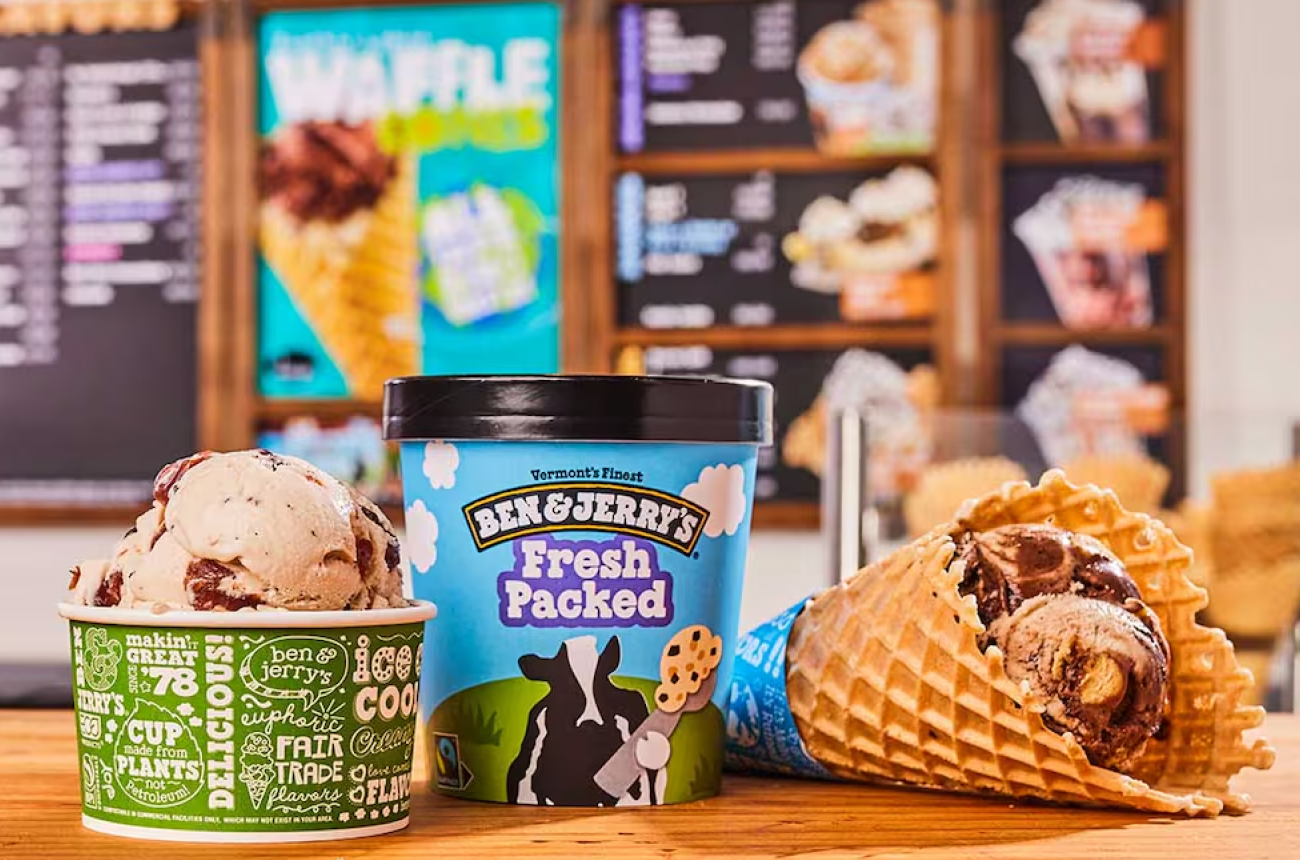

Ben & Jerry's kept its hand-drawn lettering, Vermont cows and punning flavour names on every pint for forty years, and made that packaging the voice of its mission.
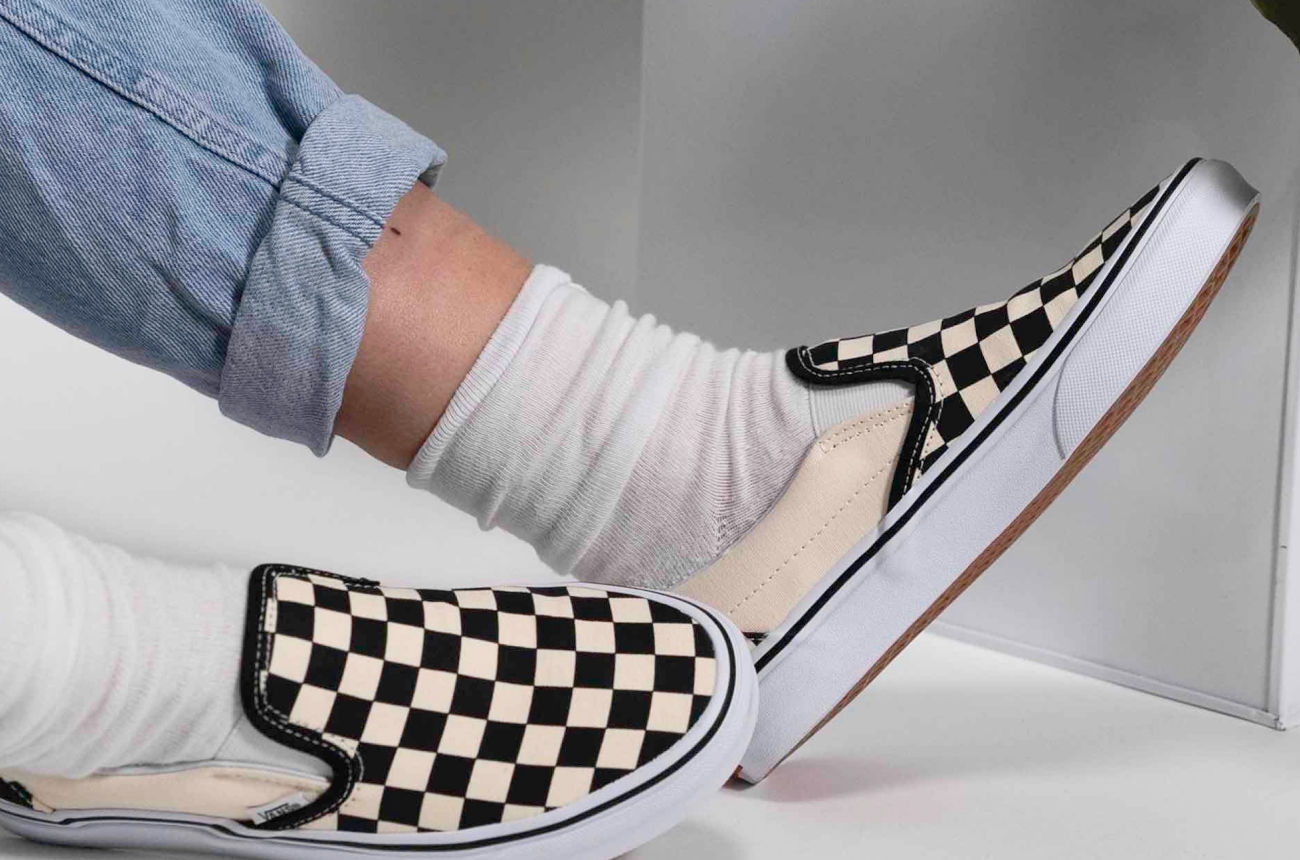

Vans built a visual system from a waffle sole, a sidestripe and a checkerboard that its customers helped draw, and now has to protect it from overexposure.


Alo Yoga built every flagship to be filmed first and shopped second, gave the brand a name that's actually a whole philosophy, and let retail itself become the brand's storyteller.
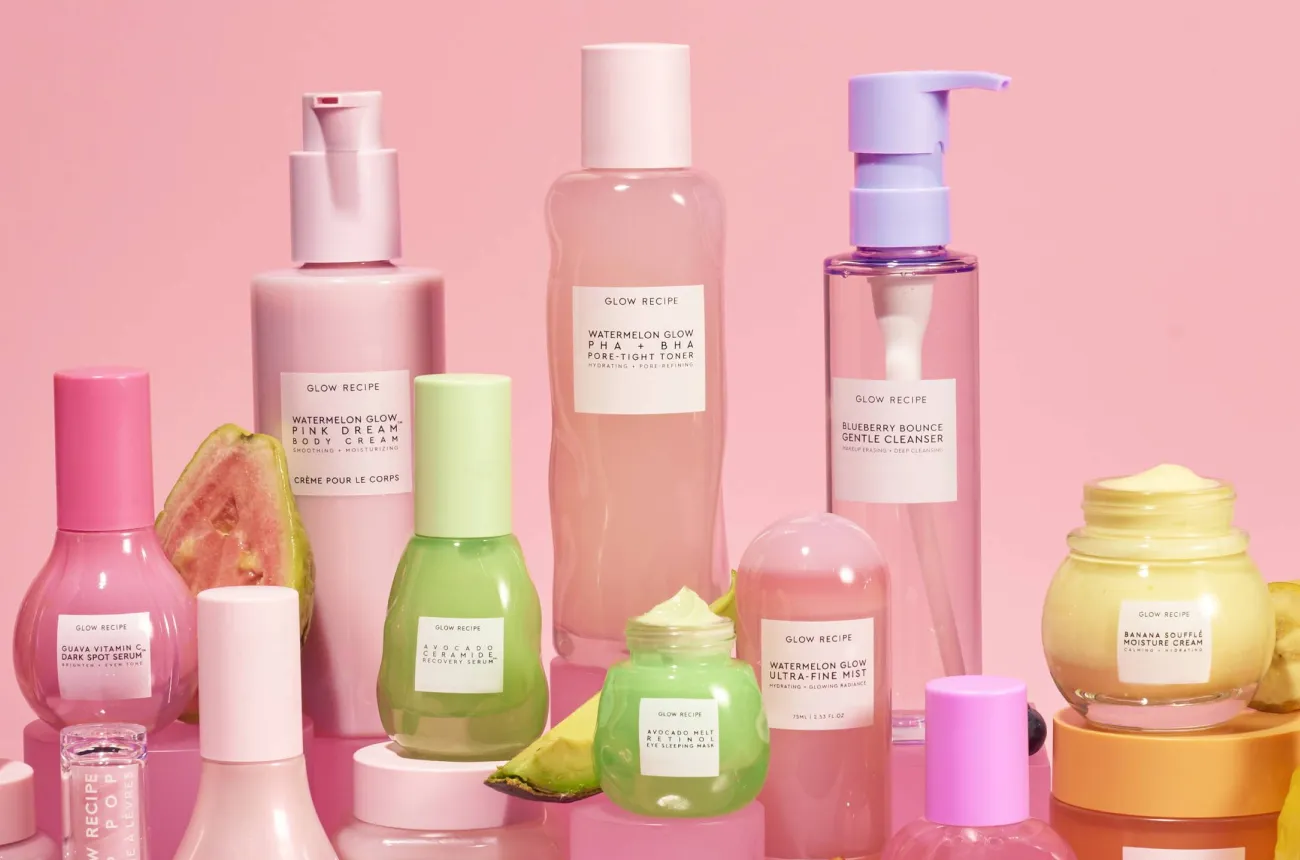

Glow Recipe took a single idea, make every product look like the fruit it's named after, and turned it into one of skincare's most recognisable packaging systems.


Fenty Beauty turned forty shades into an industry standard and a hexagon into a packaging system that has held five categories together for eight years, and still has more it could say.
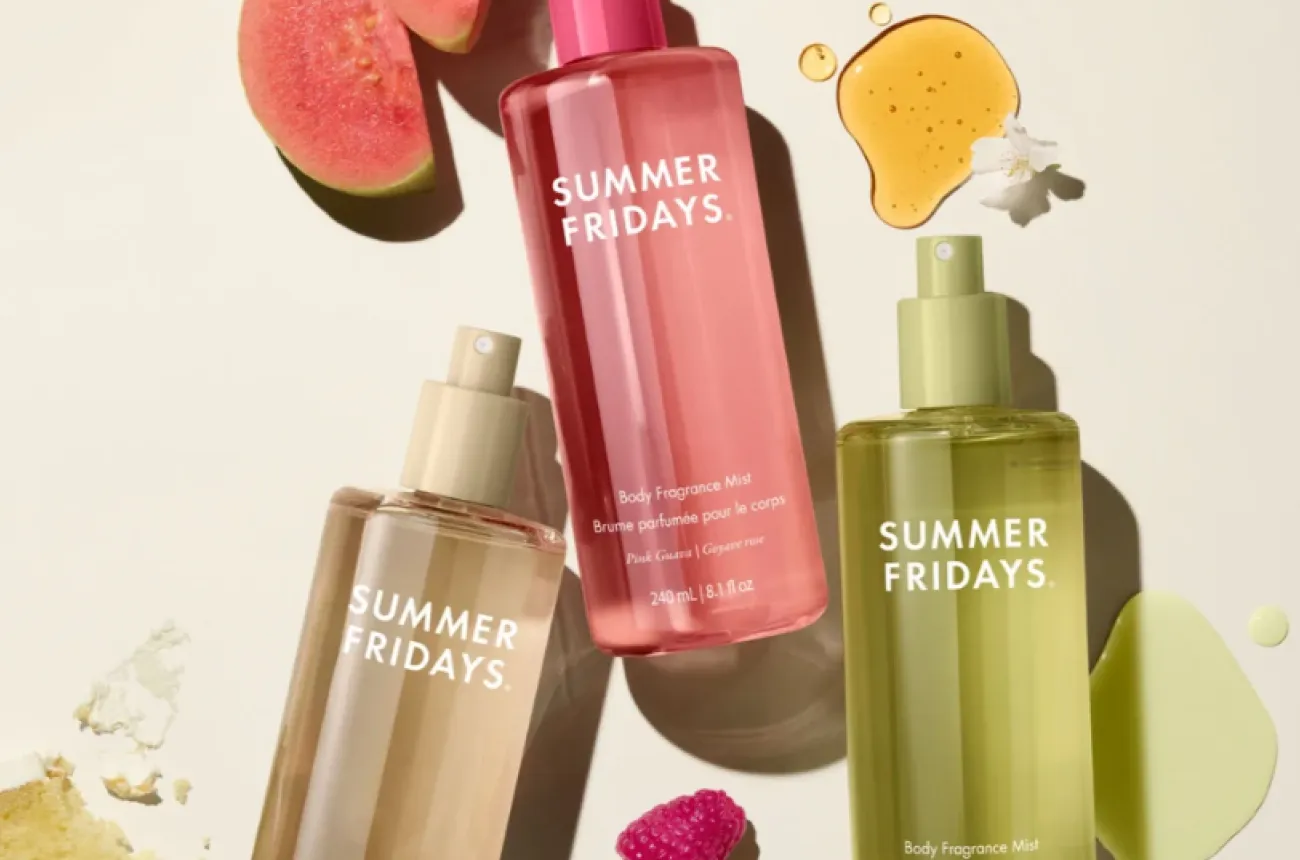

Summer Fridays named itself after a feeling instead of a product, then designed every pack to photograph better and now has to defend that exact look from everyone copying it.
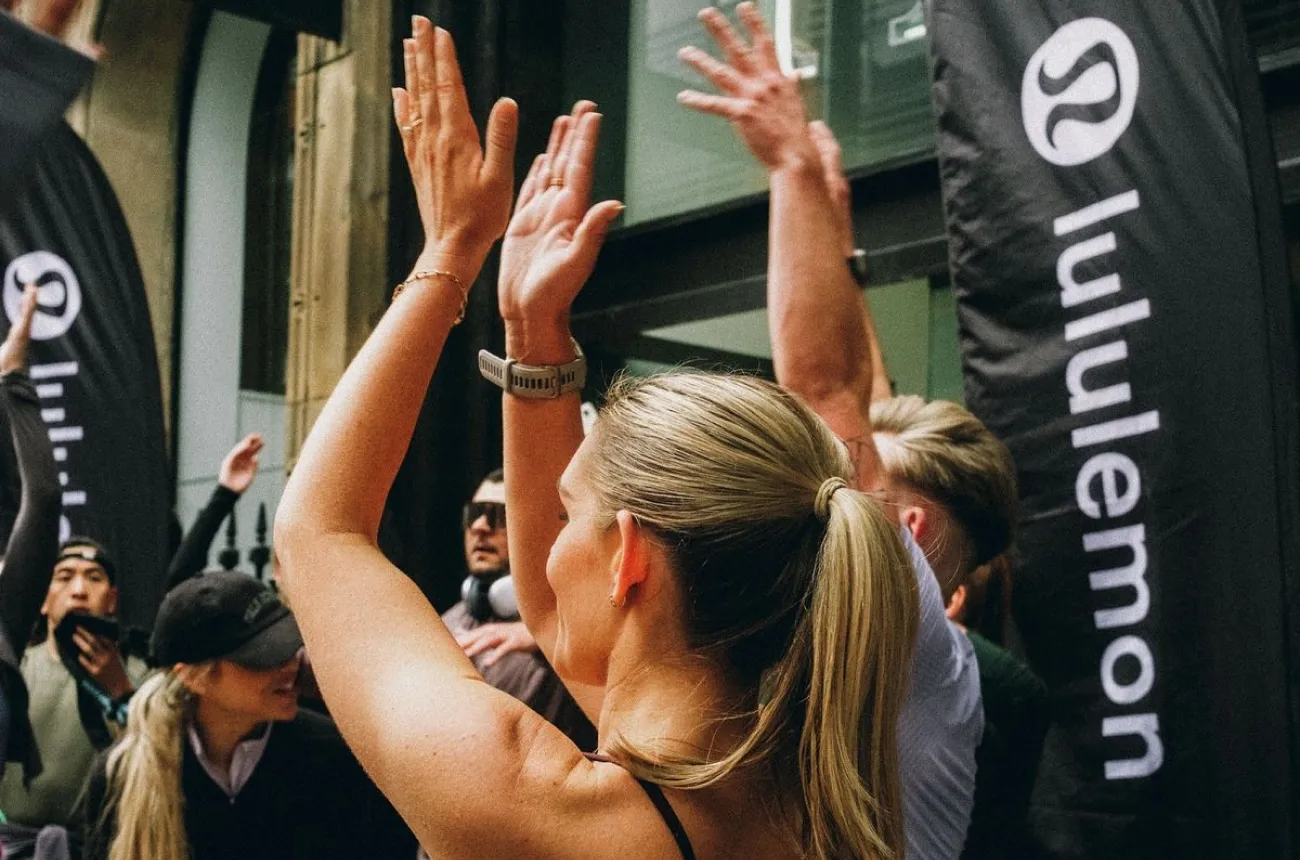

Lululemon built its premium on something customers could feel for themselves, not just believe. This audit looks at what's left of that promise now that leggings, stores and leadership are all being tested at once.
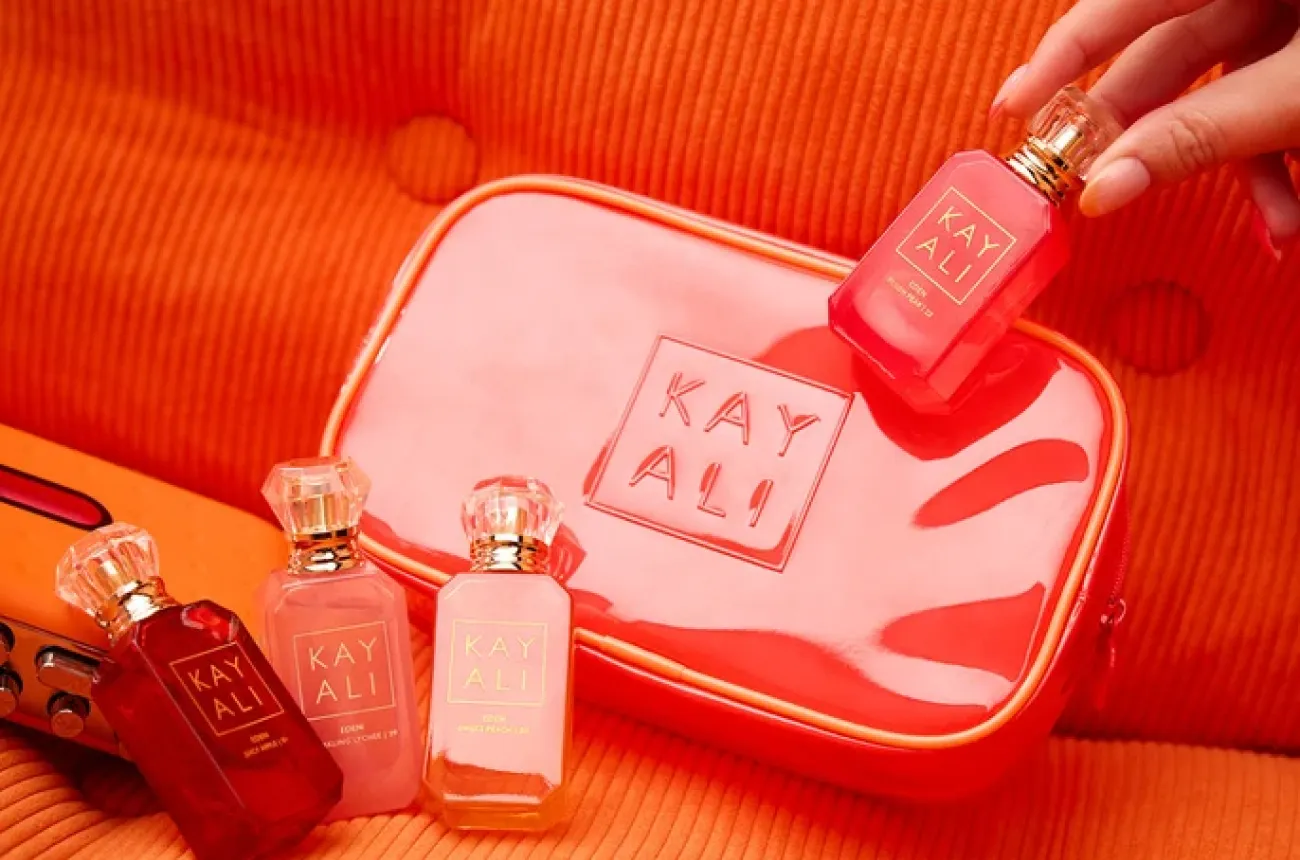

Kayali made a generation start layering perfumes, a real shift, and the brand's whole identity. Now they've carried that idea into body care. But competitors already copied the playbook. The real question is whether Kayali can still own "layering" before it becomes industry wide.


WishCare's name splits neatly into a promise and a discipline, and the packaging on its shelf does not carry the same idea.
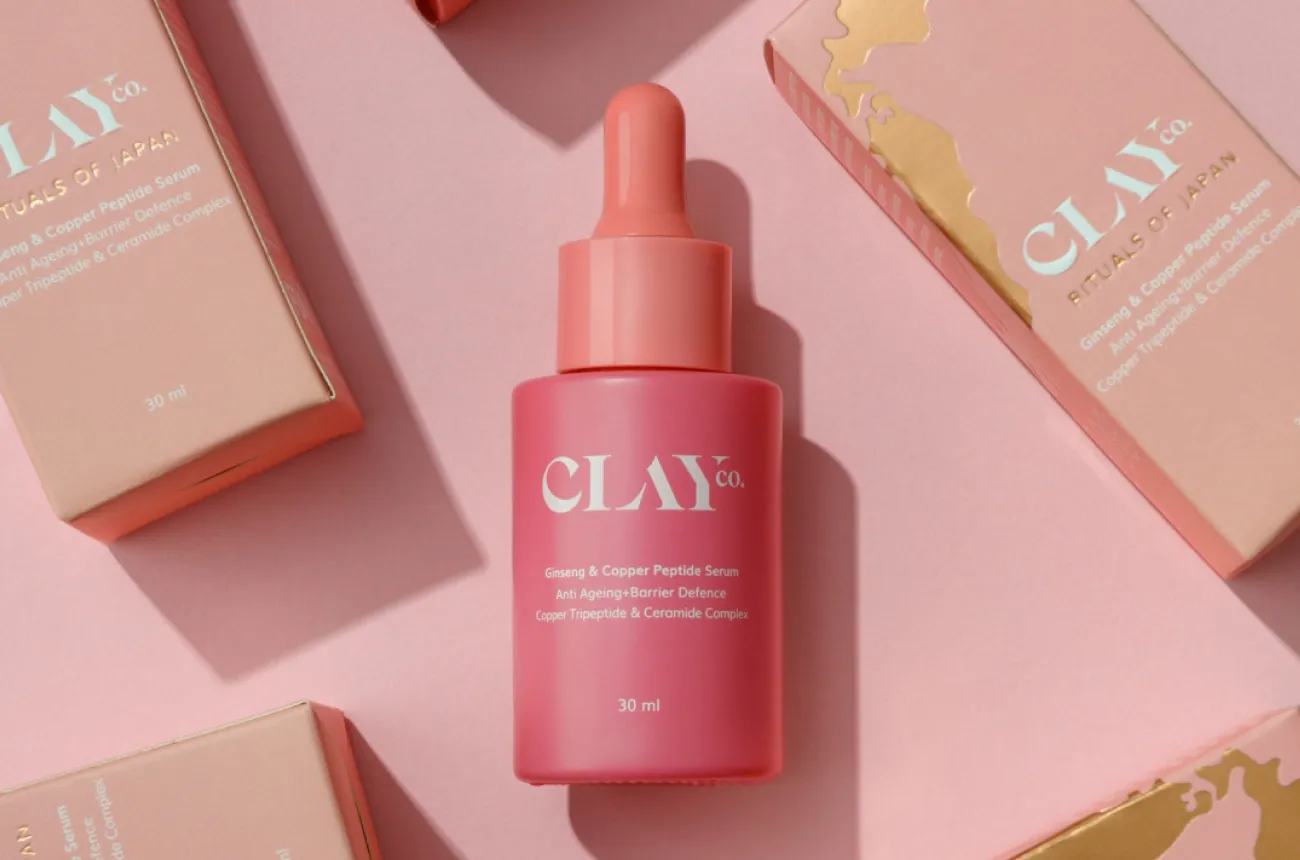

ClayCo designed a platform built to hold every beauty ritual on earth, and three years in, it still only tells Japan’s story, and even that one is slipping.
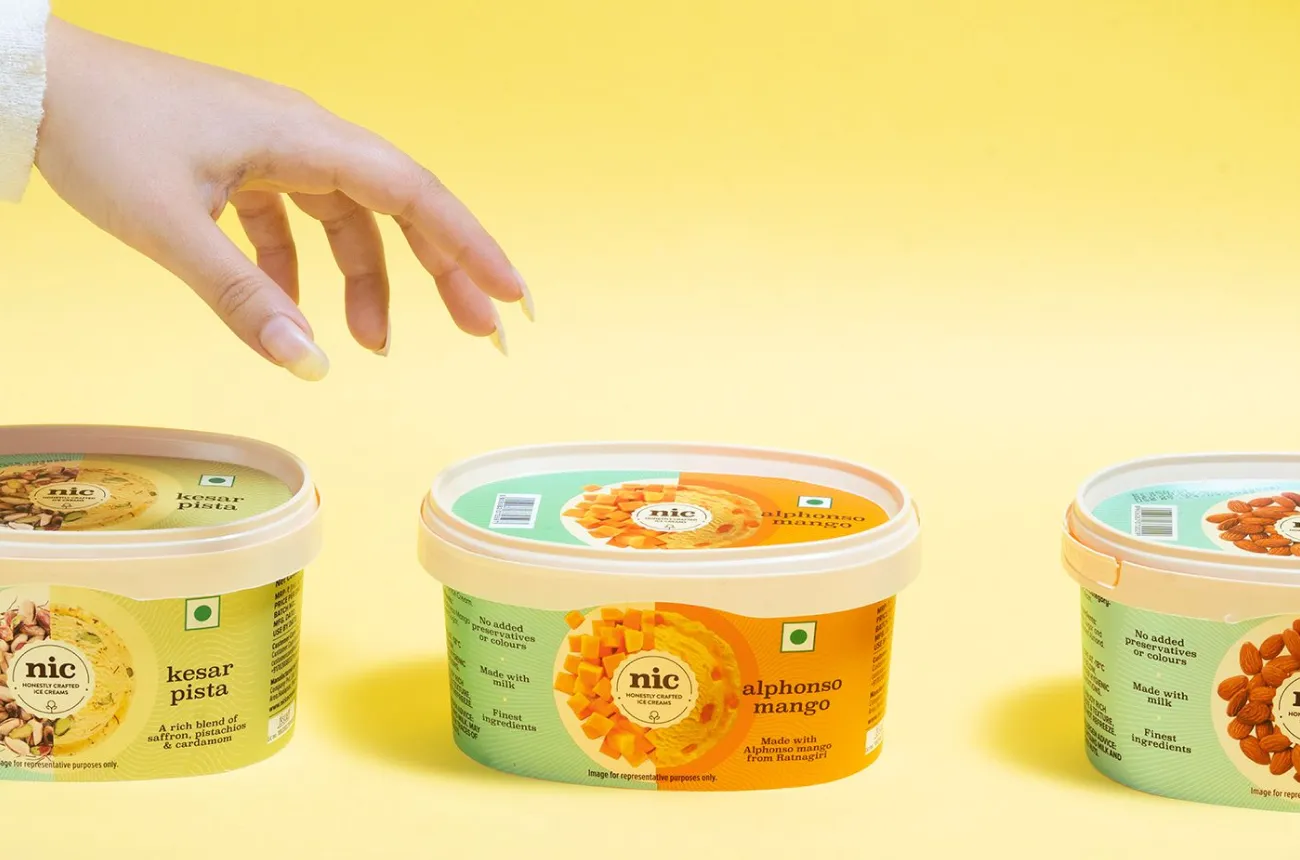

NIC built a well-run house of ice cream brands, and gave its flagship label a name that keeps doing marketing work for a rival called Naturals.
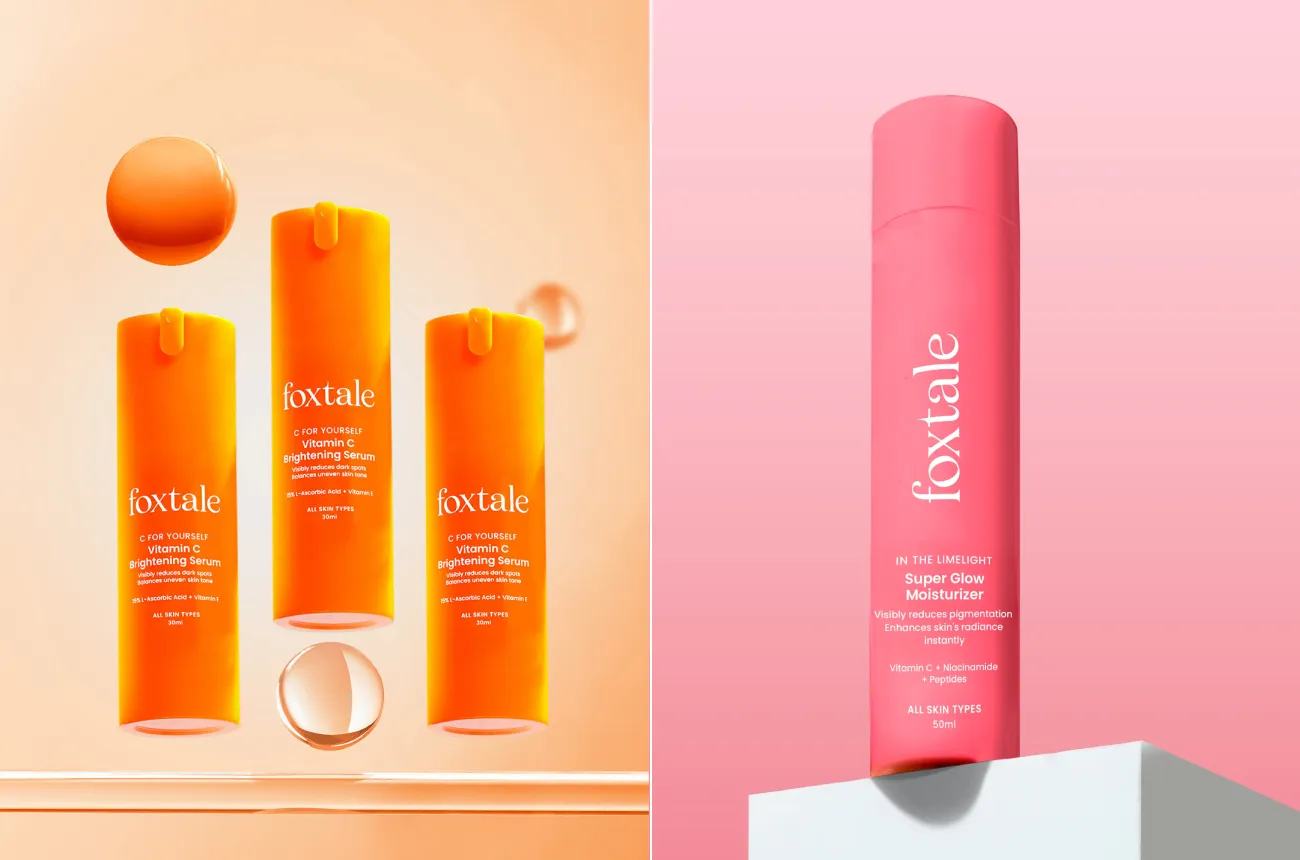

Foxtale is the upcoming skincare brand with colour coded packaging that customers can spot before reading the label, and now has to prove that colour can carry a brand once everyone else copies it.


Rhode built a billion dollar exit on three products and one food led idea, and sold it for $10M in e.l.f Beauty in just 11 days.
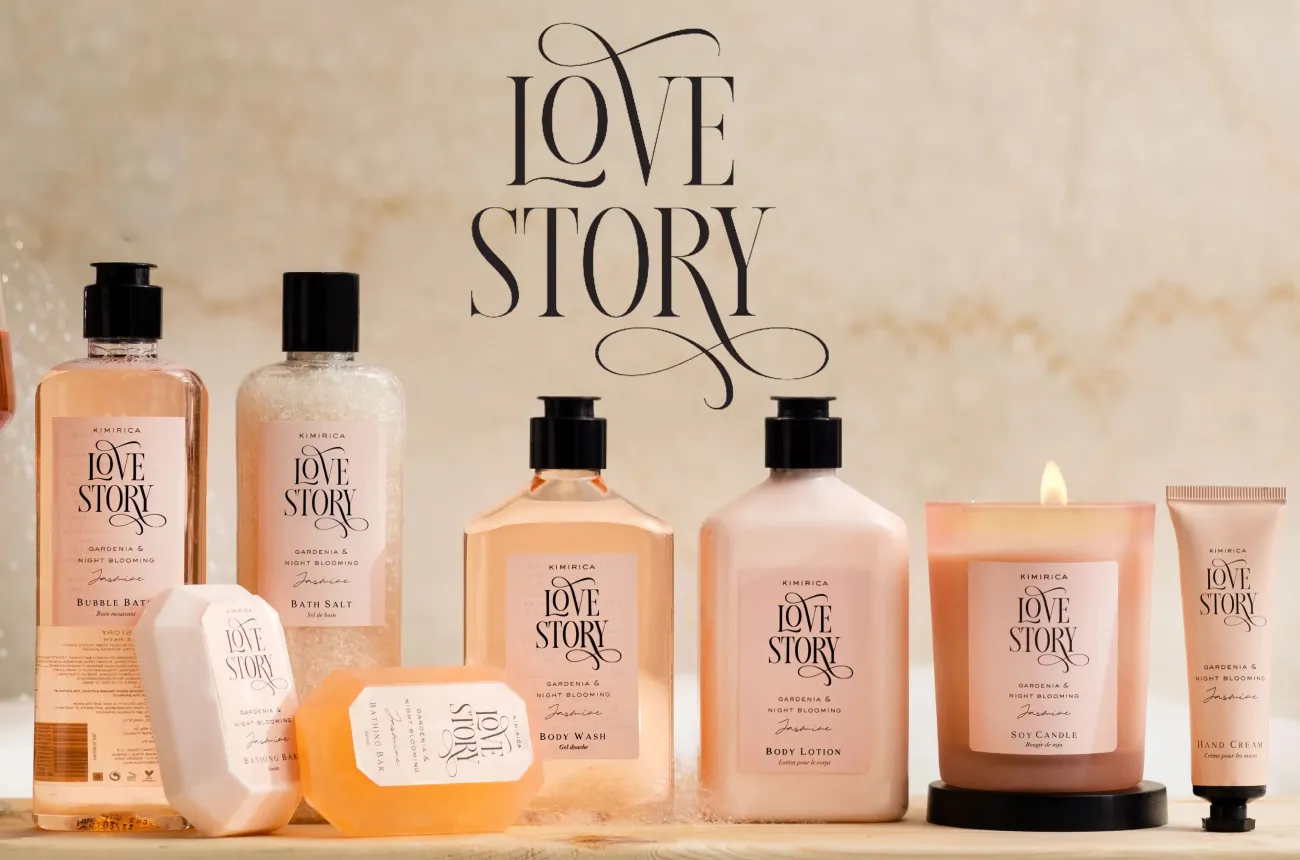

How Kimirica turned five-star hotel amenities into a bootstrapped Rs 300 crore vegan luxury bath and gifting brand.
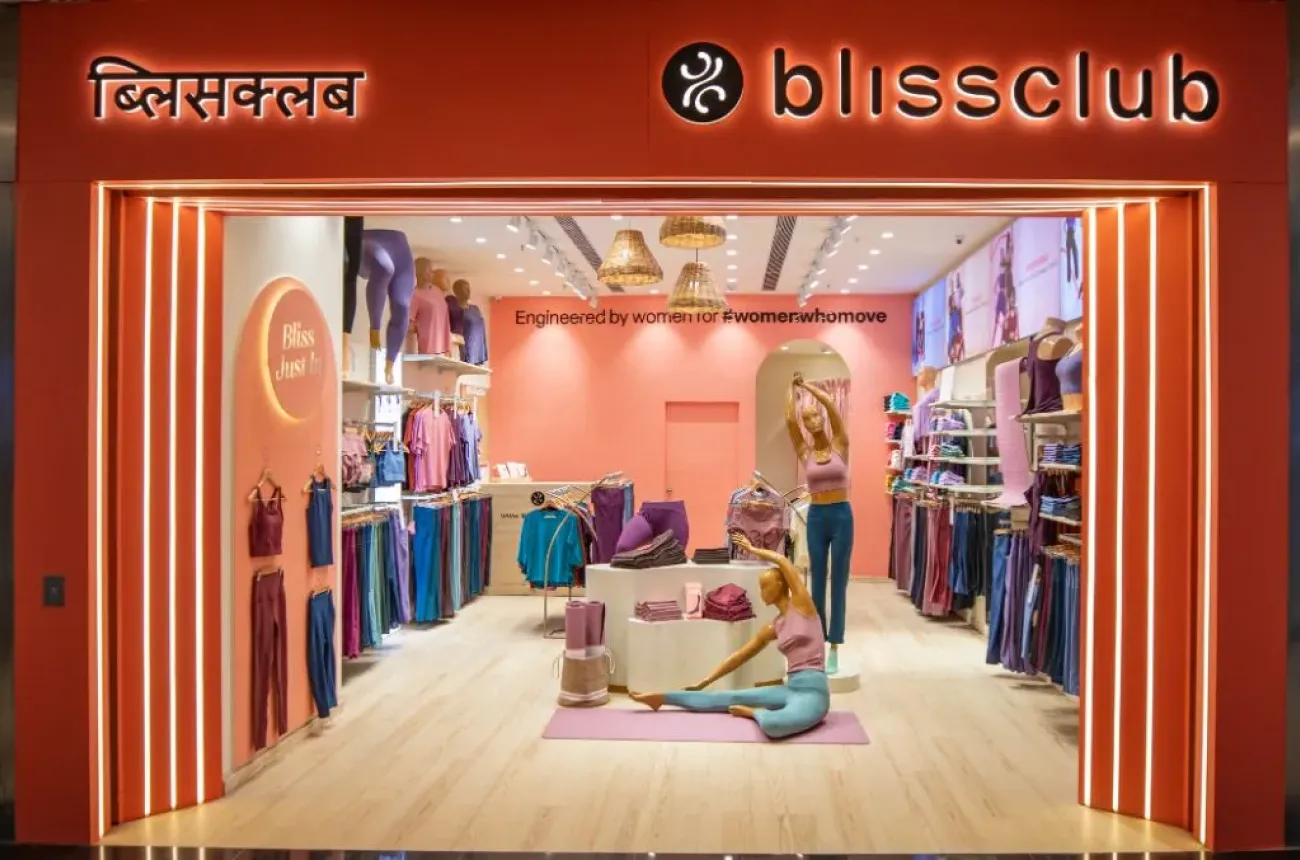

How BlissClub built India's most talked-about women's activewear brand from a WhatsApp community, and why profitability is now the harder game.
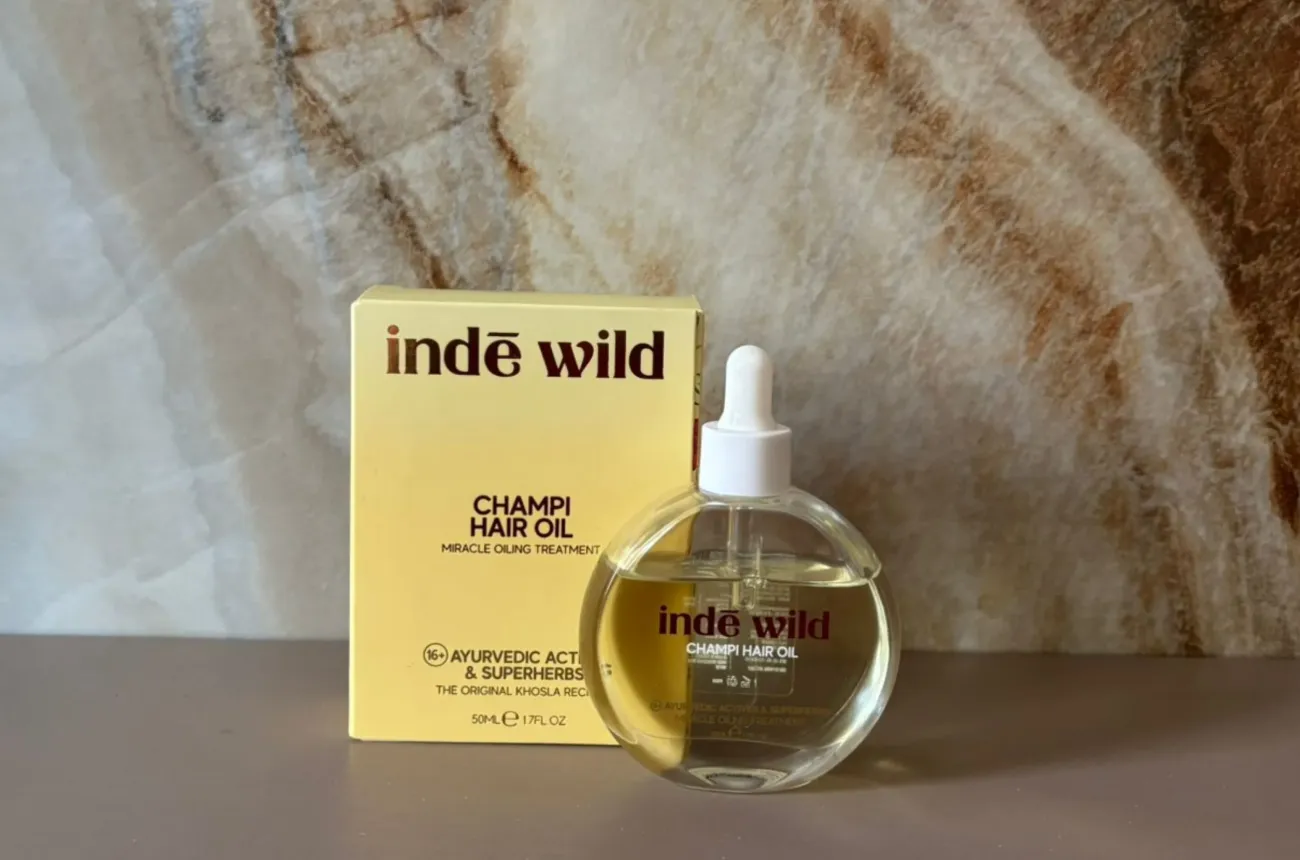

How Inde Wild became the first homegrown Indian brand to sell out at Sephora US through founder-led branding and a modern take on Ayurveda.
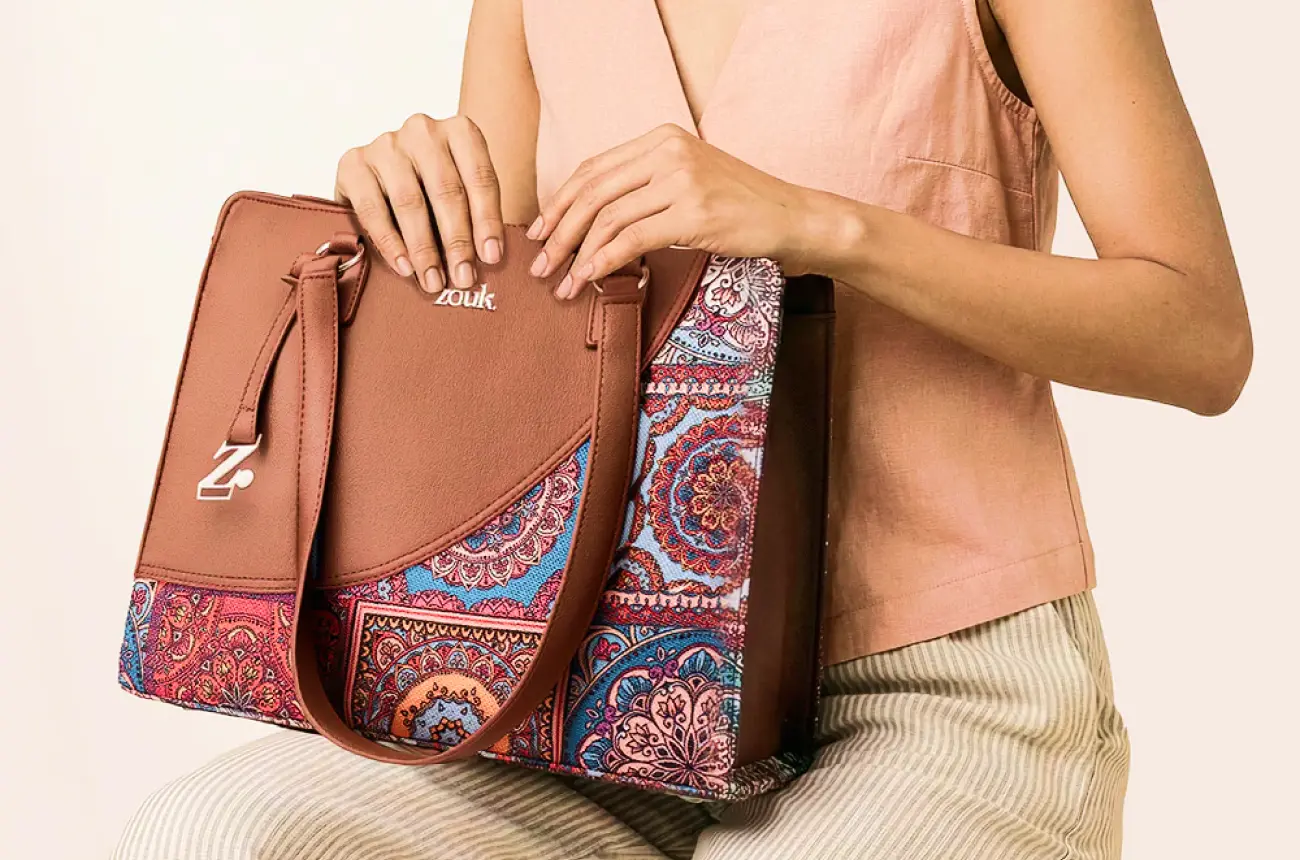

How Zouk built a Proudly Indian, PETA-approved bag brand by turning Indian handicraft into modern everyday carry, and why becoming iconic is the next design problem.


How Hyphen used Kriti Sanon as a co-founder rather than a mascot to build a skincare brand in two years, and why credibility is now its real battle.
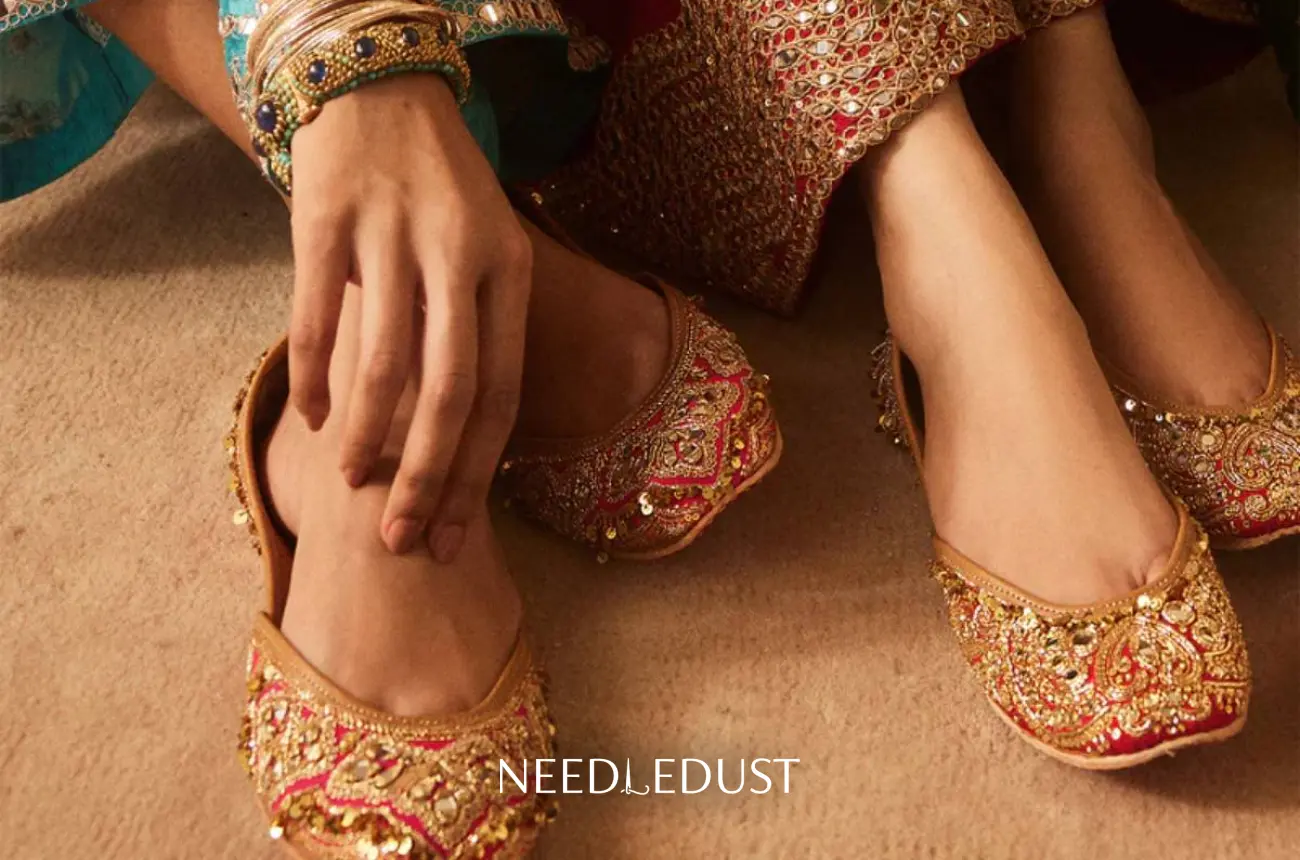

How Needledust turned the traditional jutti into a luxury, celebrity-worn shoe, and why growing beyond the occasion is its next design problem.
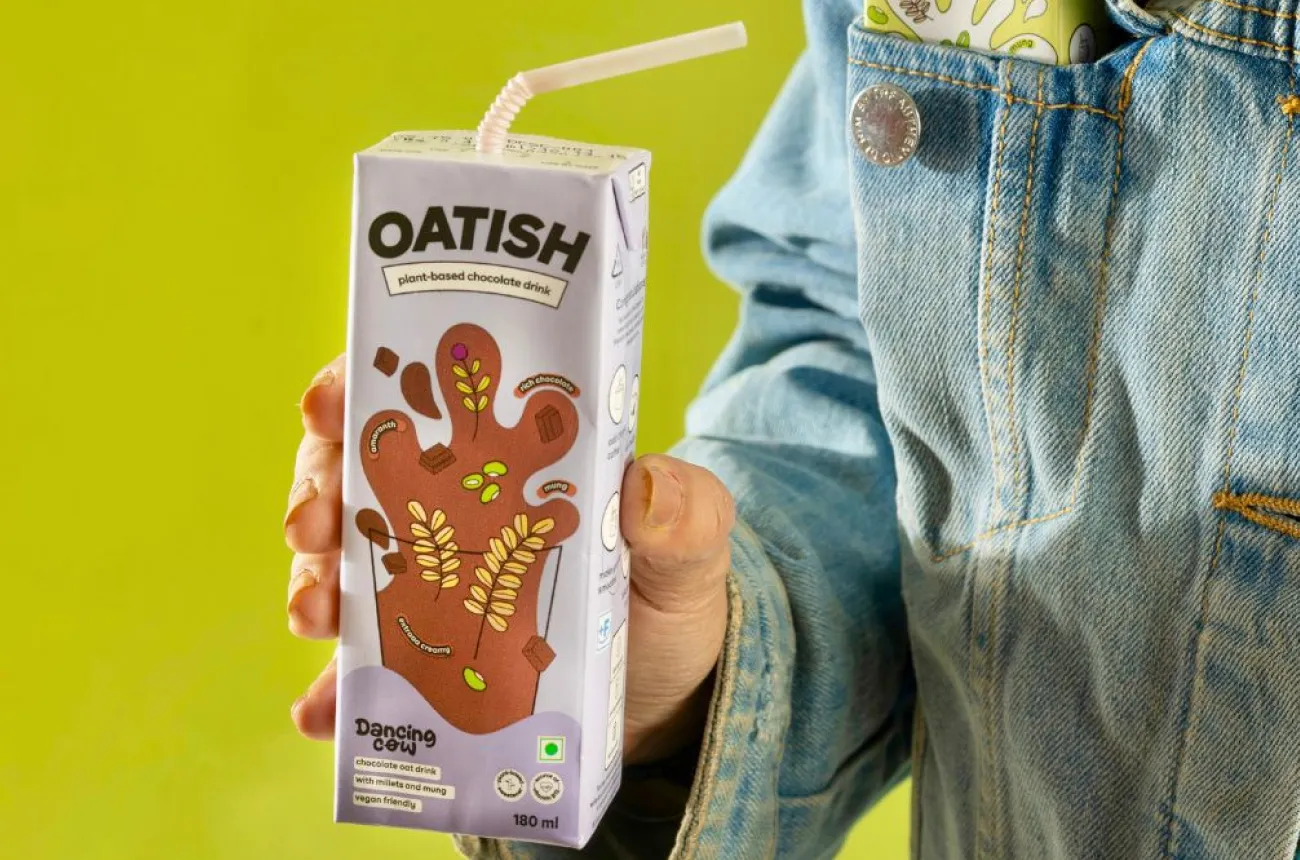

How Dancing Cow turned animal rescue into an alt-dairy brand, and why its two names now compete for the same shelf.
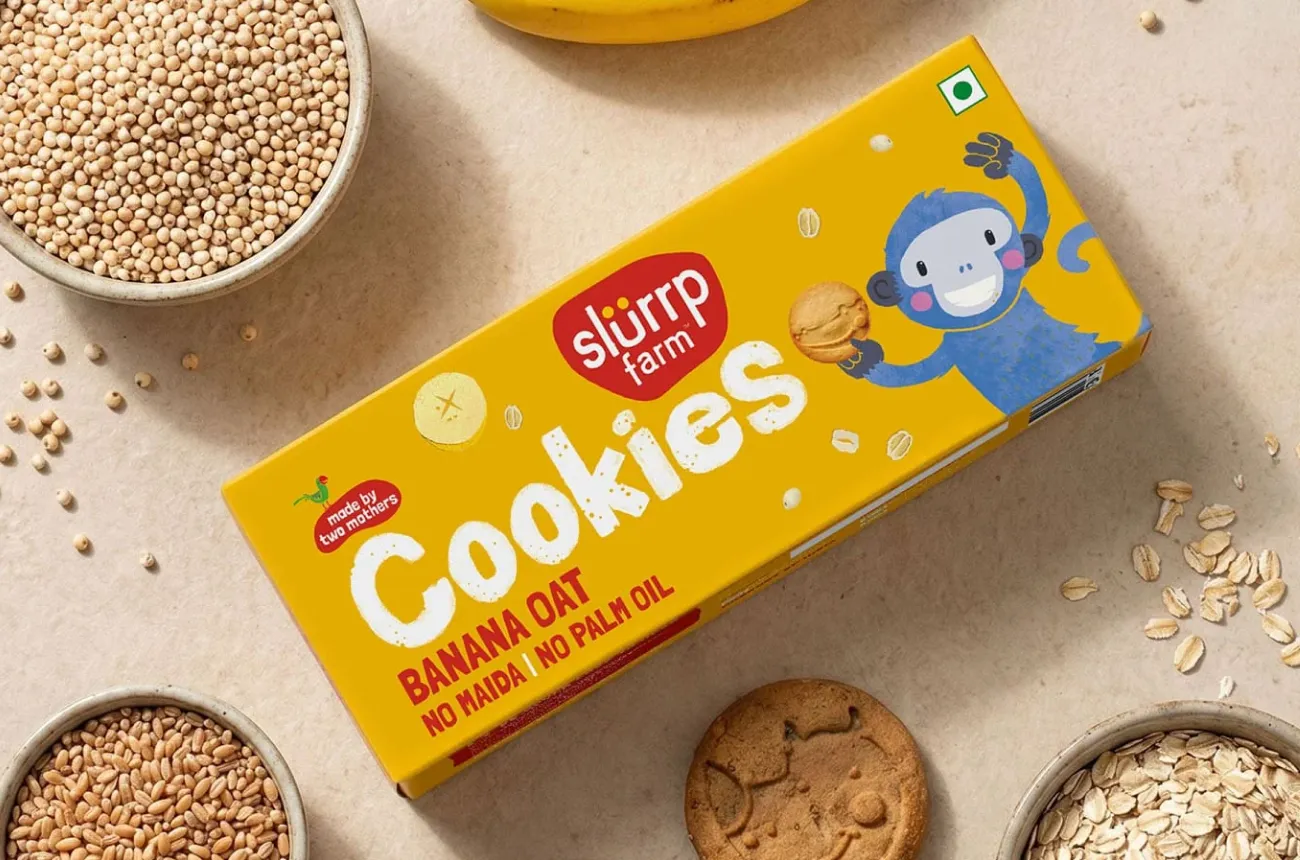

How Slurrp Farm made millets a children's food category through design-led packaging and a parent community it built itself.


How Soulflower turned two decades of aromatherapy expertise into India's best-selling online hair oil, and why coherence is now its design challenge.
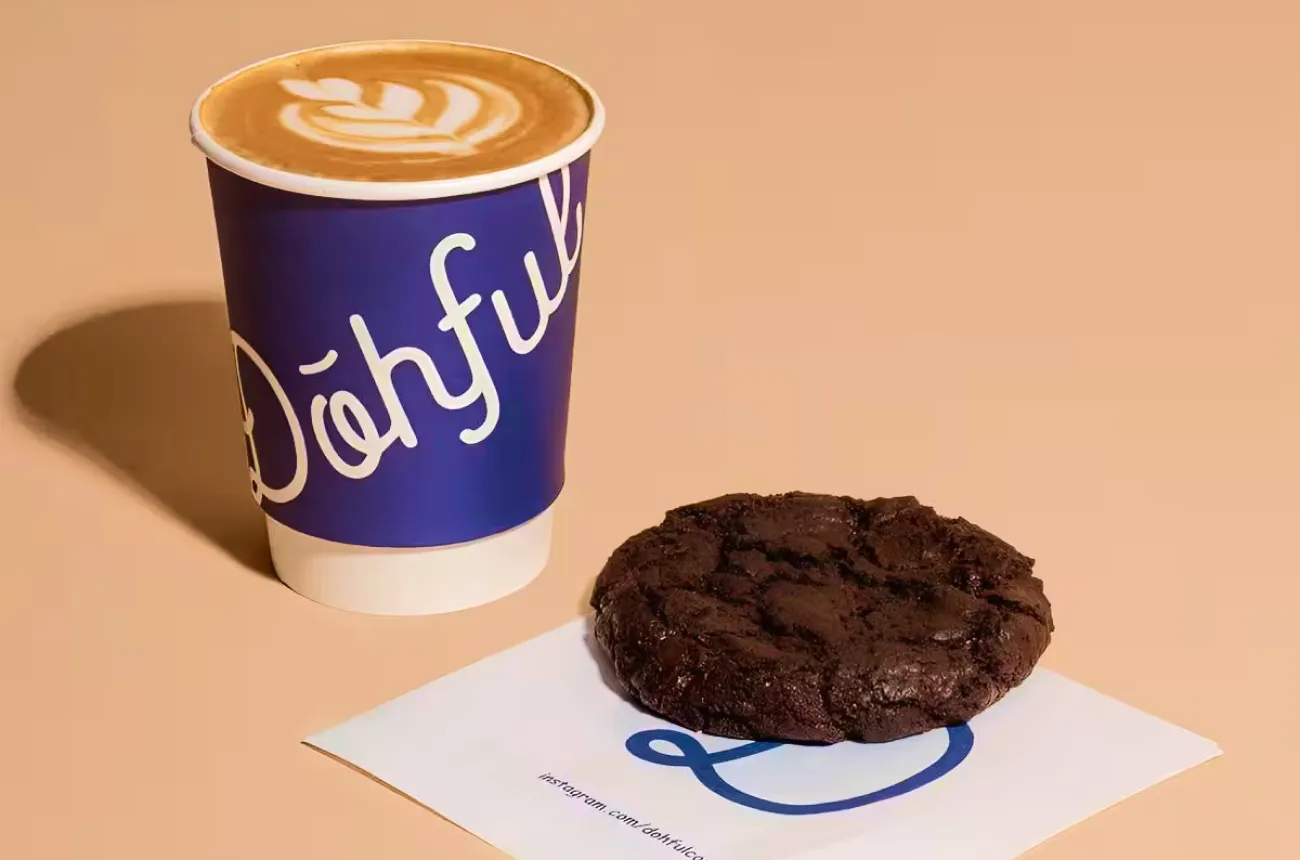

How Dohful turned soft-baked cookies and a candid founder newsletter into India's most intimate D2C brand, and why its offline pivot is the real test.
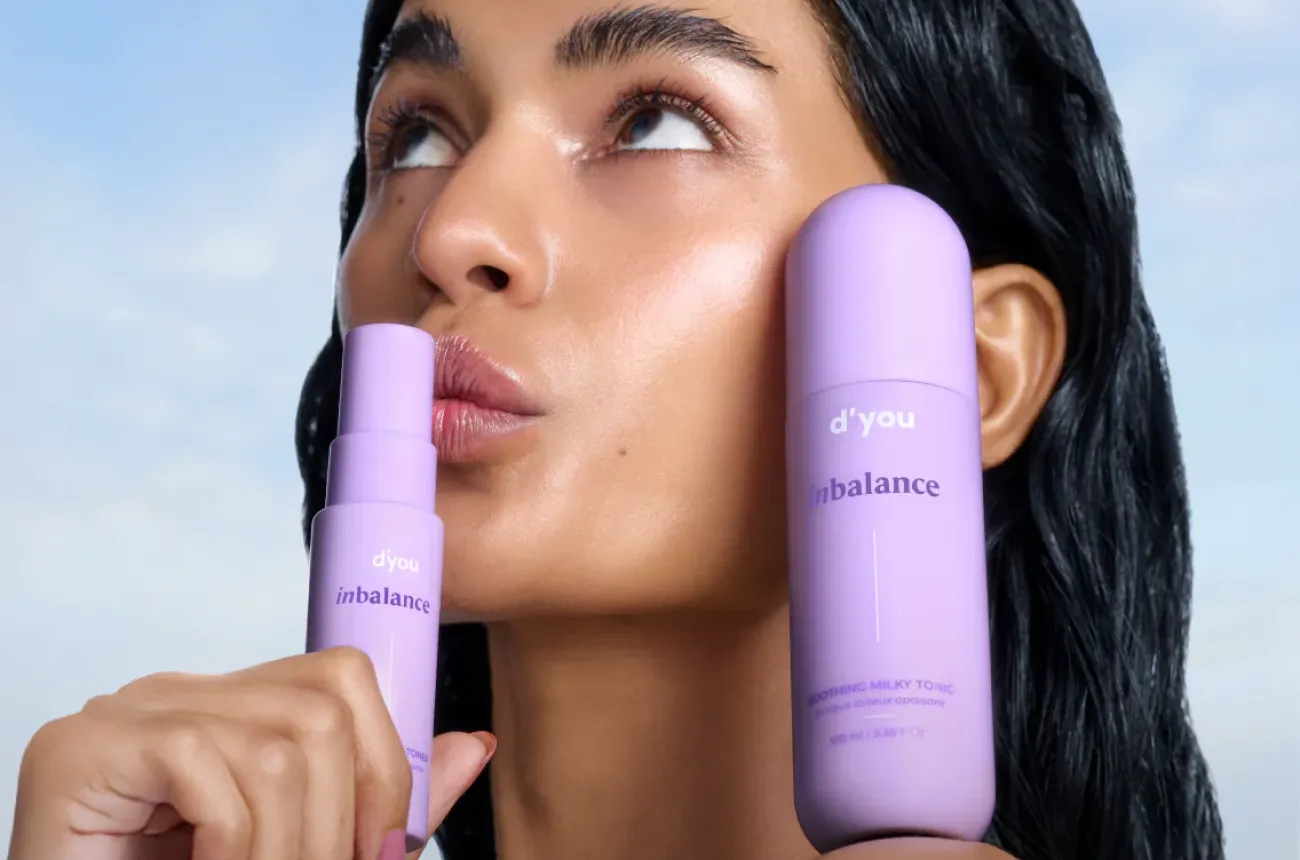

How d'you turned a single 11-active serum into a bootstrapped, profitable cult skincare brand by making the formula the whole brand.
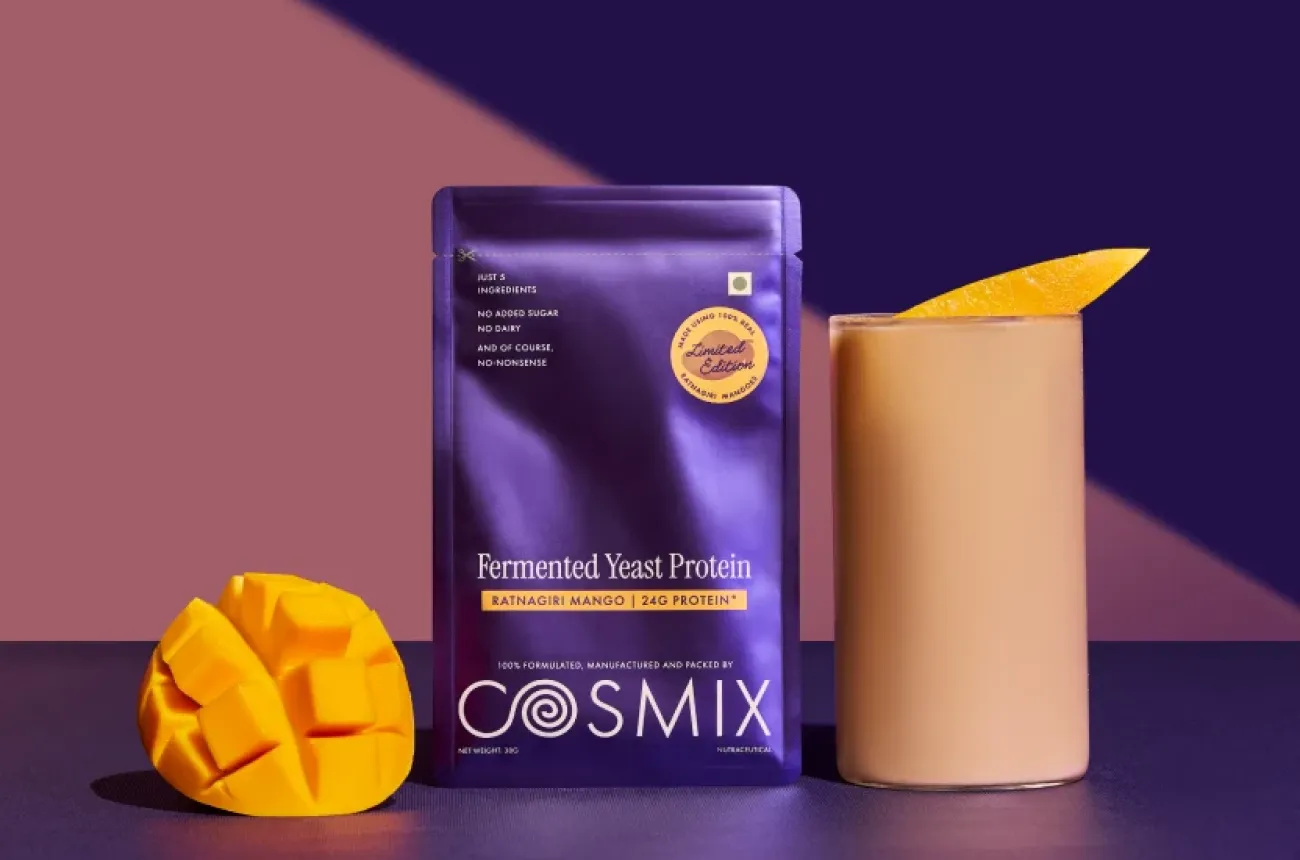

Cosmix built one of India's cleanest supplement brands through root-cause formulation and founder-led education, and earned a Marico buyout doing it.
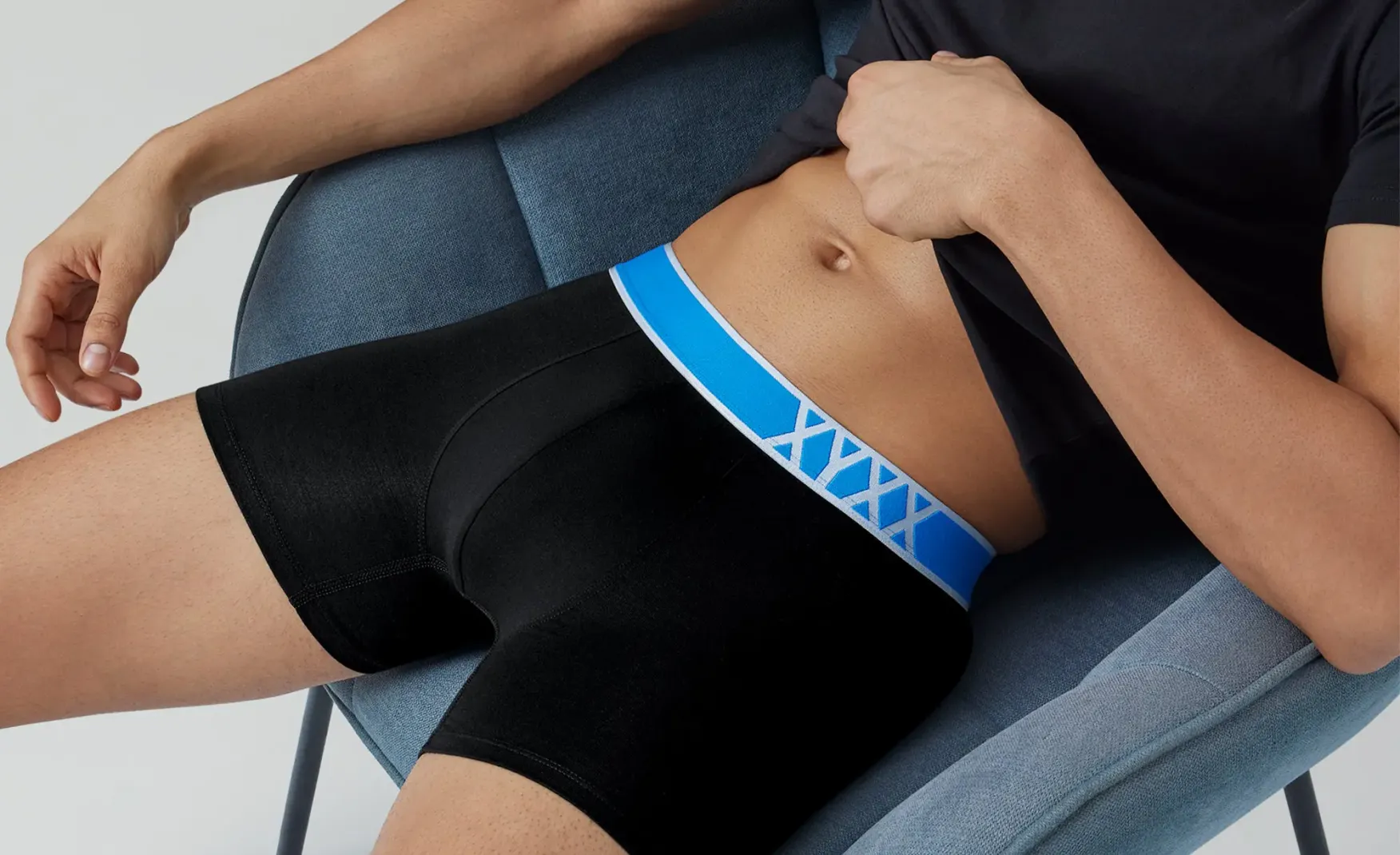

XYXX has cracked distribution in a way almost no premium Indian menswear brand has, but that same reach is now the thing putting its premium identity at risk.


Bombay Shirt Company built a genuine zero inventory business on the promise that a shirt made for you fits better than one made for everyone, and now it has to prove that promise still holds across 40 stores.


Palmonas turned a Bollywood actor into an equity holding co-founder and rode that bet to 40x revenue growth, but the brand behind the face still looks like every other demi-fine label on the shelf.


India built the luxury Ayurveda category around Kama, and the brand is now watching a rival it once matched get bought outright by a global beauty giant.
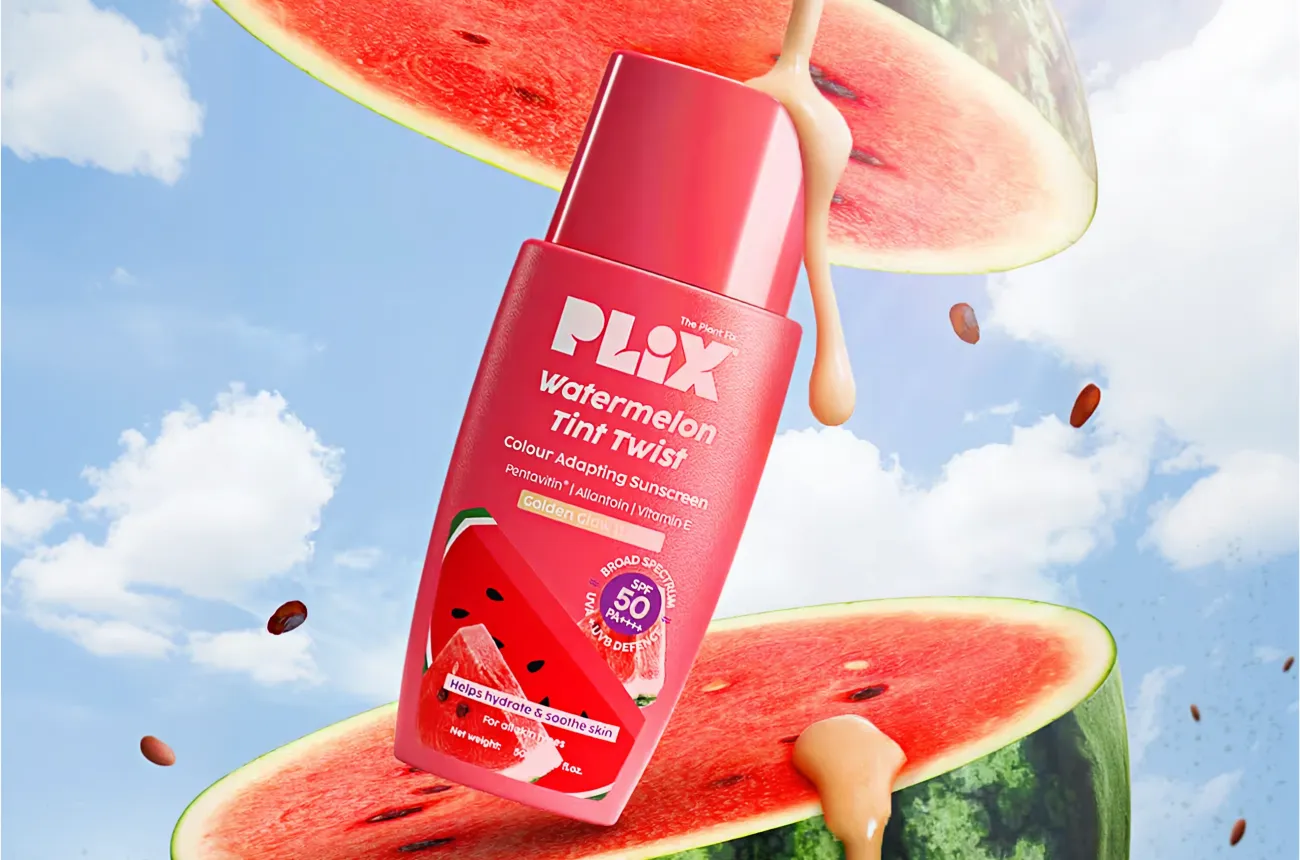

How Plix grew to Rs 436 crore by solving a format problem before a formulation problem, built a browse-by-plant experience no competitor has matched.


How Benne built a Rs 350 crore brand story from a 12-seater dosa café in Bandra by picking one product, doing it obsessively well, and letting the queues tell the rest of the story.


How Bummer built the first genuine personality in Indian innerwear, survived Ashneer Grover's "doglapan" moment on national television, and still has the most important question in front of it: how does a brand this loved become a business this large?
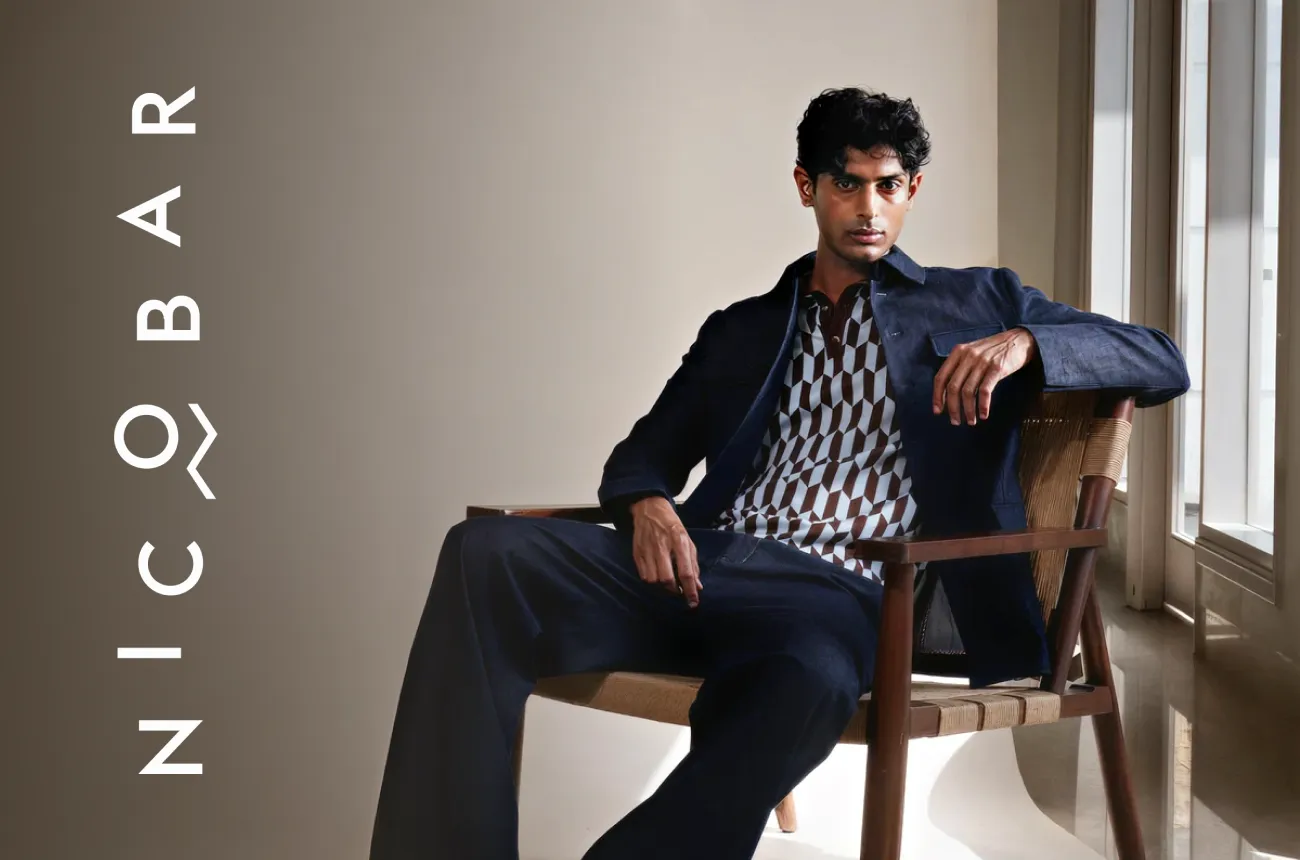

How Nicobar built India's most disciplined lifestyle brand by refusing to raise capital, discount, or borrow a design language from anywhere else, and why it has become the quiet reference point for an entire generation of Indian founders.
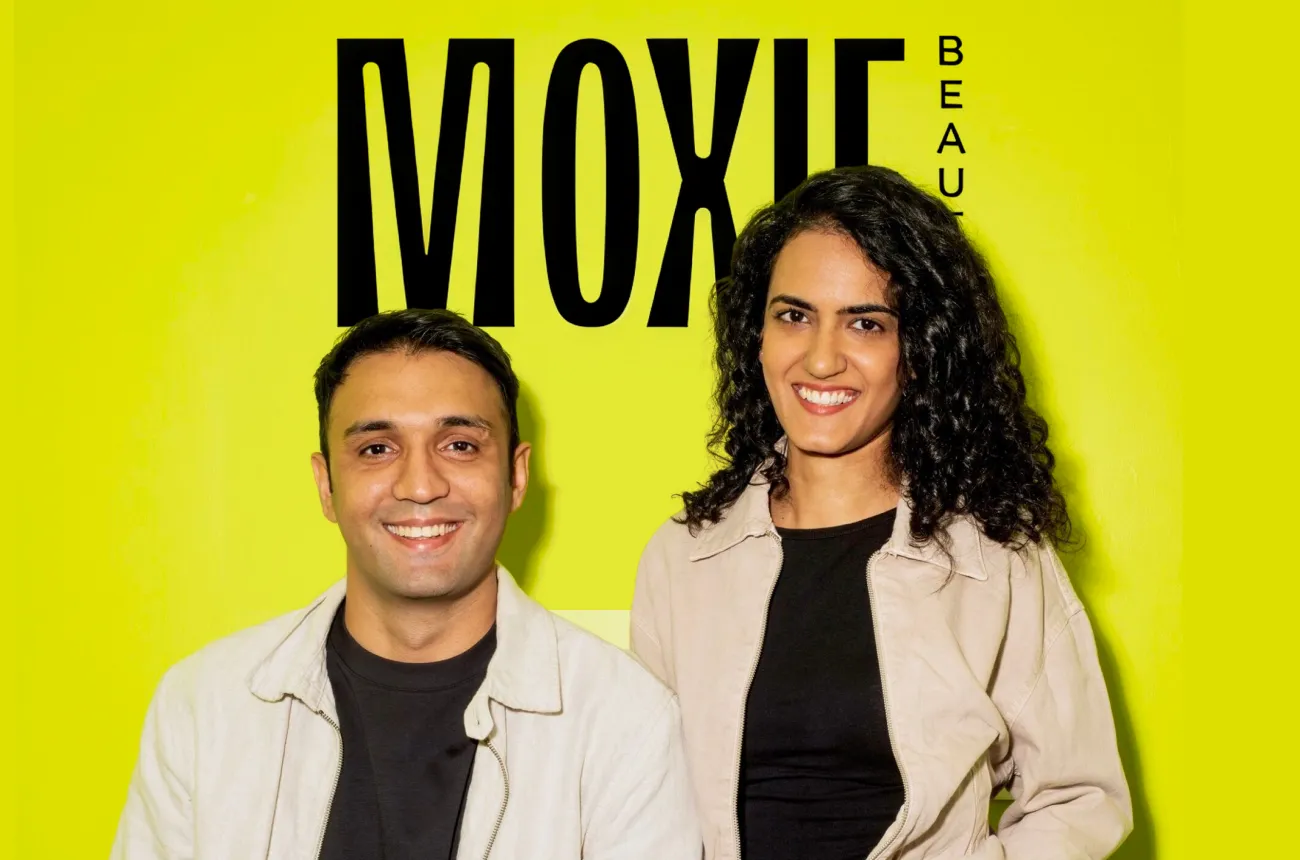

How Moxie Beauty told Indian women with curly and wavy hair something the global haircare industry had never bothered to say: it was never your hair, it was always the product.

How Forest Essentials turned ancient Indian Ayurveda into a Rs 585 crore global luxury brand, and why the full Estée Lauder acquisition announced in March 2026 is the most consequential moment in its 25-year history.

How Sleepy Cat built India's most coherent sleep brand by doing the one thing its better-funded rivals forgot: staying obsessively focused on sleep, and nothing else.
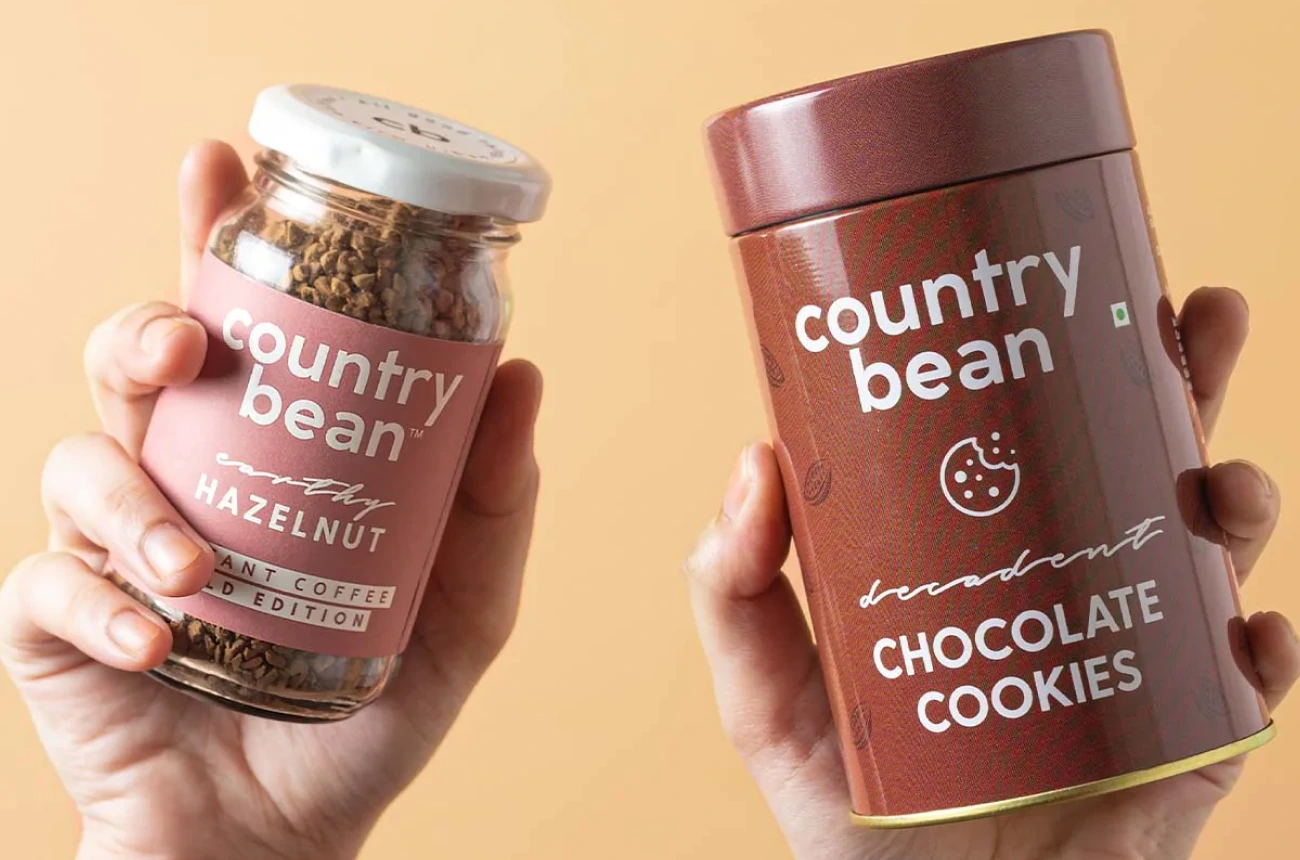

How Country Bean made flavoured coffee India's softest entry into specialty before anyone else thought the market was ready, and why the brand that opened the category needs a next act before the market moves fully past it.
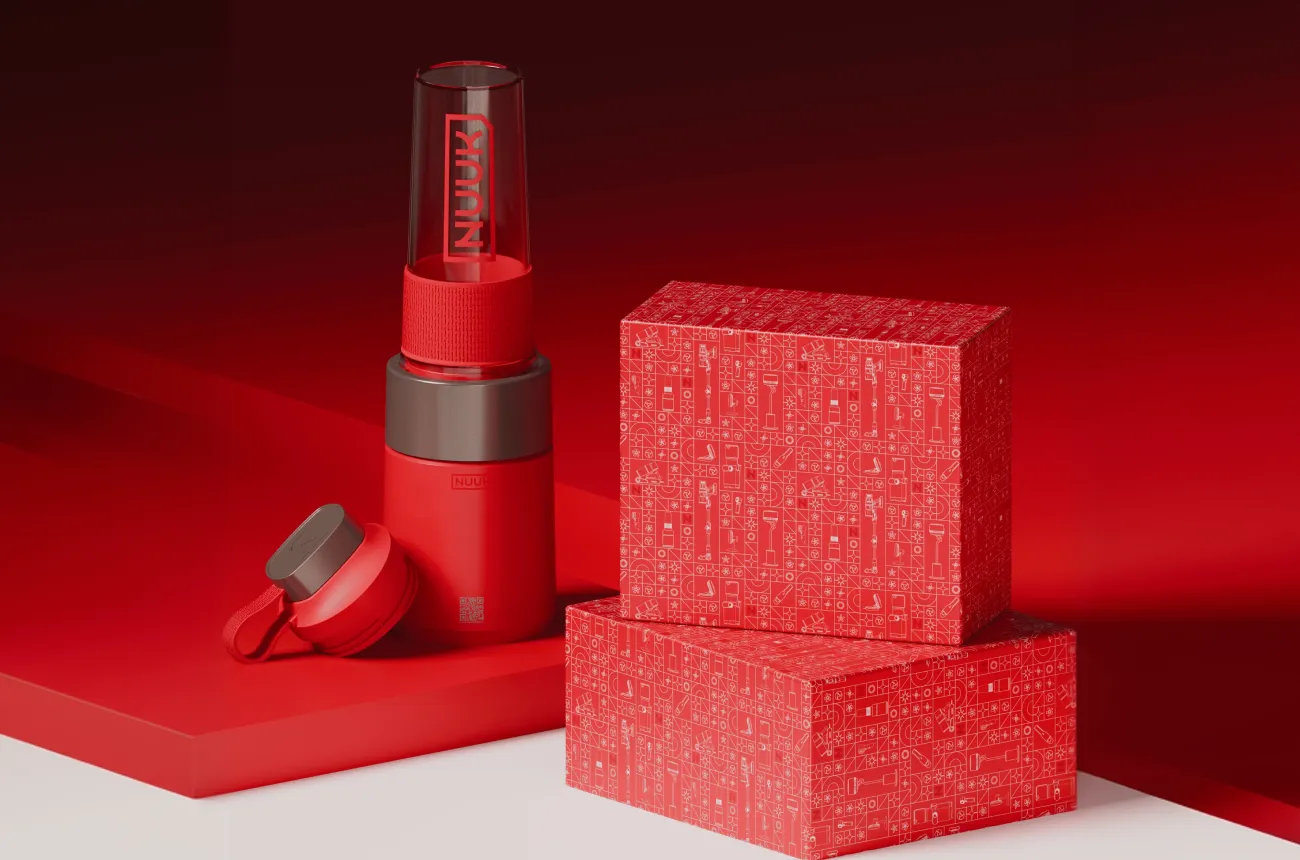

How Nuuk is filling the gap between Dyson and cheap imports with design-first home appliances built for modern Indian homes, and why the brand identity now needs to move as fast as the product has.
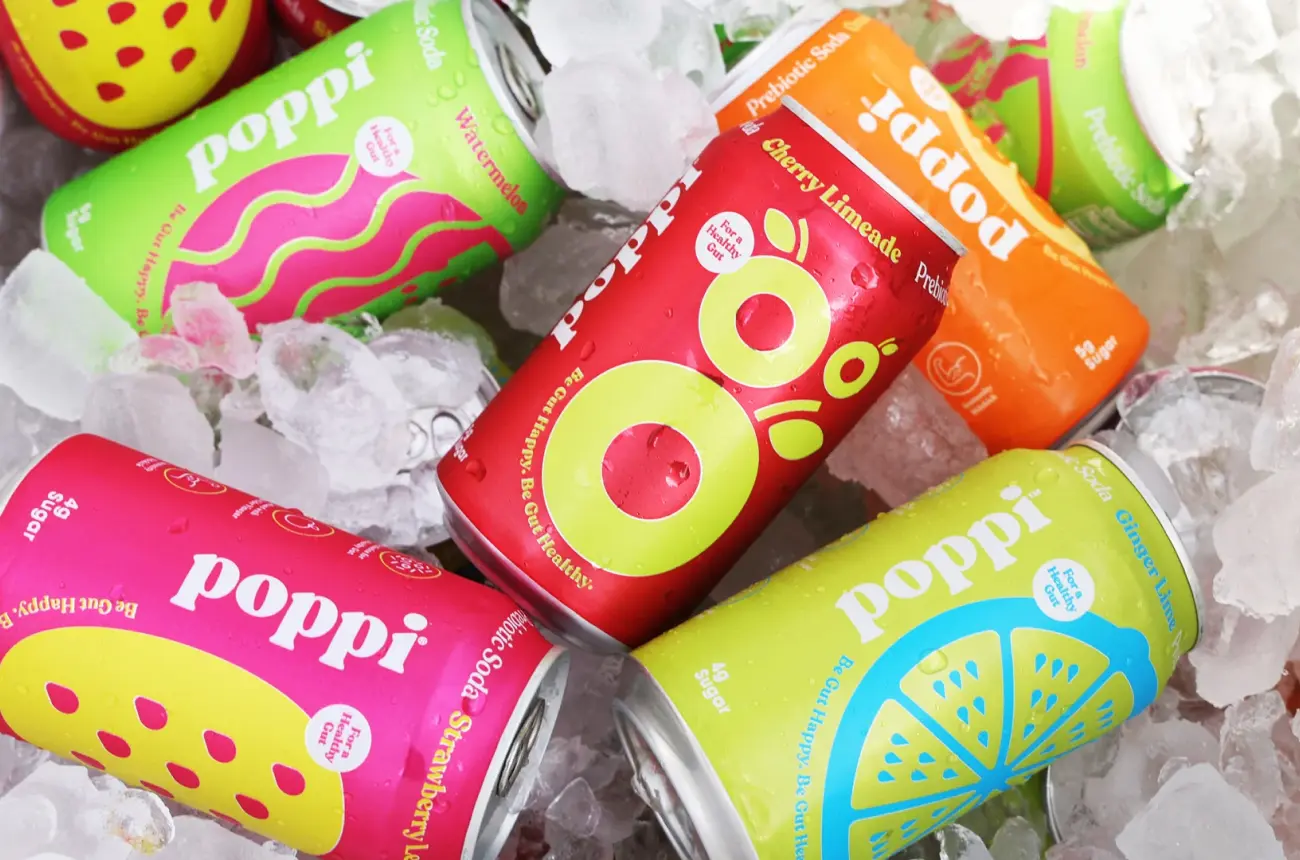

How Poppi turned colour, a founding story, and a TikTok community into a USD 1.95B acquisition by PepsiCo and why its biggest design challenge now has nothing to do with the can.
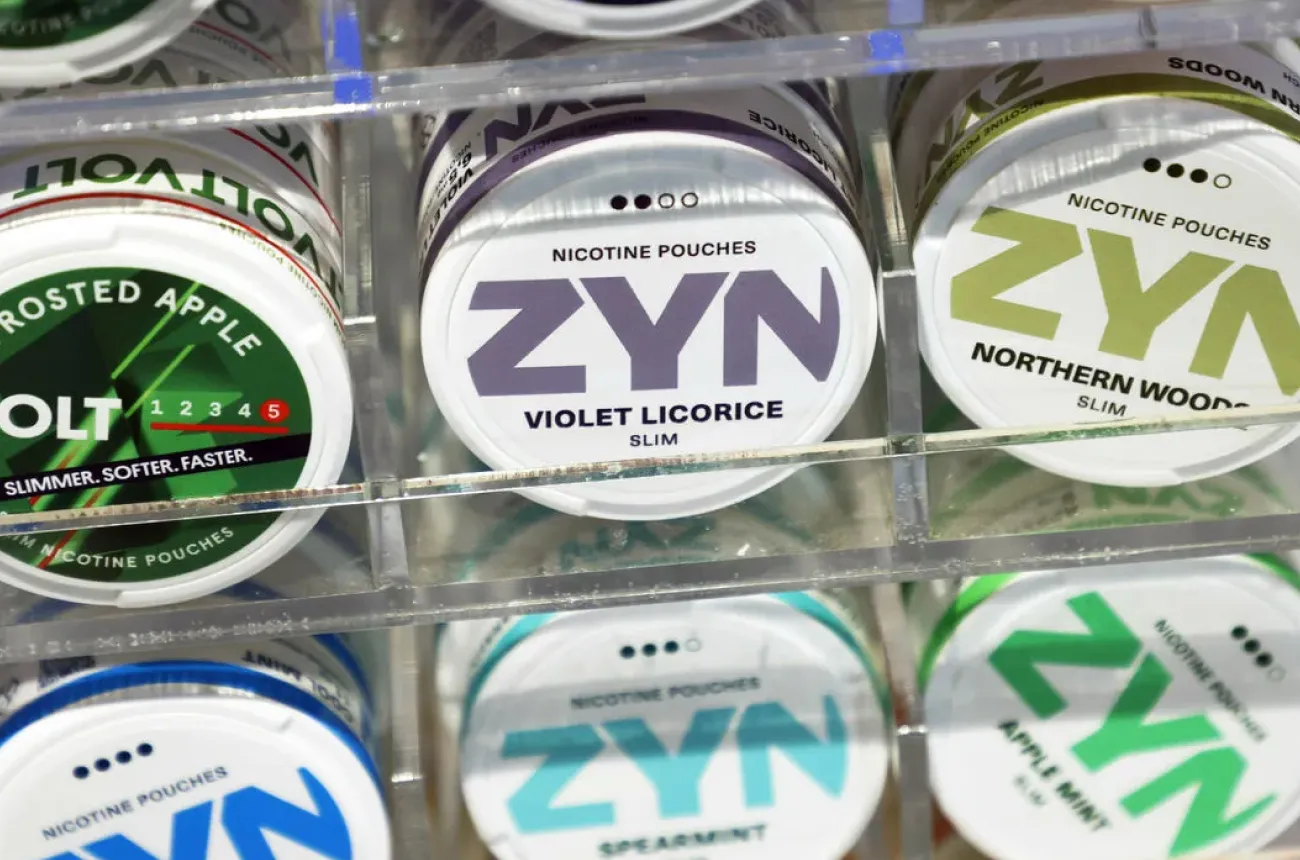

How ZYN used design precision and sport sponsorship to make nicotine feel like a premium lifestyle choice, and what that reveals about the power and limits of branding.
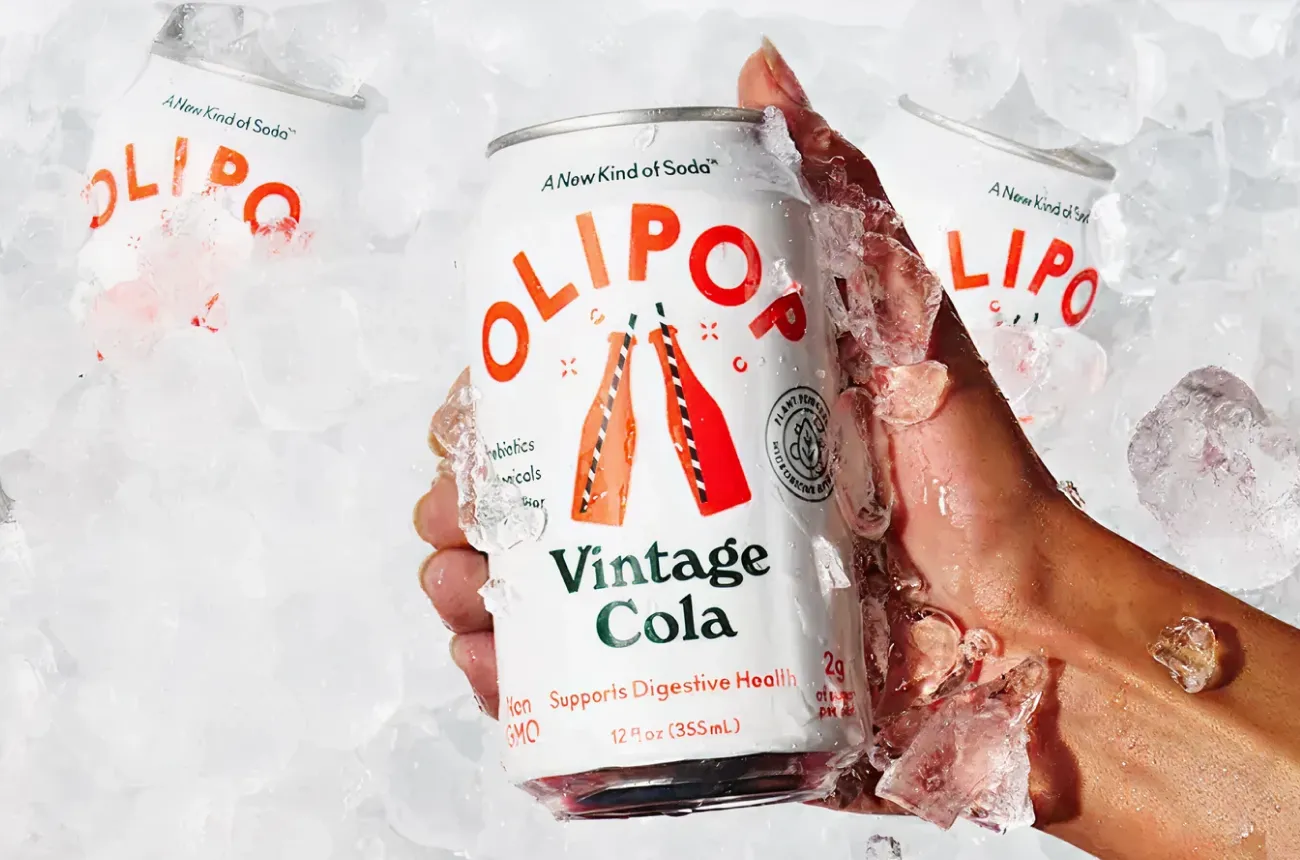

How OLIPOP made gut health fun instead of clinical, built a USD 1.85B brand that turned down acquisitions from both Coke and Pepsi, and became the last serious independent in a category that consolidated around it.
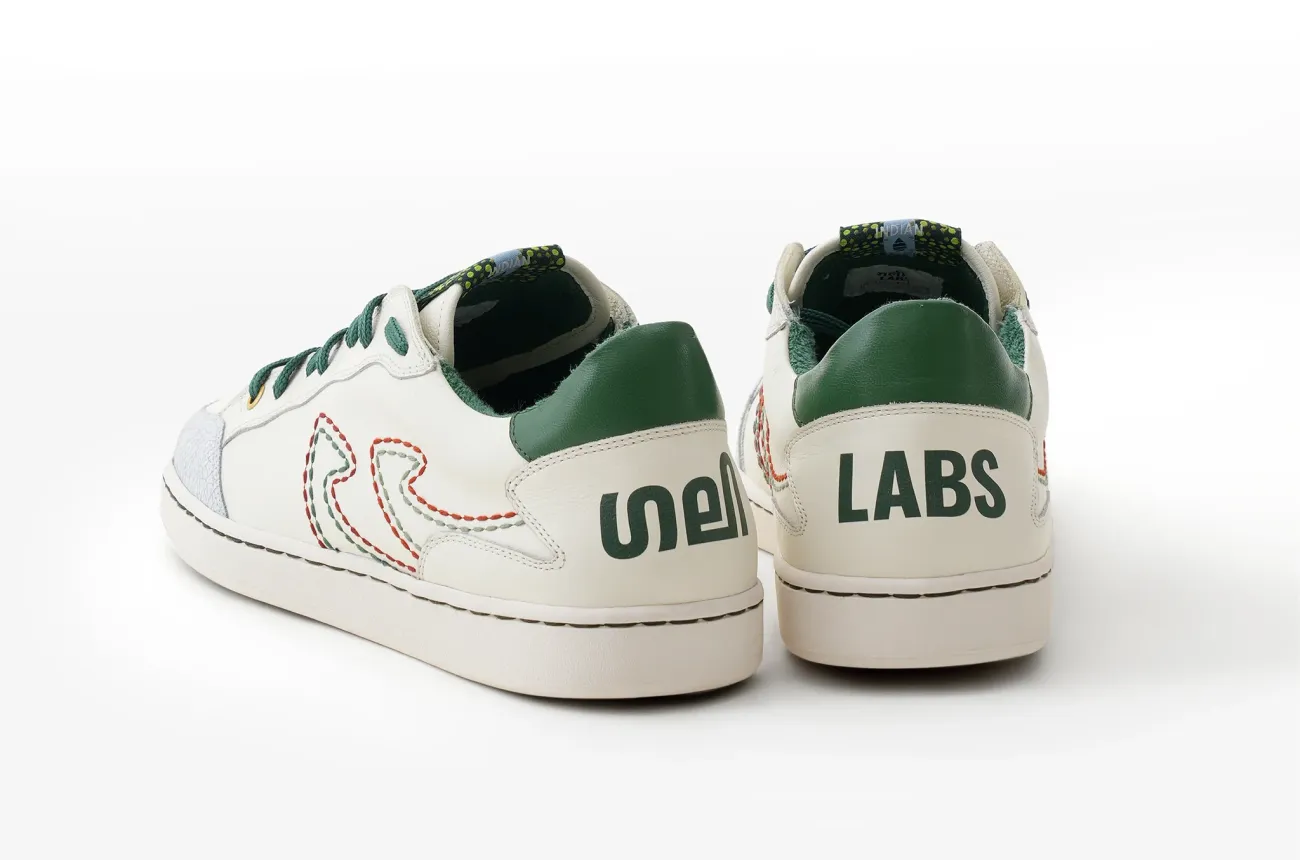

How Gully Labs made Indian streets the design brief, built a Noida factory before most investors believed in it, and raised Rs 35 crore to prove the category is real.
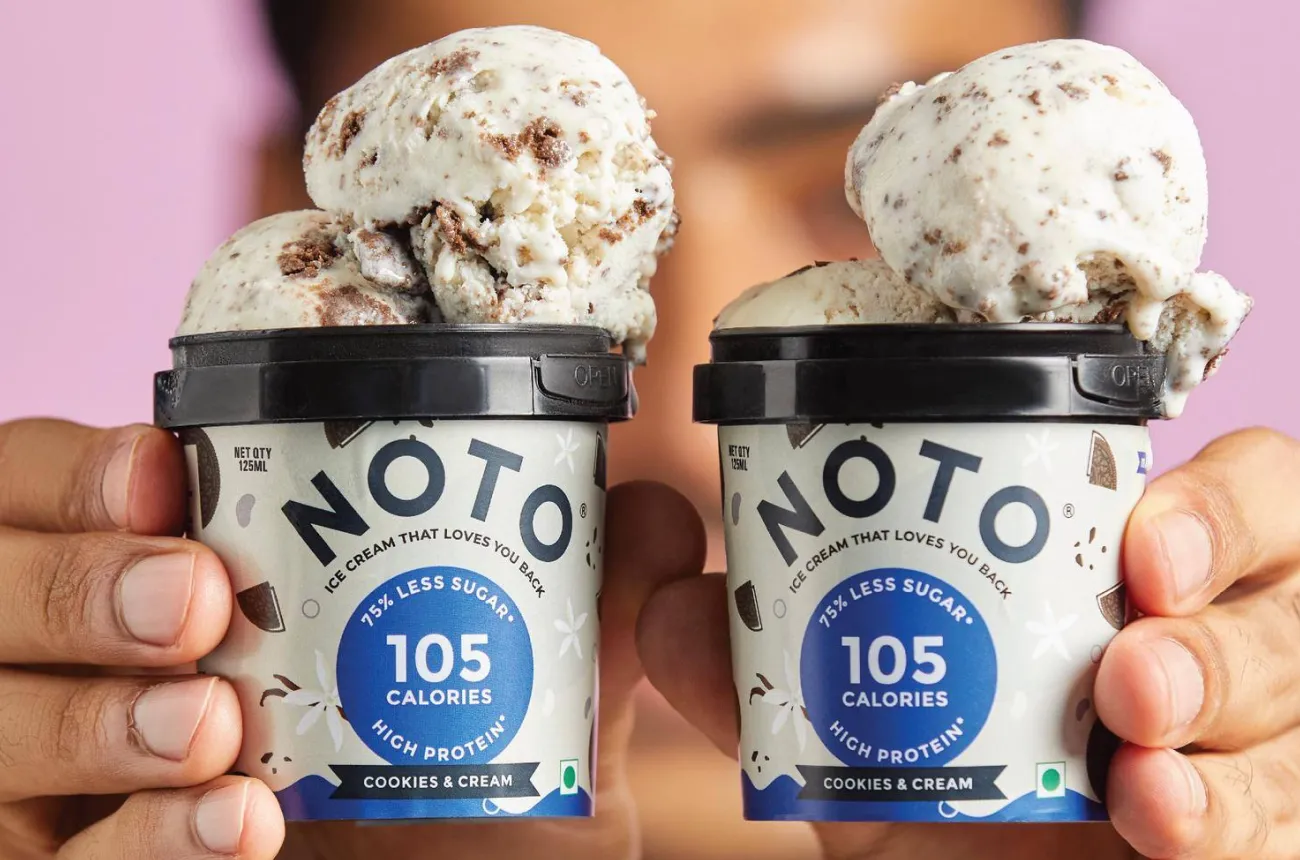

How NOTO spotted India's guilt-free ice cream opportunity before anyone else, earned 87 investors across eight rounds, and why the packaging and portfolio focus need to catch up with the founding insight before the competition does.
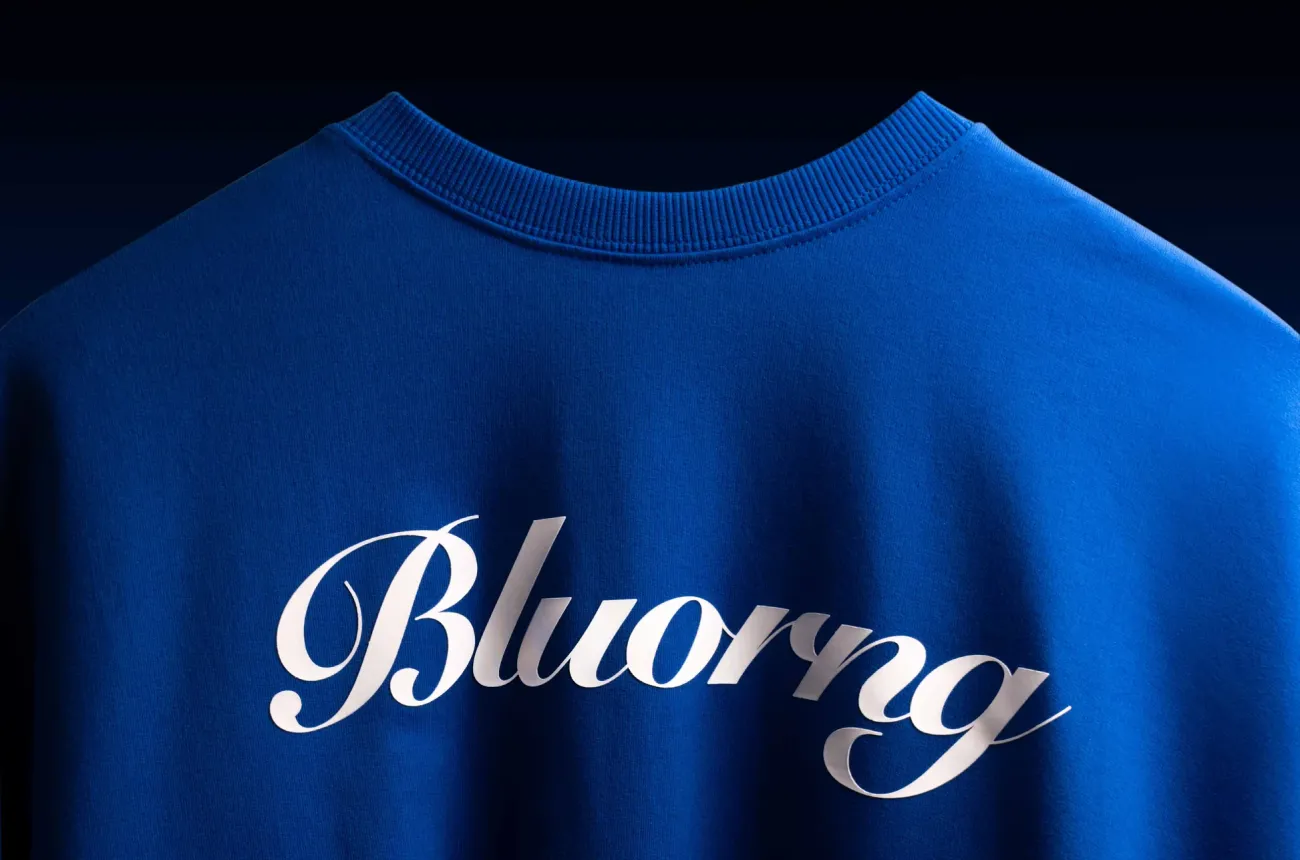

How Bluorng proved that Indian streetwear does not need a Western reference point to command Rs 20,000 for a sweatshirt, and what it means for every brand building in a category that did not exist before they arrived.
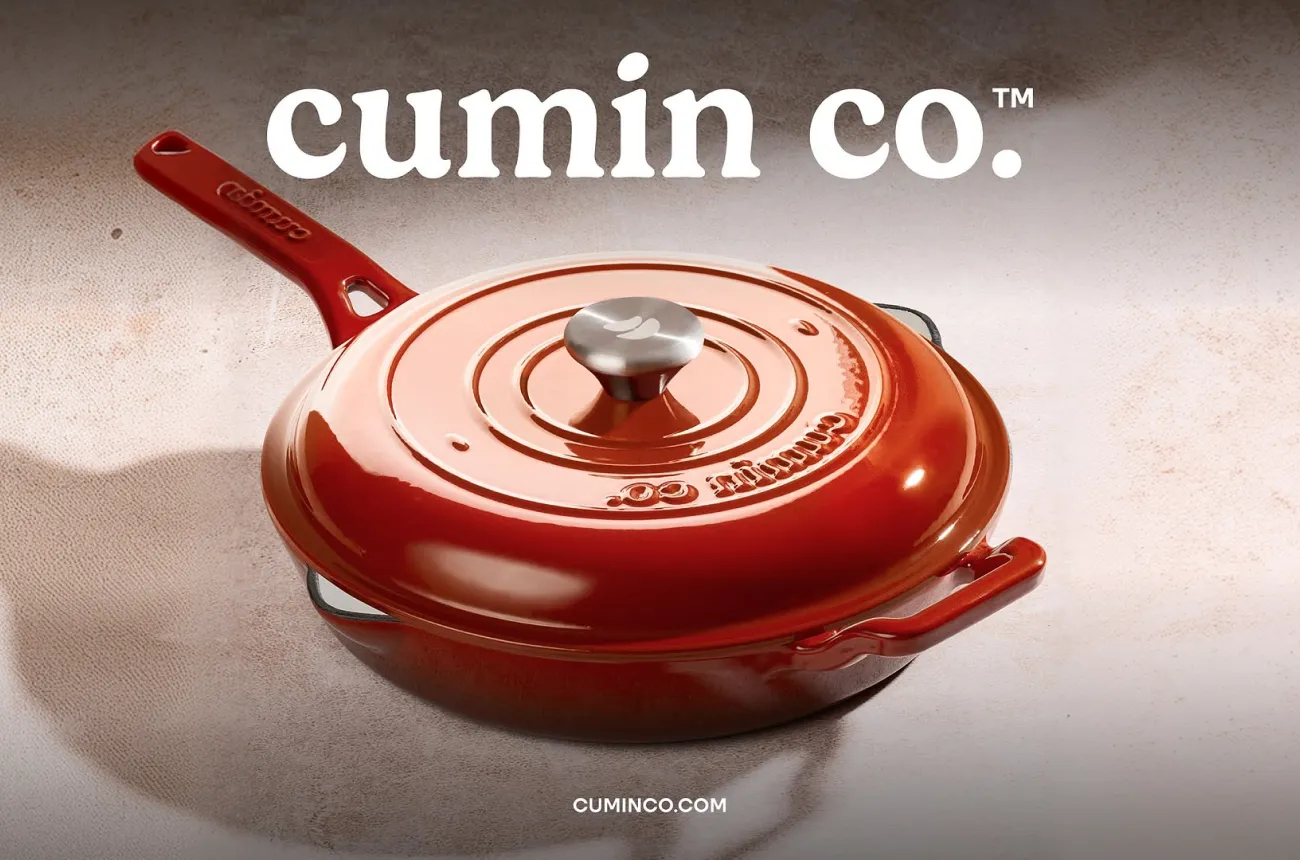

How Cumin Co consolidated India's scattered cookware market with patented technology and design so good that people ask where to buy it, and why the brand building work is what comes next.
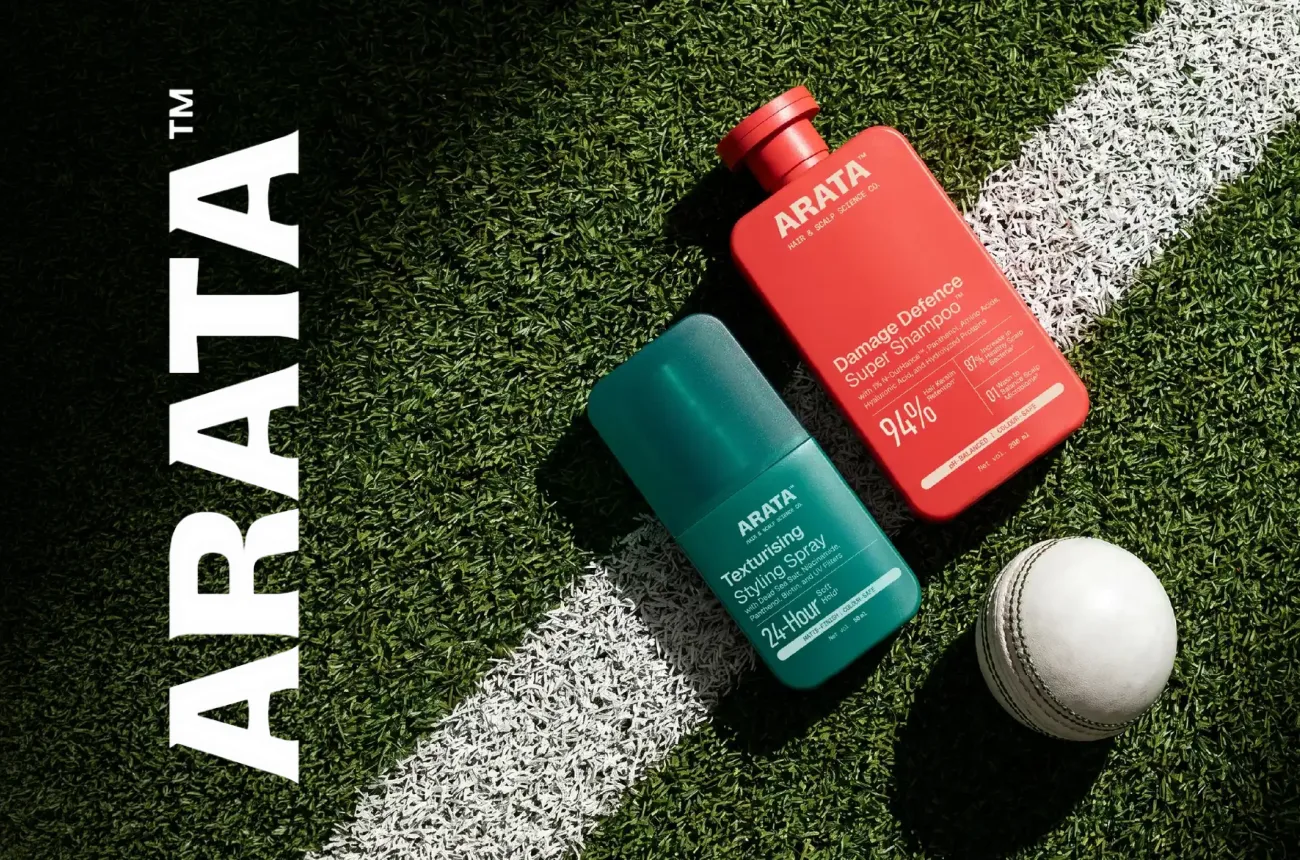

How Arata built a 1.5 million customer haircare business on product quality and quick commerce reach alone, and why both Unilever and L'Oréal invested in it.
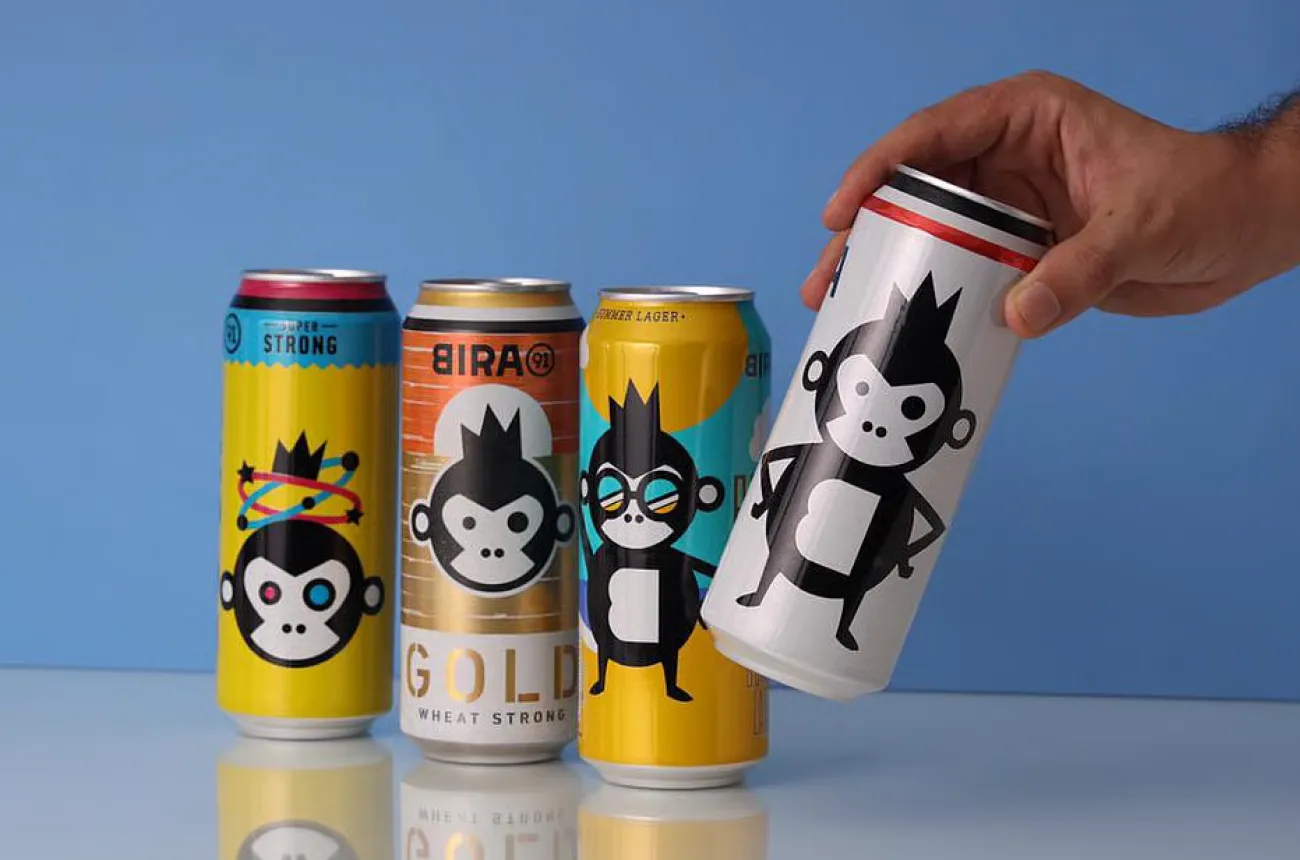

How Bira91 created India's craft beer category, became the default drink of a generation, and why the brand's cultural achievement and the business's financial crisis are two entirely separate stories.
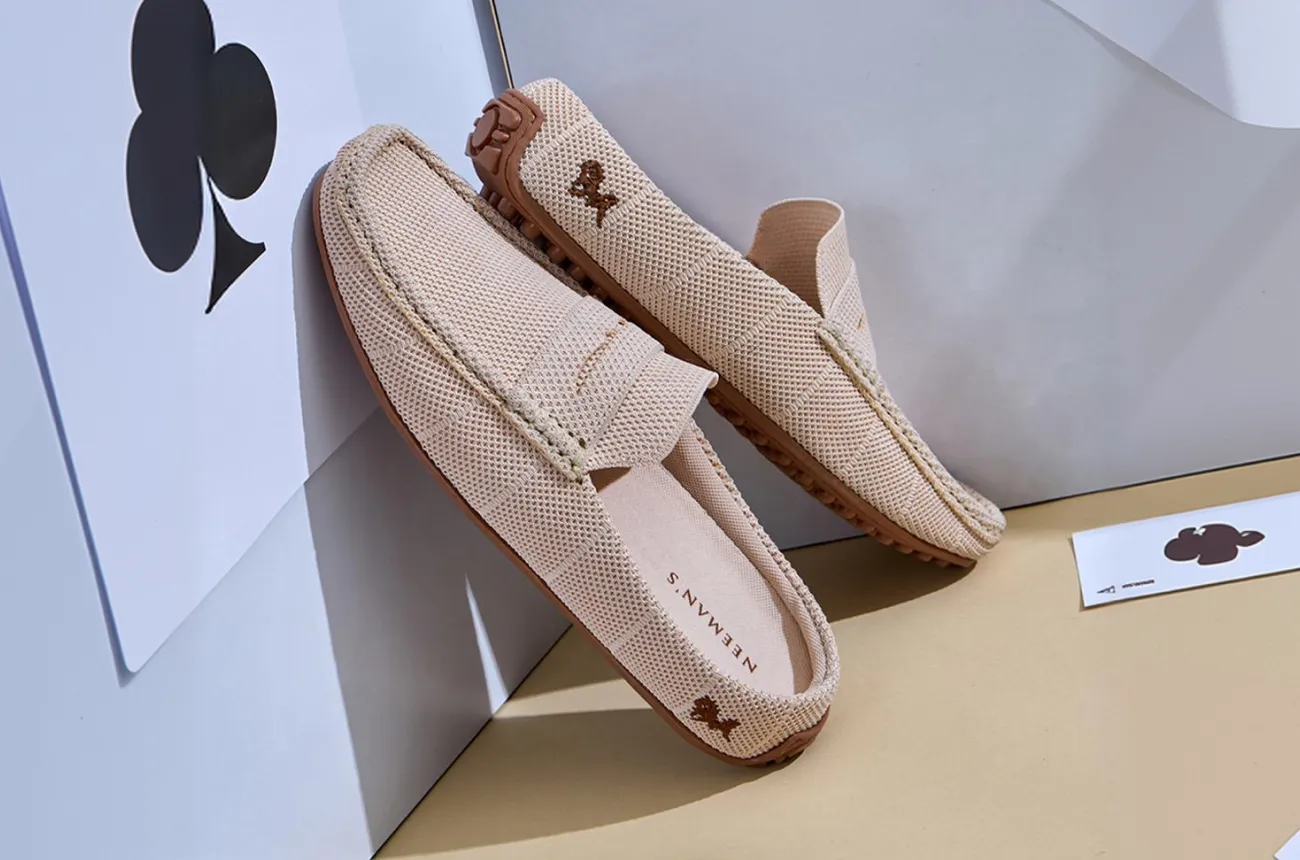

How Neeman's democratised sustainable footwear for India rather than premium-ising it, and why the brand identity has not yet caught up with the product's ambition.

How Rare Rabbit built India's most commercially serious premium fashion brand on product restraint, a tier 2-3 city strategy nobody talked about, and a monogram that does more brand work than any billboard could.
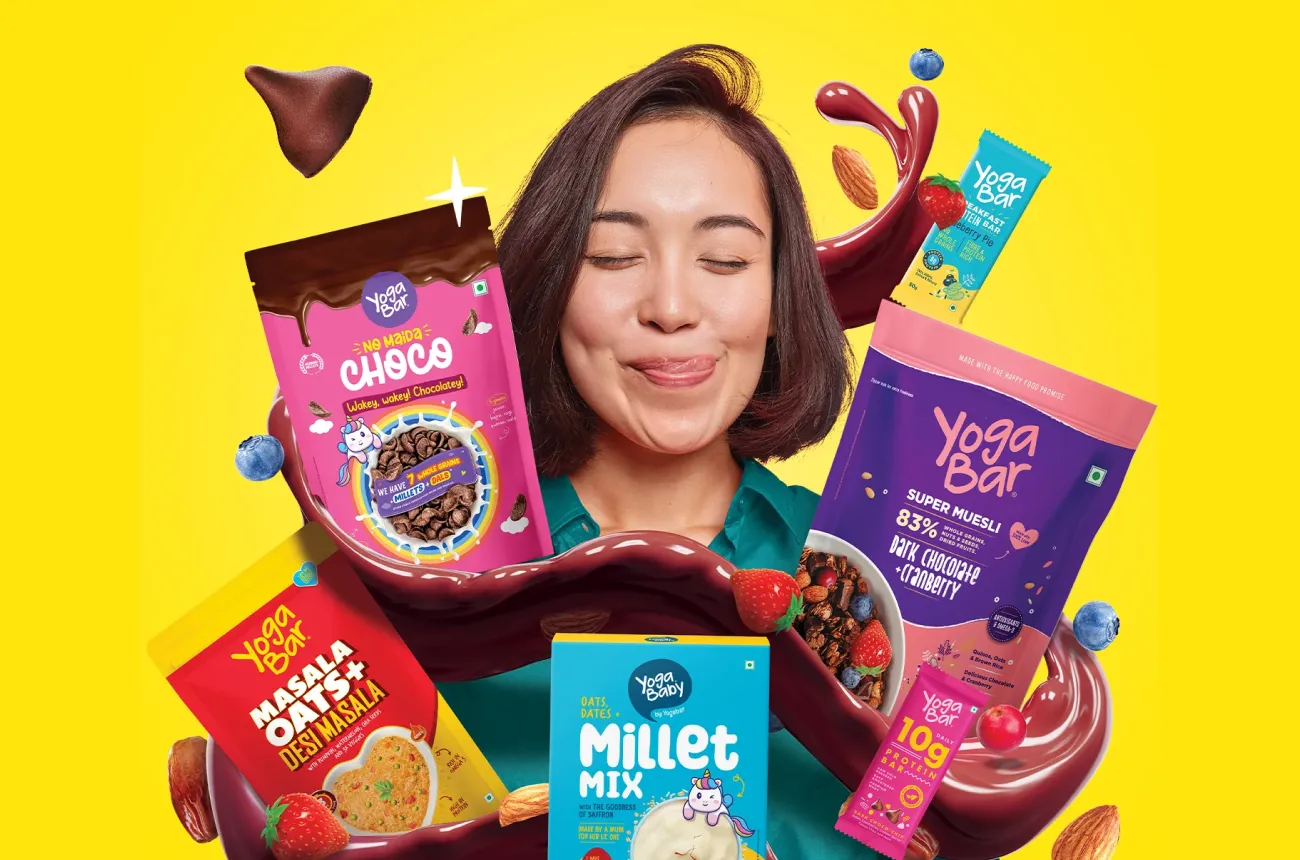

How Yogabar built a decade of consumer trust on ingredient honesty, scaled to Rs 201 crore through ITC's distribution reach, and now faces its most important brand question yet.
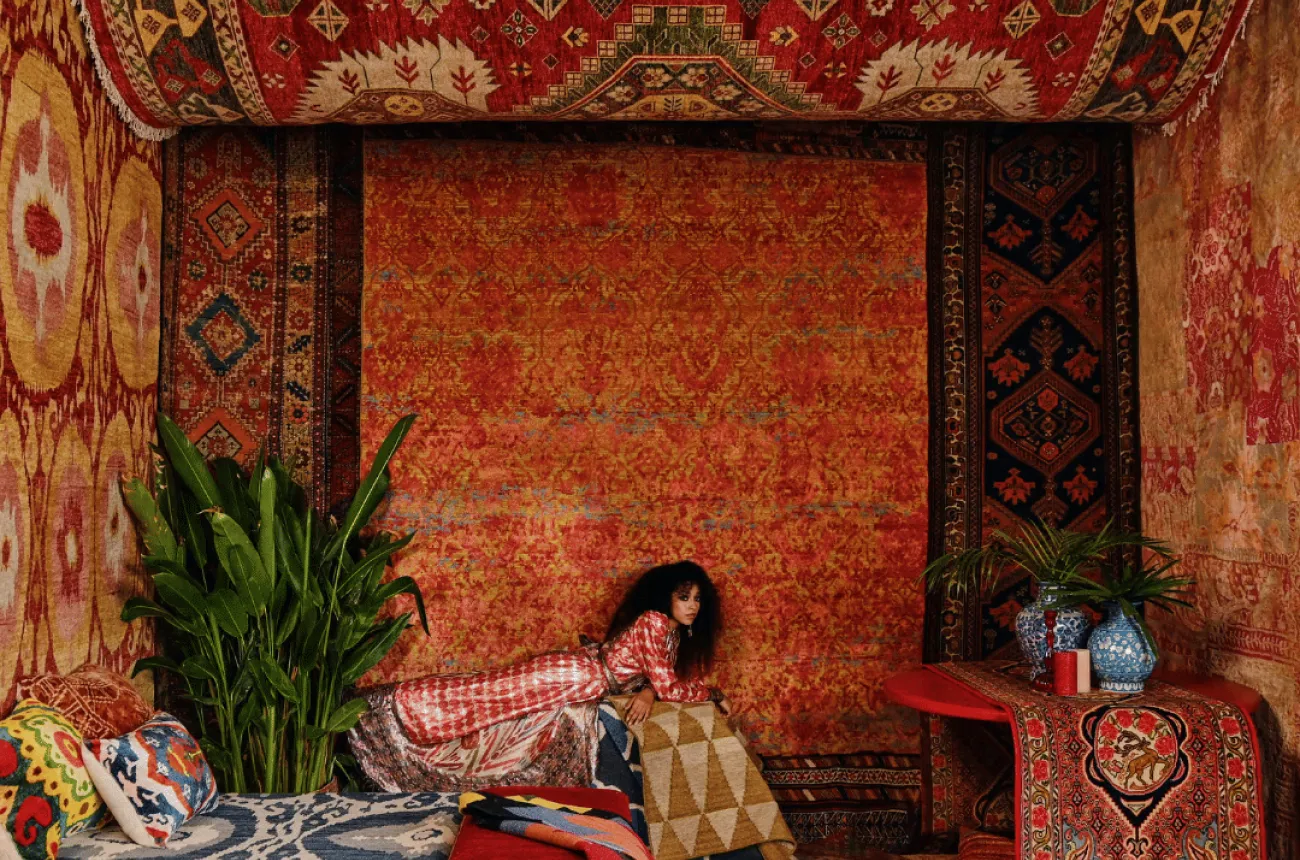

How Jaipur Rugs built the most powerful Indian luxury story in the world through 40,000 artisans, Paris Fashion Week, and a founder who started with a Rs 5,000 loan.
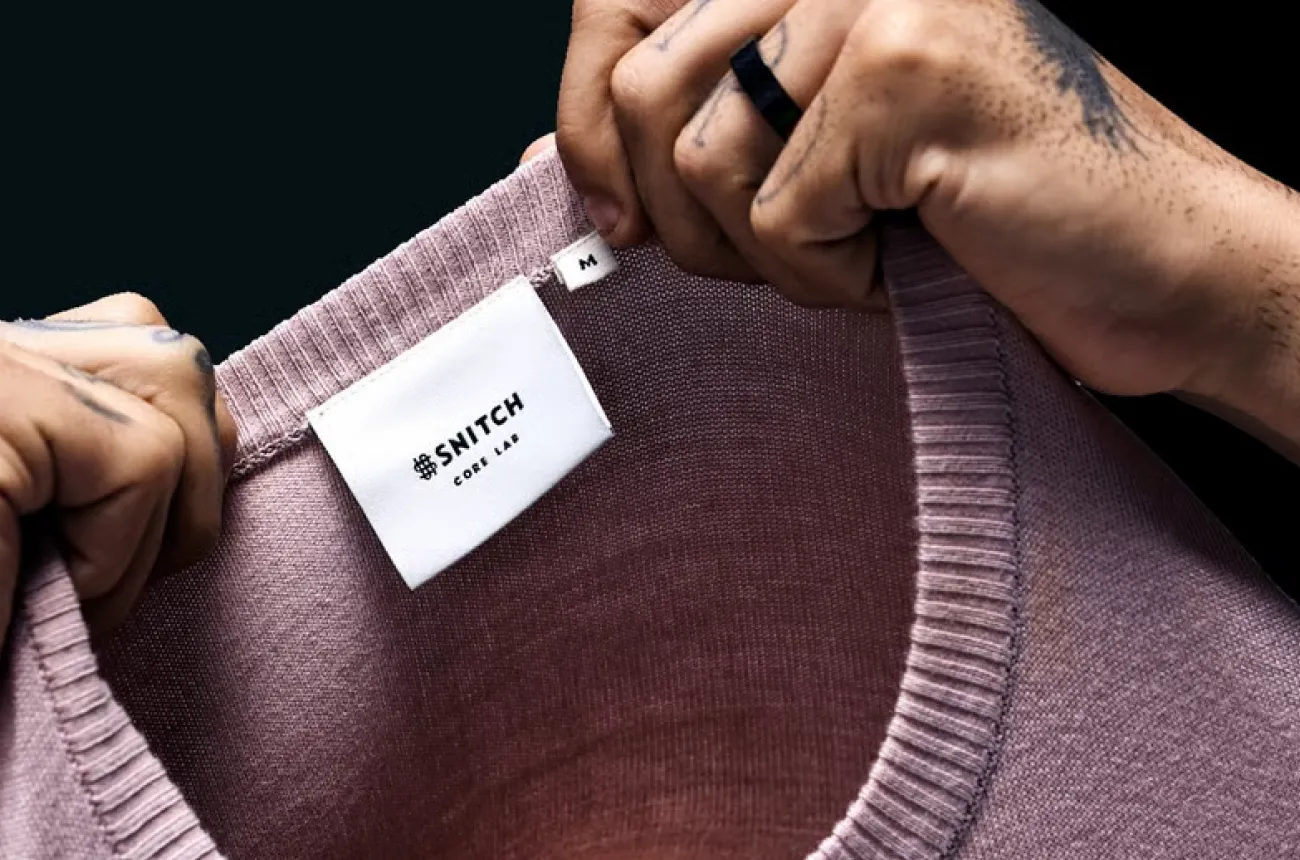

How Snitch went from Rs 11 crore to Rs 900 crore in five years by building the fastest trend pipeline in Indian menswear, and why the next Rs 900 crore requires something the machine cannot produce by itself.
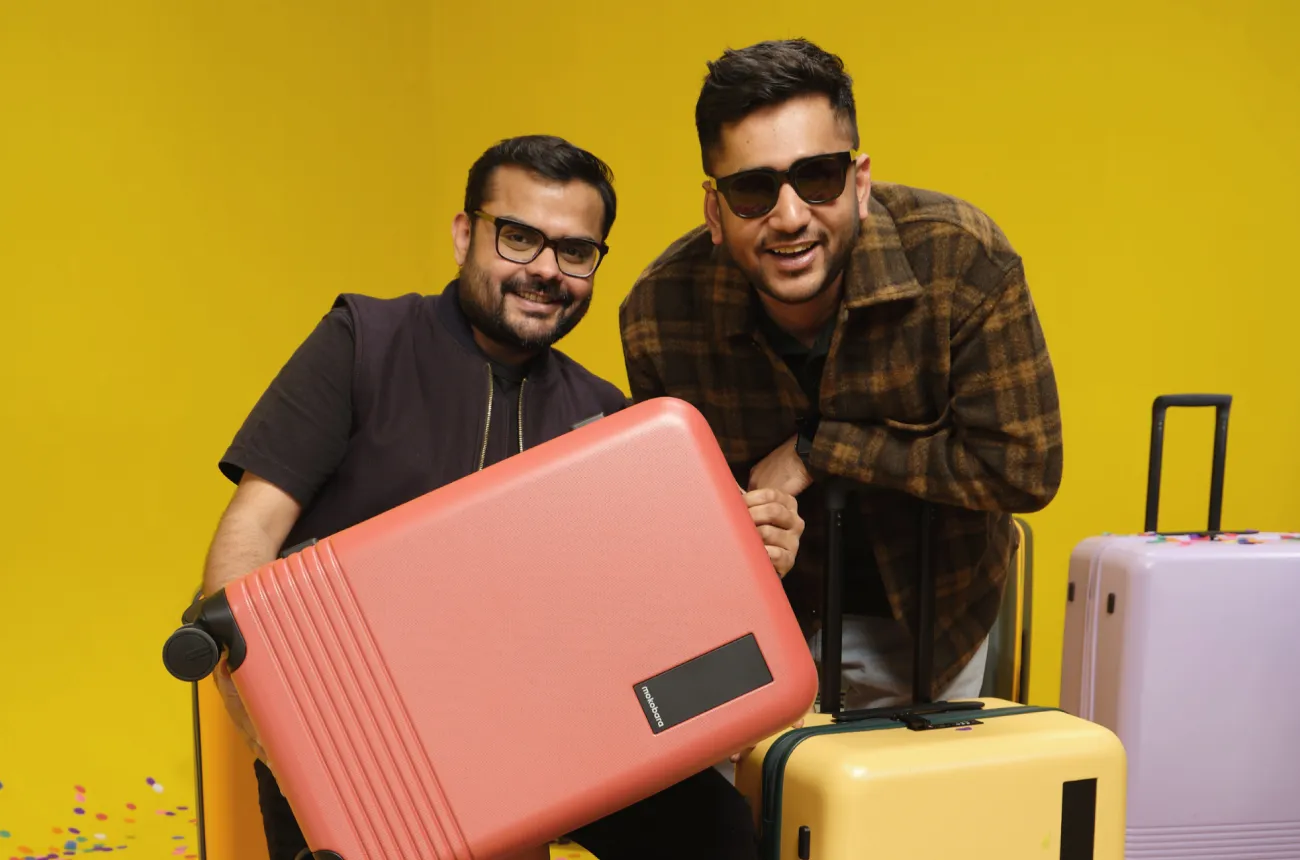

Mokobara made Indian luggage worth wanting. Whether it can hold its ground as the scrutiny grows is the next design problem to solve.
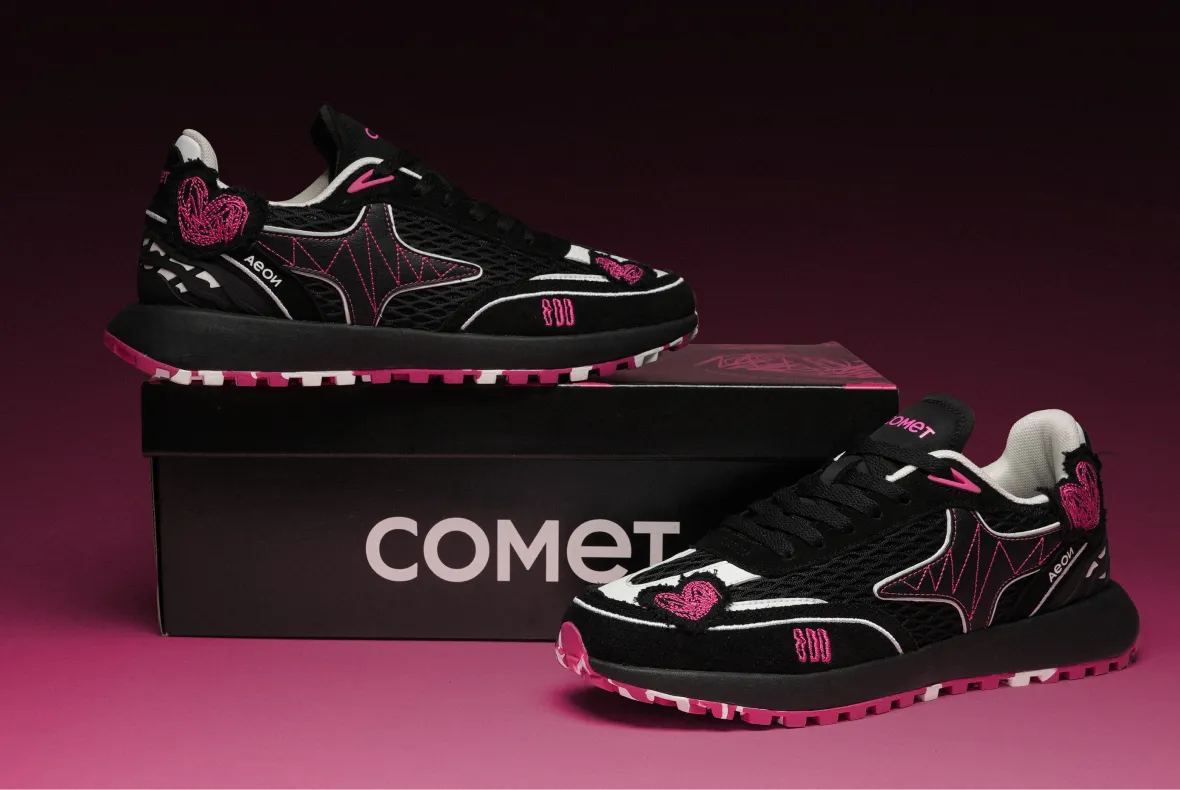

How the Comet sneakers brand is building hype in India through iconic design, limited drops and streetwear culture.
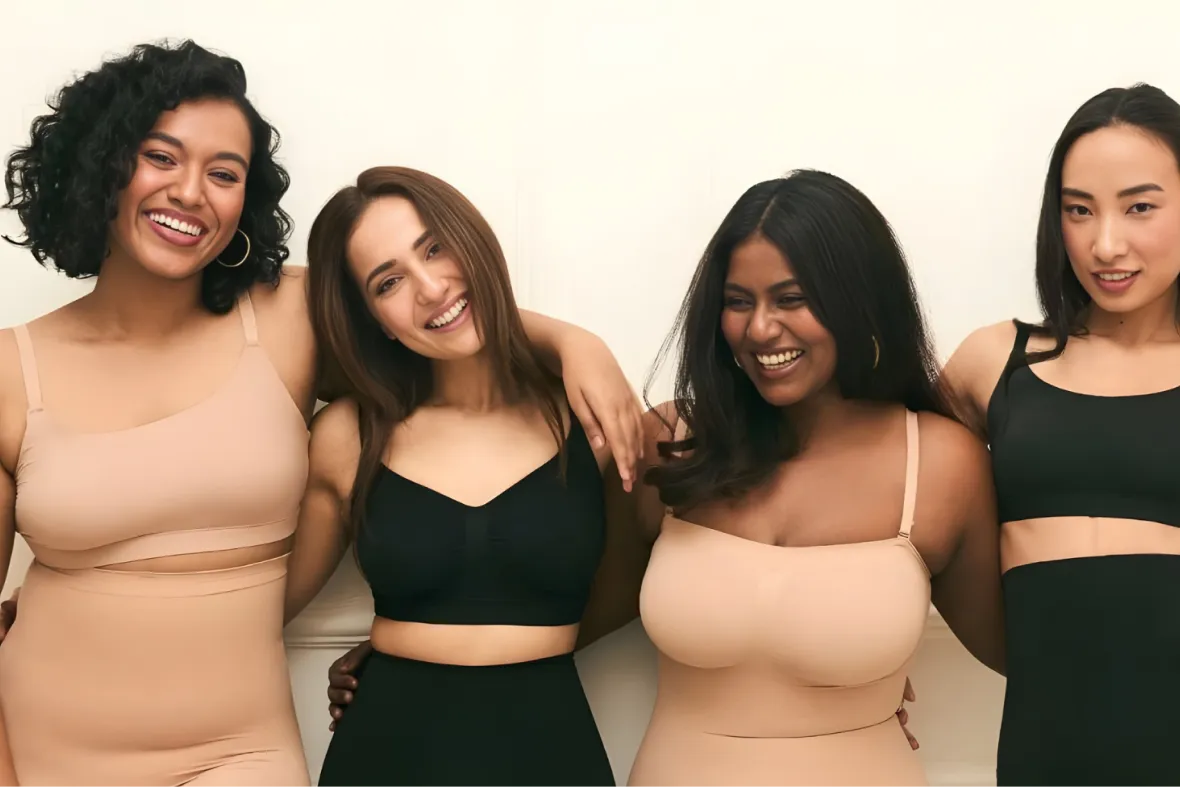

How UnderNeat is normalising shapewear in India through influencer-led branding, real women, and category-first storytelling.
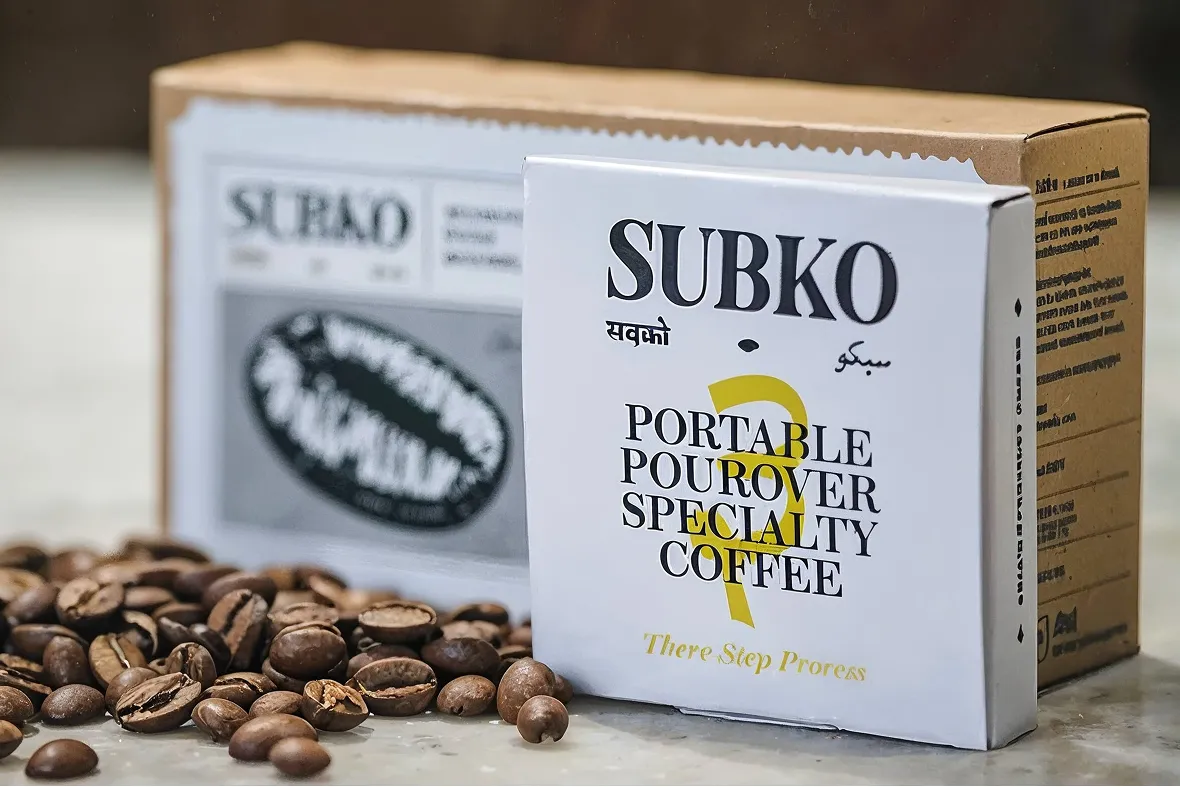

How Subko turned specialty coffee into a South Asian cultural movement: a Confetti brand audit.
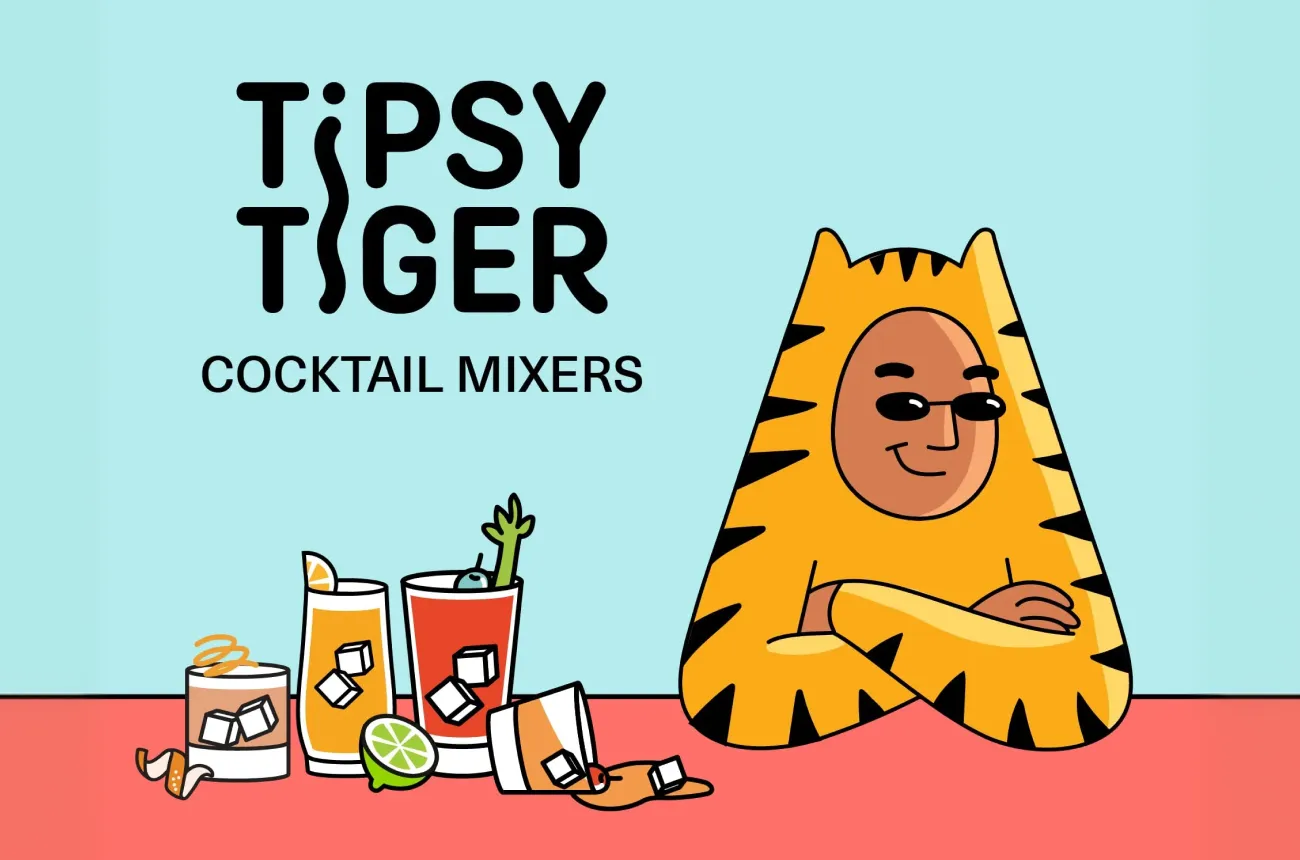

How Tipsy Tiger built a cocktail mixer brand with more personality than most funded competitors, and what it needs to do to translate that identity into breakout commercial scale.
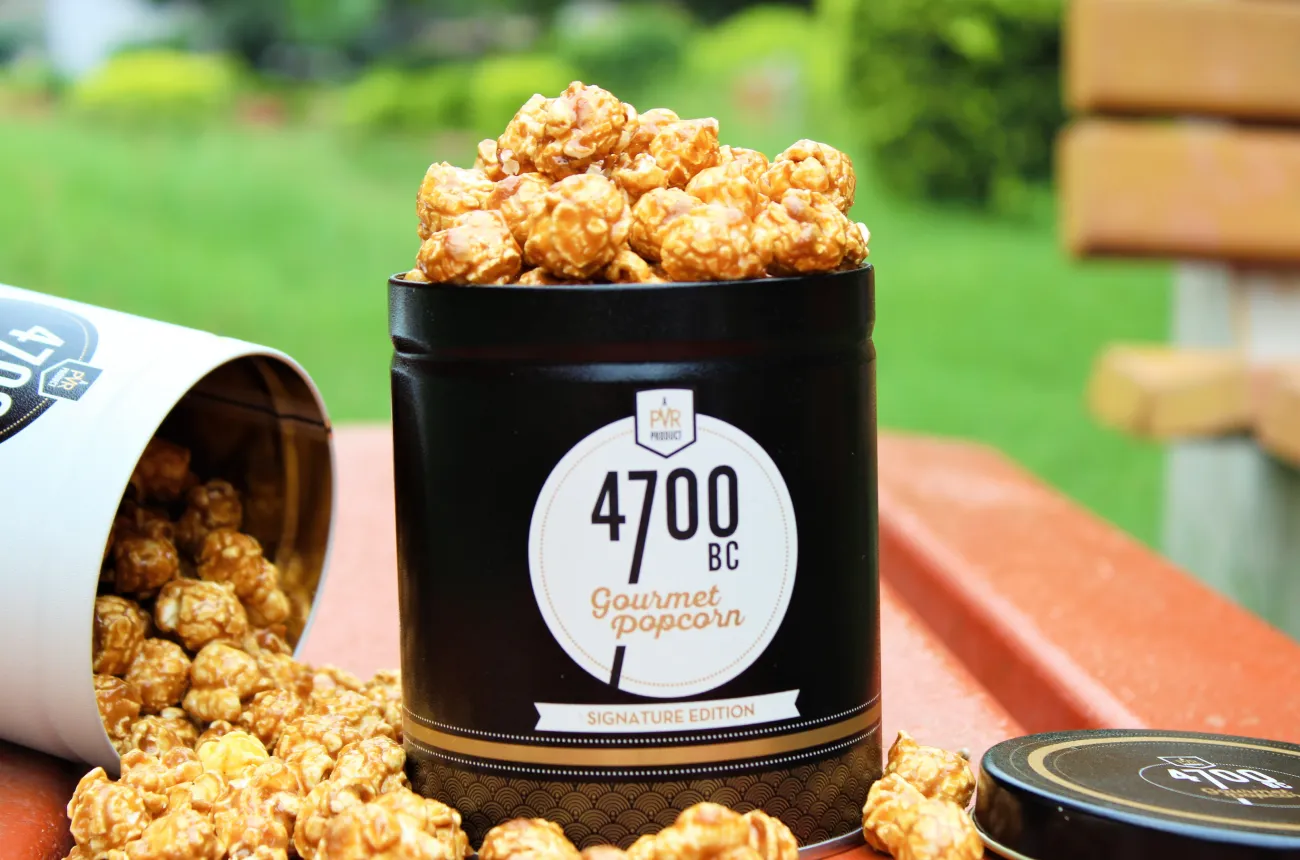

4700BC turned a commodity snack into a gourmet category, attracted PVR INOX and then Marico, and built the most disciplined brand identity in Indian premium snacking.
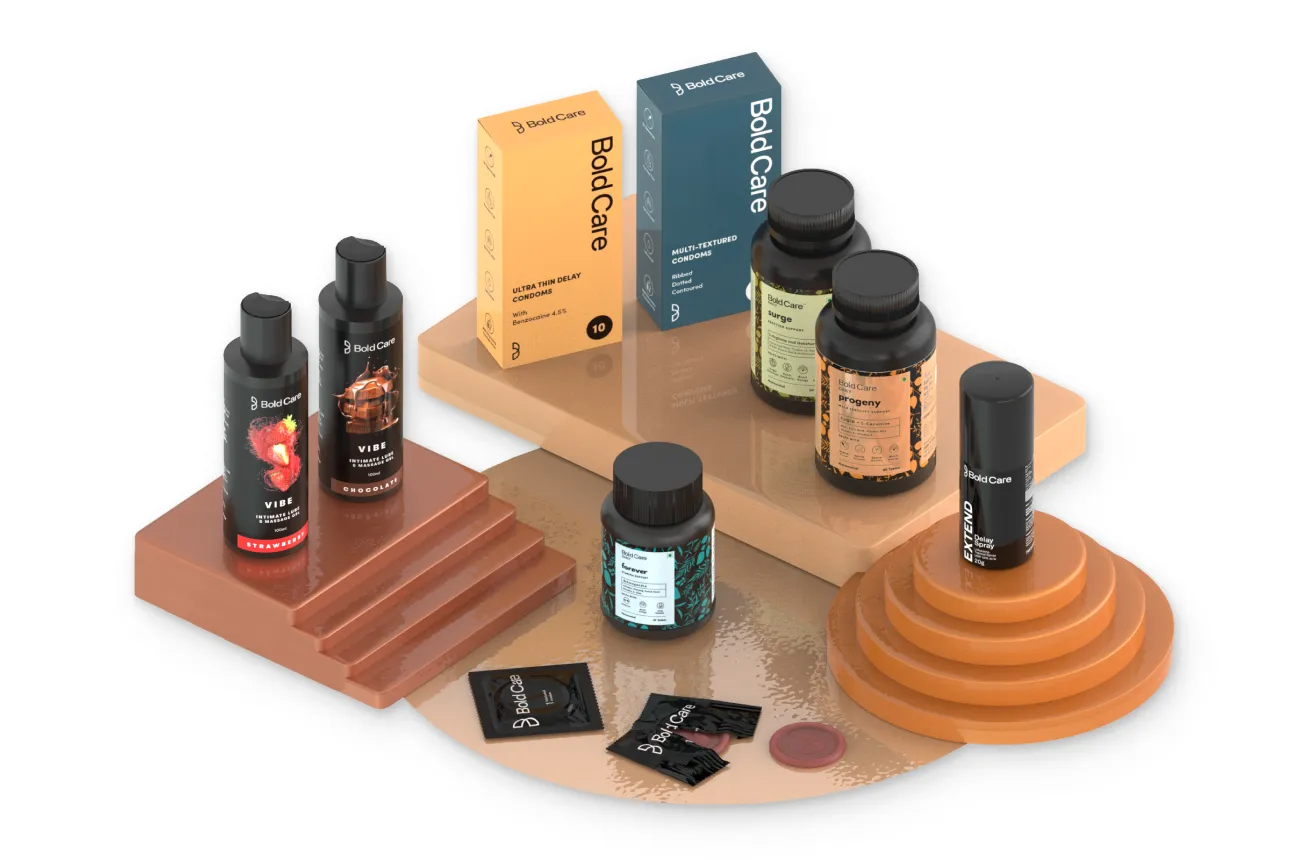

Bold Care turned one of India's most stigmatised categories into a Rs 100 crore conversation. The next chapter is about proving the brand can convert attention into sustainable profit.
Bombay Shaving Company scaled faster than most Indian D2C brands ever will. The question now is whether the brand system can catch up with the ambition.
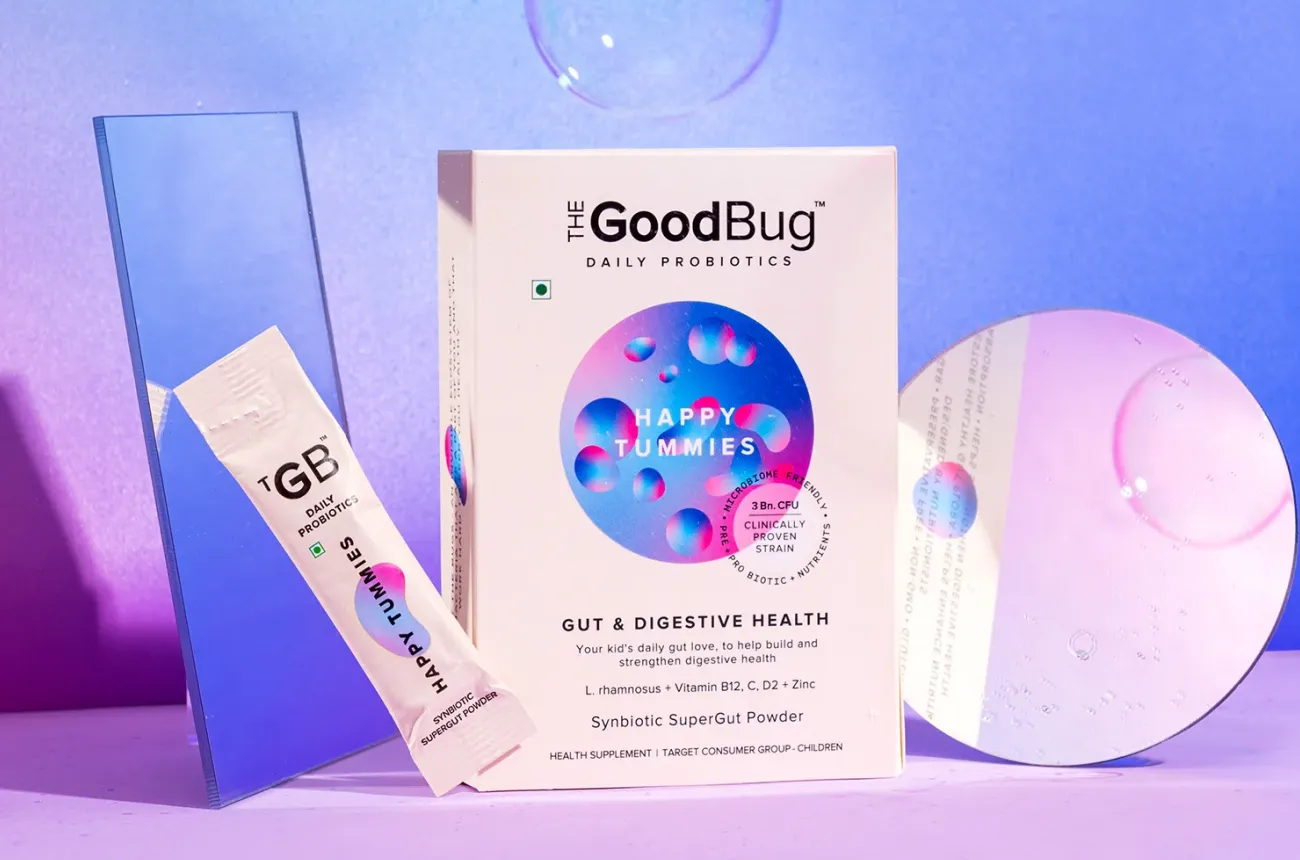

How The Good Bug made gut health feel like a lifestyle choice rather than a medical prescription, and why brand consistency is now the most important product it needs to build.
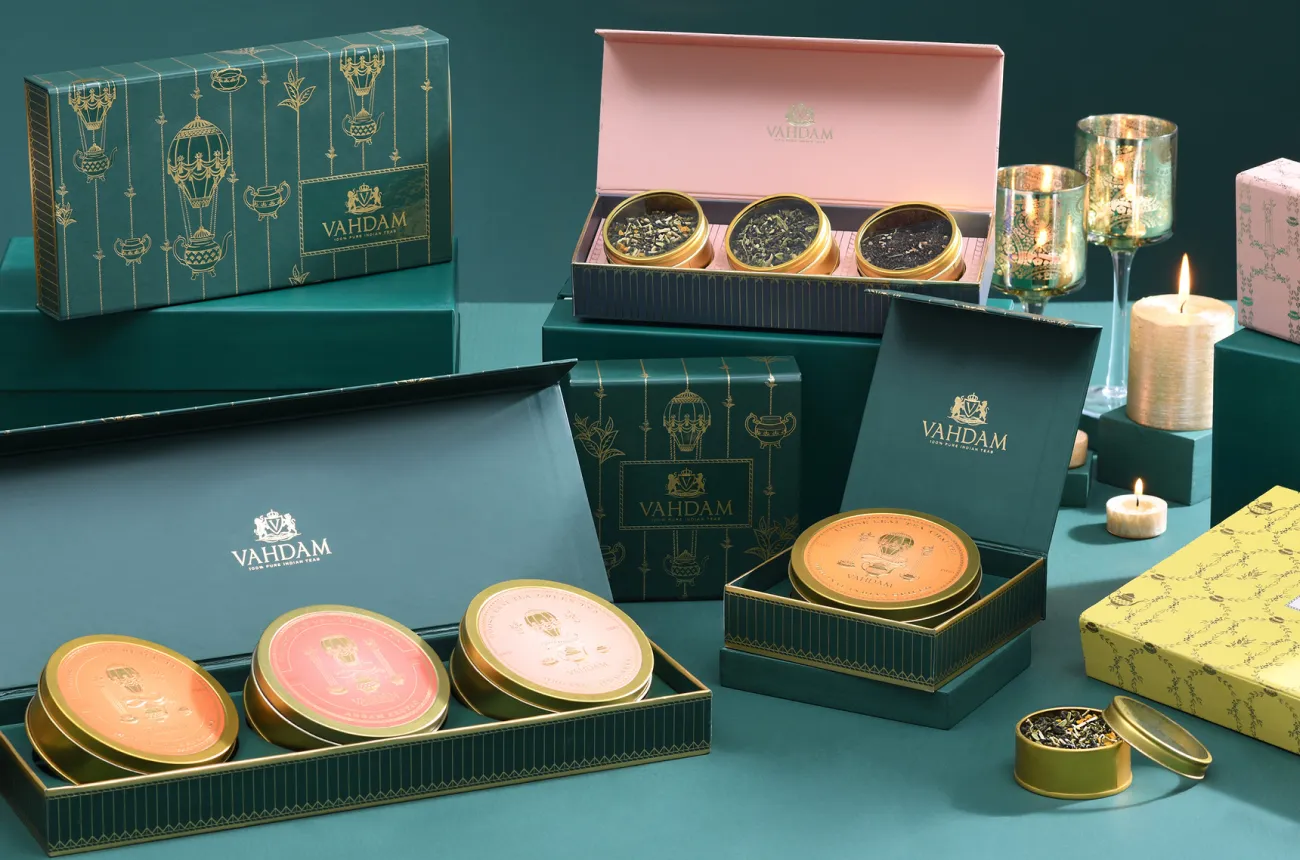

How Vahdam built a globally scaled Indian tea brand by controlling the supply chain from plantation to doorstep, without losing what makes it Indian.
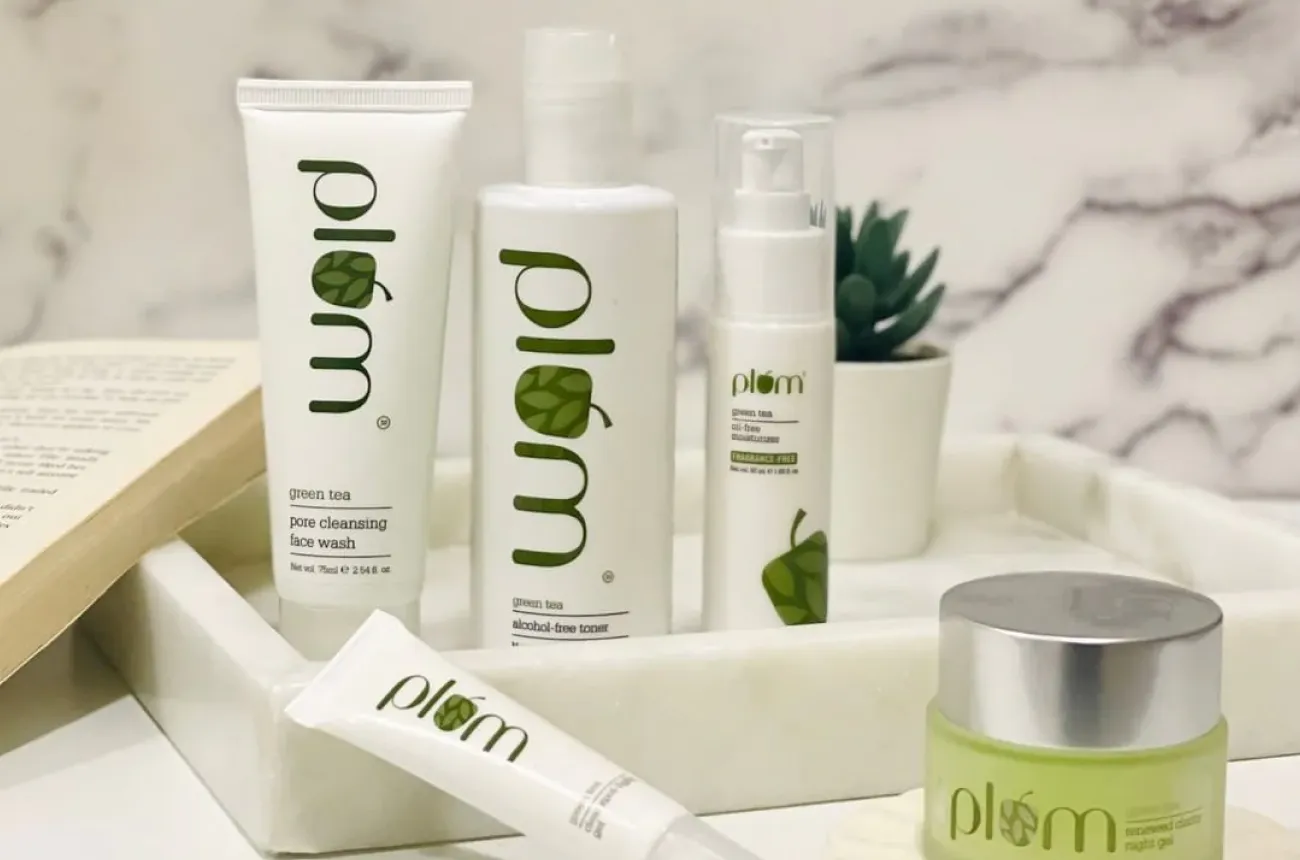

How Plum turns simplicity and functional design into a skincare staple, and what it takes to go from dependable to iconic.
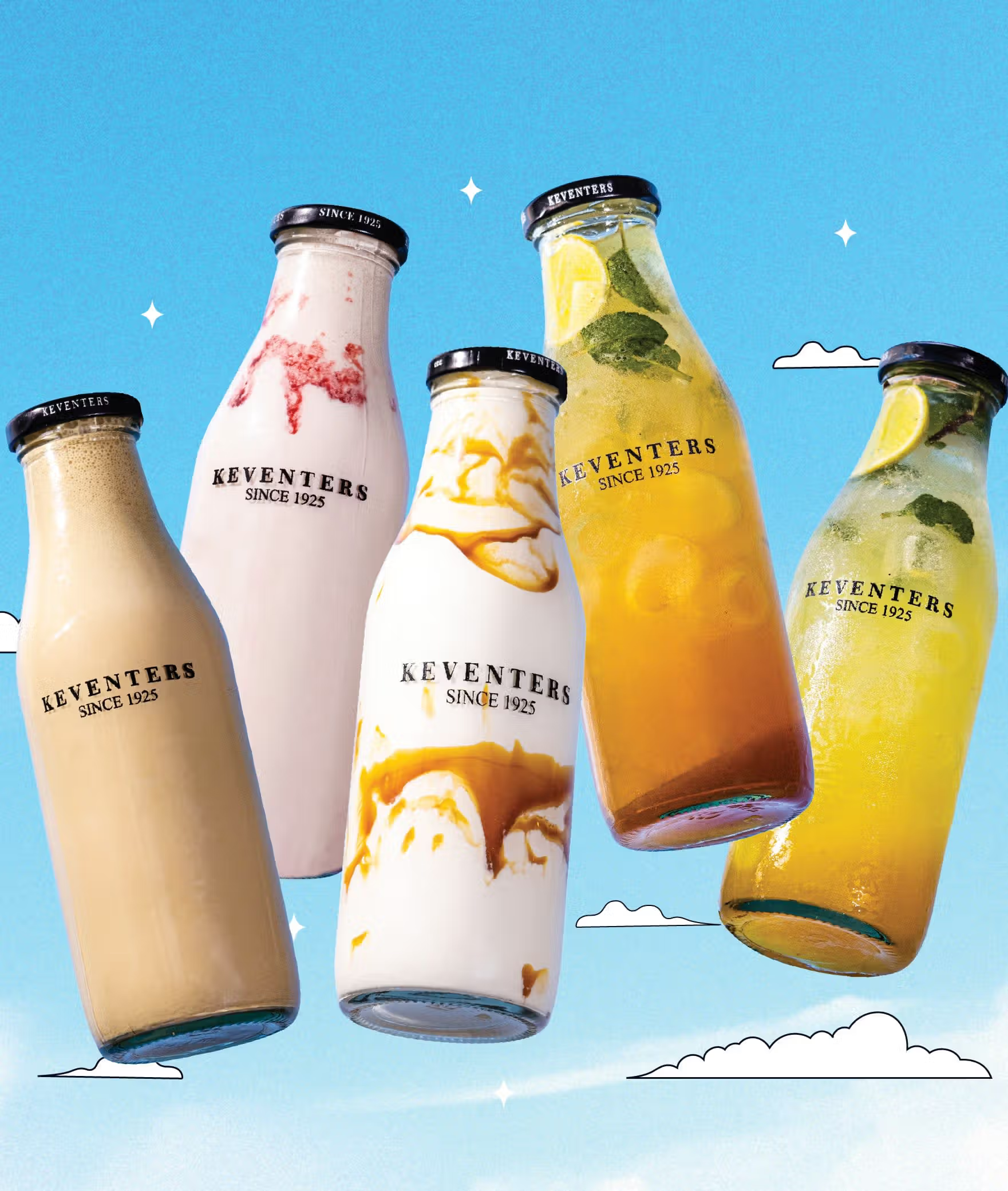
How Keventers blends a century of legacy with contemporary design to stay timelessly relevant in India's crowded indulgence category.
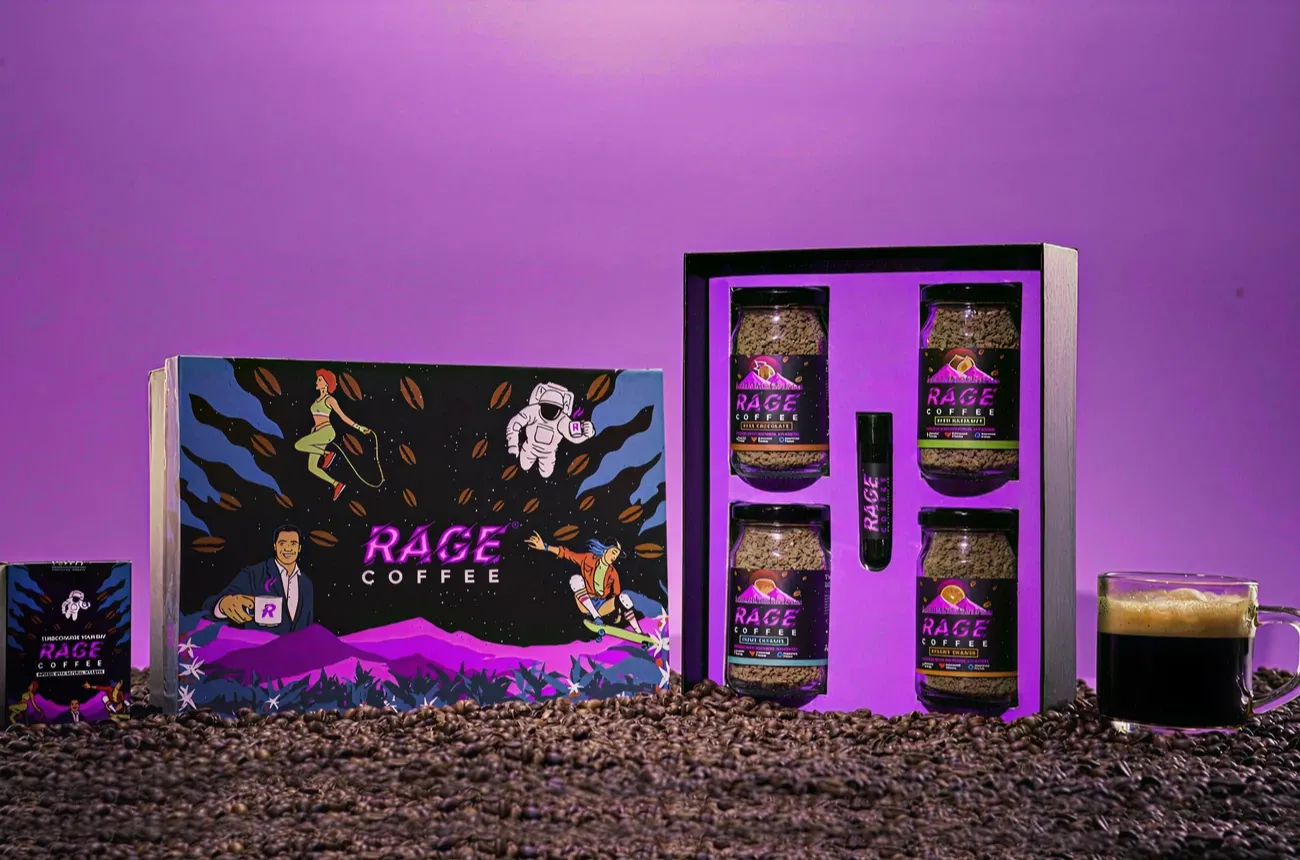

A closer look at how bold naming and visual cues turn coffee into an adrenaline experience, and why Rage Coffee has not fully committed to the promise its name makes
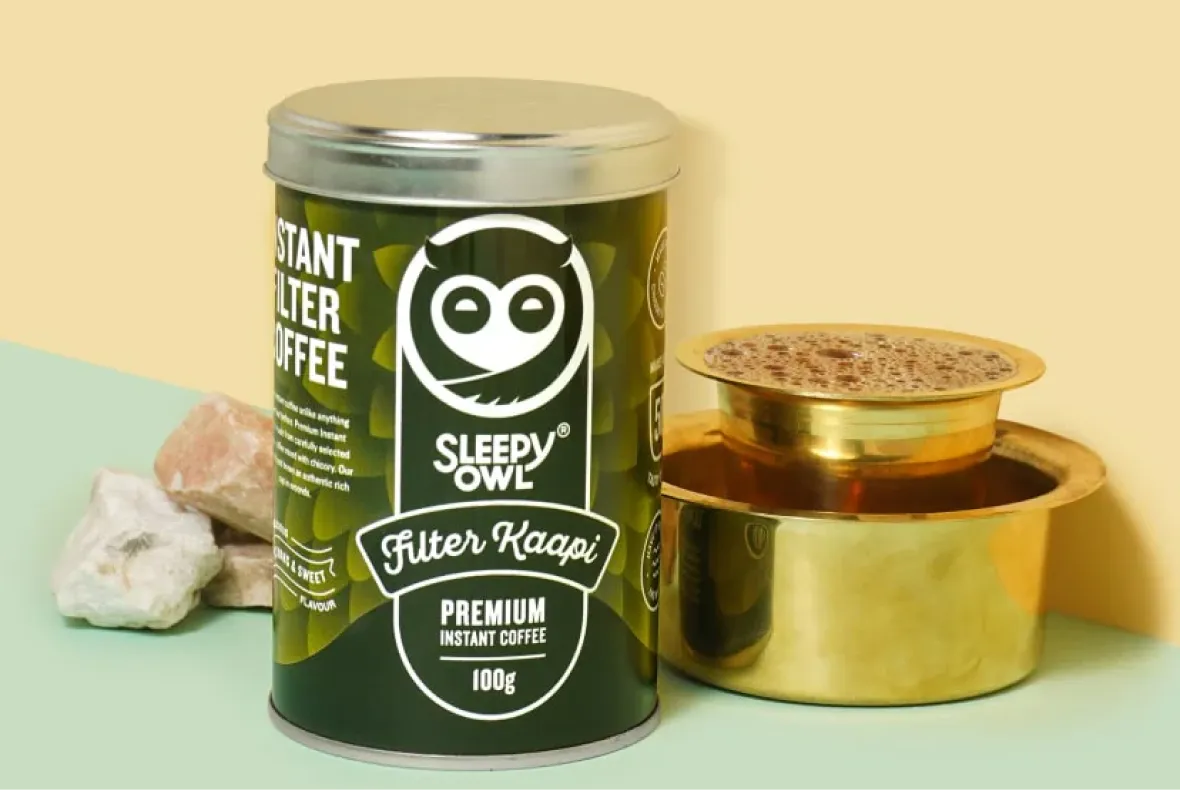

How Sleepy Owl made cold brew a habit for urban India, and why staying interesting is now the harder challenge.
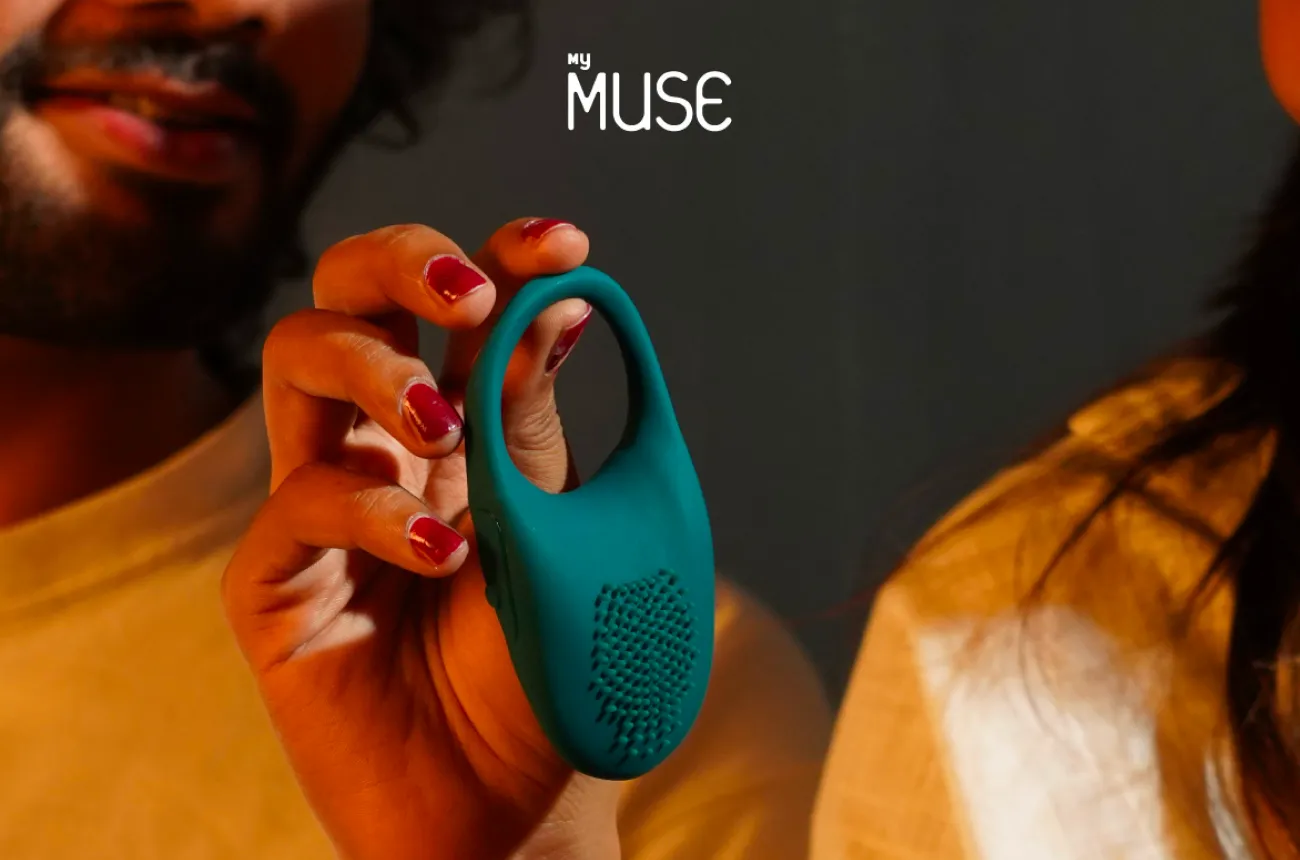

How MyMuse made sexual wellness feel safe, modern, and completely normal for India.
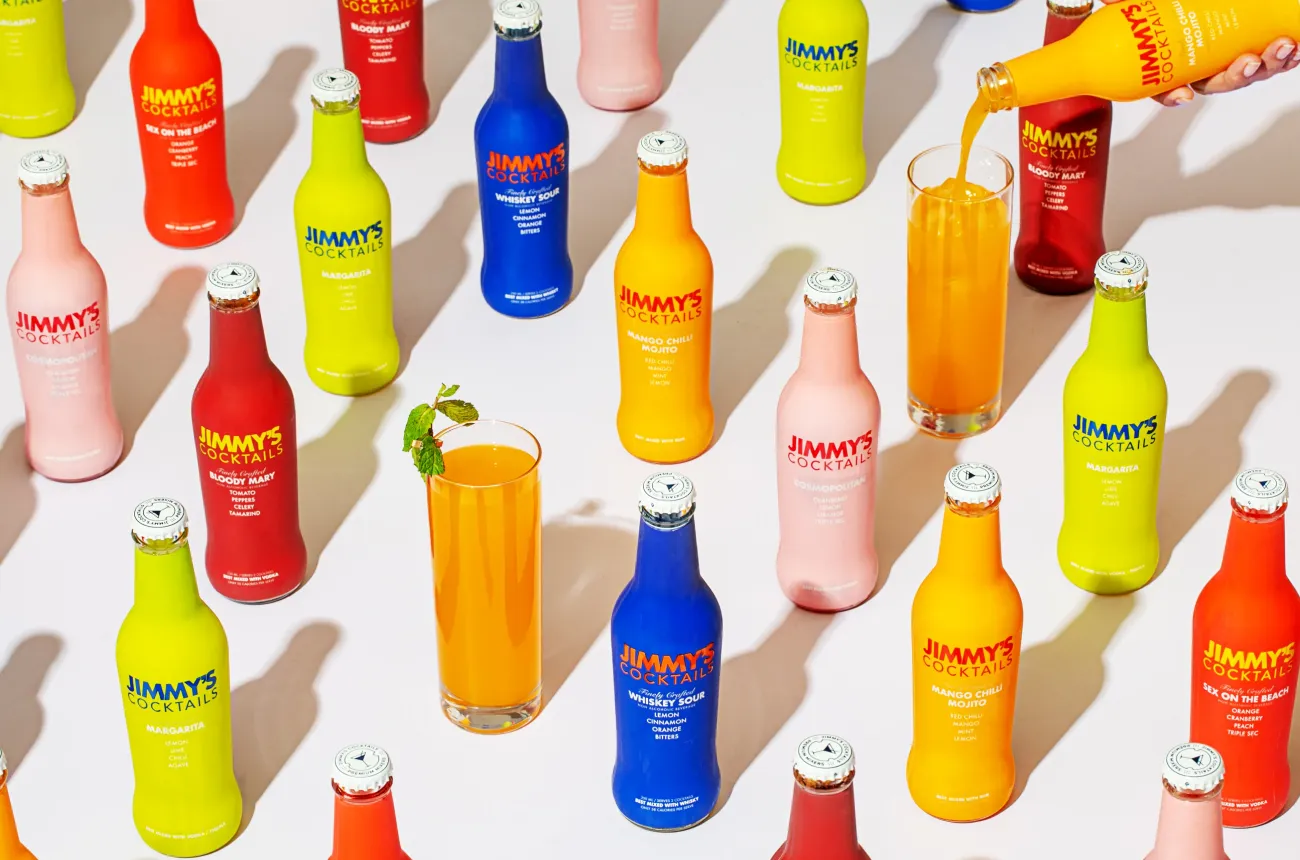

What happens when cocktail culture is designed for real homes, real parties, and real drinkers.
.webp)

How Indri became India's most awarded single malt by designing for all five senses, not just the glass.
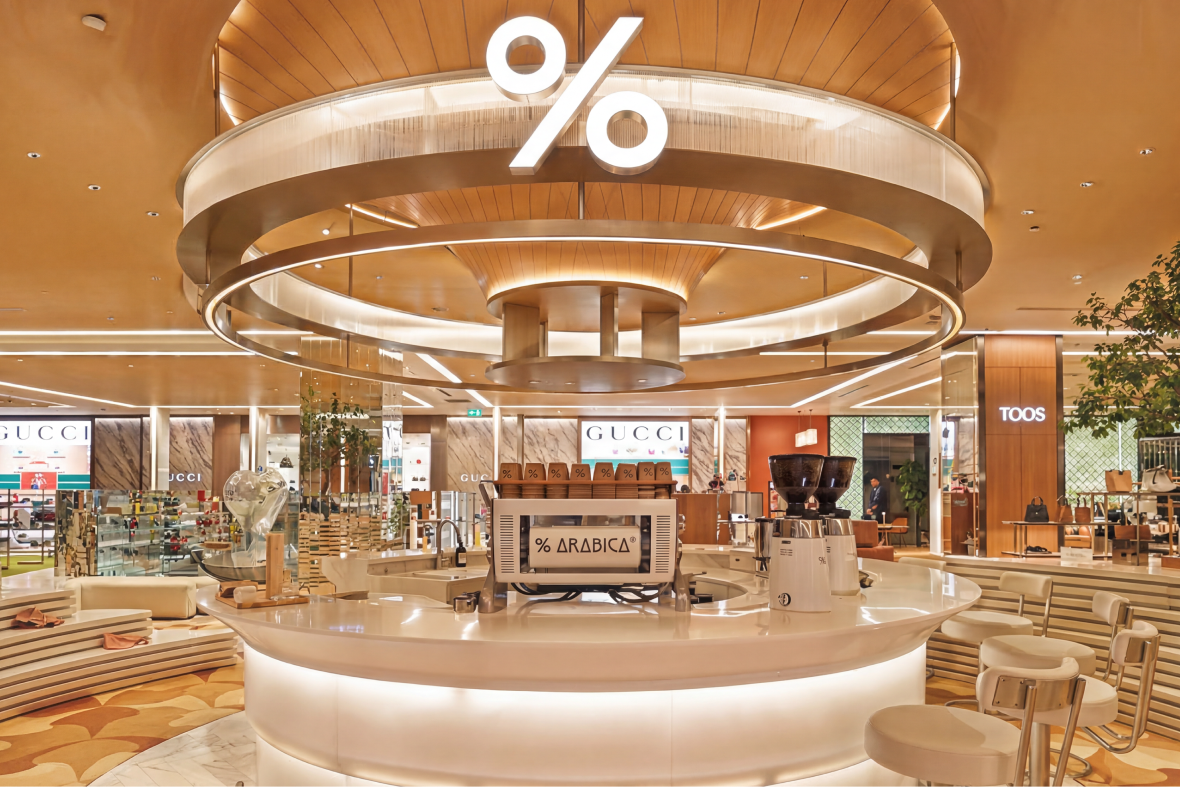
A look at how focus, simplicity, minimalism and intention built an unmistakably premium coffee experience.
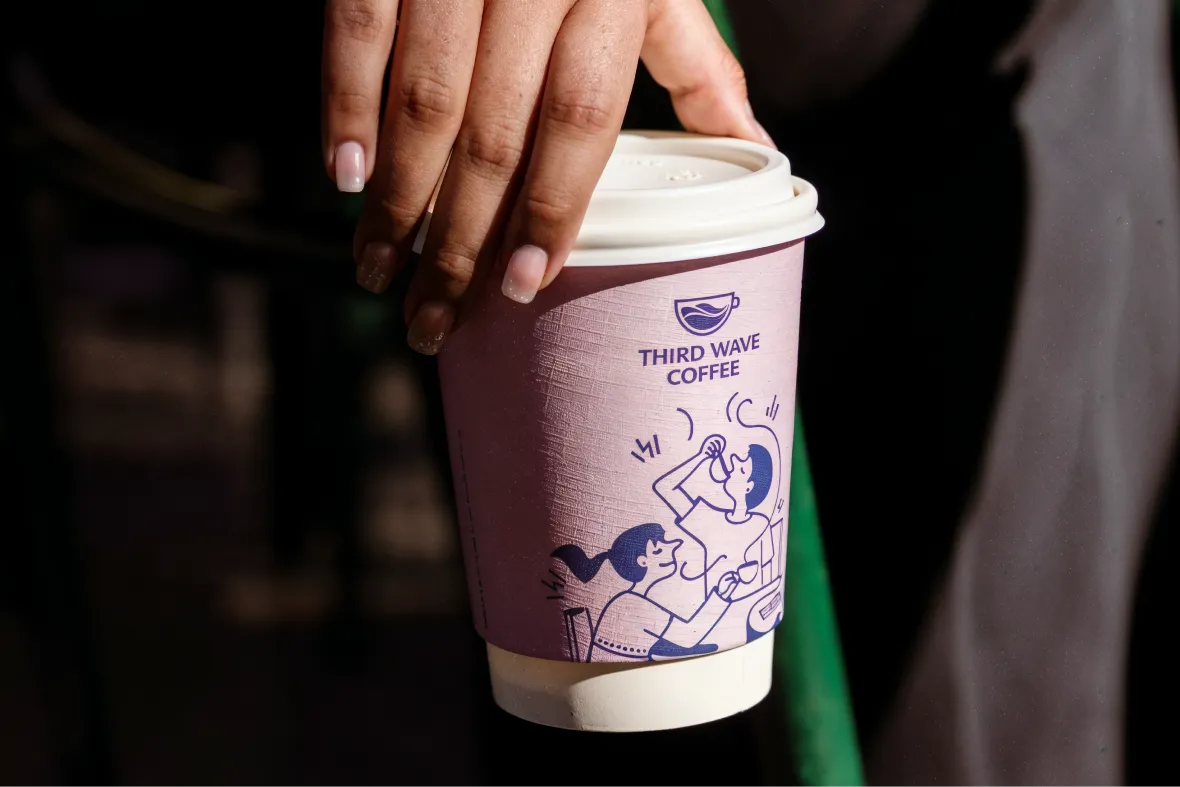

Third Wave Coffee put specialty coffee on the Indian map. The harder question now is whether it can protect the philosophy that made the name mean something.
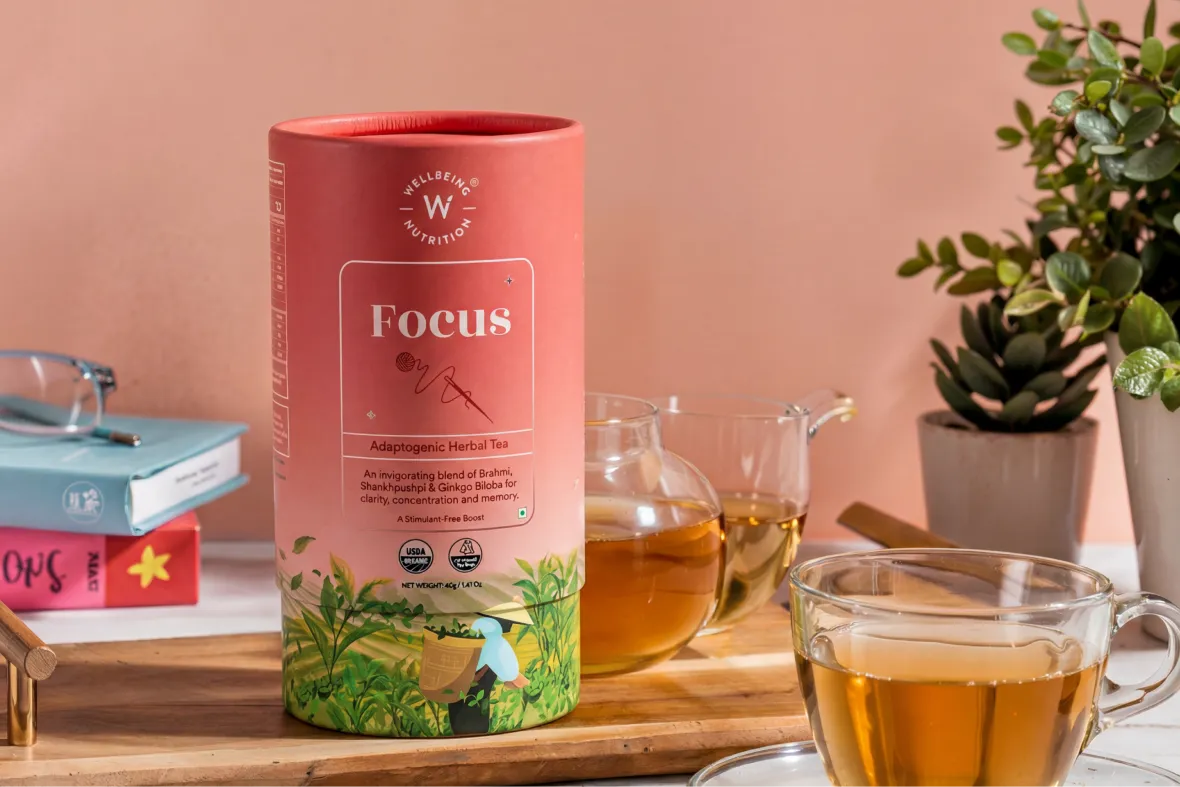

How Wellbeing Nutrition built a design system flexible enough to serve every age group without losing the plot.
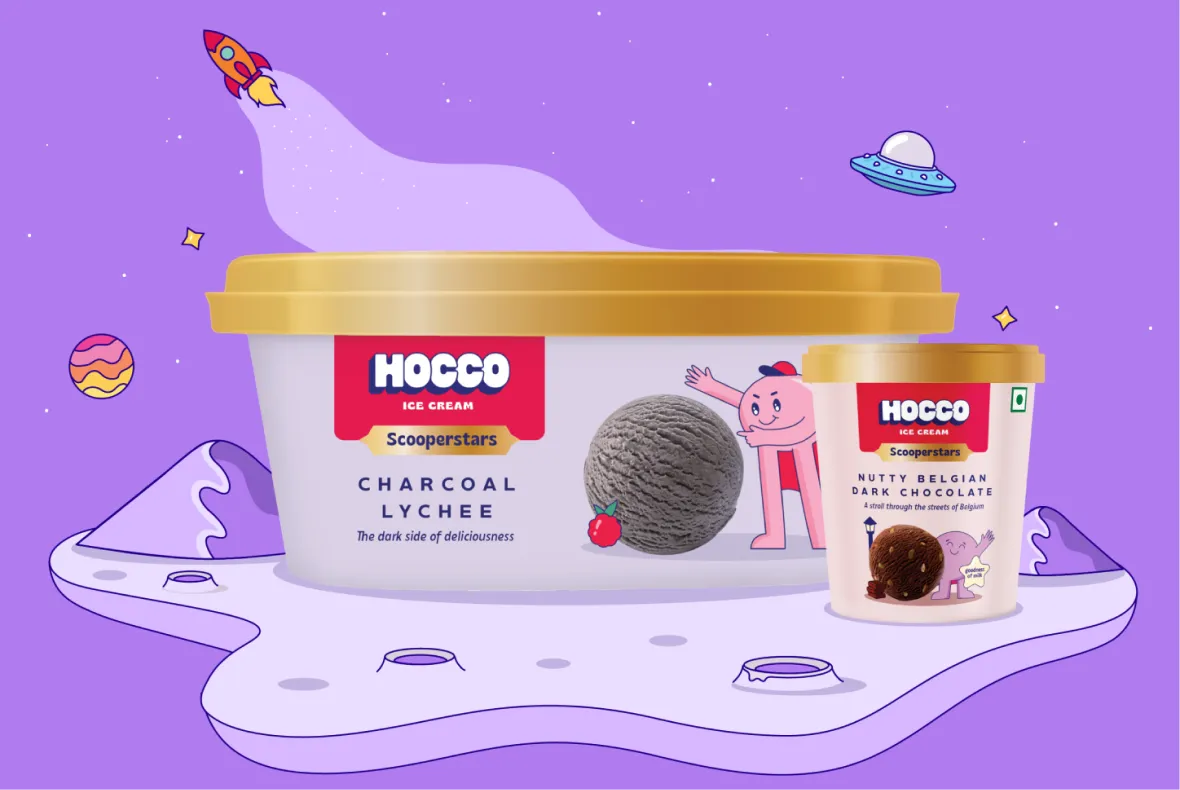

How Hocco reimagined indulgence through playful design, bold naming, and a joyful brand language that India's frozen aisles had never seen before.
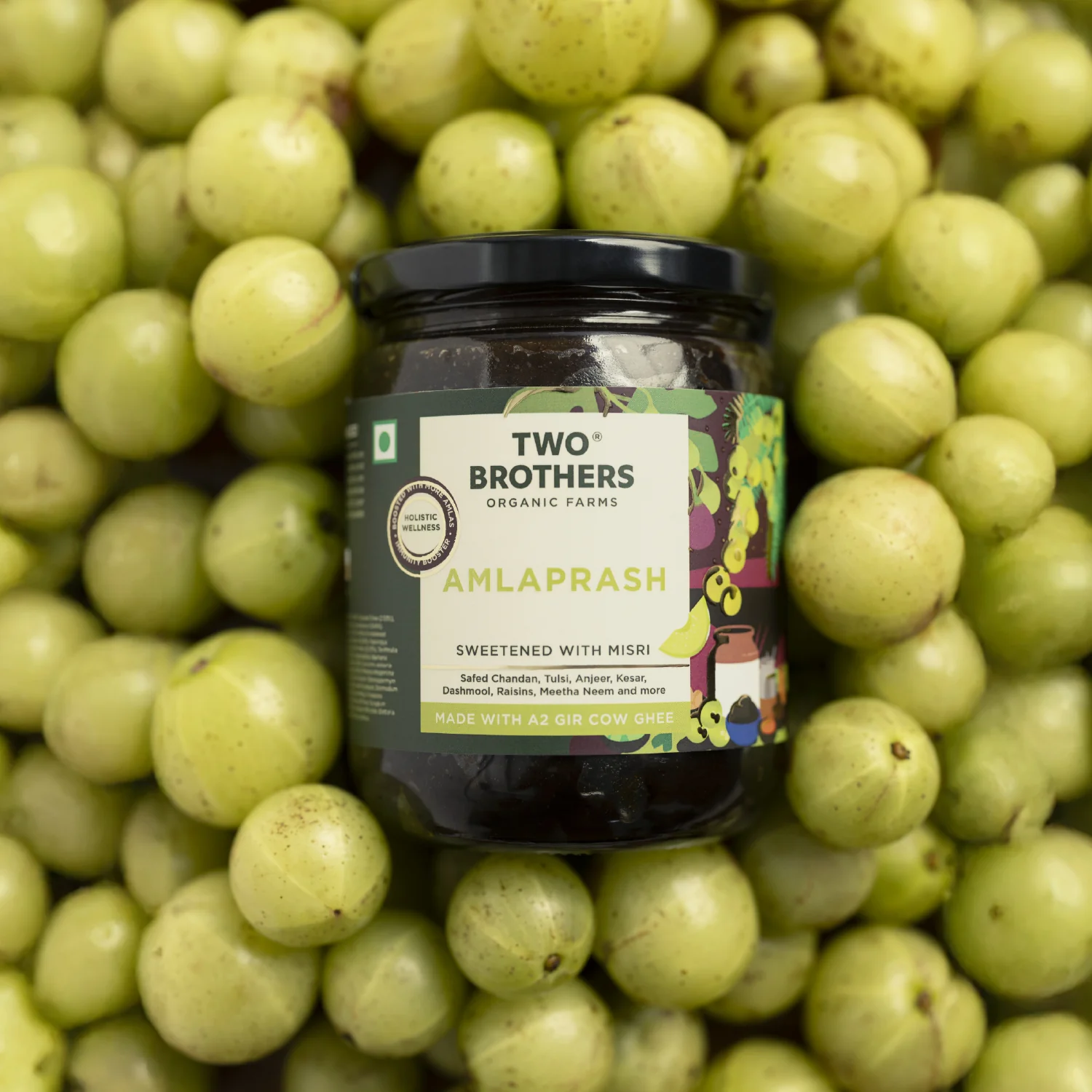
A closer look at how Two Brothers translates farm-first values into a trusted, premium identity.


How The Whole Truth turned honesty into a design system, a business model, and a transparency movement.
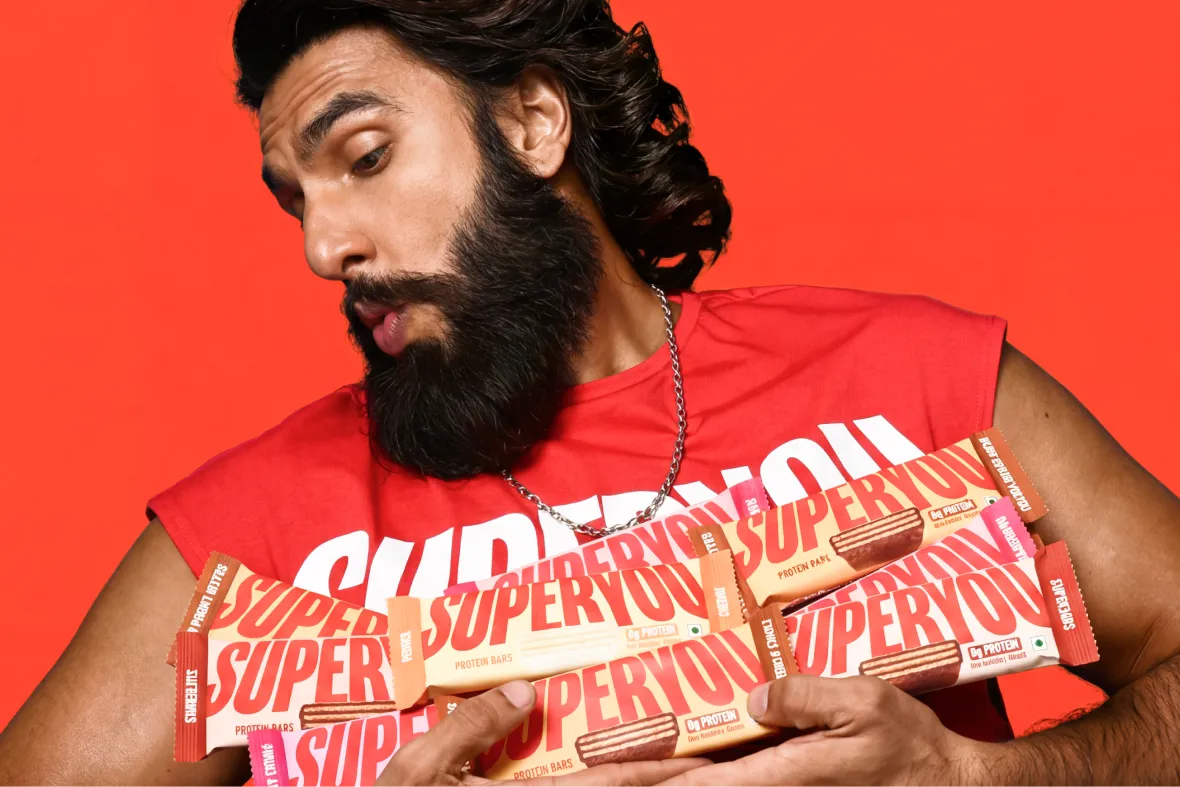

How SuperYou became India's fastest-growing celebrity D2C snack brand by making protein mainstream, not niche.
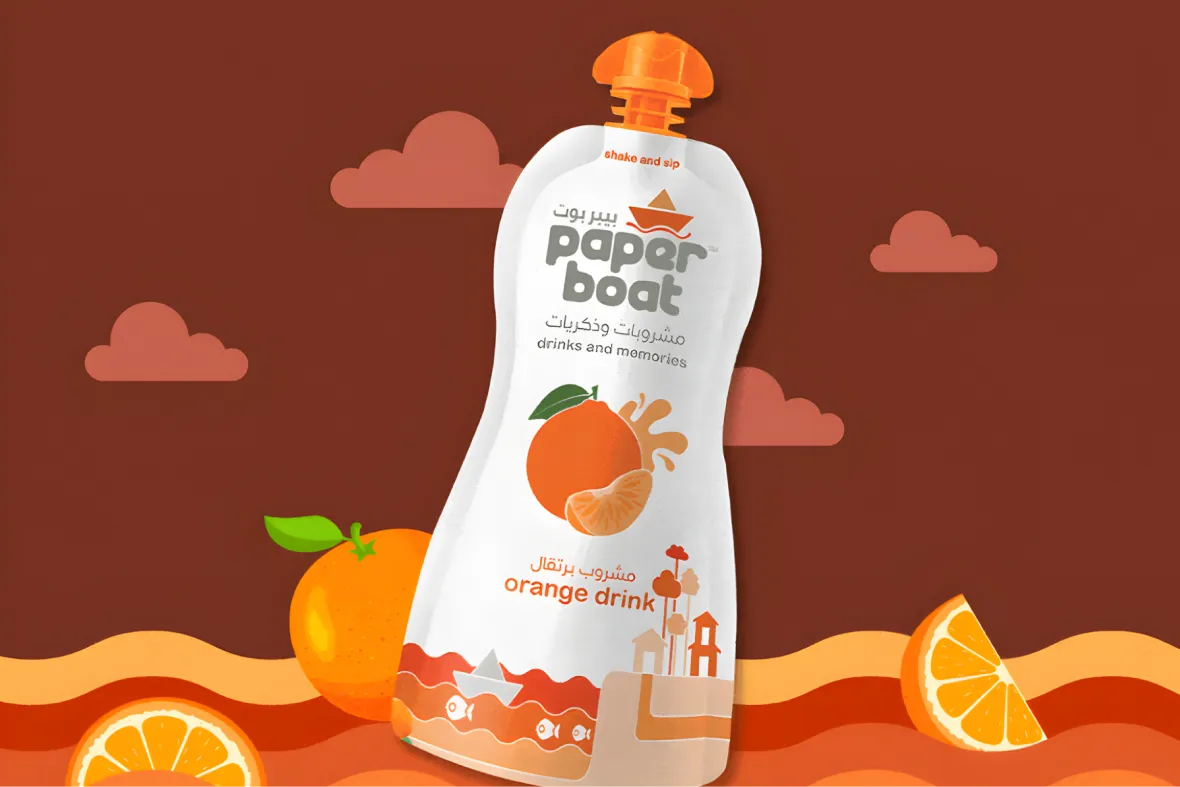

How Paper Boat bottled childhood and sold it back to a generation, and why the next decade demands something more than memory.
.webp)

A closer look at how Phool reimagines a traditional ritual through sustainable design, storytelling, and modern luxury.
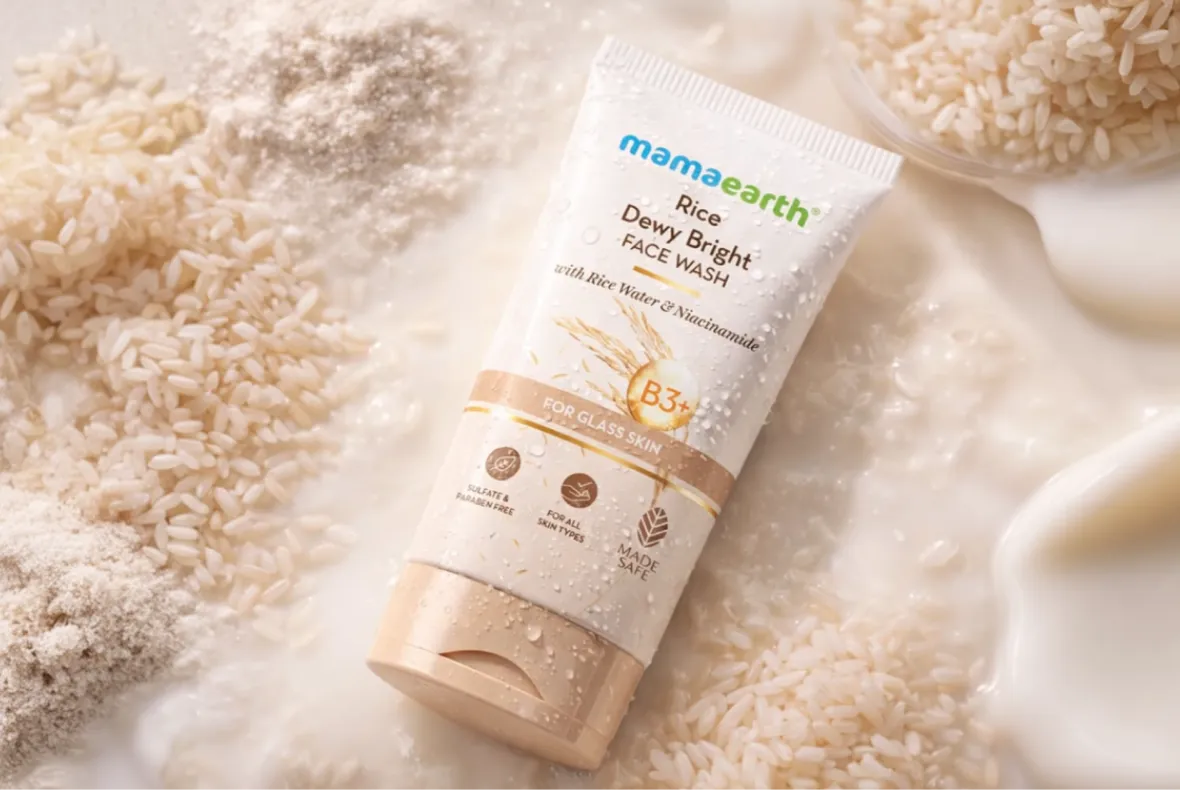

How Mamaearth found the sweet spot between Patanjali and the Western beauty giants, and why that middle ground is getting harder to hold.










.webp)