%201.webp)
02
AI Snaps
.svg)
.svg)
01
Our Work
03
About Us
04
Brand Audit
05
Contact Us
06
Client Success
12
07
Blogs
08
Careers
Book A Call
.svg)




Need Help In Building Your Brand?
Click the button below & book a call with our founder directly.

Rishabh Jain
Managing Director
Arata | Confetti's Verdict ⭐⭐⭐
Confetti Design Studio has analysed Arata to understand how a clean beauty brand founded in 2018 by Dhruv Bhasin and Dhruv Madhok, originally from a personal frustration with alcohol-based styling products and a flaxseed hair gel the two friends formulated themselves, grew to Rs 53.4 crore in FY25 revenue at a Rs 72 crore ARR, 3X growth in the preceding 12 months, serving over 1.5 million customers annually across D2C and marketplace channels, raised USD 8.91 million from investors including DSG Consumer Partners, Unilever Ventures, BOLD (L'Oréal's venture capital arm), and Sixth Sense Ventures, appeared on Shark Tank India Season 3 with an investment from Namita Thapar and Vineeta Singh.
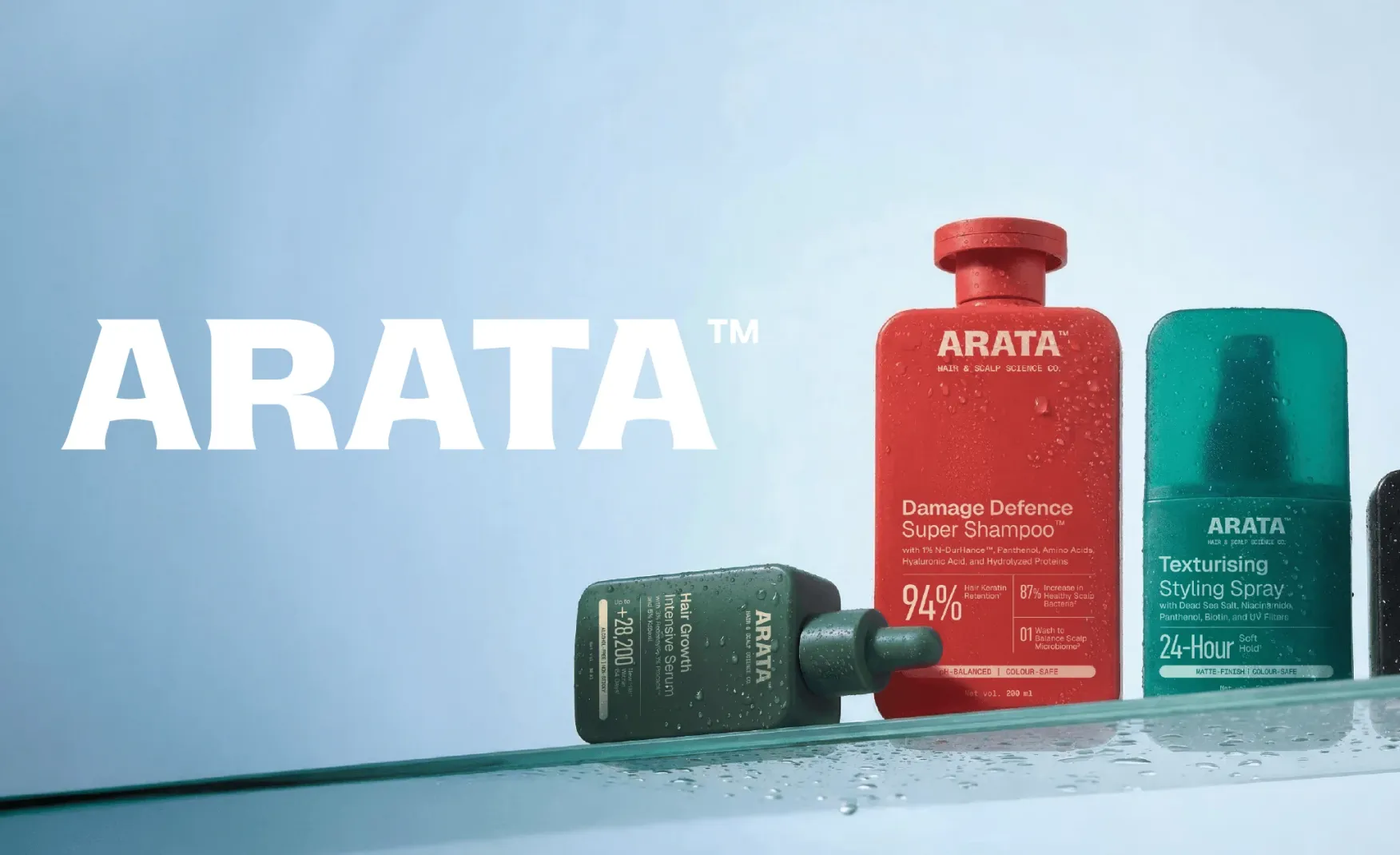
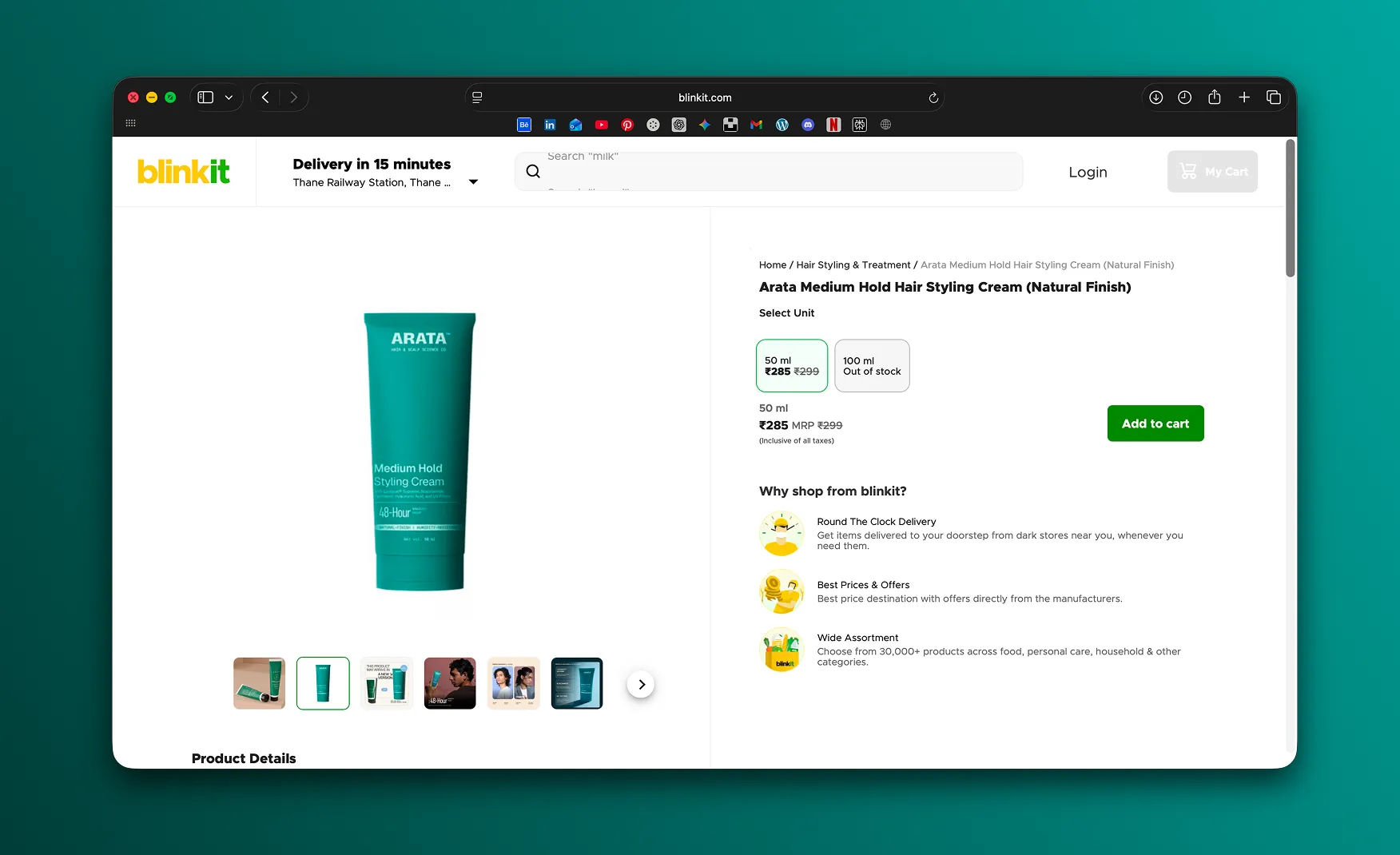
The conventional wisdom in Indian D2C is that premium clean beauty brands build their audiences in Mumbai, Bengaluru, and Delhi before slowly expanding beyond. Arata did not follow that sequence. Through a decisive bet on quick commerce channels, Zepto, Blinkit, Swiggy Instamart, and Flipkart Minutes, the brand built reach into Tier 2 and Tier 3 cities far earlier than most comparable brands would have considered viable.
The significance of that distribution achievement goes beyond the reach itself. A consumer in a smaller city who turned to Arata after mainstream brands had failed consistently for her hair type is not an edge case. She is the market that Dove, Pantene, and Sunsilk have been underserving for decades with formulations designed for straight, European hair textures. Arata found her before most brands thought she was worth finding, and the quick commerce infrastructure made that possible at a speed and cost that traditional distribution could not have matched. This Tier 2 and Tier 3 presence is also a market intelligence asset. Arata understands clean beauty demand patterns in markets that almost no competitor has operational evidence for, which is an advantage that compounds as those markets grow.
The most credible thing any beauty brand can have is a customer who tried everything else first and then found them. When Confetti looks at how consumers describe discovering Arata, a consistent pattern emerges: people with curly, wavy, or chemically-treated hair who had been failed by mainstream brands consistently for years, and then found something that actually worked.
That is a different kind of product-market fit from what most beauty brands can claim. It is not a consumer who bought Arata because the packaging caught their eye. It is a consumer who bought Arata because they had run out of options and the product delivered on a promise that nothing else had. In a personal care category where using the wrong product on curly or damaged hair causes real, visible harm, being the brand that actually delivers is the most powerful reputation a brand can earn. Every customer acquired this way is a potential lifelong advocate, someone whose endorsement comes with the credibility of failure overcome. That kind of community is not bought. It is earned.
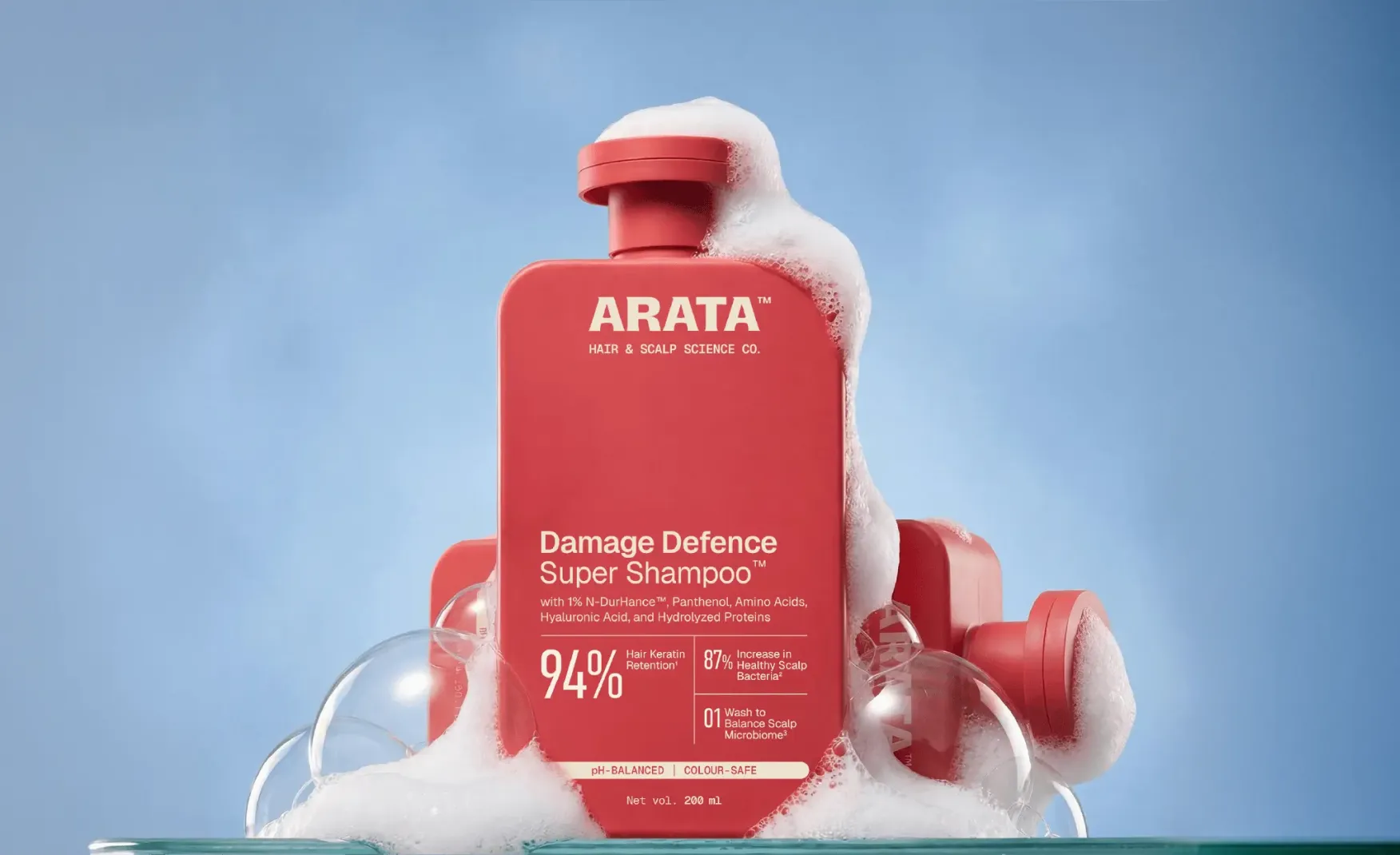
The investor combination Arata has assembled is genuinely unusual in global beauty. Unilever Ventures and BOLD, L'Oréal's VC arm, are both on the cap table of the same Indian clean beauty challenger. These two companies compete directly in every category Arata operates in. Both investing in the same brand signals independent conviction in the brand's quality and the market opportunity, and a strategic calculation from two of the world's largest beauty companies that proximity to India's clean beauty consumer shift is worth buying even if it means co-investing with a direct competitor.
The earlier backing of DSG Consumer Partners and Sixth Sense Ventures, alongside involvement from Estée Lauder-linked investors in earlier rounds, means that the brand has been evaluated favourably by serious consumer brand investors across multiple stages. When two of the world's largest beauty companies place bets on the same Indian challenger, they are making a public statement about that brand's credibility that no amount of marketing spend can replicate. That signal is the most institutionally validated vote of confidence in the Indian clean beauty category.
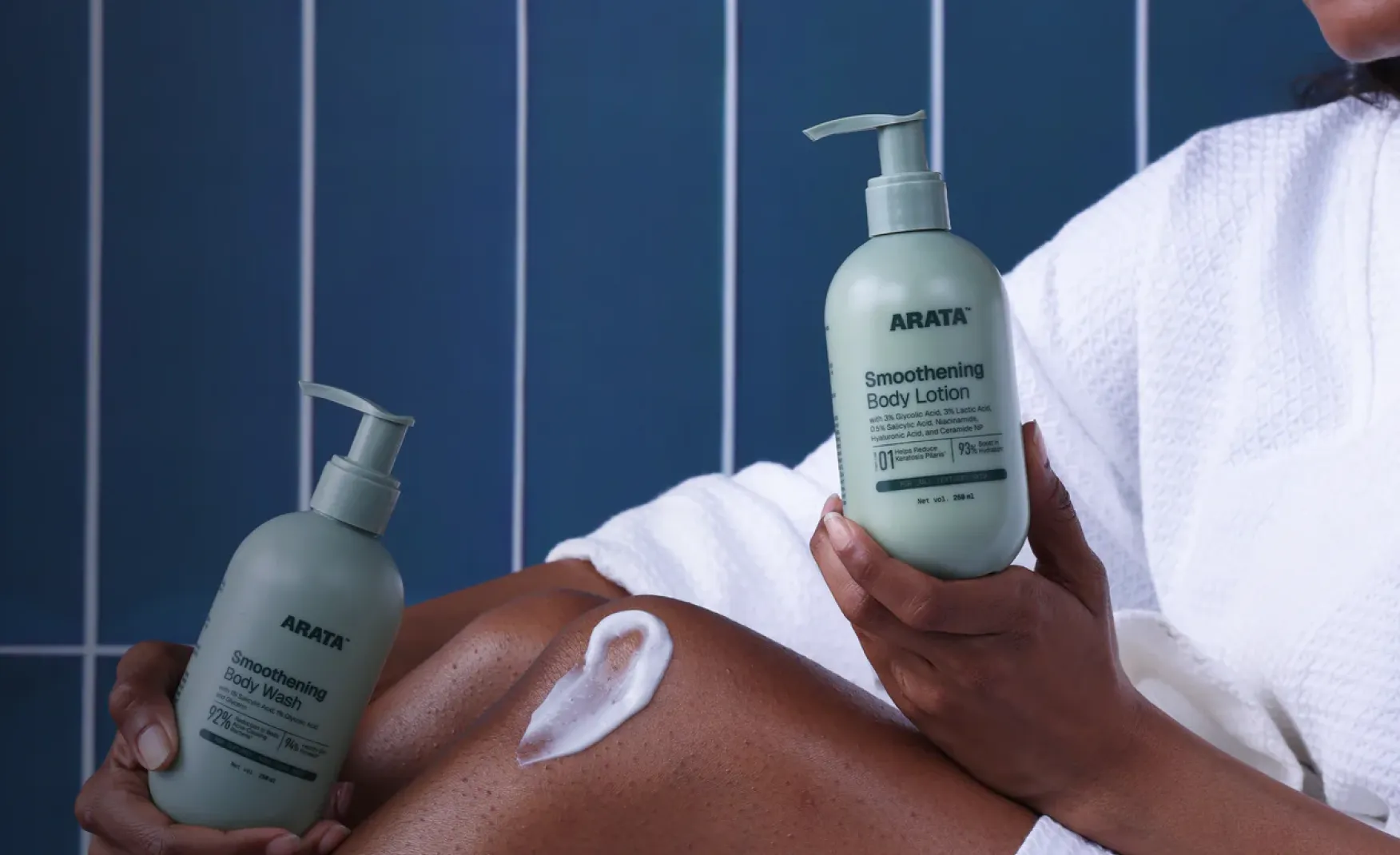
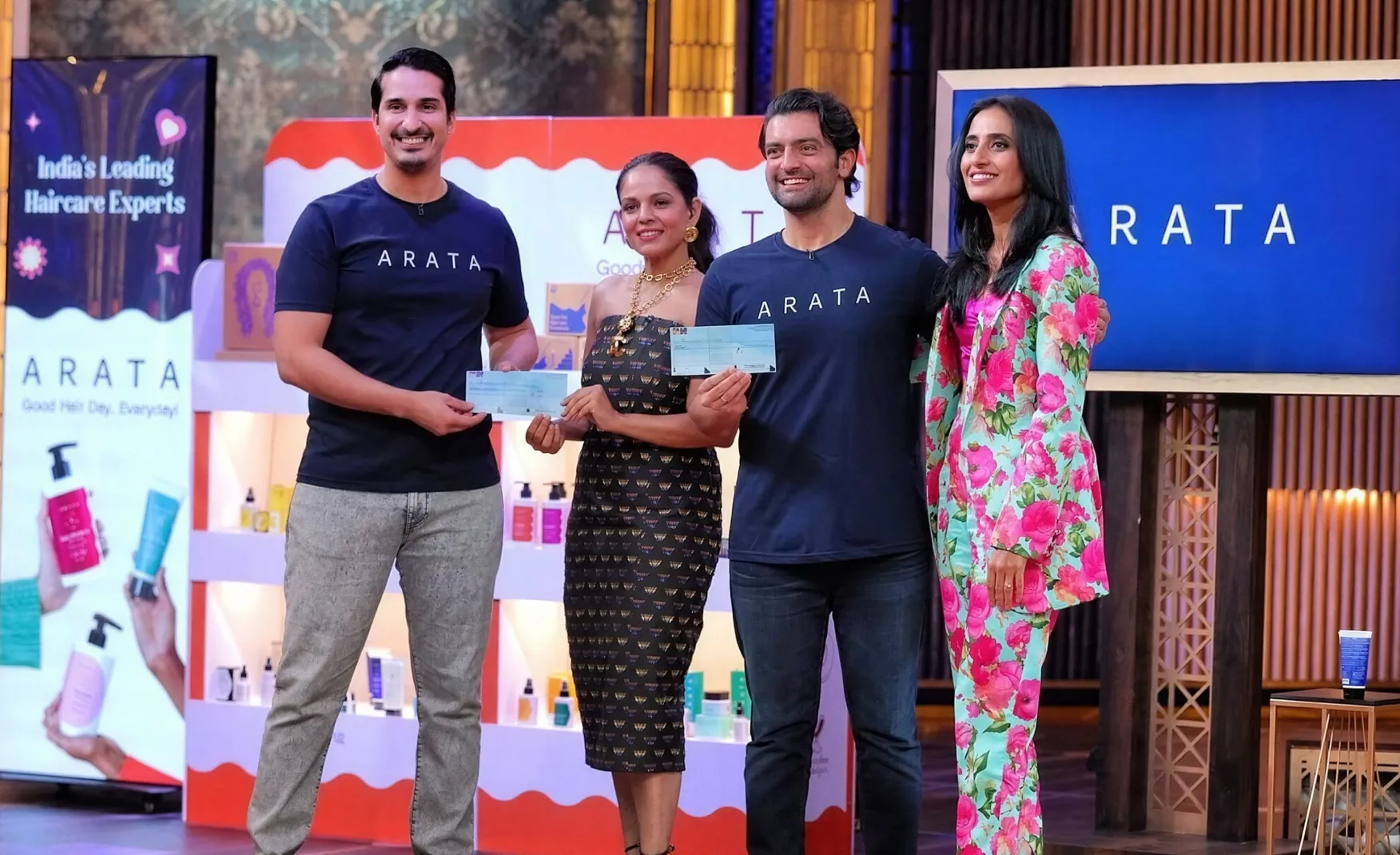
Arata's appearance on Shark Tank India Season 3, resulting in an investment of Rs 1 crore for 1.33% equity plus 0.67% advisory equity from Namita Thapar and Vineeta Singh, did something that media spend cannot easily replicate which is that it gave the brand the credibility of being evaluated in public, by investors with known track records, in front of a national audience.
The format works as brand communication precisely because it is framed as rigorous examination rather than advertising. The consumers who discovered Arata through Shark Tank arrived with a specific predisposition: they had already seen it validated before they tried it. That predisposition is a meaningful commercial advantage, reducing the scepticism that all clean beauty brands must overcome, particularly with consumers who have encountered many brands making similar claims and have been disappointed by most of them. The show created a cohort of believers who were already converted before they placed their first order.
Arata serves 1.5 million customers annually across its website (30% of revenue) and marketplaces and quick commerce (70% of revenue), without relying on a major celebrity endorsement or a single viral campaign. That customer base was built through product quality, formulation transparency, and distribution reach. It is the kind of scale that compounds.
Every satisfied Arata customer in a category with visible, personal results, hair and skin that others notice, is a walking demonstration of the brand's efficacy. If 1.5 million customers can be built without a strong brand investment, how many more could be reached with one? The product has done the acquisition work that most brands spend significant marketing budgets on. The brand identity has not yet been built to extend and deepen that customer relationship beyond the repeat purchase. That is the most commercially interesting gap in Arata's current position.
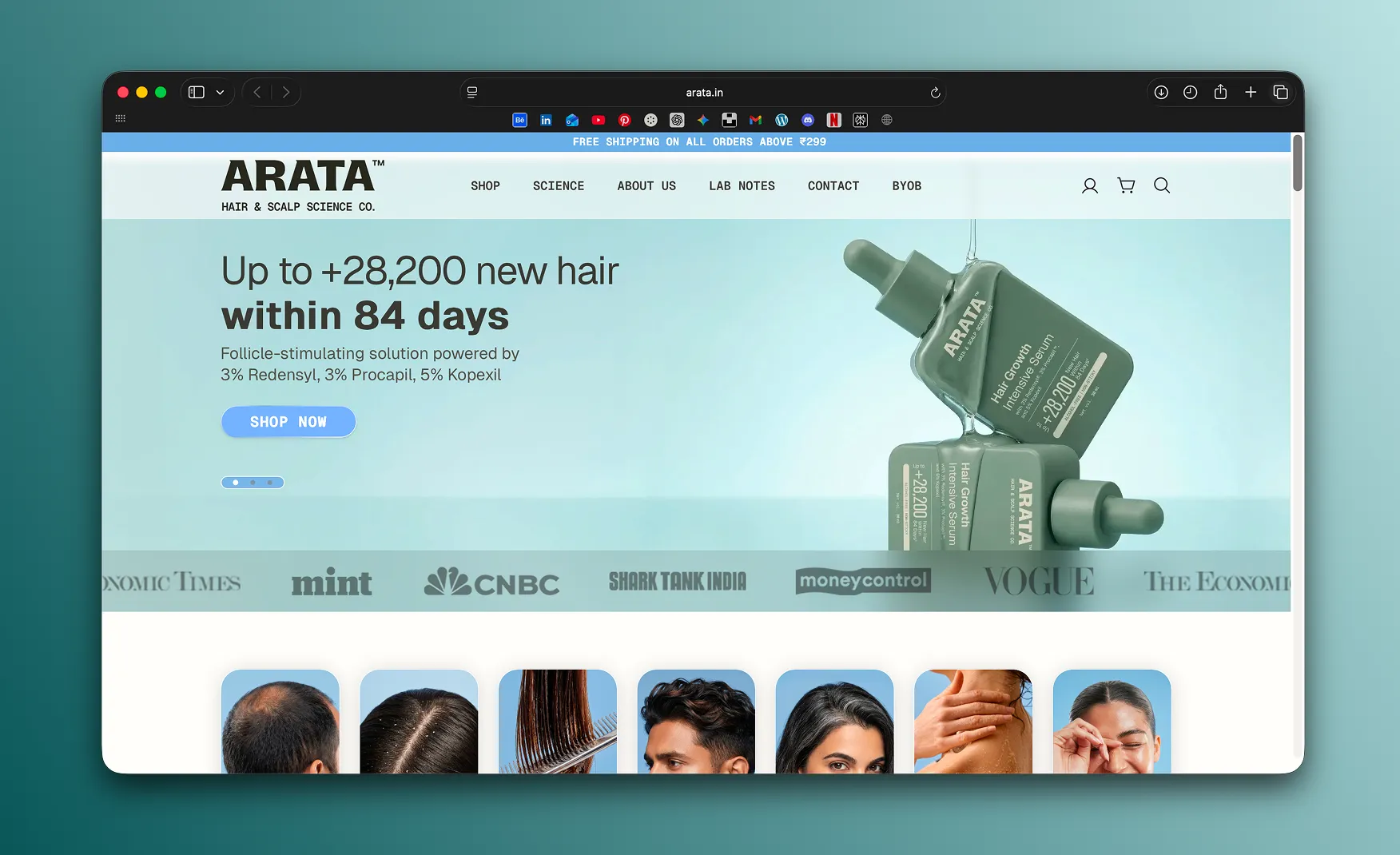
The most significant challenge Arata faces is not competitive. It is internal. The brand identity is weak relative to the product quality, and in a market driven by visual discovery through Instagram, Reels, and YouTube, a weak brand identity is a growth ceiling.
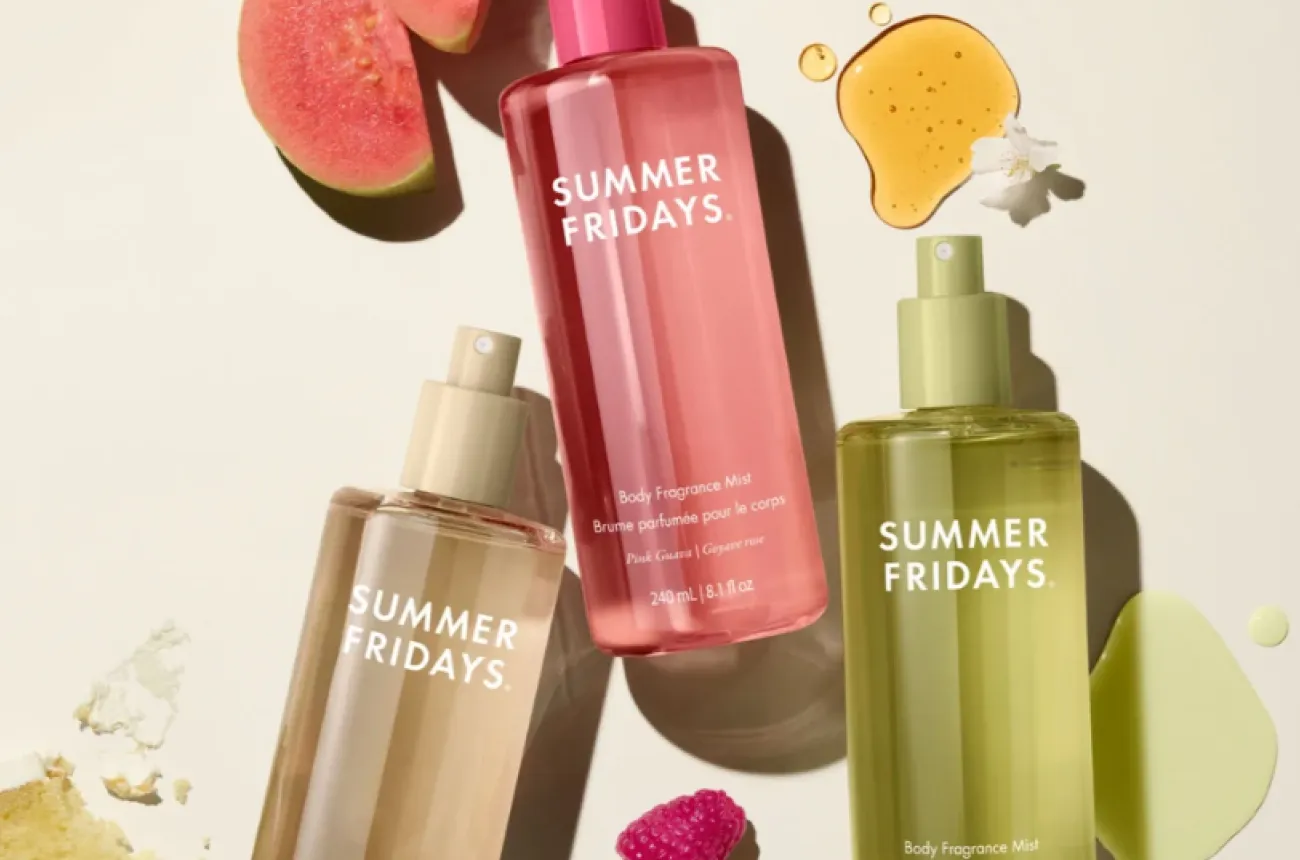
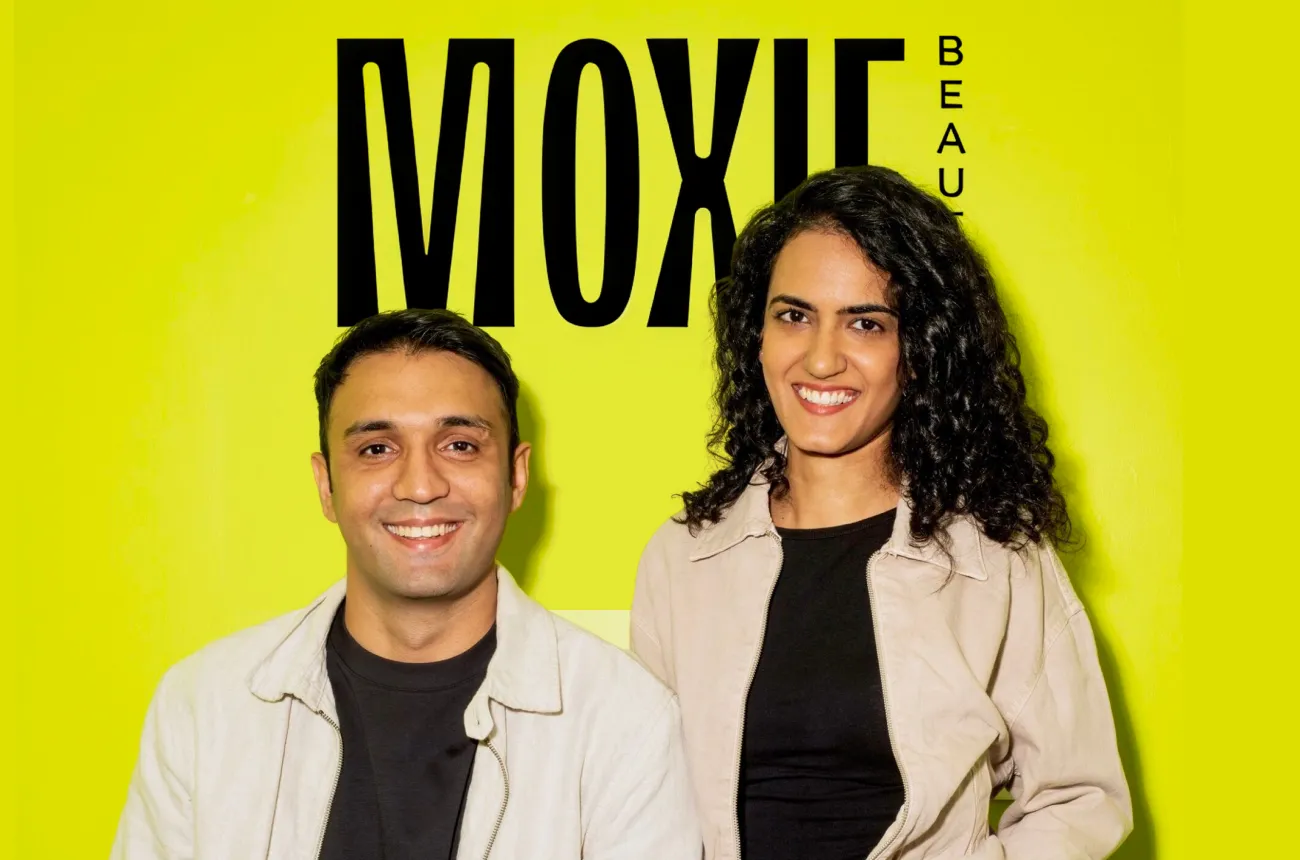
In the same haircare space, Moxie Beauty has built a distinct personality.
Fix My Curls has built a community.
Minimalist has built a design language that communicates the brand's entire philosophy in a glance.
Arata, with a name that carries no inherent meaning for a consumer encountering it for the first time, and a visual system that does not immediately communicate who the brand is for, competes at a disadvantage in every context where a consumer encounters it without prior product knowledge. The product can eventually overcome that disadvantage. But the brand should be doing this work faster and earlier, before a better-designed competitor occupies the same positioning.
"Arata" is clean, pronounceable, and distinctive as a word. It communicates nothing about what the brand does, who it is for, or what it stands for. In a category where every encounter is potentially a first encounter, a name that requires explanation is a structural liability in high-velocity discovery channels.
Compare this to Fix My Curls, which tells you exactly what it does and who it serves. Or Minimalist, which tells you the entire philosophy. Or Moxie, which tells you the personality. In a quick commerce listing or a Reels feed, the explanation does not happen, and Arata loses those moments to brands whose names do the positioning work without needing support. This is a harder problem to solve than packaging, because the name is fixed. What is not fixed is the visual and verbal system built around it, and that is where the investment needs to go.
The majority of Arata's revenue flows through Amazon, Nykaa, Flipkart, and quick commerce platforms, channels that optimise for price, conversion, and listing visibility rather than brand experience. In these contexts, Arata competes on product ratings and search placement. The brand story does not travel with the transaction.
Building brand equity while 70% of revenue happens in environments where brand is essentially a product rating is a structural tension that compounds over time. The consumer who bought Arata on Blinkit has a product relationship, not a brand relationship. The consumer who buys on Arata.in and receives a brand communication, personalised recommendation, or community content has a brand relationship. Those two consumers convert differently at repurchase, refer differently to their networks, and respond differently to price competition. The strategic priority is not moving all volume to D2C. It is deepening the brand relationship in the direct channel while marketplace volume continues to grow.
Arata's competitive window for establishing brand identity before well-funded competitors occupy the same positioning is not unlimited. The clean beauty and zero-toxin haircare space is attracting significant capital investment from multiple directions, and the brand that establishes the most distinctive visual identity in the space will attract new consumers at lower acquisition cost than the brands that arrive later with better-looking products.
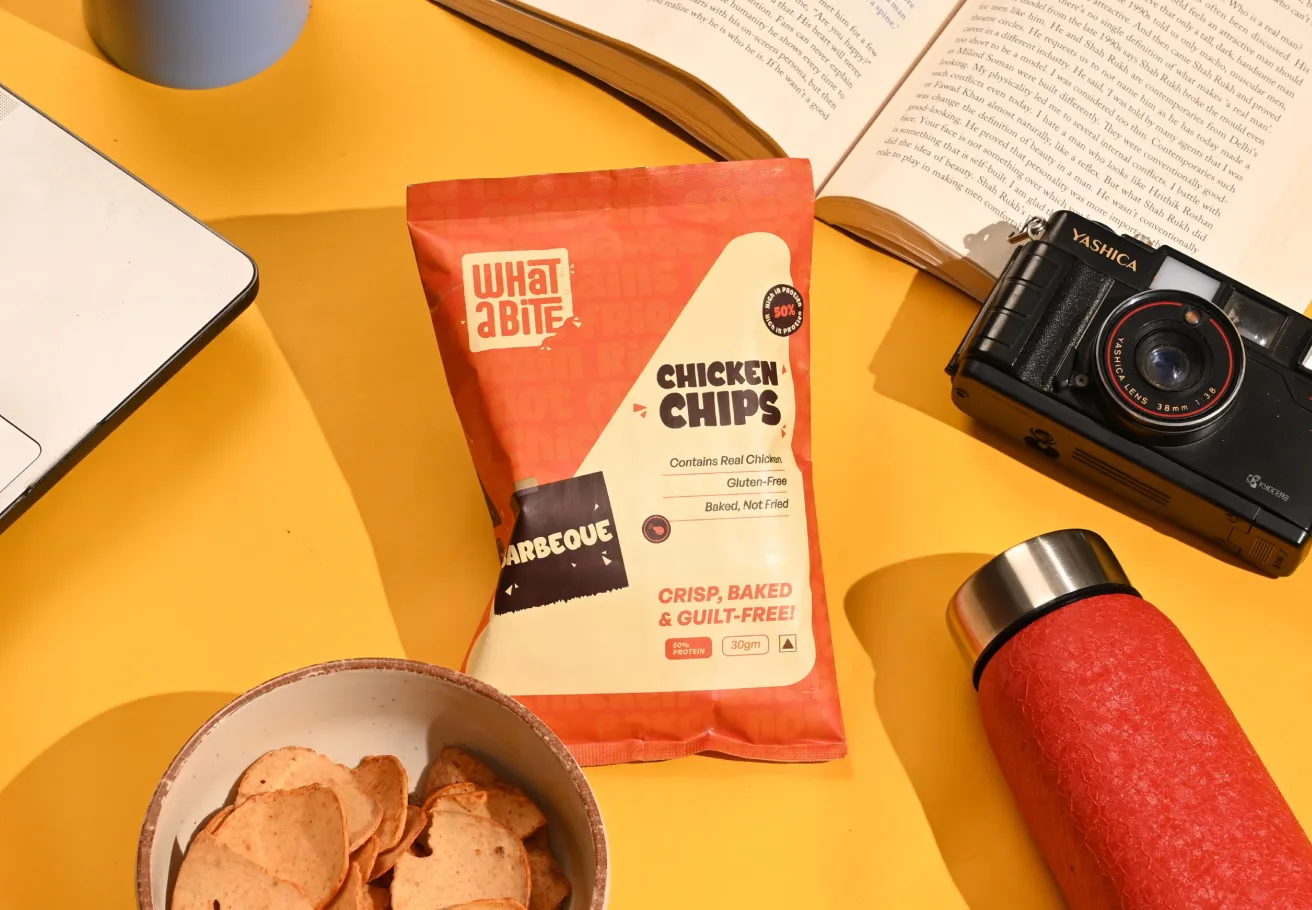
At Confetti, we have worked with WhatABite, a brand operating in a category that required significant consumer education and had a strong health-focused identity that needed to be consistent and visually compelling at every touchpoint. The discipline of making packaging, website, and social media content all feel unmistakably like the same brand, and making that brand immediately distinctive in discovery contexts, is the design work that Arata needs most urgently. This means a packaging system that communicates clearly in three seconds, a brand voice with genuine personality, and a visual world that makes the Arata consumer feel specifically seen rather than generally addressed.
Arata has disproportionate credibility with consumers whose hair has been failed by mainstream brands. Curly, wavy, and chemically-treated hair types that Dove and Pantene have historically addressed with formulations designed for different hair textures represent an enormous and underserved consumer community in India, one that is highly engaged on Instagram and YouTube and actively seeking brands that understand them.
Rather than spreading brand energy equally across all hair types and all personal care categories, Arata should build a positioned community around being the brand for the hair that mainstream brands gave up on. Community ownership in a specific context creates the kind of loyalty and word-of-mouth that no media spend generates. And for a brand whose strongest acquisition story is the consumer who found Arata after everything else failed, the community is already forming. The brand just needs to make a home for it deliberately.
The 30% D2C revenue represents the most commercially valuable portion of the business from a brand-building perspective, even if it is the minority of current revenue. The brand controls the narrative, the experience, and the customer relationship in a way that marketplace revenue structurally cannot allow.
Gradually deepening the D2C relationship through subscription models, personalised product recommendations, community content, and loyalty mechanics would give Arata a brand asset that marketplace revenue cannot build and a data asset that becomes more valuable with every purchase. The customer who buys on Arata.in and is converted into a subscriber is worth significantly more over their lifetime than the customer who reorders through Amazon because the rating is still 4.7 stars. Building that relationship more deliberately in the direct channel is what converts a product company into a brand company.
Arata has solved the hardest problem in clean beauty: it built a product that actually works for consumers who had been failed by everything else, and it got that product into markets that most competitors did not know were ready for it. The Rs 72 crore ARR, the 3X growth, and the dual backing of Unilever and L'Oréal are all signals that the category bet was correct and the execution has been credible.
The rating of three stars reflects a specific and solvable gap, the brand identity has not kept pace with the product quality or the distribution reach. The product has earned its next chapter. In a market where visual discovery is increasingly the primary acquisition channel and where well-funded competitors are beginning to occupy the same clean beauty positioning, the brand work is no longer optional. It is the most commercially important investment available to Arata in the next 18 months.
If you are building a clean beauty or personal care brand and want an identity and visual system that earns discovery before the product earns trial, Confetti can help you build the brand your formulation deserves.
Want strategic branding and packaging like this for your business?





.webp)
.webp)

.webp)
.webp)
.webp)
.webp)
.webp)







.svg)
.webp)



.svg)
.svg)









































































.webp)








.webp)



.svg)