%201.webp)
02
AI Snaps
.svg)
.svg)
01
Our Work
03
About Us
04
Brand Audit
05
Contact Us
06
Client Success
12
07
Blogs
08
Careers
Book A Call
.svg)



Need Help In Building Your Brand?
Click the button below & book a call with our founder directly.

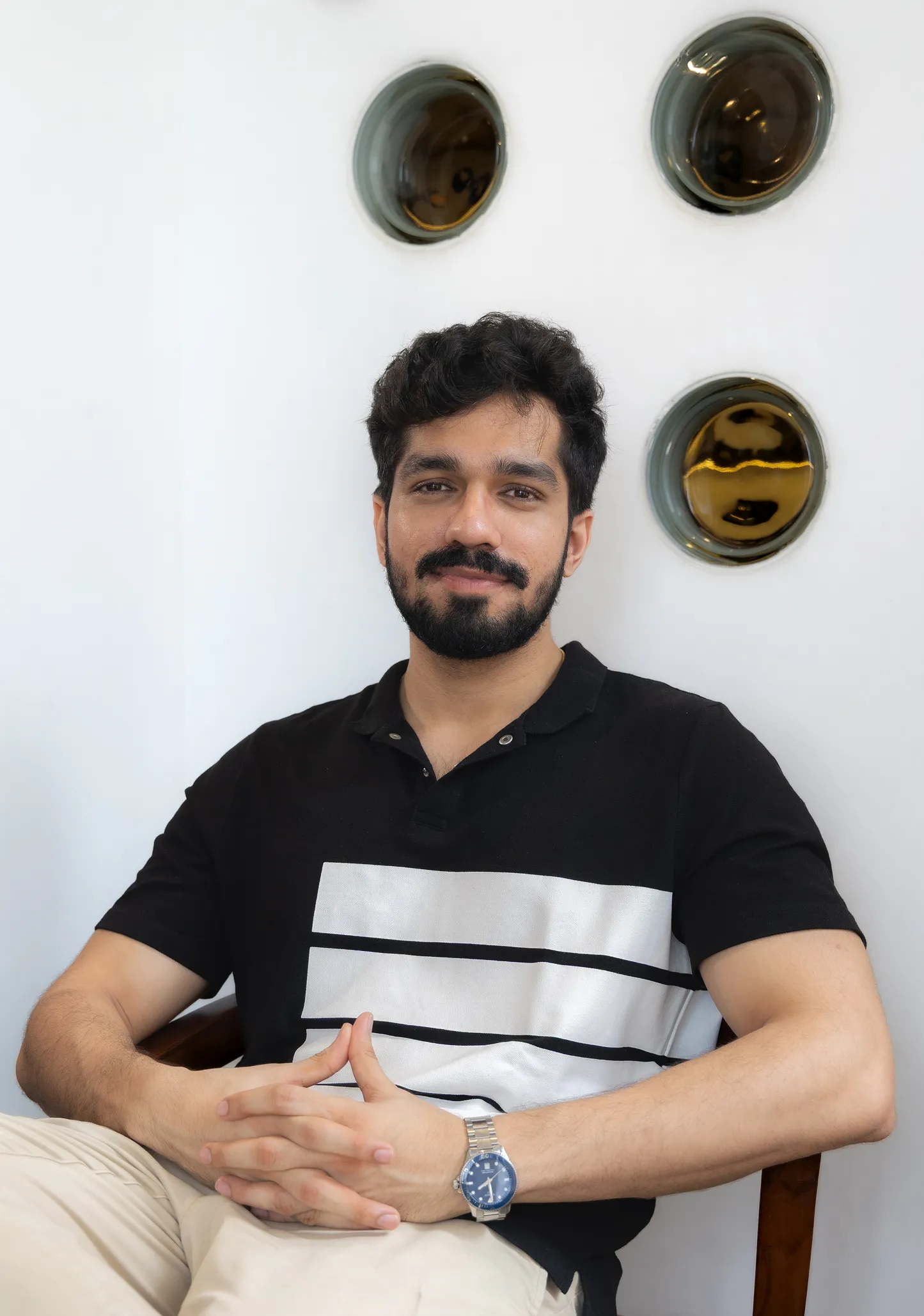
Rishabh Jain
Managing Director
Dohful | Confetti's Verdict ⭐⭐⭐½
Confetti Design Studio has analysed Dohful, current as of July 2026, the brand that introduced India to the soft-baked, baked-on-order cookie and turned a home-kitchen experiment into one of the country's most quietly beloved D2C names.
Arushi Sachdeva and Chaman Raj, a husband-and-wife team who had previously built two other ventures together, founded Dohful in Noida in October 2018 and grew it without institutional funding, building the early business almost entirely on a website, a weekly founder newsletter and word of mouth. It never became a large company by revenue, with public estimates placing it under ₹10 Cr, yet its community engagement punched far above that weight.
In November 2024 the brand was acquired by the tea-café chain Chaayos, and it has since shifted from a purely online cookie brand into a growing network of physical Cookies and Coffee stores across Delhi NCR.
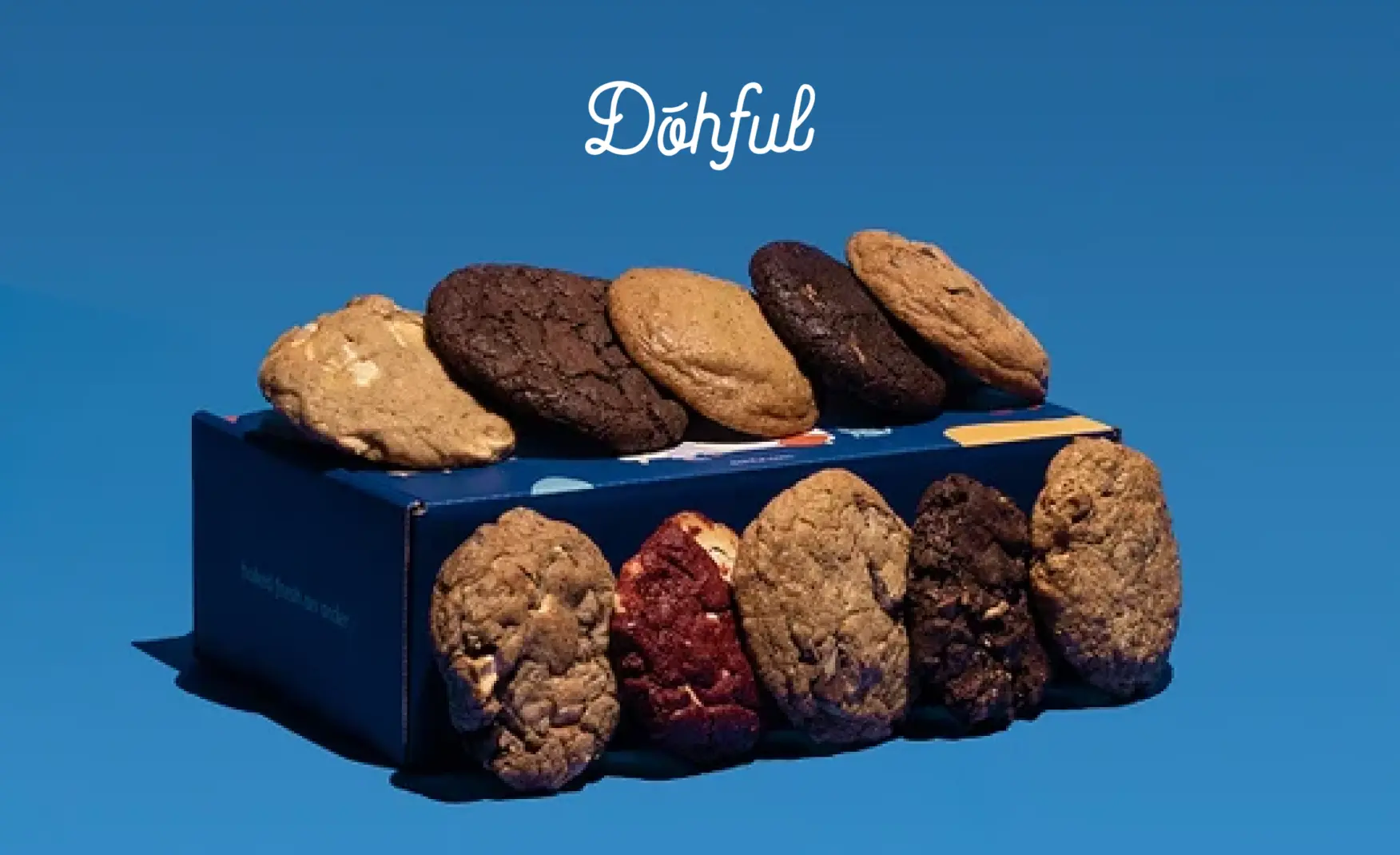
Dohful reaches for blue as its primary brand colour, an unusual choice in a food and beverage category that almost always defaults to warm reds and oranges.
That blue, paired with white, carries consistently across the website, the packaging and the physical Cookies and Coffee stores, so a customer recognises the brand the same way whether they are ordering online or standing inside a store.
The logo mark itself, an uppercase "D" rendered in a cursive script, gives the wordmark a handwritten warmth that plain type would not.
The name carries its own small piece of craft too, built from "dough" and "full" into Dohful, a name that is easy to say, easy to remember and quietly tells you what the brand makes.
.webp)
Most food founders in India start by picking a proven category and trying to do it slightly better.
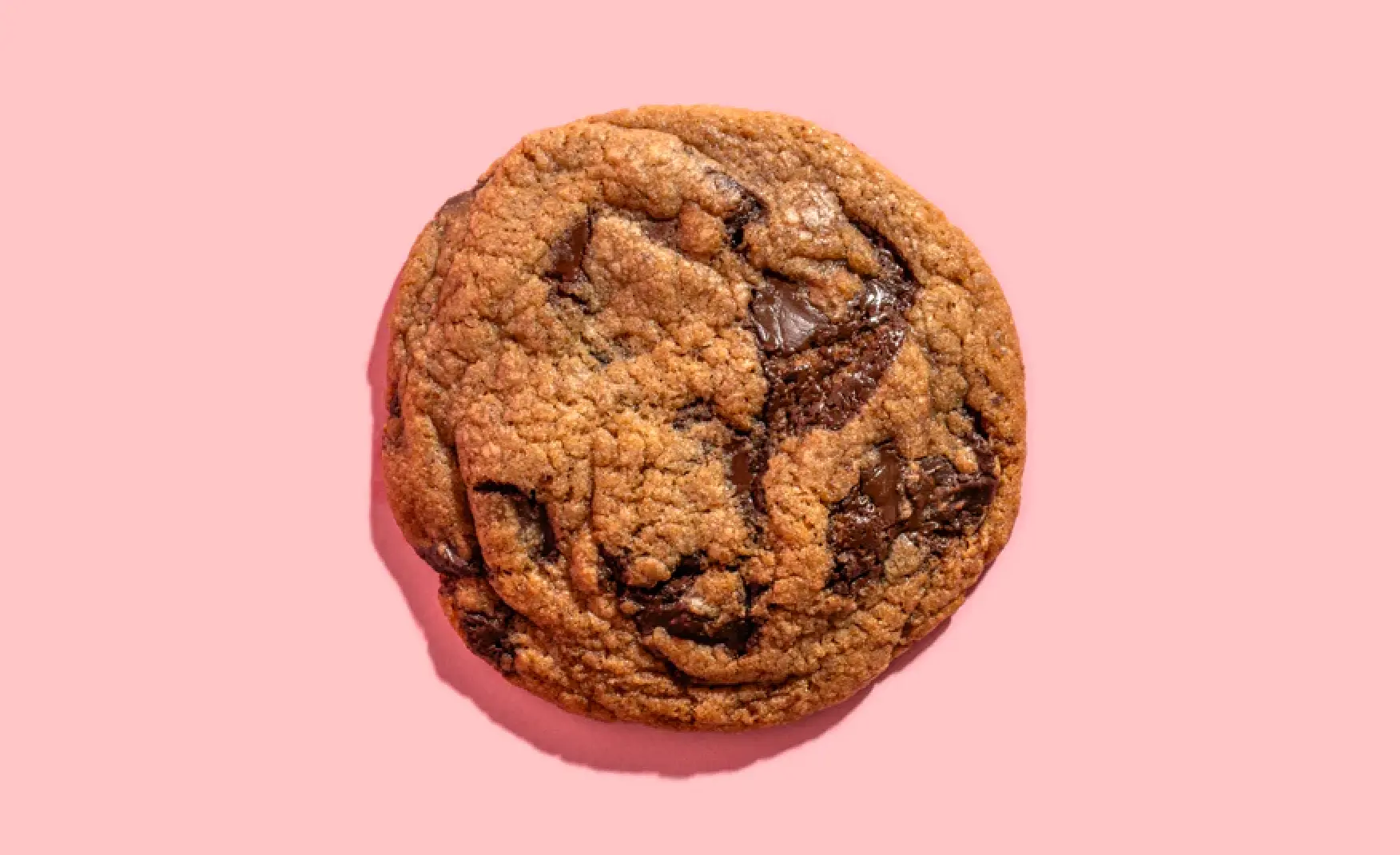
Dohful did something rarer, importing a soft, gooey, bakery-style cookie experience that did not meaningfully exist in India and building a brand around being first to do it properly. The Choco Chunk Cookie, landed on after weeks of kitchen testing, became the wedge for an entire category.
Positioning itself as India's first soft-baked cookie brand gave Dohful a category of one to lead, rather than a category of many to fight inside.
Category creation compounds in a way feature competition never does, and the education Dohful gave Indian consumers about what a soft-baked cookie even is has become embedded equity.
Where most D2C brands treat email as a discount channel, Dohful built something closer to a relationship.
Its weekly Sunday Letters newsletter, written in the founders' own voice, reportedly reached around 50,000 subscribers with roughly a 30% open rate, numbers achieved without the media budget most venture-funded brands would need to buy that attention.
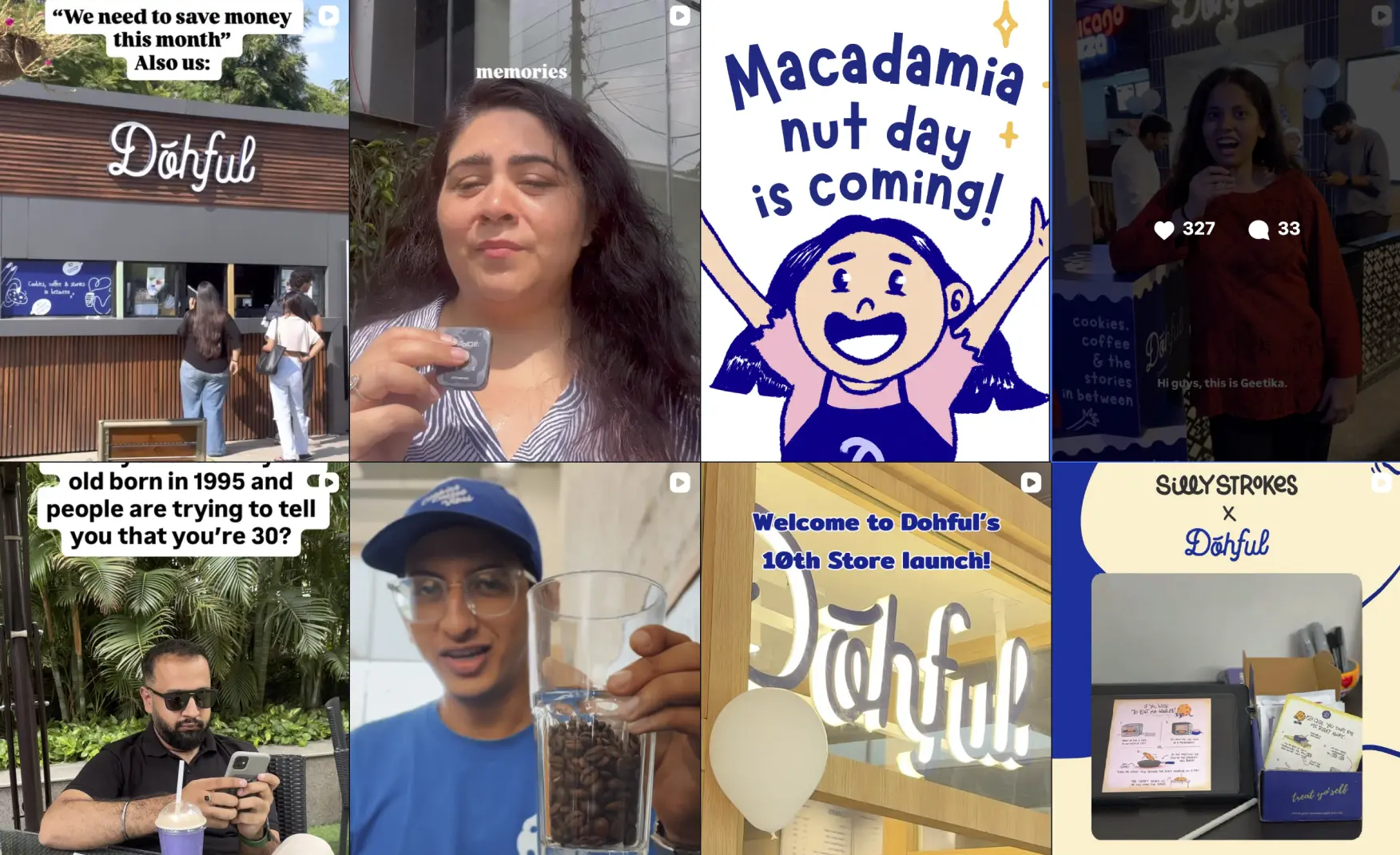
When Dohful needed an illustrated care card for its cookies, it put out a call to its own Instagram community for an illustrator rather than briefing an agency, and was flooded with responses.
For years this community was the growth engine, with the overwhelming majority of orders reportedly coming through the brand's own website rather than marketplaces or paid channels.
Almost every packaged-food brand in India is engineered for shelf life, since distribution and quick commerce reward a product that can sit in a warehouse for months.
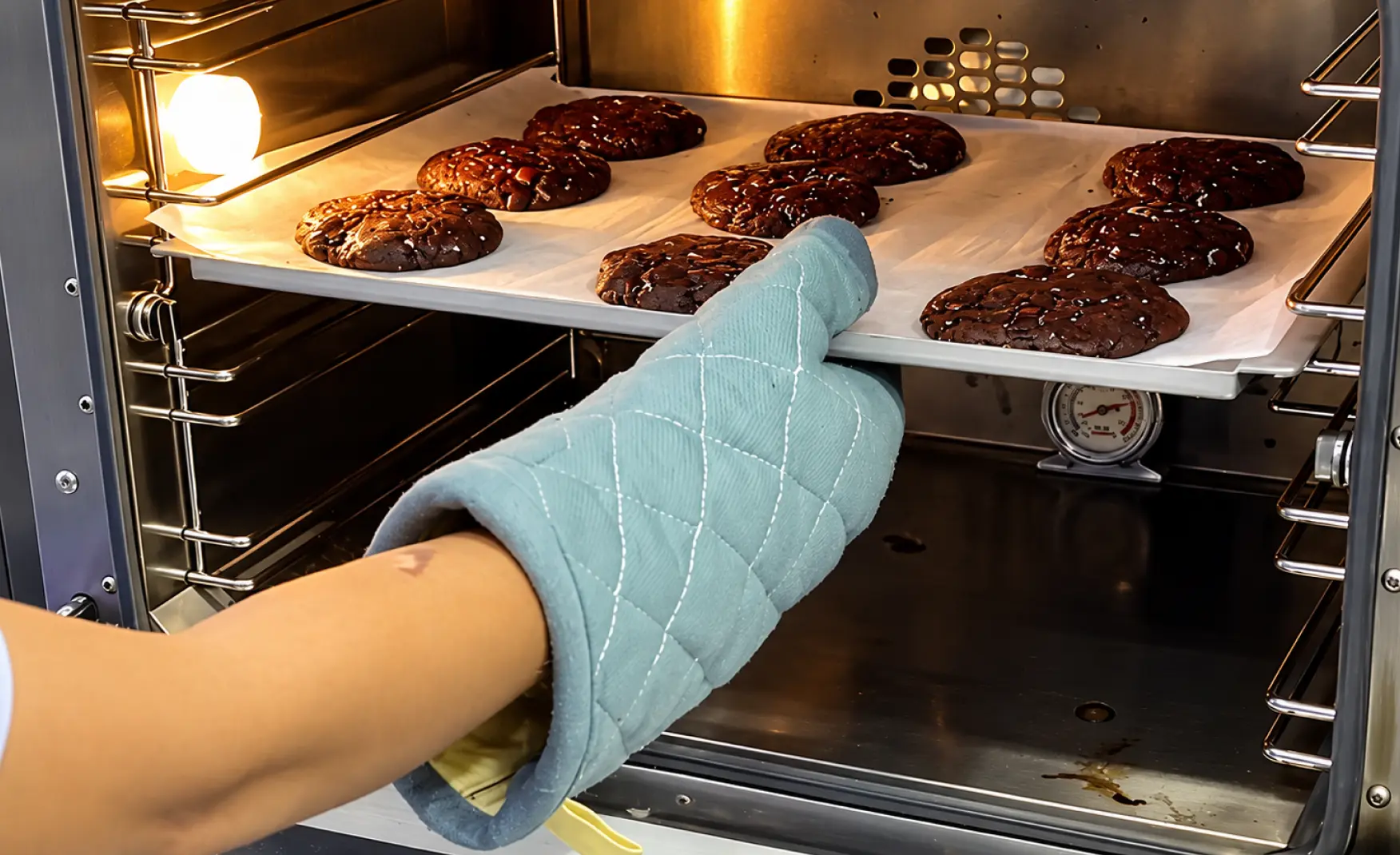
Dohful built its model on the opposite principle, baking cookies fresh on order, kept eggless and free of preservatives, and shipping rather than stockpiling. This is operationally the harder path, and the brand turned that difficulty into its clearest proof of authenticity.
In a market where "fresh" is usually a claim printed on a preservative-heavy pack, Dohful made freshness structural rather than cosmetic.
That is what lets Dohful command a genuine premium without apologising for it, since a shopper who understands the product is made to order accepts a higher price and a delivery wait as part of the point.
Plenty of craft-food brands reach for a premium look built from muted palettes and serious serif type, hoping quiet restraint reads as quality.
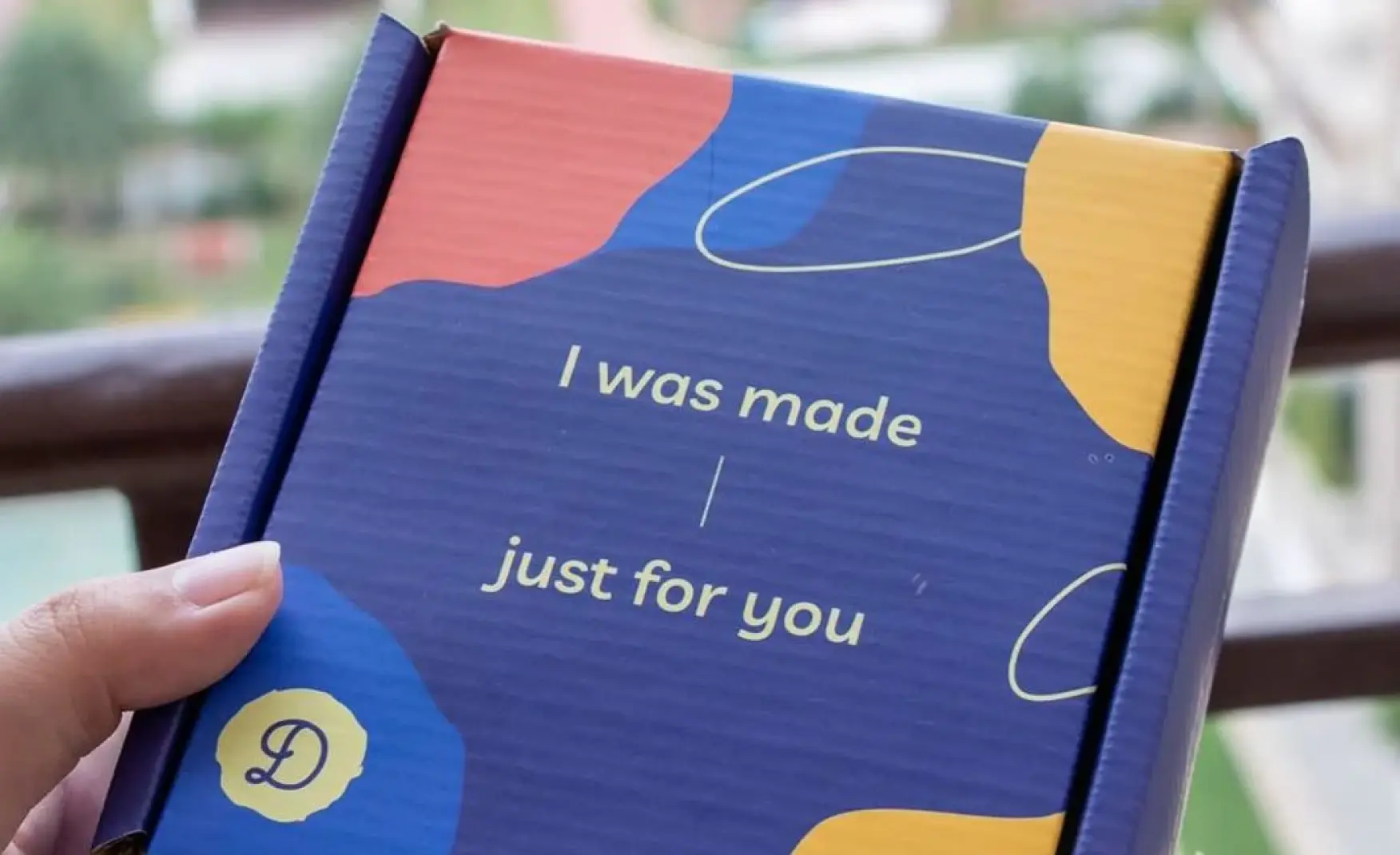
Dohful went the other way and made warmth its design principle, leaning into a personable, hand-drawn visual world where cookies become characters. When the brand needed a storage-and-heating instruction card, it turned a functional list of steps into a playful dialogue with the cookies themselves doing the talking.
That same thinking runs through a large cookie box designed to capture real "Dohful moments" customers had shared, so the packaging becomes a mirror of the community rather than a billboard.
Many brands manufacture an origin myth in a strategy session, Dohful has one that is genuinely load-bearing.
The story of a couple who tasted a soft-baked cookie on holiday, could not find it back home, and spent over 70 days and 300-plus trials testing recipes in their own kitchen is not decorative background. It is the reason to believe the product.
The founders came from engineering and management backgrounds with prior food and beverage experience, which lends operational credibility on top of the emotional story.
A founder story is not content to post once on an About page, it is a strategic asset that can run through the newsletter, the packaging and the customer service until the brand and the people become inseparable.
The same baked-on-order model that gives Dohful its authenticity also caps how large it can comfortably become.
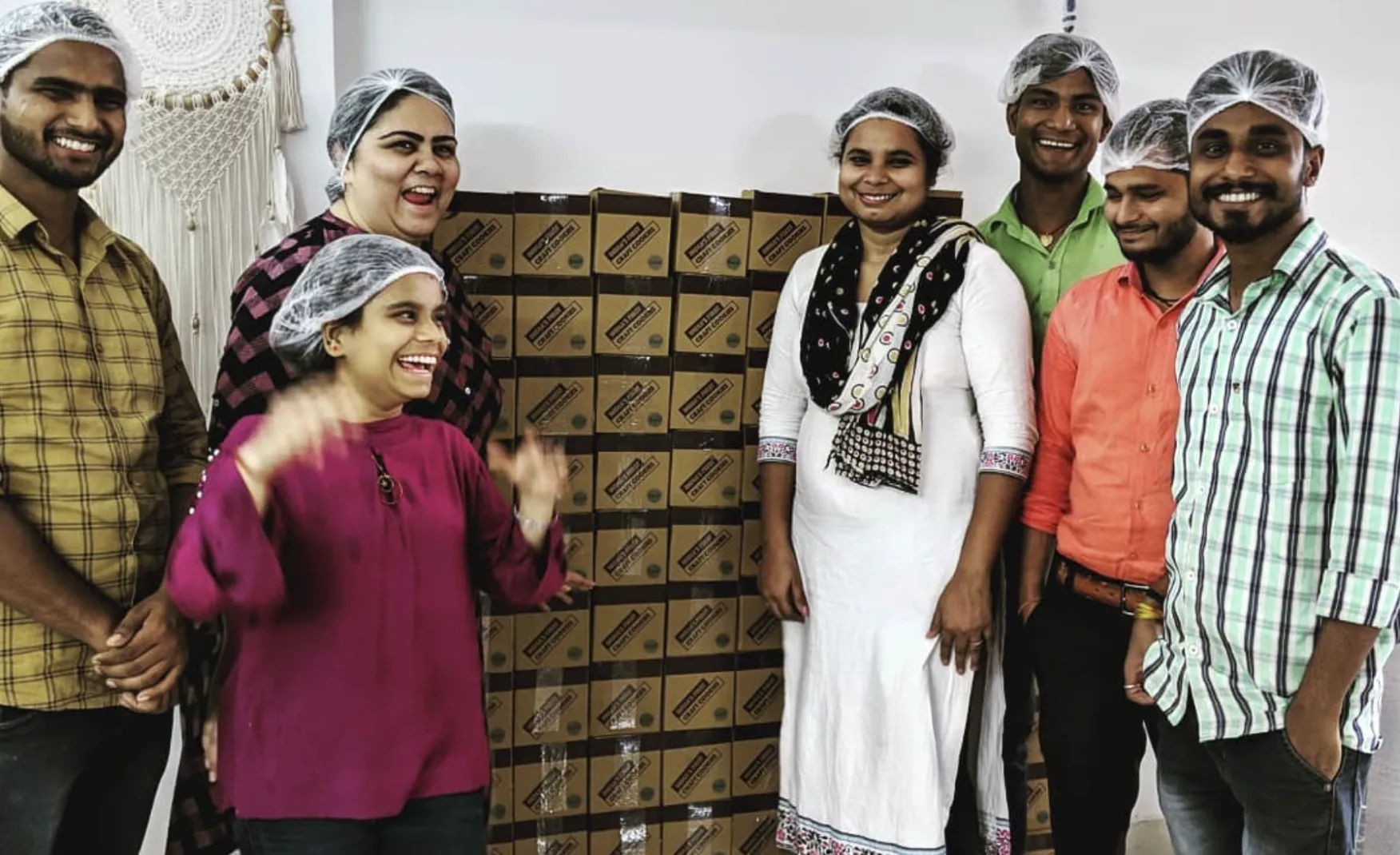
A product made fresh for each order and shipped rather than stocked is inherently harder and costlier to scale than a shelf-stable pack that quick commerce can hold and push. This is the central commercial reality behind the brand's modest revenue, estimated under ₹10 Cr.
Dohful also sits in a snacking landscape where better-funded players approach the same shelf from different angles, from the transparency-led snacking of The Whole Truth to the healthier-cookie positioning of Open Secret and Wicked Gud.
Dohful's premium, made-to-order proposition is genuinely differentiated, but differentiation at a small scale can become a niche if the brand cannot widen the funnel without diluting what makes it special.
Dohful's greatest asset was always its voice, the earnest, human, founder-led tone that ran through the Sunday Letters.
The brand's current homepage language leans into a meme-forward register instead, with lines like "cookies that absolutely SLAP," a tone that is louder and far less distinctive than the storytelling that built the community in the first place. It is not that this voice is wrong for social media, it is that it sounds like a hundred other brands.
More concerning is that the Sunday Letters themselves have quietly receded as Dohful opened offline stores and shifted focus.
A brand that lets its single most differentiated channel go dormant is trading a moat for a trend, and in a category where loyalty is emotional, that shift can erode the exact affection that made Dohful worth more than its revenue suggested.
The most consequential development in Dohful's story is its acquisition by Chaayos, the technology-led tea-café chain, and the accompanying pivot into physical Cookies and Coffee stores across Delhi NCR.
On paper this is a powerful match, since Chaayos brings real estate capability, operational depth and a proven café playbook, precisely the muscle a small D2C cookie brand lacks. An offline format could solve the scale ceiling the baked-on-order model imposes online.
The risk is one of identity rather than capability, since Dohful's value was never really the cookie alone, it was the intimate, founder-led brand wrapped around it.
As the store count grows toward the roughly three dozen locations the brand now runs across Delhi NCR, the danger is that the warmth and the personal voice get flattened into an efficient but ordinary retail experience.
Dohful should revive and reinvest in the very thing it has allowed to fade.
The Sunday Letters were never a marketing tactic that had run its course, they were the brand's single most defensible asset, a direct, owned relationship with tens of thousands of people that no competitor or platform could take away. A modern version of the letter could easily carry the story of the offline expansion instead of disappearing because the business went offline.
Dohful cannot be both the earnest, handcrafted, founder-letter brand and the interchangeable meme brand without eventually confusing the people it is trying to keep.
The intimate, warm, human register is the far more valuable and ownable of the two, since a Gen-Z internet tone is easy to copy while a sincere, specific founder voice is not. Settling that voice is a positioning decision that should cascade through the newsletter, the packaging, the store and the social feed alike.
Dohful is one of the more genuinely likeable brands in Indian D2C, and its strengths are the kind that money cannot easily buy.
It invented and named a category, built a real community through a candid founder newsletter, and turned the hard choice of baking on order into a credible premium.
The tension is that Dohful now stands at the exact moment where that carefully built equity is most at risk, with its most distinctive channel fading, its voice drifting toward something more generic, and its Chaayos acquisition able to either scale the brand properly or quietly erase what made it special.
If you are building a food or snacking brand and want your identity and story to carry the same warmth at scale that it had on day one, get in touch with Confetti Design Studio.
Want strategic branding and packaging like this for your business?




.webp)
.webp)

.webp)
.webp)
.webp)
.webp)
.webp)







.svg)
.webp)



.svg)
.svg)









































































.webp)








.webp)


.svg)