%201.webp)
02
AI Snaps
.svg)
.svg)
01
Our Work
03
About Us
04
Brand Audit
05
Contact Us
06
Client Success
12
07
Blogs
08
Careers
Book A Call
.svg)




Need Help In Building Your Brand?
Click the button below & book a call with our founder directly.

Rishabh Jain
Managing Director
Gully Labs | Confetti's Verdict ⭐⭐⭐⭐
Confetti Design Studio has analysed Gully Labs to understand how a handcrafted sneaker brand launched in August 2023 by Arjun Singh and Animesh Mishra reached Rs 2 crore in monthly sales by the end of 2025, raised Rs 35.2 crore across five rounds including a Rs 26.5 crore Series A led by Saama Capital in January 2026 with participation from Radhika Gupta of Edelweiss and Roman Saini of Unacademy, built its own manufacturing facility in Noida producing 5,000 pairs per month, opened its first flagship in South Delhi in September 2025, and appeared on Shark Tank India Season 5.
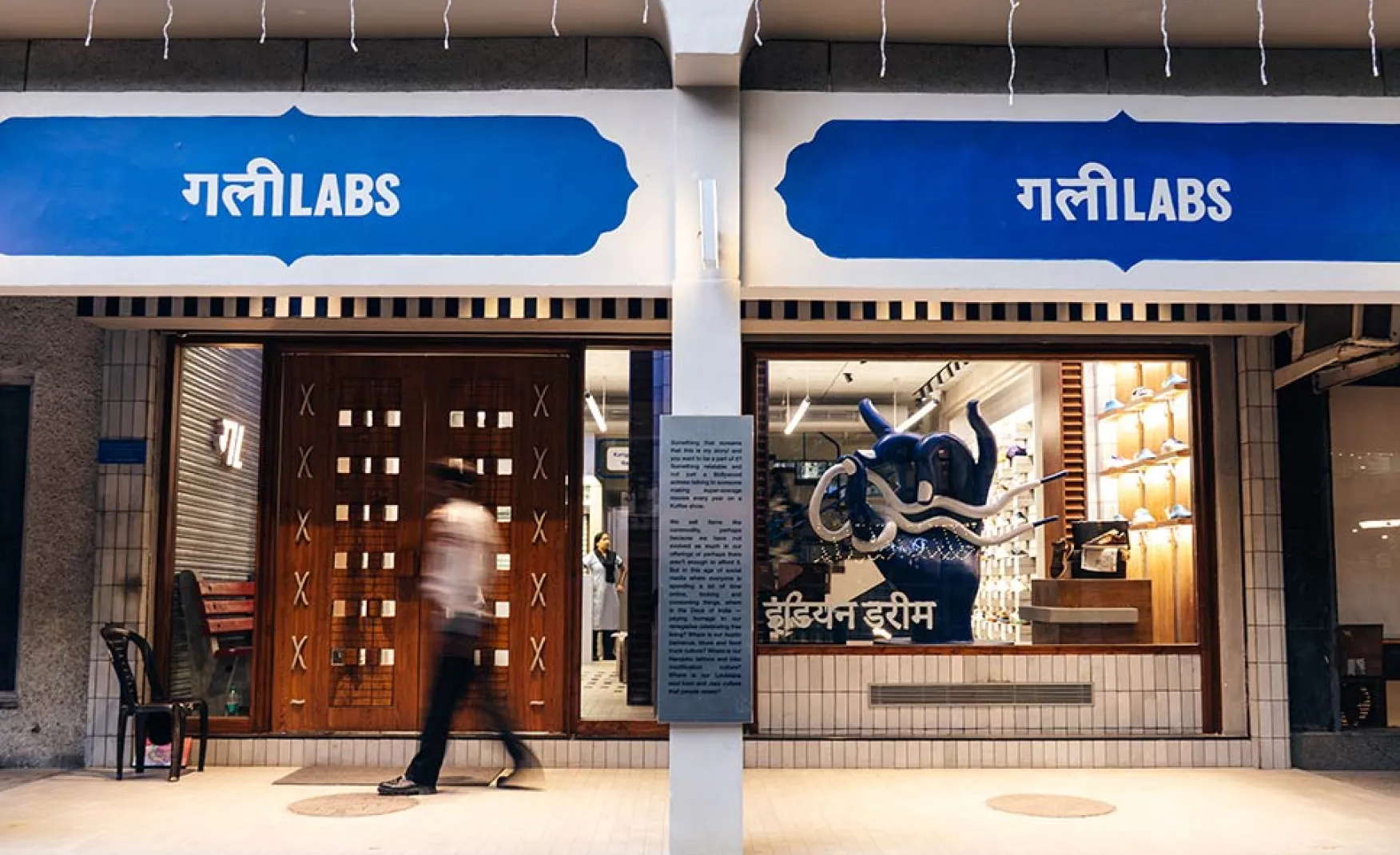
Naming a premium Indian sneaker brand is a genuinely difficult brief. The name has to communicate cultural authenticity without becoming parochial. It has to signal craft and design intelligence without sounding imported. And it has to operate in the same cultural register as the consumer it wants to attract, the urban Indian who grew up watching global sneaker culture and is now ready for a homegrown alternative that does not feel like a compromise.
"Gully" carries the weight of Indian street culture where the lanes where cricket is played, where communities form, where youth culture has always developed independently of aspirational shopping malls and global brands. It is an honest word, not an aspirational one. And that honesty is exactly what the brand needs to claim cultural authenticity at a Rs 10,000-plus price point. "Labs" adds the design intelligence dimension: experimentation, craft, product thinking, and the suggestion of a team that approaches footwear as a creative problem to be solved rather than a SKU to be manufactured.
The bilingual logo execution, with "Gully" rendered in Hindi script and "Labs" in English, carries this duality into the visual identity without announcing it. A consumer who reads Hindi understands both layers simultaneously. A consumer who reads only English understands the cultural register from the word alone. This layered communication is intelligent brand design: it rewards depth without requiring it.

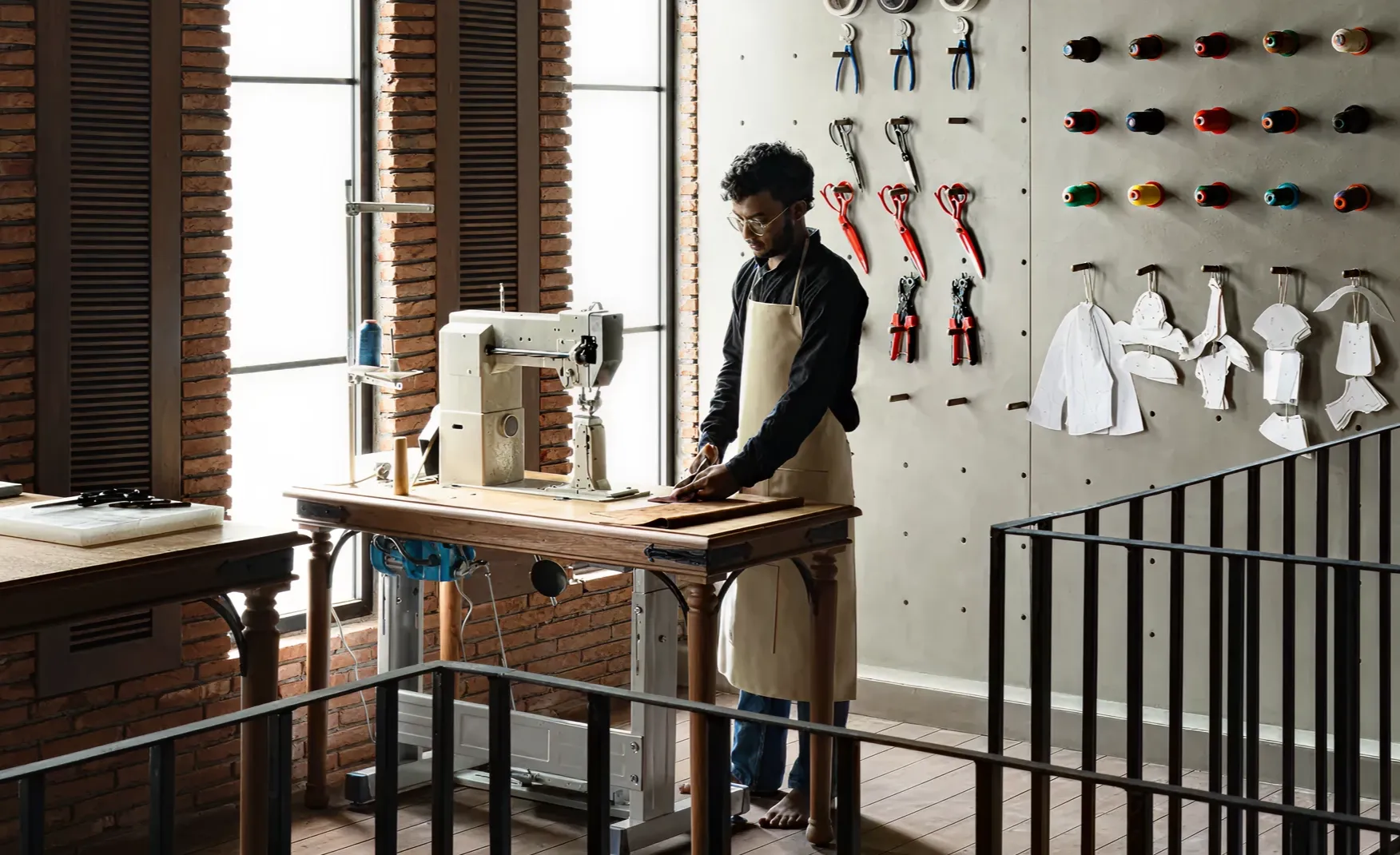
The decision to build a manufacturing facility in Noida before raising institutional capital, at a stage when the brand was generating Rs 50 lakh in monthly sales and could have easily outsourced production, is the most commercially counterintuitive and most strategically important decision in Gully Labs' short history.
Every advisor who heard the idea spoke against it. The conventional startup logic is to validate demand before investing in production capacity. Arjun Singh's reasoning was the reverse actually, he believed that the specific handcrafted designs Gully Labs wanted to produce could not exist without a factory built to make them. Contract manufacturers would have forced the brand to adapt its designs to existing production capabilities. An owned factory allowed the designs to drive the production process. The Phulkari-inspired embroidery, the Onam-themed detailing, the cultural specificity that makes Gully Labs distinctive, none of these would have been possible at the quality level the brand required if the production had been outsourced to facilities designed for standardised mass-market footwear.
The factory is now producing 5,000 pairs per month. It is the operational foundation on which every brand promise Gully Labs makes rests. When the brand says handcrafted, the factory makes that claim verifiable. When the brand says culturally specific, the factory makes that claim possible. It is not just an operational asset. It is a brand asset that competitors who chose contract manufacturing cannot replicate without significant time and capital investment.
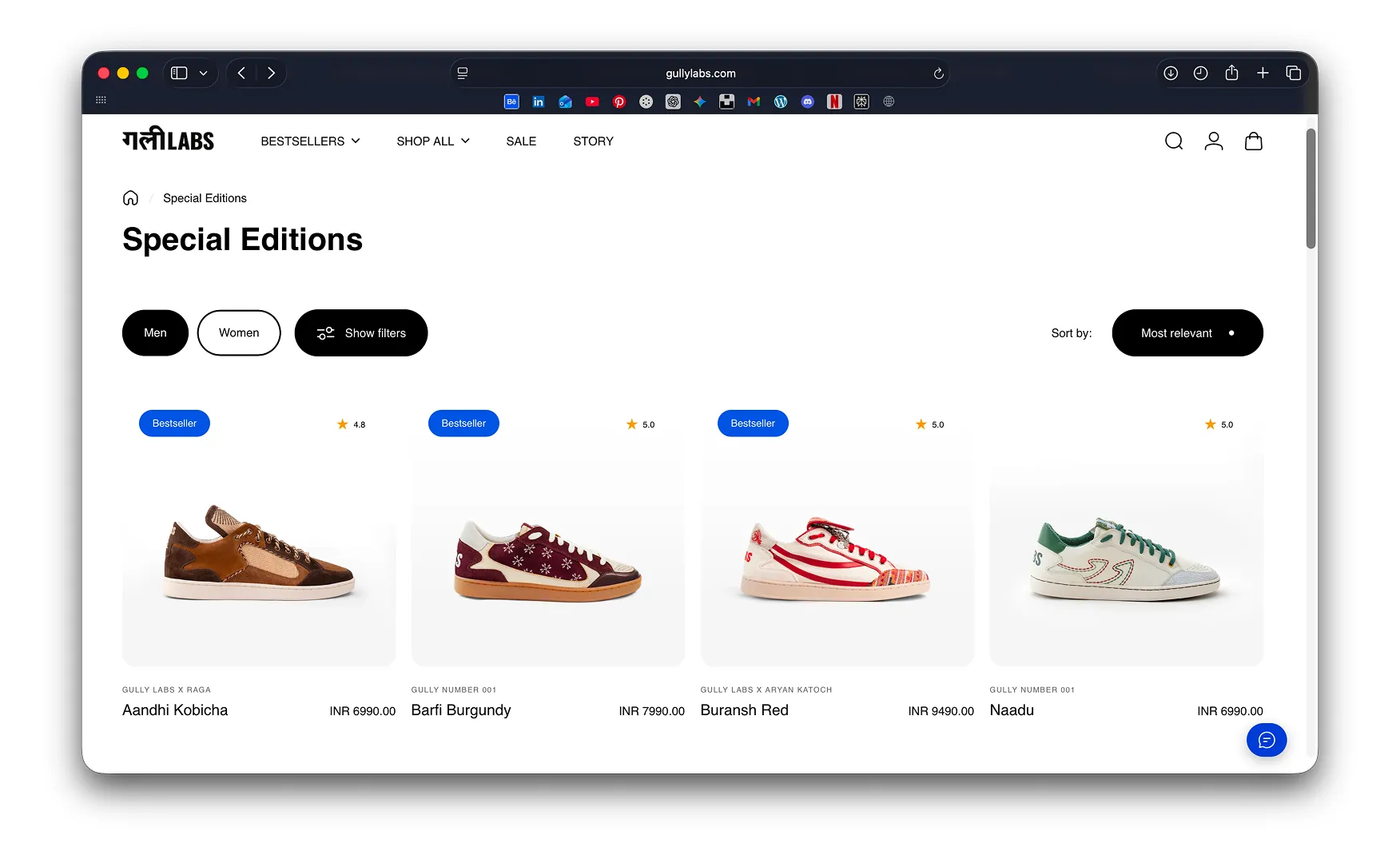
Most footwear brands name their products with the same logic as car manufacturers like alphanumeric codes, founder surnames, or invented words that mean nothing. Gully Labs has made a different and significantly more valuable choice.
Collection names like Gully Number 01 Barfi, Gully Number 01 Baaz Faris Black, Gully Number 01 Baaz Leila Navy, and Gully Number 03 Rosa Pink are not product codes. They are cultural references that extend the brand's storytelling down to the individual SKU. "Barfi" evokes sweetness and Indian childhood. "Baaz" is Urdu for falcon, signalling speed and sharpness. "Leila" carries a poetic, literary weight. Each name contributes a micro-narrative that makes the product feel like it belongs to a larger cultural world rather than a catalogue.
This naming discipline creates a brand vocabulary that is uniquely Gully Labs. A competitor can produce a similar silhouette. They cannot produce a similar name. Brand vocabulary, the specific language a brand uses to describe its products, is one of the harder things to replicate because it requires both cultural intelligence and creative consistency across every product decision. Gully Labs has demonstrated this consistency from its first collection.
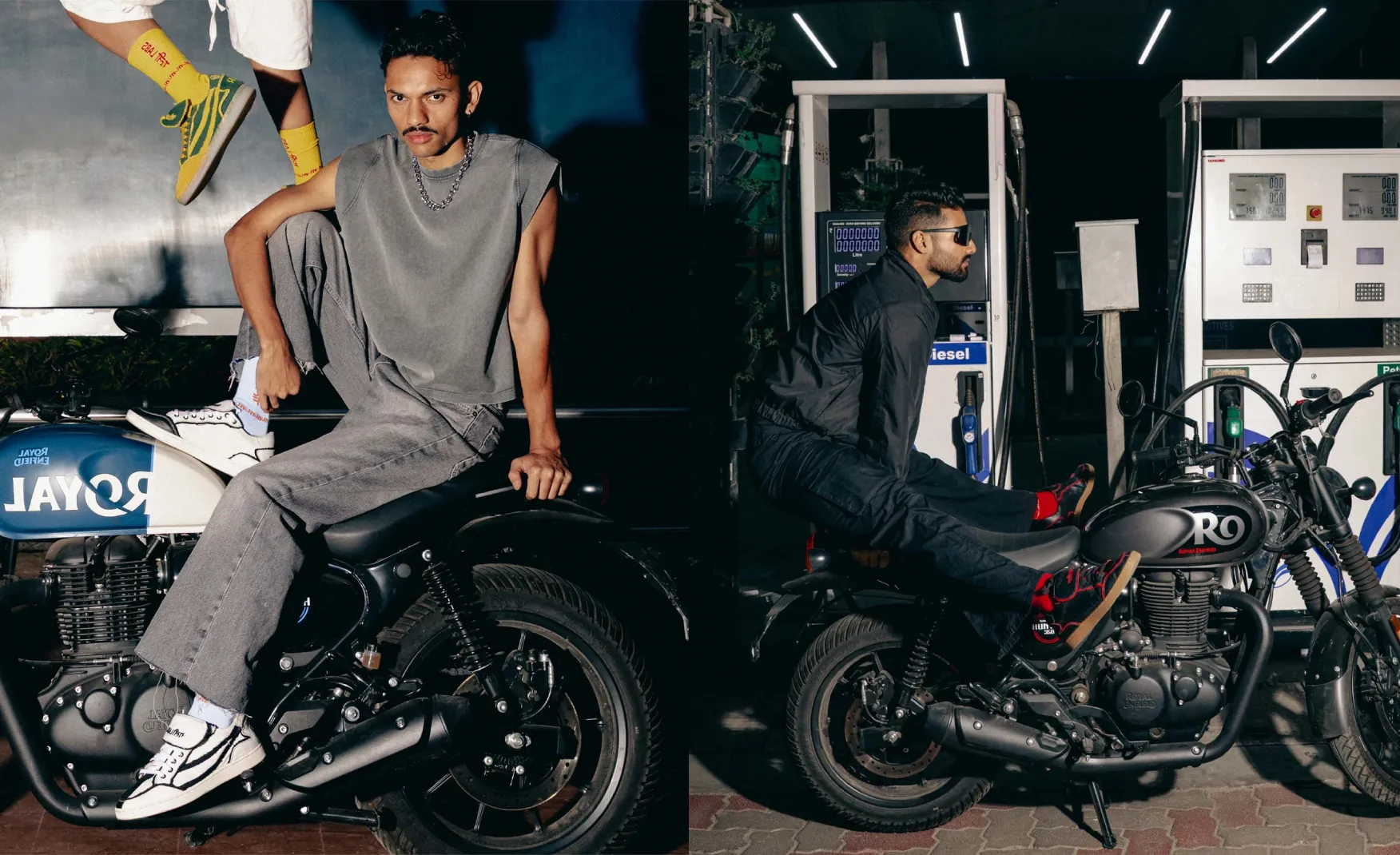
The April 2025 collaboration with Royal Enfield for a Hunter 350-inspired sneaker is one of the most strategically coherent brand partnerships in Indian fashion and footwear in recent memory. Understanding why requires unpacking what both brands bring to the collaboration and what each gains from it.
Royal Enfield is a brand whose cultural authority in India is entirely homegrown: built on decades of relationship with Indian roads, Indian riders, and Indian communities that have formed around the machines. It is a brand that is simultaneously premium and accessible, aspirational and authentic, global in reach and unmistakably Indian in identity. These are precisely the qualities that Gully Labs is building towards in footwear.
The Hunter 350-inspired sneaker is not a product that could have existed without both brands. It requires Royal Enfield's cultural authority to give the sneaker its reference, and it requires Gully Labs' handcrafted design capability to give that reference a physical form that justifies premium pricing. For the consumer who owns a Royal Enfield and wants to extend the cultural relationship into their footwear, the collaboration is a genuinely meaningful product. This is the test of a good brand partnership: does the product exist because both brands needed it to, or is it a commercial arrangement dressed as a creative collaboration? The Royal Enfield sneaker passes that test.
A brand that raised its first institutional round in December 2024 and its first significant capital in January 2026 has no commercial justification for investing in high-production brand films, stylised photography, and considered campaign direction. Most brands at this stage put everything into product and distribution and let the storytelling wait until there is budget for it.
Gully Labs has made the opposite bet, and the wager is correct. In a category where the consumer's purchase decision is as much about cultural identity as product quality, the story must be as good as the shoe. A potential buyer who discovers Gully Labs through a campaign film that communicates craft, cultural depth, and design intelligence is a significantly better-qualified buyer than one who discovers it through a product listing on Amazon. The campaign investment is not a brand luxury. It is a conversion strategy for a premium-priced product in a category where consumer confidence must be built before the first purchase.
The Shark Tank India Season 5 appearance built on this foundation effectively. Rather than treating the television exposure as a standalone PR moment, the brand integrated the Shark Tank credibility into its ongoing communication and conversion funnels. For a D2C brand at Gully Labs' stage, third-party validation from a commercially credible platform like Shark Tank is one of the fastest ways to compress the trust-building timeline for a consumer who has never encountered the brand before.
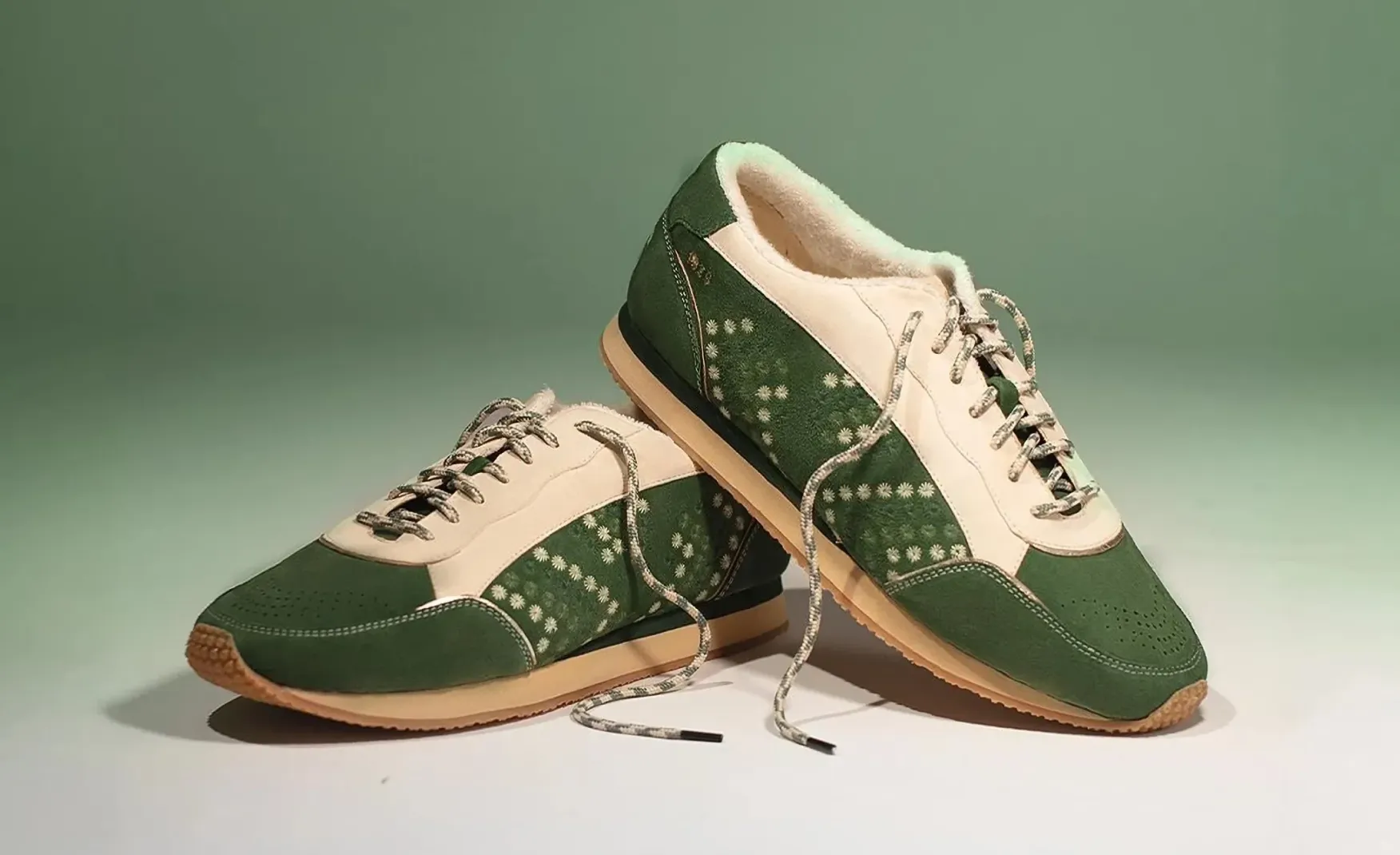
The name Gully is the brand's most valuable asset and its most complicated one simultaneously. "Gully" in Indian cultural imagination is associated with street culture, community, and accessibility. These associations are exactly what gives the brand its authenticity. They are also, for a segment of potential consumers, exactly what makes a Rs 10,000-plus price point feel incongruous.
This is not a unique problem. Supreme costs hundreds of dollars and was born from New York skate culture, which is not an inherently wealthy subculture. The price tension is managed through brand narrative: the argument that craft, limited production, and cultural specificity justify the premium regardless of the cultural origin point. Gully Labs needs to make this argument more explicitly and more consistently across every consumer touchpoint than it currently does. The factory story, the in-house manufacturing, the Phulkari embroidery sourcing, the cultural research behind each collection: all of this is the evidence that the premium is earned. It needs to be communicated as relentlessly as the cultural identity.


The Royal Enfield collaboration is an example of a partnership that worked because the cultural and creative logic was complete. The challenge ahead is maintaining that standard as the brand's profile grows and collaboration opportunities multiply. Every brand that builds cultural credibility in a niche category eventually faces the same inflection: the moment when the pipeline of partnership proposals grows faster than the team's capacity to evaluate them against the brand's founding principles.
A brand partnership that feels culturally misaligned does disproportionate damage to a brand built on authenticity. The consumer who chose Gully Labs because it felt genuinely Indian and genuinely crafted will not forgive a collaboration that feels commercially motivated rather than creatively necessary. A documented collaboration framework, with explicit criteria for which partners reflect the brand's cultural identity and which do not, would allow the team to evaluate incoming opportunities quickly and consistently rather than making case-by-case judgments under commercial pressure.
The Noida factory producing 5,000 pairs per month is the foundation of the brand's premium positioning. The Series A capital from Saama Capital is partly earmarked for expanding manufacturing capacity toward larger volumes. This creates a specific quality risk that every handcrafted brand faces at the production scale-up stage: the techniques and quality standards that are manageable at 5,000 pairs per month are significantly harder to maintain at 20,000 or 50,000 pairs per month.
The brands that successfully scale handcrafted production are those that invest as heavily in quality control systems, artisan training, and production standards documentation as they do in machinery and capacity. The brand's credibility is built on the claim that every pair is handcrafted to a premium standard. That claim must survive the scale-up in production volume. If the product quality begins to drift as volume grows, the premium pricing becomes increasingly difficult to sustain, and the brand's most important competitive advantage is undermined at exactly the moment it needs to be strongest.
The Noida factory is one of Gully Labs' most powerful brand differentiators and currently one of its least communicated. For a consumer deciding between a Rs 10,000 Gully Labs sneaker and a comparable international alternative, the knowledge that the product was designed and manufactured in-house, in a facility purpose-built for the specific handcrafted techniques the brand requires, is a compelling reason to pay the premium. That story is currently told in funding press releases and founder interviews. It should be told on the product page, in the brand films, and on the packaging.
A systematic approach to factory storytelling, including documentation of the production process, visual content from the manufacturing facility, and artisan profiles that put human faces to the craftsmanship claim, would make the premium pricing feel not just justified but inevitable. The consumer who sees the hands that made the shoe, and understands the process behind it, is a consumer who does not question the price.
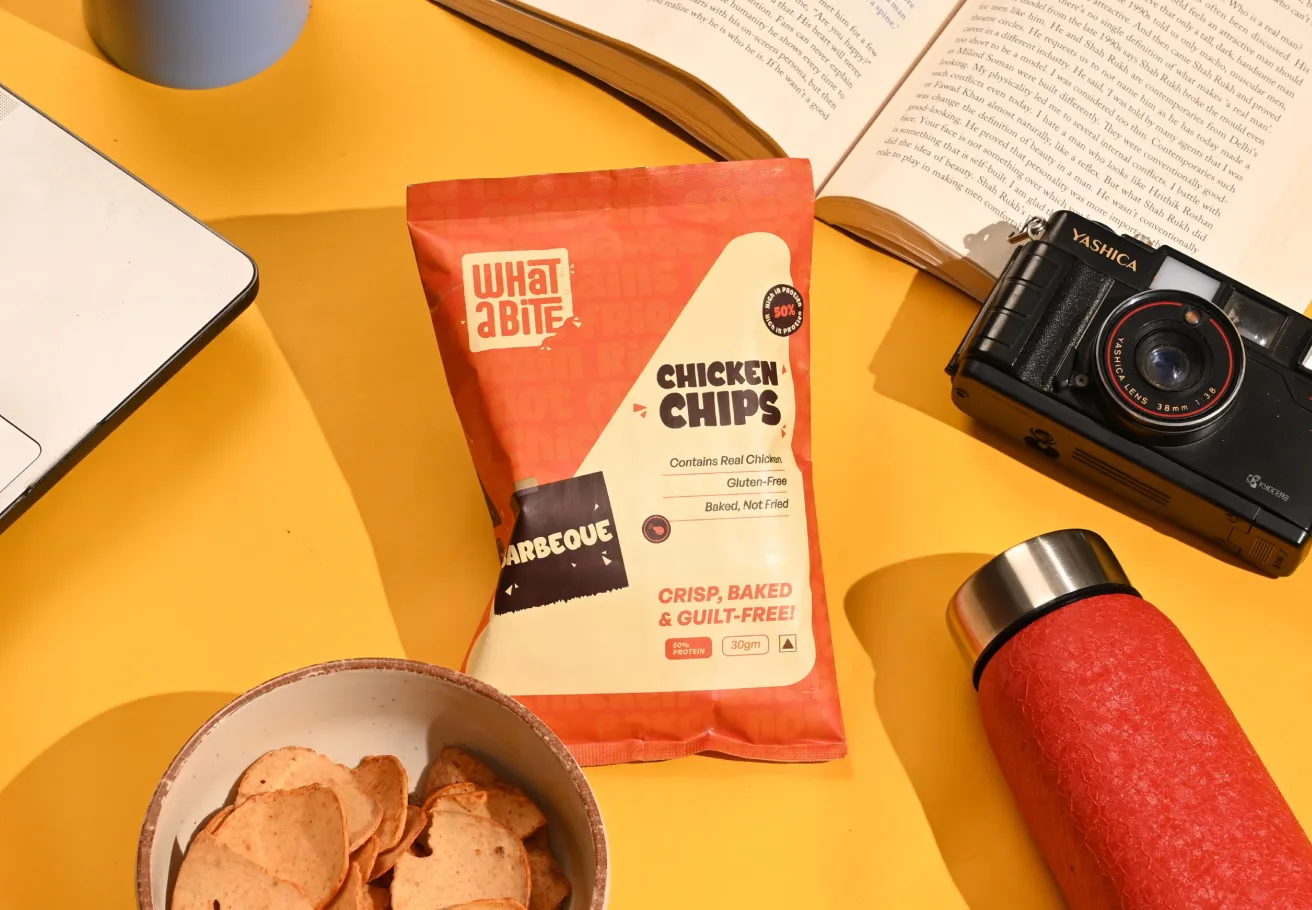
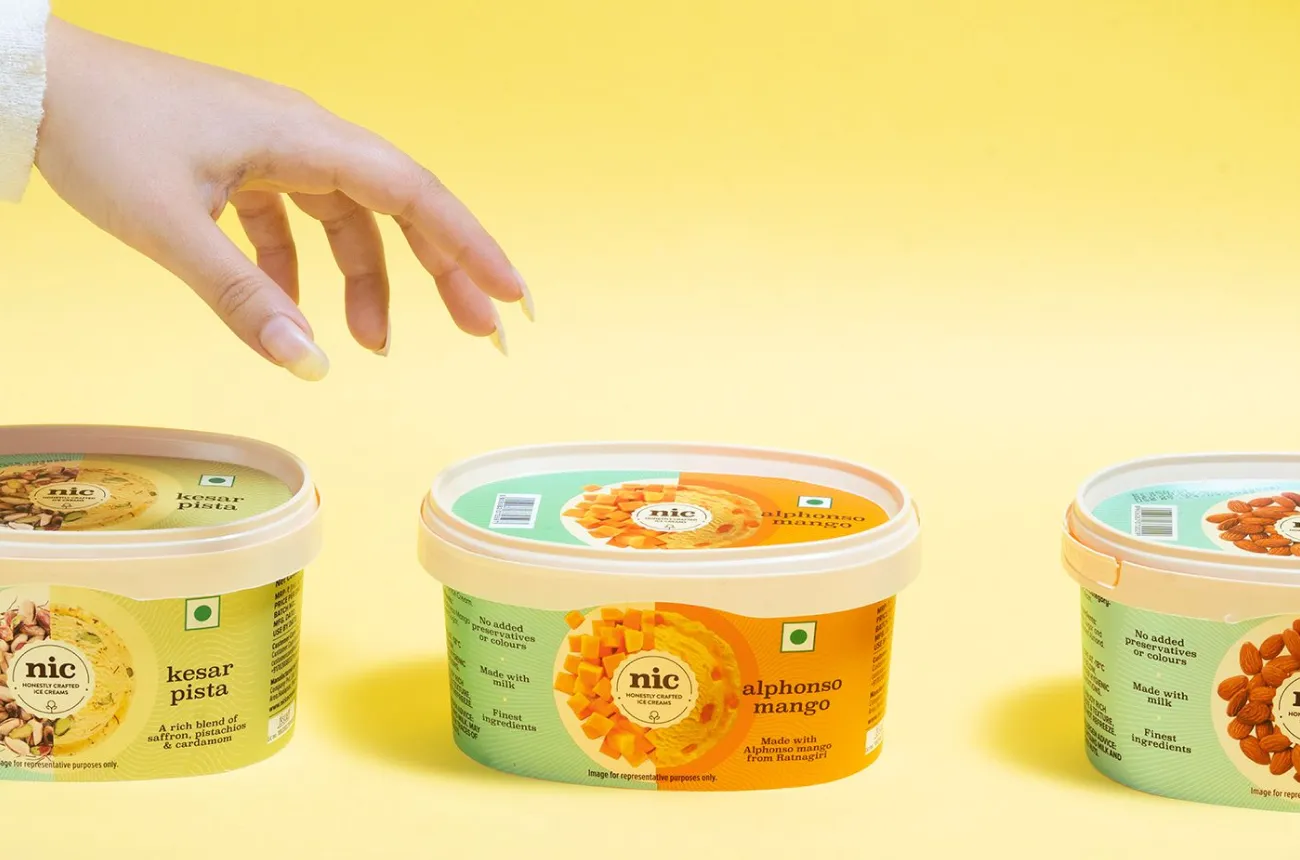
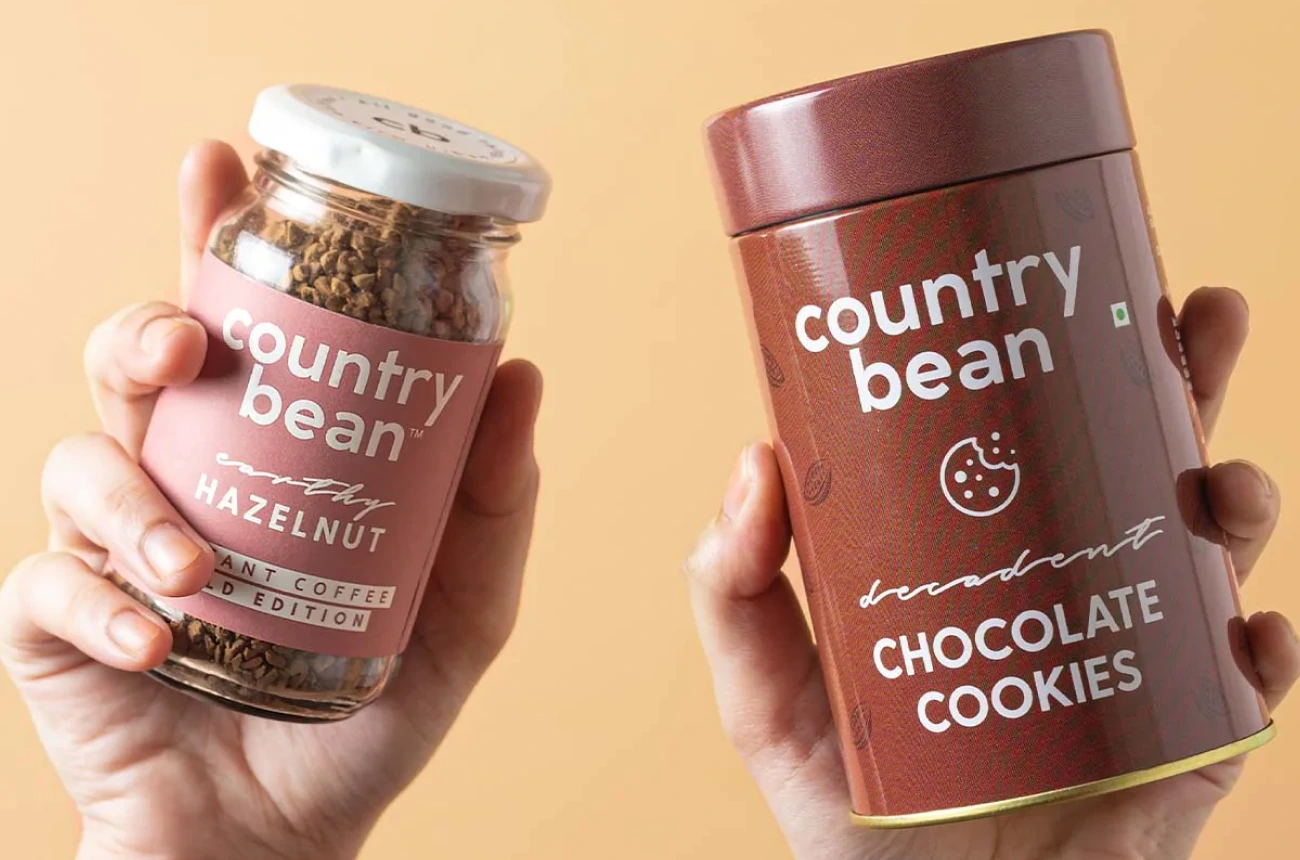
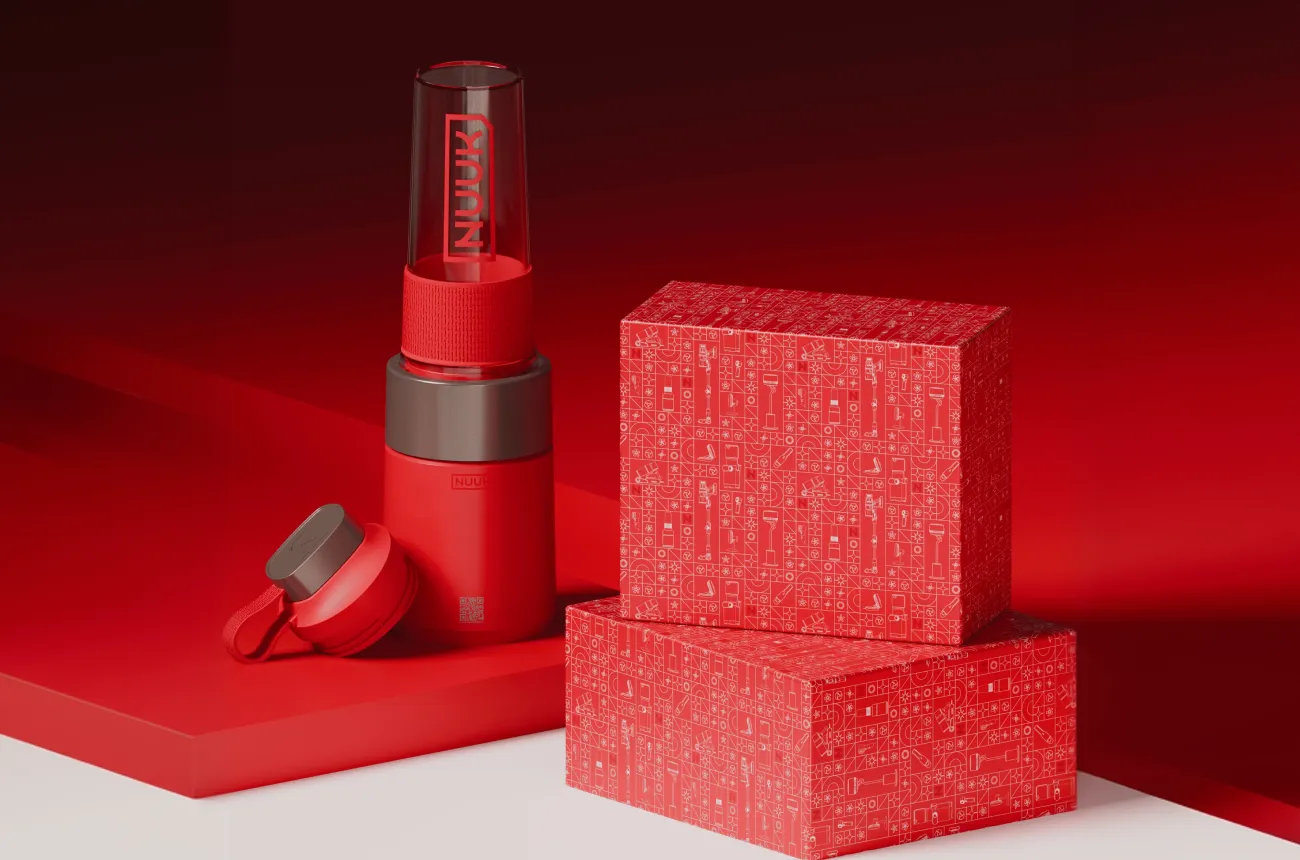
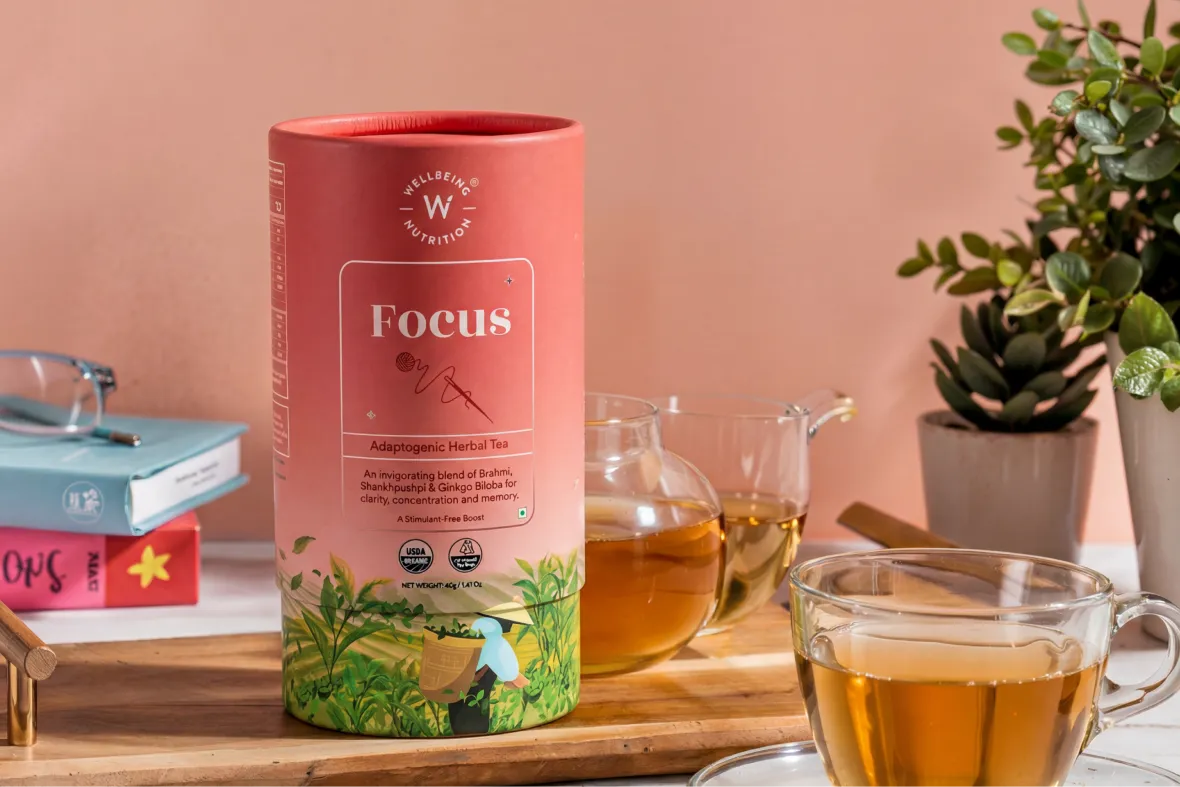
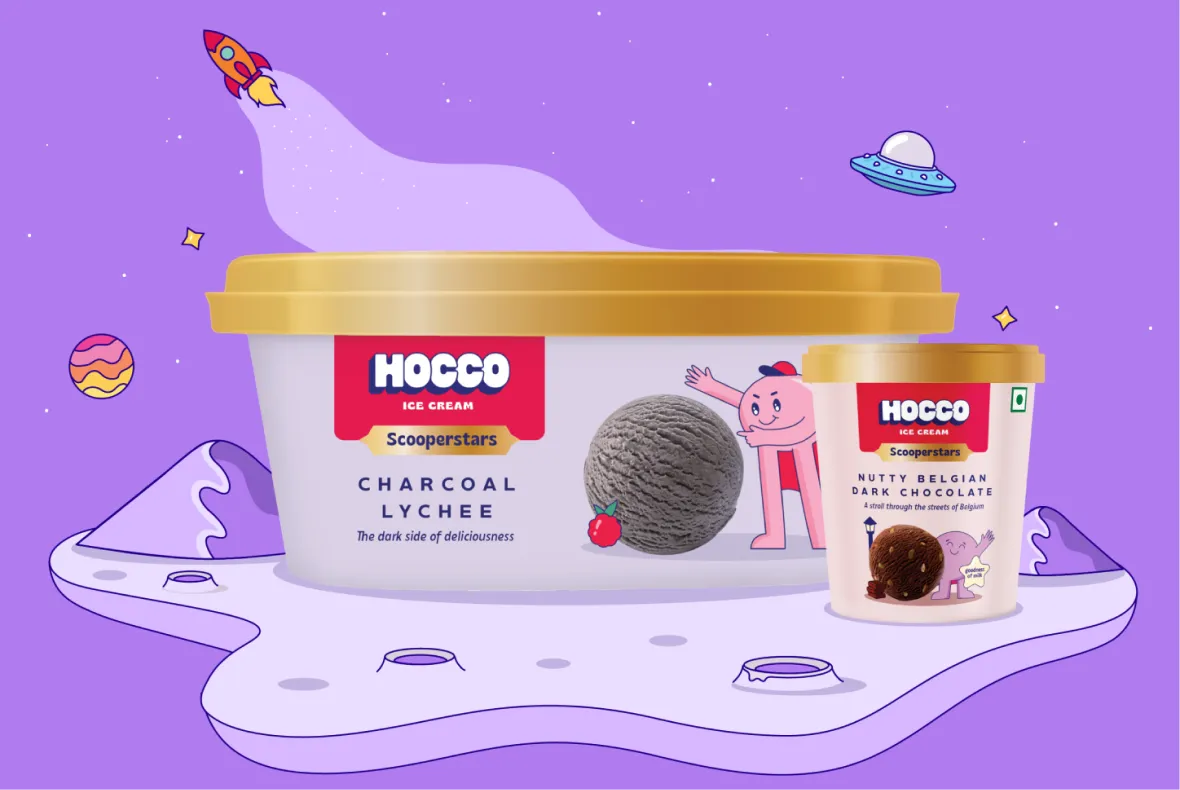
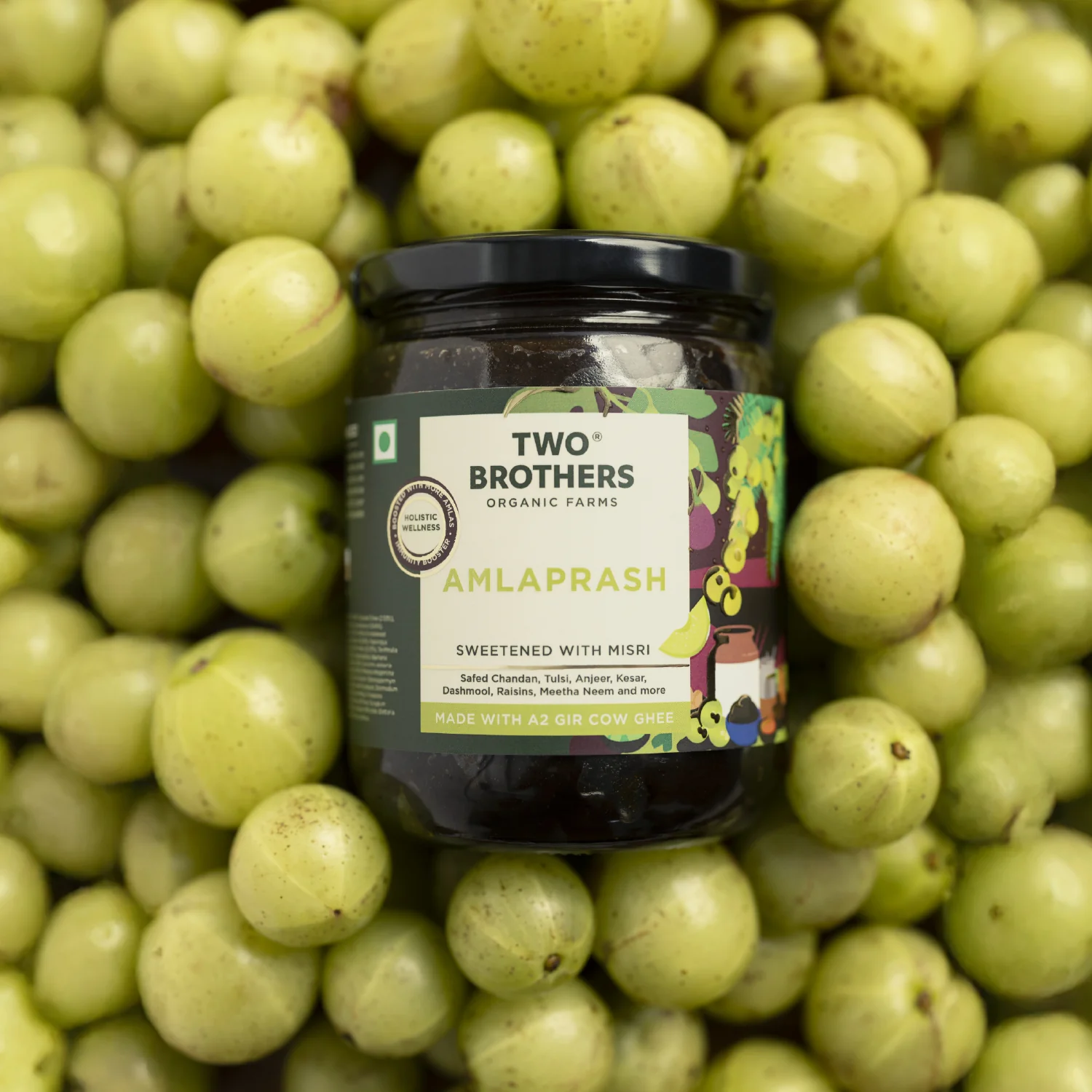
At Confetti, we worked with WhatABite, a brand operating in a category that required significant consumer education and had a strong cultural identity that needed to be consistent across every touchpoint. The discipline of making packaging as culturally intelligent as the product itself, so that the unboxing experience reinforces the brand narrative rather than undercutting it, is the design work that separates premium brands from products that aspire to premium pricing.
Gully Labs' packaging should feel as handcrafted and as culturally specific as the sneakers inside it. If the shoe carries Phulkari embroidery, the tissue paper it rests on should feel considered. If the collection is named after a Urdu literary reference, the box copy should reflect that register. The packaging is the first physical brand encounter before the product itself, and for a brand that has invested heavily in cultural storytelling through campaigns and content, the packaging is the moment when that storytelling becomes tactile. It should feel as intentional as everything else the brand produces.
Gully Labs is currently a brand whose creative coherence is held together by the founders' shared design vision. As the brand expands its collection range, its production volume, and its team, the informal creative standards that currently produce consistent output need to be codified into a formal brand system: documented rules for naming, collection development, collaboration criteria, packaging standards, and campaign direction.
The brands that maintain their aesthetic coherence through rapid growth are those that formalised their creative standards before the growth required it. At the current pace of Gully Labs' expansion, with a Series A completed, a flagship store opened, and a production scale-up underway, the window for doing this work proactively is now. Doing it reactively, once a product or campaign has gone out that does not feel like Gully Labs, is significantly more expensive.
Gully Labs has done something genuinely significant in the Indian sneaker market: it has made a commercial argument that Indian street culture, Indian craftsmanship, and Indian design intelligence can justify a premium price point without Western co-signing. The Noida factory, built against conventional advice, is the most honest proof of that argument. The Rs 35.2 crore raised across five rounds, with investors including Saama Capital and Radhika Gupta of Edelweiss, is the market's endorsement of it.
The rating holds one star in reserve for three specific reasons: the price perception tension in the brand name that requires more active management than the brand is currently applying; a collaboration framework that needs to be formalised before commercial pressure produces partnerships that dilute the cultural credibility the brand has earned; and a production scale-up that will test whether "handcrafted" is a claim the brand can sustain at 20,000 pairs per month as confidently as it does at 5,000. These are solvable problems. They are also the problems of a brand that has built faster than its systems have kept up with, which is the right kind of problem to have at this stage.
If you are building a premium footwear, fashion, or culture-led D2C brand and want to create the kind of brand system and packaging identity that makes every consumer touchpoint as strong as your best campaign, Confetti can help you build that.
Want strategic branding and packaging like this for your business?




.webp)
.webp)

.webp)
.webp)
.webp)
.webp)
.webp)






.svg)
.webp)


.svg)
.svg)































































.webp)





.webp)


.svg)