%201.webp)
02
AI Snaps
.svg)
.svg)
01
Our Work
03
About Us
04
Brand Audit
05
Contact Us
06
Client Success
12
07
Blogs
08
Careers
Book A Call
.svg)




Need Help In Building Your Brand?
Click the button below & book a call with our founder directly.

Rishabh Jain
Managing Director
Sleepy Cat | Confetti's Verdict ⭐⭐⭐⭐
Confetti Design Studio has analysed Sleepy Cat to understand how a D2C mattress brand launched in 2017 by Kabir Siddiq, who graduated from Indiana University, spent four years at Deutsche Bank as an investment banker, lost Rs 15 lakh in a mattress franchise, and then started Sleepy Cat with Rs 4 lakh and an outsourced production facility, grew to Rs 68.7 crore in FY24 revenue and an estimated Rs 95 crore in FY25 on just USD 5.33 million in total funding from DSG Consumer Partners and Sharrp Ventures, scaled its team from 57 to 100 employees in a single year, built India's first mattress-in-a-box concept, and maintained a focused sleep-only portfolio at a time when every better-funded competitor was expanding outside the category.
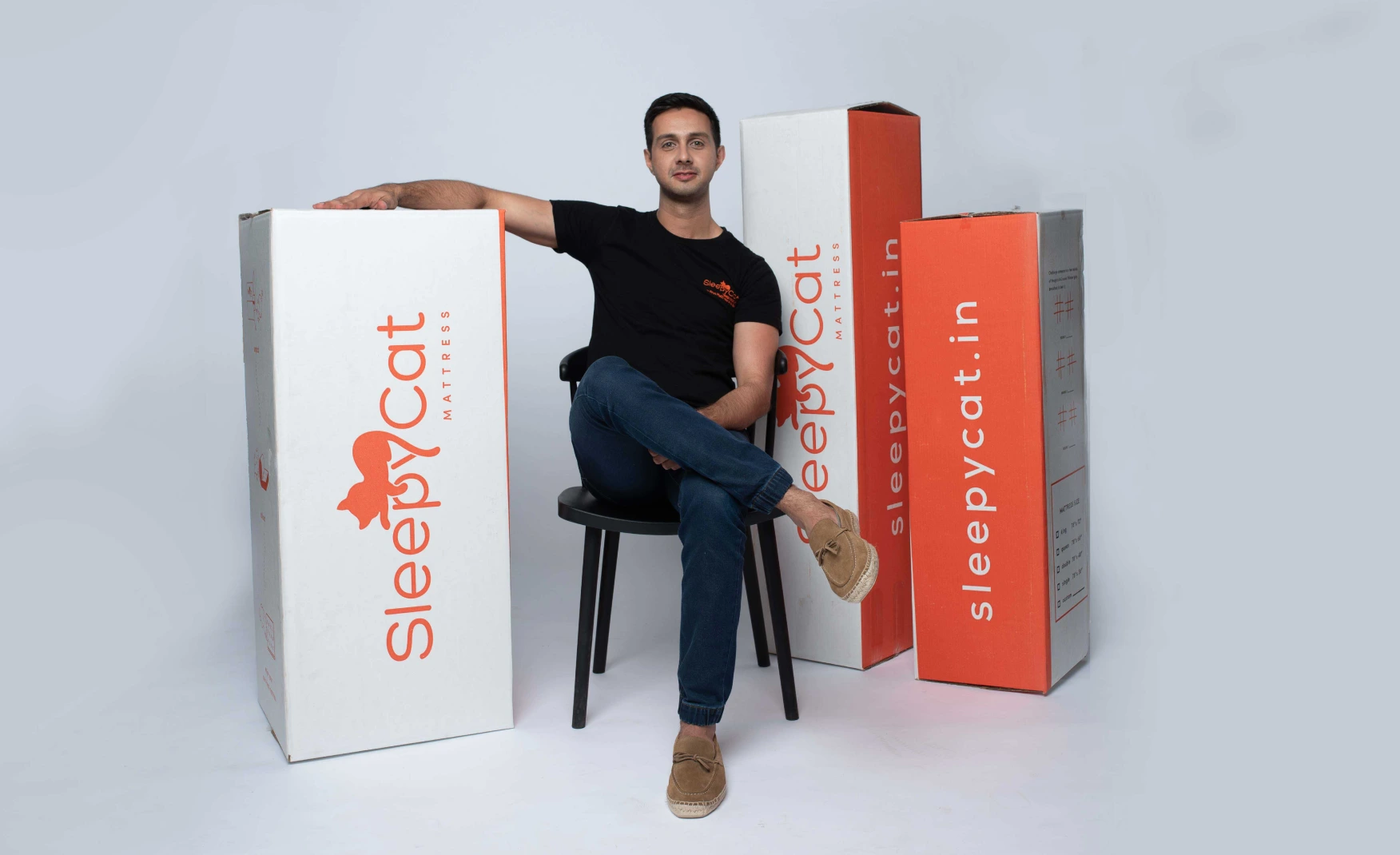
Mattress brands have a persistent problem: the category is functional, the purchase is infrequent, and the consumer's primary emotional register when shopping for one is anxiety about making the wrong choice. The default brand language of the category reflects this anxiety back at the consumer rather than resolving it. Clinical white photography, orthopaedic terminology, before-and-after testimonials about back pain: every one of these conventions communicates that buying a mattress is a medical decision rather than a pleasant one.
Sleepy Cat made a different choice at every brand touchpoint, and the accumulated effect is a brand that is genuinely warm to encounter. The name is disarming rather than authoritative. The yellow colour system and friendly illustration communicate approachability before a word of copy is read. The tone across the website and social channels is conversational and lightly humorous in a way that makes the category feel like something enjoyable to buy rather than something to navigate cautiously. As Rishabh, the founder of Confetti himself noted when specifically searching for a weighted blanket and discovering Sleepy Cat, the branding is approachable all the way from the name to the website to the marketing, and in a category defined by purchase anxiety, approachability is a conversion advantage, not merely an aesthetic choice.
The cat positioning is also quietly considered because cats are culturally associated with sleeping, and with a specific quality of sleep that the mattress category aspires to deliver - deep, comfortable, and uninterrupted. Kabir Siddiq has described the name as a tribute to "the Garfield in all of us that just wants to eat and sleep the whole day." That warmth of intention is visible in every design decision the brand has made, and it is what makes Sleepy Cat memorable in a category where most brands are forgotten between the purchase decision and the delivery.
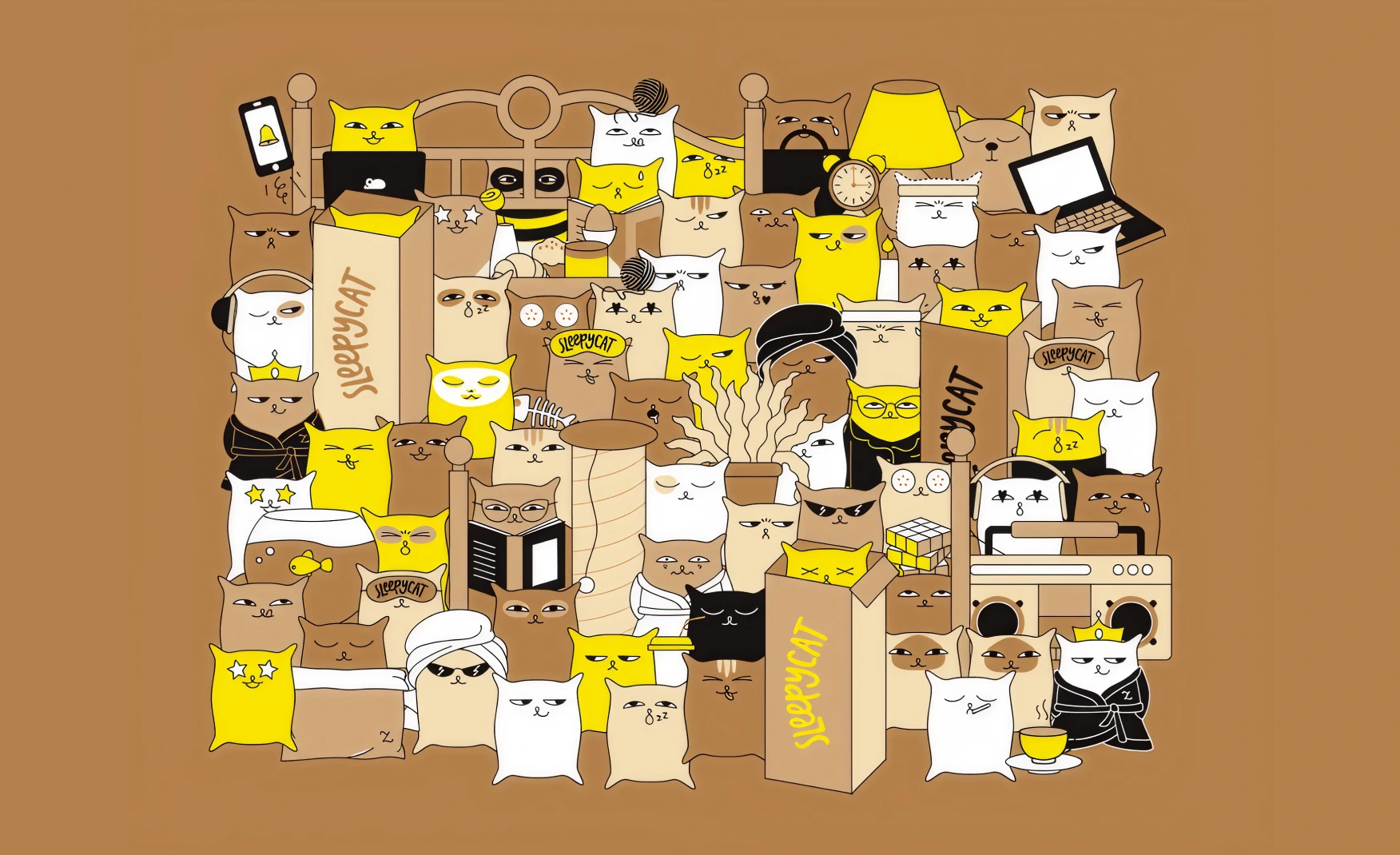
The Sleep Company has raised significant capital and used it to expand into standing desks, ergonomic chairs, and office furniture. The strategic logic is understandable: the addressable market for workplace ergonomics is large, the consumer overlap with sleep-focused buyers exists, and the revenue ceiling for a mattress-only business is lower than a workplace wellness platform. But the practical result is a brand that no longer clearly answers the question of what it is for. When a consumer encounters a brand that sells both mattresses and standing desks, the brand has become a wellness company rather than a sleep company, and wellness is a far more crowded and less defensible position.
Sleepy Cat has watched this expansion happen and made the opposite choice. Every product the brand has added, dog beds, bedroom furniture, weighted blankets, sleep accessories, is within the sleep ecosystem. The test Sleepy Cat appears to apply to new categories is straightforwardly spatial: does this product belong in a bedroom? If yes, it is a Sleepy Cat product. If not, it belongs elsewhere. In a category with several well-funded players, being the brand that unambiguously means sleep is a commercially significant competitive position, and Sleepy Cat has earned it through consistency rather than through marketing spend.
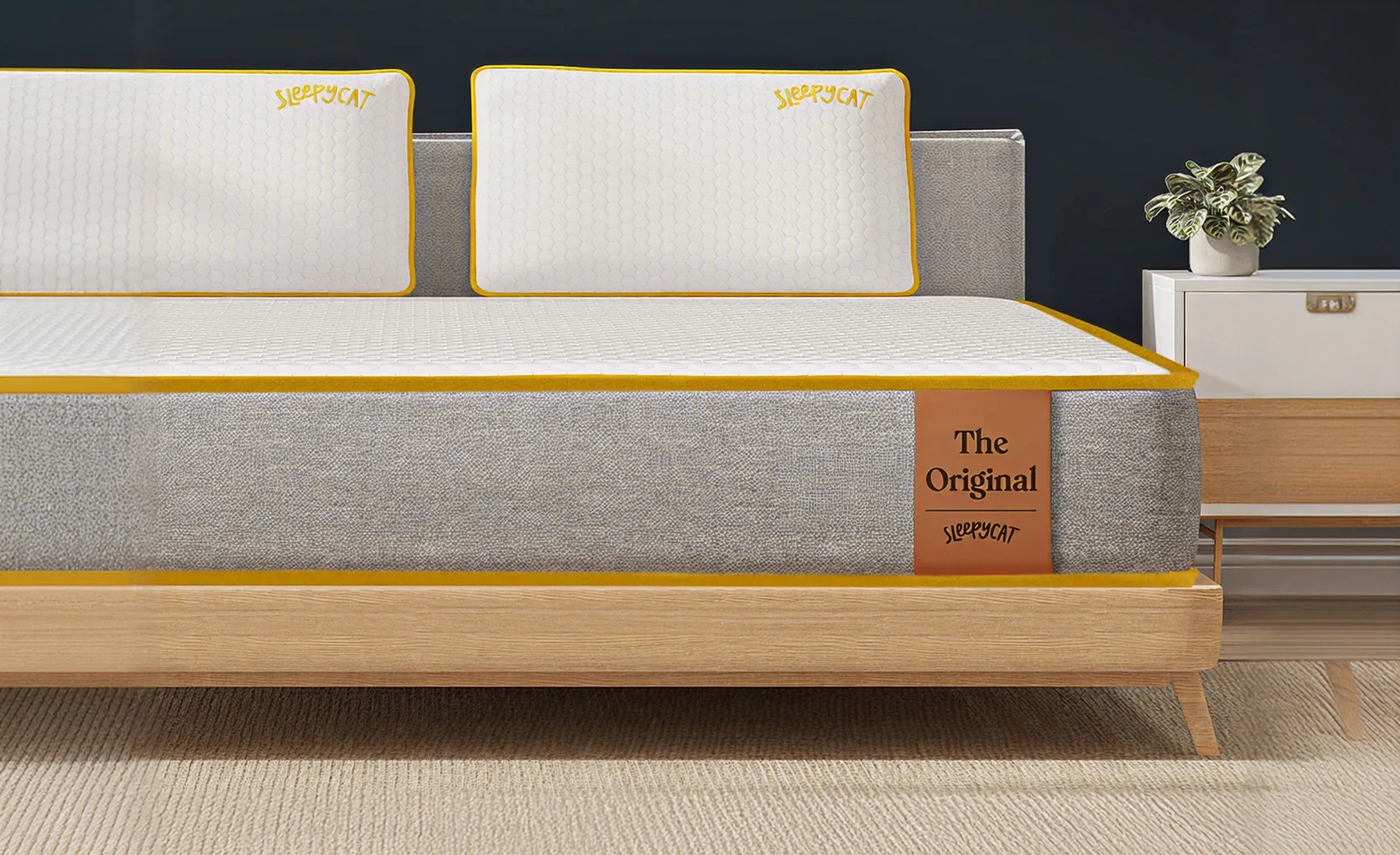
A mattress is one of the highest-anxiety purchases in the home category. The product is expensive, the trial is impossible online, and the consequences of a wrong choice are years of poor sleep on an unsuitable surface. The brands that have grown fastest in the Indian mattress category are the ones that have most directly addressed this anxiety rather than simply offering better products and hoping the consumer trusts them.
Sleepy Cat's risk reduction architecture is thoughtful rather than promotional. The 100-night trial on mattresses, the accessible pricing structure, and a returns process that does not punish the consumer for changing their mind are each designed to remove a specific purchase barrier rather than simply to generate a sense of discount. As the founder of Confetti, Rishabh himself noted, the risk reduction approach reads as genuine structural reassurance rather than a coupon code because it is built into the purchase experience rather than attached to it. The Sleep Studio concept extends this logic into physical retail: a consumer who has experienced the mattress before purchasing has had their uncertainty resolved at the point of decision rather than 100 nights into a returns window.
Performance marketing in the home category is expensive, competitive, and does not compound as every rupee of paid spend stops generating returns the moment it stops being spent. Sleepy Cat's approach to customer acquisition is structurally different as the brand has built 300-plus keyword rankings through sleep health blogs and educational content on back pain, sleep hygiene, and mattress choice, creating an organic acquisition engine that continues working long after the content was originally published.
The specific keywords Sleepy Cat has targeted are not merely high-traffic terms. They are high-intent terms. A consumer searching for "best mattress for back pain" or "how to improve sleep quality" is already in a consideration or purchase state. Organic capture of that consumer through genuinely useful content creates a brand relationship built on trust before the purchase conversation begins, and the conversion from a trust-based organic relationship is structurally superior to the conversion from a retargeted performance advertisement. This content asset compounds over time in a way that no advertising spend replicates, and it is one of the most durable competitive advantages available to a brand at Sleepy Cat's funding level.
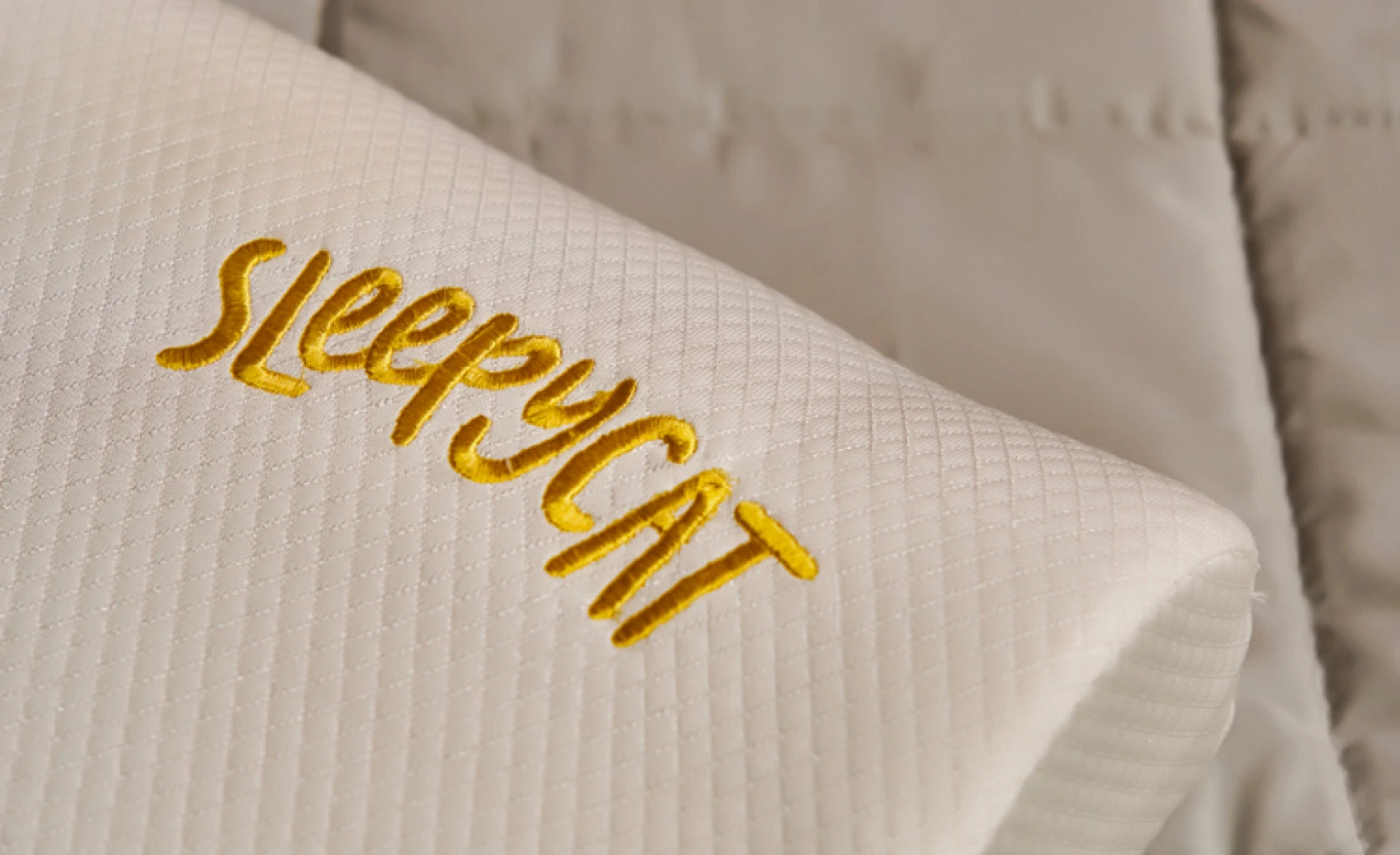
Rs 68.7 crore in FY24 revenue on USD 5.33 million in total funding is a capital efficiency ratio that most Indian D2C brands cannot approach. Wakefit and The Sleep Company have each raised significantly more capital and, in the case of The Sleep Company, expanded into adjacent categories to justify the valuation trajectory that large funding rounds create. Sleepy Cat has grown to approaching Rs 100 crore without either the capital or the category sprawl, which means the business model within the sleep category is genuinely self-sustaining at the current scale.
The 75% year-on-year increase in headcount from 57 to 100 employees in a single year reflects a business that is investing its own commercially generated capital into operational capacity rather than burning investor capital to acquire growth it cannot yet sustain. A brand that is profitable without VC dependency can make its product, distribution, and brand investment decisions on consumer and commercial logic rather than on investor return timelines. That strategic optionality is one of the most valuable things a D2C brand can have, and Sleepy Cat has built it without anyone noticing.
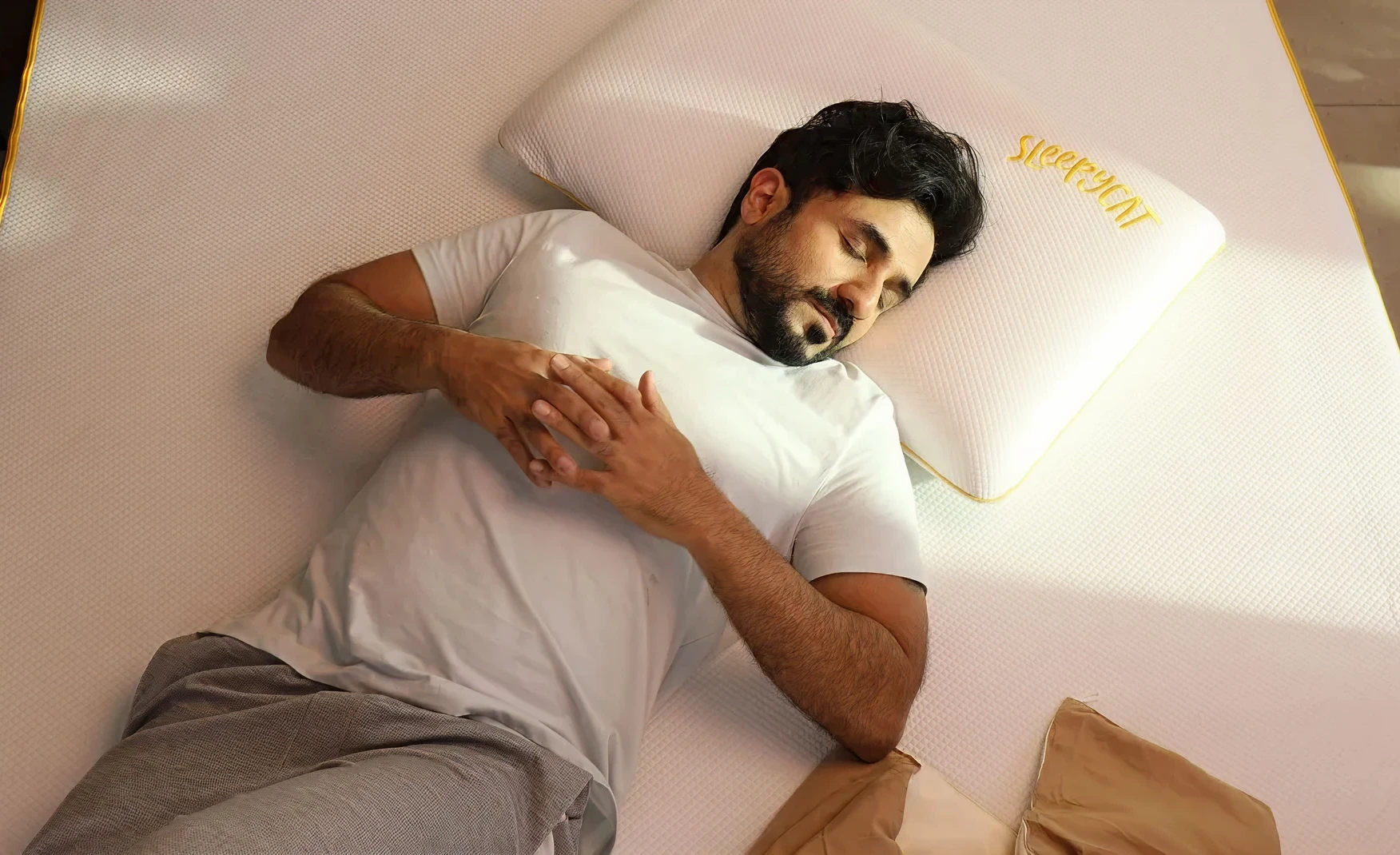
The Indian mattress and sleep category is attracting capital and brand investment at a rate that is changing the competitive dynamics faster than Sleepy Cat's current scale allows it to respond. Wakefit has raised significantly and is moving towards premium positioning. The Sleep Company is deploying capital into brand building alongside its category expansion. Both are now running marketing at a spend level that will dominate the consideration set of consumers who have not yet discovered Sleepy Cat organically. The SEO moat is durable but not impenetrable. As larger brands invest in content alongside their paid media, the organic visibility gap narrows, and the consumer who finds Sleepy Cat through a category-level search may encounter a better-resourced competitor brand alongside it.
The brand's response to this cannot simply be more of the same. The SEO strategy, the Sleep Studio experience, and the category focus are all strong foundations. What is needed alongside them is a brand identity distinctive enough to hold ground in environments where Sleepy Cat is competing for attention against brands with ten times its marketing budget.
Sleepy Cat's brand is coherent, warm, and well-suited to its current scale. The yellow colour system and the friendly illustration approach work effectively at the touchpoints where the brand is currently present. What the visual identity does not yet have is the kind of signature distinctiveness that makes a brand recognisable at a glance in a crowded feed or shelf environment, where the consumer's attention is distributed across multiple competing visual signals and the brand has approximately two seconds to establish itself. The brand underwent a rebrand in 2022, introducing a mascot called Zie, a sassy sleep guru, alongside the yellow visual system. The intent was strong, however the execution needs to go further. A brand that positions itself as the definitive Indian sleep brand deserves a visual identity system as specific and as confident as the positioning it claims. Building that visual signature, before the category gets significantly louder, is the most commercially important brand investment available to Sleepy Cat right now.
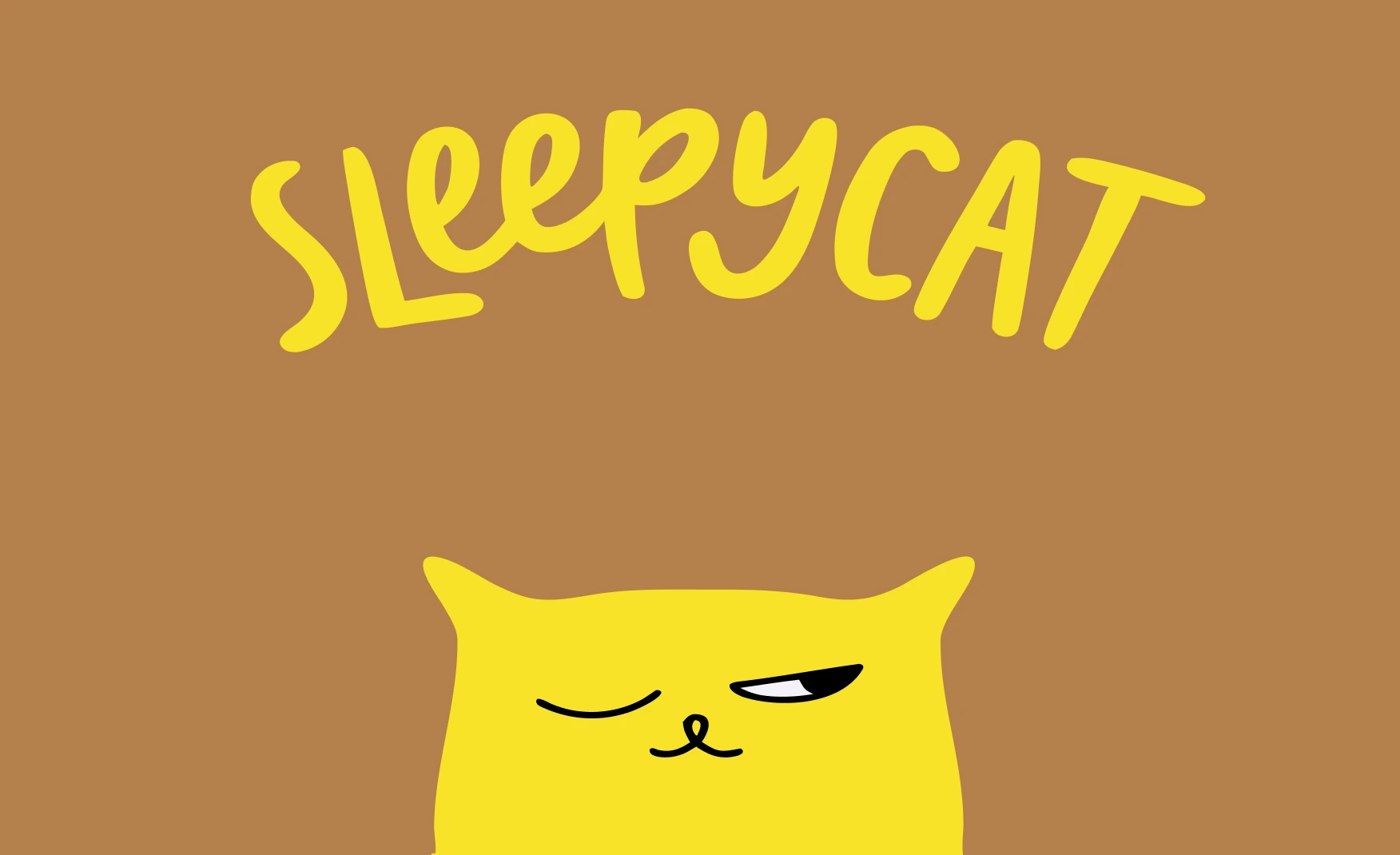
Sleepy Cat's greatest brand asset is its category focus, and that focus is not yet communicated with the confidence it deserves. The fact that Sleepy Cat only sells products that belong in a bedroom is currently an emergent characteristic of the brand's product decisions rather than an explicit brand position. That distinction matters commercially because a brand position can be communicated in advertising, in copy, and in campaign work. An emergent characteristic requires the consumer to notice it themselves.
"We only do sleep" is a brand idea that is differentiated, genuinely memorable, and structurally impossible for a company that also sells standing desks to claim. It should be present in the brand's copy, in its retail experience, in its content strategy, and in the way it talks about its product decisions. The brand that owns the most specific position in a category is the brand that earns the most specific consumer loyalty, and Sleepy Cat has earned the right to make this claim after seven years of consistent practice.
The bright yellow is a start. A genuinely distinctive visual identity system, a specific illustration approach, a typographic treatment, a brand mark that works at every scale from mattress packaging to a Quick Commerce thumbnail, is the work that makes Sleepy Cat recognisable without context. This is the investment that pays off most when competitor visibility spend increases: a brand with a strong visual signature gets remembered even in environments where it is not the loudest voice.
At Confetti, we approach this as a design problem that should be solved from the brand's specific emotional territory outward. For Sleepy Cat, that territory is warmth, comfort, and the specific feeling of deep, uninterrupted sleep. A visual identity built from those properties, rather than borrowed from the generic D2C aesthetic playbook, creates something that is unmistakably Sleepy Cat. The mascot Zie is a strong asset that has not yet been used to its full potential as a brand signature across every consumer touchpoint. Our work on House of Agam demonstrates the value of a single well-considered visual element, developed with real depth, becoming the thread that holds every brand touchpoint together.
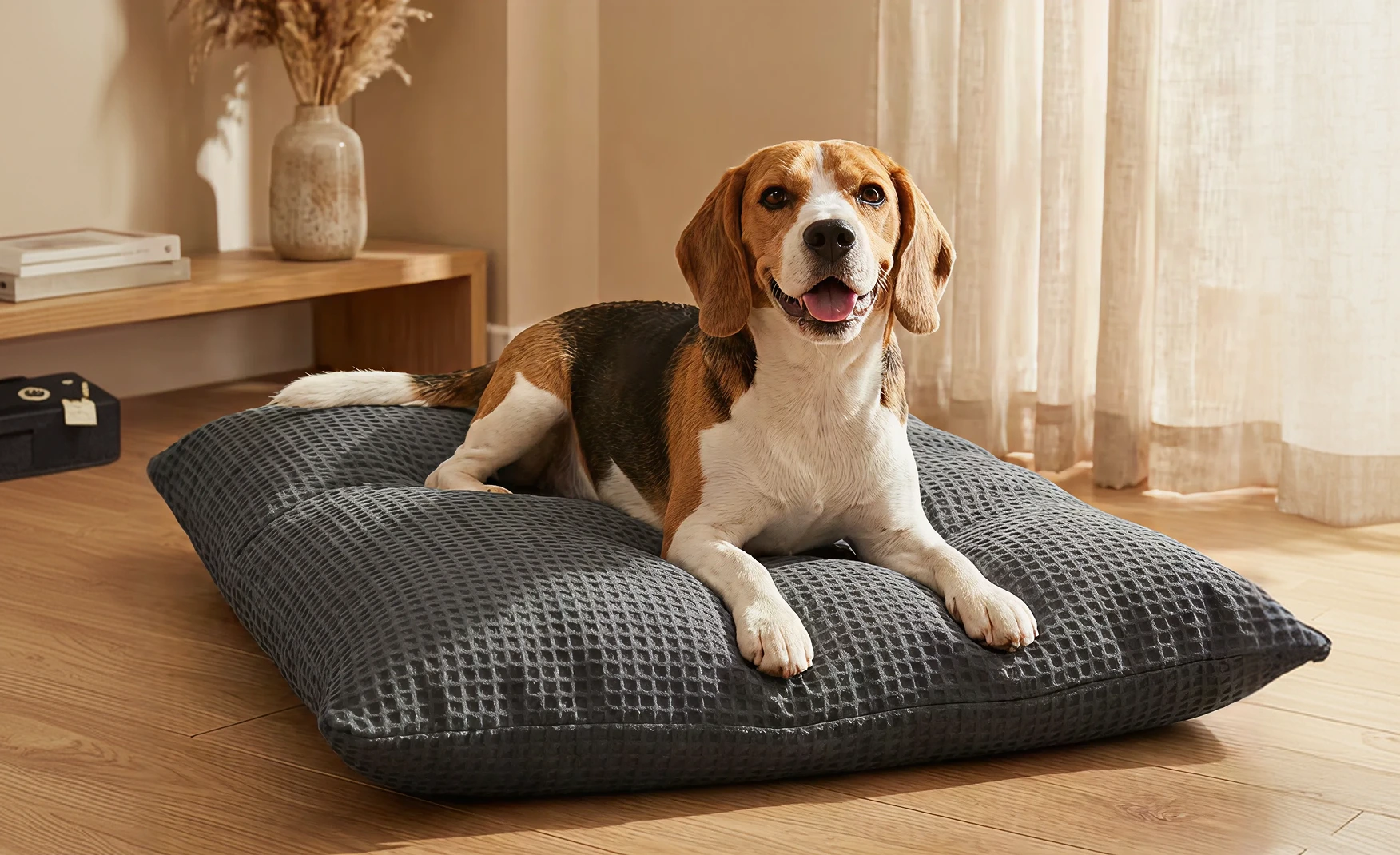
Sleepy Cat's expansion into dog beds is the most commercially underrated product decision in the brand's history. Pet owners in India are increasingly willing to spend on pet comfort at a rate that mirrors the spending shift on their own sleep quality. The pet sleep category is early in its development, brand-poor, and for an established sleep brand with genuine category credibility, a natural extension that requires no repositioning and no new brand logic.
The dog bed also generates the most shareable consumer content available to a mattress brand. Dogs sleeping on Sleepy Cat beds are exactly the kind of UGC that builds brand warmth at zero media cost, and it arrives with a cross-category audience reach that no mattress-focused content can replicate. This category deserves a dedicated product and marketing investment, not because it will become the majority of Sleepy Cat's revenue, but because it extends the brand into a consumer relationship that begins before a household has made its own sleep investment and continues alongside it.
Sleepy Cat has built something genuinely uncommon in Indian D2C, a capital-efficient, profitable, category-focused brand that has learned from the strategic errors of its better-funded competitors and chosen not to repeat them. Kabir Siddiq started with Rs 4 lakh and a problem he understood firsthand from a failed mattress franchise. He built India's first mattress-in-a-box, stayed in the sleep category while every competitor expanded out of it, and reached approaching Rs 100 crore in annual revenue on USD 5.33 million. That is a specific kind of commercial intelligence that deserves more recognition than it receives.
The challenge ahead is defending the position as capital pours into the category and larger brands invest in the visibility that Sleepy Cat has been able to grow without. The brand identity needs to become as distinctive as the brand strategy. A brand this focused, this warm, and this commercially disciplined deserves a visual language as specific and as confident as the story behind it.
If you are building a focused category brand and want a visual identity and brand strategy that makes your discipline feel like confidence rather than constraint, Confetti can help you build the brand language that holds ground as the category gets louder.
Want strategic branding and packaging like this for your business?





.webp)
.webp)

.webp)
.webp)
.webp)
.webp)
.webp)







.svg)
.webp)





.svg)
.svg)













































































.webp)








.webp)



.svg)