%201.webp)
02
AI Snaps
.svg)
.svg)
01
Our Work
03
About Us
04
Brand Audit
05
Contact Us
06
Client Success
12
07
Blogs
08
Careers
Book A Call
.svg)




Need Help In Building Your Brand?
Click the button below & book a call with our founder directly.

Rishabh Jain
Managing Director
Plix | Confetti's Verdict ⭐⭐⭐⭐
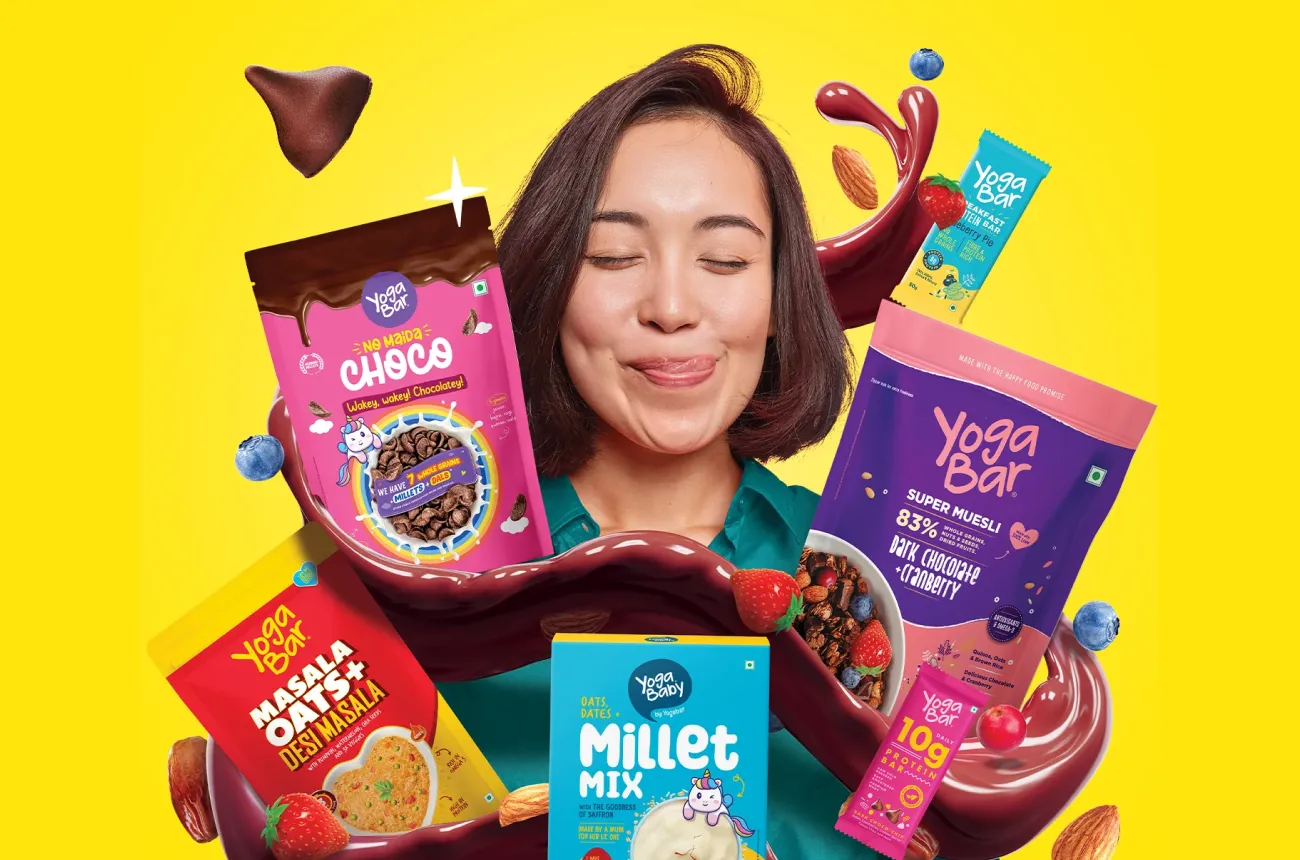
Confetti Design Studio has analysed Plix to understand how a plant-based nutrition brand founded in 2018 by Rishubh Satiya and Akash Zaveri grew from Rs 10.92 crore in FY20 to Rs 436 crore in FY25, narrowed its net loss from Rs 60 crore in FY24 to Rs 41.7 crore in FY25, raised USD 11.1 million in total funding before Marico acquired a 58% stake for Rs 369 crore in July 2023, scaled its headcount 82% to 260 employees in a single year, launched Plix Kids in July 2025 as its first explicit step toward household positioning.
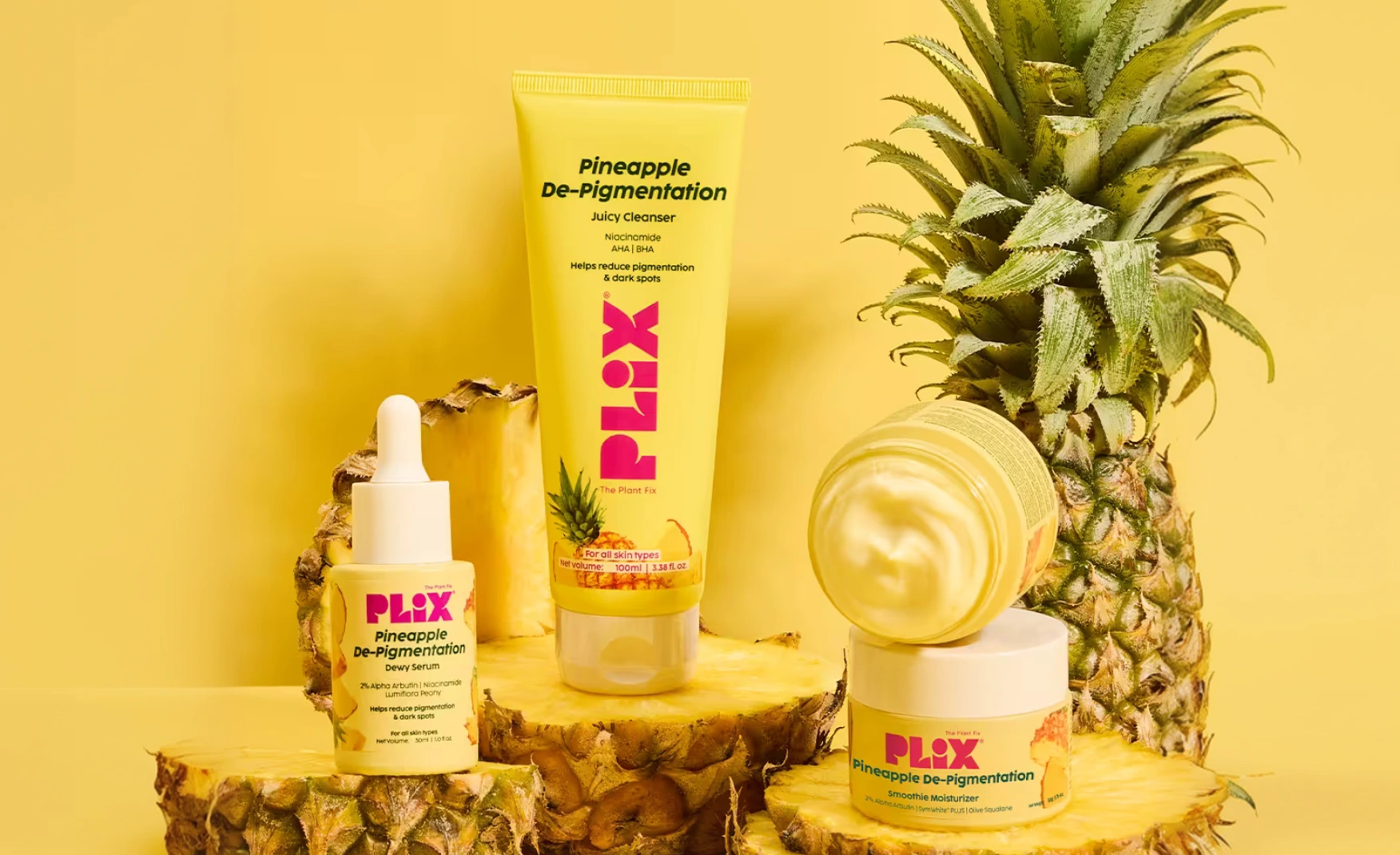
Most supplement brands enter the market by asking the consumer to add something uncomfortable to their daily routine. A tablet. A chalky powder stirred into water. A capsule that tastes of nothing and functions as a transaction with one's own health anxiety. Plix entered with the premise that supplementation fails primarily because of how it is delivered, not because of what it contains.
Plant-based gummies, effervescent tablets that fizz into a morning glass of water, superfood powders that dissolve into existing rituals, these are formats designed to be something a consumer actively looks forward to rather than feels obligated to complete. The commercial consequence of this distinction is significant. A consumer who enjoys the product takes it consistently. A consumer who takes it consistently reorders it for sure. Plix's repeat purchase economics are built on a format insight rather than a formulation one, and that is the most underappreciated driver of the brand's growth from Rs 10 crore to Rs 436 crore.
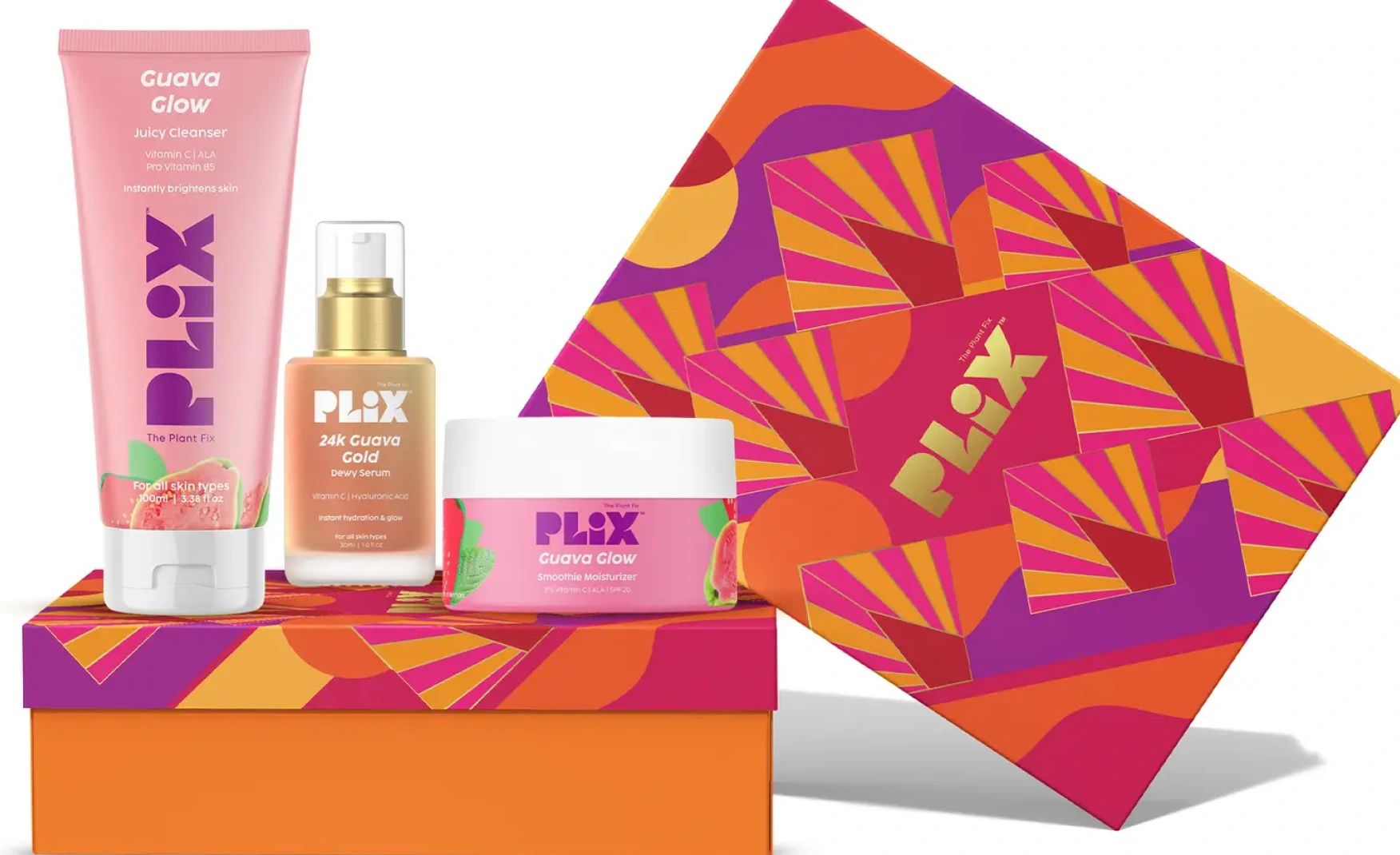
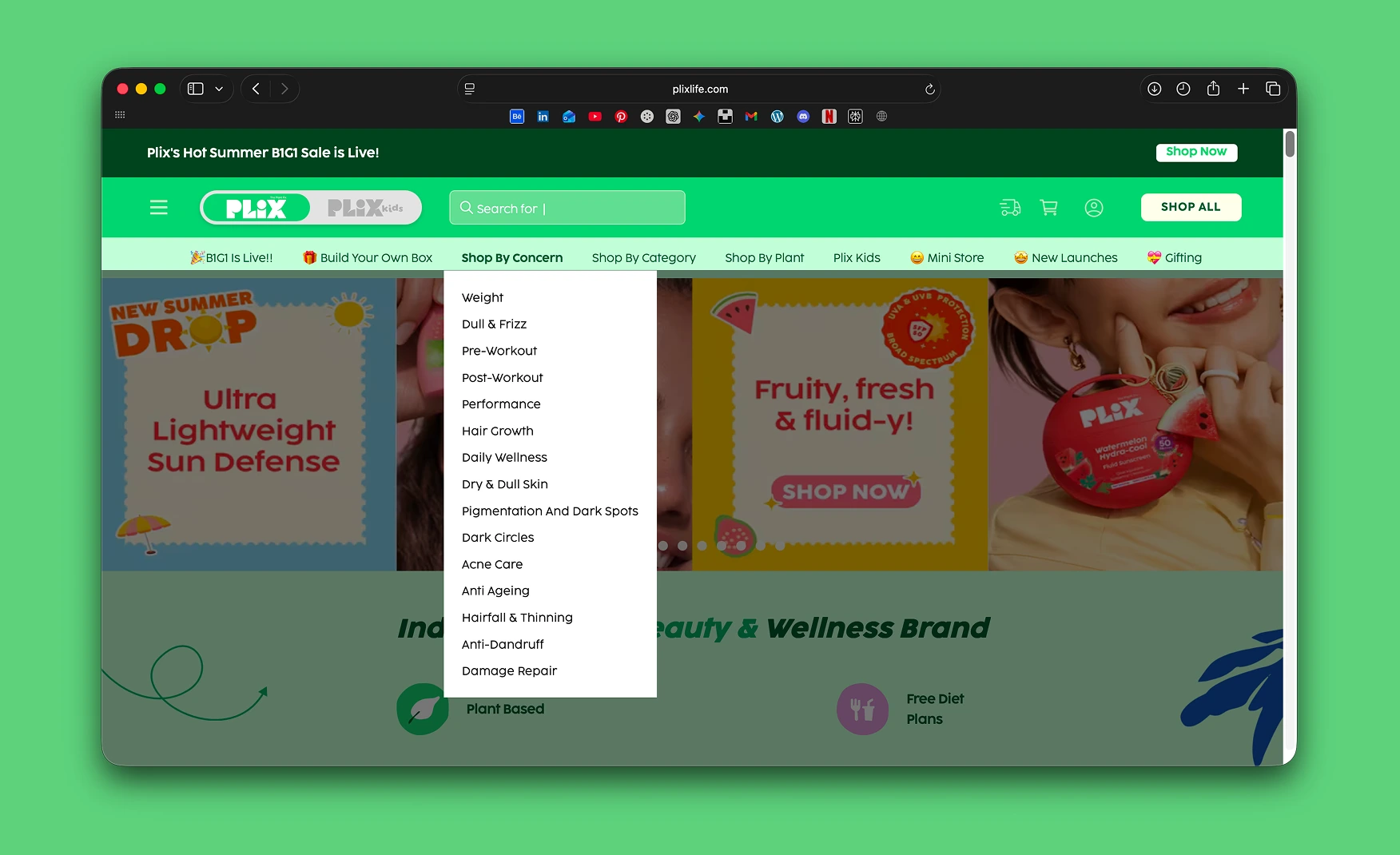
Plix built something genuinely unusual in Indian e-commerce which is a product navigation system organised not by category but by source plant. When you go and select guava and the website returns every guava-based product across hair, skin, wellness, and nutrition. Meanwhile you select amla and the pattern repeats across an entirely different set of use cases. Rishabh, the founder of Confetti Design Studio noted this specifically as the first brand he had encountered at this scale operating with ingredient-led navigation and the commercial logic behind it is deeper than it first appears.
In a supplement category where every brand competes on health claims and packaging design, organising the consumer journey around the ingredient rather than the SKU creates a fundamentally different purchase logic, the plant earns trust first, and then eventually their product follows. It also transforms a large and potentially confusing catalogue spanning weight management, hair, sleep, and skin into something that reads as curated and intentional. A consumer who arrives at a Plix product via guava is learning about a plant before being sold a supplement, and that sequence changes everything about the purchase relationship. Rishabh himself tested the apple cider vinegar range personally and verified it credible on first use. When the person who processes thousands of brand touchpoints a year finds the product holds up.

Most Indian D2C brands that cross Rs 100 crore do so by becoming something different from what they started as. The distribution mix shifts as the consumer profile broadens to include general trade buyers with different expectations. The packaging flattens to accommodate shelf communication at scale and eventually the brand that spent its early years building a direct relationship with a specific consumer cohort begins to look, on shelf and on marketplace, indistinguishable from the legacy FMCG products it originally positioned against.
Plix reached Rs 436 crore in FY25 while maintaining a recognisably digital-first identity i.e. clean-label, community-aware, format-differentiated, and ingredient-transparent. The Marico infrastructure has clearly accelerated revenue, and the brand has so far navigated that transition more visibly on its own terms than most D2C brands manage after an FMCG acquisition. In the Indian nutrition market, OZiva under HUL and Plix under Marico are the two most significant tests of whether digital-native nutrition brands can maintain their character inside FMCG ownership. Plix is, at this point, the more coherent case.

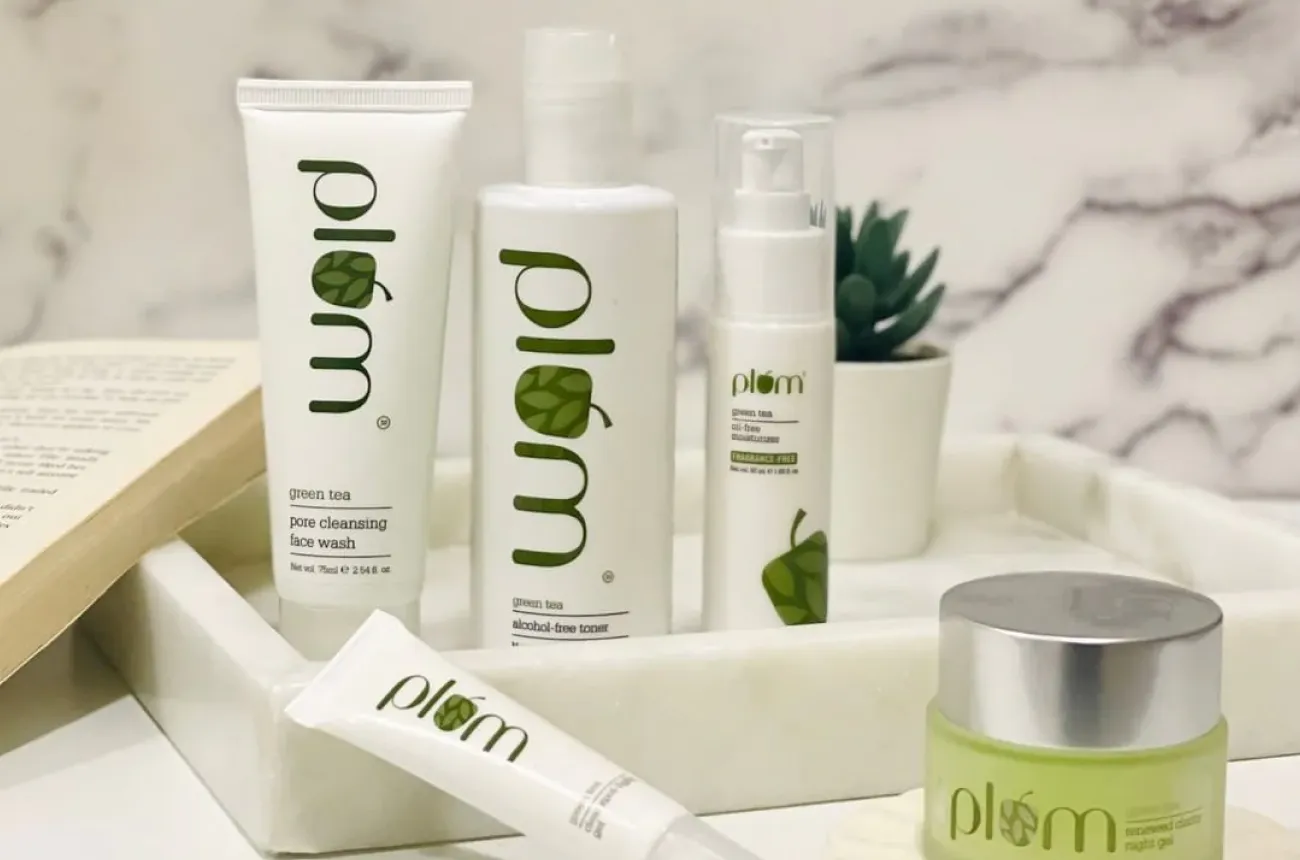
Plix covers weight management, hair and beauty, sleep, and lifestyle nutrition, a breadth that most supplement brands approach opportunistically and build into an incoherent catalogue. What gives the range coherence is the plant-based, clean-label thread that runs through every product regardless of use category. A consumer who buys Plix for weight management and one who buys it for hair growth are purchasing very different products, but they are purchasing the same brand promise: non-GMO, vegan, cruelty-free, formulated from recognisable plant sources.
That consistency allows Plix to extend into new categories without requiring the consumer to re-evaluate the brand from scratch at each entry point. When Plix Kids launched in July 2025, the brand was not asking parents to trust a new brand. It was asking them to extend trust they already held. That trust transfer is among the most valuable assets in consumer goods, and Plix has built it more deliberately than most brands in the Indian wellness category. A brand that a consumer trusts for their own health and then for their children is no longer a supplement brand. It is a household health platform, and Plix Kids is the first real step toward that positioning.
A net loss of Rs 41.7 crore on Rs 436 crore in revenue in FY25 is a materially better position than a net loss of Rs 60 crore on a lower revenue base in FY24. The loss-to-revenue ratio has improved as the business has scaled, which is the correct direction and reflects the kind of operating leverage that Marico's distribution infrastructure enables. The brand is spending less per rupee of revenue generated than it was two years ago, and the trajectory points toward breakeven before the top-line ambitions require it to be justified to external capital.
The headcount growth of 82% to 260 employees in a single year is an investment in operational capability rather than a vanity metric, and it should be read alongside the improving loss trajectory rather than in isolation. A brand deploying capital into people while simultaneously narrowing its losses is building toward a sustainable cost structure rather than burning through investment to purchase growth it cannot sustain. That is a meaningfully different commercial posture from most D2C nutrition brands at comparable revenue scale.
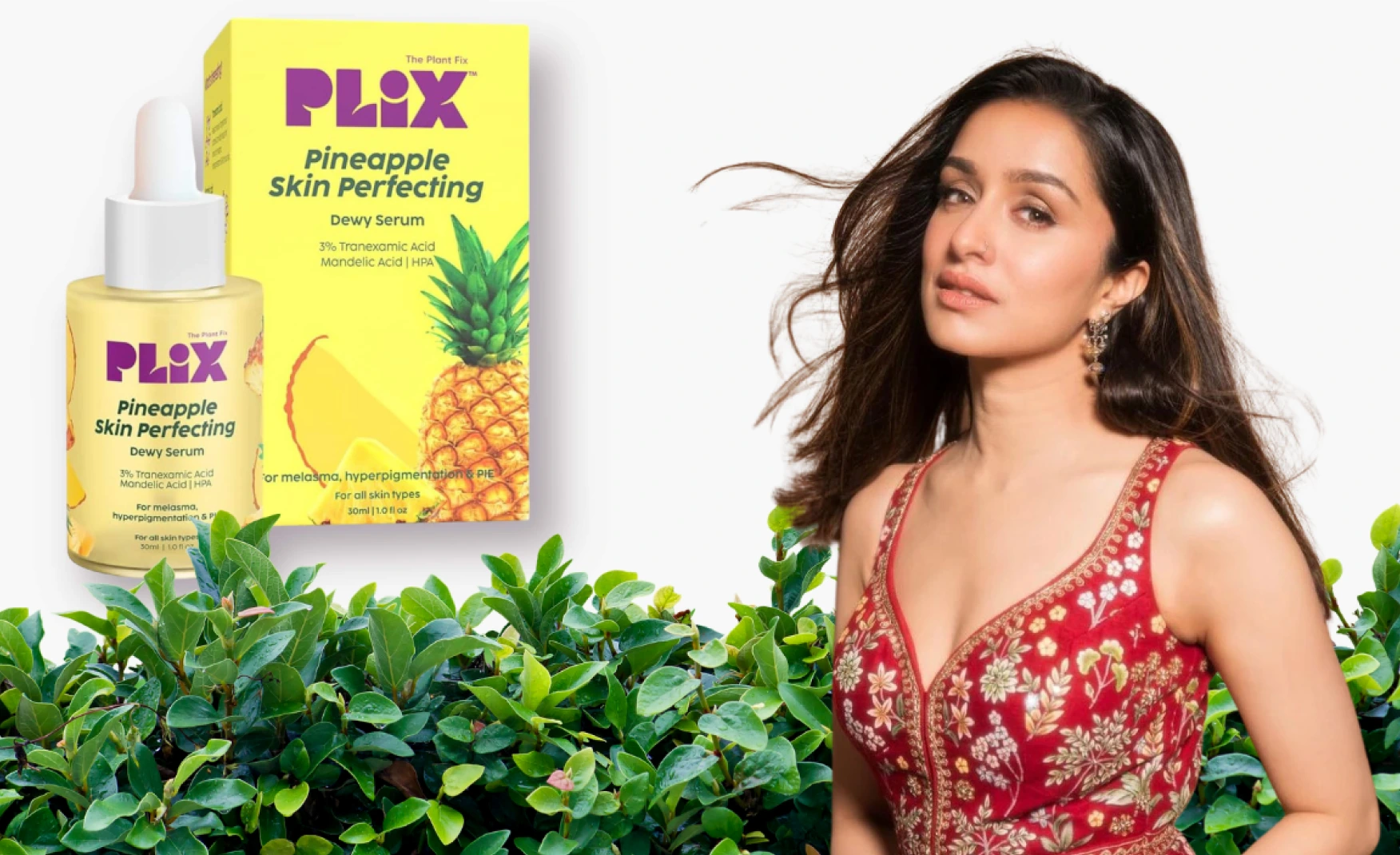
Marico's acquisition gives Plix the distribution muscle, manufacturing capability, and offline retail reach that most D2C brands spend a decade trying to build. Marico is one of India's finest FMCG operators, with supply chain excellence, margin discipline, and general trade reach into markets no D2C brand can access profitably on its own. These are genuine commercial advantages, and the revenue at Rs 436 crore is partly their consequence.
FMCG operators are optimised for a different kind of brand problem than the one Plix was built to solve. D2C brands live and grow through community, creator ecosystems, first-party consumer data, and the direct relationship that comes from selling without intermediaries. As Plix's revenue increasingly flows through Marico's general trade and modern trade infrastructure, the question is whether the brand can maintain the consumer intimacy that justified its original positioning. The brands that get absorbed into FMCG systems and quietly lose their digital-native consumer connection are far more common than those that hold it. Whether Plix retains its personality inside Marico's architecture, or becomes another SKU in a portfolio over a five-year horizon, is the most strategically important question in this audit.
Plix covers enough wellness categories that a first-time consumer encountering the brand on a pharmacy shelf, in a Google search, or on a social media feed may not immediately understand what Plix is primarily for. This is the structural risk of breadth without a clear hero product: the brand builds recognition without recall. The consumer knows the name but cannot place the specific thing the brand is known for, which is a very different mental model from the one that drives repeat purchase and word-of-mouth advocacy.
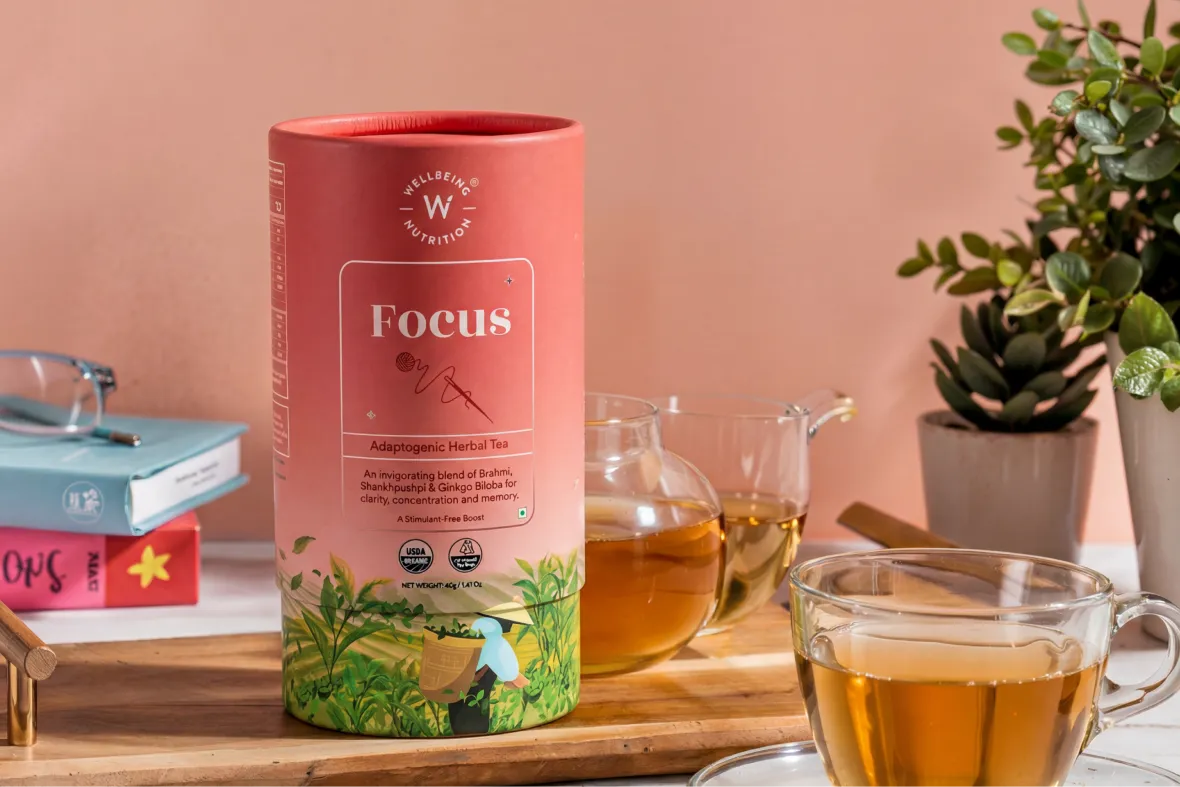
Compare this to Minimalist Skincare, which built a brand worth hundreds of crores by doing fewer things with radical transparency and visible scientific rigour. Or to Wellbeing Nutrition, which has faced a similar identity challenge at a similar scale. The question for Plix is not whether the catalogue should be wide, which it should, but whether the marketing and communications investment is sufficiently concentrated on one or two flagship products that the brand has something specific and memorable to be known for before the catalogue is explored.

India's D2C nutrition market was growing at nearly 40% CAGR in 2025. HK Vitals, Wellbeing Nutrition, OZiva under HUL, Kapiva, and a wave of international supplement imports are all operating on similar axes: plant-based, clean-label, digital-first, creator-amplified. Most are using the influencer-led, UGC-driven, performance-marketing approach that built Plix to Rs 50 crore and have converged on the format innovation that Plix helped pioneer.
The boom-bust cycle of influencer marketing is real and well-documented in Indian D2C. The brands that survive it build consumer mental models that do not depend on the next creator campaign to remain visible. Plix's next growth phase requires a brand argument that the current communication is not yet making with sufficient clarity or distinctiveness: a reason to choose Plix over a well-funded, clean-label competitor that has studied what Plix built and replicated the surface of it with a better marketing budget.
Plix's most important brand-building move in the next 18 months is selecting and elevating a hero product: one SKU that anchors the brand's public identity the way Sensodyne owns sensitivity or Centrum owns daily completeness. The browse-by-plant UX is a compelling exploration tool, but brands known for one thing before many things build more durable consumer mental models. The apple cider vinegar gummy range is a strong candidate as the hero the brand builds its public identity around: a format Plix helped pioneer in India, a proven repeat purchase driver, and a product with a clear functional story that does not require significant consumer education.
Whatever the specific choice, the principle is clear. Concentrate the brand's communications, campaign investment, and influencer partnerships on a single flagship for the next 12 to 18 months. Let the catalogue be discovered through the browse-by-plant experience once the hero has earned the consumer's initial attention. That sequencing builds both recall and exploration rather than asking the catalogue to do both jobs simultaneously.
The browse-by-plant UX is currently a product feature. It deserves to be the brand's central narrative. The idea that Plix organises its entire product universe around the intelligence of plants, that the guava is the unit of trust rather than the SKU number, is a fundamentally different framing of what a supplement brand is. No competitor in the Indian or global nutrition category is communicating through an ingredient-first lens at this level of systematic coherence.
Communicating this through campaign content, packaging hierarchy, and retail design would create a narrative that is both differentiating and deeply coherent with Plix's founding product philosophy. It would also function as a product development filter: does this ingredient belong in the Plix plant universe? That question is a more useful brand filter than almost any other framework available to the brand at this stage of growth. At Confetti, we worked on Vaahe Spices, a premium food brand where the challenge was building a brand identity rooted in ingredient provenance rather than category convention. The discipline of making every design and communication decision flow from the ingredient outward, rather than borrowing from what the category looks like, is the work that creates genuine visual and narrative differentiation.
Rather than treating the Marico acquisition as context the brand neither confirms nor denies in consumer communications, Plix has an opportunity to narrate the relationship actively and on its own terms. Marico's manufacturing standards and quality infrastructure are what allow plant-based formulations to reach every Indian city at consistent quality. A D2C brand with FMCG-grade production rigour behind it is more credible, not less, than a brand operating at smaller scale with less supply chain visibility.
Framing the Marico relationship as the quality guarantee that makes the plant-based promise deliverable at national scale converts a perceived liability into a genuine competitive advantage. The consumer who wonders whether a D2C brand at this scale can maintain quality consistency has a specific and reassuring answer if the brand chooses to give it. Most brands in a similar position choose silence. Plix has the opportunity to choose transparency, which is more consistent with its founding clean-label positioning than silence ever will be.
Plix has built something that is genuinely significant in Indian consumer wellness: a plant-based nutrition brand that scaled to Rs 436 crore by solving a format problem before a formulation problem, created a browse-by-plant product experience that no competitor has replicated, and maintained a recognisably D2C identity through an FMCG acquisition that has subsumed most brands that went through it. The improving loss trajectory, from Rs 60 crore in FY24 to Rs 41.7 crore in FY25 on a much larger revenue base, is evidence that the business model is maturing in the right direction.
The rating reserves one star for three specific and urgent challenges: the Marico relationship that will ultimately define whether Plix becomes a great FMCG brand or remains a great consumer brand with excellent distribution; the portfolio breadth that currently builds recognition without the recall that a hero product would create; and a competitive environment that has caught up to Plix's original differentiation and will not allow the same playbook to sustain the next Rs 400 crore. These are the problems of a brand that has built something worth protecting, and they are solvable with the kind of brand investment that the Rs 436 crore revenue base now makes possible.
If you are building a wellness or nutrition brand and want a visual identity, brand architecture, and product communication strategy that converts genuine product quality into lasting consumer preference, Confetti can help you build the brand your product deserves.
Want strategic branding and packaging like this for your business?





.webp)
.webp)

.webp)
.webp)
.webp)
.webp)
.webp)







.svg)
.webp)



.svg)
.svg)



















































































.webp)








.webp)


.svg)