%201.webp)
02
AI Snaps
.svg)
.svg)
01
Our Work
03
About Us
04
Brand Audit
05
Contact Us
06
Client Success
12
07
Blogs
08
Careers
Book A Call
.svg)



Need Help In Building Your Brand?
Click the button below & book a call with our founder directly.

Rishabh Jain
Managing Director
Bluorng | Confetti's Verdict ⭐⭐⭐⭐⭐
Confetti Design Studio has analysed Bluorng to understand how two Pearl Academy graduates, Siddhant Sabharwal and Mokam Singh, launched a premium streetwear brand in December 2020 from a single appointment-only studio in Greater Kailash, Delhi, built a physical retail footprint including a flagship in Gurugram, earned a Jägermeister collaboration covered by Rolling Stone India in 2024, and commanded price points of Rs 20,000 for a sweatshirt and Rs 35,000 for a jacket without external funding, without institutional backing, and without Western brand validation.
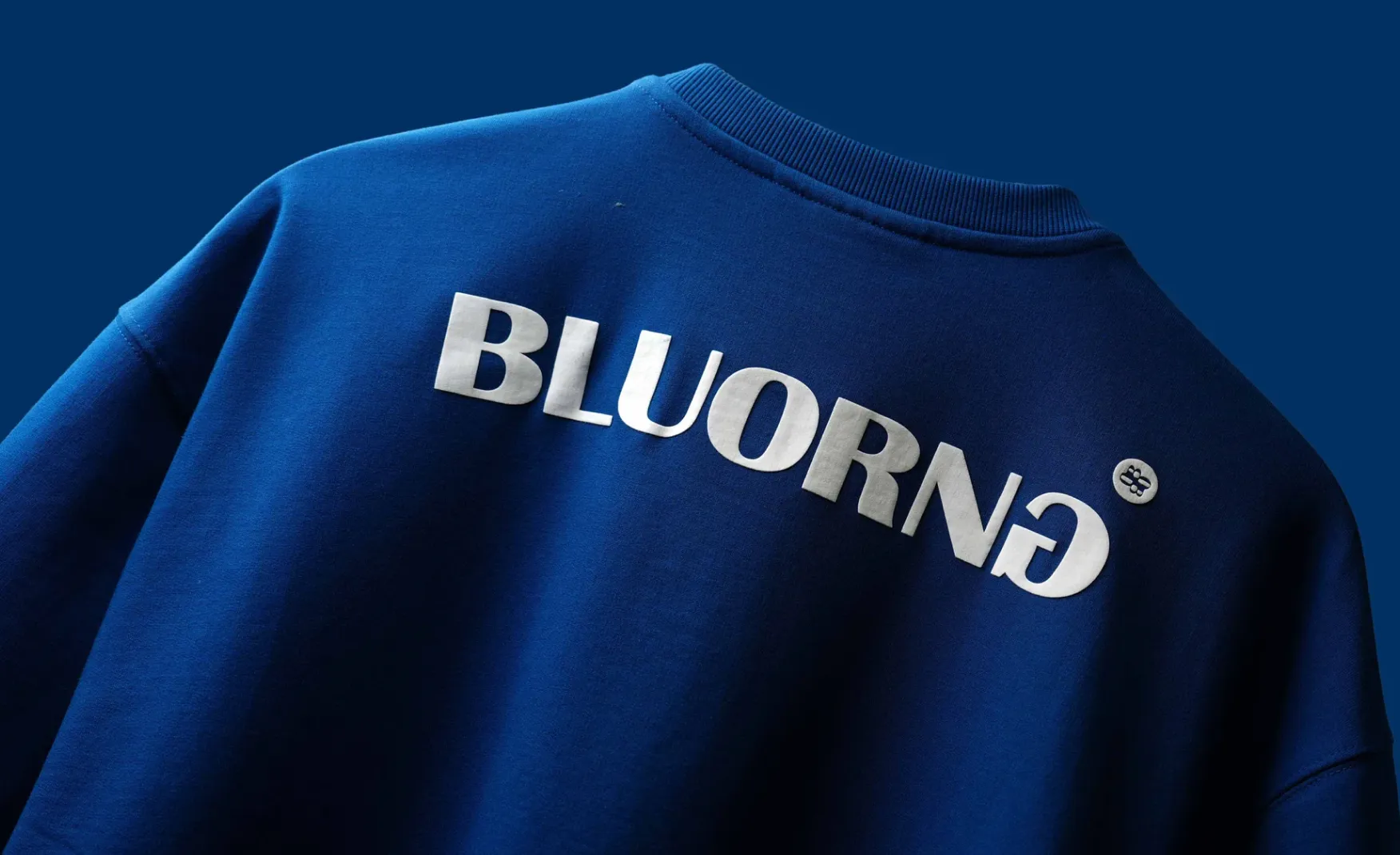
Indian streetwear in 2020 existed as a cultural reference point before it existed as a credible commercial category. The consumers who wanted streetwear were wearing Supreme, Palace, and Stussy. The Indian brands that were making graphic tees and hoodies were priced as basics rather than as cultural artefacts, and they were perceived accordingly. There was no domestic brand that had built the combination of design credibility, brand mystique, and price authority that streetwear requires to function at the premium end of the market.
Bluorng did not enter this space. It defined the space. The decision to price a sweatshirt at Rs 20,000 from a brand that had no heritage, no celebrity co-sign, no institutional backing, and no established consumer base was not a pricing strategy. It was a cultural argument. It argued that Indian design intelligence, Indian cultural reference, and Indian aesthetic ambition were worth the same premium as an imported logo. The consumers who bought the first Bluorng drop were not buying a product. They were agreeing with that argument. And the fact that those drops sold out confirmed that the argument was correct.
Category creation is one of the most commercially valuable things a brand can do and one of the hardest to sustain. The brand that creates a category owns its narrative, its pricing reference, and its consumer relationship in a way that no subsequent entrant can fully replicate. Bluorng has built this position in Indian premium streetwear, and it did so at a stage when most Indian fashion founders were still treating premium pricing as an aspiration rather than an opening position.
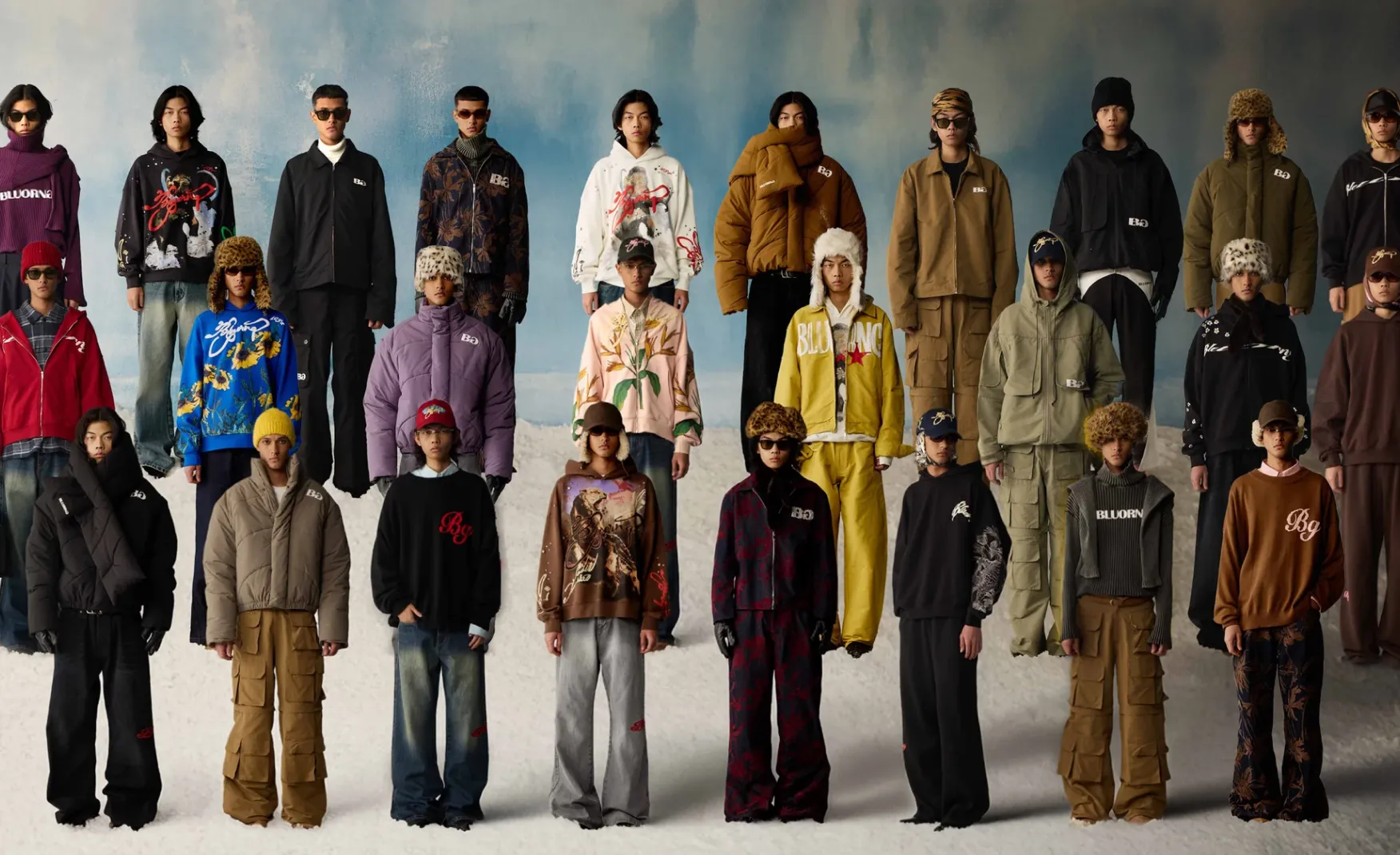
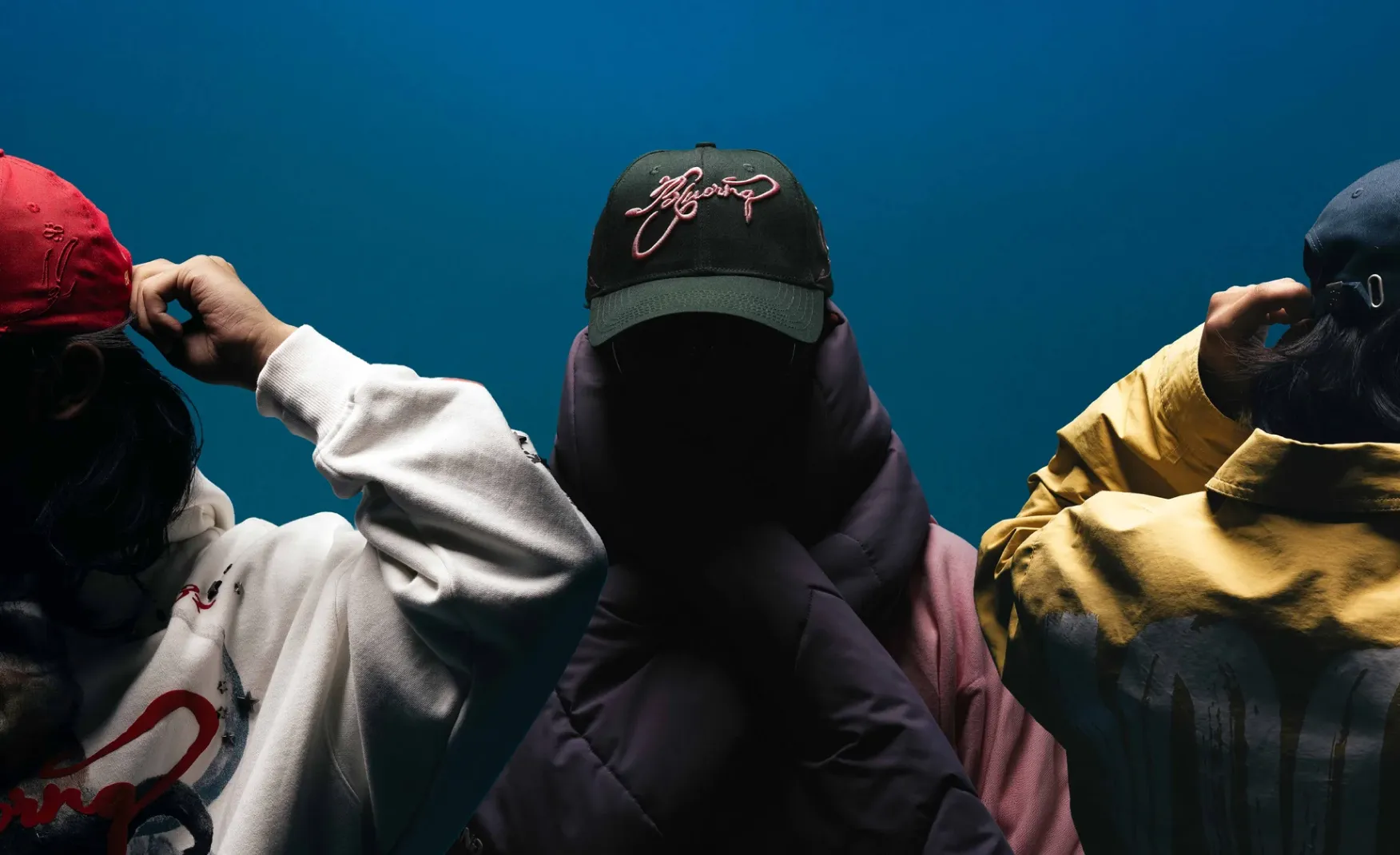
Most apparel brands think about design in terms of product. The garment is the design work. The photography is a support function, the website is a utility, the social media is a distribution channel. Bluorng treats all of these as a single, unified design problem, and the discipline with which it executes that unified vision is the primary driver of its ability to command premium pricing.
From casting decisions to campaign direction, from 3D motion graphics to website user experience, from the art direction of a product flat-lay to the spatial experience of a retail store, every consumer touchpoint reflects the same aesthetic intelligence. The clothing feels premium because the entire world around it feels premium. A consumer who encounters Bluorng through an Instagram reel, then visits the website, then enters a physical store experiences a coherent, elevated aesthetic at every point. That consistency is the commercial justification for the price point. When the full visual ecosystem is as considered as the product itself, the price becomes a consequence of the experience rather than a hurdle to it.
This level of aesthetic control is genuinely difficult to achieve with a nine-person team and no external capital. It requires founders who are both creatively driven and operationally disciplined enough to hold the standard across every execution. Siddhant Sabharwal and Mokam Singh met at Pearl Academy, where they were both obsessed with fashion and visual storytelling. That shared creative foundation is visible in the coherence of everything the brand has produced.
The first Bluorng physical space was not a store in the conventional sense. It was an appointment-only studio in Greater Kailash, Delhi, where the access model itself communicated brand value before the consumer had seen a single product. The fact that people queued outside that first studio was the market telling the brand that its scarcity instinct was correct.
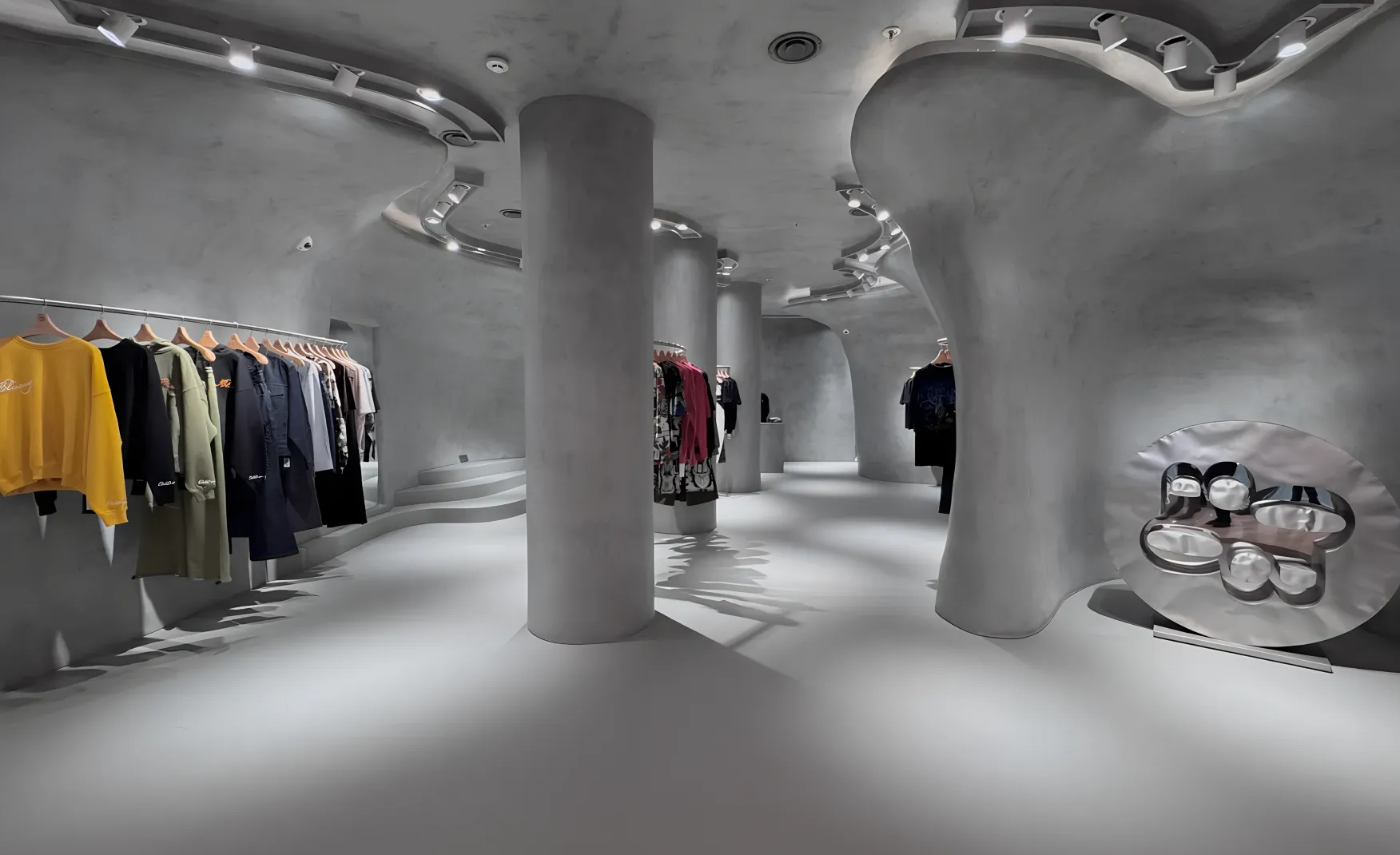
The Gurugram flagship, launched in 2024, extended this spatial philosophy into a larger format. Raw cement finishes, industrial neutrals, minimal layout, controlled lighting. The store does not try to sell. It tries to make the consumer feel something: the particular combination of confidence, restraint, and cultural seriousness that the brand communicates across every other touchpoint. Walking into a Bluorng store feels categorically different from walking into any other apparel retail environment in India because the spatial design is making the same argument as the clothing. This brand exists at a specific aesthetic altitude, and this is what that altitude feels like.
The alignment between the online and offline brand experience is one of the most commercially important things Bluorng has built. A consumer who discovers the brand through Instagram, makes a purchase online, and then visits a physical store encounters the same world at each point. That consistency compounds trust in a way that a strong online presence disconnected from a generic retail environment cannot.
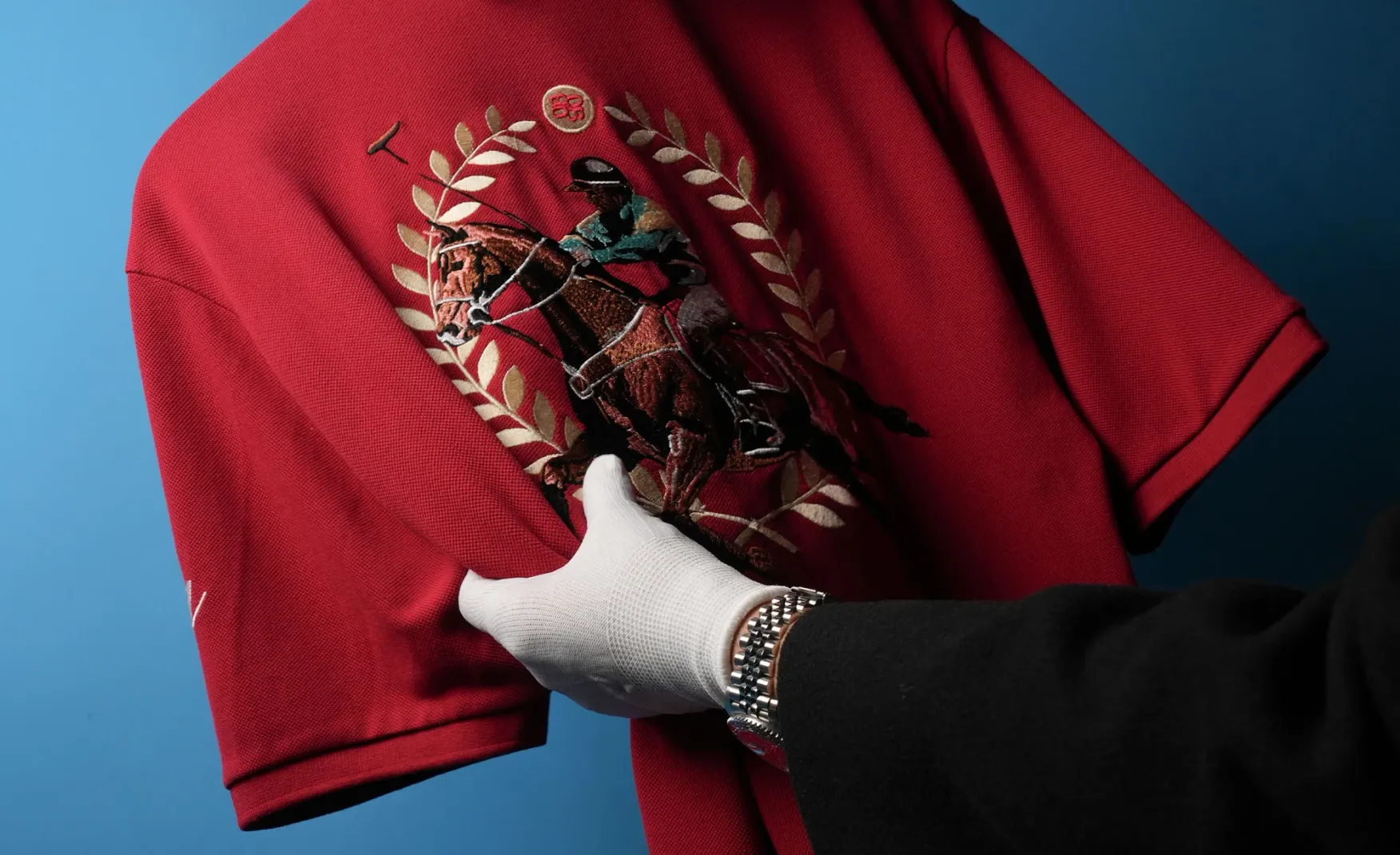
The limited drop model has become one of the most imitated and least successfully replicated strategies in fashion. The imitation is straightforward: release a limited quantity, announce it through social media, and let scarcity drive demand. The problem is that scarcity only creates urgency when the consumer believes the product is worth urgency. A brand that manufactures scarcity without manufacturing credibility produces drops that sit unsold behind the appearance of exclusivity.
Bluorng has managed the discipline that most drop-model brands fail at the quality has consistently lived up to the hype. The consumer who waits for a Bluorng drop and receives the product finds that the garment, the packaging, and the unboxing experience confirm the premium they paid. That confirmation is what produces the social content, the community advocacy, and the repeat purchase intention that turns a single successful drop into a brand with sustained market tension.
The Jägermeister collaboration in May 2024, covered by Rolling Stone India, is an example of the brand extending its drop culture into partnership territory. The choice of Jägermeister, a brand with strong counterculture credentials and global recognition, is consistent with Bluorng's own positioning: serious about craft, unapologetic about identity, and comfortable in contexts that mix fashion with culture. The collaboration felt like a genuine alignment rather than a commercial convenience, which is the only kind of brand partnership that builds rather than dilutes equity.
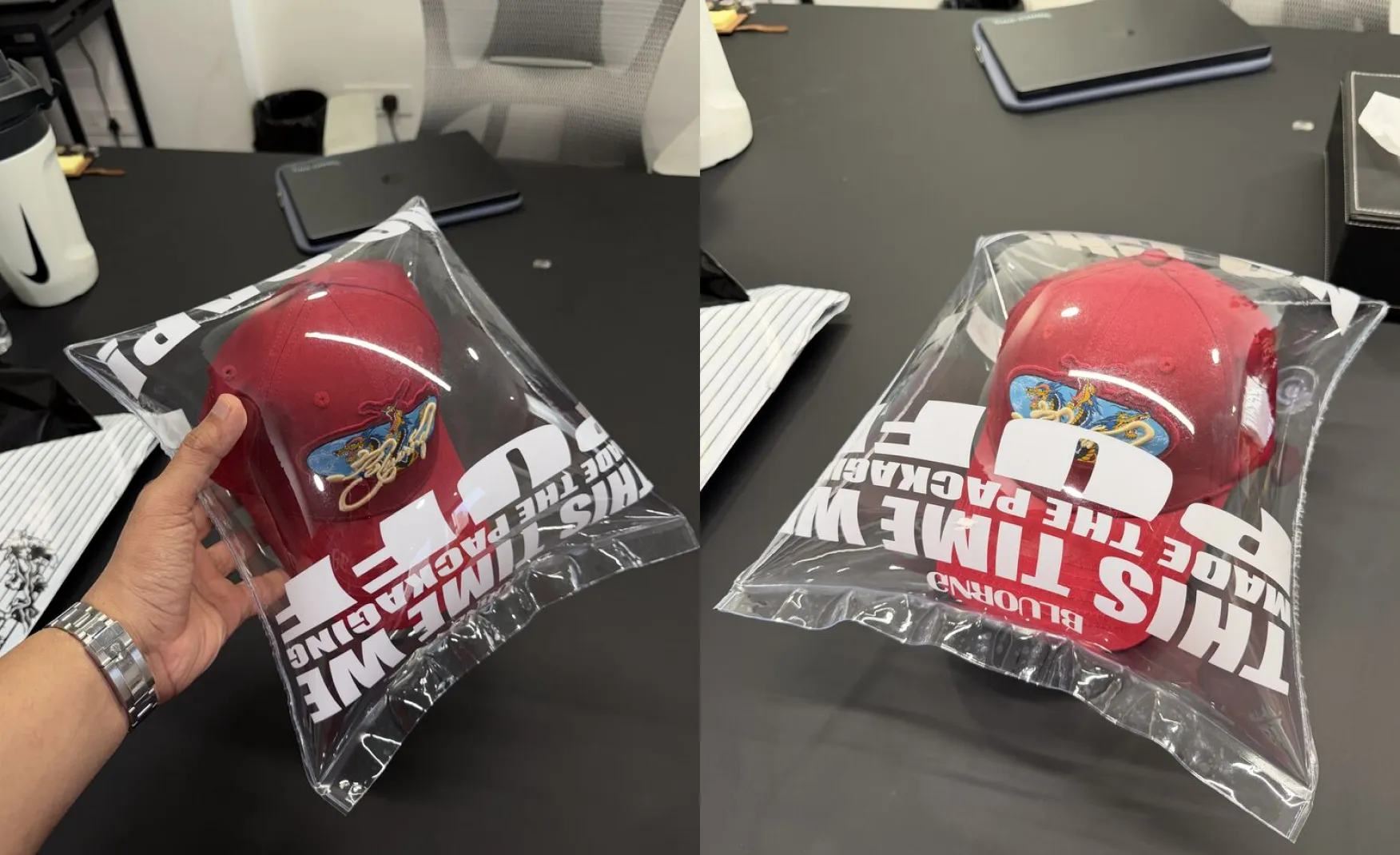
At the price points Bluorng charges, the packaging is part of the product. A Rs 20,000 sweatshirt that arrives in a generic polybag creates a dissonance between the purchase decision and the receipt experience that undermines the brand relationship at its most tactile moment.
Bluorng's approach to packaging reflects the same aesthetic intelligence as everything else the brand does. The cap packaging, which uses transparent pillow packaging to preserve structure and eliminate creasing, is a specific example of solving a functional problem with a design solution that also communicates brand values. The packaging protects the product. The transparency shows the product. The structural innovation signals that the brand has thought about the unboxing moment as carefully as it has thought about every other consumer touchpoint.
For a brand that sells primarily through D2C channels, the packaging is the only physical brand interaction between the digital purchase and the product itself. It is the moment when the consumer transitions from a screen relationship to a physical one. Brands that treat this transition as a logistics problem rather than a brand design problem lose the opportunity to deepen the relationship at its most emotionally charged moment. Bluorng understands this and has chosen the design solution over the operational shortcut at every stage.
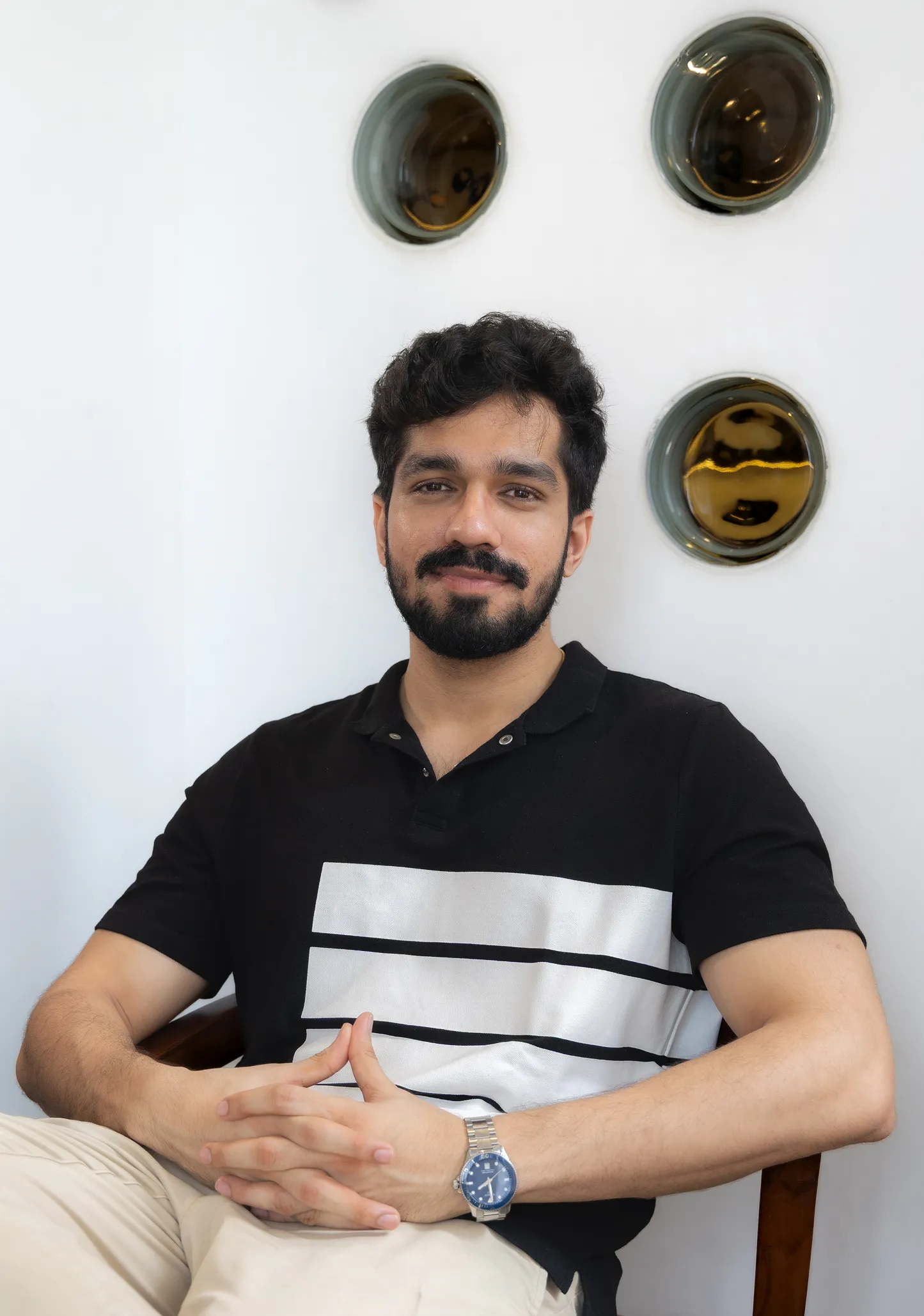
Bluorng is entirely bootstrapped. The operating entity, Bluorng Retail Private Limited, reported revenue of Rs 1.11 crore in its first year of formal trading, with a nine-person team. The brand's creative ambition significantly outpaces its current commercial scale, and without external capital, the pace at which it can expand its retail footprint, build its production capacity, and develop its distribution infrastructure is constrained by the revenues the business generates.
This is not a criticism. Bootstrapping has given the brand something that external funding often erodes: complete creative control and the ability to make every decision on the basis of brand integrity rather than investor return timelines. The founders have explicitly chosen this path and it has produced a better brand than a funded approach might have. But the premium streetwear category rewards distribution alongside design, and the brands that build meaningful scale in this space are those that find a way to resource their distribution expansion without compromising the creative discipline that makes the brand worth distributing.
Bluorng has articulated ambitions for international expansion, and the brand identity is genuinely capable of carrying them. Indian streetwear with serious design credentials and cultural confidence has an audience in London, New York, Dubai, and Singapore among the diaspora community and among the global fashion consumer who is looking for non-Western perspectives in premium apparel.
But international expansion in apparel is one of the most capital-intensive and operationally complex things a fashion brand can attempt. The brands that succeed in sequenced international expansion typically start with markets where advertising costs are manageable, competitive intensity is lower, and regulatory complexity is lighter, then move to harder markets once the operational infrastructure has been tested. Attempting the US and UK simultaneously as the primary international targets, at a stage when the domestic commercial foundation is still being built, spreads resource and attention in ways that can compromise both the domestic and international opportunities.
Bluorng's identity is inseparable from the creative vision of Siddhant Sabharwal and Mokam Singh. This is one of the brand's greatest strengths at its current stage: the founders' aesthetic intelligence is directly legible in every piece of creative output the brand produces. It is also the brand's most significant structural vulnerability as it scales.
A brand that is entirely dependent on the personal creative output of its two founders cannot scale its creative operations without risking the dilution of the very thing that makes it valuable. The transition from a founder-led creative practice to an institutional creative practice, where the brand's aesthetic standards are codified clearly enough that a team of designers can produce output that meets them without founder oversight on every piece, is one of the most difficult and most important things a design-led fashion brand has to build. It requires formalising what is currently intuitive, documenting what is currently instinctive, and trusting a creative framework rather than a creative individual to hold the brand's identity.

The aesthetic intelligence that Bluorng has built across its five years of existence lives primarily in the instincts of the two founders. Before the brand expands its team, its retail footprint, or its production capacity, the most important design investment it can make is to formalise that instinct into a documented creative system: explicit rules for typography, colour usage, photography direction, spatial design, packaging standards, and campaign art direction that any new team member could read and understand well enough to produce Bluorng-level work.
This is not about constraining creativity. It is about protecting it. A creative system that is well-documented is a creative vision that can survive team growth, partnership decisions, and production scale-up without being diluted at each stage. The brands that maintain the aesthetic coherence of their founding vision through rapid growth are those that codified that vision as a system before the growth began, not those that relied on the founding team's continued involvement in every creative decision.
At Confetti, we worked on House of Agam, a premium South Indian rooted apparel brand where the design brief was to build an identity that balanced cultural depth with contemporary structure. The wordmark was built on the Makara symbol. The garments carried narrative without becoming costume. The brand felt rooted and modern simultaneously. This kind of brand architecture thinking, where cultural specificity becomes a premium positioning driver rather than a limiting factor, is directly relevant to Bluorng's next phase.
Bluorng has a design language that is currently unified across its entire range. As the brand grows, there is an opportunity to develop a sub-brand architecture: a main line that maintains the current premium pricing and limited drop model, and a secondary line that addresses a slightly wider consumer base without diluting the core brand's exclusivity. Defining the architecture of that relationship now, before commercial pressure forces the decision reactively, would allow the brand to expand its addressable audience without the core losing what makes it command Rs 20,000 for a sweatshirt.
The Jägermeister collaboration demonstrated Bluorng's instinct for culturally aligned partnerships. The coverage in Rolling Stone India placed the brand in a media context that most Indian fashion brands of comparable commercial size cannot access. These collaborations are not marketing spend. They are brand equity events, and they deserve to be managed as a programme rather than executed as individual opportunities.
A documented collaboration framework, with explicit criteria for which brands and cultural properties Bluorng will partner with and which it will decline, would allow the team to evaluate incoming opportunities quickly and consistently rather than case by case. The framework should protect two things above all: the brand's cultural credibility with its existing audience, and the aesthetic coherence of the collaboration output. A Bluorng collaboration should be immediately identifiable as Bluorng, regardless of the partner brand that appears alongside it.
Bluorng has built something that almost no Indian fashion brand of its age and size has built: a design world that commands luxury-level pricing on the basis of creative integrity alone, without celebrity co-signs, without institutional funding, and without Western brand validation. The appointment-only studio that opened in Greater Kailash in 2020 with queues outside before it had a single piece of paid media is one of the most precise pieces of brand intuition in recent Indian fashion history.
The rating is a 5 out of 5 on brand construction quality. The challenges ahead, scaling without capital, formalising what is currently instinctive, and sequencing the international opportunity, are the challenges of a brand that has built better than it has been resourced to distribute. Bluorng's creative output punches significantly above its commercial weight. The next phase of its growth is about building the commercial infrastructure to match the brand that Siddhant Sabharwal and Mokam Singh have already designed.
If you are building a premium lifestyle, fashion, or design-led brand and want to create the kind of brand world and creative system that earns cultural authority before commercial scale, Confetti can help you build that.
Want strategic branding and packaging like this for your business?




.webp)
.webp)

.webp)
.webp)
.webp)
.webp)
.webp)







.svg)
.webp)






.svg)
.svg)






















































































.webp)










.webp)



.svg)