%201.webp)
02
AI Snaps
.svg)
.svg)
01
Our Work
03
About Us
04
Brand Audit
05
Contact Us
06
Client Success
12
07
Blogs
08
Careers
Book A Call
.svg)




Need Help In Building Your Brand?
Click the button below & book a call with our founder directly.

Rishabh Jain
Managing Director
Nuuk | Confetti's Verdict ⭐⭐⭐⭐
Confetti Design Studio has analysed Nuuk to understand how a home appliance brand founded in 2023 by Gazal Kalra, co-founder of logistics unicorn Rivigo and formerly of McKinsey and the World Bank, and Shalabh Gupta, former Chief Growth Officer at Noise, grew from Rs 31.8 lakh in FY24 to Rs 16 crore in FY25, a near-50x year-on-year jump, raised USD 10 million across three rounds from Vertex Ventures SEA, Good Capital, and a roster of angel investors including the CEO of Swiggy and ex-CEOs of Boat, KPMG India, and BharatPe.
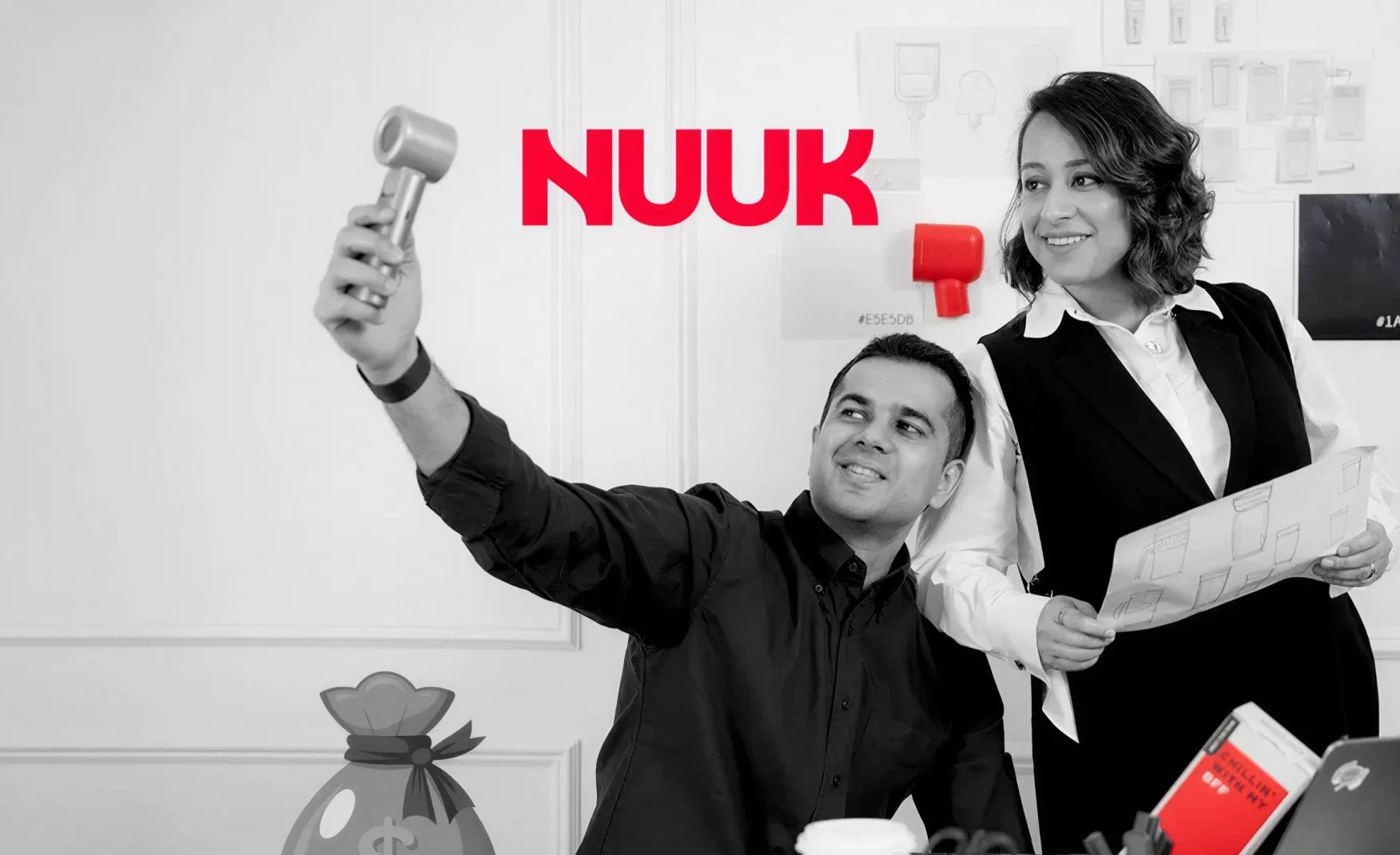
Most home appliance brands in India have been competing in the same positions for decades. Havells, Bajaj, and Orient on one side, selling functional reliability at accessible prices. And at the other end, Dyson making an occasional India push at price points that put it firmly in aspirational territory for most urban middle-class households, where a vacuum cleaner at Rs 30,000 to Rs 60,000 is a considered luxury rather than a considered purchase. In between, cheap Chinese imports are functional but carry no brand identity and build no loyalty.
Nuuk entered between these two poles with a specific premise: design-first products, built with genuine creative involvement in the engineering, at a price that makes the purchase feel smart rather than compromised. The 50x revenue growth in a single year is not primarily a marketing achievement. It is the market confirming that the gap was real and that the product filling it was credible. Vertex Ventures' Piyush Kharbanda noted that Nuuk's early execution was "unlike anything the D2C space has seen in years," which is either hyperbole from an investor or an accurate read on category velocity. The revenue number suggests it was the latter.
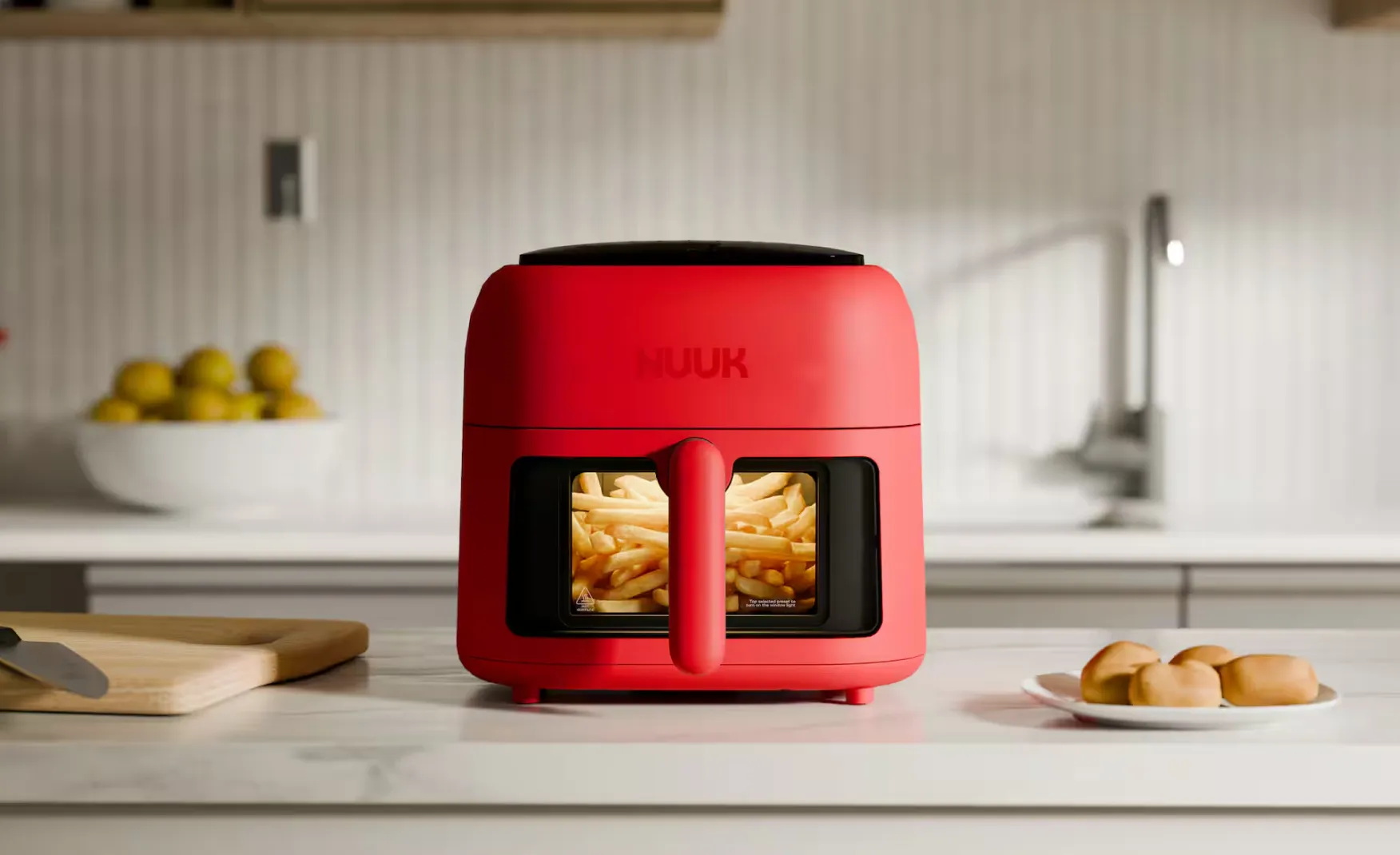
What makes Nuuk's founding team unusual in the home appliance D2C space is that both founders have operated at scale in adjacent consumer and technology categories before starting the brand. Gazal Kalra co-founded Rivigo, the logistics technology company that rebuilt long-haul trucking through relay driving, reaching unicorn status. Before founding Nuuk, she had spent time at McKinsey and the World Bank. Shalabh Gupta was Chief Growth Officer at Noise, one of India's fastest-growing consumer electronics brands, where he had direct experience scaling a D2C hardware brand through the same channels Nuuk is now using.
That combination matters in a way that is specific to the appliance category. Home appliances are not a category where clever marketing compensates for weak product development or supply chain gaps. They are physical objects that have to work reliably, be supported efficiently, and be priced precisely enough to earn a repurchase. The angel investors who backed the Series A round, including the CEO of Swiggy and ex-CEOs of Boat, KPMG India, and BharatPe, are people who have enough operational visibility to evaluate both the founders and the numbers. Their continued participation in the follow-on round six months later confirms that what they saw internally matched what the external growth rate suggested.
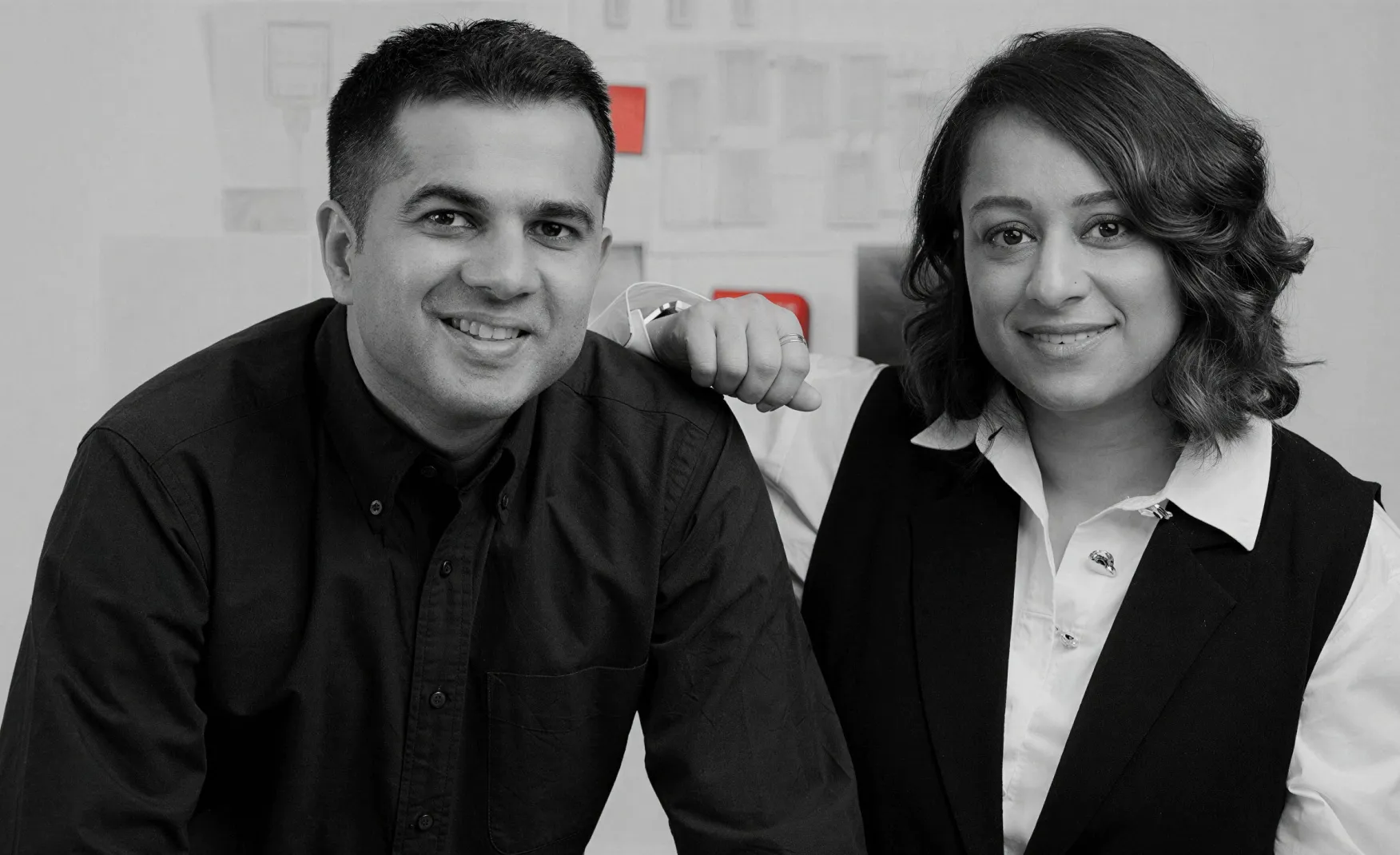
In India's home appliance category, every brand claims innovative design somewhere in its marketing language. Nuuk has product design awards listed on its product pages, and the distinction between claiming design and having that claim independently validated is a significant one for the consumer making an unfamiliar purchase.
Displaying design award recognition communicates something specific to the consumer who notices it: this brand was involved in the engineering and creative development of what you are buying, not just in the packaging and distribution of someone else's factory output. In a market where brand-labelled imports are common, this credibility is hard to build and, once built, hard to attack. The strategic value extends forward too. Once a brand has established design award credibility in one product category, it carries into every new category entered. It becomes a permission structure for premium pricing and a reason for the consumer to extend trust without re-evaluating from scratch, which is how brand equity compounds over time rather than depreciating.
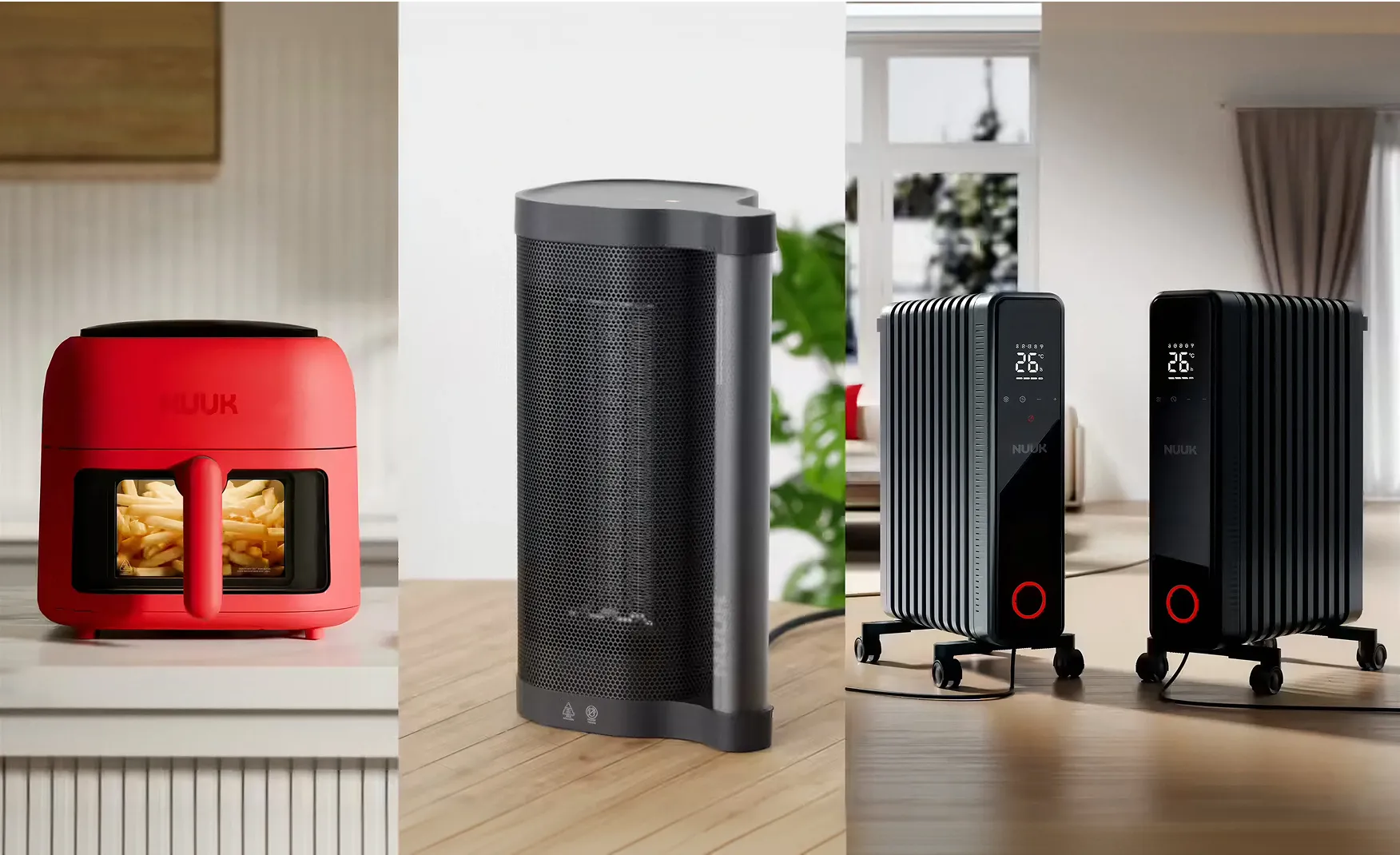
Nuuk currently manufactures 20% of its products in India, with the remainder imported from China. The founders have committed publicly to reaching over 50% domestic production by the end of FY26, and the capital from both the Series A and the follow-on round is being partially directed toward building that manufacturing capability. The distinction between this commitment and the usual "Made in India" claim is that Nuuk's product designs originate internally and are then handed to third-party manufacturers: the design is genuinely the brand's own, even when the manufacturing is not yet.
For the Indian consumer choosing between a Nuuk product and a generic import, this matters as a trust calculation. The question being asked, consciously or not, is whether this brand genuinely developed the product or simply put its name on someone else's factory output. The design-origination model, backed by public manufacturing targets, answers that question in Nuuk's favour. There is also a structural commercial advantage in building this manufacturing capability: it provides protection against the import duty pressures and currency exposure that purely import-reliant brands face as they scale.
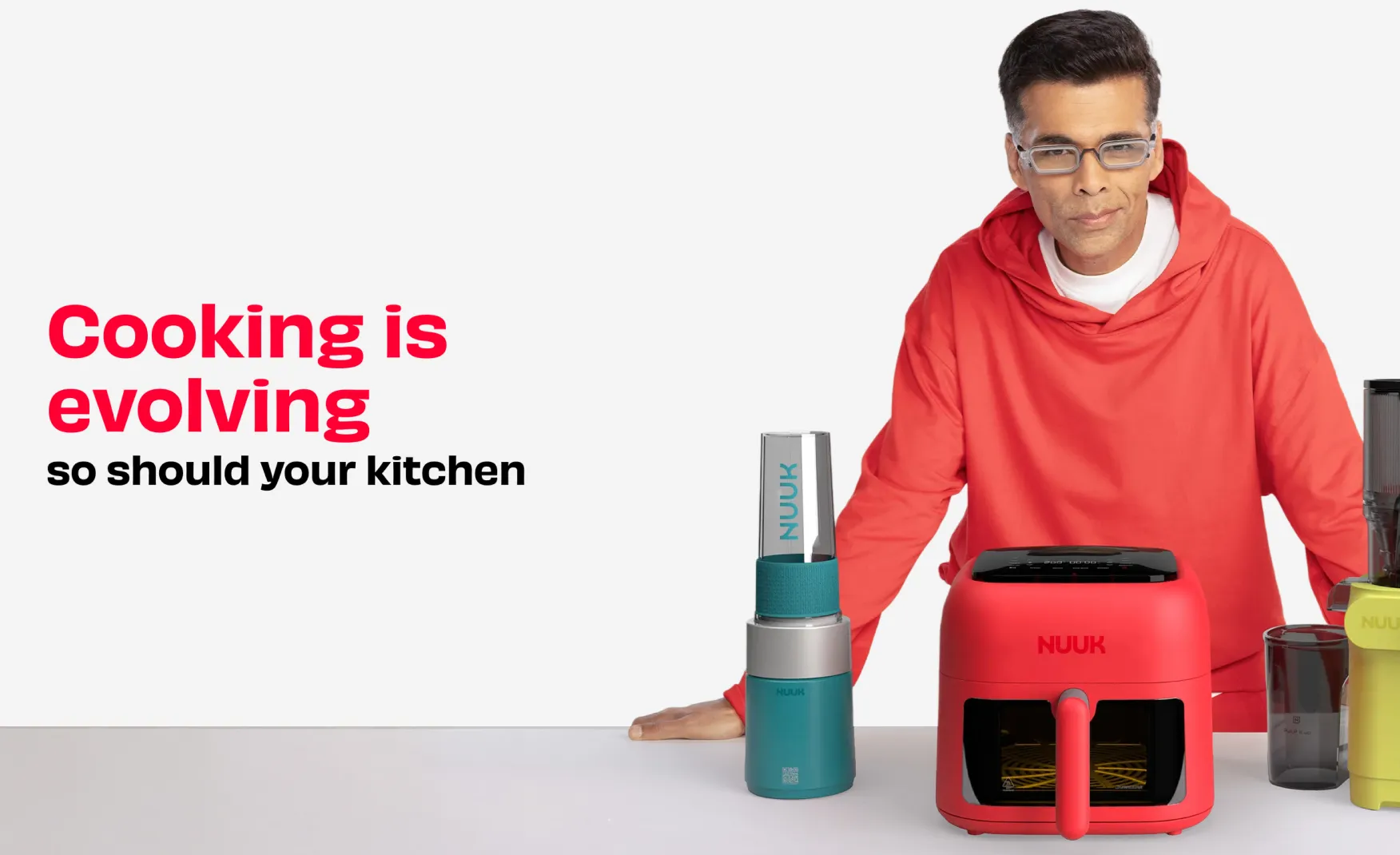
The home appliance category is full of brands that are remembered by category and not by product. You remember to buy a Philips kettle, not a specific Philips kettle. You reach for a Bajaj fan because you know the brand, not because you remember the specific model. A brand that wants to be chosen and not just defaulted to needs a product that people specifically remember and specifically recommend.
Nuuk's All-Day Wireless Fans, using high-precision BLDC motors and advanced battery technology to deliver up to 16 hours of cooling on a single charge, is the kind of specific, verifiable product claim that generates genuine word of mouth. A consumer who buys a fan because it will last through the night without needing a plug earns a story to tell: "I got the Nuuk fan that doesn't need a socket" is the kind of recommendation that travels naturally. In a category where product recall is low and brand recall is even lower, a product that creates a memorable, shareable consumer story is an asset that compounds with every unit sold.
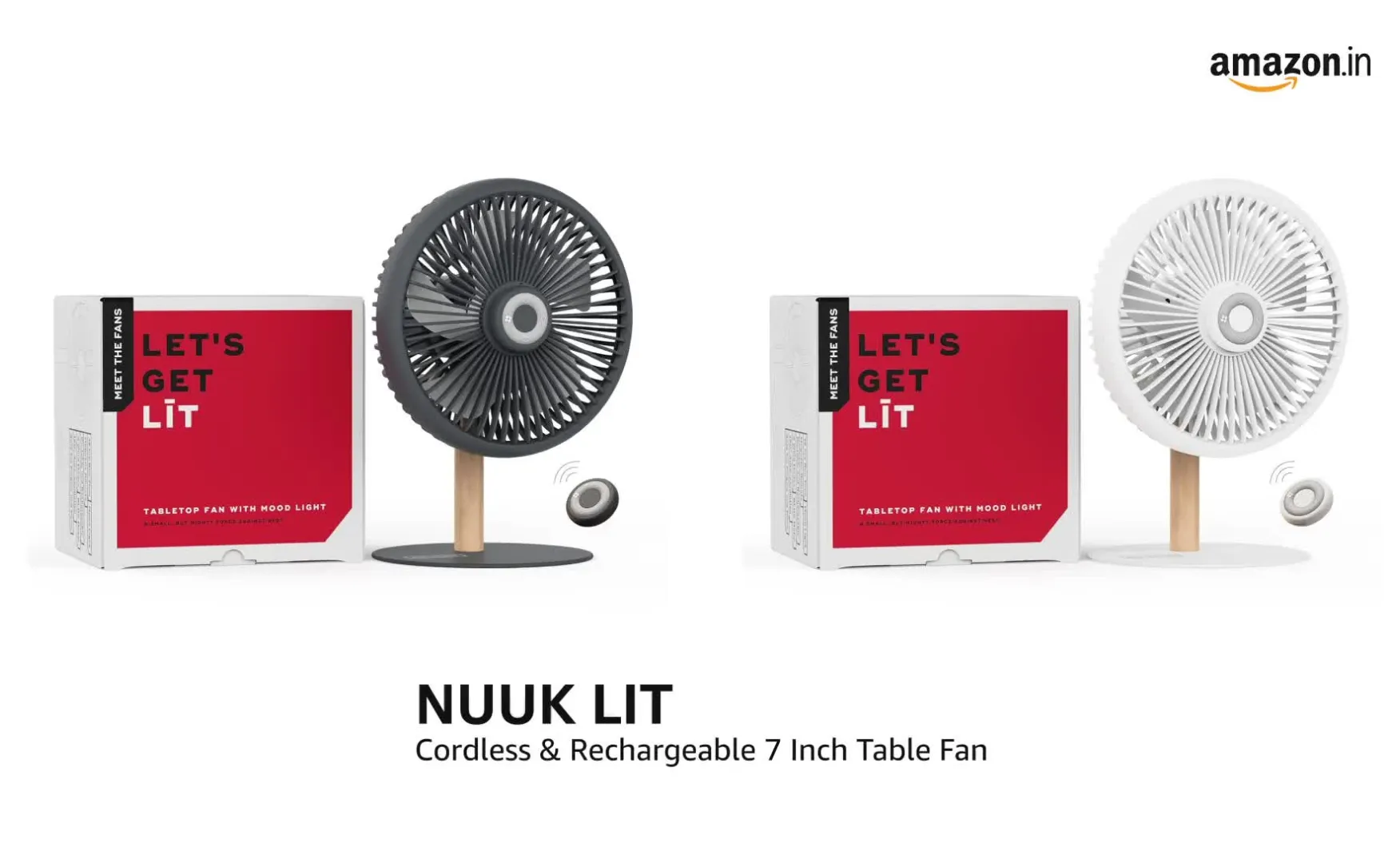
Nuuk's products are visually stronger than Nuuk's brand identity at this stage, and that gap will become a more visible problem as the business scales. The visual system, logo treatment, brand character, and tone of voice are still in early formation. The product is doing the heavy lifting that a mature brand would distribute across every touchpoint.
The specific risk is this: when a consumer is asked what Nuuk stands for beyond "good-looking home appliances," the answer is not yet fully formed. "Design-first, function always" is a positioning line, but it has not yet translated into a brand world: the visual language, the personality, the content identity, the feeling a consumer gets from every encounter with the brand that is not the product itself. For Nuuk to command loyalty that survives a cheaper competitor matching the design aesthetic or a Dyson price drop, the brand needs to mean something that extends beyond its product category. That meaning requires deliberate investment and does not emerge automatically from good products.

Amazon is currently Nuuk's biggest revenue channel. That is a commercially sound starting position but a strategically fragile one at scale. Amazon is a discovery and conversion platform that operates primarily on price comparison, search ranking, and review aggregation. A brand that builds its revenue primarily on Amazon is building on a platform that can change its algorithm, introduce a competing private-label product, or adjust its fees in ways that immediately affect the brand's commercial position.
The founders have identified Blinkit as the expected next significant channel as quick commerce scales in home appliances. That transition is worth accelerating deliberately rather than waiting for it to happen organically, because quick commerce rewards early brand presence in a category before competitors establish their own visibility. The brand that is known on Blinkit before the category is crowded earns the default association that is very difficult for later entrants to displace.
Nuuk already spans fans, vacuum cleaners, garment care, and kitchen appliances within two years of founding. The ambition is clear and the category selection is defensible. The risk is that a brand with a design-forward identity aspiration that spreads across too many functional categories before the brand identity is clearly established ends up being remembered by category utility rather than by brand personality.
Aspirational home brands are built on visible products: objects that sit on counters, shelves, and bedside tables, that guests notice and ask about. The deeper Nuuk goes in categories that live in storage between uses, the more category-specific rather than brand-specific its identity becomes. The question the product roadmap needs to answer is not just "which categories can we compete in?" but "which categories will most visibly build the brand we want to be?"
Nuuk has done the harder thing first: it has built products that people genuinely want, at prices they will pay, in a market that was waiting for them. The next body of work is ensuring that the brand scaffolding is strong enough to hold the business as it scales. This means a deliberate investment in a visual identity that is distinctive and consistent from product to packaging to digital; a brand voice and character that consumers connect with beyond a category need; and content that shows the Nuuk home rather than just the Nuuk product.
The design awards and the investor credibility have built a foundation of rational trust. What is needed now is the structure that converts rational trust into emotional loyalty: a brand identity that consumers can be loyal to, and that a competitor cannot simply copy by launching a cheaper lookalike with similar product aesthetics. At Confetti, we have worked with brands like House of Agam, where the challenge was building a visual identity strong enough to carry a premium positioning without the product needing to do all of the credibility work on its own. That is exactly the investment that Nuuk needs to make in the next 18 months.
The category expansion path that builds the Nuuk brand fastest is not more vacuum cleaner variants. It is the categories that live visibly in homes, table fans, desk lamps, air purifiers, small kitchen appliances, objects that sit in view and become part of how a home looks and feels. These are the categories that get photographed in flat-lays, that guests notice during dinner, that end up in Instagram home tours. Each visible Nuuk product in a home is also a permanent brand touchpoint at zero ongoing acquisition cost.
The deliberate question to answer in the product roadmap is which categories will get Nuuk into living rooms, bedrooms, and kitchens in the most aesthetically visible way possible, before the vacuum cleaner range becomes the anchor that makes the brand think of itself as primarily a cleaning brand rather than a home design brand.
Corporate gifting in India sits in a specific price-quality band. The gift needs to be impressive enough to be memorable, practical enough to be used, and sensibly priced enough to scale across employee bases or client lists. Dyson solves the impressive part but fails on scale. Generic electronic imports solve the scale part but deliver no real brand impression for the recipient. Nuuk sits at precisely the point where both conditions are met.
A Nuuk fan or garment steamer is priced to allow meaningful corporate gifting, and the design quality means the recipient is genuinely pleased to receive it. Every gifted Nuuk product is a brand demonstration in a home the brand would otherwise have had to pay to reach, sitting visibly in that space for years. Building the infrastructure to serve institutional buyers efficiently, dedicated SKUs, bulk pricing tiers, custom packaging, and a B2B sales function, before a competitor identifies the same opportunity, would give Nuuk a distribution channel with structurally lower acquisition costs than any D2C or retail play.
Nuuk is one of the most strategically coherent new entrants in India's home appliance category: a brand that identified a genuine market gap, built products with real design credibility to fill it, and generated institutional and consumer confidence fast enough to turn hypothesis into fact within two years. The 50x revenue growth is a market validation, not just a business result. The founders bring the operational depth the category requires, and the investor roster brings the institutional conviction that early-stage D2C hardware brands rarely attract.
What comes next is the brand-building work: establishing the visual identity, brand character, and product category strategy that will give Nuuk something competitors cannot quickly replicate. The product quality is already there. The brand has to move as fast as the product has.
If you are building a consumer hardware or design-led product brand and want an identity that earns premium positioning before a better-funded competitor tries to occupy the same space, Confetti can help you build the brand your product deserves.
Want strategic branding and packaging like this for your business?





.webp)
.webp)

.webp)
.webp)
.webp)
.webp)
.webp)







.svg)
.webp)


.svg)
.svg)








































































.webp)










.webp)



.svg)