%201.webp)
02
AI Snaps
.svg)
.svg)
01
Our Work
03
About Us
04
Brand Audit
05
Contact Us
06
Client Success
12
07
Blogs
08
Careers
Book A Call
.svg)



Need Help In Building Your Brand?
Click the button below & book a call with our founder directly.

Rishabh Jain
Managing Director
Inde Wild | Confetti's Verdict ⭐⭐⭐⭐
Confetti Design Studio has analysed Inde Wild, the modern-Ayurveda beauty brand that has pulled off something no Indian-born beauty label had managed before it. Diipa Buller-Khosla, a global content creator, and her husband and co-founder Oleg Buller-Khosla built the brand's entire case on a coined category they call Ayurvedistry, a deliberate blend of classical Ayurvedic ingredients and modern biochemistry. In April 2026 the brand became the first homegrown Indian beauty brand to sell out a Sephora US pop-up, drawing more than 5,000 people to its Fifth Avenue store. This audit talks about what a genuinely well-built, founder-led brand needs to do once the viral moment has passed and the harder work of building an institution begins. This audit is as per August, 2026.
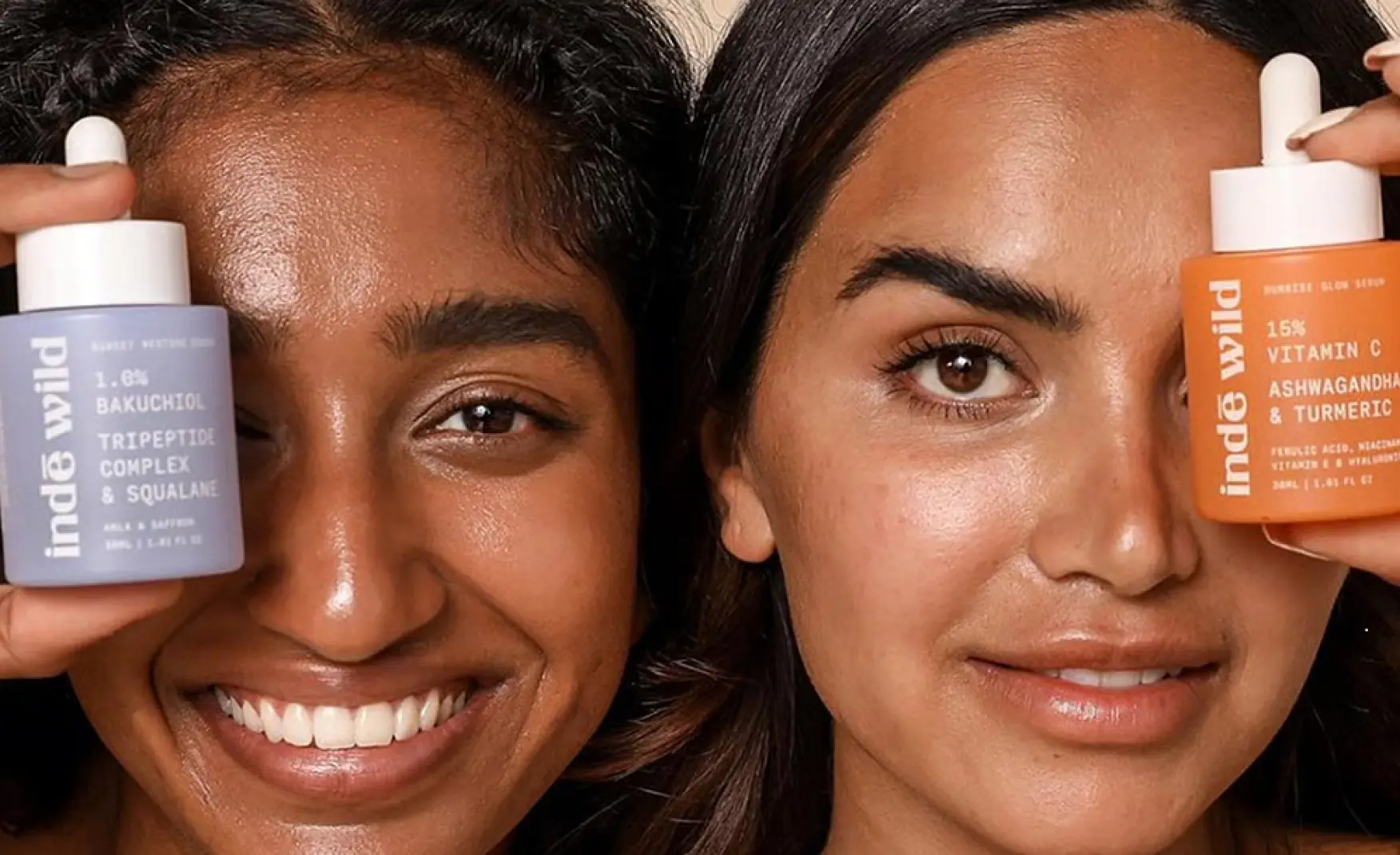
Most new beauty brands enter an existing shelf and try to win a slightly better position on it, Inde Wild did the harder thing.
Rather than describe itself as another Ayurvedic label or another clean-science skincare line, it invented a word, Ayurvedistry, and planted a flag in the gap between the two. The brand's own line, "Simplified Ayurveda. Advanced Biochemistry. Clinically Backed," is a positioning statement disguised as a tagline.
The move resolves a tension that has quietly held back Indian heritage beauty for years, since Ayurveda has cultural authority but a credibility problem with younger consumers, while modern actives have credibility but no story.
By naming the synthesis rather than picking a side, Inde Wild gets to claim heritage and efficacy at the same time, backed by results messaging like "500,000+ skin and hair transformations." The consumer no longer has to choose between tradition and proof, which is exactly the choice that used to send her to a Western serum.
A coined category is also a defensible one, since competitors can copy an ingredient list but cannot easily plant themselves inside a word Inde Wild introduced and now owns.
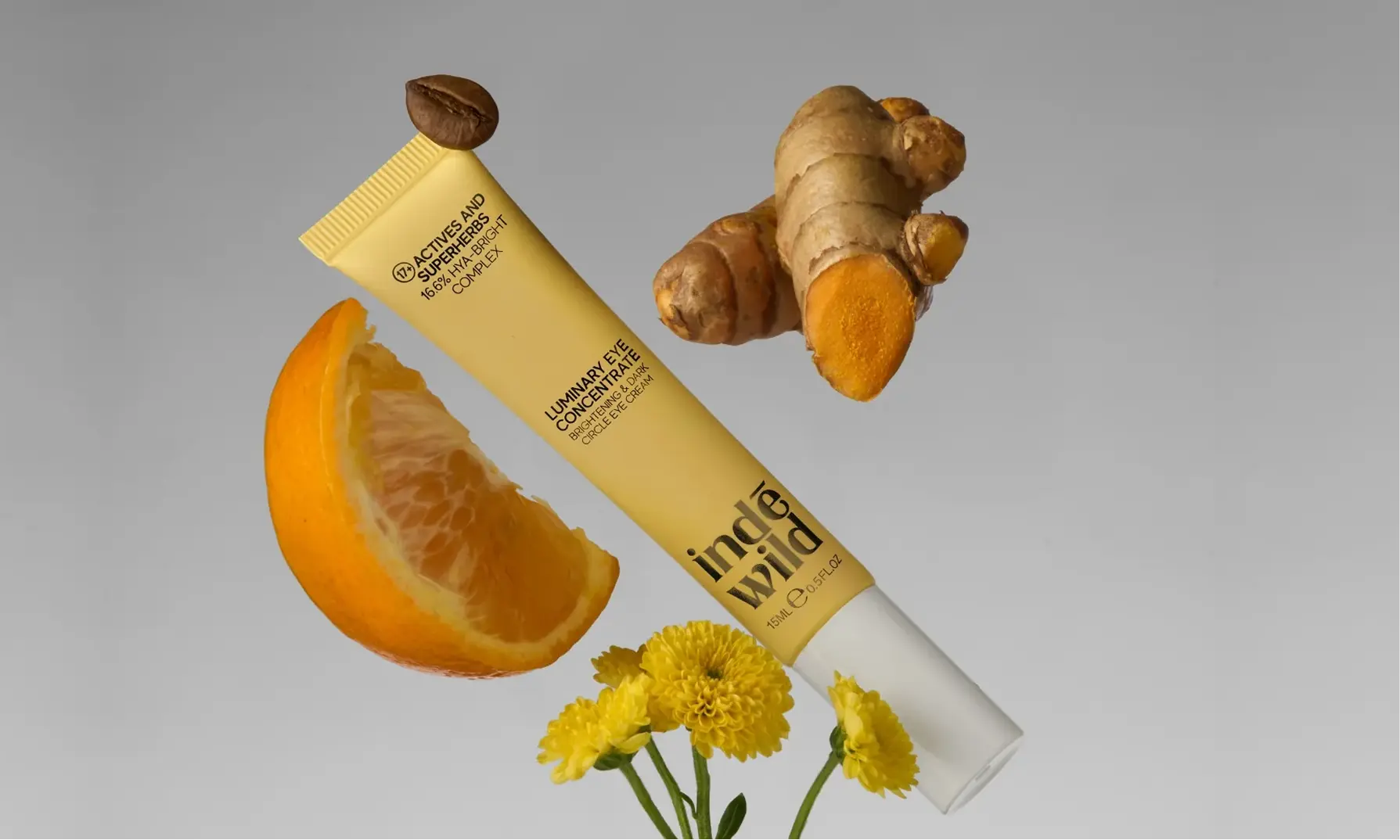
Building a beauty identity that works in one market is difficult, building one that lands with a Sephora shopper on Fifth Avenue and a Nykaa shopper in Bandra at once is genuinely rare.
The visual system is clean, modern and confidently contemporary, built on soft warmth, generous white space and a sleek typographic order that would not look out of place next to the most polished Western prestige brands. It signals efficacy and modernity first, and lets the heritage sit underneath as substance rather than costume.
There is no gold foil, no Sanskrit ornament, no saffron-and-marigold shorthand doing the heavy lifting.
Instead the culture lives in the product naming, where lip shades carry names like Masala Chai, Glazed Jalebi and Wedding Rose, and the hero oil is simply called Champi, the Hindi word for a head massage. For a diaspora consumer these names are an instant, warm signal of belonging, and for a global consumer they read as distinctive rather than foreign.
That elasticity is what let the company move from a D2C launch to global specialty retail without a visible reinvention, and it is the quiet engineering underneath the more visible viral moments.
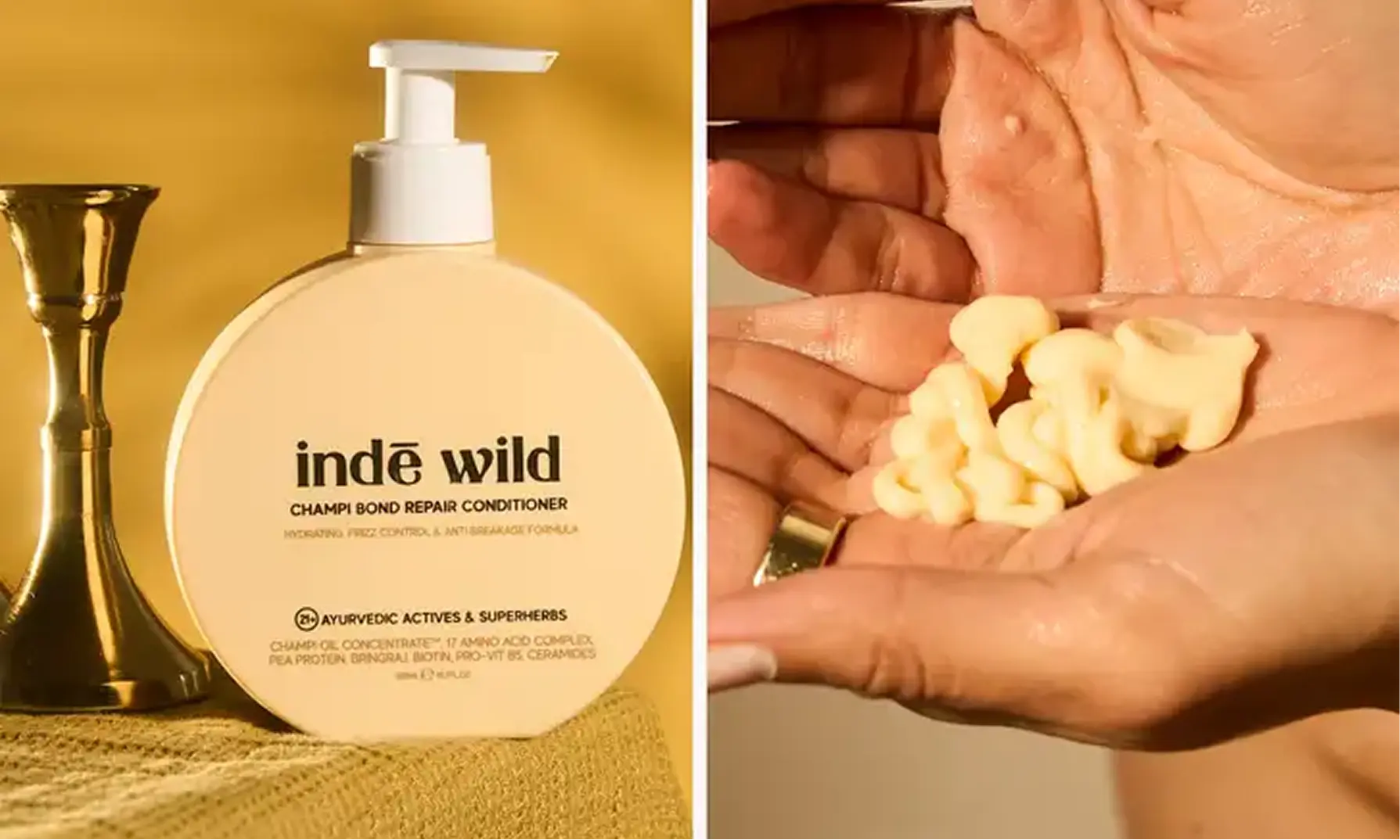

Every durable beauty brand needs one product that becomes shorthand for the whole house, and Inde Wild found its answer unusually fast.
The Champi Hair Oil, a Bhringraj, Brahmi and Amla formulation built on more than sixteen Ayurvedic actives, became the brand's engine, rising on Nykaa to become a category bestseller the brand says has outsold established players including Olaplex and L'Oreal. When Inde Wild reached the Sephora pop-up in April 2026, Champi was the SKU that reportedly sold out within the first hour.
A strong hero product solves the single hardest problem in beauty, persuading a sceptical first-time buyer to try you once, and Champi does this by sitting inside hair oiling, a ritual most Indian consumers already trust.
It wraps that familiarity in the credibility layer the brand is built on, with results-led claims around measured reductions in hair fall, so the product feels both ancestral and proven at once.
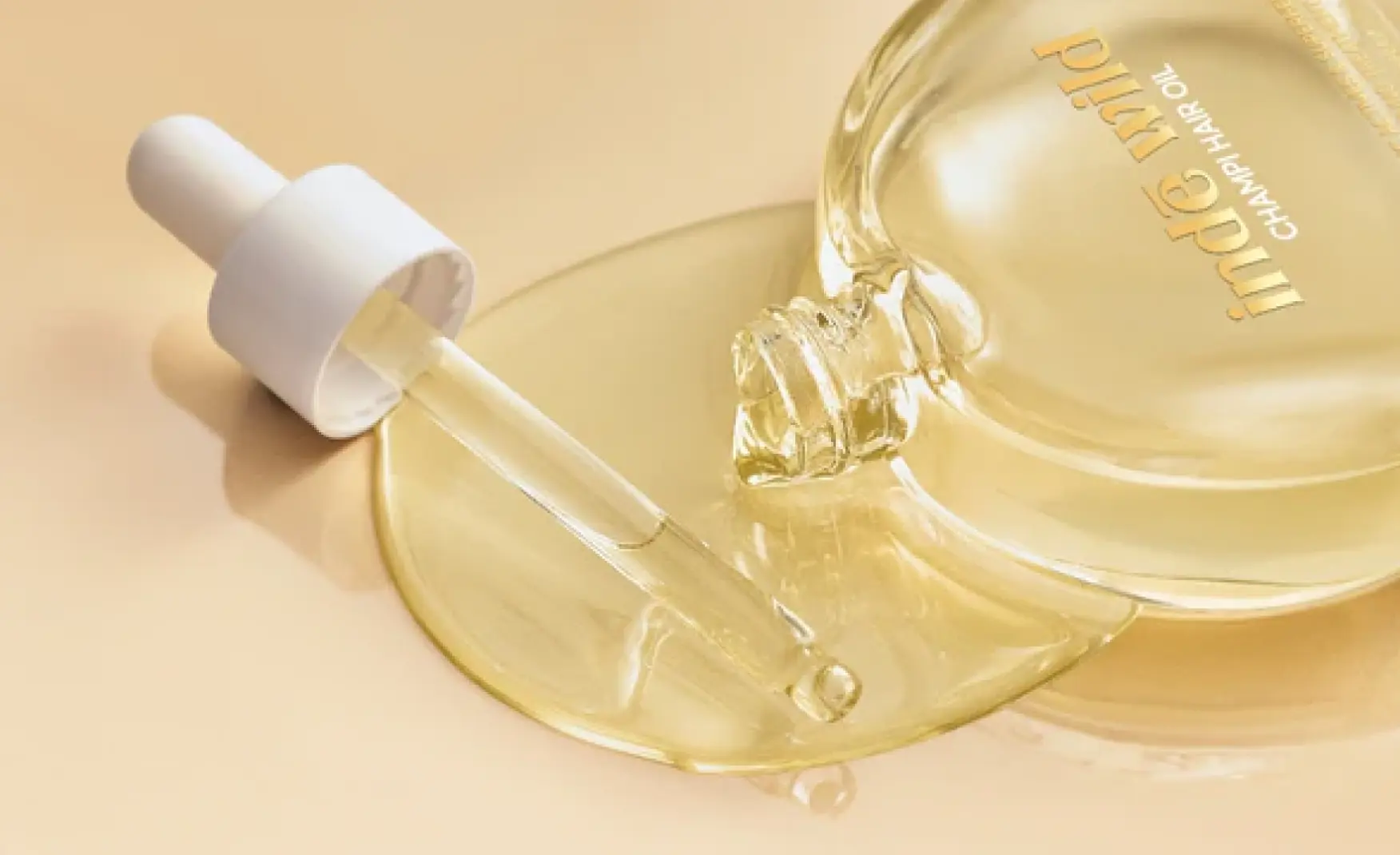
Inde Wild did not buy its way to attention, it was built on top of an audience Diipa Buller-Khosla had already earned as one of the most established Indian creators on the global stage.
That head start is why the numbers at launch look nothing like a typical early-stage brand, with the India debut reportedly selling out within ninety minutes and the brand going on to sell more than one unit a minute within eighteen months. By the Sephora pop-up, a reported crowd of over 5,000 people queued outside the Fifth Avenue store, some from as early as 7am.
The deeper strength is that the founder is not just a megaphone but a genuine product and community engine, treating the audience as a research panel rather than a billboard.
When an early vitamin C serum oxidised in India's warehouse heat, the brand publicly acknowledged the fault, refunded customers and reformulated in the open, converting a supply-chain failure into a demonstration of accountability rather than hiding it.
That is the difference between an influencer product line, which spikes and fades, and a founder-led brand, which builds a durable relationship with its customer.
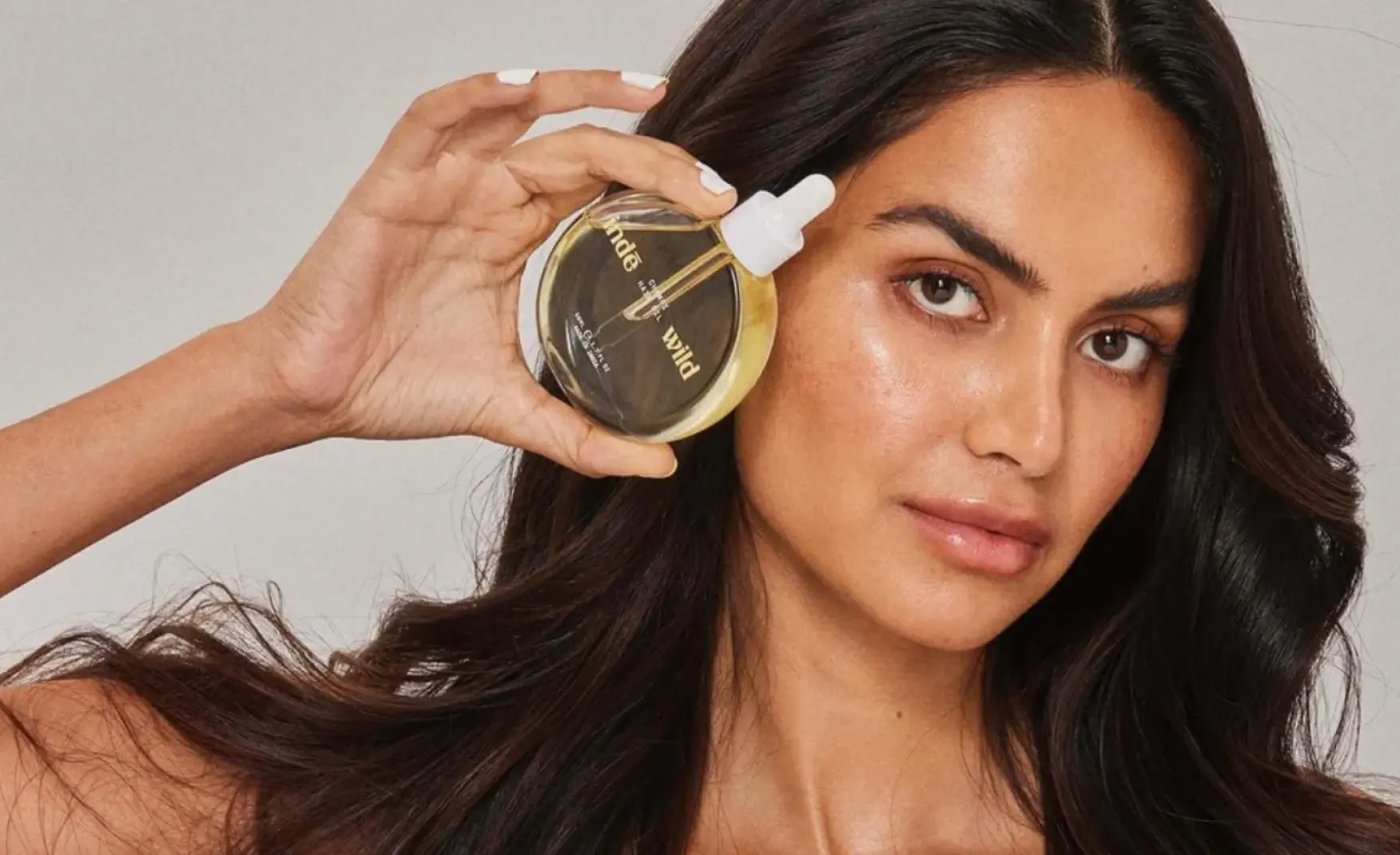
In a market where most beauty brands sprint to a hundred SKUs, Inde Wild has been notably disciplined about how slowly it adds products.
In its first three years the brand kept its range deliberately tight, letting a small number of formulations earn deep loyalty before expanding, which is a strategic choice rather than a limitation.
A tight range keeps the brand legible, concentrates marketing and inventory behind proven winners like Champi, and keeps the pricing story honest, with the hero oil sitting around ₹1,999 on Nykaa against entry points well below that.
Scarcity of range, handled well, reads as confidence in the same way visual restraint does, telling the consumer the brand is not throwing products at the wall but releasing only what it can stand behind with clinical proof.
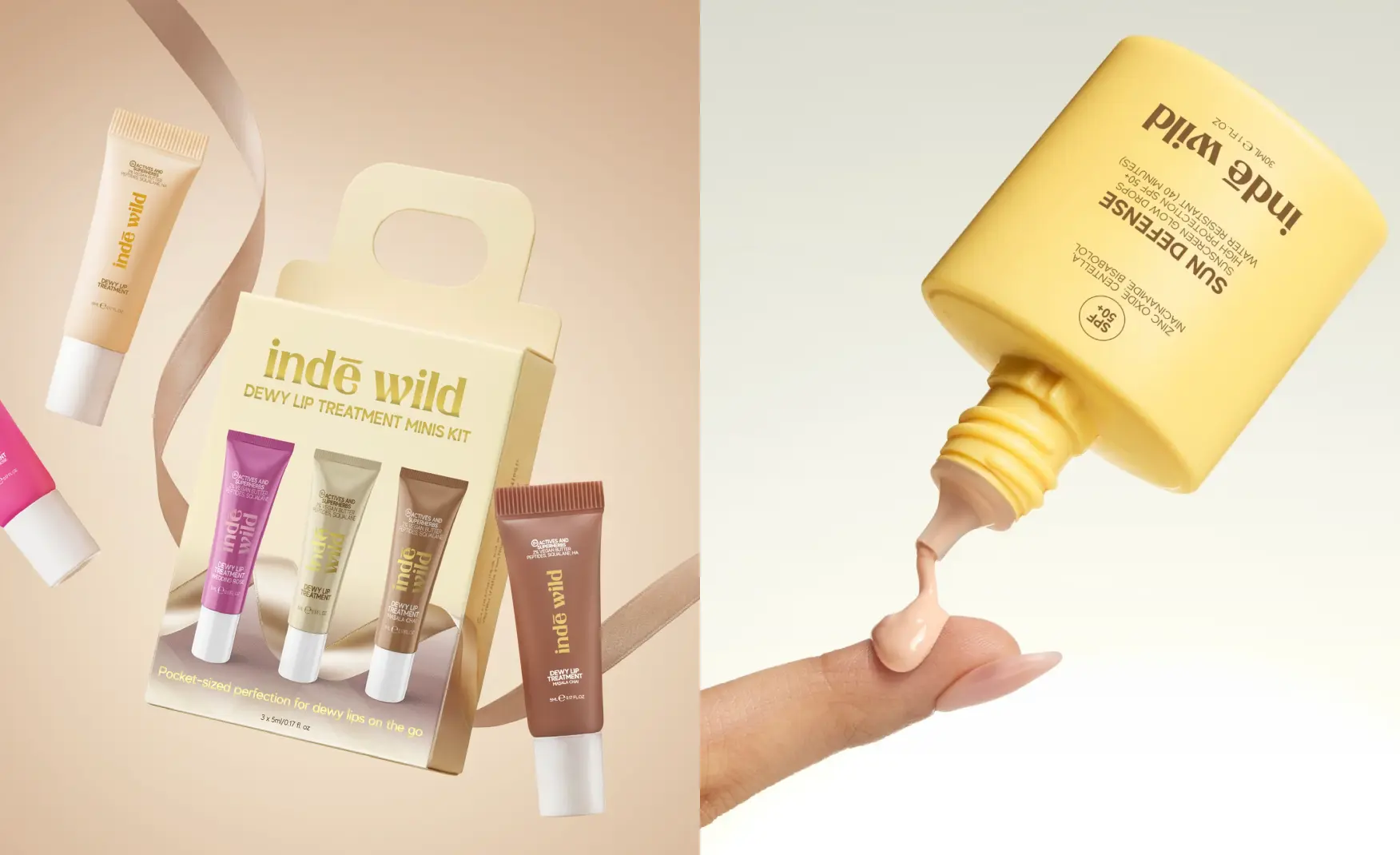
Inde Wild's marketing does not stay online, and its launch for the Masala Chai Dewy Lip Treatment is the clearest example of that.
Timed around International Tea Day, the campaign turned a product launch into what the brand called a chai-fuelled micro-festival, with branded chai-serving auto-rickshaws, DJ collaborations and community pop-ups run in partnership with small businesses including the clothing label Shop Mauve. That sensory, experiential activation merged everyday cultural nostalgia with the brand's performance-skincare claims, and it sold out the product.
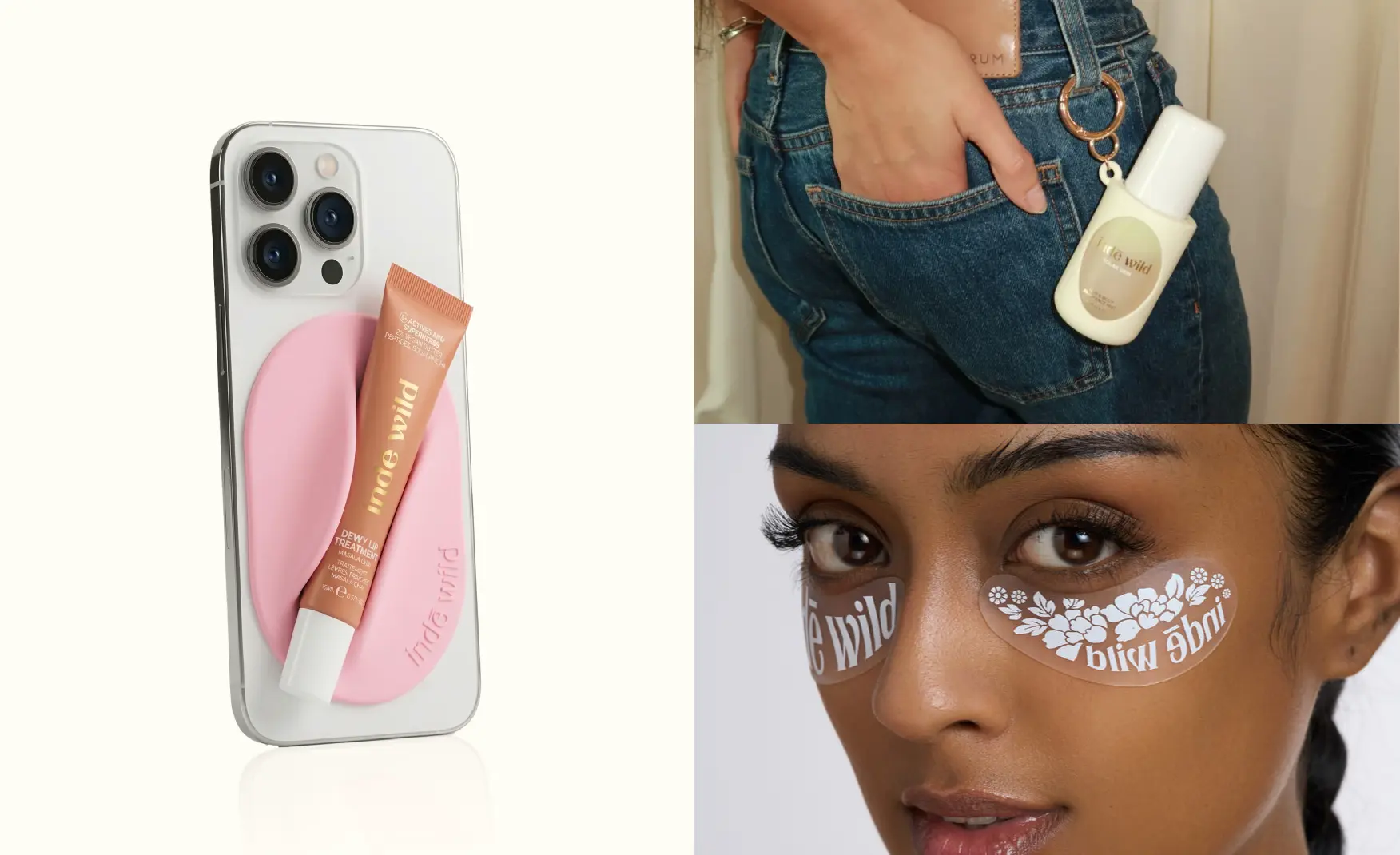
The brand extends the same instinct into merchandise, selling scarves, scrunchies and lip balm holders that customers treat as genuine status objects rather than throwaway freebies.
Owning a piece of Inde Wild merch has become a small signal of belonging to the community, and that kind of organic desirability is worth more than a paid campaign could buy at the same scale.
Inde Wild's greatest asset is also its most concentrated risk.
The brand's reach, its trust and a large share of its marketing engine currently run through one person, and Diipa Buller-Khosla is not merely the founder but the face, the voice and much of the distribution. That works beautifully while her attention and reputation are fully invested, but it leaves the brand exposed in a way a more diversified marketing system would not be.
Any shift in the founder's focus, availability or public standing translates directly into brand risk, and a company that has scaled this fast on personal equity has to consciously build an identity that can survive independent of it.
This is solvable, but only if treated as an active priority, by widening the cast of voices and ensuring the product and design system can carry recognition on their own.
Inde Wild is competing in two markets that reward very different things, and serving both without splitting focus is harder than its early success makes it look.
In the US and UK it plays as diaspora-driven prestige, sitting alongside brands like Ranavat, Kulfi Beauty and Fable and Mane inside Sephora, where the consumer will pay prestige prices. In India it plays as premium-but-accessible, competing on Nykaa where a ₹1,999 oil sits against decades of much cheaper household options.
The messaging that thrills a South Asian consumer in New York is not automatically the messaging that converts a first-time buyer in Pune, and the pricing architecture that signals quality abroad can read as steep at home.
Inde Wild has so far managed the split with genuine skill, but as volume grows the tension between these two consumers will sharpen, and the brand will have to decide with more precision which market defines it.
The Sephora sellout was a spectacular milestone, but it also raised the bar the brand now has to clear every day.
Inde Wild runs a deliberately lean range and a relatively modest funding history, which makes it small relative to the retail theatre it has stepped onto and the global peers it is now shelved beside. Selling out a one-day pop-up is a triumph of demand generation, but sustaining a permanent presence across prestige retail requires depth of range and supply-chain reliability at scale.
There is also a question sitting underneath the 2025 round, since Unilever Ventures leading the investment is a strong validation but also places one of the world's largest beauty conglomerates on the cap table of a brand whose entire appeal is its independence and specificity.
That is not a problem today, and it may well become an export accelerant, but it does frame a future decision about whether Inde Wild scales as an independent challenger or is eventually absorbed into a larger portfolio.
The single highest-value move available to Inde Wild is to convert the founder's personal equity into brand equity that can stand on its own.
This does not mean stepping Diipa back, which would waste the brand's best asset, it means deliberately building the scaffolding around her. That includes a stronger, more ownable visual signature and a cast of community and expert voices that speak in the brand's tone rather than only the founder's.
The goal is a brand that still benefits enormously from its founder's reach, but that a consumer would recognise and return to even on a shelf where the founder is nowhere in sight.
Inde Wild's global story is thrilling, but its most defensible long-term position may be at home, and the window to own it is open now.
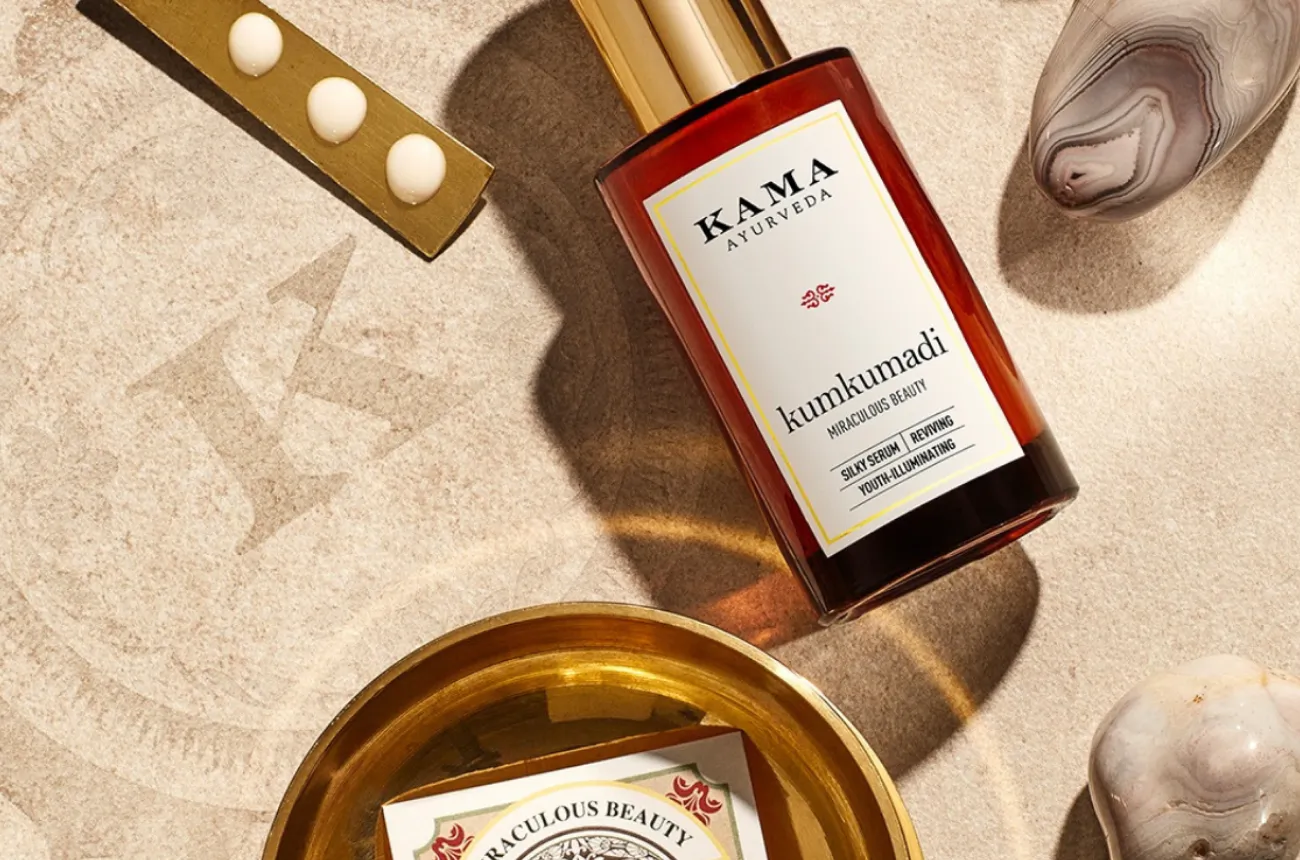
The brand sits in a genuinely valuable middle, more modern and efficacy-led than heritage players like Forest Essentials and Kama Ayurveda, and more culturally rooted than clinical Western imports. That middle is exactly where a large, design-literate Indian consumer base is heading.
Confetti's general experience with Ayurvedic and wellness brands shows that here it is required to defend the premium with proof and design rather than apologise for it, so every touchpoint justifies the price the moment the consumer encounters it.
Inde Wild grew up as a digital-native brand whose art direction was optimised for the phone, and it did that superbly.
On a Sephora shelf the product competes without a caption and without a scroll to hold attention, so the packaging itself has to do the persuading in the two seconds a shopper's eye rests on it. Shelf presence, tactile quality and unboxing become the brand's most important media the moment the customer is standing in a store rather than watching a reel.
As the brand moves deeper into global specialty retail, the physical object stops being a container and becomes the campaign.
Inde Wild is one of the most impressively built young beauty brands to come out of India, and its strengths are the ones that are hardest to fake.
It coined a category rather than crowding into one, built a visual and verbal identity that reads with equal fluency in Mumbai and Manhattan, and found a genuine hero product in Champi.
The tensions are the natural ones for a brand this young moving this fast, still closely bound to its founder and straddling two markets that reward different things. None of these are flaws so much as the strategic decisions its next few years will be defined by.
If you are building a beauty or skincare brand and want your identity and digital experience to carry the same weight as your formulations, get in touch with Confetti Design Studio.
Want strategic branding and packaging like this for your business?




.webp)
.webp)

.webp)
.webp)
.webp)
.webp)
.webp)







.svg)
.webp)





.svg)
.svg)
















































































.webp)










.webp)


.svg)