%201.webp)
02
AI Snaps
.svg)
.svg)
01
Our Work
03
About Us
04
Brand Audit
05
Contact Us
06
Client Success
12
07
Blogs
08
Careers
Book A Call
.svg)




Need Help In Building Your Brand?
Click the button below & book a call with our founder directly.

Rishabh Jain
Managing Director
Foxtale | Confetti's Verdict ⭐⭐⭐ ½
Confetti Design Studio has analysed ClayCo to understand how a founder built a skincare brand around the idea that beauty rituals do not belong to a single country.
Niharika Jhunjhunwala, an LSE graduate who previously founded Sugarbox, started ClayCo in 2023 and grew it from Rs 5 crore to Rs 72 crore in three financial years, with Unilever Ventures backing the brand from month six.
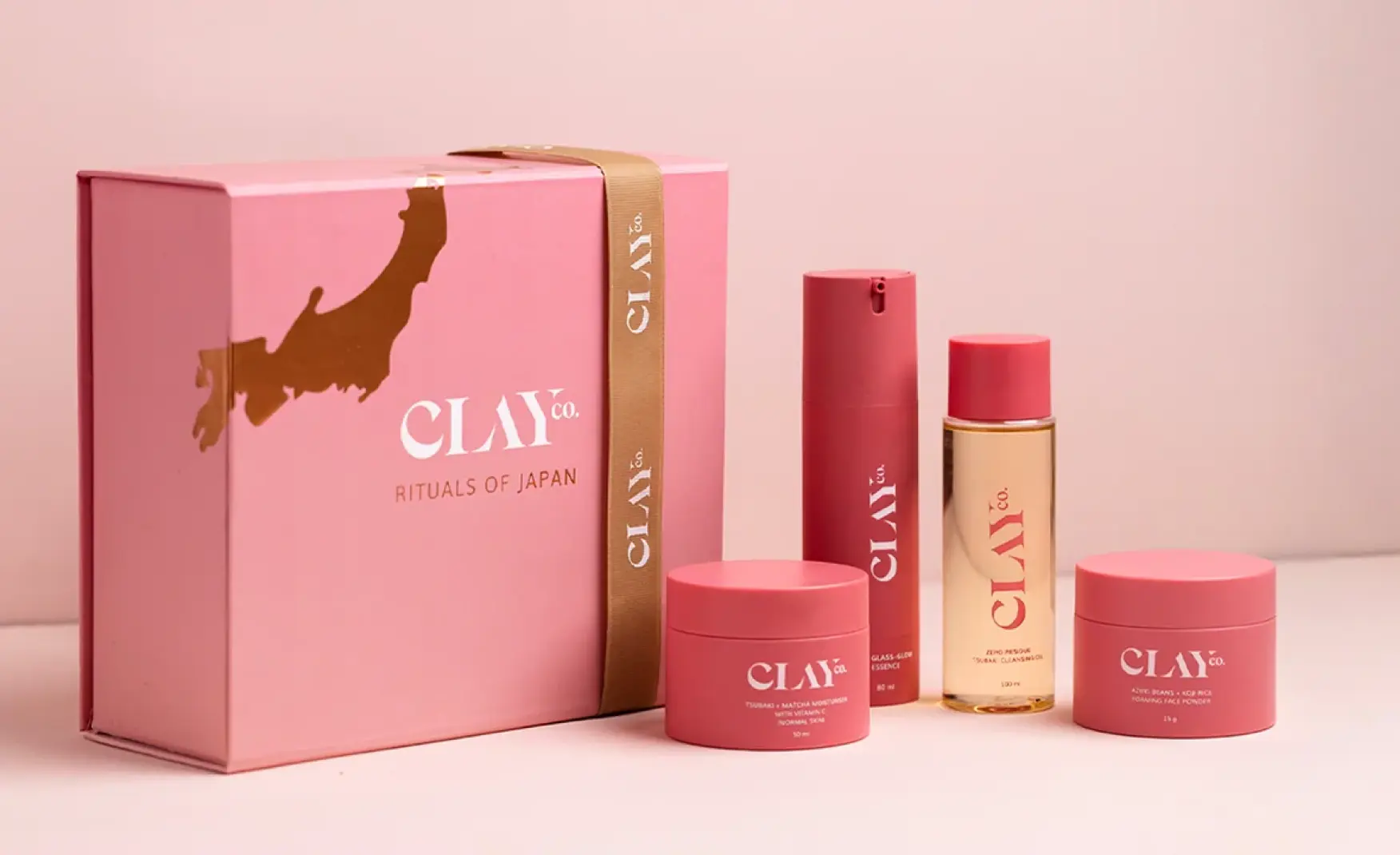
Design studio Beyondesign built a packaging system with a map of the ritual's home country printed on every pack, made so the brand could add Morocco or Korea later without redrawing anything. This audit explores whether ClayCo will actually use that map, or keep selling from the one country it already has. The audit is as per September 2026.
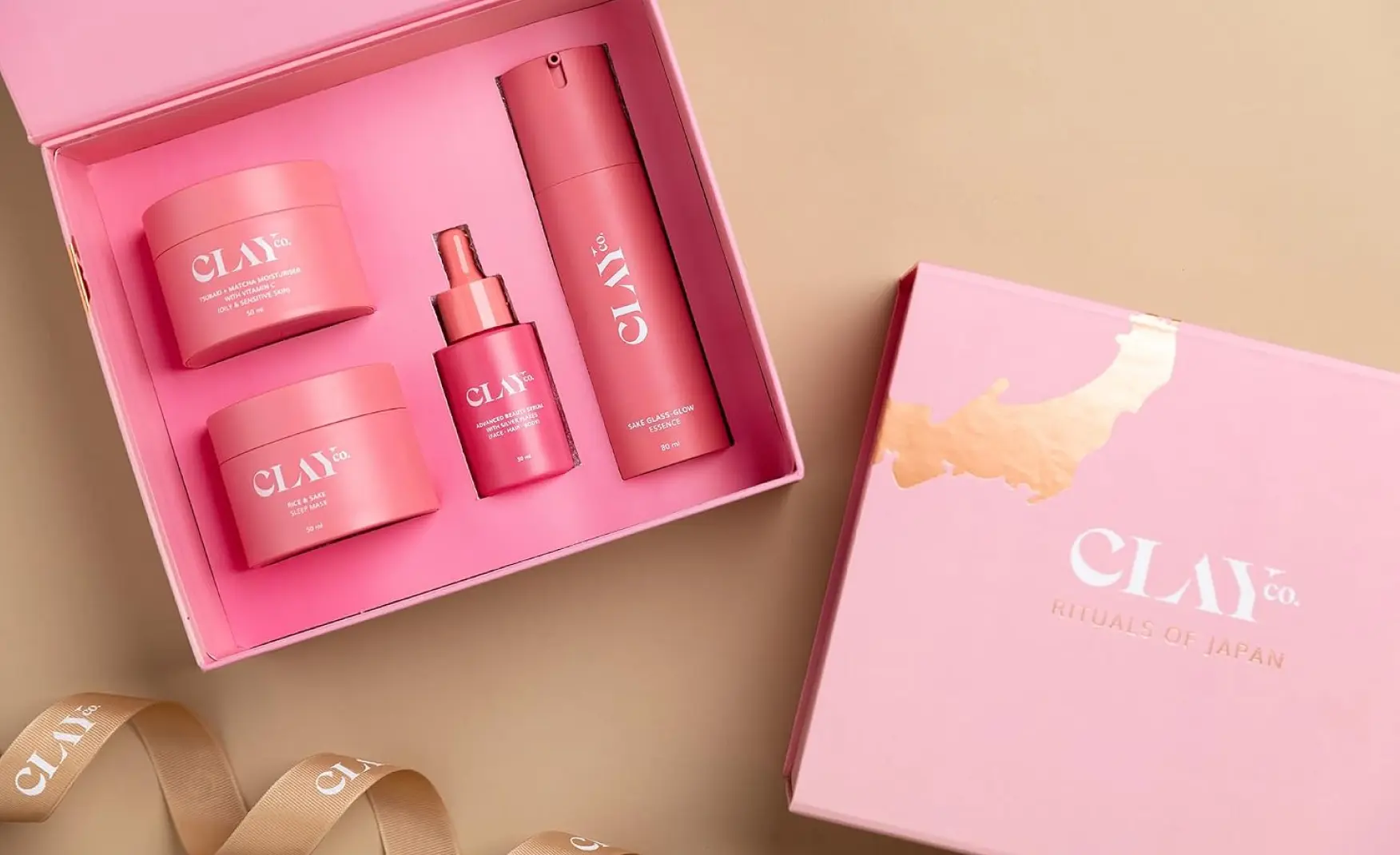
Every ClayCo pack carries a map marking the country its ritual comes from.
ClayCo built that system so that the brand could add a new country later without redrawing the whole identity, which almost nobody in Indian D2C plans for this early.

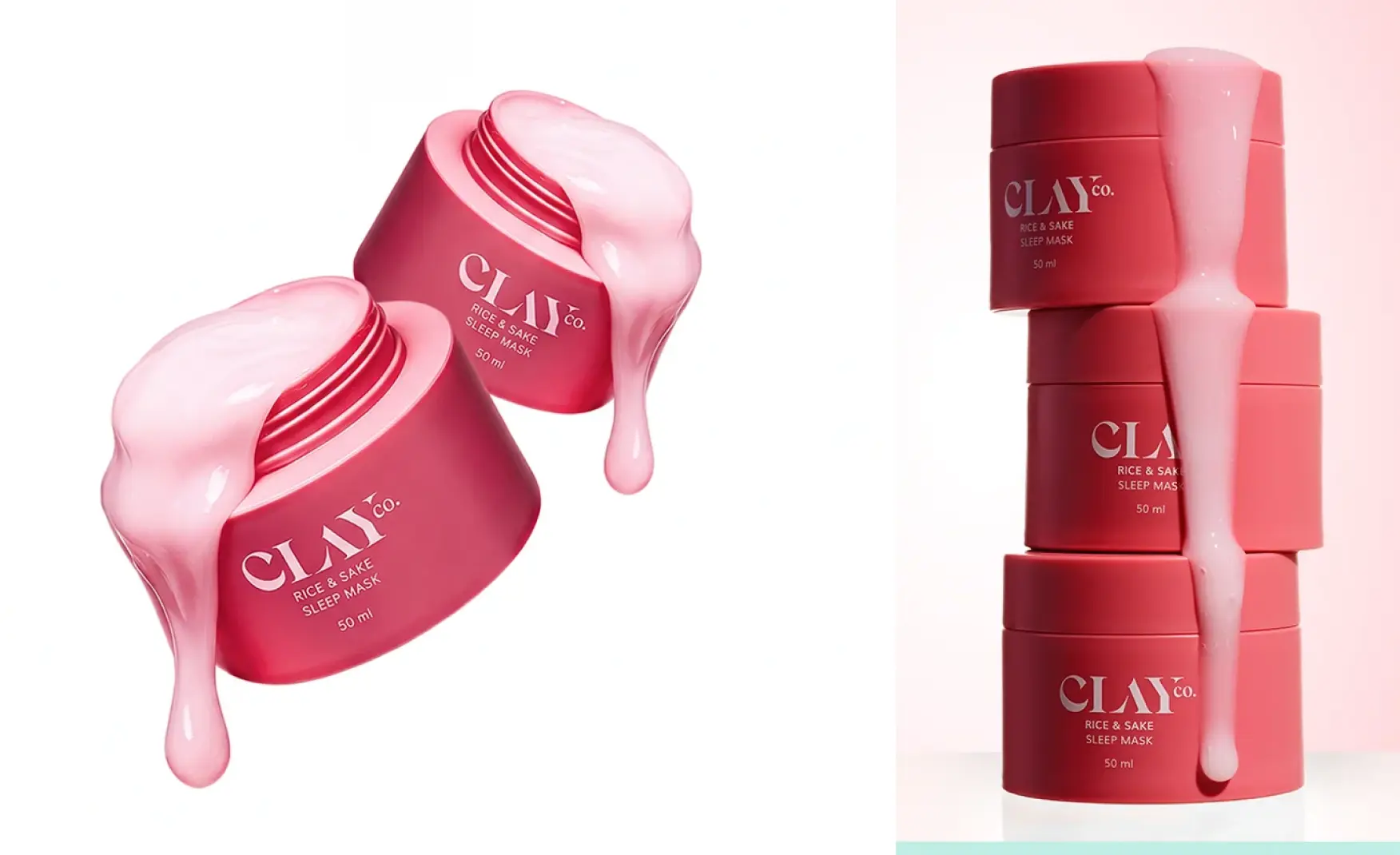
ClayCo turned the word ritual into an actual price tier rather than just marketing purpose.
Eleven of its fifty two listings are ritual sets priced between Rs 1,049 and Rs 3,500, in a skincare category where the normal basket is a single Rs 600 tube.
The ritual set is actually making people buy the whole set rather than just one product in that set, hence generating more revenue.
K-beauty has already been claimed as a differentiator in India, with multiple brands built entirely around it.
Nobody has properly built the Japanese beauty story in India yet, and ClayCo's debut Rituals of Japan range, with rice, sake and azuki bean formulations, is the closest anyone has come to owning it.
ClayCo built a gamified booth at The Lil Flea Double Weekend in Mumbai, April 2026, around the Rituals of Japan range, letting the visitors test textures in person, and turned a skincare pitch into something people wanted to spend time at.
A brand that can hold both scientific credibility and a fun in person moment on the same weekend is rarer.
ClayCo built its name on Japanese ritual, and its own newer products do not align.
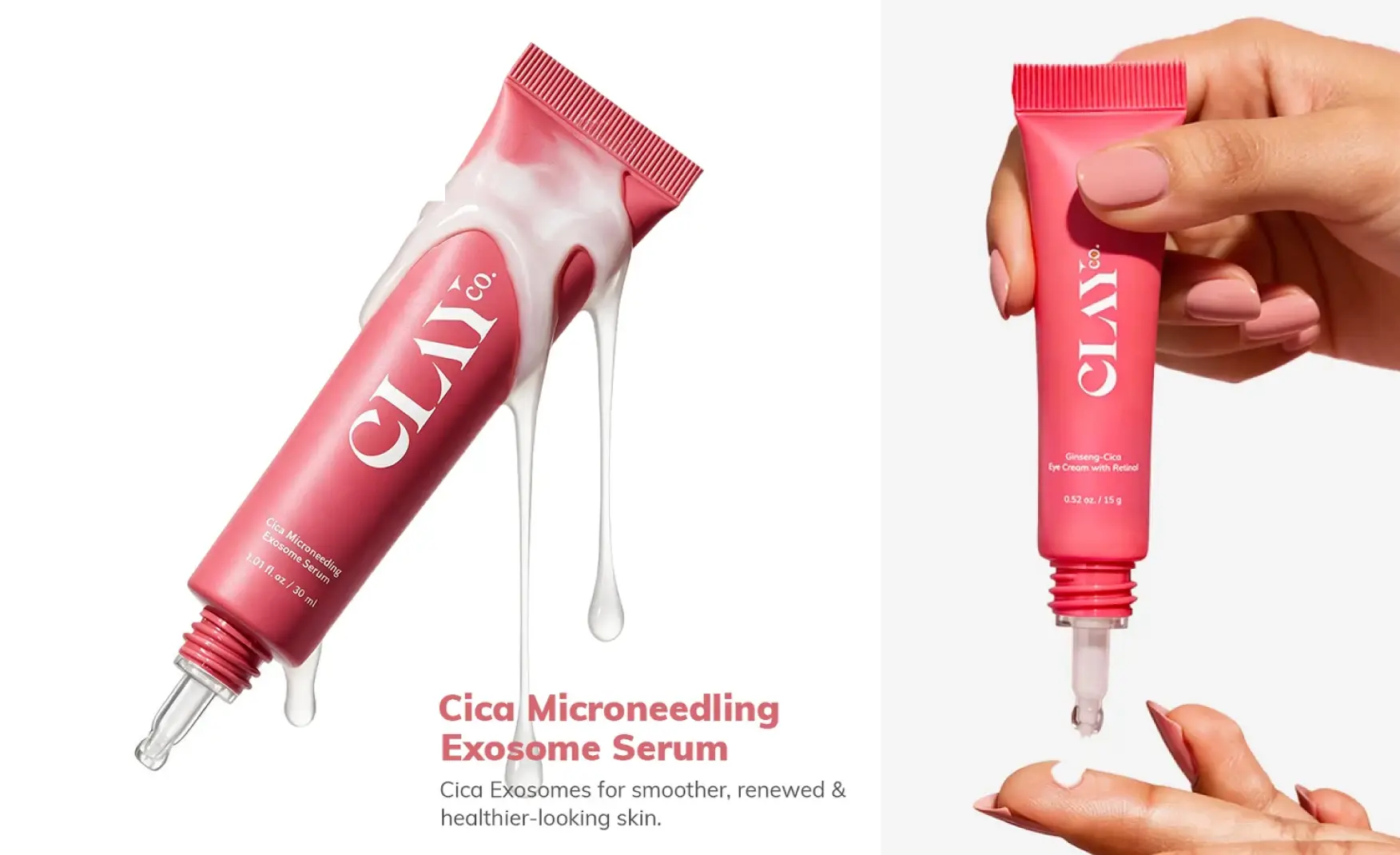
A Cica Microneedling Exosome Serum, a Ginseng Cica Eye Cream, PDRN across three SKUs and a Glass Skin ritual set are all Korean skincare aligned not Japanese.
Jhunjhunwala herself has publicly credited the brand with bringing PDRN and exosomes to India, alongside a De-Tan Rice Pack and a sulfur acne wash that read as standard Indian derma, the exact playbook Minimalist and Deconstruct already own.
The name ClayCo states clay is the soil that binds every traditions, every beauty rituals.
The tagline says “beauty rituals of the world”.
Three years in, there is still only Japan, and the fresh series is going into hair and body care rather than a second country.
The platform was built for geography but now it's being used to sell new formats instead. So the one thing that actually makes ClayCo different is now getting neglected.
Pilgrim runs the same global ritual idea across Korea, France and Spain at once.
It reported Rs 408 crore in FY25 operating revenue, more than five times ClayCo's FY26 figure, at roughly five years older.
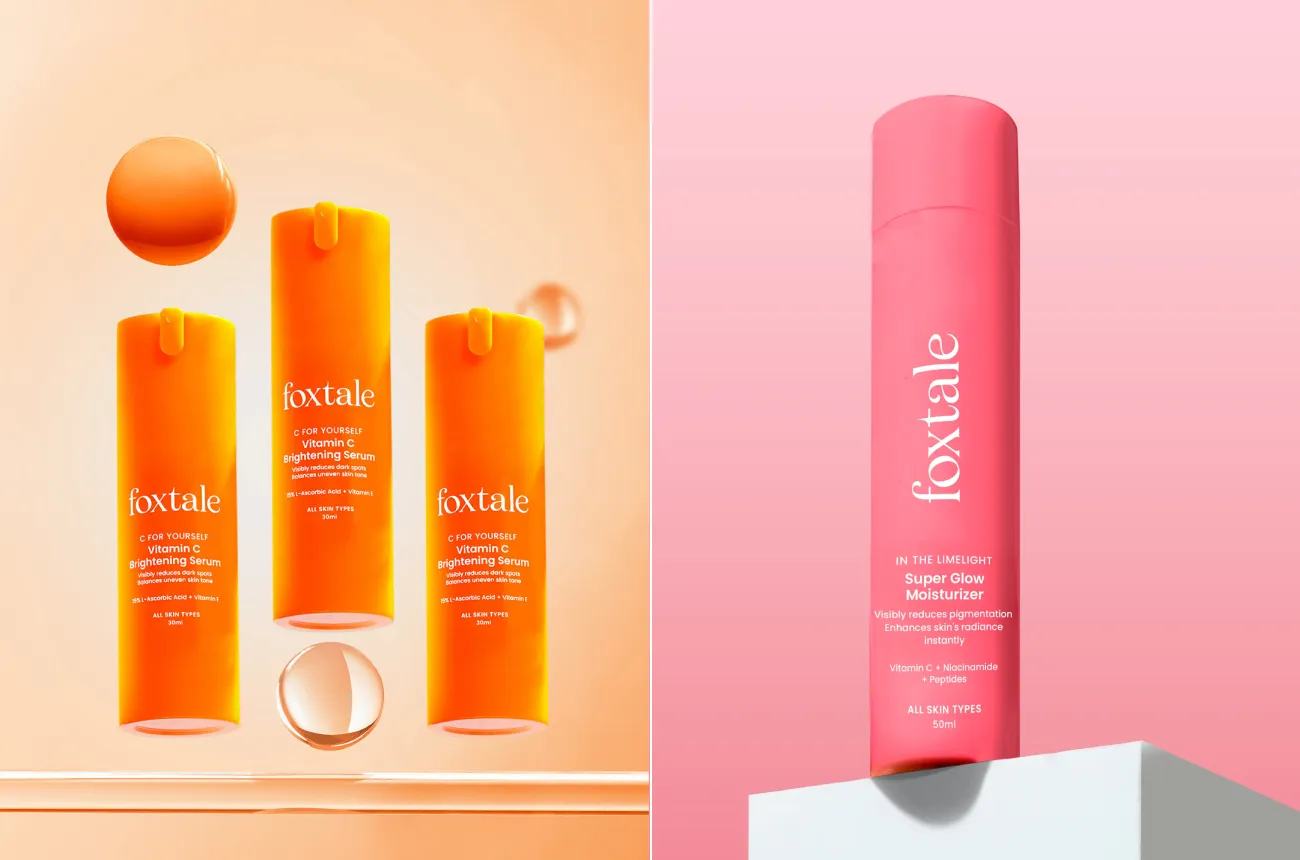
Foxtale took $30 million from KOSÉ, a real Japanese beauty company. So now a competitor actually has the Japanese roots ClayCo can only show through design.
Right now, ClayCo's Instagram feels a bit flat. Most posts talk about the product, mention a few ingredients, and every now and then show a UGC post.
Their competitors like Foxtale's feed is loud and fun, full of creator collaborations that give it real personality. WishCare leans on real people showing real results, which builds trust in a very human way. Minimalist goes deep on ingredients and lets that expertise carry the whole feed.
Each of these brands picked one thing and built their entire online presence around it.
ClayCo hasn't done that yet. Given how strong and unique its own story is, the one about clay, soil, and rituals from around the world, the brand has more than enough material to build a feed that actually stands out.
Sitting between full commitment and full expansion is the one option that loses.
Either ClayCo becomes the brand that actually owns Japanese beauty in India, and removes every Korean and Indian derma SKU, or it opens the map to a second country on purpose and gives the packaging system the expansion it was actually designed for.
Confetti's view is that committing to Japan is the stronger near-term move, since the KOSÉ deal has already made the platform expansion path more contested than it looked a year ago.
The name ClayCo comes from something raw and elemental, the idea that soil belongs to no single culture.
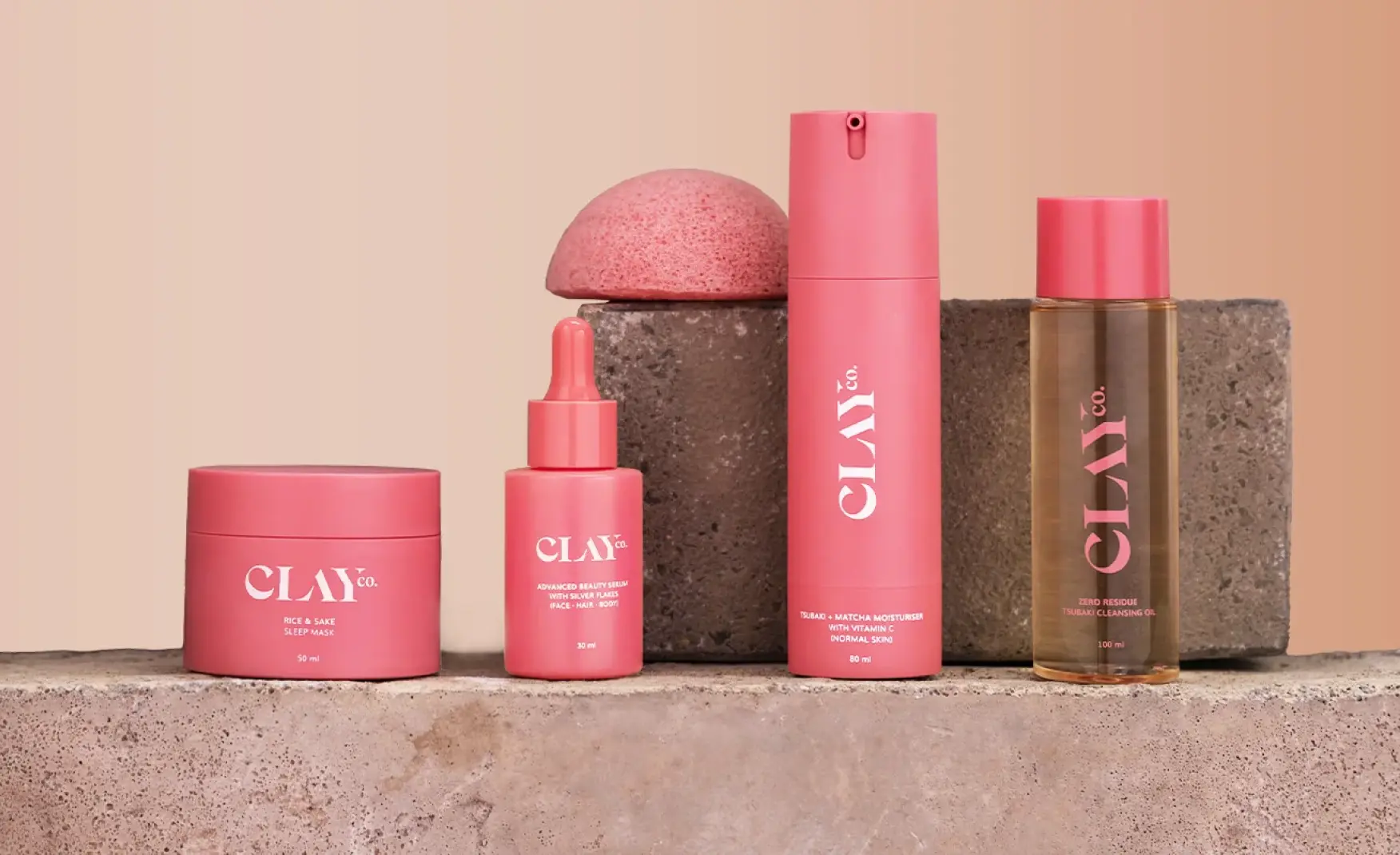
The current packaging is clean, minimal, and all in soft pink and polished white space, which reads as modern prestige skincare but says nothing about earth, soil, or the world of rituals the name promises. but speaks a different emotional language than the name it sits under.
We have done this kind of branding work for founder-led Indian brands, taking a strong origin story that packaging has drifted away from and building the visual and verbal rules that bring the two back together.
The gamified booth worked once, in front of a crowd already looking for something that felt different.
Documenting what made that activation work, the interactivity, the in person texture testing, the sense of a destination rather than a stall, turns a one weekend win into a format ClayCo can repeat at every future market and pop-up rather than reinventing from scratch each time.
ClayCo has one of the better-designed foundations in Indian D2C skincare, with a packaging system built to expand, a ritual vocabulary that earns real premium pricing. Growing to Rs 72 crore in three years while landing back-to-back institutional rounds is a genuine commercial result.
What holds it back from a stronger score is that the brand has not yet used the platform it built. The map on the pack promises a world of rituals, the catalogue is becoming a Korean and Indian-derma brand wearing a Japanese name, and the newest capital is going into format rather than the geography the whole identity was designed around.
If you are building a brand whose platform has outgrown what it is actually delivering, this is exactly the work we do. Get in touch with our team at Confetti.
Want strategic branding and packaging like this for your business?





.webp)
.webp)

.webp)
.webp)
.webp)
.webp)
.webp)







.svg)
.webp)





.svg)
.svg)































































.webp)







.webp)


.svg)